
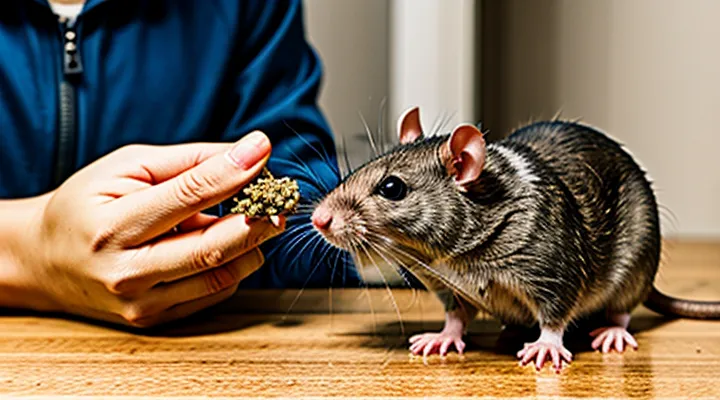
The Foundation of a Rat's Diet
Understanding Nutritional Needs
Essential Macronutrients
Providing a pet rat with nutrition that extends beyond commercial formulations requires attention to the three macronutrient categories that sustain growth, reproduction, and daily activity.
Protein supplies the amino acids necessary for tissue repair and enzymatic function. Adult rats thrive on diets containing 14–20 % protein by weight, while growing juveniles benefit from 20–25 %. High‑quality sources include cooked lean poultry, boiled eggs, low‑fat cottage cheese, and soy‑based products such as tempeh. Each protein source should be offered in small, bite‑size portions to prevent spoilage and ensure digestibility.
Fat delivers concentrated energy and supports absorption of fat‑soluble vitamins. A balanced rat diet contains 5–10 % fat. Suitable fats are derived from unsalted nuts (e.g., almonds, walnuts), seeds (sunflower, pumpkin), and modest amounts of olive or canola oil. Excessive fat increases the risk of obesity and hepatic lipidosis; therefore, total fat contributions should be measured carefully.
Carbohydrates provide readily available glucose for immediate metabolic demands. Rats require roughly 45–55 % carbohydrate content, favoring complex over simple sugars to maintain stable blood glucose levels. Acceptable carbohydrates include cooked whole grains (brown rice, quinoa), steamed vegetables (sweet potato, carrots), and small quantities of fruit (apple, berries). Simple sugars should be limited to avoid dental decay and metabolic disturbances.
Recommended macronutrient distribution for a supplemented rat diet
- Protein: 14–25 % of total calories
- Fat: 5–10 % of total calories
- Carbohydrates: 45–55 % of total calories
Implementing these proportions with the listed food items ensures that a rat receives the essential macronutrients required for health while diversifying its diet beyond specialized feed.
Key Micronutrients and Vitamins
Pet rats require a precise blend of micronutrients and vitamins to support growth, reproduction, and immune function when their diet is supplemented with non‑specialized foods.
- Vitamin A – promotes vision and epithelial health; abundant in carrots, sweet potatoes, and dark leafy greens.
- Vitamin D3 – regulates calcium absorption; obtainable from fortified dairy, egg yolk, and limited exposure to natural sunlight.
- Vitamin E – acts as an antioxidant; sources include sunflower seeds and wheat germ.
- Vitamin K – necessary for blood clotting; found in kale, broccoli, and parsley.
- B‑Complex vitamins – support metabolism and nervous system health:
- B1 (thiamine) – whole grains, pork.
- B2 (riboflavin) – dairy, eggs.
- B3 (niacin) – fish, turkey.
- B5 (pantothenic acid) – mushrooms, avocados.
- B6 (pyridoxine) – bananas, chickpeas.
- B7 (biotin) – eggs, almonds.
- B9 (folic acid) – spinach, lentils.
- B12 (cobalamin) – meat, fish.
- Vitamin C – although rats synthesize it, dietary inclusion from bell peppers or strawberries can reduce oxidative stress.
Key minerals must accompany these vitamins:
- Calcium & Phosphorus – maintain bone density; balanced through dairy, fortified plant milks, and small amounts of bone meal.
- Magnesium – stabilizes enzyme activity; present in nuts, seeds, and whole grains.
- Potassium & Sodium – regulate fluid balance; obtained from fruits, vegetables, and occasional lean meat.
- Iron – critical for hemoglobin; sourced from lean red meat and cooked beans.
- Zinc, Copper, Manganese, Selenium – support immune response and antioxidant enzymes; moderate amounts found in nuts, seeds, and organ meats.
A practical approach combines fresh vegetables, lean protein, and occasional dairy or fortified products. Portion sizes should reflect the rat’s weight and activity level to avoid hypervitaminosis, particularly with fat‑soluble vitamins (A, D, E, K). Regular monitoring of coat condition, activity, and weight provides indirect feedback on nutrient adequacy.
The Role of Commercial Rat Food
Benefits of a Balanced Pelleted Diet
A balanced pelleted diet supplies all essential nutrients in precise ratios, eliminating the guesswork associated with mixed ingredient meals. Each pellet contains calibrated amounts of protein, fat, fiber, vitamins, and minerals, ensuring consistent intake regardless of the rat’s appetite fluctuations.
- Complete nutrition reduces the likelihood of deficiencies that can lead to metabolic disorders.
- Uniform particle size promotes regular chewing, supporting dental wear and preventing overgrowth.
- Predictable caloric content simplifies weight management and helps avoid obesity.
- Minimal preparation and storage requirements lower the risk of contamination and spoilage.
- Standardized formulation decreases the chance of selective eating, encouraging a well‑rounded diet.
Consistent nutrient delivery also stabilizes gut flora, improving digestion and nutrient absorption. The convenience of a single product streamlines daily feeding routines, allowing owners to focus on enrichment and health monitoring rather than complex meal planning.
Limitations of Solely Specialized Feed
Relying exclusively on commercial rat chow imposes several nutritional and behavioral constraints.
- Nutrient diversity is reduced; specialized formulas often omit substantial amounts of fresh vegetables, fruits, and protein sources such as boiled egg or lean meat, which supply vitamins A, C, and B‑complex that are present only in low concentrations in dry mixes.
- Fiber content may be insufficient for optimal gut motility. Fresh greens and occasional whole‑grain items increase insoluble fiber, supporting regular bowel movements and preventing constipation.
- Palatability declines when the diet lacks variety. Rats are natural foragers; a monotonous menu can lead to reduced appetite, weight loss, or the development of selective eating habits that limit exposure to essential micronutrients.
- Dental health suffers without adequate chewing material. Hard foods like carrot sticks or small pieces of raw apple provide natural abrasion, reducing the risk of overgrown incisors that dry pellets cannot achieve.
- Immune resilience may be compromised. Phytonutrients and antioxidants found in fresh produce bolster the animal’s defenses against common infections, a benefit absent from solely processed feeds.
Incorporating supplemental items such as leafy greens, small portions of cooked lean protein, and occasional treats expands the nutritional profile, promotes natural foraging behavior, and supports overall health beyond the limits of a single‑source diet.
Safe and Beneficial Supplementary Foods
Fresh Produce: Fruits and Vegetables
Safe Fruits for Rats
Pet rats thrive when their diet includes a modest amount of fresh fruit, supplementing the base of high‑quality commercial pellets. Fruit contributes natural sugars, vitamins, and hydration, but it must be offered in controlled portions to avoid digestive upset and obesity.
Safe options include:
- Apple (core and seeds removed); thin slices, no more than a few bites per day.
- Blueberries; whole, washed, limited to 2–3 berries.
- Banana; small slice, occasional treat due to high sugar.
- Pear (seedless); thin pieces, similar serving to apple.
- Strawberries; hulled, quartered, no more than 2–3 pieces.
- Kiwi; peeled, small chunk, watch for acidity.
- Mango; flesh only, limited to a few cubes.
- Melon (cantaloupe, honeydew); seedless, small cubes.
- Raspberries; a few berries, monitor for mold.
- Blackberries; a few berries, ensure no stems.
Fruits to avoid entirely are citrus (orange, lemon, lime), grapes, raisins, cherries (pits), and persimmons, because of acidity, toxicity, or choking hazards.
When introducing a new fruit, observe the rat for signs of diarrhea or reduced appetite. Offer fruit once or twice weekly, not exceeding 10 % of the total daily caloric intake. Always wash fruit thoroughly, remove seeds, pits, and skins that may be difficult to digest, and serve at room temperature.
Safe Vegetables for Rats
Vegetables provide essential vitamins, minerals, and fiber that complement a rat’s commercial diet. Introducing a variety of fresh produce helps maintain dental health and digestive regularity.
- Carrots (raw or lightly steamed)
- Bell peppers (any color)
- Broccoli florets
- Zucchini (seedless)
- Spinach (in moderation)
- Kale (chopped)
- Cucumber
- Sweet potato (cooked, unseasoned)
- Green beans (cooked or raw)
- Peas (fresh or frozen, thawed)
Prepare each item by washing thoroughly, removing any pesticide residues, and cutting into bite‑size pieces. Offer no more than one to two tablespoons per day, adjusting quantity based on the rat’s size and activity level. Introduce new vegetables one at a time, monitoring for adverse reactions over 24–48 hours.
Avoid the following produce due to toxicity or digestive upset:
- Raw potatoes and potato skins (solanine)
- Onion, garlic, and related Allium species (irritant compounds)
- Tomato leaves and stems (alkaloids)
- Rhubarb leaves (oxalic acid)
- Avocado (persin)
- Citrus peels (acidic oils)
- Fruit seeds and pits (cyanogenic glycosides)
Consistent, measured inclusion of approved vegetables enhances nutrition without compromising health.
Foods to Avoid: Dangerous Produce
Pet rats require a diet that excludes several common fruits and vegetables because of toxic compounds, digestive incompatibility, or severe nutritional imbalances. Feeding them inappropriate produce can lead to acute illness, organ damage, or death.
- Citrus fruits (oranges, lemons, limes, grapefruits) – high acidity irritates the gastrointestinal tract and can cause ulceration.
- Avocado – contains persin, a toxin that damages heart muscle and can be fatal.
- Raw potatoes and green tomato skins – solanine accumulates in nightshades, producing neurotoxic effects.
- Onions, garlic, and chives – organosulfoxides cause hemolytic anemia by destroying red blood cells.
- Rhubarb leaves – oxalic acid precipitates kidney stones and may induce renal failure.
- Fruit seeds and pits (apple, cherry, peach, plum) – cyanogenic glycosides release cyanide when chewed.
- Mushrooms – many wild varieties contain amatoxins that are lethal to rodents.
Avoid offering any of these items, even in small quantities. If accidental ingestion occurs, monitor the rat for signs of distress such as lethargy, vomiting, or abnormal breathing, and seek veterinary care immediately. Substitute safe produce—such as carrots, broccoli, and apples (seedless)—to provide variety without compromising health.
Grains and Whole Foods
Cooked Grains and Pasta
Cooked grains and pasta can supplement a pet rat’s diet when offered in moderation. They provide carbohydrates, modest protein, and small amounts of fiber, contributing energy without replacing the essential nutrients found in species‑specific formulations.
- Suitable varieties: plain rice, oatmeal, quinoa, whole‑wheat pasta, and barley. Avoid flavored or seasoned products, as salt, sugar, and additives can cause health issues.
- Preparation: rinse grains, cook in plain water until soft, and allow to cool to room temperature. Do not add butter, oil, or sauces.
- Portion control: limit each serving to no more than one tablespoon of cooked grain or pasta per day for an adult rat; juveniles require less. Excess carbohydrates may lead to obesity and digestive upset.
- Nutrient balance: combine grains with a source of protein (e.g., boiled egg, lean meat) and fresh vegetables to ensure a well‑rounded meal.
- Storage: keep cooked portions in a sealed container in the refrigerator for up to 48 hours. Discard any leftovers that develop mold or an off odor.
Regular inclusion of these foods expands dietary variety and can encourage natural foraging behavior, provided the core diet remains based on nutritionally complete rat feed.
Whole Grain Breads and Cereals
Whole grain breads and cereals can supplement a pet rat’s diet, providing complex carbohydrates, dietary fiber, B‑vitamins, iron, and trace minerals. These foods contribute energy without the rapid blood‑sugar spikes associated with refined grains.
- Complex carbohydrates support steady energy release.
- Fiber promotes gastrointestinal motility and reduces the risk of constipation.
- B‑vitamins aid metabolism of proteins and fats.
- Iron and zinc assist hemoglobin formation and immune function.
Inclusion of whole grain products enhances dental health by encouraging gnawing activity, which naturally wears down continuously growing incisors. The texture also offers environmental enrichment, reducing boredom‑related behaviors.
Potential drawbacks include elevated sodium, added sugars, and artificial flavorings that can strain renal function or cause weight gain. Small, hard pieces may present choking hazards; molds can develop if bread is left moist for extended periods.
Select products that meet the following criteria:
- 100 % whole grain, no refined flour.
- No added sugar, honey, or sweeteners.
- Sodium content below 0.2 % by weight.
- Free of artificial colors, flavors, and preservatives.
- Soft enough to break apart easily, yet firm enough to encourage chewing.
Feeding protocol: offer ½ – 1 tsp of crumbled bread or cereal per day, divided into two meals. Monitor body condition and adjust portions if weight changes occur. Remove uneaten portions after 30 minutes to prevent spoilage. Rotate between bread and cereal to maintain variety while keeping total grain intake within the recommended range.
Proteins and Healthy Fats
Lean Meats and Eggs
Lean meats and eggs can supplement a rat’s diet when offered in moderation. These protein sources provide essential amino acids, B‑vitamins, and minerals such as iron and zinc that complement the nutrients found in commercial rodent pellets.
Cooked chicken breast, turkey, and lean beef should be boneless and free of skin or excess fat. Cook to an internal temperature of at least 165 °F (74 °C) to eliminate pathogens. Cool completely before serving. Egg preparation must be thorough; scramble or hard‑boil eggs, avoiding raw consumption because of salmonella risk. Egg yolk supplies additional fat and vitamin D, while egg white contributes high‑quality protein.
Feeding guidelines:
- Offer no more than 1 – 2 g of lean meat per 100 g of body weight per day.
- Limit egg intake to one small portion (approximately ¼ of a large egg) two to three times weekly.
- Cut meat and egg into bite‑size pieces to prevent choking.
- Introduce new foods gradually, monitoring for digestive upset or allergic reactions.
- Store leftovers in a sealed container, refrigerate, and discard after 24 hours.
Potential concerns include excess calcium from frequent egg consumption, which can predispose rats to urinary stones. Overfeeding protein may strain kidneys, especially in older animals. Ensure the primary diet remains a balanced pellet formulated for rodents, with fresh water always available.
Nuts and Seeds in Moderation
Nuts and seeds can supplement a rat’s diet when offered sparingly. Their high fat and calorie content provides energy, but excess intake leads to obesity and nutrient imbalances.
- Small portions of unsalted almonds, walnuts, or hazelnuts (no more than a half‑piece per week).
- Sunflower seeds, pumpkin seeds, or hemp seeds (1 – 2 teaspoons weekly).
- Avoid peanuts, macadamia nuts, and any seeds with added salt, sugar, or flavorings.
Introduce each type gradually, monitor weight and stool consistency, and discontinue if digestive upset occurs. Balance these treats with a diet primarily composed of commercial rat pellets, fresh vegetables, and occasional fruit.
Dairy Products: A Small Treat
Dairy can be incorporated into a rat’s diet as an occasional treat, complementing the primary nutrition provided by specialized feed. Small quantities satisfy a palate for richness without displacing essential nutrients.
- Plain yogurt (full‑fat, unsweetened): ½ teaspoon, three times per week.
- Low‑fat cottage cheese: ¼ teaspoon, twice weekly.
- Hard cheese (e.g., cheddar, gouda): a thin slice, once weekly.
- Small amounts of kefir: ¼ teaspoon, once weekly.
Treats must be introduced gradually; monitor for signs of intolerance such as diarrhea or excessive gas. Lactose‑intolerant individuals should avoid dairy altogether. Limit total dairy intake to no more than 5 % of daily caloric intake to prevent obesity and nutrient imbalance. Store all dairy products at refrigeration temperatures and discard leftovers after 24 hours to prevent bacterial growth.
Occasional Treats and Scraps
Human Food Scraps: The Do's and Don'ts
Pet rats can accept certain kitchen leftovers, but safety and nutritional balance demand strict guidelines.
Do’s
- Offer small portions of plain, cooked vegetables such as carrots, broccoli, or zucchini.
- Provide lean, unseasoned protein like boiled chicken, turkey, or scrambled eggs in modest amounts.
- Include fresh fruit sparingly; apple slices (core removed) or berries supply natural sugars without excess.
- Ensure all food is free of salt, sugar, spices, and artificial additives.
- Wash produce thoroughly to eliminate pesticide residues.
- Introduce new items gradually, monitoring for digestive upset or changes in behavior.
Don’ts
- Never give processed snacks, candy, chips, or anything containing chocolate, caffeine, or alcohol.
- Exclude dairy products; rats lack the enzymes to digest lactose efficiently.
- Avoid raw beans, potatoes, or any uncooked starches that contain toxic compounds.
- Do not feed foods high in fat or oil, such as fried items or fatty meats.
- Reject any leftovers with strong seasoning, sauces, or preservatives.
- Never replace the primary grain‑based diet with scraps; the staple feed must remain the nutritional foundation.
Adhering to these rules allows owners to enrich a rat’s meals with occasional human food scraps while preserving health and longevity.
Healthy Homemade Rat Treats
Providing pet rats with nutritious, homemade treats expands dietary variety beyond commercial pellets and enhances overall health. Fresh ingredients supply essential vitamins, minerals, and fiber that standard formulas may lack, supporting dental wear, immune function, and gut balance.
Common safe ingredients
- Cooked chicken breast, shredded
- Hard‑boiled egg, finely chopped
- Plain rolled oats, lightly toasted
- Fresh carrots, grated
- Apple slices, skin removed, no seeds
- Unsalted peanut butter, thinned with water
- Low‑fat cottage cheese, crumbled
Simple recipes
- Chicken‑Oat Bites – Mix 2 parts shredded chicken with 1 part toasted oats, add a teaspoon of cottage cheese, shape into ½‑inch balls, bake at 150 °C for 10 minutes. Cool before serving.
- Carrot‑Apple Crunch – Combine equal parts grated carrot and apple, stir in a tablespoon of unsalted peanut butter, form thin discs, dehydrate at 60 °C for 2 hours. Store in an airtight container.
- Egg‑Cottage Spread – Blend one hard‑boiled egg with two tablespoons cottage cheese, add a pinch of finely ground oats, serve a teaspoon-sized portion on a small spoon.
Preparation and safety guidelines
- Use only fresh, pesticide‑free produce.
- Avoid added sugars, salts, and artificial flavorings.
- Cook meats to an internal temperature of 74 °C; cool completely before mixing.
- Limit treat portions to 5 % of total daily caloric intake; excessive calories cause obesity.
- Introduce new foods gradually, monitor for digestive upset or allergic reactions.
- Store treats in the refrigerator for up to three days or freeze for longer preservation; discard any that develop mold or odor.
Incorporating these recipes supplies balanced nutrients while maintaining the palatability rats prefer, contributing to a well‑rounded feeding regimen.
Dietary Considerations and Best Practices
Frequency and Portion Control
Daily Supplementation Guidelines
Pet rats require more than a commercial pellet diet to maintain optimal health. Incorporating a structured supplementation plan addresses micronutrient gaps, supports dental wear, and promotes a balanced gut environment.
A daily regimen should include:
- Fresh vegetables (e.g., carrots, broccoli, kale) – 1‑2 tablespoons, chopped finely to prevent choking. Rotate varieties to ensure a broad spectrum of vitamins and minerals.
- Protein source (e.g., boiled egg white, cooked chicken, or low‑fat cottage cheese) – approximately ½ teaspoon, offered every other day. Avoid seasoned or salty preparations.
- Calcium supplement – a pinch of powdered calcium carbonate or a small piece of calcium‑rich chew (e.g., mineral block). Provide once daily to aid bone development and teeth maintenance.
- Probiotic powder – a quarter‑teaspoon mixed into water or food, administered three times per week to sustain healthy intestinal flora.
Water must be available at all times, refreshed daily, and free from contaminants. Monitor intake; reduced consumption may signal illness.
Adjust portions according to the rat’s age, size, and activity level. Juvenile individuals require higher protein ratios, while senior rats benefit from increased calcium and fiber. Record observations to refine the schedule and ensure consistent nutritional balance.
Treat Frequency and Size
Treats should complement a balanced diet, not replace it. Veterinarians advise limiting treats to no more than 10 % of a rat’s daily caloric intake. For an average adult rat consuming roughly 20 kcal per day, this translates to 2 kcal from treats.
The size of each treat matters as much as the frequency. A single piece should contain no more than 0.2 kcal, equivalent to a pea‑sized portion of fruit or a small nibble of commercial rat snack. Larger pieces increase the risk of over‑consumption and may cause digestive upset.
A practical schedule:
- Morning: Offer a tiny piece of fresh vegetable (e.g., a ½‑inch carrot slice).
- Afternoon: Provide a small bite of dried fruit or a low‑sugar chew.
- Evening: No additional treat; reserve this time for regular feed.
Adjust the plan for juveniles, pregnant females, or rats with higher energy demands; increase the total treat allowance by up to 2 kcal, but maintain the same portion size to avoid obesity.
Monitor weight weekly. If a rat gains more than 5 % of its body mass within a month, reduce treat frequency or replace high‑calorie items with low‑calorie alternatives such as cucumber or leafy greens.
Consistent, modest portions support dental health, enrichment, and bonding without compromising nutritional balance.
Food Preparation and Storage
Washing and Preparing Fresh Foods
When fresh foods become part of a rat’s diet, hygiene and preparation directly influence nutritional value and safety. Rinse each item under running water to eliminate soil, pesticide residues, and microbial contaminants. For leafy greens, submerge in a bowl of cold water, swirl gently, then lift and drain; repeat once more to ensure thorough cleaning.
After washing, remove any inedible or tough portions. Trim stems from carrots, slice apples into bite‑size pieces, and discard seeds from berries that could pose choking hazards. Pat dry with a clean cloth or paper towel to reduce excess moisture, which can accelerate spoilage.
Store prepared items in a sealed container within the refrigerator. Use a separate compartment for each type to prevent cross‑contamination. Consume within 24 hours for maximum freshness; discard any leftovers that show signs of mold or slime.
- Rinse under running water or soak briefly in a salt‑free solution.
- Trim, slice, and remove hazardous parts.
- Pat dry before serving.
- Refrigerate in airtight containers, separate by food type.
- Use within one day, discard if spoiled.
Avoiding Spoiled or Contaminated Items
When offering non‑commercial foods to a domestic rat, preventing consumption of spoiled or contaminated items is essential for health. Identify freshness by checking visual cues—discoloration, mold, or slime—and by smelling for sour or off‑notes. Store perishable foods in airtight containers within the refrigerator and discard anything past its recommended use date.
Key practices to avoid hazards:
- Inspect each piece of fruit, vegetable, or cooked protein before placement in the cage.
- Keep raw ingredients separate from the rat’s environment to limit bacterial exposure.
- Rotate stock regularly, using the oldest items first.
- Wash fresh produce thoroughly under running water; consider a mild, food‑safe sanitizer for leafy greens.
- Avoid feeding foods that have been left out for more than two hours at room temperature.
By adhering to these measures, owners reduce the risk of gastrointestinal upset, infections, and long‑term health complications in their pets.
Introducing New Foods
Gradual Introduction Techniques
When expanding a rat’s diet beyond commercial pellets, a step‑wise approach reduces stress and encourages acceptance. Begin by offering a small portion of the new food alongside the regular ration, observing the animal’s reaction for signs of refusal or gastrointestinal upset. Adjust the ratio gradually, increasing the novel component each day while decreasing the standard feed until the alternative becomes the primary source.
Key practices for a smooth transition include:
- Texture matching: Introduce foods with a consistency similar to the existing diet before moving to softer or crunchier items.
- Temperature control: Serve fresh items at room temperature; extreme cold or heat can deter consumption.
- Frequency consistency: Provide the new ingredient at the same daily time to create a predictable pattern.
- Portion scaling: Increase the amount by no more than 10 % of the total daily intake per day, monitoring weight and stool quality.
- Variety rotation: Alternate between different safe foods (e.g., cooked vegetables, small fruit pieces, unsalted nuts) to prevent monotony while maintaining nutritional balance.
Document each change, noting acceptance rates and any adverse symptoms. If adverse effects appear, revert to the previous proportion and progress more slowly. Consistent, measured adjustments enable the rat to adapt to a broader diet without compromising health.
Monitoring for Adverse Reactions
When a pet rat receives foods that differ from its regular formulated diet, systematic observation is essential to detect any negative health effects. Immediate attention to physiological and behavioral changes prevents complications and supports timely veterinary intervention.
Typical indicators of adverse reactions include:
- Decreased appetite or refusal of food
- Diarrhea, loose stools, or abnormal stool color
- Vomiting or regurgitation
- Lethargy, reduced activity, or unusual hiding behavior
- Rapid weight loss or failure to gain expected weight
- Respiratory distress, sneezing, or nasal discharge
- Skin irritation, hair loss, or excessive scratching
Monitoring protocol:
- Record baseline weight, coat condition, and activity level before introducing new foods.
- Weigh the rat daily for the first week; continue bi‑weekly thereafter.
- Observe feeding sessions for signs of reluctance or distress.
- Inspect feces each day for consistency and odor changes.
- Conduct brief health checks (eyes, nose, ears, fur) twice weekly.
- Document any abnormal signs in a log, noting date, severity, and possible triggers.
- Contact a veterinarian promptly if any symptom persists beyond 24 hours or worsens rapidly.
Laboratory analysis, such as fecal examinations or blood panels, may be ordered by the veterinarian to identify underlying allergies or gastrointestinal upset. Adjust the diet based on documented outcomes, eliminating suspect items and re‑introducing alternatives gradually while maintaining the monitoring schedule. This disciplined approach ensures that dietary diversification does not compromise the rat’s wellbeing.
Special Dietary Needs
Addressing Age-Related Dietary Changes
Pet rats experience metabolic shifts as they age, requiring adjustments to the foods offered beyond standard commercial formulations. Younger adults tolerate higher protein levels, while seniors benefit from reduced protein and increased fiber to support slower digestion and maintain muscle mass without overloading the kidneys.
Key modifications include:
- Lowering animal‑based protein to 12‑14 % of the diet and substituting with plant proteins such as cooked lentils or quinoa.
- Adding soluble fiber sources like cooked carrots, pumpkin, or oat bran to promote gastrointestinal motility.
- Incorporating omega‑3 fatty acids from flaxseed oil or fish oil to mitigate inflammatory processes common in older rodents.
- Providing calcium‑phosphorus ratios closer to 1:1 to preserve bone density, using finely ground eggshell or calcium‑rich leafy greens.
Hydration demands rise with age; fresh water should be available at all times, and occasional offerings of water‑rich foods (cucumber, watermelon) help prevent dehydration. Monitoring body condition score weekly enables timely tweaks to portion size, preventing obesity or undernutrition.
Veterinary consultation is advisable when introducing new ingredients, ensuring that nutrient profiles remain balanced and that any underlying health issues are addressed promptly.
Dietary Considerations for Sick or Pregnant Rats
When a rat is ill or expecting offspring, its nutritional requirements shift dramatically. The diet must supply extra energy, protein, vitamins, and minerals while minimizing stress on the digestive system.
Increase caloric density by adding easily digestible sources such as cooked chicken breast, scrambled eggs, or low‑fat cottage cheese. Aim for 15–20 % of the total daily intake in protein, with a focus on high‑quality animal protein that contains all essential amino acids. For pregnant females, an additional 25–30 % of calories is typical, supporting fetal growth and milk production.
Micronutrients become critical. Vitamin A supports epithelial health; a small amount of carrot puree or fortified rat mash can meet this need. Calcium is essential for skeletal development and milk synthesis; crushed eggshell powder (sterilized) or a commercial calcium supplement should be offered in limited quantities to avoid kidney strain. Phosphorus must remain balanced; avoid excessive dairy products that could tip the ratio.
Hydration demands close monitoring. Provide fresh water at all times, and consider a low‑sugar electrolyte solution (e.g., diluted unflavored Pedialyte) for rats with diarrhea or fever. Wet foods such as pureed pumpkin or unsweetened applesauce increase fluid intake while delivering fiber that promotes gut motility.
A practical list of safe, nutrient‑rich additions:
- Cooked lean meats (chicken, turkey) – finely shredded, unseasoned
- Hard‑boiled eggs – whole or yolk only for extra calcium
- Low‑fat cottage cheese – small spoonfuls, watch for lactose intolerance
- Pureed vegetables (pumpkin, sweet potato) – source of beta‑carotene and fiber
- Small amounts of fruit (blueberries, banana) – for quick energy, limit sugar
- Sterilized eggshell powder – calcium supplement, ½ tsp per day
- Commercial rat multivitamin tablets – follow manufacturer dosage
Avoid foods that can exacerbate illness or interfere with pregnancy: raw beans, onions, garlic, citrus, high‑fat treats, and processed human snacks. Monitor weight daily; a loss of more than 5 % body weight warrants veterinary assessment. Adjust portions promptly if the rat shows signs of reduced appetite or over‑eating, as both can lead to complications.
In summary, sick or pregnant rats require a diet that is calorie‑dense, protein‑rich, and fortified with specific vitamins and minerals, while maintaining optimal hydration and eliminating potential toxins. Consistent observation and gradual dietary adjustments ensure recovery and successful gestation.