
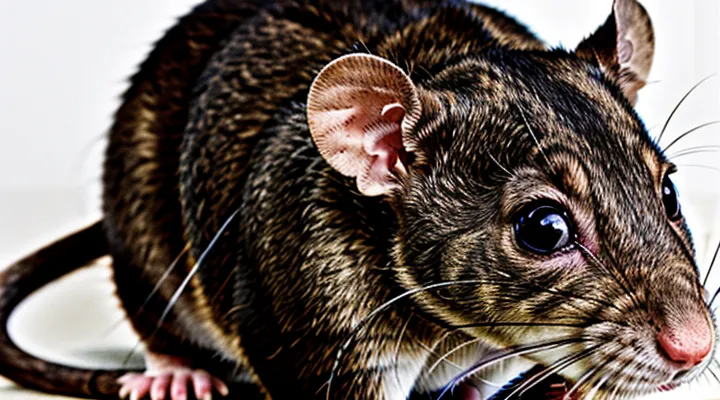
Understanding Eye Spot in Rats
What is Eye Spot?
Distinguishing Between Normal Secretions and Eye Spot
Normal ocular secretions in rats appear as clear or slightly milky fluid, are uniform in consistency, and accumulate at the eyelid margin without causing irritation. They are produced continuously by the lacrimal glands, disperse evenly across the corneal surface, and do not provoke swelling or redness.
Pathological eye spot presents as localized, often yellow‑brown or reddish crusts that adhere to the fur or skin around the eye. The material is dry, gritty, and may emit a faint odor. Inflammation of the surrounding tissue, eyelid edema, and frequent pawing at the eye frequently accompany the spot. Unlike normal discharge, the lesion does not resolve spontaneously within a few hours and may expand over days.
Key distinguishing features:
- Color: transparent/white (normal) vs. yellow‑brown, reddish, or black (abnormal).
- Texture: fluidic and spreadable (normal) vs. thick, crusty, or granular (abnormal).
- Location: confined to eyelid margin (normal) or extending onto fur, skin, and cornea (abnormal).
- Associated signs: absence of irritation (normal) versus redness, swelling, tearing, or behavioral discomfort (abnormal).
- Persistence: resolves quickly (normal) versus persists or worsens over 24 h (abnormal).
When an abnormal eye spot is identified, the following steps are recommended:
- Isolate the animal to prevent contamination of cage mates.
- Clean the area with sterile saline or a veterinarian‑approved ophthalmic cleanser, removing crusts gently with a cotton swab.
- Inspect the ocular surface for ulceration, foreign bodies, or discharge.
- Apply topical antibiotic ointment if bacterial infection is suspected; follow dosage guidelines provided by a veterinary professional.
- Monitor the eye daily for reduction in size, color change, and improvement in behavior; seek veterinary evaluation if no improvement occurs within 48 h or if the condition deteriorates.
Accurate differentiation between normal secretions and pathological eye spot enables timely intervention, reduces the risk of corneal damage, and supports overall rodent health.
The Role of Porphyrin
Porphyrins are tetrapyrrole pigments that accumulate in the lacrimal secretions of laboratory rats and give the characteristic reddish‑brown discoloration known as eye spot. The pigment originates from the heme biosynthetic pathway; excess intermediates, particularly uroporphyrin and coproporphyrin, are excreted through the Harderian gland and appear on the ocular surface.
Elevated porphyrin levels indicate metabolic stress, liver dysfunction, or exposure to toxic agents. Measurement of urinary or lacrimal porphyrin concentrations provides a quantitative marker for:
- hepatic enzyme inhibition,
- oxidative damage,
- dietary deficiencies (e.g., vitamin B6, zinc).
In experimental settings, porphyrin accumulation correlates with:
- administration of hepatotoxic chemicals (e.g., carbon tetrachloride, thioacetamide),
- chronic stress or overcrowding,
- genetic mutations affecting the uroporphyrinogen decarboxylase gene.
Therapeutic strategies target the reduction of porphyrin synthesis and its excretion:
- supplementation with antioxidants (vitamin E, N‑acetylcysteine) to mitigate oxidative stress,
- dietary adjustments to correct micronutrient deficiencies,
- pharmacological induction of hepatic enzymes (e.g., phenobarbital) to accelerate porphyrin clearance.
Monitoring porphyrin levels before and after intervention allows assessment of treatment efficacy and guides adjustments in experimental protocols.
Causes of Eye Spot in Rats
Environmental Factors
Poor Ventilation and Air Quality
Poor ventilation and substandard air quality create environments that predispose laboratory rats to ocular surface abnormalities, commonly referred to as eye spots. Elevated concentrations of ammonia, carbon dioxide, and particulate matter irritate the conjunctiva and cornea, leading to inflammation, epithelial disruption, and subsequent formation of focal lesions.
Key mechanisms include:
- Ammonia accumulation from bedding degradation, which raises ocular surface pH and damages epithelial cells.
- High carbon dioxide levels that reduce tear film stability, promoting dryness and micro‑abrasions.
- Particulate inhalation that deposits on the eyelids and cornea, triggering mechanical irritation and secondary infection.
These factors interact with stress and compromised immunity, amplifying lesion severity and prolonging recovery. Monitoring ventilation rates, maintaining air exchange above 15 air changes per hour, and using low‑emission bedding reduce contaminant buildup and support ocular health.
Treatment protocols focus on eliminating the environmental source and providing supportive care:
- Increase fresh air supply; install high‑efficiency particulate air (HEPA) filters.
- Replace ammonia‑producing bedding with silica‑gel or paper alternatives.
- Apply ocular lubricants to restore tear film integrity.
- Administer topical antibiotic or anti‑inflammatory agents if secondary infection is evident.
Regular assessment of air quality parameters, combined with prompt remediation, prevents recurrence of eye spots and ensures the welfare of rat colonies used in research.
Dust and Allergens
Dust and airborne allergens are frequent precipitators of ocular lesions in laboratory and pet rats. Particulate matter settles on the corneal surface, disrupting the tear film and exposing epithelial cells to irritants. Common allergens—house dust mite proteins, pollen fragments, and fungal spores—trigger mast cell degranulation in the conjunctiva, releasing histamine and leukotrienes that increase vascular permeability and provoke edema. The resulting fluid accumulation forms a localized, white or yellowish spot on the eye, often termed an “eye spot.”
Mechanisms of dust‑induced eye spots:
- Mechanical abrasion of the corneal epithelium by fine particles.
- Allergic inflammation mediated by IgE‑dependent pathways.
- Secondary bacterial colonization facilitated by compromised ocular barriers.
Treatment protocol:
- Remove the environmental source: replace bedding with low‑dust alternatives, filter cage air, and limit exposure to known allergens.
- Apply topical antihistamine drops (e.g., olopatadine 0.1%) twice daily to suppress mast cell activity.
- Use preservative‑free artificial tears every 4 hours to restore tear film stability and flush debris.
- If bacterial overgrowth is suspected, administer a broad‑spectrum ophthalmic antibiotic (e.g., ofloxacin 0.3%) for 5–7 days.
- Monitor lesion size and opacity; reduce or discontinue treatment once the spot resolves and no recurrence is observed for at least 48 hours.
Preventive measures include regular cage cleaning, HEPA filtration of the animal facility, and periodic health checks to detect early ocular changes. Consistent implementation of these strategies minimizes dust‑related eye spots and supports overall rat welfare.
Inadequate Cage Cleaning
Eye spots in laboratory rats often appear as unilateral or bilateral ocular discharge, conjunctival redness, and swelling. The condition signals irritation or infection of the ocular surface and can progress to corneal ulceration if left untreated.
Insufficient cage sanitation creates an environment that promotes the development of eye spots. Contaminated bedding and soiled surfaces increase the concentration of ammonia and volatile organic compounds, which irritate the conjunctiva. Residual food particles and fecal matter serve as reservoirs for bacterial agents such as Staphylococcus spp. and Pseudomonas spp., facilitating direct inoculation of the ocular tissues. Moisture accumulation fosters fungal growth, adding another source of ocular irritation.
- Accumulated ammonia → conjunctival irritation → increased tear production and discharge.
- Bacterial load on bedding → opportunistic infection of the eye.
- Fungal spores in damp corners → chronic conjunctivitis.
- Physical debris contact → mechanical trauma to the cornea.
Effective management begins with immediate removal of the contaminated environment. Replace bedding with fresh, low‑dust material and disinfect the cage using an approved veterinary sanitizer. Provide a dry, well‑ventilated housing area to reduce humidity and ammonia buildup. Conduct a veterinary examination to identify the specific pathogen; culture and sensitivity testing guide antimicrobial selection. Apply topical antibiotic ointments or ophthalmic drops according to the prescribed regimen, typically for 5–7 days. In cases of fungal involvement, incorporate antifungal eye drops. Monitor the eyes daily for reduction in discharge and swelling; discontinue treatment only after clinical signs have resolved.
Long‑term prevention relies on a strict cleaning schedule: remove soiled bedding, scrub surfaces, and replace water bottles at least twice weekly. Maintain ambient temperature and humidity within recommended ranges to limit ammonia volatilization. Regular health checks detect early ocular changes, allowing prompt intervention before severe damage occurs.
Dietary Deficiencies
Lack of Essential Vitamins and Minerals
Vitamin and mineral deficiencies are a documented trigger of ocular discoloration in laboratory rats. Deficits in vitamin A, B‑complex (particularly B2 and B6), vitamin C, and trace elements such as zinc, copper, and selenium impair retinal pigment metabolism, disrupt photoreceptor integrity, and alter melanin synthesis. The resulting hypopigmentation manifests as pale or white spots on the cornea and sclera, frequently misidentified as primary eye disease.
Key nutritional shortfalls linked to the condition include:
- Vitamin A: insufficient retinol reduces rhodopsin regeneration, leading to retinal degeneration and corneal epithelial thinning.
- Vitamin B2 (riboflavin): deficiency compromises antioxidant defenses, increasing oxidative stress in ocular tissues.
- Vitamin B6 (pyridoxine): low levels impair neurotransmitter synthesis, affecting ocular motor control and vascular regulation.
- Vitamin C: inadequate ascorbic acid diminishes collagen stability in the sclera, promoting focal opacity.
- Zinc and copper: deficits disrupt metalloprotein function essential for melanin production and retinal pigment epithelium health.
- Selenium: reduced selenoprotein activity weakens cellular antioxidant capacity, accelerating pigment loss.
Therapeutic correction centers on dietary repletion. Standard practice involves formulating a balanced rodent chow containing:
- Retinol at 4,000 IU kg⁻¹.
- Riboflavin and pyridoxine at 10 mg kg⁻¹ each.
- Ascorbic acid at 200 mg kg⁻¹.
- Zinc sulfate and copper gluconate delivering 100 ppm and 20 ppm, respectively.
- Sodium selenite providing 0.3 ppm.
Supplementation can be administered orally via fortified water or gavage for acute correction. Monitoring includes weekly ocular examinations and serum assays for the listed nutrients to verify normalization. Prompt nutritional restoration typically reverses hypopigmented lesions within 2–4 weeks, preventing permanent corneal scarring.
Dehydration
Dehydration can exacerbate the development of ocular lesions in laboratory rats by reducing tear film stability and impairing corneal epithelial integrity. Insufficient body water diminishes aqueous humor production, leading to increased ocular surface dryness and heightened susceptibility to focal opacity, commonly referred to as an eye spot.
Physiological mechanisms linking fluid deficit to eye spot formation include:
- Decreased tear secretion → heightened friction during blinking
- Reduced corneal hydration → epithelial cell desiccation and micro‑erosion
- Elevated serum osmolarity → endothelial stress and localized edema
Clinical observation of a dehydrated rat typically reveals dry peri‑ocular fur, reduced skin turgor, and a pale, irregularly shaped opacity on the cornea or lens. Confirmation requires slit‑lamp examination and measurement of serum electrolytes to assess the severity of fluid loss.
Effective management combines rehydration protocols with targeted ocular care:
- Administer isotonic saline (10 ml/kg) subcutaneously or via oral gavage, adjusting volume to body weight and severity of deficit.
- Provide electrolyte‑balanced drinking water supplemented with 0.5 % glucose to promote absorption.
- Apply preservative‑free artificial tears every 4 hours to maintain surface moisture.
- Use topical antibiotic ointment if secondary infection is suspected.
- Monitor ocular opacity daily; resolution typically occurs within 48–72 hours after fluid balance is restored.
Preventive strategies focus on maintaining adequate hydration in colony housing: ensure continuous access to fresh water, monitor daily water intake, and adjust environmental humidity to 50–60 % to reduce evaporative loss from the ocular surface. Implementing these measures minimizes the risk of dehydration‑induced eye spots and supports overall ocular health in experimental rodents.
Stress and Illness
Overcrowding
Overcrowding creates a persistent stress environment that predisposes laboratory rats to ocular lesions commonly identified as eye spots. High animal density elevates aggressive encounters, leading to frequent corneal abrasions that serve as entry points for opportunistic pathogens. The resulting trauma, combined with stress‑induced immunosuppression, accelerates bacterial colonization and inflammation of the ocular surface.
Epidemiological surveys demonstrate a statistically significant increase in eye‑spot prevalence when cage occupancy exceeds recommended limits. Data indicate that each additional animal per standard cage raises the incidence rate by approximately 12 %, reflecting a dose‑response relationship between crowding intensity and ocular pathology.
Mitigation strategies focus on both environmental control and direct clinical intervention:
- Reduce cage occupancy to meet or fall below established standards.
- Enhance ventilation to lower humidity and airborne microbial load.
- Provide nesting material and enrichment to disperse social tension.
- Conduct daily visual inspections; isolate affected individuals promptly.
- Apply topical broad‑spectrum antibiotics to prevent secondary infection.
- Use anti‑inflammatory eye drops to reduce swelling and discomfort.
- Administer systemic immunomodulators only when systemic signs of infection are present.
Implementing these measures lowers the frequency of eye spots, improves overall welfare, and supports the reliability of experimental outcomes.
Social Stress
Social stress exerts measurable effects on the development of ocular lesions in laboratory rats. Elevated corticosterone levels associated with hierarchical conflicts correlate with increased incidence of pigmented spots on the cornea and surrounding sclera. Experimental groups subjected to repeated resident‑intruder encounters display a 30‑45 % rise in lesion frequency compared to isolated controls, indicating a direct link between psychosocial pressure and eye‑spot formation.
The underlying mechanisms involve stress‑induced immunomodulation. Chronic activation of the hypothalamic‑pituitary‑adrenal axis suppresses retinal pigment epithelium repair processes, while pro‑inflammatory cytokines promote melanocyte proliferation within the ocular surface. These physiological changes create a permissive environment for pigment deposition and spot enlargement.
Effective management of the condition requires both environmental and pharmacological interventions:
- Reduce hierarchical tension by providing enriched cages, nesting material, and stable group composition.
- Administer glucocorticoid receptor antagonists (e.g., mifepristone) to mitigate hormonal overload.
- Apply topical anti‑inflammatory agents (e.g., cyclosporine eye drops) to limit cytokine activity.
- Monitor serum corticosterone weekly to adjust intervention intensity.
Long‑term prevention relies on maintaining low‑stress housing conditions and regular health assessments. Early detection of pigment changes enables prompt therapeutic action, limiting progression and preserving visual function in the animal model.
Underlying Health Conditions
Eye spotting in rats appears as localized pigmentation or discoloration on the ocular surface and often signals systemic disease. Recognizing the health conditions that produce this sign enables timely intervention and improves outcomes.
Common underlying disorders associated with ocular pigmentation include:
- Hepatic insufficiency – bilirubin accumulation leads to scleral jaundice, visible as yellow‑orange spots.
- Renal failure – uremic toxins cause conjunctival discoloration and periorbital edema.
- Endocrine dysregulation – hyperthyroidism and adrenal hyperactivity alter melanin distribution, producing dark patches.
- Infectious agents – Mycoplasma pulmonis and certain viral infections induce inflammatory infiltration and pigment changes.
- Neoplastic processes – ocular melanomas, lymphoma, and metastatic tumors manifest as focal pigmented lesions.
- Nutritional deficiencies – lack of vitamin A or excess dietary copper disrupts ocular pigment metabolism.
Diagnostic work‑up should combine visual assessment with laboratory testing: serum biochemistry for liver and kidney markers, thyroid hormone panels, complete blood count for infection, and imaging (ultrasound, MRI) to detect neoplasia. Histopathology confirms tumor identity when tissue is available.
Treatment strategies target the primary disease:
- Hepatic and renal support through fluid therapy, hepatoprotective agents, and dialysis‑type interventions.
- Hormone regulation using antithyroid drugs or adrenal suppressants.
- Antimicrobial regimens for identified infections, selected based on culture sensitivity.
- Surgical excision or radiation for confirmed ocular tumors, supplemented by chemotherapy when indicated.
- Nutritional correction via balanced diets and targeted supplementation.
Monitoring ocular appearance alongside systemic parameters provides a practical gauge of therapeutic efficacy and disease progression.
Respiratory Infections
Respiratory infections are a frequent comorbidity in laboratory rats displaying ocular lesions known as eye spots. The pathogens responsible for pulmonary disease can exacerbate ocular inflammation through systemic immune activation and vascular leakage, increasing the severity of the lesions.
Common bacterial agents include Streptococcus pneumoniae, Klebsiella pneumoniae, and Pseudomonas aeruginosa. Viral contributors are primarily murine coronavirus and Sendai virus. Mycoplasma species and Chlamydia spp. also appear in mixed‑infection scenarios.
Treatment protocols address both the respiratory and ocular components:
- Administer broad‑spectrum antibiotics (e.g., enrofloxacin, doxycycline) based on culture sensitivity; adjust dosage for weight and renal function.
- Use antiviral agents such as ribavirin for confirmed coronavirus infection; monitor liver enzymes.
- Provide supportive care: humidified air, nebulized saline, and temperature regulation to reduce mucosal irritation.
- Apply topical ophthalmic antibiotics (e.g., gentamicin) and anti‑inflammatory drops (e.g., cyclosporine) to control eye‑spot progression.
- Implement isolation and enhanced biosecurity to prevent spread within the colony.
Preventive measures focus on environmental control. Maintain cage humidity below 60 %, ensure adequate ventilation, and perform regular health screenings. Vaccination against common respiratory viruses, when available, reduces incidence and indirectly limits ocular complications.
Early detection of respiratory signs—cough, nasal discharge, labored breathing—combined with prompt antimicrobial therapy diminishes the risk of secondary eye‑spot aggravation and improves overall animal welfare.
Dental Problems
Dental malocclusion, incisor overgrowth, and periodontal disease frequently accompany ocular lesions in laboratory rats. Excessive incisor length can impinge on the orbital canal, causing mechanical irritation and secondary inflammation that manifests as an eye spot. Periodontal infection generates systemic bacterial load, increasing the risk of ocular infection through hematogenous spread.
The anatomical proximity of the maxillary incisors to the lacrimal gland and orbital tissues creates a direct pathway for pathology. Overgrown incisors may alter blink mechanics, reducing tear film stability and predisposing the cornea to ulceration. Chronic periodontitis elevates circulating cytokines, exacerbating inflammatory responses in the eye.
Common dental problems associated with eye spot include:
- Incisor overgrowth (malocclusion)
- Crown fractures exposing pulp
- Periodontal abscesses
- Alveolar bone loss
Diagnostic protocol:
- Visual inspection of incisor length and alignment under magnification.
- Radiographic assessment of alveolar bone integrity.
- Microbial culture of oral swabs to identify pathogenic species.
- Ophthalmic examination for corneal opacity, conjunctival swelling, and tear production.
Treatment strategy:
- Trim overgrown incisors weekly until normal occlusion is restored.
- Apply topical antibiotics to periodontal lesions; consider systemic therapy for severe infection.
- Provide a softened diet to reduce mechanical stress on incisors.
- Administer anti‑inflammatory agents (e.g., non‑steroidal drugs) to control ocular inflammation.
- Monitor ocular signs daily; adjust dental care based on progression.
Tumors
Eye spots in laboratory rats often indicate underlying neoplastic growths within the ocular structures. These lesions arise when malignant cells proliferate in the retina, choroid, or surrounding tissues, producing visible discoloration or mass effect on the globe.
Typical etiological factors include:
- Genetic mutations affecting oncogenes or tumor‑suppressor genes.
- Exposure to carcinogenic chemicals such as nitrosamines, polycyclic aromatic hydrocarbons, or certain pesticides.
- Chronic inflammation or viral infection that disrupts normal cellular regulation.
- Hormonal imbalances that stimulate uncontrolled cell division.
Accurate diagnosis relies on a combination of clinical observation, imaging, and histopathology. Slit‑lamp examination reveals the lesion’s size and coloration; high‑resolution ultrasound or MRI assesses depth and involvement of adjacent structures; biopsy followed by microscopic analysis confirms tumor type and grade.
Therapeutic strategies focus on eliminating malignant tissue while preserving ocular function:
- Surgical excision of localized tumors, often combined with cryotherapy to reduce recurrence.
- Radiation therapy, including external beam or stereotactic approaches, for infiltrative or inoperable lesions.
- Chemotherapeutic agents such as carboplatin or temozolomide administered systemically or via intra‑ocular injection.
- Targeted molecular therapies when specific genetic alterations are identified, for example, tyrosine‑kinase inhibitors for VEGF‑driven angiogenesis.
Prognosis improves with early detection, precise staging, and multimodal treatment tailored to tumor biology. Regular ophthalmic monitoring of rat colonies enables timely intervention and reduces the incidence of advanced ocular neoplasia.
Symptoms and Diagnosis
Visual Indicators
Reddish-Brown Staining Around the Eyes
Reddish‑brown pigmentation surrounding the rat’s eyes indicates periorbital discoloration, often visible as a diffuse or mottled halo. The condition reflects underlying tissue changes rather than superficial dirt.
Common etiologies include:
- Hemorrhage from trauma or aggressive cage mates, leading to hemosiderin deposition.
- Chronic inflammation of the lacrimal or orbital glands, producing pigment‑laden exudate.
- Metabolic disorders such as hepatic insufficiency, which cause bilirubin accumulation in periocular tissues.
- Genetic predisposition in certain strains, wherein melanin overproduction concentrates around the orbital region.
- Parasitic infestations (e.g., mites) that irritate the skin and trigger hyperpigmentation.
Accurate diagnosis requires visual inspection, palpation for firmness, and laboratory analysis (CBC, liver enzymes, parasite screening). Histopathology may be necessary for ambiguous cases.
Therapeutic measures:
- Treat underlying cause (e.g., antibiotics for bacterial infection, antiparasitic agents for mites, supportive care for liver disease).
- Apply topical antiseptics or corticosteroid creams to reduce inflammation, following veterinary prescription.
- Ensure a clean, low‑stress environment to prevent trauma and secondary infections.
- Monitor hematologic parameters weekly until values normalize.
Preventive strategies focus on proper husbandry: regular cage cleaning, balanced nutrition, routine health checks, and isolation of new or symptomatic animals. Early intervention reduces the likelihood of permanent pigment deposition.
Matted Fur
Matted fur frequently appears in laboratory and pet rats that develop ocular lesions known as eye spot. The condition arises when excessive grooming, pain, or reduced mobility leads to fur tangling and clumping, especially around the face and forelimbs. Secondary skin irritation and bacterial colonisation often accompany the matting, increasing the risk of infection that can exacerbate ocular inflammation.
Primary factors contributing to fur matting in affected rats include:
- Persistent scratching or rubbing of the eyes due to discomfort.
- Impaired grooming ability caused by visual impairment or systemic illness.
- Environmental humidity and inadequate cage bedding that retain moisture in the coat.
- Nutritional deficiencies that weaken hair integrity.
Effective management combines immediate fur care with treatment of the underlying eye condition. Recommended actions are:
- Gentle detangling: Soak the affected area in warm saline solution, then use a fine-toothed comb or blunt instrument to separate clumps without pulling the skin.
- Topical antiseptics: Apply a veterinary‑approved antiseptic spray to prevent bacterial overgrowth on irritated skin.
- Systemic therapy: Administer antibiotics or anti‑inflammatory drugs prescribed for the ocular infection, reducing pain and restoring normal grooming behavior.
- Environmental control: Maintain low humidity, provide absorbent bedding, and ensure regular cage cleaning to limit moisture accumulation.
- Nutritional support: Supplement diet with essential fatty acids and vitamins that promote healthy coat development.
Monitoring the rat’s coat condition daily allows early detection of re‑matting, signaling possible recurrence of ocular distress. Prompt correction of fur issues, coupled with targeted therapy for the eye spot, prevents secondary complications and supports overall recovery.
Swelling and Irritation
Swelling and irritation are the most visible signs of an ocular lesion in laboratory rats, often indicating underlying pathology that requires prompt intervention. The condition typically arises from bacterial or fungal infection, mechanical trauma, allergic response, or systemic disease that manifests in the peri‑ocular tissues. Each cause triggers an inflammatory cascade that increases vascular permeability, leading to fluid accumulation and tissue edema.
Clinically, affected rats display pronounced eyelid edema, conjunctival hyperemia, mucopurulent discharge, and reduced visual acuity. Palpation reveals a tense, tender swelling, while the animal may exhibit increased blinking or avoidance of light. These symptoms differentiate the lesion from simple debris accumulation, which lacks inflammatory signs.
Diagnosis involves a systematic examination: visual inspection for discharge, measurement of swelling dimensions, and cytological analysis of ocular secretions. Culturing the material identifies bacterial or fungal agents, while fluorescein staining highlights corneal epithelial defects. In severe cases, high‑resolution imaging (e.g., ocular ultrasonography) assesses deeper tissue involvement.
Effective management combines antimicrobial therapy, anti‑inflammatory agents, and supportive care. Recommended actions include:
- Topical broad‑spectrum antibiotic drops applied every 4 hours for 7–10 days.
- Systemic anti‑inflammatory medication (e.g., meloxicam) at the species‑appropriate dose for 3–5 days.
- Gentle ocular cleaning with sterile saline to remove discharge.
- Analgesic provision (e.g., buprenorphine) to alleviate discomfort.
- Isolation of the affected animal to prevent transmission.
Preventive measures focus on environmental hygiene, regular health monitoring, and minimizing exposure to irritants. Routine cage cleaning, proper ventilation, and the use of sterile bedding reduce infection risk. Periodic ophthalmic screening detects early inflammation before severe swelling develops, allowing timely therapeutic intervention.
Behavioral Changes
Lethargy
Lethargy often accompanies the ocular lesion known as eye spot in laboratory rats. The condition reduces visual input, leading to decreased activity, slower response to stimuli, and prolonged rest periods. Energy metabolism may be altered by the underlying inflammatory process, which contributes to the observed fatigue.
Key factors that precipitate lethargy include:
- Persistent inflammation of the ocular tissue, releasing cytokines that affect central nervous system arousal.
- Pain associated with corneal ulceration or conjunctival irritation, discouraging movement.
- Secondary infection, which can cause systemic malaise and reduced locomotion.
Effective management requires a two‑fold approach. First, address the ocular pathology with topical antibiotics, anti‑inflammatory agents, and, when indicated, surgical debridement to restore corneal integrity. Second, support systemic recovery by providing:
- Balanced nutrition enriched with antioxidants and essential fatty acids.
- Hydration through electrolyte‑supplemented water.
- Minimal stress environment, including soft bedding and reduced handling frequency.
Monitoring should focus on activity levels, weight trends, and ocular appearance. Improvement in visual function typically correlates with increased locomotor activity, indicating successful mitigation of lethargy.
Loss of Appetite
Rats that develop an ocular lesion resembling an eye spot frequently exhibit reduced food intake, a condition that can exacerbate underlying health problems and delay recovery. The lesion interferes with normal visual cues that regulate feeding behavior, and the associated discomfort may diminish the animal’s willingness to approach food sources.
Common contributors to diminished appetite in these cases include:
- Inflammatory response around the lesion, producing pain and stress.
- Altered circadian rhythms caused by visual impairment.
- Systemic infection secondary to the ocular pathology.
- Hormonal imbalance, particularly elevated corticosterone levels.
Accurate assessment requires regular monitoring of body weight, daily food consumption, and clinical signs such as lethargy or dehydration. Laboratory analysis of serum cortisol and inflammatory markers can differentiate stress‑related anorexia from infection‑driven loss of appetite.
Therapeutic measures aim to restore feeding behavior while addressing the ocular condition:
- Analgesic and anti‑inflammatory agents to reduce pain and inflammation.
- Antimicrobial therapy when bacterial involvement is confirmed.
- Environmental enrichment, including easily accessible food trays and softened diet.
- Light‑controlled housing to compensate for visual deficits and stabilize circadian cues.
- Hormonal modulation with adrenal suppressants if hypercortisolemia is documented.
Implementing these interventions promptly can stabilize nutritional intake, support immune function, and improve overall prognosis for rats affected by the eye‑spot condition.
Excessive Grooming Around the Eyes
Excessive grooming around the eyes in laboratory rats often manifests as self‑induced alopecia, crusting, or inflammation adjacent to the ocular region. The behavior is commonly observed in animals presenting with ocular lesions, such as conjunctival hyperemia, corneal opacity, or periorbital swelling, and may exacerbate the primary pathology.
Typical triggers include:
- Irritation from foreign bodies, dust, or bedding material contacting the peri‑ocular skin.
- Pain or discomfort caused by infections (bacterial, fungal, or parasitic) affecting the eye surface.
- Allergic reactions to environmental allergens or dietary components.
- Neurological or dermatological disorders that alter normal grooming patterns, such as neuropathic pain or pruritus.
- Stressors in the housing environment, including overcrowding, inadequate enrichment, or abrupt changes in routine.
Diagnostic assessment should combine visual inspection of the ocular area with:
- Slit‑lamp examination to evaluate corneal integrity and tear film quality.
- Cytological or microbiological sampling of secretions for pathogen identification.
- Dermatological scraping of the peri‑ocular skin to detect ectoparasites or dermatitis.
- Behavioral observation to determine frequency and intensity of grooming episodes.
Therapeutic interventions focus on eliminating the underlying cause and preventing further self‑trauma:
- Topical antimicrobial ointments (e.g., ophthalmic gentamicin) for confirmed bacterial infections.
- Antifungal creams or systemic agents when fungal involvement is detected.
- Antihistamine or corticosteroid drops to reduce allergic inflammation.
- Analgesic or neuropathic pain medication (e.g., meloxicam, gabapentin) to diminish discomfort‑driven grooming.
- Environmental modifications: low‑dust bedding, regular cage cleaning, and provision of enrichment objects to lower stress levels.
- Physical barriers such as soft Elizabethan collars or custom‑fit eye shields for a limited period to protect the peri‑ocular tissue while healing.
Monitoring should continue daily for changes in grooming behavior, lesion size, and ocular clarity. Adjustments to the treatment regimen are warranted if signs of worsening inflammation or infection persist.
Veterinary Examination
Physical Inspection
Physical inspection serves as the primary diagnostic step for ocular lesions in laboratory rats. Direct observation of the eye provides immediate information about the presence, size, and morphology of pigmented or vascular spots, which are essential for differentiating benign pigment accumulations from inflammatory or neoplastic processes.
Typical visual findings include:
- Uniformly dark, well‑circumscribed spots confined to the iris or sclera, suggesting melanin deposition.
- Irregular, raised, or hemorrhagic areas indicating possible ulceration, infection, or tumor growth.
- Associated corneal opacity, discharge, or peri‑ocular swelling, which may reveal secondary complications.
A systematic examination protocol minimizes variability and enhances reproducibility:
- Restrain the animal gently to prevent stress‑induced ocular changes.
- Use a calibrated ophthalmoscope or a stereomicroscope with appropriate magnification (10–20×).
- Adjust illumination to avoid glare; employ a diffused light source for accurate color assessment.
- Record the location (central, peripheral, anterior chamber), dimensions (mm), and any asymmetry between eyes.
- Capture high‑resolution photographs for longitudinal tracking and comparative analysis.
Interpretation of the physical findings guides further action. Uniform pigmented spots without inflammation typically require monitoring only, whereas irregular or vascularized lesions warrant cytological sampling, microbiological cultures, or histopathological biopsy. Early detection through meticulous inspection enables timely therapeutic interventions, such as topical anti‑inflammatory agents, antimicrobial therapy, or surgical excision, thereby reducing the risk of vision loss and systemic spread.
Diagnostic Tests
Diagnostic evaluation of ocular spotting in laboratory rats begins with a thorough visual assessment. The examiner records lesion size, shape, coloration, and distribution on the cornea, conjunctiva, or sclera. Direct ophthalmoscopy confirms involvement of intraocular structures, while slit‑lamp biomicroscopy provides magnified inspection of anterior segment pathology.
Key laboratory investigations include:
- Fluorescein dye application to detect corneal epithelial defects; staining patterns reveal ulceration or abrasion.
- In vivo imaging such as optical coherence tomography (OCT) to measure retinal thickness and identify subretinal fluid.
- High‑frequency ultrasonography for posterior segment assessment when media opacity limits ophthalmoscopic view.
- Microbiological cultures of swab samples from lesions to isolate bacterial, fungal, or parasitic agents.
- Polymerase chain reaction (PCR) assays targeting specific pathogen DNA, particularly for viral or protozoan infections.
- Complete blood count and serum chemistry to identify systemic inflammation, metabolic disturbances, or toxic exposure.
- Histopathological examination of biopsy or post‑mortem tissue to differentiate inflammatory, neoplastic, or degenerative processes.
Interpretation of these tests guides therapeutic decisions, distinguishing infectious etiologies from traumatic or metabolic origins and informing appropriate antimicrobial, anti‑inflammatory, or supportive interventions.
Swab Tests
Swab tests provide direct evidence of infectious agents associated with ocular lesions in laboratory rats. The procedure involves collecting a sample from the surface of the affected eye using a sterile cotton or synthetic tip, then placing the tip in transport medium for laboratory analysis.
The diagnostic workflow includes:
- Immediate sampling after lesion detection to preserve pathogen viability.
- Transport of the swab under refrigerated conditions to a microbiology laboratory.
- Culture on selective media for bacteria, fungi, and parasites commonly implicated in rat eye infections.
- Molecular amplification (PCR) targeting species‑specific genetic markers when culture results are inconclusive.
- Antimicrobial susceptibility testing of isolated organisms to guide therapeutic choices.
Interpretation of results hinges on correlating the identified microorganism with clinical presentation. Positive cultures for Staphylococcus spp., Pseudomonas aeruginosa, or opportunistic fungi often indicate secondary infection, whereas detection of viral nucleic acids (e.g., rat coronavirus) suggests primary viral etiology. Negative swab results do not exclude non‑infectious causes such as trauma or metabolic disorders; additional histopathology may be required.
Advantages of swab testing include rapid turnaround, minimal invasiveness, and the ability to tailor antimicrobial regimens. Limitations involve potential contamination, reduced sensitivity for deep‑tissue pathogens, and the need for specialized laboratory facilities. Integrating swab data with clinical observation and other laboratory findings optimizes management of eye spot conditions in rats.
Blood Work
Blood work provides objective data for diagnosing and managing ocular lesions in laboratory rats. Hematology, serum chemistry, and inflammatory markers reveal systemic conditions that may manifest as eye spots.
Complete blood count (CBC) identifies anemia, leukocytosis, or eosinophilia, which often accompany infectious or immune‑mediated ocular disease. Differential leukocyte counts help distinguish bacterial, viral, or parasitic etiologies. Platelet numbers assess coagulopathy that could exacerbate hemorrhagic lesions.
Serum chemistry evaluates organ function that influences ocular health. Elevated liver enzymes (ALT, AST) suggest hepatic involvement in systemic infections. Renal parameters (BUN, creatinine) detect nephropathy that may affect drug clearance. Electrolyte imbalances, particularly calcium and phosphorus, correlate with cataract formation and retinal degeneration.
Inflammatory biomarkers, such as C‑reactive protein (CRP) and serum amyloid A, quantify acute phase responses. High levels support a systemic inflammatory component to the eye spot and guide anti‑inflammatory therapy.
Monitoring trends in these parameters informs treatment decisions:
- Initiate antimicrobial therapy when leukocytosis with left shift is present.
- Adjust dosages of ophthalmic drugs if renal or hepatic indices exceed normal ranges.
- Use corticosteroids cautiously; verify normal platelet counts and coagulation profiles before administration.
- Re‑evaluate CBC and chemistry after 48–72 hours to confirm therapeutic efficacy and detect adverse effects.
Blood work also serves as a baseline for preventive health programs, allowing early detection of subclinical disorders that could predispose rats to ocular abnormalities. Regular sampling, combined with clinical examination, enhances the reliability of cause‑specific interventions and improves outcomes for affected animals.
Treatment Options for Eye Spot
Addressing Underlying Causes
Improving Environmental Conditions
Eye spots, characterized by focal discoloration or ulceration of the cornea, frequently arise in laboratory rats when environmental parameters deviate from optimal ranges. Research identifies excessive humidity, fluctuating temperature, inadequate lighting cycles, and accumulation of ammonia from urine as primary contributors. Poor ventilation and contaminated bedding further exacerbate ocular irritation, creating conditions conducive to lesion development.
Key environmental factors that influence ocular health include:
- Relative humidity maintained between 40‑60 % to prevent corneal drying or edema.
- Ambient temperature kept stable within 20‑24 °C to avoid thermal stress.
- Light intensity regulated at 150‑300 lux with a consistent 12‑hour light/dark cycle to support circadian rhythms.
- Bedding composed of low‑dust, absorbent material to limit particulate exposure.
- Ventilation system delivering at least 15 air changes per hour, reducing ammonia buildup.
- Water supplied through filtered, autoclaved sources to eliminate microbial contaminants.
Implementing these controls reduces the incidence of ocular lesions and enhances the efficacy of therapeutic interventions. When rats are housed under standardized conditions, pharmacological treatments such as topical antibiotics or anti‑inflammatory agents achieve higher success rates, and recovery times shorten. Continuous monitoring of environmental metrics, coupled with routine sanitation, creates a stable platform for both preventive management and clinical resolution of eye spot pathology.
Dietary Adjustments
Dietary management can mitigate the development and severity of ocular discoloration in laboratory rats. Nutrient imbalances, particularly excess vitamin A or deficiencies in essential fatty acids, influence pigment deposition in the retinal and peri‑ocular tissues. Adjusting feed composition addresses these metabolic triggers.
- Reduce preformed vitamin A to 4,000–5,000 IU/kg of diet; supplement with beta‑carotene to maintain physiological levels without excess.
- Increase omega‑3 fatty acids (eicosapentaenoic and docosahexaenoic acids) to 1–2 % of total fat, supporting retinal cell membrane integrity.
- Ensure adequate zinc (30–40 mg/kg) and copper (6–8 mg/kg) to facilitate melanin synthesis regulation.
- Incorporate antioxidants such as vitamin E (150 IU/kg) and selenium (0.2 ppm) to counter oxidative stress that aggravates pigment anomalies.
- Maintain consistent protein content (18–20 % of diet) to prevent catabolic states that may alter ocular pigmentation.
Monitoring feed intake and body weight weekly confirms compliance and identifies adverse reactions promptly. Laboratory protocols should document baseline ocular assessments before dietary changes and repeat examinations at two‑week intervals. If pigment accumulation persists despite optimal nutrition, pharmacological or surgical interventions may be required.
Stress Reduction Techniques
Stressful environments trigger hormonal cascades that compromise ocular health in laboratory rats, contributing to the development of retinal pigment deposits commonly referred to as eye spots. Elevated corticosterone levels impair vascular integrity and promote inflammatory pathways, which accelerate pigment accumulation and retinal degeneration.
Reducing environmental and physiological stress mitigates these mechanisms and supports ocular recovery. Effective interventions include:
- Enrichment of cage environment with nesting material and chewable objects to encourage natural behaviors.
- Implementation of a consistent light‑dark cycle (12 h / 12 h) to stabilize circadian rhythms.
- Provision of a balanced diet enriched with omega‑3 fatty acids and antioxidants such as vitamin E and lutein.
- Regular handling by trained personnel to habituate animals and lower acute stress responses.
- Use of mild anxiolytic agents (e.g., low‑dose buspirone) under veterinary supervision when behavioral strategies are insufficient.
Studies demonstrate that rats subjected to these protocols exhibit reduced corticosterone concentrations, decreased inflammatory markers in ocular tissue, and slower progression of pigment lesions. Incorporating comprehensive stress management into husbandry practices therefore represents a direct, evidence‑based strategy for controlling eye spot pathology in rodents.
Medical Interventions
Antibiotics
Antibiotics are employed when bacterial infection contributes to the development of ocular lesions in laboratory rats. Primary bacterial agents include Staphylococcus aureus, Pseudomonas aeruginosa, and Streptococcus spp., which can infiltrate the cornea or conjunctiva after trauma or compromised immunity. Prompt antimicrobial therapy reduces inflammation, prevents tissue necrosis, and limits the spread of infection to adjacent structures.
Effective agents are selected based on susceptibility profiles and ocular penetration. Recommended options include:
- Topical fluoroquinolones (e.g., moxifloxacin 0.5 % eye drops) – broad‑spectrum activity, high corneal concentration, administered q6h.
- Topical aminoglycosides (e.g., gentamicin 0.3 % ointment) – effective against Gram‑negative organisms, applied q8h.
- Systemic macrolides (e.g., azithromycin 10 mg/kg PO daily) – indicated for deep‑seated infections or when topical treatment is insufficient.
- Combination therapy (fluoroquinolone plus aminoglycoside) – reserved for mixed‑flora infections or severe keratitis.
Dosage adjustments are required for neonates and immunocompromised rats; weight‑based calculations ensure therapeutic levels while minimizing toxicity. Monitoring includes daily ophthalmic examination, assessment of discharge, and culture‑sensitivity testing when initial response is inadequate.
Resistance management involves rotating antibiotic classes after a course, avoiding prophylactic use, and confirming bacterial eradication before discontinuation. Sterile technique during administration and proper storage of ophthalmic solutions prevent contamination and preserve drug efficacy.
Anti-inflammatory Medications
Anti‑inflammatory agents mitigate the ocular inflammation that characterizes the eye‑spot condition in laboratory rats. By suppressing prostaglandin synthesis and cytokine release, these drugs reduce edema, vascular leakage, and pain, facilitating recovery of visual function.
Commonly employed compounds include:
- Non‑steroidal anti‑inflammatory drugs (NSAIDs) such as meloxicam and carprofen, administered orally or subcutaneously.
- Glucocorticoids like dexamethasone and prednisolone, delivered via intravitreal injection, topical eye drops, or systemic routes.
- Cyclo‑oxygenase‑2 selective inhibitors (e.g., celecoxib) for cases where broader NSAID exposure is contraindicated.
Effective therapy requires dose adjustment based on body weight, severity of inflammation, and concurrent treatments. Monitoring parameters—ocular redness, intra‑ocular pressure, and behavioral signs of discomfort—guides duration of administration. Potential adverse effects, including gastric ulceration (NSAIDs) or immunosuppression (glucocorticoids), call for prophylactic measures such as gastroprotective agents or staggered dosing intervals.
Lubricating Eye Drops
Lubricating eye drops are a primary therapeutic measure for rats presenting with ocular surface lesions that manifest as white or cloudy spots. These drops form a protective film over the cornea, reducing tear evaporation, stabilizing the tear film, and minimizing mechanical irritation caused by debris or inflammation.
The effectiveness of lubricating drops depends on several factors:
- Viscosity: Higher viscosity formulations remain longer on the ocular surface, providing extended protection.
- Preservative content: Preservative‑free options are preferred for repeated dosing to avoid additional ocular surface toxicity.
- pH and osmolarity: Solutions that match physiological tear parameters promote comfort and reduce the risk of epithelial damage.
When integrating lubricating drops into a treatment protocol for rat eye spot conditions, follow these steps:
- Assessment: Confirm the presence of corneal opacity, conjunctival discharge, or reduced blink reflex before application.
- Preparation: Use sterile, single‑use droplets or a calibrated dispenser to avoid cross‑contamination.
- Administration: Apply 1–2 µL per eye, ensuring the drop contacts the central cornea without excess spillage.
- Frequency: Administer every 4–6 hours during the acute phase; reduce to twice daily as the lesion resolves.
- Monitoring: Record changes in spot size, corneal clarity, and animal behavior daily; adjust dosage if irritation or excessive tearing occurs.
Potential adverse effects are limited but include transient blurred vision, mild hyperemia, or allergic response to excipients. If such signs appear, switch to a preservative‑free formulation or discontinue use.
Lubricating drops complement other interventions—such as antimicrobial ointments for secondary infection or anti‑inflammatory agents for underlying uveitis—by maintaining a moist environment that supports epithelial regeneration. Proper selection and disciplined application enhance recovery speed and reduce the likelihood of permanent corneal scarring in affected rodents.
Home Care and Prevention
Gentle Cleaning of the Eye Area
Gentle cleaning of the ocular region is a fundamental step in managing rat eye spot lesions. The procedure reduces debris, minimizes bacterial load, and supports the effectiveness of topical medications.
Cleaning should be performed with sterile saline or isotonic buffered solution. Apply a few drops to a soft, lint‑free gauze pad, then wipe the peri‑ocular skin in a single, outward motion. Avoid direct contact with the cornea; if the eye surface is exposed, use a separate sterile swab for the conjunctival area only.
Key points for safe execution:
- Use disposable gloves to prevent cross‑contamination.
- Limit each session to 1–2 minutes to reduce stress.
- Perform the routine twice daily, or more frequently if discharge is abundant.
- Replace all materials after each use; never reuse gauze or swabs.
If swelling, redness, or persistent discharge intensifies after cleaning, consult a veterinarian promptly. Early detection of secondary infection improves prognosis and may reduce the need for systemic antibiotics.
Maintaining Optimal Humidity
Maintaining appropriate ambient humidity is a critical environmental parameter for preventing and managing ocular lesions in laboratory rats. Low relative humidity accelerates corneal desiccation, while excessive moisture promotes microbial growth that can irritate the ocular surface and intensify the appearance of white spots on the eye.
Research indicates that a relative humidity of 40 %–60 % provides a balance between moisture retention and pathogen control. Within this range, tear film stability is preserved, and the risk of fungal and bacterial contamination on cage surfaces is minimized.
Practical measures to achieve and sustain the target humidity level include:
- Calibrated hygrometers placed in each housing rack for continuous reading.
- Automatic humidifiers equipped with feedback loops linked to hygrometer data.
- Regular inspection of water bottles, bedding, and ventilation filters to prevent localized drying or condensation.
- Scheduled cleaning cycles that incorporate disinfectants effective at the established humidity range.
Monitoring protocols should record humidity values at least twice daily, with immediate adjustment of humidification devices if readings fall outside the 40 %–60 % window. Documentation of deviations and corrective actions supports reproducibility and facilitates rapid response to environmental fluctuations that could aggravate ocular conditions.
Regular Veterinary Check-ups
Regular veterinary examinations are essential for managing ocular discolorations in laboratory and pet rats. During each visit, a veterinarian should:
- Inspect both eyes for abnormal pigmentation, swelling, or discharge.
- Measure intra‑ocular pressure with a tonometer to detect secondary glaucoma.
- Perform a slit‑lamp or ophthalmoscopic evaluation to identify underlying inflammation, infection, or neoplasia.
- Collect tear samples for cytology or culture when signs of infection are present.
- Record weight, behavior, and dietary intake to assess systemic factors that may influence ocular health.
Scheduled check‑ups at four‑to‑six‑week intervals allow early detection of progressive changes. Early identification of pigmentary lesions enables prompt intervention with topical anti‑inflammatory agents, antimicrobial therapy, or surgical excision, reducing the risk of vision loss.
Veterinarians should also advise owners on environmental controls—adequate lighting, reduced exposure to irritants, and balanced nutrition—to minimize exacerbating factors. Documentation of findings in a standardized health record facilitates longitudinal analysis and informs adjustments to treatment protocols.
Consistent veterinary monitoring thus provides a structured approach to diagnosing, treating, and preventing eye‑spot disorders in rats.
Prognosis and Long-Term Care
Eye spot, a localized pigmentary lesion on the ocular surface of laboratory rats, often signals underlying inflammatory or infectious processes. Clinical records indicate that spontaneous resolution occurs in a minority of cases, while persistent lesions may lead to corneal scarring, visual impairment, or secondary infections.
Prognosis depends on etiological factor, lesion size, and timeliness of intervention. Acute bacterial or fungal infections, when treated promptly with appropriate antimicrobials, show recovery rates above 80 %. Chronic immune‑mediated lesions exhibit slower improvement, with 40–60 % of affected animals retaining mild opacity after six months. Large lesions exceeding 2 mm in diameter correlate with increased risk of permanent corneal haze.
Long‑term care focuses on preventing recurrence and preserving ocular function. Recommended practices include:
- Routine ophthalmic examinations every 4–6 weeks to detect early changes.
- Maintenance of a sterile cage environment; replace bedding weekly and disinfect feeding stations.
- Provision of a balanced diet enriched with omega‑3 fatty acids and antioxidants to support retinal health.
- Administration of topical lubricants or anti‑inflammatory drops as prescribed, adjusting frequency based on clinical response.
- Immediate isolation and culture of any animal showing signs of infection to tailor antimicrobial therapy.
Monitoring of intra‑ocular pressure and corneal thickness via non‑invasive devices assists in early identification of secondary glaucoma or edema. Documentation of lesion progression in a centralized database enables statistical analysis of treatment outcomes, guiding protocol refinements. Consistent application of these measures improves survival of visual capacity and reduces the incidence of chronic ocular complications in affected colonies.