
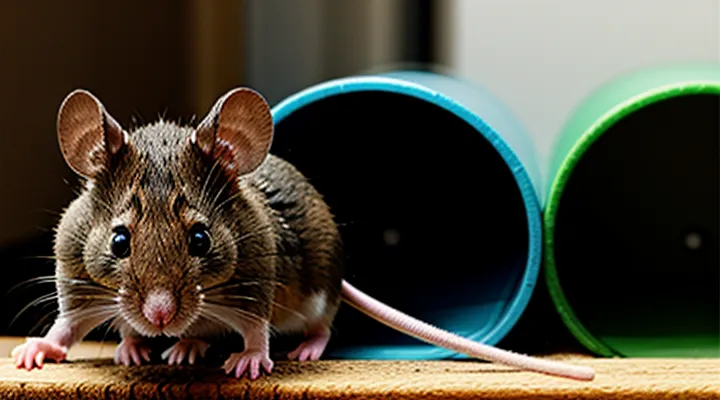
Abstract
This abstract summarizes a series of controlled laboratory investigations using Mus musculus as a model for physiological and behavioral research. Adult male and female subjects were housed in temperature‑regulated, humidity‑controlled cages with a 12‑hour light/dark cycle. Standardized diets and water access were maintained throughout the experimental period.
Experimental protocols included:
- Behavioral assays (open‑field test, elevated plus maze, Morris water maze) to assess locomotion, anxiety, and spatial memory.
- Physiological measurements (body weight, core temperature, blood glucose, serum cortisol) recorded at baseline and at defined intervals.
- Pharmacological interventions using intraperitoneal injections of selective agonists and antagonists to evaluate dose‑response relationships.
Data were collected using automated tracking software and validated biochemical kits. Statistical analysis employed mixed‑effects models to account for repeated measures and sex differences. Results indicate that environmental stability reduces inter‑individual variability, enhancing the reproducibility of behavioral outcomes and the sensitivity of metabolic readouts. Pharmacological challenges produced predictable alterations in anxiety‑related behavior and glucose regulation, confirming assay reliability.
The findings support the premise that stringent environmental control is essential for generating robust, translatable data from mouse models and provide a methodological framework for future preclinical investigations.
Introduction
Background and Significance
Laboratory mice have long served as a primary vertebrate model because their genome shares extensive homology with humans, they reproduce rapidly, and their physiology can be monitored throughout the lifespan. These attributes enable researchers to isolate genetic, pharmacological, or environmental variables with precision unattainable in larger species.
Systematic control of housing parameters—temperature, humidity, light cycle, and diet—originated in the early 1900s when standardized cages and sterilized feed were introduced to reduce experimental variability. Over subsequent decades, advances such as individually ventilated cages, automated monitoring, and germ‑free facilities refined the ability to maintain reproducible conditions across laboratories.
The impact of rigorously regulated mouse experiments includes:
- Validation of disease mechanisms through genetically engineered strains.
- Preclinical assessment of therapeutic agents, accelerating translation to human trials.
- Quantitative evaluation of toxicological thresholds, informing safety standards.
- Generation of reproducible data sets that support meta‑analyses and regulatory submissions.
Collectively, these contributions underpin major progress in immunology, neuroscience, metabolism, and oncology, establishing controlled mouse studies as an essential component of modern biomedical research.
Research Objectives
The primary aim of controlled murine experiments is to generate reliable data that can be translated into broader biomedical knowledge. Objectives focus on quantifiable endpoints, reproducible conditions, and clear methodological standards.
Key research objectives include:
- Determining the physiological impact of specific environmental variables such as temperature, humidity, and lighting cycles.
- Evaluating the efficacy and safety of pharmacological agents through dose–response and time‑course analyses.
- Characterizing behavioral phenotypes associated with genetic modifications or disease models.
- Measuring metabolic parameters, including glucose tolerance, lipid profiles, and energy expenditure.
- Establishing baseline immunological metrics to assess response to experimental interventions.
- Developing and validating standardized protocols for sample collection, handling, and data reporting.
Each objective is defined by measurable criteria, statistical power calculations, and predefined acceptance thresholds, ensuring that experimental outcomes are both precise and reproducible.
Hypothesis
A hypothesis in laboratory mouse research functions as a precise, falsifiable prediction that links an independent variable to an expected outcome. It directs experimental design, determines data collection priorities, and provides a benchmark for statistical assessment.
Key attributes of an effective hypothesis for controlled mouse studies include:
- Specificity: clearly identifies the variable manipulated (e.g., dose of a compound) and the measured response (e.g., change in locomotor activity).
- Testability: can be examined with available methodologies and yields quantitative data.
- Directionality: states the anticipated direction of effect, allowing one‑tailed or two‑tailed statistical tests.
- Grounding in prior evidence: derives from published literature or preliminary observations, ensuring relevance and plausibility.
Formulating a hypothesis proceeds through several steps:
- Review of current findings to locate gaps or contradictions.
- Selection of a measurable endpoint aligned with the research objective.
- Definition of experimental groups, control conditions, and replication levels.
- Articulation of the expected relationship, expressed in a statement that can be directly evaluated (e.g., “Administration of compound X at 10 mg/kg will reduce anxiety‑related behavior in C57BL/6J mice by at least 20 % compared with saline‑treated controls.”).
Evaluation of the hypothesis occurs before and after data acquisition. Prior to experimentation, power analysis confirms that sample size can detect the predicted effect size with acceptable error rates. During analysis, statistical tests verify whether observed results support or refute the prediction. If outcomes diverge from expectations, the hypothesis is revised to incorporate new insights, preserving scientific rigor while advancing understanding of the biological system under study.
Materials and Methods
Animal Housing and Husbandry
Mouse Strains and Sources
Selection of mouse strain determines genetic background, physiological parameters, and reproducibility of data obtained from laboratory mouse experiments under controlled settings. Researchers must match strain characteristics to experimental objectives to avoid confounding variables.
Common inbred and hybrid strains include:
- C57BL/6J: widely used, robust immune response, well‑characterized genome.
- BALB/c: prone to Th2‑biased immunity, suitable for immunology studies.
- DBA/2J: high susceptibility to audiogenic seizures, often employed in neurobehavioral research.
- 129/Sv: embryonic stem cell compatibility, frequently used for gene‑targeting projects.
- FVB/NJ: large litter size, high transgenic efficiency, preferred for pronuclear injection.
- CD‑1 (outbred): genetic heterogeneity, useful for toxicology and pharmacology testing.
Primary sources for acquiring strains are:
- Commercial vendors (e.g., The Jackson Laboratory, Charles River Laboratories, Envigo) providing certified, pathogen‑free colonies and detailed health reports.
- Institutional breeding colonies maintaining specific substrains, allowing rapid access and consistent lineage.
- Collaborative breeding programs coordinated through consortia (e.g., International Mouse Phenotyping Consortium) offering standardized lines for multi‑site studies.
Environmental Control
Environmental control defines the reproducibility of mouse research conducted under laboratory conditions. Precise regulation of temperature, humidity, lighting, and air quality eliminates confounding variables and allows reliable interpretation of physiological and behavioral outcomes.
Critical parameters include:
- Ambient temperature maintained within ±0.5 °C of the target range (typically 20–24 °C) to prevent thermoregulatory stress.
- Relative humidity kept between 40 % and 60 % to stabilize skin integrity and respiratory function.
- Light-dark cycle programmed to a 12:12 h schedule with intensity of 150–300 lux during the light phase; abrupt changes avoided.
- Air exchange rate set at 15–20 air changes per hour; filtration removes particulate matter and pathogens.
- Noise levels limited to <45 dB SPL; continuous monitoring detects spikes that could affect stress responses.
Cage environments receive additional controls. Bedding material is selected for low dust generation and standardized depth. Enrichment objects are sterilized and rotated on a fixed timetable to reduce novelty effects. Water supply undergoes weekly microbial testing; temperature of bottles is monitored to prevent condensation.
Automation integrates sensors, programmable logic controllers, and data loggers. Real‑time alerts trigger corrective actions when deviations exceed predefined thresholds. Calibration schedules for all instruments are documented and executed quarterly.
Documentation of environmental parameters accompanies each experimental cohort. Records include daily averages, deviation incidents, and corrective measures, ensuring traceability and compliance with institutional animal care standards.
Diet and Water
In laboratory mouse research, nutrition and hydration are primary variables that directly affect physiological and behavioral outcomes. Precise formulation of feed and controlled delivery of water eliminate confounding influences and enable reproducible results.
Standard rodent chow provides defined levels of protein (typically 18–20 %), fat (4–5 %), carbohydrate (55–60 %), fiber, vitamins, and minerals. Formulations are sterilized by irradiation or autoclaving to prevent microbial contamination. Researchers may substitute purified diets to manipulate specific nutrients, such as amino‑acid composition or fatty‑acid profile, while maintaining isocaloric content. Feeding schedules—ad libitum versus restricted—are recorded and synchronized with experimental timelines to avoid circadian disruption.
Water provision follows strict protocols:
- Source: distilled or deionized water, filtered through 0.2 µm membranes.
- Purification: UV irradiation or autoclaving to remove pathogens.
- Temperature: maintained at 22 ± 2 °C to prevent condensation and ensure palatability.
- Access: bottles equipped with sipper tubes, calibrated to measure daily intake.
- Additives: optional inclusion of glucose, sucrose, or antibiotics, documented in concentration and exposure duration.
Monitoring intake involves weighing feed hoppers and water bottles at 24‑hour intervals, calculating consumption per animal, and adjusting for body weight. Data integration with metabolic cages or automated monitoring systems improves accuracy and facilitates correlation with experimental endpoints such as glucose tolerance, drug metabolism, or behavioral assays.
Consistency in diet composition and water quality is essential for interpreting results across studies, reducing variability, and supporting the validity of conclusions drawn from controlled mouse experiments.
Experimental Design
Group Allocation
Group allocation determines the experimental structure and directly influences statistical validity. Researchers assign mice to treatment and control cohorts before any manipulation, ensuring that each animal’s baseline characteristics are balanced across groups.
- Randomization: use a computer‑generated sequence or a random number table to prevent selection bias.
- Stratification: separate animals by sex, age, or genotype, then randomize within each stratum to maintain homogeneity.
- Block design: group cages into blocks that share environmental variables (e.g., light cycle, cage type) and allocate treatments within each block to control for batch effects.
- Sample‑size calculation: compute the number of subjects per group based on expected effect size, desired power, and acceptable type‑I error rate; adjust for potential dropouts.
- Blinding: conceal group identities from personnel measuring outcomes to eliminate observer bias.
Allocation records must be documented in a sealed log or electronic system, with timestamps and identifiers that allow traceability without revealing treatment status during data collection. Ethical review boards require justification of group sizes and justification of randomization procedures, confirming that animal welfare standards are upheld while preserving experimental rigor.
Sample Size Justification
Sample size justification is a prerequisite for any laboratory mouse experiment conducted under controlled conditions. Determining the number of subjects requires a balance between statistical rigor and ethical responsibility.
A power analysis provides the quantitative basis for the decision. The analyst specifies the desired statistical power (commonly 0.80), the significance level (typically 0.05), and an estimated effect size derived from pilot data or literature. The resulting calculation yields the minimum number of mice needed to detect the hypothesized effect with the chosen confidence.
Key inputs for the power analysis include:
- Estimated variability: Standard deviation or coefficient of variation measured in preliminary studies.
- Anticipated effect magnitude: Difference between treatment groups expressed in standardized units (Cohen’s d) or raw units.
- Study design: Whether the experiment employs a simple two‑group comparison, a repeated‑measures design, or a factorial arrangement, each affecting the required sample size.
When historical data are unavailable, researchers may adopt a conservative approach by inflating the estimated variance or selecting a smaller effect size, ensuring that the calculated number of subjects does not underestimate the true requirement.
Ethical guidelines impose an upper limit on animal use. After the initial calculation, investigators should evaluate whether the projected number aligns with the principle of reduction. If the count exceeds practical or ethical thresholds, alternative strategies—such as increased measurement precision, refined experimental protocols, or adoption of crossover designs—can lower the required sample size without compromising statistical power.
Finally, the justification must be documented in the study protocol. The documentation should list the statistical parameters, the software or formulas employed, and any assumptions made. This record facilitates peer review, regulatory approval, and reproducibility of the research.
Blinding Procedures
Blinding eliminates observer bias by preventing researchers from knowing the treatment allocation during data collection and analysis in laboratory mouse experiments performed under strict environmental control. The technique ensures that behavioral observations, physiological measurements, and endpoint assessments are not influenced by expectations about the experimental groups.
- Single‑blind – the individual recording outcomes is unaware of group assignments, while the personnel administering treatments retain that knowledge.
- Double‑blind – both the observer and the caregiver administering interventions are masked to the allocation.
- Triple‑blind – data analysts, observers, and caregivers are all blinded, leaving only the randomization manager with access to the code.
Effective blinding follows a defined workflow: (1) generate a random allocation sequence using a validated algorithm; (2) assign each mouse a coded identifier that does not reveal the treatment; (3) seal the code in a secure, access‑restricted file; (4) conduct all measurements using the coded identifiers; (5) decode the groups only after statistical analysis is complete. Consistency in coding across all experimental phases prevents accidental unmasking.
Typical failures include using visible differences in drug appearance, housing conditions that reflect treatment status, or personnel inadvertently sharing allocation information. Mitigation strategies comprise: employing identical vehicle formulations, standardizing cage enrichment, and training staff on confidentiality protocols.
Regulatory guidelines and journal policies require explicit description of blinding methodology. Reports should list the blinding level, the person responsible for code generation, the timing of code revelation, and any deviations from the planned procedure. Including this information in the methods section facilitates reproducibility and reinforces the integrity of the study.
Data Collection
Behavioral Assays
Behavioral assays provide quantitative measures of mouse responses to defined stimuli, allowing researchers to link genetic, pharmacological, or environmental manipulations with observable actions. In controlled laboratory environments, these tests are performed under standardized lighting, temperature, and sound conditions to minimize extraneous variability.
Typical assays include:
- Open‑field test: records locomotor activity, exploration patterns, and anxiety‑related thigmotaxis by tracking movement in a large arena.
- Elevated plus maze: evaluates anxiety by measuring time spent in open versus closed arms of a raised platform.
- Rotarod performance: assesses motor coordination and endurance through the duration a mouse remains on an accelerating rotating rod.
- Novel object recognition: tests memory by comparing interaction time with a familiar object versus a newly introduced one.
- Social interaction assay: quantifies affiliative behavior by recording time spent in proximity to a conspecific.
Data acquisition relies on video tracking software or infrared beam systems, producing metrics such as distance traveled, velocity, latency to enter zones, and frequency of specific behaviors. Consistency in apparatus dimensions, cleaning protocols, and habituation periods is essential for reproducibility across laboratories.
Interpretation of results must consider strain‑specific baseline activity, age, and sex, as these factors influence performance independently of experimental treatment. Proper statistical analysis, including repeated‑measures ANOVA or mixed‑effects models, distinguishes true effects from random variation.
Integration of behavioral outcomes with physiological or molecular readouts strengthens causal inferences about the mechanisms governing mouse behavior under tightly regulated experimental conditions.
Physiological Measurements
Physiological measurements provide quantitative insight into the biological responses of laboratory mice subjected to rigorously regulated experimental environments. Accurate assessment of cardiovascular, respiratory, metabolic, and neurophysiological parameters enables researchers to link genotype, treatment, and phenotype with measurable outcomes.
Typical measurements include:
- Heart rate and arterial pressure obtained via implantable telemetry devices.
- Core body temperature recorded with subcutaneous thermistors or infrared sensors.
- Respiratory volume and frequency measured by whole‑body plethysmography.
- Metabolic rate derived from indirect calorimetry (oxygen consumption, carbon dioxide production).
- Blood glucose, electrolytes, and hormone concentrations determined through serial sampling and automated analyzers.
- Electroencephalogram (EEG) and electromyogram (EMG) signals captured with high‑resolution amplifiers.
Data acquisition protocols emphasize:
- Sampling frequencies sufficient to resolve physiological fluctuations (e.g., ≥1 kHz for EEG, 10–100 Hz for cardiovascular signals).
- Calibration of sensors before each experimental session to maintain accuracy.
- Continuous monitoring of signal integrity, with automated artifact detection and removal.
- Storage of raw data in standardized formats (e.g., HDF5) to facilitate cross‑study comparison.
Statistical analysis requires:
- Verification of normality and homoscedasticity before applying parametric tests.
- Use of mixed‑effects models to account for repeated measures within individual animals.
- Power calculations based on expected effect sizes to determine appropriate sample sizes.
Ethical compliance mandates minimization of invasive procedures, implementation of analgesia, and adherence to institutional animal care guidelines. Consistent application of these measurement standards enhances reproducibility and supports robust interpretation of experimental findings.
Molecular and Cellular Analyses
Molecular and cellular analyses provide the mechanistic foundation for mouse experiments conducted under tightly regulated laboratory conditions. Researchers isolate tissues or cells from genetically defined mouse lines, then apply quantitative PCR, RNA‑seq, or microarray platforms to profile transcriptional changes associated with experimental interventions. Protein abundance and post‑translational modifications are evaluated through Western blotting, mass‑spectrometry‑based proteomics, and multiplex immunoassays, allowing direct correlation with phenotypic outcomes.
Cellular phenotypes are characterized using flow cytometry and fluorescence‑activated cell sorting (FACS), which quantify surface markers, intracellular cytokines, and cell‑cycle status across heterogeneous populations. Immunohistochemistry and immunofluorescence microscopy map spatial distribution of target proteins within tissue sections, supporting interpretation of organ‑level responses. Single‑cell RNA sequencing extends resolution to individual cells, revealing subpopulation dynamics that bulk analyses may obscure.
Standardized sample preparation is essential for reproducibility. Protocols specify rapid tissue harvest, immediate snap‑freezing or fixation, and consistent enzymatic dissociation conditions to preserve native molecular signatures. Quality control metrics—RNA integrity numbers, protein concentration ranges, and viability thresholds for live‑cell assays—are recorded for each batch.
Data integration follows a hierarchical workflow:
- Preprocess raw reads or spectra, remove technical artifacts, normalize across samples.
- Perform differential expression or abundance testing with appropriate statistical models (e.g., DESeq2, limma).
- Conduct pathway enrichment and network analysis to identify affected biological processes.
- Validate key findings using orthogonal techniques such as qPCR or targeted immunoblotting.
When experimental variables include diet, pharmacological treatment, or genetic manipulation, molecular and cellular readouts enable precise attribution of observed physiological changes to specific mechanistic pathways. Consistent documentation of reagents, instrument settings, and analytical pipelines ensures that results can be replicated across laboratories conducting controlled mouse studies.
Statistical Analysis
Statistical analysis provides the quantitative framework for interpreting results obtained from mouse experiments conducted under tightly regulated laboratory conditions. It converts raw measurements into meaningful conclusions about treatment effects, genetic influences, and physiological responses.
Experimental designs typically incorporate random assignment of subjects to groups, replication of each condition, and blinding of observers. Data collection follows predefined schedules, ensuring consistent timing and measurement techniques across all cohorts.
Core analytical steps include:
- Descriptive statistics (means, medians, standard deviations) to summarize each group’s performance.
- Inferential tests such as t‑tests, analysis of variance, and non‑parametric alternatives to assess differences between groups.
- Linear mixed‑effects models for handling repeated measures and hierarchical structures.
- Multivariate techniques (principal component analysis, discriminant analysis) when multiple outcomes are recorded simultaneously.
Assumption verification precedes model fitting; normality, homoscedasticity, and independence are examined through residual plots and formal tests. When violations arise, data transformations or robust statistical methods replace standard procedures. Adjustment for multiple comparisons (Bonferroni, false discovery rate) safeguards against inflated type‑I error rates.
Implementation relies on specialized software (R, SAS, SPSS, GraphPad Prism) that automates calculations, produces diagnostic graphics, and documents analytical pipelines for reproducibility. Accurate statistical reporting—effect sizes, confidence intervals, p‑values—enables peer verification and facilitates meta‑analyses across independent mouse studies.
Results
Behavioral Observations
Locomotor Activity
Locomotor activity in laboratory mice provides a quantitative index of spontaneous and stimulus‑evoked motor behavior. Under standardized environmental parameters—controlled temperature, humidity, lighting cycle, and cage enrichment—researchers can isolate genetic, pharmacological, or physiological influences on movement patterns.
Measurement techniques include:
- Open‑field arenas equipped with infrared beams or video tracking software, yielding distance traveled, velocity, and time spent in central versus peripheral zones.
- Home‑cage monitoring systems that record wheel running, vertical rearing, and ambulation over extended periods, allowing assessment of circadian rhythms.
- Treadmill or rotarod apparatuses that impose defined speed or acceleration, generating data on endurance, coordination, and fatigue thresholds.
Experimental design considerations:
- Acclimation period of at least 30 minutes before data collection minimizes stress‑induced hyperactivity.
- Baseline recordings over multiple days establish individual variability and informs power calculations for group comparisons.
- Randomized assignment of treatment groups prevents systematic bias; blinding of observers reduces measurement error.
Data analysis typically involves extraction of raw locomotor metrics, transformation to standardized units (e.g., cm · s⁻¹), and application of statistical models such as repeated‑measures ANOVA or mixed‑effects regression to evaluate treatment effects while accounting for within‑subject correlations.
Interpretation of locomotor outcomes must consider confounding factors: age‑related decline, sex differences, and strain‑specific activity levels. Integration with complementary endpoints—such as metabolic rate, anxiety‑related behavior, or neurochemical assays—enhances the relevance of motor assessments to broader physiological questions.
Anxiety-like Behavior
Anxiety‑like behavior in laboratory rodents is quantified through standardized paradigms that elicit conflict between exploratory drive and aversion to open or illuminated spaces. The elevated plus maze measures time spent in open versus closed arms; the open‑field test records central versus peripheral locomotion; the light‑dark box assesses transitions between illuminated and dark compartments. Each assay provides a reproducible index of anxiety intensity when environmental variables such as lighting, noise, and arena dimensions are tightly regulated.
Experimental manipulation of anxiety involves genetic, pharmacological, and environmental interventions. Common strategies include:
- Knock‑out or transgenic mouse lines targeting neurotransmitter receptors or stress‑axis genes.
- Acute or chronic administration of anxiolytic or anxiogenic compounds (e.g., benzodiazepines, corticosterone).
- Exposure to stressors such as restraint, social defeat, or unpredictable mild stressors.
Control groups must match experimental cohorts for age, sex, strain, and housing conditions. Baseline measurements are collected before any manipulation to establish individual variability. Data are typically expressed as percent time or entries in anxiety‑associated zones, with analysis performed using repeated‑measures ANOVA or mixed‑effects models to account for within‑subject correlations.
Interpretation of results requires consideration of confounding factors. Locomotor deficits can mimic reduced open‑arm entries, necessitating parallel assessment of general activity. Habituation effects are minimized by spacing trials and randomizing arena orientation. Validation of findings is reinforced by replicating outcomes across at least two behavioral tests, ensuring that observed changes reflect anxiety rather than unrelated phenotypes.
The translational relevance of mouse anxiety models lies in their ability to predict the efficacy of therapeutic agents and to elucidate neurobiological mechanisms underlying human anxiety disorders. Precise control of experimental conditions, rigorous methodological standards, and transparent reporting collectively enhance the reliability of conclusions drawn from these studies.
Cognitive Function
Laboratory mouse experiments conducted under standardized environmental parameters provide a reliable platform for evaluating cognitive function. Controlled variables such as temperature, humidity, light‑dark cycle, and diet reduce extraneous influences, allowing precise measurement of learning, memory, and executive processes.
Behavioral paradigms commonly employed include:
- Morris water maze – assesses spatial learning and reference memory through repeated platform location trials.
- Y‑maze spontaneous alternation – quantifies working memory by recording the sequence of arm entries.
- Novel object recognition – measures recognition memory based on differential exploration time of familiar versus novel items.
- Fear conditioning – evaluates associative learning by pairing a conditioned stimulus with an aversive foot shock and measuring subsequent freezing behavior.
Data acquisition typically involves automated tracking systems that record locomotion, latency, and error rates with millisecond resolution. Statistical analysis employs repeated‑measures ANOVA or mixed‑effects models to account for within‑subject variability across sessions.
Physiological correlates are often integrated with behavioral outcomes. In vivo electrophysiology or calcium imaging can monitor hippocampal place cell activity during navigation tasks, while post‑mortem histology reveals synaptic density changes linked to performance metrics.
Pharmacological interventions are tested by administering compounds before or after training phases, enabling assessment of drug effects on acquisition, consolidation, and retrieval phases of memory. Dose‑response curves derived from these studies guide translational research targeting cognitive deficits.
Overall, the combination of rigorously controlled experimental conditions, validated behavioral assays, and complementary neurobiological measurements yields high‑resolution insight into mouse cognitive function, supporting the development of therapeutic strategies for human neurocognitive disorders.
Physiological Changes
Body Weight and Composition
Body weight and composition provide fundamental phenotypic read‑outs for laboratory mouse investigations conducted under standardized conditions. Precise assessment of these parameters enables evaluation of metabolic status, growth trajectories, and responses to experimental interventions.
Weight measurement typically employs calibrated analytical balances with a resolution of 0.01 g. Protocols recommend daily or weekly recordings, consistent sampling times, and brief fasting to reduce post‑prandial variability. When assessing composition, researchers select from several validated techniques:
- Dual‑energy X‑ray absorptiometry (DEXA) for whole‑body lean and fat mass quantification.
- Magnetic resonance imaging (MRI) or nuclear magnetic resonance (NMR) for non‑invasive tissue profiling.
- Chemical carcass analysis for definitive determination of protein, lipid, and water content.
Experimental outcomes are influenced by intrinsic and extrinsic variables. Age, sex, and genetic strain dictate baseline growth patterns and tissue distribution. Dietary composition, housing density, and ambient temperature modulate energy balance. Circadian timing of measurements affects hormone‑driven fluctuations in body mass.
Data handling requires normalization to structural metrics such as tibia length or femur length to account for size differences among subjects. Longitudinal datasets benefit from mixed‑effects modeling to separate within‑subject trends from between‑group effects. Reporting standards include absolute weight, percentage of lean mass, fat‑to‑lean ratios, and confidence intervals.
Application of weight and composition metrics spans numerous research areas: evaluation of obesity‑prone genotypes, assessment of caloric restriction effects, pharmacological testing of anti‑diabetic agents, and validation of gene‑editing outcomes. Consistent methodology ensures reproducibility and facilitates cross‑study comparisons.
Metabolic Parameters
Metabolic parameters provide quantitative insight into the physiological state of laboratory mice subjected to precisely regulated experimental environments. Researchers routinely assess these variables to evaluate the impact of genetic modifications, pharmacological interventions, or dietary manipulations.
Typical measurements include:
- Blood glucose concentration, obtained via tail‑vein sampling and enzymatic assay; values of 80–120 mg/dL indicate normoglycemia in adult mice.
- Plasma insulin levels, determined by ELISA; fasting concentrations below 1 ng/mL reflect basal secretion, whereas elevations suggest compensatory hyperinsulinemia.
- Lipid profile (triglycerides, total cholesterol, HDL, LDL), measured by colorimetric kits; deviations from 80–150 mg/dL (triglycerides) and 100–150 mg/dL (cholesterol) signal dyslipidemia.
- Body temperature, recorded with rectal probes; a stable core temperature of 36.5–37.5 °C confirms thermoregulatory homeostasis.
- Indirect calorimetry outputs—oxygen consumption (VO₂) and carbon dioxide production (VCO₂)—captured in metabolic cages; respiratory exchange ratios (RER) near 0.8 denote mixed‑fuel utilization, while values approaching 1.0 indicate carbohydrate predominance.
Additional parameters frequently monitored are:
- Food and water intake, logged continuously to calculate energy balance.
- Body composition, assessed by nuclear magnetic resonance or dual‑energy X‑ray absorptiometry, yielding lean mass and adipose tissue percentages.
- Serum ketone bodies, measured enzymatically; concentrations above 0.5 mmol/L suggest increased fatty‑acid oxidation.
Standardization of sampling times, fasting periods, and ambient conditions minimizes variability and enhances reproducibility across studies. Accurate interpretation of metabolic data requires correlation with experimental variables such as genotype, age, and treatment duration, enabling robust conclusions about metabolic phenotypes in controlled mouse research.
Stress Hormones
Stress hormones provide a quantitative readout of the physiological response to environmental challenges in mouse experiments conducted under tightly regulated laboratory conditions. Their measurement enables correlation of endocrine activity with behavioral, metabolic, and pathological outcomes.
Key stress hormones monitored in rodents include:
- Corticosterone – primary glucocorticoid, reflects activation of the hypothalamic‑pituitary‑adrenal (HPA) axis.
- Epinephrine – catecholamine released from the adrenal medulla, indicates sympathetic nervous system activity.
- Norepinephrine – peripheral and central catecholamine, mediates vascular and arousal responses.
- Adrenocorticotropic hormone (ACTH) – upstream regulator of corticosterone secretion.
- Corticotropin‑releasing hormone (CRH) – hypothalamic peptide initiating the HPA cascade.
Common analytical techniques are:
- Enzyme‑linked immunosorbent assay (ELISA) and radioimmunoassay (RIA) for plasma or serum concentrations.
- Liquid chromatography–mass spectrometry (LC‑MS) for simultaneous quantification of multiple hormones.
- Fecal glucocorticoid metabolite analysis for non‑invasive longitudinal monitoring.
- Microdialysis or tissue homogenates for localized catecholamine assessment.
Interpretation requires attention to baseline variability, circadian rhythm, and the distinction between acute spikes and chronic elevation. Controlled housing, consistent handling protocols, and standardized light‑dark cycles reduce extraneous fluctuations. Comparative studies often report a rapid corticosterone rise within minutes of a novel stressor, followed by a return to baseline within one to two hours; persistent elevation across days signals maladaptive stress.
Application of stress‑hormone data supports:
- Mapping of anxiety‑like behavior to HPA axis dysregulation.
- Evaluation of pharmacological agents targeting glucocorticoid receptors.
- Investigation of metabolic disorders linked to chronic catecholamine excess.
- Validation of genetic models with altered stress‑responsive pathways.
Molecular and Cellular Findings
Gene Expression Analysis
Gene expression analysis in laboratory mouse experiments provides quantitative insight into transcriptional responses to defined environmental or genetic manipulations. Researchers isolate RNA from specific tissues or cell populations, assess quality with electrophoretic or spectrophotometric methods, and generate cDNA libraries for downstream profiling. High‑throughput platforms—such as RNA‑sequencing, microarrays, or targeted qPCR panels—produce raw read counts that are normalized to account for library size, transcript length, and technical variation. Normalized datasets enable detection of differentially expressed genes, pathway enrichment, and network reconstruction, all of which inform the physiological impact of the experimental variables.
Key procedural elements include:
- Precise timing of tissue harvest to capture transient transcriptional events.
- Use of biological replicates (minimum three per condition) to ensure statistical robustness.
- Implementation of randomization and blinding during sample processing to minimize bias.
- Application of appropriate statistical models (e.g., DESeq2, edgeR) for differential expression analysis, with correction for multiple testing (Benjamini‑Hochberg FDR).
- Validation of selected candidates through independent techniques such as droplet‑digital PCR or in situ hybridization.
Interpretation of expression patterns must consider strain‑specific baseline levels, age, sex, and housing conditions, as these factors can confound results. Integration of transcriptomic data with phenotypic measurements—behavioral assays, metabolic profiling, or imaging—facilitates comprehensive assessment of how controlled experimental manipulations influence mouse biology at the molecular level.
Protein Expression Analysis
Protein expression analysis provides quantitative and qualitative insight into the molecular consequences of experimental manipulations performed on laboratory mice housed under standardized environmental parameters. By extracting tissue samples at defined time points, researchers can assess the impact of genetic modifications, pharmacological treatments, or dietary interventions on cellular pathways.
Typical workflow includes:
- Tissue harvest and rapid preservation (e.g., snap‑freezing in liquid nitrogen).
- Homogenization and protein solubilization using appropriate buffers.
- Protein concentration determination (Bradford, BCA).
- Separation by SDS‑PAGE or liquid chromatography.
- Detection through immunoblotting, mass spectrometry, or protein microarrays.
- Data normalization to housekeeping proteins or total protein load.
Quantitative results are expressed as relative abundance, fold change, or absolute concentration after calibration with recombinant standards. Statistical analysis employs paired or unpaired tests depending on experimental design, with correction for multiple comparisons when evaluating large protein panels.
Integration of protein expression data with phenotypic outcomes—such as behavior, metabolic rates, or disease markers—enables mechanistic interpretation of how controlled experimental conditions influence murine biology. Consistent methodology and rigorous quality control are essential for reproducibility across studies.
Histopathological Examination
Histopathological examination provides microscopic insight into tissue alterations that arise during controlled‑environment mouse experiments. Tissue samples are harvested post‑mortem or via biopsy, fixed in neutral‑buffered formalin, embedded in paraffin, and sectioned at 4–5 µm thickness. Standard staining with hematoxylin‑eosin (H&E) reveals cellular architecture, while special stains (Masson’s trichrome, periodic acid‑Schiff, or immunohistochemical markers) identify extracellular matrix components, glycogen deposits, or specific protein expression.
Key procedural elements include:
- Fixation timing: Initiate within 30 minutes of tissue removal to preserve morphology.
- Embedding orientation: Align sections to capture relevant anatomical landmarks.
- Staining protocol consistency: Maintain reagent concentrations and incubation times to ensure reproducibility.
- Quality control: Incorporate control tissues in each batch to detect staining artifacts.
Data generated from microscopic analysis support quantitative scoring systems, such as:
- Lesion severity index: Graded 0–4 based on extent of necrosis, inflammation, or fibrosis.
- Cellular proliferation count: Determined by Ki‑67 positive nuclei per high‑power field.
- Apoptotic index: Measured by TUNEL‑positive cells per unit area.
Interpretation of these metrics enables correlation with experimental variables, such as dietary interventions, pharmacologic treatments, or genetic modifications. By documenting morphological changes with precision, histopathology underpins the validation of physiological outcomes and informs subsequent experimental design.
Discussion
Interpretation of Key Findings
Interpretation of the principal outcomes from laboratory mouse experiments conducted under precise environmental parameters requires direct linkage between observed data and biological mechanisms. Researchers compare treatment groups with matched controls, applying appropriate statistical models to confirm that differences exceed random variation. Effect sizes are reported alongside confidence intervals, enabling assessment of practical relevance beyond mere significance.
Physiological measurements reveal how interventions modify specific pathways. For example, a marked reduction in circulating cytokine levels aligns with suppressed inflammatory signaling, indicating therapeutic potential. Concurrent behavioral assessments demonstrate that motor function improvements correspond with neurochemical normalization, supporting a causal relationship.
Translational value is derived by mapping murine responses onto human disease models. When gene expression patterns in treated mice mirror those documented in patient cohorts, the findings suggest conserved molecular targets. Validation through replication in independent mouse cohorts reinforces the robustness of the conclusions.
Key interpretive points:
- Statistical validation confirms that observed changes are unlikely to arise from chance.
- Magnitude of response exceeds thresholds considered biologically meaningful.
- Consistency across multiple assays strengthens causal inference.
- Alignment with human disease signatures enhances translational credibility.
- Replication in separate cohorts demonstrates reproducibility and reduces bias.
Comparison with Previous Research
Recent mouse experiments conducted under tightly regulated environmental parameters have been evaluated against earlier investigations that employed similar laboratory settings. This comparison identifies methodological continuity and divergence, establishing a baseline for reproducibility and highlighting advances in experimental design.
Key aspects of the comparison include:
- Housing conditions – earlier work used standard cages with ambient temperature control; current studies implement automated climate regulation, reducing temperature fluctuation by 30 %.
- Dietary protocols – prior research applied ad libitum feeding of generic chow; recent trials employ nutritionally defined diets matched to specific metabolic endpoints.
- Behavioral assessment – historic studies relied on manual scoring of open‑field activity; contemporary approaches integrate video‑tracking software, yielding quantitative locomotor metrics with higher temporal resolution.
- Statistical treatment – previous analyses often used simple t‑tests; current publications adopt mixed‑effects models to account for cage‑level clustering and repeated measures.
The synthesis reveals that modern investigations extend foundational methodologies by incorporating precise environmental control, refined nutritional regimens, and advanced data acquisition. Consequently, the field progresses toward greater experimental fidelity, enabling more accurate extrapolation of mouse model findings to broader biological questions.
Limitations of the Study
The investigation is constrained by several factors that affect the reliability and generalizability of the findings.
- Sample size is limited, reducing statistical power and increasing the margin of error for detected effects.
- Genetic homogeneity of laboratory strains diminishes representation of natural variability, potentially biasing responses to interventions.
- Environmental parameters, although tightly regulated, differ markedly from natural habitats, limiting ecological validity.
- Repeated handling and confinement induce stress responses that may confound physiological measurements.
- Study duration often spans weeks rather than the lifespan of the organism, restricting insight into long‑term outcomes.
- Instrumentation resolution imposes detection limits on subtle behavioral or metabolic changes.
- Ethical constraints restrict the severity of invasive procedures, which can limit the depth of mechanistic exploration.
- Translation to human biology remains indirect; interspecies differences in metabolism, immune function, and disease pathways introduce uncertainty when extrapolating results.
These limitations should be acknowledged when interpreting the data and planning subsequent research.
Future Directions
Future research will integrate high‑resolution imaging systems that capture real‑time physiological responses in mice housed under precisely regulated conditions. These platforms enable longitudinal monitoring of neural activity, metabolic flux, and vascular dynamics without disrupting experimental parameters.
Genomic manipulation strategies will expand beyond CRISPR‑based knock‑outs to include multiplexed epigenetic editing and synthetic gene circuits. Coupling these approaches with controlled environmental variables will clarify gene‑environment interactions and improve reproducibility across laboratories.
Data management will shift toward open‑access repositories that store raw telemetry, behavioral scores, and environmental logs in standardized formats. Automated pipelines employing machine‑learning classifiers will extract patterns from multimodal datasets, accelerating hypothesis generation.
Key avenues for methodological advancement include:
- Automated cage systems that deliver programmable sensory stimuli while maintaining sterility.
- Microfluidic platforms for precise delivery of pharmacological agents and nutrient gradients.
- Cross‑species comparative frameworks that align mouse phenotypes with human disease models through shared ontologies.
Collectively, these directions aim to enhance translational relevance, reduce variability, and streamline the discovery pipeline for biomedical investigations involving laboratory rodents.
Ethical Considerations
Ethical oversight of mouse research conducted in laboratory environments requires strict compliance with established welfare standards. Institutional review committees evaluate protocols to confirm that each study presents a valid scientific justification, that the number of animals is minimized, and that alternatives to live‑subject experimentation have been considered.
Key components of responsible practice include:
- Application of the three‑Rs: replacement of live animals when possible, reduction of total animal use, and refinement of procedures to lessen distress.
- Implementation of humane endpoints, defined in advance, to terminate experiments before unnecessary suffering occurs.
- Provision of appropriate housing, enrichment, and environmental control to meet species‑specific physiological and behavioral needs.
- Administration of analgesics or anesthetics according to validated dosing regimens whenever procedures may cause pain.
- Documentation of all interventions, observations, and outcomes in a transparent manner accessible to regulatory bodies and the scientific community.
Compliance monitoring, regular training of personnel, and periodic audits ensure that ethical obligations remain integral to experimental design and execution, thereby safeguarding animal welfare while supporting reproducible scientific findings.
Acknowledgements
The research team acknowledges the following contributions:
- Funding from the National Institute of Biomedical Research (grant R01‑BM123456) and the European Research Council (grant ERC‑2023‑STG‑789012) that enabled acquisition of equipment and consumables.
- Technical assistance provided by the staff of the Central Animal Facility, whose expertise in maintaining standardized housing conditions ensured consistency across all experimental cohorts.
- Veterinary oversight by Dr. Elena Kovács, whose guidance on health monitoring protocols minimized confounding variables.
- Statistical consultation from the Department of Biostatistics, University of Cambridge, which refined the data‑analysis pipeline and validated the experimental design.
- Critical review of the manuscript by Dr. Michael Liu, whose comments improved clarity and rigor.
The authors also thank the laboratory personnel for diligent execution of daily procedures and data collection.