
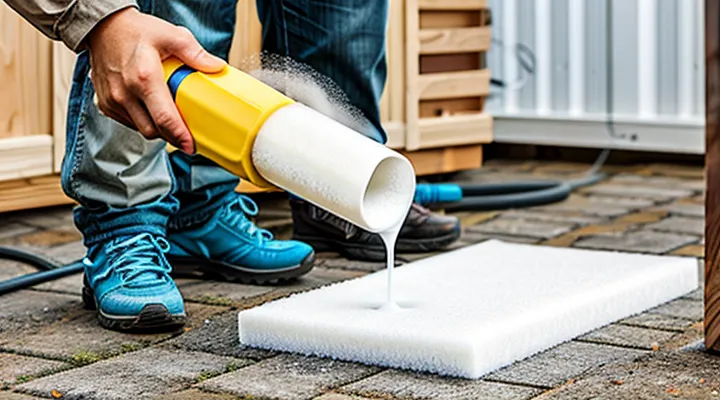
Understanding Expanding Foam
What is Expanding Foam?
Types of Expanding Foam
Expanding foam serves as a barrier that blocks entry points used by rodents, making the selection of the correct formulation essential for effective control.
- Open‑cell polyurethane – low density, rapid expansion, flexible after cure, ideal for filling interior gaps around pipes and vents where airflow is needed. Susceptible to moisture and less resistant to chewing.
- Closed‑cell polyurethane – high density, minimal air permeability, strong after cure, suitable for exterior cracks, foundation seams, and areas exposed to water. Provides better resistance to gnawing.
- Silicone‑based foam – retains elasticity over a wide temperature range, maintains seal under thermal cycling, appropriate for metal or PVC frames where movement is expected. Higher cost, limited expansion compared with polyurethane.
- Latex‑based expanding sealant – water‑based, low odor, easy cleanup, best for small, non‑structural gaps in dry environments. Limited structural strength.
- Hybrid formulations – combine polyurethane and silicone polymers to balance expansion power with durability, used in commercial pest‑management products that require long‑term performance.
Choosing a formulation depends on the location and nature of the opening. Interior voids around wiring or HVAC ducts benefit from open‑cell foam because of its ability to expand quickly and fill irregular shapes. Exterior foundation cracks, basement walls, and roof eaves demand closed‑cell foam for moisture resistance and higher compressive strength. Silicone or hybrid options are preferred where temperature fluctuations cause material movement, such as around window frames or metal flashing.
When purchasing, verify the product’s expansion ratio, cure time, fire rating, and toxicity classification. Review the safety data sheet for recommended protective equipment and ventilation requirements. Ensure the dispensing canister matches the intended application method, whether handheld spray or bulk gun, to achieve a consistent barrier without gaps.
How Expanding Foam Works
Expanding polyurethane foam consists of two reactive components—polyol resin and isocyanate—mixed in a nozzle or cartridge. When the mixture contacts ambient moisture, a rapid exothermic reaction forms carbon dioxide and creates a polymer matrix that expands up to 30 times its original volume. The gas bubbles solidify within seconds, producing a rigid, closed‑cell structure that adheres to surrounding surfaces.
The foam’s sealing capability derives from three physical effects:
- Volume expansion: fills voids, cracks, and gaps larger than the original application point.
- Adhesion: chemical bonding to wood, concrete, metal, and plastic prevents rodents from pushing through.
- Thermal insulation: low thermal conductivity discourages rodent activity by reducing favorable temperature gradients.
Application for rodent exclusion follows a straightforward sequence:
- Identify entry points such as holes around pipes, foundation cracks, and gaps under doors.
- Clean the area, removing debris and moisture that could impede adhesion.
- Dispense foam directly into the opening, allowing the material to expand until it contacts both sides of the aperture.
- Trim excess foam after curing (typically 5–10 minutes) and sand or paint if desired.
When selecting a product, consider:
- Form factor: aerosol cans for small jobs, bulk cartridges for larger projects.
- Expansion rate: high‑expansion formulas fill larger cavities; low‑expansion variants provide finer control in narrow gaps.
- Curing time: fast‑cure options reduce exposure risk, while slower‑cure foams allow repositioning before set.
- Safety data: verify low‑toxicity formulations and ensure the presence of protective gloves and eye‑shield recommendations.
Proper use of expanding foam creates a durable barrier that blocks rodents from re‑entering structures, reduces the need for chemical baits, and provides long‑lasting structural reinforcement.
Efficacy Against Pests
Does Expanding Foam Deter Pests?
Pros of Using Expanding Foam for Pest Control
Expanding polyurethane foam offers several distinct advantages when employed to seal entry points for rodents. Its rapid expansion fills gaps of irregular shape, creating a continuous barrier that prevents mice and rats from exploiting small cracks or holes. The hardened material adheres to wood, metal, concrete, and plastic, ensuring long‑term durability even in high‑traffic areas.
Key benefits include:
- Comprehensive coverage – foam expands up to 30 times its liquid volume, reaching hidden crevices that conventional sealants miss.
- Structural reinforcement – once cured, the foam adds rigidity to weakened frames, reducing the likelihood of future damage caused by gnawing.
- Moisture resistance – closed‑cell formulation repels water, limiting conditions that attract pests and preventing rot in sealed sections.
- Ease of application – handheld dispensers allow precise placement without specialized tools, accelerating installation and minimizing labor costs.
- Cost efficiency – a single canister treats multiple openings, delivering a lower per‑opening expense compared to recurring trap or bait programs.
By integrating expanding foam into a pest‑management plan, property owners achieve a robust, low‑maintenance solution that directly addresses the primary pathway rodents use to infiltrate structures.
Cons of Using Expanding Foam for Pest Control
Expanding polyurethane foam is marketed as a quick sealant for rodent entry points, yet several drawbacks limit its suitability for pest control.
-
Health risks – The aerosolized chemicals can irritate eyes, skin, and respiratory passages during application; prolonged exposure may exacerbate asthma or cause allergic reactions. Proper ventilation and protective gear are mandatory, raising the complexity of use.
-
Fire hazard – Once cured, the foam remains flammable and can emit toxic gases when exposed to heat or flame. In structures where electrical wiring or heating elements are present, the material may increase fire‑related danger.
-
Structural impact – The foam expands up to 30 times its liquid volume, exerting pressure on surrounding materials. Over‑expansion can warp wood, crack drywall, or distort metal frames, leading to costly repairs.
-
Non‑target damage – Accidental discharge onto wiring, insulation, or moving parts can cause short circuits or mechanical interference. Removal often requires cutting or scraping, which may further damage surfaces.
-
Limited durability – Rodents can gnaw through cured foam over time, especially if the barrier is thin. The seal may provide only a temporary obstruction, necessitating repeated applications.
-
Environmental concerns – The product contains petroleum‑derived compounds that persist in the environment. Improper disposal of excess material contributes to landfill waste and potential soil contamination.
-
Regulatory restrictions – Certain jurisdictions classify the foam as a hazardous material, imposing labeling, storage, and disposal requirements that complicate commercial use.
-
Cost considerations – High‑quality spray cans or bulk dispensers involve a significant upfront expense compared with conventional steel wool or mesh solutions. Frequent re‑application further increases total cost.
These factors collectively suggest that expanding foam should be employed with caution, reserved for specific, well‑controlled scenarios, and supplemented by more durable exclusion methods where appropriate.
Risks and Limitations
Toxicity Concerns
Expanding polyurethane foam sold for rodent exclusion contains isocyanate compounds that can provoke acute and chronic health effects. Inhalation of vapors during application may irritate the respiratory tract, cause coughing, and, at high concentrations, lead to pulmonary edema. Skin contact can produce dermatitis, while ingestion of cured foam poses a choking hazard and may release toxic degradation products if burned.
- Respiratory irritation: isocyanate fumes, especially in poorly ventilated spaces.
- Dermal sensitization: direct contact with uncured foam, requiring immediate washing.
- Eye injury: splatter of expanding material can cause corneal abrasion.
- Environmental risk: residual chemicals leach into soil and water, affecting aquatic organisms.
- Pet safety: cured foam is non‑nutritive and can cause intestinal blockage if ingested.
Mitigation measures include using respiratory protection rated for organic vapors, wearing chemical‑resistant gloves and goggles, ensuring adequate airflow, and limiting exposure time. After application, allow the foam to cure fully before entering the treated area. Dispose of unused material according to local hazardous‑waste regulations, and keep containers out of reach of children and animals.
Flammability
Expanding foam formulated for rodent control contains polymers and blowing agents that can ignite when exposed to open flame or high temperatures. The material is typically classified as a low‑to‑moderate fire hazard, depending on the formulation’s flame‑retardant additives. Manufacturers must list the foam’s fire rating on the safety data sheet, and the rating determines the suitability of the product for interior versus exterior applications.
When acquiring a product, verify that the label includes a UL‑94 or ASTM classification. Choose foam that carries a V‑0 or V‑1 rating if the installation area contains electrical wiring, heating equipment, or combustible insulation. Products lacking a fire‑resistance designation should be limited to non‑structural, well‑ventilated spaces.
During application, follow these safety measures:
- Apply foam only after the surrounding area has cooled below 120 °C (248 °F); hot surfaces can trigger premature ignition.
- Use a fire‑resistant nozzle and avoid direct contact with open flames, sparks, or hot tools.
- Allow each layer to cure fully before exposing it to heat sources; incomplete curing leaves residual solvents that increase flammability.
- Store unopened cans in a cool, dry location away from radiant heat and direct sunlight; temperatures above 30 °C (86 °F) accelerate degradation of flame‑retardant compounds.
- Keep a Class A fire extinguisher nearby, as foam fires are best suppressed with dry‑chemical agents rather than water, which can spread the material.
Disposal of excess foam must follow local hazardous‑waste regulations. Burning discarded foam releases toxic gases, including carbon monoxide and isocyanates, which pose health risks and violate fire‑safety codes.
In summary, selecting a foam with verified flame‑resistance, adhering to temperature limits during installation, and maintaining proper storage conditions mitigate fire hazards while preserving the product’s effectiveness against mice and rats.
Structural Damage
Expanding polyurethane foam is a common choice for sealing gaps that rodents exploit. When applied without proper preparation, the material can compromise the integrity of structural elements.
Improper injection pressure may force foam into cracks, expanding beyond the intended cavity. The resulting stress can split timber, fracture drywall, or warp metal studs. In masonry, foam can seep into mortar joints, weakening the bond and accelerating deterioration under load.
Key damage mechanisms include:
- Wood displacement – excessive expansion pushes fibers apart, reducing load‑bearing capacity.
- Drywall delamination – foam penetrates seams, causing panels to separate from framing.
- Metal corrosion – chemical components of the foam can react with steel, especially in humid environments, leading to rust and loss of strength.
- Concrete cracking – rapid expansion creates micro‑fractures that propagate under repeated stress.
Mitigation strategies are straightforward:
- Test the foam’s expansion rate on a scrap piece of the same material before full‑scale use.
- Apply low‑pressure dispensing tools to control volume and direction.
- Seal only targeted entry points; avoid blanket application across large surface areas.
- Choose formulations labeled “low‑expansion” or “structural‑safe” for use near load‑bearing components.
- Inspect sealed areas after curing for signs of movement or separation, and repair immediately if detected.
Selecting a product with clear specifications for expansion ratio and curing time reduces the likelihood of unintended structural impact. Following manufacturer guidelines and adhering to controlled application techniques ensures that rodent exclusion does not undermine building stability.
Purchasing Expanding Foam for Pest Control
Key Features to Look For
Expansion Rate
The expansion rate describes how rapidly a polyurethane foam increases in volume after discharge. Manufacturers express this rate as a ratio of final volume to the volume of the liquid component, commonly ranging from 1 : 1 up to 30 : 1. The time required for full expansion typically falls between 5 seconds and 2 minutes, depending on the formulation.
Key factors influencing the expansion rate include:
- Ambient temperature: higher temperatures accelerate chemical reaction, shortening expansion time.
- Relative humidity: excess moisture can delay cure, extending the expansion phase.
- Nozzle aperture: larger openings permit greater flow, increasing immediate volume increase.
- Product composition: high‑blowing‑agent foams achieve greater expansion ratios than low‑blowing‑agent variants.
When selecting a product for rodent exclusion, match the expansion ratio to the size of entry points. For narrow cracks (≤ ¼ inch), a low‑expansion foam (1 : 1 to 3 : 1) prevents excessive pressure that could push the material through the opening. For larger voids (several inches), a high‑expansion foam (10 : 1 to 30 : 1) fills the space efficiently, reducing the amount of product needed. Compare the container’s net weight with the advertised expansion ratio to estimate the total fill volume achievable per can.
During application, dispense foam in short bursts, allowing each portion to expand before adding more. This practice prevents over‑pressurization of confined spaces and ensures the foam conforms to irregular surfaces. After the foam reaches its maximum volume, allow the recommended curing period—typically 10–15 minutes—before trimming excess material. Use protective gloves and eye protection, as the expanding mixture releases heat and can cause skin irritation.
Curing Time
The curing time of expanding polyurethane foam determines when the material reaches full hardness and maximizes its ability to block rodent entry points. Typical formulations achieve a skin set within 5–10 minutes after application; complete polymerization occurs between 30 minutes and 2 hours, depending on ambient temperature and humidity.
Lower temperatures (below 10 °C/50 °F) slow the chemical reaction, extending both skin set and full cure by up to 50 percent. High humidity accelerates the exothermic reaction, potentially reducing cure time but increasing the risk of surface tackiness if the foam contacts moisture before it hardens.
Manufacturers often specify a “working time” of 1–2 minutes, after which the foam expands and begins to solidify. During this interval, the material can be shaped to fill gaps around pipes, vents, and structural cracks. Once the skin is set, further expansion continues internally, filling voids without additional manipulation.
For effective rodent exclusion, allow the foam to cure completely before installing any covering material (e.g., metal plates or wood). Premature sealing may trap uncured foam, leading to shrinkage or cracking that creates new entry routes.
Key considerations for managing curing time:
- Temperature: Keep the application area between 15 °C and 25 °C (59 °F–77 °F) for optimal reaction speed.
- Ventilation: Ensure airflow to disperse volatile compounds; stagnant air can prolong cure.
- Thickness: Apply foam in layers no thicker than 2 cm (0.8 in) per pass; excessive depth impedes heat dissipation and delays hardening.
- Product type: High‑expansion foams designed for pest control often cure faster than general‑purpose sealants.
After the indicated full cure period, test hardness by applying light pressure with a fingertip; the surface should resist indentation. Only then proceed with final inspection and any additional structural repairs.
Adhering to these parameters ensures the foam achieves its intended structural integrity, providing a durable barrier against mice and rats.
Water Resistance
Expanding foam used to block mice and rats must retain its sealing properties when moisture is present. Water resistance prevents the material from shrinking, cracking, or losing adhesion after rain, condensation, or accidental spills, ensuring a continuous barrier against rodent ingress.
Closed‑cell polyurethane formulations provide the highest moisture protection. Typical data sheets list water absorption below 1 % by weight, a rating that indicates minimal swelling and sustained structural integrity. Open‑cell variants absorb more water and soften, making them unsuitable for damp environments.
When selecting a product, consider the following criteria:
- Explicit label or specification stating “water‑resistant” or “closed‑cell”.
- Water absorption value not exceeding 1 % (or the manufacturer’s equivalent metric).
- Compatibility with the substrate (concrete, wood, metal) in wet conditions.
- Recommended temperature range that includes typical outdoor or basement climates.
Store cans in a climate‑controlled area, seal the nozzle after each use, and keep the container upright to avoid moisture ingress. Avoid exposing the foam to frost or high humidity before application, as pre‑existing moisture can impair expansion.
Apply the foam to a clean, dry surface. Ensure the gap or cavity is free of standing water; if necessary, dry the area with a cloth or low‑heat blower. Dispense the foam in short bursts, allowing each layer to cure before adding more. Curing time generally ranges from 5 to 15 minutes, after which the material becomes water‑impermeable. Do not seal over wet plaster or recent paint, as trapped moisture may compromise adhesion.
A water‑resistant seal maintains its shape and strength after exposure to rain, basement leaks, or high humidity. The foam continues to block rodent passage without requiring reapplication, reducing maintenance frequency and preserving structural integrity of the treated area.
Pest-Specific Formulations
Pest-specific formulations of expanding foam are engineered to target the biological and behavioral traits of rodents, ensuring maximal efficacy while minimizing non‑target exposure. Manufacturers incorporate attractants such as grain‑based scents for mice and protein‑rich lures for rats, combined with fast‑acting rodenticides that activate upon ingestion of the cured polymer. The foam’s rapid expansion fills voids, creating a sealed environment that prevents escape and preserves the toxicant’s potency.
Key considerations when selecting a formulation include:
- Attractant profile: Match scent to the target species; mice respond to cereal odors, rats to meat or dairy cues.
- Active ingredient concentration: Higher concentrations suit larger rats; lower levels are sufficient for mice to reduce collateral risk.
- Curing time: Faster‑setting foams limit chewing time, reducing the chance of partial consumption and subsequent bait avoidance.
- Material compatibility: Choose foams compatible with the substrate (e.g., concrete, wood) to prevent degradation that could expose the toxicant prematurely.
Application guidelines demand precise placement of the foam at known travel routes, entry points, and nesting sites. Insert the nozzle into concealed gaps, dispense the recommended volume, and allow the polymer to harden fully before monitoring. After curing, verify that the foam remains intact; any cracks indicate potential loss of efficacy and require re‑application.
Safety protocols require protective gloves, eye protection, and adequate ventilation during dispensing. Store formulations in sealed containers away from heat sources, and keep them out of reach of children and non‑target animals. Disposal of unused product follows local hazardous waste regulations to prevent environmental contamination.
Where to Buy
Hardware Stores
Hardware stores are primary outlets for acquiring expanding foam designed for rodent exclusion. The product is typically displayed in the insulation or pest‑control aisle alongside sealants, caulks, and spray‑foam kits. Staff familiar with construction materials can point customers to formulations that expand rapidly, adhere to wood and concrete, and remain durable after curing.
When selecting foam for mice and rat deterrence, consider the following criteria:
- Expansion ratio: choose a type that reaches at least 30‑fold its original volume to fill gaps around pipes, vents, and foundation cracks.
- Open‑cell versus closed‑cell: open‑cell foam offers better penetration into irregular spaces, while closed‑cell provides moisture resistance for exterior applications.
- Curing time: products that set within 5‑10 minutes reduce exposure time and limit the chance of rodents escaping during application.
- Safety certifications: look for items meeting ASTM or ISO standards for indoor use and containing low‑toxicity ingredients.
Application guidelines supplied by manufacturers apply uniformly across retail sources. Prepare the area by removing debris, cleaning surfaces, and wearing protective gloves and eye protection. Insert the foam nozzle into the gap, trigger the dispenser, and allow the material to expand fully before trimming excess with a utility knife. After curing, inspect the seal for continuity; any remaining openings may require additional foam or mechanical barriers.
Hardware retailers often stock complementary accessories that enhance the effectiveness of foam treatments. These include:
- Foam‑compatible caulk tubes for sealing narrow joints.
- Metal or plastic mesh strips to reinforce high‑traffic entry points.
- Rodent‑proof vent covers that work in conjunction with foam‑filled gaps.
Purchasing from a reputable hardware outlet ensures product authenticity, access to technical data sheets, and the possibility of returning unsatisfactory items. Store inventory typically reflects seasonal demand, with greater availability in spring and fall when construction projects peak.
In summary, hardware stores provide the necessary resources for selecting, purchasing, and correctly applying expanding foam as a barrier against mice and rats. Proper product choice, adherence to safety protocols, and use of supplementary sealing components maximize the long‑term integrity of the rodent‑exclusion system.
Online Retailers
When selecting a digital storefront for rodent‑control spray foam, prioritize platforms that aggregate multiple manufacturers and provide detailed product specifications. Reliable sites display clear safety data sheets, recommended application temperatures, and expansion ratios, allowing users to match the foam to the target enclosure size.
Key criteria for evaluating e‑commerce outlets include:
- Verified customer feedback that references performance against mice or rats.
- Transparent pricing that distinguishes bulk discounts from single‑unit costs.
- Shipping options guaranteeing rapid delivery, essential for timely pest interventions.
- Return policies that cover defective cans or inaccurate descriptions.
- Availability of certified dealers who adhere to regional pest‑control regulations.
By comparing these factors across major online marketplaces, purchasers can secure the appropriate expanding foam while minimizing risk of unsuitable products or delayed fulfillment.
Proper Application Techniques
Preparation Before Use
Identifying Entry Points
Detecting the exact locations where mice or rats gain access is the first prerequisite for effective foam sealing. Without a clear map of breaches, material is wasted and infestations persist.
Begin with a systematic walk‑through of the building’s exterior and interior. Inspect the foundation, walls, roof, and utility penetrations while the lights are on. Use a bright flashlight to reveal gaps behind cabinets and under appliances. Record each opening that measures as little as a quarter‑inch, because rodents can squeeze through openings of that size.
Typical entry points include:
- Gaps around pipe sleeves, vent stacks, and electrical conduits.
- Cracks in sill plates, foundation walls, and concrete footings.
- Openings under doors, windows, and garage shutters.
- Unsealed seams where siding or cladding meets the roofline.
- Holes around HVAC ducts, dryer vents, and chimney flues.
- Gaps beneath crawl‑space access panels and floor joists.
Apply the following tools and observations: a flexible inspection mirror for concealed areas, a thin probe or awl to test opening width, and evidence such as gnaw marks, droppings, or fresh urine trails. Note the direction of rodent activity to prioritize the most heavily used routes.
Once all breaches are cataloged, inject expanding foam directly into each gap, ensuring the nozzle reaches the deepest point. Allow the foam to cure fully before trimming excess material. This targeted approach maximizes seal integrity and reduces the likelihood of future intrusions.
Cleaning the Area
Before applying expanding foam, remove all debris, food residues, and nesting material from the target zone. Use a vacuum equipped with a HEPA filter or a damp cloth to capture fine particles that could interfere with foam adhesion.
- Sweep the floor and walls to eliminate loose crumbs and droppings.
- Wipe surfaces with a mild detergent solution; rinse and dry thoroughly.
- Disinfect the area with an appropriate rodent‑safe sanitizer; allow full drying time.
- Seal gaps around vents, pipes, and wiring to prevent foam leakage into unwanted spaces.
After the foam cures, inspect the site for excess residue. Scrape or cut away any protruding foam that blocks movement or access. Clean the surrounding surfaces again to remove dust generated during trimming. Proper preparation and post‑application cleaning ensure maximum efficacy of the foam barrier and reduce the risk of secondary contamination.
Safety Precautions
When applying expanding foam for rodent control, adhere to strict safety measures to prevent injury and environmental hazards.
- Wear chemical‑resistant gloves, safety goggles, and a mask that filters organic vapors.
- Ensure the work area is well ventilated; open windows or use an exhaust fan.
- Keep the product away from open flames, sparks, and hot surfaces, as the foam releases flammable gases during expansion.
- Do not apply foam near electrical outlets or wiring; the material can harden and create insulation problems.
- Avoid direct skin contact; if exposure occurs, rinse the area with plenty of water for at least 15 minutes and seek medical advice.
- Prevent inhalation of aerosols by using a respirator rated for organic vapors; do not linger in the foam‑filled space until it fully cures.
- Store unopened cans in a cool, dry place, out of reach of children and pets.
- Dispose of empty containers according to local hazardous‑waste regulations; do not recycle foam‑filled cans.
Follow manufacturer instructions regarding the recommended amount of foam per cavity, curing time, and temperature limits. Failure to observe these precautions can result in burns, respiratory irritation, or damage to surrounding structures.
Application Steps
Shaking the Can
When applying expanding foam to block rodent entry, the can must be shaken vigorously before activation. Shaking mixes the two chemical components, guaranteeing uniform expansion and adhesion. Insufficient agitation leaves the product separated, resulting in weak seals and wasted material.
To prepare the can:
- Secure the lid tightly.
- Rotate the can back‑and‑forth for 30–45 seconds.
- Continue shaking until the internal foam appears homogenous, indicated by a consistent color and texture.
- Release the lid briefly to vent pressure, then reseal before dispensing.
Proper shaking also prevents clogging of the nozzle. After dispensing, any residual foam should be cleared with a solvent recommended by the manufacturer, as hardened residue can impair future use. Store the can upright in a cool, dry place; temperature fluctuations can affect the mixture’s stability and reduce the effectiveness of subsequent shakes.
During purchase, select a product that specifies a clear shaking requirement on the label. Brands that provide detailed instructions for agitation typically deliver more reliable performance in sealing gaps used by mice and rats.
Filling Gaps
Expanding foam provides a rapid seal for entry points that rodents exploit. Selecting the right product and applying it correctly maximizes effectiveness and prevents future infestations.
When choosing foam, consider:
- Density and expansion rate – low‑expansion formulas fill narrow cracks without excessive pressure that could damage surrounding structures.
- Rodent‑resistant additives – some brands incorporate bittering agents that deter chewing.
- Curing time – faster‑setting foams reduce exposure time and limit the chance of gnawing before hardening.
- Safety certifications – look for products approved for indoor use and compliant with local fire‑safety standards.
Preparation steps:
- Identify all gaps larger than a quarter inch, including gaps around pipes, vents, and foundation seams.
- Clean debris and dry the surface to ensure adhesion.
- Wear protective gloves and eye protection; keep a fire extinguisher nearby.
- Apply foam from a distance of 6–8 inches, allowing the material to expand into the void.
- After the foam reaches full expansion, trim excess with a utility knife.
- Allow the foam to cure fully (typically 30 minutes to 2 hours) before sealing with a compatible sealant or caulk for added durability.
Regular inspection of sealed areas detects any new openings caused by building movement or weathering. Reapply foam promptly to maintain a continuous barrier against mice and rats.
Curing and Trimming
Curing of expanding foam used for rodent control begins immediately after the nozzle is released. The material expands, then undergoes a chemical reaction that transforms it from a liquid to a solid. Typical cure time ranges from 5 minutes for low‑expansion formulas to 20 minutes for high‑density variants. Ambient temperature between 15 °C and 30 °C and relative humidity below 70 % accelerate the process; colder or damp conditions extend it. Do not apply additional pressure or cut the foam before the surface feels firm to the touch, as premature disturbance compromises structural integrity.
Trimming removes excess material and creates a smooth barrier. Follow these steps:
- Verify that the foam has fully hardened; a gentle tap should produce no indentation.
- Wear protective gloves and eye protection to prevent contact with uncured resin.
- Use a sharp utility knife or a fine‑toothed saw for thick sections; a razor blade suffices for thin layers.
- Cut at a shallow angle to avoid tearing the cured foam.
- Remove debris with a vacuum equipped with a HEPA filter to eliminate residual particles that could attract pests.
After trimming, inspect the seal for gaps. Apply a thin layer of additional foam only where needed, allowing each new application to cure before proceeding to the next. This sequence ensures a durable, uninterrupted barrier against mice and rats.
Alternatives and Integrated Pest Management
Other Rodent Control Methods
Traps
Traps serve as a direct capture method that complements the barrier created by expanding spray foam when addressing mouse and rat infestations. While foam seals entry points and blocks movement, traps reduce existing populations and provide immediate feedback on the severity of the problem.
- Snap traps: steel jaws deliver rapid, humane kills; ideal for concealed placement along walls or near foam‑sealed openings.
- Live‑catch traps: wire cages allow relocation of captured rodents; suitable for environments where killing is prohibited.
- Electronic traps: battery‑powered plates emit a high‑voltage shock; useful in commercial settings with high traffic.
- Glue boards: adhesive surfaces capture small rodents; best reserved for monitoring rather than population control.
When selecting traps, prioritize durability, size compatibility with target species, and ease of placement. Verify that the trigger mechanism functions reliably after foam application, as residual chemicals or dust can impair sensitivity. Choose models with secure locking lids to prevent accidental release during cleaning.
Installation should follow a systematic pattern: position traps perpendicular to the wall, with the trigger side facing the anticipated travel route. Place a trap within 12–18 inches of each foam‑sealed gap, and add additional units in high‑activity zones identified by droppings or gnaw marks. Check traps daily, remove captured rodents promptly, and disinfect the area to avoid disease transmission.
Integrating traps with foam treatment enhances overall efficacy. After applying foam to seal cracks, allow the material to cure fully before deploying traps to ensure the barrier remains intact. In some cases, a thin layer of foam can be applied around trap placement to channel rodents toward the device, increasing capture rates.
Proper disposal of dead rodents and trap components follows local regulations. Use sealed containers for carcasses, and discard foam remnants in accordance with hazardous waste guidelines. Maintaining a record of trap locations, capture dates, and species helps refine future control strategies and assess the long‑term success of the foam‑and‑trap approach.
Baits
Baits complement expanding foam treatments by providing an immediate attractant that can be positioned before sealing entry points. The combination reduces the likelihood of rodents bypassing foam‑filled gaps and increases overall control efficiency.
- Anticoagulant pellets – effective against rats and mice, require secondary ingestion to cause mortality.
- Zinc phosphide blocks – fast‑acting, suitable for outdoor placement where non‑target exposure is limited.
- Non‑chemical food‑grade attractants – useful for monitoring and for environments where poison use is restricted.
Placement follows a three‑step protocol. First, identify active pathways and install bait stations at least 10 cm from the anticipated foam application zone. Second, apply expanding foam to seal cracks, leaving a small, unobstructed gap for the bait to remain accessible. Third, secure bait stations with tamper‑resistant covers to prevent accidental contact by children or pets.
Purchase decisions prioritize regulated products with clear active‑ingredient labeling, expiration dates, and certification for indoor or outdoor use. Vendors offering bulk packaging can reduce cost per unit, but individual sachets simplify rotation and minimize waste. Verify compliance with local pest‑control ordinances before acquisition.
After deployment, inspect stations weekly. Replace depleted baits, re‑apply foam to newly formed openings, and record capture data to assess effectiveness. Continuous monitoring ensures the bait‑foam system maintains pressure on rodent populations and prevents re‑infestation.
Exclusion Materials
Expanding polyurethane foam is a primary exclusion material for sealing gaps that rodents exploit. It adheres to wood, concrete, and metal, expands to fill irregular openings, and hardens into a durable barrier that resists chewing. When selecting foam, prioritize products labeled “rodent‑resistant” and verify that the formulation contains low‑expansion ratios to prevent pressure damage on surrounding structures.
Effective exclusion requires a systematic approach:
- Identify entry points: inspect foundation walls, pipe penetrations, vent openings, and utility gaps for openings larger than ¼ inch.
- Clean surfaces: remove debris, dust, and loose material to ensure proper adhesion.
- Apply foam: insert the nozzle into the gap, dispense a controlled amount, and allow the foam to expand fully before trimming excess.
- Cure time: wait 15–30 minutes for the foam to set, then sand or cut back any overfill to create a smooth, sealed surface.
- Reinforce vulnerable areas: for high‑traffic zones, cover foam with metal flashing, steel wool, or cement mortar to prevent future gnawing.
Alternative exclusion materials complement foam in a comprehensive rodent‑proofing plan:
- Steel wool combined with caulk for narrow cracks.
- Copper mesh for vent openings where airflow is required.
- Rigid metal plates or flashing for large gaps around utility lines.
- Cementitious sealants for concrete foundations.
Purchase considerations include:
- Container size: larger cans reduce the cost per ounce for extensive projects.
- No‑spray nozzle design: minimizes mess and improves precision.
- Safety data: confirm low toxicity and the presence of fire‑retardant additives.
Proper installation eliminates most access routes, reducing reliance on chemical baits and traps. Regular inspection of sealed areas, especially after seasonal temperature shifts, ensures the integrity of the exclusion system and maintains long‑term rodent control.
Combining Methods for Best Results
Expanding foam is an effective barrier when incorporated with complementary control measures. Its rapid curing and ability to fill gaps make it suitable for sealing entry points, but relying on foam alone leaves unnoticed pathways and nesting sites accessible.
A practical integrated approach includes:
- Identify and seal all structural gaps larger than ¼ inch with expanding foam, applying the product directly into cracks, wall voids, and pipe penetrations. Allow the material to cure fully before handling.
- Install snap traps or electronic traps in the immediate vicinity of sealed openings to capture rodents that have already entered the building.
- Deploy bait stations with anticoagulant or non‑anticoagulant formulations, positioning them along established runways and near potential food sources.
- Reduce attractants by storing food in sealed containers, maintaining regular waste removal, and eliminating water leaks that create humid environments.
- Conduct periodic inspections of foam‑filled areas to detect shrinkage or damage; reapply foam as needed to maintain integrity.
When selecting foam, choose a product specifically labeled for pest‑exclusion purposes. Verify that the formulation expands to a minimum of 30 cubic feet per can, adheres to concrete, wood, and metal, and cures without emitting hazardous fumes. Follow the manufacturer’s safety instructions, including wearing gloves and eye protection, and ensure adequate ventilation during application.
Combining foam sealing with trapping, baiting, and sanitation creates multiple barriers that reduce rodent ingress, limit population growth, and sustain long‑term protection.