
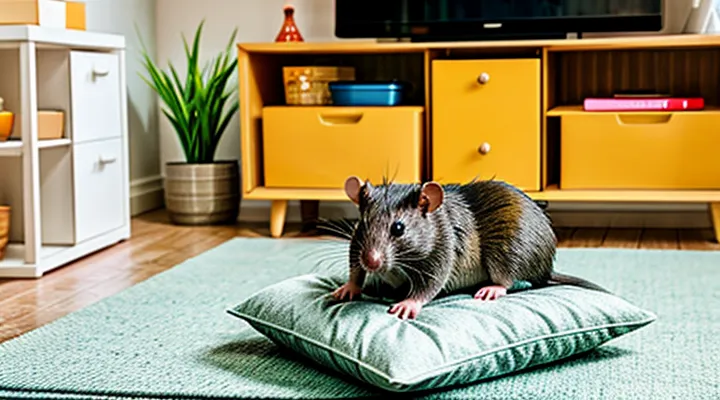
Understanding Rat Needs in an Apartment Environment
Basic Requirements for Rat Welfare
Socialization and Companionship
Rats are highly social mammals; isolation can lead to stress, aggression, and health problems. Keeping at least two individuals of the same sex together satisfies their innate need for interaction, reduces stereotypic behaviors, and promotes natural grooming routines. When multiple rats share a cage, they establish a hierarchy that stabilizes group dynamics and encourages cooperative play.
Adequate companionship requires careful selection and monitoring. Recommended practices include:
- Pair rats of similar age and temperament to minimize conflict.
- Provide a spacious enclosure with multiple enrichment zones, allowing each animal personal space while facilitating social contact.
- Observe daily interactions; intervene only when persistent aggression or injury occurs.
- Rotate toys and tunnels regularly to prevent boredom and encourage collaborative exploration.
Environmental enrichment further strengthens bonds. Incorporate climbing structures, chewable branches, and hideouts that multiple rats can use simultaneously. Shared feeding stations with scattered pellets stimulate group foraging, reinforcing cooperative behavior.
Health assessments should be conducted for each rat before introduction. Veterinary checks confirm the absence of contagious diseases, which could jeopardize the entire group. After successful pairing, maintain consistent cleaning schedules and balanced nutrition to sustain both physical well‑being and social harmony.
Mental Stimulation and Enrichment
Rats thrive when their environment offers challenges that mirror natural foraging, climbing, and exploration. Without mental stimulation, they may develop stereotypic behaviors, reduced activity, and weakened immune function.
Enrichment should address four primary dimensions: tactile interaction, problem‑solving, vertical movement, and sensory variety. Items that require manipulation, such as puzzle feeders or tissue‑paper tunnels, stimulate cognition. Structures like ladders, ropes, and multi‑level platforms encourage climbing and provide perspective changes. Rotating objects prevents habituation and maintains interest. Periodic introduction of novel scents—fresh herbs, citrus peels, or safe essential‑oil diffusers—engages the olfactory system.
Practical measures for an apartment setting include:
- Puzzle feeders filled with small portions of fresh vegetables or commercial rat treats.
- Wooden branches or bamboo sticks secured to the cage for climbing.
- PVC tubes and cardboard tunnels arranged in a maze‑like configuration.
- Hanging hammocks or fabric hammocks attached to the cage lid for resting at height.
- Weekly rotation of toys and rearrangement of the cage layout to create new pathways.
- Scheduled “foraging sessions” where food is hidden under shredded paper or within small boxes.
Consistent observation of the rats’ engagement levels guides adjustments; increased interaction indicates effective enrichment, while avoidance signals the need for alternative stimuli. Implementing these strategies supports cognitive health and enhances overall welfare in a confined living space.
Creating an Optimal Habitat
Cage Selection and Setup
Minimum Cage Size
Adequate cage dimensions are fundamental for the health and behavior of pet rats living in a flat. A cage that fails to meet basic spatial requirements restricts movement, impedes exercise, and increases stress‑related issues.
The minimum size recommended by rodent specialists is as follows:
- Floor area: at least 0.5 m² (≈ 5 ft²) for a pair of rats.
- Height: minimum 0.3 m (≈ 12 in) to accommodate climbing and vertical enrichment.
- Length: no less than 0.7 m (≈ 28 in) for two adults; larger groups require proportionally more space.
These figures assume a standard rectangular cage; irregular shapes must provide equivalent floor area.
Beyond floor space, vertical volume contributes to welfare. Installing multiple levels, ladders, and hammocks effectively multiplies usable area without enlarging the footprint. Adequate ventilation, secure wiring, and removable trays for cleaning complete the essential criteria for a safe and comfortable habitat.
Materials and Bar Spacing
Choosing appropriate construction materials is essential for a safe rat habitat in a residential setting. Non‑porous, easy‑to‑clean surfaces such as high‑density polyethylene, tempered glass, and powder‑coated metal resist moisture, urine, and gnawing. These materials prevent bacterial growth and simplify routine sanitation. When selecting flooring inside the enclosure, avoid untreated wood or soft plastics that deteriorate under constant chewing.
Bar spacing determines whether rats can escape or become trapped. The ideal gap measures no more than ½ inch (≈1.3 cm); this dimension blocks the passage of adult rats while allowing airflow and visual contact. For juvenile rats, a narrower spacing of ¼ inch (≈0.6 cm) provides additional security. Consistent spacing across the entire cage frame eliminates weak points that could be exploited.
Key material considerations:
- Durability: Choose corrosion‑resistant metals (stainless steel, anodized aluminum) for bars and frames.
- Cleaning: Opt for smooth finishes that tolerate detergents and disinfectants without scratching.
- Safety: Ensure all edges are rounded or covered to prevent injuries.
- Noise reduction: Select insulated panels or sound‑dampening inserts to minimize vibrations transmitted through metal bars.
Bar placement should follow a uniform grid, with vertical and horizontal members intersecting at right angles. This configuration distributes weight evenly and reduces stress on individual bars, extending the lifespan of the enclosure. Regular inspection for signs of wear, loosening, or deformation is mandatory; replace compromised components promptly to maintain a secure environment.
Ventilation and Placement
Proper air exchange is critical for rodent health in a residential setting. Fresh airflow reduces the buildup of ammonia, carbon dioxide, and airborne pathogens that can impair respiratory function. Continuous circulation, achieved through a low‑speed fan or opening a window for short periods, maintains oxygen levels without creating drafts that chill the animals. Monitoring humidity between 45 % and 60 % prevents drying of mucous membranes and discourages mold growth; a hygrometer placed near the cage provides real‑time data. Filtration units equipped with activated carbon remove volatile organic compounds from indoor air, protecting rats from chemical irritation.
Cage placement determines exposure to temperature fluctuations, direct sunlight, and ambient noise. Position the enclosure on a stable surface away from windows that receive strong sunlight, as excessive heat can raise cage temperature beyond the optimal range of 18 °C–24 °C. Avoid proximity to radiators, heating vents, or air‑conditioning exhausts that generate drafts or rapid temperature changes. Locate the cage on a solid, vibration‑free area to minimize stress from foot traffic or household appliances. Ensure the cage is at least 30 cm from walls to facilitate airflow and allow easy access for cleaning.
Practical guidelines:
- Install a small, quiet fan set to low speed, directing airflow across, not into, the cage.
- Use a hygrometer and thermometer; adjust ventilation to keep humidity 45 %–60 % and temperature 18 ° C–24 ° C.
- Place the cage on a sturdy table or stand, at least 30 cm from walls and windows.
- Shield the cage from direct sunlight, radiators, and air‑conditioning vents.
- Keep the enclosure away from loud appliances; a quiet corner reduces auditory stress.
Essential Cage Furnishings
Bedding and Substrate Options
Choosing an appropriate bedding material directly influences a rat’s health, comfort, and waste management in a limited living space. The substrate must balance absorbency, low dust production, durability against gnawing, and ease of cleaning.
Recommended options include:
- «Paper‑based bedding»: highly absorbent, virtually dust‑free, biodegradable; may require frequent replacement to prevent mold.
- «Wood shavings» (aspen or kiln‑dried pine): moderate absorbency, natural odor control; avoid cedar due to aromatic oils harmful to rodents.
- «Corncob pellets»: compact, low dust, long‑lasting; can become brittle and generate small splinters if chewed excessively.
- «Fleece liners»: reusable, washable, zero dust; provide a soft surface but demand regular laundering to control odor.
- «Recycled carpet tiles»: sturdy, chew‑resistant, can be vacuumed; ensure no backing adhesives that release chemicals.
Key considerations when selecting a substrate:
- Dust level: high‑dust materials can cause respiratory irritation; prioritize low‑dust or dust‑free products.
- Moisture handling: effective wicking prevents urine accumulation and reduces bacterial growth.
- Chew safety: rats instinctively gnaw; avoid substrates that fragment into sharp pieces.
- Odor control: natural absorbents and antimicrobial additives help maintain a neutral scent in an apartment environment.
- Maintenance routine: materials that simplify spot cleaning and periodic deep cleaning reduce overall effort and improve hygiene.
Implementing the chosen bedding in conjunction with regular spot cleaning and periodic full‑substrate replacement sustains a sanitary habitat, supports the rats’ natural behaviors, and minimizes impact on neighboring occupants.
Food and Water Dispensers
Providing rats with consistent access to fresh food and clean water is essential for health and welfare in a compact living space. Automated dispensers reduce the risk of contamination, limit spillage, and allow owners to maintain regular feeding schedules without constant supervision.
Key characteristics of effective rat dispensers include:
- Capacity sufficient for 24‑hour supply, minimizing refill frequency;
- Sealed reservoirs that prevent droplet leakage and deter gnawing;
- Adjustable flow control to accommodate the small mouth size of rats;
- Easy‑to‑clean components, preferably dishwasher‑safe or removable for thorough washing;
- Material safety certification, such as BPA‑free plastic or stainless steel, to avoid toxic exposure.
Installation should position dispensers at a height reachable for rats while keeping the unit stable on a flat surface. Secure the base with non‑slip pads to prevent tipping. Connect water dispensers to a filtered supply if possible, and verify that the tubing is free of kinks that could restrict flow.
Hygiene protocols demand daily inspection of food trays for spoilage and weekly disassembly of water bottles for thorough cleaning. Replace water filters according to manufacturer recommendations, typically every two weeks, to inhibit bacterial growth. Observe rats for signs of dehydration or altered eating patterns, which may indicate dispenser malfunction.
Selecting dispensers that meet these criteria supports a reliable nutrition system, reduces maintenance workload, and promotes a comfortable environment for rats residing in an apartment.
Hiding Places and Nests
Providing rats with secure hiding places and well‑constructed nests is essential for their physiological and psychological stability in a flat. Rats are prey‑driven animals; access to concealed areas reduces stress, encourages natural foraging behavior, and supports proper thermoregulation.
Effective hiding spots must be:
- Small enough to allow full enclosure yet spacious enough for movement.
- Constructed from non‑toxic, chew‑resistant materials such as untreated wood, paper‑based bedding, or natural fibers.
- Positioned away from direct drafts, loud appliances, and high‑traffic zones.
Nest design should follow these principles:
- Layered bedding depth of at least 5 cm to retain heat and absorb waste.
- Inclusion of soft nesting material (e.g., shredded paper, fleece) for comfort.
- Placement within a semi‑enclosed structure, such as a PVC tunnel, wooden box, or commercial nest box, to simulate burrow conditions.
Additional recommendations:
- Rotate bedding weekly to maintain hygiene and prevent odor buildup.
- Secure all hideaways to prevent collapse; attach with non‑abrasive clips or elastic bands.
- Inspect regularly for chew damage; replace compromised components promptly.
Implementing these measures creates a stable micro‑environment that mirrors a rat’s natural habitat, thereby promoting health, activity, and overall well‑being within an apartment setting.
Chew Toys and Gnawing Materials
Chewing activity prevents overgrowth of incisors, reduces stress, and encourages natural foraging behavior in pet rats living in a flat.
Recommended items for gnawing include:
- « chew toys » made from untreated hardwood such as apple or willow branches
- Untreated pine or poplar blocks, free of resin and chemicals
- Wicker baskets or tunnels, providing texture and durability
- Cardboard tubes from paper towel rolls, easily replaceable and safe
- Mineral chews containing calcium and phosphorus, supporting dental health
Additional gnawing materials that complement the toys:
- Sisal rope sections, securely attached to cage bars
- Pumice stones, offering abrasive surfaces for enamel wear
- Natural bark strips, sourced from non‑toxic trees
Maintenance practices:
- Rotate items weekly to sustain interest and prevent wear patterns
- Inspect surfaces for splinters or mold; discard compromised pieces immediately
- Clean wooden toys with a damp cloth; avoid harsh detergents that may leave residues
Safety guidelines:
- Exclude cedar, pine with strong scent, and any treated wood that releases volatile compounds
- Avoid plastic items that can be chewed into sharp fragments
- Ensure all objects are large enough to prevent accidental ingestion
Providing a varied selection of safe chew options supports dental health, mental stimulation, and overall well‑being for rats sharing an apartment environment.
Diet and Nutrition
Daily Feeding Guidelines
Commercial Rat Blocks
Commercial rat blocks are pre‑manufactured enclosures designed for indoor rodent housing. Their modular construction fits standard apartment dimensions, allowing placement on shelves, under cabinets or within dedicated corners. The panels are typically made from high‑density polyethylene, offering durability and resistance to gnawing while remaining lightweight for easy relocation.
Key attributes include:
- Integrated ventilation channels that maintain airflow without compromising safety.
- Removable cleaning trays that support routine hygiene without disassembly of the entire unit.
- Locking mechanisms that prevent accidental escape while permitting quick access for feeding and handling.
- Compatibility with standard cage accessories such as ladders, tunnels and nesting material.
Installation requires only basic tools: a screwdriver for securing brackets and a level to ensure the base sits evenly. Once positioned, the enclosure can be anchored to a wall stud using supplied hardware, mitigating the risk of tipping in high‑traffic areas. Regular maintenance involves emptying the cleaning tray, washing surfaces with mild detergent, and inspecting seals for wear.
Choosing a commercial block over a DIY solution reduces the likelihood of structural failures, improves overall sanitation, and aligns with apartment‑building regulations concerning pet containment. The standardized design also facilitates replacement of damaged components, extending the lifespan of the habitat for the resident rodents.
Fresh Fruits and Vegetables
Fresh produce is essential for the health of pet rats living in a flat. High‑water content, natural sugars, and dietary fiber support hydration, energy balance, and digestive function.
Nutritional advantages include rapid vitamin delivery, antioxidant protection, and enrichment of the diet with micronutrients absent from standard pellets. Regular inclusion of fruit and vegetable morsels reduces the risk of obesity and promotes dental wear.
Suitable items must meet safety criteria: free of pesticides, low in oxalic acid, and devoid of toxic compounds. Recommended selections are:
- Apples (core removed, skin optional)
- Blueberries
- Strawberries
- Carrots (thinly sliced)
- Broccoli florets
- Spinach (moderate portions)
- Bell peppers (red, yellow, orange)
Preparation guidelines demand thorough washing, removal of seeds or pits, and cutting into bite‑size pieces. Offer no more than 10 % of total daily intake to avoid gastrointestinal upset. Observe each rat’s response; discontinue any item that induces diarrhea or refusal.
Storage should keep produce refrigerated in airtight containers, limiting exposure to air for no longer than 24 hours. Discard leftovers promptly to prevent mold growth and bacterial contamination. Regular cleaning of feeding dishes eliminates residue and maintains hygiene.
By integrating these practices, caregivers provide a balanced, stimulating diet that enhances the well‑being of rats sharing an apartment environment.
Occasional Treats
Occasional treats enhance the well‑being of pet rats living in a compact dwelling. Their inclusion supports natural foraging instincts while offering enrichment beyond the standard diet.
Nutritional balance remains paramount. Treats should contain limited sugar, moderate fat, and a source of protein or fiber. Preference for natural ingredients reduces the risk of digestive upset.
Recommended treat options include:
- Small pieces of fresh fruit such as apple (seedless) or banana, offered no more than once a week.
- Tiny portions of cooked egg or low‑fat cheese, providing protein without excessive calories.
- Commercially formulated rat treats that list whole grains, seeds, or legumes as primary components.
- Fresh vegetables like carrot or broccoli florets, introduced in modest quantities.
Frequency and portion size must align with the rat’s overall caloric intake. A single treat piece, roughly the size of a pea, suffices for an average adult rat. Over‑feeding can lead to obesity, dental issues, and reduced activity.
Regular observation of weight, coat condition, and behavior informs adjustments. Any signs of lethargy, diarrhea, or loss of appetite after treat administration warrant immediate dietary review.
Foods to Avoid
A proper diet is essential for the health and well‑being of pet rats living in a flat. Certain foods can cause digestive upset, nutritional deficiencies, or toxic reactions and should be excluded from their daily menu.
- « Chocolate » – contains theobromine, which is highly toxic to rodents.
- « Citrus fruits » – excessive acidity can irritate the gastrointestinal tract.
- « Raw potatoes and green tomato skins » – contain solanine, a potent neurotoxin.
- « Caffeine‑containing products » – stimulate the heart and may lead to fatal arrhythmias.
- « Alcohol » – depresses the central nervous system and can be lethal even in small quantities.
- « High‑fat processed snacks (chips, cookies, candy) » – promote obesity and liver strain.
- « Sugar‑rich foods (syrup, sweetened cereals) » – predispose to dental disease and diabetes.
- « Dairy products » – rats lack lactase, leading to severe diarrhea.
- « Salty or heavily seasoned foods » – cause electrolyte imbalance and kidney stress.
Providing a balanced diet of high‑quality rodent pellets, fresh vegetables, and occasional fruit ensures optimal nutrition while eliminating the risks associated with the items listed above. Regular monitoring of food intake and immediate removal of prohibited items maintain a safe living environment for rats in an apartment setting.
Health and Hygiene
Regular Cleaning Routine
Daily Spot Cleaning
Daily spot cleaning prevents the buildup of waste, odors, and pathogens that can compromise the health of pet rats living in a flat. Regular removal of visible debris maintains a hygienic environment and reduces stress for the animals.
Key zones requiring daily attention include the cage floor, feeding dishes, water dispensers, and any removable accessories such as tunnels or hideouts. These areas accumulate food scraps, droppings, and urine, which can quickly become sources of contamination.
- Remove all droppings and leftover food from the cage floor using a small scoop or brush.
- Rinse the food bowl with warm water; avoid harsh detergents that may leave residues.
- Clean the water bottle interior with a bottle brush; replace the bottle tip if buildup is evident.
- Inspect hideouts and tunnels; discard any soiled bedding or debris that has settled on surfaces.
- Wipe the exterior of the cage with a damp cloth to eliminate dust and paw prints.
Mild, unscented soap diluted in water suffices for most cleaning tasks; a final rinse with plain water eliminates any soap traces. Disinfectant solutions should be reserved for weekly deep cleaning to avoid overexposure. Implementing this routine each day sustains a safe, comfortable habitat for rats residing in an apartment.
Weekly Deep Cleaning
Weekly deep cleaning forms a cornerstone of a healthy indoor habitat for pet rats. Regular removal of droppings, urine residues, and food scraps eliminates sources of ammonia and bacterial growth that can compromise respiratory health. Disinfection of cage interiors, feeding stations, and surrounding floor surfaces with rodent‑safe cleaners reduces pathogen load without exposing animals to harsh chemicals.
Key tasks performed each week include:
- Emptying all bedding, disposing of used material, and replacing it with fresh, absorbent substrate.
- Scrubbing cage walls, bars, and water bottles using a mild, non‑toxic detergent followed by thorough rinsing.
- Vacuuming the area beneath the cage to capture escaped particles and prevent accumulation of dust.
- Inspecting wiring, toys, and structural components for wear, sharp edges, or loose parts that could cause injury.
A structured schedule enhances consistency: designate a fixed day for deep cleaning, allocate 30–45 minutes for thorough execution, and document any observations such as persistent odors or damaged accessories. After cleaning, allow the cage to air dry completely before reintroducing rats to prevent moisture‑related mold development.
Continuous monitoring of the rats’ behavior and health indicators—activity levels, grooming patterns, and respiratory sounds—provides feedback on the effectiveness of the cleaning regimen. Adjustments, such as increasing ventilation time or selecting alternative bedding, should follow any signs of irritation or discomfort.
Common Health Issues
Respiratory Infections
Respiratory infections are a leading health concern for pet rats residing in indoor apartments. The most common pathogens include Mycoplasma pulmonis, Streptococcus pneumoniae, and various viral agents. Infections typically manifest as nasal discharge, sneezing, labored breathing, and reduced activity. Early detection relies on observing these clinical signs and confirming diagnosis through veterinary examination and laboratory testing.
Preventive measures focus on environmental control and hygiene. Key practices are:
- Maintaining ambient temperature between 18 °C and 22 °C to avoid stress‑induced immunosuppression.
- Ensuring relative humidity stays within 40‑60 % to limit aerosolized pathogen survival.
- Providing high‑quality, low‑dust bedding such as paper strips or aspen shavings; avoid wood shavings that release irritant particles.
- Implementing a strict cleaning schedule: remove waste daily, disinfect cages weekly with a diluted bleach solution, and replace all nesting material regularly.
- Limiting exposure to other rodents or wildlife that may carry respiratory agents; quarantine new arrivals for at least two weeks.
Nutrition supports respiratory health. Diets rich in vitamin C, vitamin E, and omega‑3 fatty acids enhance mucosal immunity. Fresh vegetables, fortified pellets, and clean water should be available at all times.
When infection occurs, prompt veterinary intervention is essential. Treatment protocols often combine:
- Broad‑spectrum antibiotics such as enrofloxacin or doxycycline, selected based on culture results.
- Supportive care including humidified air, warmed enclosures, and supplemental nutrition.
- Monitoring for secondary complications like otitis media or pneumonia, which may require adjusted therapy.
Long‑term management includes periodic health checks, vaccination where applicable, and continuous assessment of cage conditions. By integrating these strategies, caretakers can substantially reduce the incidence and severity of respiratory infections, thereby promoting the overall well‑being of rats in a compact living environment.
Skin Conditions and Parasites
Skin health directly influences a rat’s comfort in a confined living space. Frequent observation of the coat and underlying skin detects problems before they affect wellbeing.
Common dermatological issues include:
- «Dry, flaky skin» – often caused by low humidity or inadequate nutrition.
- «Red, inflamed patches» – typical of allergic reactions to bedding material or food.
- «Hair loss in localized areas» – may indicate trauma, over‑grooming, or fungal infection.
- «Thickened or scaly skin» – characteristic of dermatitis associated with bacterial overgrowth.
Parasites that compromise skin integrity are:
- «Mites (e.g., Myobia musculinus)» – create intense itching, hair loss, and crusted lesions.
- «Fleas» – transmit pathogens, cause blood loss, and provoke allergic dermatitis.
- «Ticks» – attach to fur, feed on blood, and can introduce bacterial infections.
- «Lice» – rare but cause localized irritation and secondary infections.
Preventive measures:
- Maintain bedding at a moisture level of 40‑60 % to deter mite proliferation.
- Clean cages weekly with a mild, rodent‑safe disinfectant; rinse thoroughly to avoid residue irritation.
- Inspect the coat daily for signs of parasites; use a fine‑toothed comb to reveal hidden ectoparasites.
- Apply a veterinarian‑approved topical treatment when infestations are confirmed; follow dosage instructions precisely.
- Provide a balanced diet rich in essential fatty acids to support skin barrier function.
Regular veterinary examinations, combined with diligent cage hygiene, minimize the risk of skin disorders and parasitic infestations, thereby promoting a stable, comfortable environment for apartment‑dwelling rats.
Tumors and Lumps
Rats kept in indoor dwellings are prone to neoplastic conditions that may manifest as palpable masses. Early identification of tumors and lumps prevents severe health decline and supports a stable environment for the animal.
Typical indicators include:
- Visible swelling on the abdomen, flank, or limbs
- Rapid growth of a firm nodule beneath the skin
- Behavioral changes such as reduced activity or loss of appetite
- Bleeding or ulceration at the site of a mass
Diagnostic and management steps:
- Conduct a gentle physical examination at least once monthly.
- Record the size, location, and texture of any abnormality.
- Arrange veterinary imaging (ultrasound or radiography) for internal assessment.
- Obtain a biopsy or fine‑needle aspirate to determine histopathology.
- Follow veterinary recommendations for surgical removal, chemotherapy, or palliative care, depending on tumor type and stage.
Preventive measures focus on environmental control and nutrition. Maintaining a clean cage, providing a balanced diet low in carcinogenic substances, and minimizing chronic stress reduce the likelihood of tumor development. Regular veterinary check‑ups reinforce early detection, ensuring the pet rat’s well‑being within a compact living space.
Veterinary Care
Finding an Exotics Veterinarian
Finding a qualified exotic‑animal veterinarian is essential for maintaining rat health in a compact living environment. Rats require specific preventive care, disease screening, and treatment protocols that differ from those used for common pets. An expert practitioner ensures proper nutrition, dental health, and early detection of ailments that could compromise a pet’s well‑being.
Key steps to locate an appropriate specialist:
- Search veterinary directories that include a filter for “exotic” or “small‑animal” practitioners. National veterinary association websites often provide searchable lists.
- Verify credentials: confirm that the veterinarian holds a license for exotic animal practice and has completed additional training or certification in rodent medicine.
- Review clinic facilities: assess whether the practice has dedicated spaces for small mammals, appropriate handling equipment, and a quarantine area for new or sick rats.
- Contact the clinic directly: inquire about experience with pet rats, typical treatment plans, and availability of emergency services outside regular hours.
- Compare costs: request a fee schedule for routine examinations, vaccinations, and common procedures such as dental trimming or parasite control.
- Check client feedback: read reviews from other rat owners to gauge satisfaction with the veterinarian’s expertise and bedside manner.
After selecting a clinic, schedule an initial wellness exam. During the visit, the veterinarian should perform a comprehensive physical assessment, discuss diet and enrichment, and establish a vaccination and parasite‑prevention schedule tailored to the apartment setting. Regular follow‑up appointments allow for monitoring of growth, weight, and overall health, reducing the risk of serious conditions that could arise from inadequate care.
Maintaining a partnership with a knowledgeable exotic veterinarian supports the long‑term comfort and safety of rats living in a limited indoor space.
Routine Check-ups
Routine health monitoring is essential for maintaining a pet rat’s wellbeing in a residential setting. Regular examinations identify early signs of disease, prevent complications, and support a stable environment.
Key intervals for health assessments include:
- Weekly visual inspection – observe activity level, grooming, and respiratory sounds.
- Monthly weight recording – compare measurements with baseline values to detect rapid loss or gain.
- Quarterly veterinary consultation – conduct comprehensive physical exam, dental check, and parasite screening.
Specific elements examined during each check‑up are:
- Coat condition – smooth, glossy fur indicates adequate nutrition; bald patches suggest stress or skin issues.
- Dental health – incisors should be evenly worn; overgrowth leads to feeding difficulties.
- Behavioral cues – lethargy, aggression, or excessive hiding may signal pain or infection.
- Excreta analysis – normal urine color and firm, well‑formed droppings reflect proper hydration and digestive function.
Documentation of findings creates a reliable health history. Recording dates, weight, and observed abnormalities enables rapid comparison and facilitates veterinary decision‑making. Immediate action is required if any parameter deviates from established norms.
Recognizing Illness Symptoms
Monitoring the health of pet rats living in a flat is essential for maintaining their welfare. Early detection of disease relies on careful observation of daily behavior and physical condition.
Typical indicators of illness include:
- Lethargy or reduced activity
- Decreased food and water intake
- Nasal or ocular discharge
- Watery or sticky eyes
- Unusual fur texture, such as loss of sheen or bald patches
- Labored breathing, wheezing, or audible snoring
- Diarrhea or abnormal stool consistency
- Noticeable weight loss
- Aggressive or withdrawn behavior not typical for the individual
Distinguishing minor disturbances from serious conditions requires attention to duration and severity. Transient changes, such as brief reduced appetite after a new enrichment item, may resolve within a day. Persistent or worsening signs—continuous nasal discharge, ongoing weight loss, or severe respiratory sounds—suggest infection, gastrointestinal upset, or parasitic infestation and demand prompt veterinary assessment.
Action steps:
- Record symptom onset, frequency, and any environmental changes.
- Isolate the affected rat to prevent potential spread.
- Ensure clean bedding, fresh water, and a balanced diet.
- Contact a veterinarian experienced with rodents within 24 hours of observing serious symptoms.
Consistent vigilance and swift response protect the health of rats sharing an apartment environment.
Daily Care and Interaction
Handling and Taming
Building Trust
Trust between a pet rat and its caretaker forms the foundation for a stable, stress‑free environment within a compact living space. Consistent, predictable interactions reduce the animal’s fear response, enabling natural behaviors such as exploration, grooming, and social play.
- Offer food from a steady hand, allowing the rat to take morsels directly. Repeated gentle feeding creates a positive association with the caretaker’s presence.
- Maintain a quiet routine when entering the cage. Slow movements and soft vocalizations signal safety, encouraging the rat to approach rather than retreat.
- Provide enrichment items that require the rat to work for rewards, such as puzzle feeders. Success in these tasks reinforces confidence in the caretaker’s role as a source of opportunities.
- Respect the rat’s personal space during handling. Support the body fully, avoid sudden lifts, and release the animal after a brief, calm hold. Gradual increases in handling duration build tolerance and willingness to be touched.
Long‑term trust sustains itself through regular health checks, clean bedding, and a stable temperature. Monitoring the rat’s behavior for signs of stress—excessive hiding, reduced activity, or altered grooming—guides adjustments in interaction patterns. By adhering to these practices, the caretaker secures a reliable bond that promotes the rat’s well‑being and harmonious cohabitation in an apartment setting.
Proper Handling Techniques
Proper handling minimizes stress and prevents injury, directly supporting a rat‑friendly apartment environment. Gentle grip, consistent routine, and appropriate support are essential components.
- Approach each rat calmly, allowing time to sniff and become familiar with the handler’s presence.
- Secure the animal by cupping the hands around the torso, avoiding pressure on the spine or limbs.
- Support the hindquarters with one hand while the other stabilizes the chest, ensuring the rat feels balanced.
- Keep handling sessions brief, typically no longer than two minutes, to reduce fatigue and anxiety.
- Use a soft, non‑slip surface such as a silicone mat when transferring the rat to cages or equipment.
Regular hand washing before and after contact prevents pathogen transmission and maintains hygiene standards within the living space. Avoid sudden movements, loud noises, and bright lights during handling; these stimuli trigger heightened alertness and can lead to defensive bites. Consistent practice of the outlined techniques fosters trust, enabling smoother interactions and contributing to overall well‑being in a compact residential setting.
Playtime and Exercise
Out-of-Cage Exploration
Out‑of‑cage exploration expands a rat’s sensory experience and promotes natural foraging behavior. The apartment must provide a secure, rat‑proofed area where the animal can move freely without risk of escape or injury. All gaps larger than ½ inch in walls, baseboards, and furniture should be sealed with metal mesh or acrylic barriers. Electrical cords require protective sleeves to prevent chewing. Soft, non‑slip flooring such as low‑pile carpet or rubber matting reduces strain on tiny paws while allowing easy cleaning.
Key components of a safe exploration zone include:
- A dedicated enclosure or playpen constructed from sturdy, chew‑resistant material, equipped with a lockable lid.
- Elevated platforms and tunnels made from untreated wood or safe plastics, arranged to mimic burrow networks.
- Hideaways filled with shredded paper, tissue, or corn husk bedding, offering secluded resting spots.
- Toys that encourage climbing and gnawing, such as wooden blocks, natural rope, and sisal balls, inspected regularly for wear.
Monitoring protocols are essential. The caretaker should observe the rat for signs of stress, such as excessive grooming or reduced activity, and conduct daily health checks for injuries or lost fur. After each session, the area must be vacuumed and disinfected with a rat‑safe solution to prevent pathogen buildup. Rotating the layout of platforms and tunnels every few weeks maintains novelty and prevents habituation, thereby sustaining mental stimulation throughout the apartment environment.
Rat-Safe Play Areas
Creating a rat‑safe play area requires a secure enclosure, appropriate materials, and enrichment that encourages natural behaviors. The enclosure should be constructed from sturdy, chew‑resistant mesh or acrylic panels, with all gaps smaller than a rat’s head to prevent escape. Flooring must be easy to clean and non‑slippery; sealed wood or plastic boards work well. Elevation platforms, tunnels, and climbing structures add vertical space, supporting exploration and exercise.
Key components of a safe play zone include:
- Chew‑proof toys made from untreated wood, natural fibers, or safe plastics.
- Hideaways such as solid‑bottom houses or PVC tubes, providing refuge without sharp edges.
- Climbing ladders or rungs positioned at gentle angles, allowing ascent without risk of falls.
- Non‑toxic bedding or substrate that can be replaced regularly to maintain hygiene.
Safety measures extend beyond construction. All accessories must be free of toxic coatings, paints, or adhesives. Electrical cords should be concealed or covered with protective tubing to avoid gnawing. Regular inspections detect wear, fraying, or loose fittings that could compromise security.
Maintenance guidelines emphasize daily cleaning of waste and food debris, weekly replacement of bedding, and monthly checks of structural integrity. Disinfecting surfaces with a dilute solution of white vinegar or a rat‑safe sanitizer prevents bacterial buildup without harming occupants.
By adhering to these specifications, a play area becomes a controlled environment that supports physical health, mental stimulation, and the overall well‑being of apartment‑dwelling rats.
Enrichment Activities
Puzzle Toys
Puzzle toys provide essential mental stimulation for pet rats living in a flat. Engaging devices encourage problem‑solving behavior, promote physical activity, and help prevent stress‑related habits.
Benefits include:
- Enhanced cognitive function through obstacle navigation.
- Increased foraging instincts when treats are hidden inside the toy.
- Opportunities for natural chewing, supporting dental health.
- Reduction of boredom, which can lead to excessive grooming or gnawing of cage components.
Common varieties suitable for apartment environments are:
- Wooden maze blocks that can be rearranged to create new pathways.
- Treat‑dispensing balls that release small food rewards when rolled.
- Foraging boxes filled with shredded paper or safe bedding, concealing bits of diet.
- Interactive tunnels equipped with detachable sections for exploration.
When choosing a puzzle toy, consider the following criteria:
- Dimensions that allow comfortable entry and exit for a rat of average size.
- Construction from untreated, non‑toxic wood or food‑grade plastic.
- Complexity matched to the animal’s age and experience level.
- Design that permits thorough cleaning without disassembly of hidden compartments.
Routine maintenance involves cleaning each component with mild, unscented soap, inspecting for cracks or loose parts, and rotating toys weekly to maintain novelty. Regular checks for wear prevent accidental ingestion of fragments.
Safety guidelines require avoidance of painted surfaces, metal fasteners that could rust, and pieces smaller than the rat’s head diameter. Stable bases prevent tipping, reducing the risk of injury during vigorous play.
«Rats thrive on mental challenges», and well‑selected puzzle toys contribute directly to a comfortable and enriching living situation within an apartment setting.
Foraging Opportunities
Providing pet rats with foraging opportunities enhances mental stimulation and mimics natural behaviors, contributing to a healthier apartment environment.
Natural foraging can be introduced through simple modifications to the cage and surrounding living space.
- Hide small pieces of fresh vegetables (e.g., carrot, cucumber) in shredded paper or cardboard tubes; rats will search and retrieve the food.
- Scatter a few grains or seed mixes on a thin layer of safe substrate, encouraging the animals to dig and sift.
- Attach lightweight, detachable containers to the cage bars, each containing a single treat that requires manipulation to open.
- Rotate objects such as pine cones, rolled newspaper, or wooden blocks with concealed food pockets, preventing habituation.
Safety considerations remain paramount. All food items must be rat‑appropriate, free of pesticides, and offered in moderation to avoid digestive issues. Materials used for hiding places should be non‑toxic, sturdy enough to withstand gnawing, and easy to clean.
Regularly varying the location and type of foraging challenges maintains engagement and reduces the risk of repetitive behavior. Monitoring the rats’ interaction with these stimuli allows the caretaker to adjust difficulty levels, ensuring consistent enrichment without causing frustration.
Integrating foraging opportunities within an apartment setting therefore supports both physical activity and cognitive development, aligning with best practices for comfortable rat habitation.
Training and Tricks
Training pet rats within a compact living space enhances their well‑being and reduces unwanted behaviors. Consistent, positive reinforcement creates reliable responses, while mental challenges prevent boredom. Structured sessions of five to ten minutes, repeated daily, align with the animal’s short attention span and fit the constraints of an apartment environment.
Effective techniques include:
- « Clicker training » to mark desired actions instantly, followed by a small food reward.
- Target training, using a fingertip or a lightweight wand, to guide movement across furniture and encourage safe navigation of narrow passages.
- Cue‑based grooming encouragement, teaching the rat to present a paw for nail trimming by pairing a verbal signal with a treat.
- Obstacle‑course navigation, assembling cardboard tunnels, ramps, and platforms to develop agility and confidence in confined areas.
- Recall practice, prompting the rat to return to a designated spot when a specific sound is emitted, reinforcing safety during cleaning or rearrangement of belongings.
Implementing these methods requires a quiet setting, minimal distractions, and consistent timing. Monitoring progress through brief observation notes helps adjust difficulty levels and maintain engagement, ultimately supporting a harmonious coexistence between the rodent and its indoor habitat.
Safety and Prevention
Rat-Proofing the Apartment
Electrical Cords
Electrical cords present a significant hazard for rats living in an apartment. Chewing can damage insulation, exposing live conductors and creating a risk of shock or fire. Selecting appropriate cords and implementing protective measures reduces these dangers and contributes to a safe habitat.
Cord material should be non‑toxic, low‑voltage, and resistant to gnawing. Silicone‑sheathed cables retain flexibility while offering a tougher barrier than standard PVC. Low‑voltage adapters (≤12 V) limit the severity of any accidental contact. Avoid cords with added fragrances or plasticizers that could attract rodents.
Placement strategies focus on eliminating easy access. Secure cords along walls or behind furniture using cable clips or conduit tubing. Keep all wiring at least several centimeters away from cage interiors and climbing structures. When cords must cross open spaces, employ spiral cable protectors that prevent direct biting.
Regular inspection prevents hidden damage. Examine insulation for fraying, discoloration, or chew marks weekly. Replace any compromised section immediately. Maintain a log of inspection dates to ensure consistent oversight.
Alternative power solutions further diminish reliance on exposed wiring. Battery‑operated devices eliminate permanent cords within reach. Wireless charging pads, positioned outside the cage, provide energy without direct connections. Low‑intensity LED strips, powered by detachable, insulated modules, illuminate habitats without continuous cables.
Protective measures can be summarized:
- Use silicone‑sheathed, low‑voltage cords.
- Route cables behind fixtures and secure with clips.
- Install spiral protectors at crossing points.
- Conduct weekly visual inspections.
- Replace damaged sections without delay.
- Adopt battery‑powered or wireless alternatives when feasible.
Toxic Plants and Chemicals
Rats kept in a residential flat require a habitat free from substances that can cause poisoning or respiratory irritation. Identifying hazardous flora and household chemicals is essential for maintaining a healthy environment.
Common indoor and garden plants that contain compounds toxic to rodents include:
- « Dieffenbachia » (dumb cane) – calcium oxalate crystals cause oral swelling and difficulty breathing.
- « Philodendron » – similar crystal content leads to intense pain and inflammation.
- « Oleander » – cardiac glycosides induce arrhythmias and may be fatal.
- « Peace lily » (Spathiphyllum) – contains oxalic acid, resulting in oral irritation and vomiting.
- « Pothos » (Epipremnum aureum) – soluble calcium oxalates cause severe mouth and throat swelling.
Household chemicals presenting a risk to pet rats encompass:
- Cleaning agents with ammonia, bleach, or phenolic compounds; inhalation or ingestion produces mucosal damage and systemic toxicity.
- Pesticides and rodenticides not intended for rats; neurotoxic ingredients such as bromadiolone or zinc phosphide cause rapid organ failure.
- Essential oil diffusers; high concentrations of eucalyptus, tea tree, or citrus oils can depress the central nervous system.
- Air fresheners and scented candles; volatile organic compounds may irritate the respiratory tract.
Preventive measures include storing plants out of reach, selecting non‑toxic species for indoor décor, and keeping all chemicals sealed in locked cabinets. When cleaning, use pet‑safe detergents free of harsh solvents, and ventilate the area thoroughly to disperse fumes. Dispose of expired or unused pesticides according to local hazardous‑waste guidelines to eliminate accidental exposure.
Regular inspection of the living space for wilted leaves, spilled liquids, or residue on cage accessories helps detect potential hazards early. By eliminating toxic flora and chemicals, the apartment environment supports the well‑being and longevity of resident rats.
Escape Routes
Providing rats with reliable escape routes is essential for a safe and stress‑free apartment habitat. An effective system combines physical barriers, strategic placement of exits, and regular maintenance.
Key elements of a functional escape‑route plan include:
- Secure primary enclosure with a lockable lid that prevents accidental openings while allowing controlled access for cleaning and feeding.
- Secondary “emergency” hatch positioned opposite the primary entrance, equipped with a latch that can be opened quickly from the inside without external tools.
- Clear pathways free of obstacles, such as cords, furniture legs, or loose items, that could impede rapid movement toward the exit.
- Non‑slip flooring materials along the route to reduce the risk of falls, especially on vertical surfaces or ramps.
- Regular inspection schedule to verify that hinges, latches, and seals remain intact and free of wear.
Designing escape routes also requires consideration of the apartment layout. Locate exits near ventilation shafts or low‑traffic zones to minimize disturbance from occupants. Ensure that any external openings lead to secure, rat‑proof areas, preventing unintended escapes into the building.
Finally, incorporate a monitoring routine. Record the condition of each component after cleaning sessions and adjust the configuration if new obstacles appear. Consistent oversight guarantees that the escape system remains reliable, supporting a comfortable and secure environment for pet rats.
Predator Awareness
Other Pets
Rats share a domestic space with other small animals only when compatibility, health, and welfare are carefully managed. Compatibility depends on species temperament, size, and activity patterns. Predatory instincts of cats, dogs, or birds can cause stress or injury to rats; consequently, direct contact should be avoided. If a cat inhabits the same apartment, provide the rat with a secure, escape‑proof enclosure and keep the cat’s access restricted. Dogs that are gentle and well‑trained may coexist, but supervision during any interaction is essential to prevent accidental harm.
Health considerations require strict separation of food, water, and bedding supplies. Rats are prone to respiratory infections that can spread to other pets through shared air circulation; regular cleaning of the rat’s cage reduces pathogen load. Parasite control for other animals, such as flea or tick treatments, must be compatible with the rat’s sensitive physiology; veterinary guidance ensures safe medication choices.
Environmental enrichment for rats remains effective even in a multi‑pet household. Provide climbing structures, tunnels, and chewable items within the cage to offset reduced external stimulation. Place the cage away from high‑traffic zones to minimize noise and sudden movements that could alarm both the rat and other pets.
Key actions for a harmonious multi‑pet apartment:
- Install a lockable, ventilated cage positioned out of reach of larger animals.
- Schedule separate feeding times to prevent food competition.
- Conduct routine health checks for all pets, focusing on respiratory and parasitic conditions.
- Maintain a consistent cleaning regimen for the rat’s habitat, using pet‑safe disinfectants.
- Monitor behavior daily; any signs of stress, aggression, or illness require immediate veterinary assessment.
By adhering to these guidelines, rats can thrive alongside other domestic companions without compromising the well‑being of any animal in the residence.
Pests and Insects
Pests and insects represent a direct threat to the health and comfort of pet rats residing in an apartment. Their presence can introduce pathogens, cause stress, and compromise the hygiene of the living area.
Common intruders include cockroaches, ants, flies, mites and fleas. These organisms thrive in food residues, moisture and gaps in building envelopes. Their activity near a rat’s enclosure raises the risk of disease transmission and may provoke allergic reactions in the animals.
Effective management requires a systematic approach:
- Seal cracks, gaps around windows, doors and utility penetrations to prevent entry.
- Maintain a strict cleaning schedule: remove food scraps, vacuum regularly, and wipe surfaces with mild detergent.
- Store pet food in airtight containers; discard uneaten portions promptly.
- Employ non‑toxic pest control methods, such as bait stations placed outside the rat’s cage and sticky traps positioned in concealed areas.
- Conduct routine inspections of the cage, bedding and surrounding floor for signs of infestation; replace compromised materials immediately.
- Avoid aerosol insecticides or chemical sprays within the rat’s environment; opt for targeted, low‑residue solutions approved for use around small mammals.
Integrating pest prevention with routine rat care preserves a sanitary habitat, reduces exposure to harmful agents, and supports the overall well‑being of the animals.