
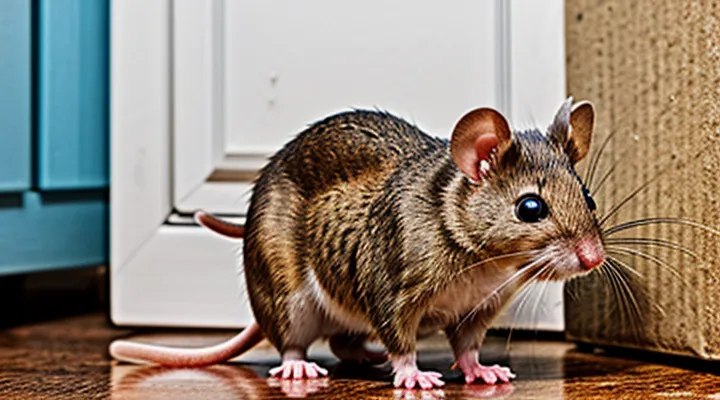
Identifying the Presence of Mice
Recognizing Signs of Infestation
Droppings and Urine Stains
Droppings and urine stains indicate recent mouse activity and pose health risks. Prompt identification and proper cleaning prevent disease transmission and discourage further infestation.
Inspect all rooms for dark, pellet‑shaped droppings near walls, cabinets, and hidden corners. Locate wet or discolored patches that signal urine accumulation. Record findings to prioritize treatment areas.
Clean contaminated surfaces with the following procedure:
- Wear disposable gloves and a mask to avoid direct contact.
- Remove solid droppings using a damp paper towel; discard the towel in a sealed bag.
- Apply an enzymatic cleaner to urine stains; allow the product to soak for the manufacturer‑specified dwell time.
- Rinse the area with warm water and dry thoroughly with disposable towels.
- Dispose of all cleaning materials in a sealed container before discarding.
After cleaning, apply a disinfectant approved for indoor use to eliminate residual pathogens. Ensure ventilation during and after the process to reduce inhalation of airborne particles.
Regular monitoring of cleaned zones detects re‑contamination early. Immediate re‑treatment of any new droppings or stains maintains a sanitary environment and supports long‑term mouse control.
Gnaw Marks
Gnaw marks are a primary indicator of rodent activity within a living space. They appear as clean, crescent‑shaped cuts on wood, plastic, cardboard, or wiring, typically measuring 2‑4 mm in width. Presence of such damage confirms that mice have accessed the area and are using it as a travel corridor or nesting site.
Identify gnaw marks by examining baseboards, cabinets, and exposed wires. Look for:
- Parallel rows of shallow cuts along edges of wooden trim.
- Deep, irregular bites on insulation or plastic piping.
- Small, rounded notches on the sides of furniture legs.
Document each location, noting the material and severity of damage. This information maps the mice’s pathways and helps prioritize sealing points.
Seal entry routes after confirming gnaw locations. Use steel wool or copper mesh combined with a durable caulk to fill gaps around pipes, vents, and cracks. Replace damaged sections of wiring or trim to eliminate future chewing sites.
Clean affected surfaces with a disinfectant solution to remove saliva residues that may carry disease. Allow the area to dry completely before applying sealants.
Monitor previously marked spots for new gnaw activity. Re‑inspect weekly for at least one month, reinforcing any compromised barriers promptly. Continuous observation ensures that the infestation does not re‑establish after initial control measures.
Scratching Noises
Scratching noises in a residential unit often signal the presence of rodents moving within walls, ceilings, or floor cavities. These sounds typically occur at night when mice are most active, producing intermittent, high‑pitched rustles as they gnaw or climb.
Distinguishing mouse activity from other sources requires attention to pattern and location. Repeated scratches near baseboards, behind appliances, or behind cabinets suggest rodents, whereas occasional creaks from building settlement lack regularity and are usually lower in pitch.
Effective response involves systematic identification and targeted intervention:
- Conduct a visual inspection of suspected areas; look for droppings, gnaw marks, and shredded material.
- Seal entry points using steel wool, caulk, or metal mesh to prevent further ingress.
- Deploy snap traps or electronic bait stations directly adjacent to active zones; position devices perpendicular to walls for optimal contact.
- Monitor traps daily, disposing of captured rodents according to local health regulations.
- Maintain a clean environment by storing food in sealed containers and removing crumbs that could attract mice.
Addressing scratching noises promptly reduces the risk of structural damage and disease transmission, ensuring a safe and quiet living space.
Unpleasant Odors
Unpleasant odors often signal a mouse problem in a residence.
Urine and droppings release a sharp, ammonia‑like smell; nesting material soaked with secretions adds a stale, musty note; a dead mouse generates a putrid, rancid odor; spilled food attracts rodents and leaves a lingering sour scent.
Identify the source by inspecting hidden areas such as behind appliances, inside cabinets, and within wall voids. Use a flashlight to locate fresh droppings, which appear dark and moist, and follow the strongest scent to the probable nest or death site.
Eliminate odors through a three‑step process:
- Remove all contaminated items, placing them in sealed bags for disposal.
- Clean surfaces with a solution of hot water and enzymatic detergent; for stubborn residues, apply a diluted bleach mixture (one part bleach to ten parts water) and allow a five‑minute dwell time before rinsing.
- Ventilate the space by opening windows and using fans; place activated charcoal or baking soda containers in the treated area to absorb lingering smells.
Prevent recurrence by sealing entry points with steel wool and caulk, storing food in airtight containers, and maintaining a regular cleaning schedule that includes weekly inspection of hidden corners.
Addressing unpleasant odors promptly reduces health risks, improves indoor air quality, and confirms that the rodent removal effort is effective.
Sightings of Live or Dead Mice
Document every mouse encounter promptly. Accurate records reveal activity patterns, pinpoint hotspots, and guide targeted interventions.
Identify live sightings by noting:
- Visible movement or scurrying
- Fresh droppings near entry points
- Gnaw marks on wires, furniture, or food packaging
- Squeaking sounds in walls or ceilings
- Fresh footprints in dust or flour
For each live observation, record date, time, exact location, and any accompanying evidence. Photographs enhance verification and assist professionals in assessing infestation severity.
Handle dead mice with caution. Wear disposable gloves, seal the carcass in a plastic bag, and dispose of it in an outdoor trash container. Disinfect the area using a solution of one part bleach to nine parts water, allowing a ten‑minute contact time before wiping clean. Follow up by inspecting the same site for residual odor or signs of additional activity.
Maintain a log that aggregates all entries. Review the compilation weekly to detect trends, such as recurring sightings in a particular room or at specific times. Use the insights to prioritize sealing entry points, adjusting bait placement, and scheduling professional assessments.
Locating Entry Points
Cracks in Walls and Floors
Cracks in walls and floors provide direct pathways for mice to enter living spaces, conceal themselves, and travel between rooms.
Locating these openings requires a systematic visual sweep of all interior and exterior surfaces. Pay particular attention to areas where plumbing, electrical wiring, or ventilation ducts intersect structural elements; these junctions often develop hairline fissures over time.
Inspection procedure:
- Dim interior lighting to reveal shadowed gaps.
- Use a flashlight to examine corners, baseboards, and under cabinets.
- Run a thin piece of gauze or a flexible probe along suspected seams; resistance indicates a closed gap, while free passage suggests an opening.
Sealing actions:
- Clean each crack with a vacuum or brush to remove dust and debris.
- Apply a high‑quality, rodent‑resistant sealant (e.g., silicone‑based caulk with added steel wool) for gaps wider than ¼ inch.
- For larger fissures, install metal flashing or expandable foam, then cover with plaster or flooring material to restore structural integrity.
- Ensure all applied materials cure fully before re‑installing furniture or flooring.
Ongoing maintenance:
- Conduct quarterly checks to detect new fissures caused by building settlement or moisture expansion.
- Replace deteriorated sealant promptly to prevent re‑entry.
- Keep humidity levels low; excess moisture promotes wood swelling, which can enlarge existing cracks.
Gaps Around Pipes and Utilities
Gaps surrounding pipes, electrical conduits, and other utilities provide direct pathways for mice to enter an apartment. Even openings as small as a quarter‑inch allow rodents to slip through, compromising food storage, insulation, and sanitation.
Typical locations include the space beneath sinks, the area around water heater vent pipes, gaps behind the refrigerator, and the voids where wall studs meet plumbing stacks. Exterior penetrations for cable bundles and gas lines often lack adequate sealing, creating additional ingress points.
A systematic inspection should begin with a flashlight and a mirror to examine concealed zones. Press fingertips along pipe surfaces to feel for drafts, indicating unseen openings. Document each gap with measurements to determine appropriate sealing material.
Sealing options:
- Expandable foam sealant for irregular cavities larger than ½ in.
- Steel wool packed tightly into small cracks, followed by caulking to prevent gnawing.
- Silicone or acrylic caulk for smooth joints around pipe collars and conduit sleeves.
- Metal flashing or pipe sleeves for high‑traffic areas where rodents may chew through softer materials.
After sealing, schedule quarterly reviews to verify integrity. Replace any compromised material promptly, and maintain a clear perimeter around utilities by storing boxes and appliances away from walls. Continuous attention to these gaps eliminates primary access routes, reducing the likelihood of mouse infestations.
Openings Under Doors and Windows
Openings beneath doors and windows provide direct pathways for rodents to enter living spaces. Small gaps, often invisible without close inspection, enable mice to slip through openings as narrow as ¼ inch. Identifying these entry points requires systematic examination of each threshold and frame.
- Examine the perimeter of every door and window while the building is at rest. Look for visible gaps between the floor and the bottom of the door, as well as between the sill and the window frame.
- Use a thin piece of paper or a flashlight to detect drafts. If the paper moves or light seeps through, the gap exceeds the size limit for mouse entry.
- Measure each opening with a ruler or caliper. Record dimensions that exceed 0.6 cm, the approximate width of an adult mouse.
Sealing identified gaps prevents further intrusion. Choose materials that maintain structural integrity and resist chewing.
- Apply steel wool or copper mesh into the gap, compressing it tightly against the surface.
- Cover the filler with an expanding polyurethane sealant, ensuring a smooth, continuous barrier.
- For door thresholds, install a door sweep made of solid rubber or silicone, securing it with screws to eliminate any residual space.
- For window frames, attach weatherstripping strips that conform to the contour of the sill, overlapping the mesh filler.
Regular maintenance reinforces protection. Inspect seals quarterly, replace worn weatherstripping, and verify that no new cracks have formed due to building settlement or moisture damage. Consistent attention to openings under doors and windows reduces the likelihood of mouse infestations and supports overall pest control efforts.
Vents and Chimneys
Vents and chimneys provide direct routes from exterior spaces into living areas, allowing rodents to travel unnoticed. Small openings around ductwork, flues, and roof penetrations often remain unsealed, creating pathways that bypass conventional traps and bait stations.
Inspection should focus on visible gaps, damaged screens, and deteriorated caulking. Use a flashlight to examine interior vent covers, chimney crowns, and the space where ducts intersect walls. Look for gnaw marks, droppings, or nesting material as evidence of activity.
Sealing measures include installing steel mesh with openings no larger than ¼ inch over vent openings, applying high‑temperature silicone sealant around chimney flues, and replacing cracked vent covers with metal alternatives. Regular maintenance of chimney caps prevents debris buildup that could conceal entry points.
Steps for securing vents and chimneys
- Remove vent covers and chimney caps; assess condition of surrounding material.
- Fit stainless‑steel mesh or hardware cloth over each opening; fasten securely with screws.
- Apply heat‑resistant sealant around all seams, joints, and pipe penetrations.
- Reinstall reinforced covers, ensuring a tight fit.
- Schedule quarterly checks to verify integrity and address new damage promptly.
Implementing Eradication Strategies
Trapping Methods
Snap Traps
Snap traps provide a rapid, humane method for reducing mouse populations in a residential setting. The mechanism consists of a spring‑loaded bar that delivers a lethal force when triggered by the animal’s weight. This design eliminates the need for chemical agents and reduces the risk of secondary poisoning.
When selecting a snap trap, consider the following criteria:
- Size compatible with typical mouse dimensions (approximately 2–4 inches in length)
- Durable construction, preferably stainless steel or reinforced plastic
- Adjustable trigger sensitivity to accommodate varying activity levels
Proper placement maximizes capture rates. Position traps along established rodent pathways, such as:
- Adjacent to walls, where mice travel closely to surfaces
- Near food sources, including pantry shelves and garbage disposals
- In concealed areas like behind appliances, under furniture, and within cabinet interiors
Bait selection influences effectiveness. Preferred attractants include:
- Small portions of peanut butter, offering strong olfactory cues
- Bits of dried fruit or cheese, providing a familiar food source
- Commercial rodent lures formulated with pheromonal components
Safety precautions protect occupants and pets. Keep traps out of reach of children and non‑target animals by using covered bait stations or securing traps with barrier devices. Regularly inspect traps to identify captured mice and replace malfunctioning units promptly.
Disposal of captured rodents must follow local health regulations. Use disposable gloves, place the specimen in a sealed bag, and discard in a dedicated waste container. Clean the trap with a mild detergent solution before redeployment to maintain hygiene and prevent odor buildup.
Routine maintenance includes checking spring tension, replacing worn components, and rotating trap locations to address new activity zones. Consistent application of these practices ensures sustained reduction of mouse presence within an apartment environment.
Live Traps
Live traps provide a humane method for removing rodents from a dwelling without using poisons. The device consists of a cage that closes automatically when a mouse enters, keeping the animal alive for later release.
Key characteristics of effective live traps include:
- Sturdy construction to prevent escape once triggered.
- Transparent walls for visual inspection without opening the cage.
- Sensitive trigger mechanism that activates with minimal pressure.
Selection guidelines:
- Choose a size appropriate for the target species; a trap measuring 4 × 6 × 12 inches accommodates most house mice.
- Opt for models with a secure latch that can be locked after capture, reducing stress on the animal.
- Verify that the trap material is easy to clean and disinfect between uses.
Placement strategy:
- Position traps along walls, near suspected entry points, and close to food sources.
- Align the trigger side perpendicular to the wall, as mice prefer to run along edges.
- Avoid cluttered areas that could obstruct the mouse’s path to the trap.
Bait recommendation:
- Use a small amount of high‑fat food such as peanut butter, cheese, or sunflower seeds.
- Place bait at the far end of the cage to encourage full entry before the trigger activates.
Monitoring and release protocol:
- Check traps at least twice daily to minimize suffering.
- When a mouse is captured, transport the cage to an outdoor location at least 200 feet from the residence.
- Release the animal near natural cover, open it gently, and ensure the latch is disengaged.
Regular maintenance:
- Clean the cage with mild soap and hot water after each capture.
- Inspect the trigger mechanism for wear and replace damaged parts promptly.
By following these practices, the user can manage a mouse problem effectively while adhering to humane standards.
Glue Traps
Glue traps provide a passive method for capturing rodents in a residential setting. The device consists of a flat board coated with a powerful adhesive that immobilizes mice upon contact. Placement directly influences effectiveness; high‑traffic pathways, near walls, and behind appliances are prime locations.
- Select traps sized for the target rodent, typically 8 × 11 cm for house mice.
- Wear disposable gloves to prevent contaminating the adhesive surface.
- Position each trap with the sticky side facing the wall, aligning the edge of the board parallel to the wall.
- Space traps 1–2 m apart along identified routes, ensuring coverage of all potential entry points.
- Inspect traps daily; replace any that have captured a mouse or become contaminated with dust.
Safety considerations include keeping traps out of reach of children and pets, as accidental contact can cause injury. Store unused traps in sealed containers until deployment. When disposing of captured rodents, seal the trap in a plastic bag, then place it in an outdoor waste bin to avoid odor and secondary infestations.
Glue traps generate minimal noise and require no electrical power, making them suitable for apartments where discretion is valued. However, they do not provide information on infestation size and must be complemented by exclusion measures such as sealing cracks and maintaining cleanliness. Proper use, regular monitoring, and prompt disposal contribute to effective mouse control without resorting to chemical agents.
Baits and Lures
Food-Based Lures
Food‑based lures attract rodents by exploiting their natural foraging instincts. Selecting an appropriate bait increases trap success and reduces the time required to achieve a mouse‑free living space.
Commonly effective baits include:
- Peanut butter – strong scent, adheres to trap surfaces.
- Chocolate – high sugar content, appealing to both adult mice and juveniles.
- Sunflower seeds – easy to handle, provides both protein and fat.
- Dried fruit pieces – sweet aroma, useful in colder months when natural food sources are scarce.
Placement strategy matters as much as bait choice. Position traps along walls, behind appliances, and near known entry points, because mice travel close to surfaces. Secure bait to the trap trigger to prevent removal without activation. Use a single bait type per trap to avoid confusion; rotating baits every few days prevents habituation.
Safety considerations protect residents and pets. Store baits in sealed containers when not in use. Avoid highly fragrant or oily foods that may linger on surfaces and attract unwanted insects. Dispose of used bait promptly to prevent secondary contamination.
Monitoring involves checking traps daily. Replace any consumed or spoiled bait, and reset traps that have not captured rodents. Recording capture locations helps identify high‑traffic corridors, guiding the addition of more traps or sealant application.
Integrating food‑based lures with exclusion measures—such as sealing gaps, maintaining cleanliness, and removing clutter—creates a comprehensive approach that reliably reduces mouse populations in apartment settings.
Commercial Baits
Commercial baits provide a focused, chemical method for reducing mouse populations in residential units. They deliver toxic agents directly to rodents while limiting exposure to occupants when used correctly.
Common bait categories include:
- Anticoagulant blocks, which interfere with blood clotting;
- Non‑anticoagulant pellets, containing substances such as bromethalin;
- Grain‑based sachets, attractive to omnivorous mice;
- Wax‑based blocks, offering prolonged palatability.
Effective placement follows a consistent pattern. Position bait stations within 1–2 m of walls, behind appliances, and near known gnawing points. Secure stations at floor level or slightly above, avoiding heights that exceed a mouse’s reach. Ensure each station is sealed with tamper‑resistant covers to protect children and pets. Maintain a spacing of approximately 3–6 m between stations to create overlapping coverage zones.
Safety compliance requires the use of EPA‑registered products. Follow label instructions precisely, including dosage recommendations and disposal procedures. Employ bait stations that meet UL 2075 standards, reducing accidental contact. Store unused bait in its original container, away from food preparation areas.
Monitoring involves daily inspection of each station. Replace any depleted unit promptly; a partially consumed station may indicate active foraging. Rotate bait types every two weeks to mitigate potential resistance development. Record observations of rodent activity to assess the efficacy of the baiting program and adjust station density as needed.
Chemical Solutions
Rodenticides (Use with Extreme Caution)
Rodenticides are chemical agents specifically formulated to kill rodents, including mice that infest residential units. Their effectiveness depends on proper selection, precise dosage, and strict adherence to safety protocols.
When choosing a rodenticide, consider the active ingredient, formulation type, and target species. Common active ingredients include bromadiolone, difenacoum, and brodifacoum, all classified as second‑generation anticoagulants. Formulations range from solid baits (blocks, pellets) to liquid emulsions, each requiring different handling techniques.
Application guidelines:
- Place bait stations in concealed locations where mice travel, such as behind appliances, within wall voids, and near baseboards.
- Use a minimal amount of bait to reduce the risk of accidental ingestion by non‑target organisms.
- Secure stations with tamper‑resistant locks to prevent access by children or pets.
- Monitor stations daily, replace depleted bait, and record observed activity.
Safety measures are mandatory:
- Wear disposable gloves and protective eyewear during handling.
- Store products in a locked cabinet, away from food, feed, and cleaning supplies.
- Keep the original label and safety data sheet accessible for reference.
- In case of accidental exposure, follow the first‑aid instructions on the label and seek medical assistance immediately.
Disposal procedures:
- Collect used bait stations and any leftover bait in a sealed container.
- Dispose of the container according to local hazardous waste regulations; do not flush or discard in regular trash.
Regulatory compliance requires that all users be licensed or certified where local law mandates it. Documentation of purchase, usage dates, and disposal records must be retained for the period specified by authorities.
Rodenticides provide rapid population reduction when employed correctly, but their potency demands vigilance to protect human health and the environment. Alternative control methods, such as snap traps or exclusion techniques, should be integrated into a comprehensive management plan to minimize reliance on toxic substances.
Preventing Future Infestations
Sealing Entry Points
Using Steel Wool and Caulk
Using steel wool and caulk together creates a durable barrier that blocks mouse entry while allowing for easy inspection and repair. The method relies on the physical obstruction of steel wool, complemented by the sealing properties of caulk to prevent gaps from reopening.
Identify all potential entry points. Common locations include gaps around pipes, vents, baseboards, and cracks in walls or flooring. Examine the perimeter of the apartment, focusing on areas where utilities penetrate the structure.
Apply steel wool to each opening. Choose a fine‑grade product that can be compressed tightly into the space. Push the material firmly until it fills the gap completely, ensuring no visible openings remain. The abrasive texture of steel wool deters rodents from chewing through it.
Seal the steel wool with caulk. Select a latex or silicone‑based sealant that adheres well to both the surrounding surface and the steel wool. Apply a continuous bead over the wool, smoothing it with a putty knife or fingertip to eliminate air pockets. Allow the sealant to cure according to the manufacturer’s instructions before exposing the area to moisture or movement.
Maintain the barrier by periodically inspecting sealed locations. Look for signs of displacement, cracking, or moisture damage. If deterioration occurs, repeat the steel wool insertion and caulk application to restore the seal.
Key advantages of this approach include:
- Physical resistance to chewing, reducing the likelihood of re‑entry.
- Easy removal and replacement, facilitating routine maintenance.
- Compatibility with a wide range of building materials, allowing universal application throughout the apartment.
Repairing Gaps and Holes
Repairing gaps and holes eliminates the primary pathways mice use to enter an apartment. Detecting every opening reduces the likelihood of re‑infestation and supports other control measures.
The repair process follows a systematic approach:
- Conduct a visual inspection of interior walls, baseboards, cabinets, and exterior walls. Pay special attention to areas around pipes, vents, and electrical wiring.
- Mark identified openings with temporary tape or chalk to avoid overlooking any during the sealing stage.
- Choose appropriate filler materials:
- For small cracks, apply expanding polyurethane foam or acrylic caulk.
- For larger gaps, insert steel wool («steel wool») or copper mesh, then cover with sealant to prevent gnawing.
- For gaps around doors and windows, install weatherstripping or door sweeps.
- Clean each opening to remove dust and debris, ensuring optimal adhesion of the filler.
- Apply the selected material according to manufacturer instructions, pressing firmly to eliminate voids.
- Allow the sealant to cure fully before exposing the area to moisture or temperature fluctuations.
- Perform a follow‑up inspection after curing, confirming that no residual openings remain.
Regular maintenance checks, especially after remodeling or seasonal changes, sustain the integrity of the barrier and prevent future mouse entry.
Maintaining Cleanliness and Hygiene
Proper Food Storage
Proper food storage reduces the availability of attractants that sustain rodent activity in a flat. Sealed containers prevent mice from accessing crumbs, spills, and odors that would otherwise encourage foraging.
- Store dry goods in airtight plastic or glass jars with rubber seals.
- Keep pet food in sealed containers and place bowls on trays that can be emptied daily.
- Refrigerate perishable items promptly; discard leftovers within 24 hours.
- Clean countertops after each meal; wipe down surfaces with a damp cloth to remove residues.
- Use trash cans with tight‑fitting lids; empty them regularly and keep them away from walls.
Consistent cleaning reinforces the barrier created by secure storage. Sweep floors weekly, vacuum upholstery, and mop any spills immediately. Inspect storage areas for damaged seals and replace compromised containers without delay. Implementing these measures eliminates a primary food source, thereby weakening mouse presence and supporting long‑term pest control.
Regular Cleaning and Decluttering
Regular cleaning eliminates food residues that attract rodents, while decluttering removes shelter opportunities. Maintaining a tidy living space directly reduces the likelihood of mouse infestation.
Key actions include:
- Store all food in sealed containers made of glass, metal, or heavy‑wall plastic.
- Clean countertops, tables, and floors after each meal; mop up crumbs and liquid spills immediately.
- Dispose of garbage daily in bins with tight‑fitting lids; replace liners before they become saturated.
- Sweep beneath appliances, furniture, and cabinets to remove hidden debris.
Decluttering focuses on minimizing potential nesting sites:
- Remove piles of newspapers, cardboard boxes, and unused clothing from corners and under beds.
- Keep storage areas organized; place items on shelves rather than on the floor.
- Eliminate excess décor that creates gaps behind walls or inside closets.
Establish a maintenance routine: perform surface cleaning nightly, conduct a thorough sweep of the entire apartment weekly, and reassess clutter monthly. Consistent execution of these practices sustains an environment hostile to mice, supporting the broader rodent‑control strategy.
Waste Management
Effective waste handling prevents food sources that attract mice, reducing infestation risk in an apartment. Secure storage, timely removal, and proper segregation eliminate the conditions mice exploit for shelter and nourishment.
- Store trash in containers with tight‑fitting lids; avoid openings larger than a quarter inch.
- Transfer waste to external bins at least once daily; increase frequency during warm months.
- Separate organic matter from dry waste; keep compost in sealed, rodent‑proof units.
- Clean container interiors regularly; remove residue that could serve as bait.
Maintain a clear pathway between indoor spaces and waste collection points. Ensure that chute doors close fully and that any gaps around pipes or vents are sealed with metal mesh or caulk. Replace damaged liners promptly to avoid leakage.
Recycle bins should be emptied regularly, with lids kept shut. Avoid placing food scraps in open containers; instead, wrap them in disposable material before disposal. Consistent adherence to these practices removes attractants, supporting a systematic approach to mouse control without reliance on chemical measures.
Natural Deterrents
Peppermint Oil
Peppermint oil is a natural repellent widely used in residential pest management. The strong menthol scent overwhelms rodent olfactory receptors, prompting mice to avoid treated areas. Unlike chemical baits, the oil poses minimal health risk to humans and pets when applied correctly.
Effective application follows a systematic approach:
- Dilute 10‑15 ml of pure peppermint oil in 500 ml of water; add a few drops of mild dish soap to improve adhesion.
- Soak cotton balls or small cloth patches in the solution.
- Place the saturated items in entry points, nesting zones, and along baseboards where mouse activity is observed.
- Refresh the treatment every 3‑4 days, or after cleaning, to maintain potency.
Safety considerations include avoiding direct contact with eyes, storing the oil out of reach of children, and testing a small area for surface discoloration before widespread use. When combined with sealing cracks and removing food sources, peppermint oil contributes to a comprehensive strategy for rodent exclusion in apartments.
Essential Oils
Essential oils provide a natural, scent‑based deterrent for rodents inhabiting indoor living spaces. Their volatile compounds overwhelm the olfactory receptors that mice rely on for navigation and foraging, prompting avoidance of treated areas.
Effective oils include:
- «peppermint oil» – high menthol content, strong, sharp aroma.
- «eucalyptus oil» – cineole‑rich, produces a pungent, medicinal scent.
- «clove oil» – eugenol concentration creates a spicy, irritating vapor.
- «lavender oil» – linalool offers a floral note that disrupts rodent activity.
Application methods:
- Dilute 10 – 15 drops of chosen oil in 250 ml of water. Transfer mixture to a spray bottle; mist corners, baseboards, and entry points twice weekly.
- Soak cotton balls with undiluted oil; place them in concealed locations such as behind appliances, under sinks, and within wall voids. Replace every 3‑4 days.
- Incorporate oil‑infused pads into trap stations to increase attraction for monitoring while maintaining deterrent presence elsewhere.
Safety measures require using gloves during preparation, ensuring adequate ventilation, and storing oils out of reach of children and pets. Direct skin contact may cause irritation; avoid applying undiluted oil to surfaces that could be touched frequently.
Integrating essential‑oil treatments with structural exclusion—sealing cracks, installing door sweeps, and maintaining cleanliness—enhances overall efficacy in reducing rodent presence within apartments.
Ultrasonic Repellents
Ultrasonic repellents emit high‑frequency sound waves that rodents cannot tolerate, prompting them to vacate the treated area. The devices operate continuously, covering a radius of approximately 20–30 feet, depending on model specifications.
Effective deployment requires attention to power source, coverage area, and frequency range. Choose units certified for rodent control rather than insect‑only models; verify that the advertised frequency lies between 20 kHz and 65 kHz, a range proven to affect mice.
Placement guidelines:
- Position devices on elevated surfaces, such as shelves or the tops of cabinets, to maximize line‑of‑sight propagation.
- Install one unit per 500 square feet; larger apartments may need additional units to eliminate dead zones.
- Avoid obstructing devices with furniture, curtains, or appliances, which can attenuate sound transmission.
Maintenance procedures:
- Replace batteries or ensure continuous mains power to prevent intermittent operation.
- Clean exterior surfaces monthly to remove dust that could dampen acoustic output.
- Conduct periodic efficacy checks by monitoring mouse activity; adjust unit locations if signs of presence persist.
Limitations to consider:
- Ultrasonic waves do not penetrate solid walls, metal, or thick insulation; sealing entry points remains essential.
- Young mice may exhibit reduced sensitivity, requiring complementary control methods such as traps or exclusion techniques.
- Prolonged exposure may lead to habituation; rotating device locations every few weeks can mitigate adaptation.
Integrating ultrasonic repellents with a comprehensive rodent‑management plan enhances the likelihood of successful mouse eradication in residential settings.
Post-Extermination Procedures
Cleaning and Disinfecting
Removing Droppings and Nests
Removing mouse droppings and nests is essential for health safety and for preventing a recurring infestation. Droppings carry pathogens; nests provide shelter and encourage further activity. Proper handling eliminates sources of disease and discourages mice from returning.
Procedure
- Wear disposable gloves and a mask to avoid direct contact with contaminants.
- Identify all droppings and nesting materials. Common locations include corners, behind appliances, and inside wall voids.
- Collect droppings with a damp paper towel; place the towel in a sealed plastic bag.
- Disinfect the area using a solution of 1 part bleach to 9 parts water. Apply, let stand for at least five minutes, then wipe clean.
- Remove nests by placing them in sealed bags; seal tightly and discard in an outdoor trash container.
- Vacuum the cleaned surface with a HEPA‑rated filter to capture residual particles.
- Wash hands thoroughly after removing protective equipment.
Completing these steps restores a sanitary environment and reduces the likelihood of mouse re‑entry. Regular inspection and prompt removal of new droppings or nests maintain long‑term control.
Sanitizing Contaminated Areas
After a mouse intrusion, the affected zones must be treated to prevent disease transmission and secondary infestations. The process begins with protective equipment: disposable gloves, N‑95 mask, and eye protection are mandatory. Remove all visible droppings, urine stains, and nesting material using a damp paper towel; discard the waste in a sealed bag.
Next, select an EPA‑registered disinfectant effective against hantavirus, salmonella, and leptospirosis. Apply the solution to surfaces according to the manufacturer’s contact time, ensuring thorough coverage of countertops, cabinets, and floorboards. For porous items such as upholstery or insulation, consider removal and disposal, as disinfection is unreliable.
Ventilation reduces airborne contaminants. Open windows and operate exhaust fans for at least 30 minutes during and after cleaning. After the disinfectant has dried, wipe the area with a clean, damp cloth to remove residual chemicals.
Finally, inspect the space for hidden residues. Use a UV light to detect lingering droppings that may have been missed. Any remaining contamination should be re‑treated following the same protocol. Proper disposal of cleaning materials and thorough hand washing complete the sanitization cycle.
Monitoring for Re-infestation
Regular Inspections
Regular inspections form the backbone of any effective rodent control program in a dwelling. Early detection of activity prevents infestation growth and reduces the need for extensive measures.
Inspections should occur at least once every two weeks during peak seasons and monthly when conditions are less favorable for mice. Focus on areas where food, water, and shelter converge: kitchen cabinets, pantry shelves, behind appliances, utility closets, and entry points such as gaps around pipes and vents.
- Examine surfaces for droppings, urine stains, or gnaw marks.
- Use a flashlight to reveal tracks in low‑light corners and under furniture.
- Check for fresh nesting material, including shredded paper, fabric, or insulation.
- Test potential entry points with a thin piece of paper; movement indicates a breach.
- Record findings in a log, noting location, type of evidence, and date of observation.
Promptly addressing identified issues—sealing openings, removing food sources, and setting traps—maintains a low‑risk environment and supports long‑term mouse prevention.
Setting up Monitoring Stations
Monitoring stations provide continuous data on rodent activity, allowing precise timing of interventions and verification of control measures. Placement of devices should reflect typical mouse pathways, such as along walls, near food storage, and in concealed corners. Sensors must be positioned at a height of 4–6 inches from the floor, aligning with the average mouse travel corridor.
Select monitoring equipment that records motion, heat signatures, or infrared activity. Battery‑operated units simplify installation; ensure a minimum runtime of 30 days to avoid frequent maintenance. For wired models, route power cables through existing conduits to preserve aesthetic integrity and reduce tripping hazards.
Prepare the installation surface by cleaning debris and sealing gaps that could interfere with sensor accuracy. Apply adhesive mounts or mounting brackets according to manufacturer specifications, confirming a secure attachment that will not detach under vibration.
Steps for establishing a functional monitoring network:
- Identify high‑traffic zones using visual inspection and prior trap records.
- Mark each zone with a temporary label to avoid duplication.
- Install sensors at the prescribed height, ensuring the detection field faces the anticipated movement direction.
- Connect power sources or insert fresh batteries, then activate the unit.
- Calibrate sensitivity settings to distinguish mouse activity from larger pests.
- Record device identifiers and locations in a log for later data correlation.
- Schedule weekly data retrieval, either through wireless transmission or manual download.
- Review collected patterns, adjust station positions if activity concentrates outside the current grid.
Regular analysis of monitoring data informs the timing of bait placement and trap deployment, reducing unnecessary exposure to chemicals and increasing overall efficacy. Maintaining a clean, well‑documented station layout supports long‑term pest management objectives in residential settings.