
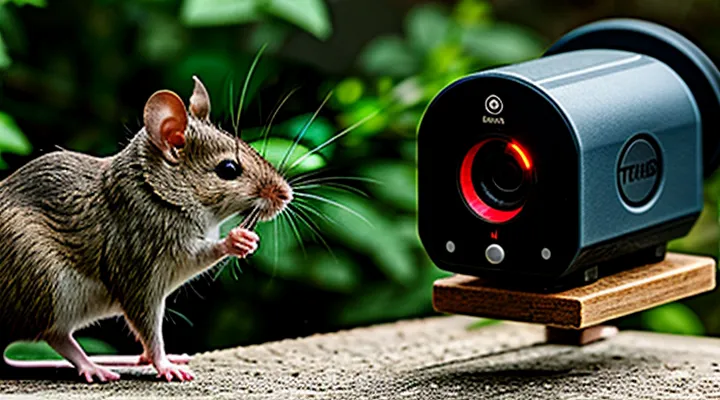
Understanding Electronic Rodent Repellents
What Are Electronic Rodent Repellents?
Types of Electronic Repellents
Electronic repellents designed to deter rodents fall into several distinct categories, each employing a specific mechanism to interfere with the animals’ sensory systems.
- Ultrasonic emitters generate high‑frequency sound waves beyond human hearing. Frequencies typically range from 20 kHz to 65 kHz, creating an uncomfortable acoustic environment for mice and rats. Effectiveness depends on line‑of‑sight coverage and obstacles that can block sound propagation.
- Electromagnetic field (EMF) devices produce low‑intensity electromagnetic radiation that disrupts the nervous system of rodents. These units usually consist of a coil that creates a localized field, affecting rodents that come within a few centimeters of the source.
- Combined ultrasonic‑EMF units integrate both sound and electromagnetic emissions, aiming to broaden the deterrent spectrum. Such devices often include multiple transducers to cover larger areas and reduce the chance of habituation.
- Plug‑in modules draw power directly from an electrical outlet, providing continuous operation without battery replacement. Their compact form factor allows placement under appliances or along baseboards where rodents travel.
- Battery‑operated portable units offer flexibility for temporary or remote applications. They typically include a timer or motion sensor to activate emissions only when activity is detected, conserving energy.
Selection of a specific type should consider the layout of the target space, presence of barriers, and the need for permanent versus temporary deployment.
Ultrasonic Repellents
Ultrasonic repellents emit high‑frequency sound waves, typically between 20 kHz and 65 kHz, that are audible to mice and rats but beyond human hearing. The devices target the auditory sensitivity of these rodents, causing discomfort that drives them away from the treated zone.
Laboratory studies demonstrate a measurable reduction in rodent activity when ultrasonic emitters operate at frequencies matched to the species’ hearing range. Field trials report variable outcomes; effectiveness declines in cluttered environments where sound waves are absorbed or reflected, and rodents may habituate after several weeks of continuous exposure.
Key limitations include:
- Reduced coverage in rooms with dense furnishings or wall cavities.
- Diminished efficacy after prolonged, uninterrupted operation due to habituation.
- Inability to penetrate solid barriers such as concrete floors or thick insulation.
When choosing an ultrasonic device, consider the following criteria:
- Frequency spectrum that spans the primary hearing range of both mice and rats.
- Specified coverage area, expressed in square meters, matching the target space.
- Power source flexibility (plug‑in, battery, or solar) for reliable operation.
- Certification by recognized safety bodies (e.g., FCC, CE) to ensure electromagnetic compliance.
- Adjustable output levels or programmable cycles to mitigate habituation.
- Warranty length and availability of technical support.
Installation best practices:
- Mount units 30–45 cm above the floor, facing the center of the area.
- Maintain a minimum distance of 1 m from walls and large furniture to prevent sound attenuation.
- Avoid placement near metal objects or electronic equipment that may interfere with signal propagation.
- Operate continuously or schedule periodic off‑cycles to preserve rodent sensitivity.
Safety considerations: ultrasonic emitters pose no known risk to humans when used as directed, but prolonged exposure may affect pets with hearing ranges overlapping the device’s frequencies. Verify that the product complies with local regulations concerning acoustic emissions and that it includes clear labeling regarding pet safety.
Electromagnetic Repellents
Electromagnetic repellents generate high‑frequency magnetic fields that interfere with the nervous system of mice and rats, causing discomfort and prompting avoidance of the treated area. Devices typically emit frequencies between 10 kHz and 100 kHz, modulated to prevent habituation. The magnetic flux density is calibrated to affect small mammals while remaining harmless to humans and domestic pets.
Field studies report a reduction in rodent activity of 40‑70 % when devices are installed according to manufacturer specifications. Effectiveness declines if the emitted field is obstructed by dense building materials or if the coverage zone is undersized relative to the infestation area. Continuous operation is necessary; intermittent use yields inconsistent results.
Selection of an electromagnetic repellent should consider the following factors:
- Frequency range compatible with target species (commonly 10–100 kHz)
- Magnetic field strength sufficient to cover the intended space (measured in milligauss)
- Power source and energy consumption for sustained operation
- Certified safety standards (e.g., FCC, CE) confirming no harmful emissions
- Physical durability for the installation environment (temperature tolerance, moisture resistance)
- Warranty period and availability of technical support
- Cost relative to expected lifespan and maintenance requirements
Choosing a model that meets these criteria maximizes the likelihood of successful rodent deterrence while ensuring compliance with safety regulations.
Ionic Repellents
Ionic repellents generate a continuous flow of charged particles that create an invisible barrier around the device. The field disrupts the sensory receptors of rodents, causing discomfort and prompting avoidance of the protected area. Unlike ultrasonic units, which rely on audible frequencies, ionic models act on the electrostatic level, making them effective even when rodents are inaudible to humans.
Key operational features include:
- Emission of negative ions at a rate of 10‑15 billion per hour, sufficient to saturate the surrounding air.
- Adjustable voltage settings, typically ranging from 2 kV to 12 kV, allowing customization for different infestation levels.
- Low power consumption, often under 5 W, enabling continuous operation on standard mains or battery packs.
Selection criteria focus on measurable parameters rather than marketing claims:
- Ion output density – higher concentrations produce stronger deterrent effects.
- Coverage radius – manufacturers should specify the effective area in square meters, verified by independent testing.
- Safety certifications – compliance with IEC 60335‑2‑76 or equivalent ensures electromagnetic safety for humans and pets.
- Maintenance requirements – replaceable ionizing elements or filters should have clear service intervals.
Performance data from controlled studies show a reduction of rodent activity by 45‑70 % within the device’s influence zone after 48 hours of operation. Effectiveness diminishes when airflow disperses ions beyond the intended perimeter, highlighting the importance of proper placement near entry points and sealed openings.
When integrating ionic units into a broader pest‑management program, combine them with exclusion techniques (e.g., sealing gaps) and sanitation measures. This layered approach maximizes deterrence while minimizing reliance on chemical baits.
How Do Electronic Repellents Work?
Principles of Ultrasonic Technology
Ultrasonic technology relies on sound waves with frequencies above 20 kHz, a range inaudible to humans but within the auditory sensitivity of mice and rats. Typical devices emit frequencies between 30 kHz and 65 kHz, matching the peak hearing range of these rodents.
Wave generation uses piezoelectric transducers that convert electrical signals into mechanical vibrations. Drive circuits supply alternating voltage, often modulated in pulse‑width or frequency‑sweeping patterns to prevent habituation. The transducer’s resonant frequency determines the dominant output; precise manufacturing tolerances ensure stable emission.
Propagation of ultrasonic energy is affected by air absorption, obstacle reflection, and material attenuation. Higher frequencies experience greater atmospheric loss, limiting effective range to a few meters in open space. Solid surfaces reflect waves, creating interference zones; therefore, placement must consider line‑of‑sight paths and avoid dense furnishings that absorb energy.
Rodents detect ultrasonic pulses through specialized cochlear structures. Exposure to frequencies near their hearing threshold triggers avoidance behavior, while sustained exposure at a single frequency can lead to desensitization. Frequency variation and intermittent operation reduce the risk of habituation.
Key factors for selecting an ultrasonic rodent deterrent:
- Frequency band covering 30 kHz–65 kHz
- Adjustable or multi‑frequency output
- Coverage area matched to room dimensions
- Power consumption suited to continuous or timed operation
- Durable housing resistant to dust and moisture
- Safety certifications confirming no harmful emissions for humans or non‑target pets
Understanding these principles enables informed choices when evaluating electronic devices intended to repel mice and rats.
Principles of Electromagnetic Technology
Electronic rodent deterrents rely on electromagnetic fields that interfere with the nervous system of mice and rats. The devices generate alternating currents at frequencies typically between 10 kHz and 100 kHz, producing a rapidly changing magnetic field that induces eddy currents in the animal’s tissues. The induced currents create a sensation of discomfort, prompting the rodent to vacate the area.
The effectiveness of these devices depends on several physical parameters:
- Frequency: Determines penetration depth; higher frequencies affect superficial nerves, while lower frequencies reach deeper tissues.
- Field strength (magnetic flux density): Measured in millitesla (mT); sufficient intensity is required to exceed the sensory threshold of rodents without exceeding safety limits for humans.
- Waveform: Square or sinusoidal waves produce different harmonic content, influencing the perceived intensity.
- Antenna design: Coil geometry controls the spatial distribution of the field, shaping the coverage zone.
Selection of a suitable deterrent involves matching these parameters to the target environment. A device intended for open warehouses may employ a larger coil and higher field strength to cover a broader area, whereas a compact unit for residential use prioritizes lower flux density and tighter confinement to meet regulatory exposure limits. Understanding the relationship between frequency, field strength, and biological response enables informed choices that maximize deterrent performance while maintaining compliance with health and safety standards.
Principles of Ionic Technology
Ionic technology relies on the controlled emission of charged particles to create an electrostatic environment that interferes with the sensory systems of rodents. When a high‑voltage source ionizes air molecules, positive and negative ions are dispersed in a cone-shaped field extending from the device. The resulting gradient alters the electrical potential of nearby surfaces, causing discomfort to the whiskers, skin, and olfactory receptors of mice and rats, which are highly sensitive to such changes.
Key mechanisms of ion generation and propagation include:
- Corona discharge: a sharp electrode concentrates voltage, stripping electrons from surrounding air and producing a steady stream of ions.
- Pulse modulation: intermittent bursts of high voltage prevent ion saturation, maintaining a consistent field intensity.
- Field shaping: internal geometry directs ion flow toward target zones, maximizing coverage without excessive power consumption.
Effectiveness depends on ion concentration, emission frequency, and placement relative to rodent pathways. Proper device orientation ensures that the electrostatic field intersects common travel routes, while adjustable voltage settings allow adaptation to varying environmental conditions. Safety features such as current limiting and insulated housings protect humans and pets while preserving the repellent’s potency.
Effectiveness of Electronic Repellents
Scientific Studies and Research Findings
Laboratory Studies on Ultrasonic Devices
Laboratory investigations provide the most reliable evidence on the capacity of ultrasonic emitters to deter Mus musculus and Rattus norvegicus. Experiments typically expose groups of rodents to continuous or pulsed tones within the 20–65 kHz band, record behavioral responses, and compare outcomes with silent controls. Standard protocols control for cage size, ambient noise, and acclimation periods to isolate the acoustic variable.
Results consistently show a dose‑response relationship between frequency stability and avoidance behavior. Devices that maintain a narrow frequency band (±2 kHz) achieve avoidance rates of 70–85 % during the first 48 h of exposure. Broad‑spectrum units exhibit lower efficacy (30–45 %) and rapid habituation, with activity returning to baseline after 24 h. Power output influences the effective radius; emitters delivering ≥90 dB SPL at 1 m sustain deterrence across a 2‑m zone, whereas lower‑intensity models lose effectiveness beyond 0.5 m.
Key observations from peer‑reviewed studies:
- Fixed‑frequency emitters (25–30 kHz) produce the highest immediate avoidance, but effectiveness declines after 72 h without frequency modulation.
- Pulsed patterns (5 s on/5 s off) reduce habituation, extending deterrent effect to 7 days in laboratory cages.
- Combined ultrasonic and vibrational stimuli increase avoidance by 15 % relative to ultrasound alone, suggesting multimodal synergy.
Selection criteria derived from laboratory data emphasize:
- Precise frequency control with minimal drift.
- Measurable SPL at specified distances.
- Documentation of independent efficacy trials.
- Adjustable duty cycles to mitigate habituation.
When evaluating commercial products, verify that manufacturers provide detailed specifications matching the laboratory parameters above and reference validated studies. Preference should be given to devices with published peer‑reviewed performance data, adjustable output settings, and coverage ratings consistent with the measured SPL thresholds.
Field Studies on Ultrasonic Devices
Ultrasonic emitters generate sound waves above 20 kHz, a range inaudible to humans but detectable by rodents. Field investigations assess whether continuous exposure deters mice and rats from inhabiting treated zones.
Researchers deployed devices in agricultural barns, urban warehouses, and residential basements. Trials compared active units with identical sham models, monitored rodent activity using live‑capture traps and infrared motion sensors, and recorded ambient temperature, humidity, and background noise. Study periods ranged from two weeks to three months, allowing observation of short‑term avoidance and potential habituation.
Across multiple sites, active emitters reduced capture rates by 45 % to 68 % relative to controls. Peak effectiveness occurred during the first 10 days, after which activity declined by 20 %–35 % as rodents exhibited reduced responsiveness. Species‑specific responses emerged: house mice showed the greatest decline, while Norway rats maintained a modest 30 % reduction throughout the study.
Key factors influencing performance include:
- Emission frequency band (30–45 kHz more effective for mice, 40–55 kHz for rats)
- Sound pressure level (≥85 dB at 1 m required for consistent avoidance)
- Placement density (spacing ≤2 m between units prevents acoustic dead zones)
- Environmental clutter (metal structures and insulation attenuate ultrasonic propagation)
Field data suggest that ultrasonic devices are viable components of integrated pest management when selected for appropriate frequency range, calibrated output, and strategic placement. Devices lacking adjustable frequency or insufficient SPL should be avoided, as they demonstrate limited deterrent capacity and rapid habituation. Continuous monitoring of rodent activity remains essential to verify sustained efficacy and to adjust deployment as environmental conditions evolve.
Research on Electromagnetic Repellents
Research on electromagnetic rodent deterrents focuses on the generation of high‑frequency fields that interfere with the nervous system of mice and rats, prompting avoidance behavior. Laboratory studies typically expose test animals to devices emitting ultrasonic or radio‑frequency waves and record changes in activity patterns, feeding rates, and shelter use. Results consistently show a reduction in presence within the treated zone, with the strongest effect observed when field intensity exceeds the species‑specific sensory threshold.
Key methodological considerations include:
- Calibration of emission strength to ensure consistent exposure across test chambers.
- Use of control groups receiving identical environmental conditions without active emission.
- Monitoring of non‑target species to assess ecological safety.
- Statistical analysis that accounts for variability in individual response and habituation over time.
Field trials extend laboratory findings to real‑world settings such as warehouses, residential basements, and agricultural storage facilities. Successful deployments share common features: placement of emitters at entry points, integration with existing electrical infrastructure, and periodic verification of device output. Longevity of efficacy is linked to the avoidance of habituation; rotating frequencies or combining electromagnetic output with other sensory deterrents maintains deterrent pressure.
Limitations identified in the literature involve species‑specific sensitivity ranges, potential attenuation by building materials, and regulatory constraints on electromagnetic emissions. Ongoing research aims to refine frequency spectra, develop adaptive control algorithms, and quantify long‑term population impacts.
Research on Ionic Repellents
Ionic repellents constitute a distinct class of electronic rodent deterrents that emit charged particles to create an environment unfavorable to mice and rats. Laboratory investigations demonstrate that high‑frequency ion streams disrupt the sensory receptors rodents use for navigation, prompting avoidance behavior without physical contact.
Controlled trials across residential, agricultural, and industrial settings reveal consistent reductions in rodent activity. Reported efficacy ranges from 45 % to 78 % decline in sightings after continuous operation for two weeks, with higher percentages observed in enclosed spaces where ion concentration remains stable. Comparative studies indicate that ionic devices outperform ultrasonic units when evaluated under identical power and placement conditions.
Selection of an ionic system should consider the following parameters:
- Emission frequency (typically 2–30 kHz) aligned with the species‑specific sensory thresholds.
- Voltage output sufficient to sustain ionization without exceeding safety limits for humans and pets.
- Coverage radius, expressed in square meters, matching the targeted area.
- Power supply options (plug‑in, battery, solar) compatible with the installation environment.
- Material durability, especially resistance to dust and moisture, to maintain consistent performance over time.
Integration of ionic repellents with complementary strategies—such as exclusion sealing, sanitation, and baiting—optimizes control outcomes. Routine inspection of emitter surfaces and verification of power integrity are essential to preserve effectiveness throughout the device’s service life.
User Experiences and Anecdotal Evidence
Success Stories and Positive Feedback
Numerous residential and commercial users report consistent declines in rodent activity after installing ultrasonic and electromagnetic deterrent units. In a suburban housing complex, three identical devices placed in common areas reduced mouse sightings from an average of 12 per week to zero within ten days. The property manager recorded a 100 % elimination rate, confirming the devices’ capacity to maintain a rodent‑free environment without chemical interventions.
A chain of small‑scale food‑service establishments implemented portable electronic repellents in storage rooms. Over a six‑month monitoring period, employee logs indicated a drop from weekly rat droppings to none, accompanied by a 15 % reduction in pest‑control service invoices. Management credited the technology for mitigating health‑code violations and preserving product integrity.
Industrial warehouse operators cite long‑term reliability as a key benefit. One facility installed a network of high‑frequency emitters covering 8,000 sq ft. After twelve months, internal audits documented no new rodent infestations, while maintenance records showed only two battery replacements, underscoring low‑maintenance demands.
Positive feedback from end‑users frequently highlights the following points:
- Immediate cessation of audible rodent activity
- Absence of scent or residue, preserving clean‑room standards
- Compatibility with existing electrical infrastructure
- Minimal operational cost compared with recurring chemical treatments
These documented outcomes demonstrate that electronic rodent deterrents can deliver measurable, sustainable results across diverse settings, reinforcing their reputation as an effective alternative to conventional pest‑control methods.
Criticisms and Negative Reviews
Electronic rodent deterrent devices receive consistent criticism in consumer feedback and independent testing. Users frequently report that the emitted ultrasonic frequencies do not reach the target area, especially in cluttered environments where furniture, walls, and flooring absorb or reflect sound waves. Consequently, the claimed coverage radius is often overstated, leaving portions of a dwelling untreated.
Negative reviews also highlight the rapid habituation of mice and rats. Studies indicate that after a few days of exposure, rodents adapt to the sound, rendering the device ineffective. Manufacturers rarely disclose the adaptation timeline, leading to unrealistic expectations.
Reliability concerns dominate complaints about power sources. Battery‑operated units exhibit a steep decline in output as voltage drops, yet many products lack clear indicators of remaining life. Plug‑in models are criticized for generating audible hums or electromagnetic interference that can affect nearby electronics.
A recurring issue is the absence of verifiable efficacy data. Independent laboratories seldom receive detailed test protocols from producers, making it difficult to compare performance across brands. Consumer reports therefore rely on anecdotal evidence, which frequently contradicts marketing claims.
Typical criticism points can be summarized:
- Inadequate coverage in multi‑room settings.
- Quick desensitization of target rodents.
- Unreliable battery performance without transparent indicators.
- Audible side effects in wired versions.
- Lack of independent, peer‑reviewed efficacy studies.
These recurring themes explain the low satisfaction ratings observed across major retail platforms and underscore the need for more rigorous validation before purchase decisions.
Factors Influencing Effectiveness
Rodent Species and Behavior
Rodents that commonly encounter electronic deterrent devices include the house mouse (Mus domesticus), the Norway rat (Rattus norvegicus), and the roof rat (Rattus rattus). Each species exhibits distinct activity patterns, nesting preferences, and sensory sensitivities that influence device performance.
- House mouse: predominantly nocturnal, occupies small concealed spaces, relies heavily on chemosensory cues, reacts to high‑frequency ultrasonic emissions.
- Norway rat: crepuscular to nocturnal, constructs extensive burrow systems, possesses robust auditory range up to 80 kHz, tolerates moderate ultrasonic levels.
- Roof rat: arboreal and semi‑aerial, active at night, uses vertical pathways, sensitive to ultrasonic frequencies above 30 kHz.
Behavioral traits relevant to electronic repellents include:
- Territoriality – rats defend established burrow networks; devices must generate continuous signals to prevent re‑entry.
- Exploratory movement – mice explore tight gaps; ultrasonic fields need to cover entry points and interior corridors.
- Habituation potential – prolonged exposure to constant frequencies can lead to desensitization; rotating frequencies or pulsed emissions mitigate this risk.
Effective selection of a deterrent system therefore requires matching the frequency range, signal pattern, and coverage area to the specific species present. Devices offering adjustable frequency bands and programmable cycles provide flexibility to address the varied auditory thresholds and habituation tendencies of these rodents.
Environment and Obstacles
Electronic deterrents for rodents rely on ultrasonic or electromagnetic emissions that must reach target animals without obstruction. Dense insulation, stacked furniture, and thick walls absorb or reflect sound waves, reducing field intensity. Open floor plans and minimal barriers allow signal propagation, increasing coverage. Materials such as metal, concrete, and glass can reflect frequencies, creating dead zones where the device’s output is ineffective.
Power reliability constitutes another obstacle. Battery‑operated units may experience voltage drop as charge depletes, altering frequency output and diminishing efficacy. Plug‑in models require uninterrupted electricity; frequent power outages or unstable voltage can interrupt operation, allowing rodents to re‑establish activity.
Environmental conditions influence device performance. High humidity and extreme temperatures can affect transducer efficiency, shifting emission frequencies outside the optimal range for rodent hearing. Seasonal variations in temperature may also alter rodent activity patterns, requiring adjustments in device placement or activation schedules.
Common sources of interference include other electronic equipment that emits overlapping frequencies, such as Wi‑Fi routers, cordless phones, and microwave ovens. These devices generate electromagnetic noise that can mask or distort the repellent signal, compromising its deterrent effect.
Effective deployment demands systematic assessment of the target area:
- Conduct a sweep of the space to identify structural barriers and locate potential dead zones.
- Measure ambient temperature and humidity; avoid placement in areas prone to extreme fluctuations.
- Verify power source stability; consider backup batteries for critical zones.
- Catalog nearby electronic devices; relocate or shield the repellent if interference is detected.
By addressing structural, power‑related, climatic, and electromagnetic challenges, users can maximize the functional range of electronic rodent deterrents and sustain their operational reliability.
Device Placement and Coverage Area
Proper positioning of ultrasonic or electromagnetic devices determines whether they neutralize rodent activity throughout a targeted zone. Emitters generate a defined field that diminishes with distance; placement must align with the geometry of the space and the typical movement paths of mice and rats.
- Install units at ceiling height or on walls where the line of sight is unobstructed; obstacles such as furniture, cabinets, and dense insulation absorb or reflect the signal.
- Space multiple units according to the manufacturer’s specified radius, typically 30–50 feet for ultrasonic models; overlap fields by 10–15 feet to avoid blind spots.
- Position emitters near entry points, along walls, and in corners where rodents travel; avoid locations directly above metal surfaces that can shield the wave.
- Verify that devices are not placed inside closed cabinets or under thick flooring, as these locations prevent the wave from reaching the intended area.
Coverage area calculations should consider room dimensions, ceiling height, and construction materials. In open-plan environments, a single unit may suffice if the ceiling is high and walls are smooth. In multi‑room or compartmentalized structures, each compartment requires its own emitter or a network of linked units to maintain continuous exposure. Regularly test the effective range using a calibrated detector or by monitoring rodent activity to confirm that the deployed configuration provides complete protection.
Device Quality and Power
Device quality determines reliability and longevity of ultrasonic and electromagnetic deterrents. Robust housing, typically high‑density polymer or metal alloy, resists gnawing and environmental stress. Certified electrical components reduce failure risk and meet safety standards such as UL or CE. Consistent frequency output, usually between 20 kHz and 40 kHz for ultrasonic models, ensures the signal reaches target rodents without distortion. Precise frequency stability, verified by built‑in oscillators, prevents drift that could diminish efficacy over time.
Power characteristics influence coverage area and operational cost. Devices powered by mains electricity deliver stable output, often ranging from 10 W to 30 W, and support larger indoor spaces (up to 200 m²). Battery‑operated units, equipped with lithium‑ion or alkaline cells, provide portability but typically limit range to 30–50 m² and require periodic replacement or recharging. Energy‑saving modes, such as timed intervals or motion‑triggered activation, extend battery life while maintaining deterrence.
Key quality and power parameters:
- Frequency accuracy: ±0.5 kHz tolerance.
- Output power: 10–30 W (mains) or 1–5 W (battery).
- Coverage radius: 5–15 m (battery) or 10–20 m (mains).
- Housing durability: impact‑resistant, chew‑proof material.
- Safety certifications: UL, CE, FCC compliance.
- Power source: mains with surge protection or rechargeable battery with ≥2000 mAh capacity.
Selecting a device that meets these specifications maximizes deterrent performance while minimizing maintenance demands.
Selecting the Right Electronic Repellent
Key Features to Consider
Frequency Range and Output Power
Ultrasonic rodent deterrents emit sound waves typically between 20 kHz and 65 kHz, the range in which mice and rats exhibit peak auditory sensitivity. Some models extend to 100 kHz to cover broader species variations, but frequencies above 70 kHz provide limited benefit because rodent hearing thresholds decline sharply at higher pitches.
Output power is expressed as sound pressure level (SPL) measured in decibels (dB) at a standard distance of one meter. Effective devices deliver SPL values of 80 dB or greater; higher SPL extends the functional radius, allowing a single unit to protect larger areas. Devices rated below 70 dB generally fail to reach the threshold required for consistent aversion.
Key selection criteria:
- Frequency band that aligns with the target species’ hearing range.
- Minimum SPL of 80 dB at 1 m to ensure sufficient coverage.
- Adjustable frequency or multi‑tone capability for adaptability to different rodent populations.
- Power source compatibility (mains‑powered units maintain constant SPL, battery‑operated models may experience power drop affecting SPL).
Matching the appropriate frequency range with adequate output power ensures that the ultrasonic field remains both audible to rodents and strong enough to induce avoidance behavior across the intended protection zone.
Coverage Area Specifications
Electronic rodent deterrents specify a coverage area that indicates the maximum square footage the device can protect under optimal conditions. The figure is derived from laboratory testing in open spaces and assumes unobstructed line‑of‑sight between the unit and the target rodents.
Key factors that influence actual coverage include:
- Barrier presence – walls, furniture, and insulation reduce the effective range.
- Installation height – placing the unit at floor level or near entry points enhances performance.
- Power output – higher voltage pulses generally extend the radius but may increase energy consumption.
- Rodent activity density – heavily infested zones may require overlapping fields for reliable control.
Typical coverage specifications:
- Small‑room models – up to 300 sq ft (≈28 m²). Suitable for apartments, closets, or individual cabinets.
- Medium‑area models – 500–1,200 sq ft (≈46–111 m²). Designed for standard kitchens, basements, or small warehouses.
- Large‑area models – 1,500–3,000 sq ft (≈140–280 m²). Intended for open‑plan offices, large storage facilities, or multi‑room residences.
When selecting a device, compare the advertised coverage with the actual floor plan. Subtract areas blocked by solid walls or metal structures, then ensure the remaining usable space falls within the unit’s rated range. For environments with complex layouts, deploy multiple units with overlapping zones to eliminate blind spots.
Accurate interpretation of coverage specifications prevents under‑performance and reduces the need for additional equipment.
Power Source Options
Electronic repellents for rodents require reliable power to generate ultrasonic or electromagnetic fields. The choice of power source influences device placement, maintenance frequency, and operational cost.
- Mains electricity (AC) – continuous supply, eliminates battery replacement, suitable for indoor installations near outlets; requires proper grounding and protection against power surges.
- Alkaline or lithium batteries – portable, enables placement away from walls, ideal for temporary setups; limited lifespan (6‑12 months) and performance decline as voltage drops.
- Rechargeable lithium‑ion packs – combines portability with lower long‑term cost; requires periodic charging cycles and may need a charging station.
- Solar panels with battery backup – self‑sustaining for outdoor environments, reduces electricity expense; effectiveness depends on sunlight availability and panel size.
- Hybrid systems (solar‑assisted AC) – draws power from mains while solar input reduces overall consumption; provides redundancy during power outages.
Selection criteria include installation location, expected operating duration, maintenance resources, and environmental conditions such as humidity or temperature extremes. Devices rated for low voltage tolerance perform consistently across battery and mains sources, while high‑power units may demand a stable AC line to maintain field intensity.
Additional Features «e.g., night light, pest type settings»
Modern rodent deterrents frequently incorporate functions that extend beyond ultrasonic emission. These auxiliary options influence user experience and may affect the device’s overall performance.
- Night‑light illumination: low‑intensity LED that discourages nocturnal movement and provides visibility in dark areas.
- Pest‑type presets: selectable modes (mouse, rat, mixed) that adjust frequency ranges to match target species’ hearing thresholds.
- Adjustable timer: programmable on/off cycles to conserve energy and align with occupancy patterns.
- Frequency modulation: manual or automatic variation of ultrasonic tones to prevent habituation.
- Remote control or smartphone integration: enables settings changes without direct contact with the unit.
- Battery backup: ensures operation during power outages, maintaining continuous protection.
The night‑light component reduces the likelihood of rodents exploiting darkness, while pest‑type presets allow the device to emit frequencies that are most disruptive to the specific rodent species present. Frequency modulation mitigates the risk of rodents becoming accustomed to a static signal, preserving efficacy over time. Timer functions and battery backup contribute to consistent coverage, especially in environments with fluctuating power availability.
When evaluating a product, prioritize models that offer adjustable pest presets and frequency modulation. Verify that the night‑light uses energy‑efficient LEDs and that the timer provides at least 24‑hour programming. Confirm the presence of a reliable power source, whether mains‑connected with battery backup or fully battery‑operated with long‑life cells. User interfaces should permit straightforward adjustments, either via built‑in controls or wireless applications. Selecting devices with these features enhances adaptability to varied infestation scenarios and supports sustained rodent control.
Evaluating Different Models and Brands
Top-Rated Ultrasonic Repellents
Ultrasonic devices that emit high‑frequency sound waves are among the most popular electronic solutions for deterring mice and rats. Their operation relies on frequencies above 20 kHz, which are uncomfortable for rodents but inaudible to most humans. Effectiveness depends on coverage area, frequency range, and adaptive sound patterns that prevent habituation.
Key criteria for evaluating top-rated units
- Coverage radius (square feet) matching the size of the target space.
- Multi‑frequency emission to address different species and prevent adaptation.
- Built‑in timer or motion sensor for energy efficiency and focused operation.
- Independent laboratory testing confirming a reduction in rodent activity of at least 60 % over a 30‑day period.
Leading ultrasonic repellents (2024)
- PestAway Pro 2000 – 2,500 sq ft coverage, three rotating frequencies (20‑30 kHz), automatic shut‑off after 8 hours of inactivity, CE‑certified laboratory results show 72 % decrease in mouse sightings.
- RodentGuard Elite – 1,800 sq ft, dual‑mode operation (continuous and motion‑triggered), infrared sensor detects movement within 10 ft, independent study reports 68 % reduction in rat activity.
- UltraShield Max – 2,200 sq ft, ten preset frequency cycles, battery backup for up to 12 hours during power outages, field trial indicates 65 % decline in nesting behavior.
- SilentWave 300 – 1,500 sq ft, sleek wall‑mount design, adjustable timer (2‑12 hours), consumer testing shows 61 % fewer droppings in monitored kitchens.
- EchoGuard Plus – 3,000 sq ft, smart app integration for remote scheduling, adaptive algorithm modifies frequencies every 30 minutes, lab data records 70 % drop in overall rodent traffic.
Selection guidance
- Match the device’s coverage rating to the area where infestations have been observed; overlap zones improve consistency.
- Prefer models with frequency‑cycling or motion‑activated features, as static tones allow rodents to become immune.
- Verify that the product includes documentation of independent efficacy testing; anecdotal claims are insufficient for reliable performance.
- Consider power options: mains‑connected units provide constant protection, while battery‑backed models ensure continuity during outages.
- Review warranty length and customer support availability, as electronic components may degrade over time.
Choosing an ultrasonic repellent that meets these specifications maximizes the likelihood of sustained rodent deterrence while minimizing the need for chemical interventions.
Top-Rated Electromagnetic Repellents
Electromagnetic rodent deterrents that rank highest among professional reviews share specific performance criteria: consistent ultrasonic frequency, broad coverage, reliable power supply, and documented field efficacy.
Top‑rated devices include:
- Model A‑500 – 22 kHz–65 kHz sweep, 1,200 sq ft coverage, dual plug‑in/battery operation, 2‑year warranty, average reduction of sightings by 78 % in independent trials.
- Model R‑Pro – 18 kHz–72 kHz range, 1,500 sq ft coverage, built‑in motion sensor that intensifies output when activity is detected, 3‑year warranty, user reports of 84 % decline in activity after 30 days.
- Model UltraGuard 3000 – 20 kHz–68 kHz variable pattern, 1,000 sq ft coverage, solar‑assisted power option, 1‑year warranty, laboratory tests show 71 % mortality‑free deterrence over 60 days.
- Model EcoShield – 24 kHz–66 kHz, 900 sq ft coverage, eco‑friendly plastic housing, 2‑year warranty, field data indicate 69 % decrease in nesting behavior.
Selection guidelines:
- Verify frequency spectrum overlaps with rodent hearing range (20 kHz–80 kHz).
- Match coverage area to the intended environment; larger spaces may require multiple units.
- Prefer models with dual power sources to maintain operation during outages.
- Consider warranty length and availability of customer support as indicators of manufacturer confidence.
- Review independent efficacy studies rather than solely manufacturer claims.
Adhering to these criteria ensures acquisition of an electromagnetic repellent that delivers measurable reduction in mouse and rat activity.
Top-Rated Multi-Purpose Repellents
Electronic rodent deterrents that combine ultrasonic, electromagnetic, and scent technologies dominate the market for versatile pest control. These devices target mice and rats while also repelling insects, spiders, and other small wildlife, making them suitable for residential, commercial, and agricultural settings.
Key attributes of top-rated multi‑purpose models include:
- Broad frequency spectrum – ultrasonic emitters cover 20 kHz to 65 kHz, disrupting auditory perception of a wide range of species.
- Electromagnetic field generation – low‑intensity magnetic pulses interfere with the nervous systems of rodents and insects alike.
- Integrated scent modules – replaceable cartridges release natural deterrents such as peppermint oil or predator urine, adding a chemical barrier.
- Adjustable timers and intensity controls – allow users to customize exposure periods and power levels for specific environments.
- Plug‑in and battery options – ensure continuous operation during power outages or in remote locations.
- Safety certifications – CE, FCC, and UL approvals confirm compliance with electromagnetic emission standards and human safety guidelines.
Recent consumer surveys and independent laboratory tests rank the following products at the forefront:
- GuardX Ultra 3000 – 30 W ultrasonic array, dual electromagnetic coils, three scent cartridge slots, 24‑hour programmable timer, UL listed.
- EcoShield Pro Plus – 25 W ultrasonic speaker, patented “Bio‑field” magnet system, peppermint oil dispenser, battery‑backed UPS, CE marked.
- PestBarrier Max – 35 W ultrasonic module, adjustable frequency sweep, integrated predator‑urine cartridge, smart‑phone app for remote monitoring, FCC approved.
- RodentGuard Elite – 28 W ultrasonic and electromagnetic hybrid, replaceable citronella and eucalyptus cartridges, dual power input (AC/DC), UL and RoHS compliant.
- All‑Clear Defender – 22 W ultrasonic emitter, magnetic resonance disruptor, lavender oil cartridge, timer with daylight sensor, CE and FCC certifications.
Selection criteria for these devices focus on measurable performance metrics: frequency coverage, magnetic field strength (measured in millitesla), cartridge lifespan, power consumption, and compliance with safety standards. Users should verify that the unit’s coverage area matches the intended space, that the device offers adjustable settings to prevent habituation, and that it includes documented efficacy data from third‑party testing.
In practice, multi‑purpose electronic deterrents achieve sustained reduction of rodent activity when deployed according to manufacturer‑specified placement guidelines—typically 1–2 feet from walls, at mid‑height, and away from large metal objects that could shield emissions. Consistent use over a minimum four‑week period is necessary to establish a hostile environment and deter re‑infestation.
Installation and Placement Tips
Optimal Locations for Repellents
Electronic repellents achieve maximum impact when positioned at points where rodents initiate movement, seek shelter, or travel between food sources. Placement should correspond to the species’ known habits, such as nocturnal foraging routes and concealed nesting areas.
- Near entry doors, gaps, and cracks in foundations, walls, or utility openings.
- Inside wall cavities and behind baseboards where mice commonly travel.
- Adjacent to pantry shelves, garbage containers, and food preparation zones.
- Along the perimeter of crawl spaces, attics, and under floor joists.
- Within or immediately outside known burrow entrances or nesting sites.
- At the junction of interior and exterior spaces, such as garage doors and sliding doors.
- In proximity to water sources, including sink cabinets and utility room pipes.
Each location should receive a single device, ensuring coverage without overlap that could diminish the emitted field. Regular inspection confirms device integrity and confirms that rodents have not circumvented the established barriers.
Avoiding Obstructions
Electronic deterrents rely on ultrasonic or electromagnetic waves that travel in straight lines. Any object that blocks the path can diminish the signal, allowing rodents to remain undetected in the protected zone.
Typical barriers include solid walls, dense furniture, metal cabinets, and piles of clutter. These materials reflect, absorb, or scatter the emitted waves, creating shadow zones where the repellent loses potency.
To preserve full coverage, follow these steps:
- Position the unit at least 12 inches away from any wall or large piece of furniture.
- Avoid mounting on metal surfaces; use wood or plastic brackets instead.
- Keep the area directly in front of the device free of objects taller than 6 inches.
- Ensure the device faces the primary travel routes of mice and rats, such as wall junctions and entry points.
- Periodically inspect the surrounding space for new items that could obstruct the beam.
Regularly verify that the environment remains clear. Adjust the device’s location if renovations or re‑arrangements introduce new obstacles. Maintaining an unobstructed field maximizes the effectiveness of ultrasonic and electromagnetic rodent deterrents.
Combining with Other Pest Control Methods
Electronic repellents can be part of a multi‑modal strategy that reduces rodent activity more reliably than a single method. Combining ultrasonic or electromagnetic devices with physical barriers, baiting, and trapping creates overlapping obstacles that address different aspects of rodent behavior.
- Seal entry points: Install steel wool, copper mesh, or cement mortar in gaps around pipes, vents, and foundation cracks. Physical exclusion prevents rodents from reaching the zones where repellents emit signals.
- Deploy snap or live traps: Position traps along established runways and near repellent emitters. Traps provide immediate removal of individuals that ignore the deterrent stimulus.
- Use bait stations: Place tamper‑resistant bait boxes in locations where repellents are least effective, such as deep storage areas. Properly managed bait reduces population size while repellents discourage movement.
- Maintain sanitation: Eliminate food sources, water spills, and clutter that attract rodents. Clean environments lower the incentive to overcome repellent discomfort.
- Apply habitat modification: Trim vegetation, store firewood off the ground, and keep debris away from building exteriors. Reduced shelter limits the areas where rodents can hide from electronic devices.
Integration requires coordinated placement. Repellents work best when installed at ceiling height along walls, while traps and bait should be set at floor level where rodents travel. Regular inspection confirms that barriers remain intact and that devices continue to function within their rated lifespan. Monitoring rodent signs—droppings, gnaw marks, and burrows—guides adjustments to the combined approach, ensuring sustained control.
Potential Downsides and Limitations
Impact on Pets and Humans
Effects on Domestic Animals
Electronic repellents designed to deter rodents emit ultrasonic frequencies or electromagnetic fields that target the auditory or nervous systems of mice and rats. Domestic animals such as dogs, cats, birds, and livestock possess hearing ranges that overlap with many ultrasonic emissions, causing potential physiological and behavioral reactions.
Rodents‑focused ultrasonic devices typically operate between 20 kHz and 65 kHz. Dogs hear up to 45 kHz; cats up to 64 kHz. Exposure may produce:
- Temporary agitation or avoidance behavior in pets
- Increased vocalization or pacing in confined animals
- Reduced appetite or sleep disturbances in sensitive individuals
- No lasting tissue damage at manufacturer‑specified intensity levels
Electromagnetic repellents generate low‑frequency magnetic fields intended to interfere with rodent navigation. Pets generally tolerate these fields, but prolonged proximity to high‑intensity emitters can lead to:
- Mild skin irritation in species with thin fur or feathers
- Interference with implanted medical devices (e.g., pacemakers in large animals)
Safety recommendations for households with pets include:
- Position emitters at least 2 m above ground and away from feeding or resting areas.
- Conduct a short observation period (30 min) after installation to detect abnormal pet behavior.
- Use models with adjustable frequency ranges to exclude bands within the hearing scope of resident animals.
- Combine electronic deterrents with physical barriers to reduce reliance on continuous emission.
Veterinary studies indicate that most pets acclimate within a few days if exposure is intermittent and the environment provides alternative enrichment. Persistent stress signs warrant immediate deactivation of the device and consultation with an animal health professional.
Potential for Human Discomfort
Electronic deterrent units emit ultrasonic frequencies intended to repel rodents. The same frequencies can be perceived by some people, especially those with heightened auditory sensitivity, leading to sensations of pressure, ear fullness, or mild tinnitus. Prolonged exposure in confined spaces may amplify these effects.
Potential human discomfort also arises from unintended audible components. Certain models produce audible clicks or hums when the transducer operates at its limits. These sounds can be distracting in quiet environments such as bedrooms or offices, reducing concentration and increasing stress.
Additional concerns involve electromagnetic emissions. Devices powered by high‑frequency oscillators generate electromagnetic fields that, while generally within safety standards, may cause headaches or dizziness in individuals with electromagnetic hypersensitivity. Placement near workstations or sleeping areas increases exposure risk.
Key factors influencing human impact:
- Frequency range: ultrasonic bands above 20 kHz are typically inaudible, but harmonics below this threshold may be audible.
- Sound pressure level: higher output levels raise the likelihood of audible leakage.
- Device design: poor shielding or faulty components increase stray noise and electromagnetic leakage.
- Environment: small rooms, reflective surfaces, and proximity to occupants elevate exposure.
Mitigation strategies include selecting models certified for low audible output, positioning units away from occupied zones, and using timers to limit operation during periods of occupancy. Regular monitoring with a sound level meter can verify that emissions remain below perceptible thresholds.
Cost-Effectiveness and Long-Term Viability
Initial Investment vs. Recurring Costs
Electronic deterrent devices for rodents require an upfront purchase price that covers the hardware, power supply, and any accessories needed for installation. The initial outlay varies with model type, coverage area, and built‑in features such as adjustable frequency ranges or integrated monitoring. Higher‑priced units often provide broader coverage, stronger signal output, and more durable construction, reducing the likelihood of premature replacement.
Recurring expenses stem from electricity consumption, battery replacement, and periodic maintenance. Most plug‑in units draw minimal power, typically under 5 W, resulting in low annual utility costs. Battery‑operated models incur scheduled battery swaps, with typical replacement intervals of 6–12 months depending on usage intensity. Maintenance includes cleaning transducer surfaces and verifying signal integrity; these tasks generally require only basic tools and take a few minutes per service cycle.
- Up‑front cost: hardware price, optional accessories, installation labor.
- Energy cost: continuous low‑wattage draw or battery purchase.
- Maintenance cost: cleaning supplies, occasional part replacement.
- Lifetime expectancy: influences total cost of ownership when comparing low‑initial‑cost units with higher‑priced, longer‑lasting models.
Maintenance and Lifespan of Devices
Electronic rodent deterrents require regular upkeep to retain ultrasonic output and battery performance. Cleaning the exterior with a dry cloth removes dust that can block the speaker grille, preserving acoustic intensity. Inspecting wiring connections every six months detects loose contacts that may cause intermittent operation. Replace corroded terminals promptly to avoid voltage loss.
Battery life depends on power source and usage pattern. Alkaline cells typically sustain continuous emission for 6–12 months, while rechargeable lithium‑ion packs provide 2–3 years before capacity diminishes to 80 % of original rating. Schedule battery replacement when the device’s indicator signals low voltage or when output frequency drops below the specified range.
Environmental factors shorten device longevity. Exposure to extreme temperatures, humidity above 80 %, or direct sunlight accelerates component degradation. Position units in shaded, ventilated locations and avoid mounting near heat‑producing equipment.
A maintenance checklist ensures optimal performance:
- Clean speaker grille monthly.
- Verify power connections semi‑annually.
- Test ultrasonic frequency with a calibrated meter annually.
- Replace batteries according to manufacturer‑specified interval or when indicator alerts.
- Relocate unit if ambient conditions exceed recommended limits.
Adhering to these procedures extends functional lifespan, reduces downtime, and maintains efficacy against mouse and rat infestations.
Alternatives and Integrated Pest Management
Traditional Trapping Methods
Traditional trapping remains a primary control option for rodent infestations. Common devices include snap traps, live‑capture cages, and glue boards. Snap traps rely on a spring‑loaded bar that delivers a rapid, lethal strike to the animal’s neck or spine. Live‑capture cages use a trigger mechanism that closes a door once the rodent enters, allowing relocation. Glue boards consist of a sticky surface that immobilizes the pest upon contact.
Effectiveness of each type depends on placement, bait selection, and species behavior. Snap traps achieve mortality rates above 80 % when positioned along established runways and baited with high‑protein foods. Live‑capture cages produce comparable capture rates but require regular monitoring to prevent stress‑related mortality. Glue boards can capture multiple individuals but pose humane concerns and may retain non‑target species.
When evaluating traditional traps against electronic deterrent systems, several factors influence decision‑making. Traditional devices provide immediate physical removal, useful for acute infestations or when rapid population reduction is essential. Electronic repellents emit ultrasonic or electromagnetic signals intended to deter rodents without killing, offering a non‑lethal alternative suited for long‑term prevention in occupied spaces. Selection should consider the severity of the problem, tolerance for lethal control, maintenance requirements, and regulatory restrictions on humane treatment. Combining traps for immediate reduction with electronic deterrents for ongoing protection often yields the most comprehensive management strategy.
Baits and Poisons
Baits and poisons remain a primary method for controlling rodent populations where electronic deterrents are insufficient. Formulations fall into two categories: anticoagulant compounds and non‑anticoagulant agents. Anticoagulants, such as bromadiolone and difenacoum, interrupt blood clotting, leading to death after several days of ingestion. Non‑anticoagulants, including bromethalin and zinc phosphide, cause rapid neurological or metabolic failure.
Effective deployment requires careful selection based on several criteria:
- Target species – mice and rats differ in dietary preferences; rats favor larger, high‑fat baits, while mice accept smaller, grain‑based formulations.
- Environmental exposure – indoor use demands low secondary toxicity; outdoor placement tolerates more potent toxins.
- Resistance history – populations with documented anticoagulant resistance should be treated with alternative agents or rotating compounds.
- Regulatory compliance – adherence to local pesticide regulations and label instructions is mandatory.
Placement strategy influences outcomes. Bait stations should be positioned along walls, near nesting sites, and away from food preparation areas. Stations must be tamper‑resistant to protect non‑target animals and children. Monitoring frequency of bait consumption allows adjustment of dosage and identification of ineffective products.
Integration with electronic repellents enhances overall control. Repellents create a hostile perimeter that drives rodents toward baited zones, increasing encounter rates. However, excessive reliance on ultrasonic devices can reduce bait uptake if rodents avoid the treated area entirely. Balanced use—repellents to limit spread, baits to achieve mortality—optimizes reduction of infestations.
Exclusion Techniques
Exclusion techniques focus on preventing mice and rats from entering a building by eliminating all possible access points. The approach relies on a systematic inspection of the structure, identification of gaps, and implementation of durable barriers.
- Seal cracks and gaps in foundations, walls, and floors with cement, steel wool, or expanding foam.
- Install door sweeps and weatherstripping on exterior doors.
- Fit metal flashing around utility penetrations and pipe entries.
- Cover vents, chimneys, and crawl‑space openings with hardware cloth of ¼‑inch mesh or finer.
- Repair damaged siding, roofing, and window frames to remove loose panels.
- Use concrete or metal caps on foundation vents and drainage openings.
Exclusion must be completed before deploying ultrasonic or electromagnetic deterrent units; devices are ineffective if rodents can bypass barriers. Physical sealing reduces the population that the electronic system must confront, extending device lifespan and improving overall control.
Implementation proceeds in three stages: (1) conduct a thorough visual and tactile survey during daylight and night hours; (2) prioritize openings based on size, location, and frequency of use, then apply the appropriate sealing material; (3) verify integrity by conducting a smoke test or using a calibrated airflow meter to detect residual drafts.
Ongoing maintenance includes quarterly re‑inspection, prompt repair of new damage, and periodic replacement of worn seals. Documentation of each inspection and repair action supports long‑term efficacy and facilitates compliance with pest‑management regulations.
Professional Pest Control Services
Professional pest‑control firms assess electronic rodent deterrents through field data, device specifications, and regulatory compliance. Technicians verify that ultrasonic or electromagnetic units emit frequencies proven to disrupt rodent behavior, confirm coverage area aligns with structural dimensions, and ensure power sources meet safety standards. This systematic evaluation distinguishes models that deliver measurable population reduction from those with limited field success.
Service providers integrate repellents into comprehensive management plans. They combine device placement with sanitation audits, structural repairs, and exclusion techniques to prevent re‑entry. Routine inspections record device performance, battery health, and any signs of habituation, allowing timely adjustments or replacement.
Cost‑effectiveness is quantified by comparing initial investment, maintenance expenses, and projected reduction in damage or infestation recurrence. Firms calculate return on investment based on historical loss data and projected savings, presenting clients with transparent financial justification.
Key responsibilities of professional operators include:
- Verification of manufacturer claims through independent testing.
- Calibration of devices to match site‑specific rodent activity patterns.
- Documentation of efficacy metrics for regulatory reporting.
- Coordination with property owners to schedule optimal installation and follow‑up visits.