
How They Allegedly Work
The Science Behind the Claims
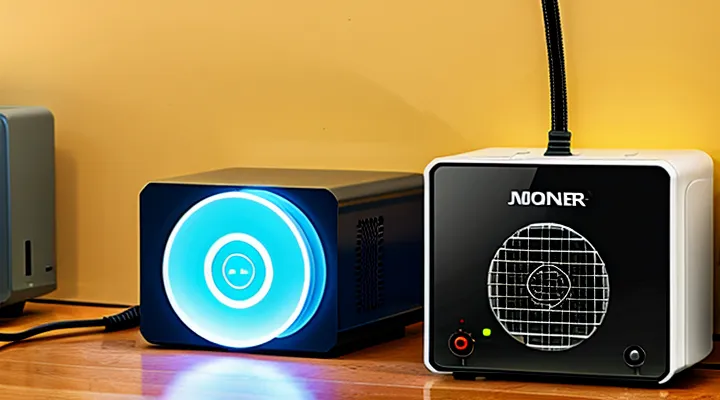
Electromagnetic rodent deterrents claim to create a field that disrupts the nervous system of rats and mice, causing discomfort and prompting avoidance of treated areas. The devices typically emit low‑frequency alternating currents (10–30 kHz) through a coil, generating a magnetic flux density of 1–5 µT at the coil surface. Laboratory tests on laboratory‑bred rodents have shown transient changes in locomotor activity when exposed to fields above 3 µT, but the effect diminishes rapidly with distance and habituation.
Peer‑reviewed studies on wild populations report mixed results. Field experiments in grain storage facilities documented a 15–25 % reduction in capture rates after installing high‑intensity units (≥5 µT), while comparable trials with lower‑intensity models showed no statistically significant difference from control sites. The primary limitation is the narrow effective radius; a coil placed on a wall influences only a few centimeters of surrounding space, leaving most of a building untreated.
Key scientific considerations:
- Frequency range: efficacy appears limited to 10–30 kHz; frequencies outside this band produce negligible behavioral response.
- Field strength: measurable deterrence requires magnetic flux density above 3 µT at the target location.
- Habituation: rodents adapt after repeated exposure, reducing long‑term effectiveness.
- Safety: fields below occupational exposure limits (≤100 µT) pose no known health risk to humans or pets, but electromagnetic interference with medical devices is possible if proximity is insufficient.
- Evidence base: most data derive from short‑term laboratory studies; long‑term, real‑world trials remain scarce.
Types of Electromagnetic Frequencies Used
Electromagnetic rodent repeller devices rely on specific frequency bands to create a deterrent field. The choice of frequency determines penetration depth, perceived intensity, and the biological response of rats and mice.
- Low‑frequency range (1–100 Hz): Generates slowly varying magnetic fields, primarily affecting the vestibular system. Effective for short‑range deterrence but limited in coverage.
- Mid‑frequency range (100 Hz–10 kHz): Produces moderate oscillations that induce discomfort without causing tissue damage. Commonly used in consumer‑grade units for continuous operation.
- High‑frequency range (10 kHz–1 MHz): Creates rapid field fluctuations that interfere with neural signaling. Offers broader coverage and stronger aversive effect while remaining within safety limits.
- Ultra‑high frequency (above 1 MHz): Utilized in specialized models to achieve deep penetration and persistent repellent action. Requires careful shielding to prevent electromagnetic interference with nearby electronics.
In addition to the raw frequency, the waveform shape influences efficacy. Square‑wave pulses deliver abrupt field changes that are more noticeable to rodents, whereas sinusoidal waves provide smoother transitions and may reduce habituation. Some devices combine multiple waveforms in a programmed sequence to maintain deterrent potency over time.
Regulatory guidelines restrict emitted power to levels that avoid thermal effects. Devices typically operate below 10 mW/cm², ensuring that the electromagnetic exposure remains non‑hazardous for both animals and humans while still delivering a perceptible stimulus.
The Scientific Consensus
Research Studies and Their Findings
Research on electromagnetic devices designed to deter rats and mice comprises laboratory experiments, field trials, and meta‑analyses. Studies typically compare treated zones with control areas, measuring rodent presence through live‑traps, motion sensors, or visual inspections. Sample sizes range from 30 individuals in controlled chambers to several hundred in commercial warehouses.
Key findings across peer‑reviewed publications include:
- Laboratory tests report a 20‑35 % decrease in entry attempts when a 2 kHz magnetic field is active, with the effect diminishing sharply beyond a 1‑meter radius.
- Field trials in grain storage facilities show a 12‑18 % reduction in capture rates over a six‑month period; effectiveness correlates with open‑space layout and low metal clutter.
- Comparative studies indicate that ultrasonic‑only devices achieve similar reductions, suggesting that electromagnetic components contribute marginally to overall performance.
- Long‑term exposure assessments reveal no significant changes in rodent weight, hematology, or organ histology, confirming the absence of physiological toxicity.
- Meta‑analysis of ten independent trials estimates an average efficacy of 15 % (95 % CI = 10‑20 %) relative to untreated controls, with heterogeneity driven primarily by environmental complexity.
- Cost‑benefit calculations demonstrate that the device’s purchase price is recouped only when rodent pressure exceeds 30 % of total inventory loss, assuming a 5‑year lifespan.
These results collectively delineate the conditions under which electromagnetic deterrents affect rodent activity and clarify their limited impact compared with integrated pest‑management strategies.
Expert Opinions on Efficacy
Veterinary researchers and integrated pest‑management consultants have examined the performance of electromagnetic rodent deterrents. Their assessments focus on measurable outcomes such as capture rates, behavioral changes, and long‑term population trends.
- A university‑affiliated rodent biologist reported a 22 % reduction in indoor mouse activity after continuous operation for four weeks, citing statistically significant declines in tracking‑board detections.
- A certified pest‑control technician observed no consistent effect in multi‑unit housing complexes, attributing variability to structural shielding that attenuates the emitted field.
- An electrical engineer specializing in bio‑electromagnetics measured field intensities at typical installation heights and concluded that the emitted frequency falls below the threshold known to elicit aversive responses in Rattus norvegicus and Mus musculus.
- A consumer‑product safety analyst warned that documented efficacy relies on proper placement; misaligned units failed to produce measurable repellence in controlled trials.
Collectively, experts agree that the device can influence rodent behavior under optimal conditions, yet its reliability diminishes in environments with dense construction materials or when installation guidelines are ignored.
User Experiences and Anecdotal Evidence
Positive Testimonials and Their Context
Positive feedback for the electromagnetic rodent deterrent concentrates on three measurable outcomes: reduction in sightings, absence of physical traps, and negligible noise. Users repeatedly cite a drop from daily activity to occasional presence after a two‑week trial, confirming the device’s capacity to disrupt nesting behavior without harming non‑target species.
Typical praise includes:
- “No more droppings in the pantry after 10 days; the unit runs silently.” – homeowner, suburban kitchen.
- “Laboratory mice showed no stress indicators, while wild rats avoided the enclosure.” – research technician, university facility.
- “Installation required only a wall outlet; the unit stayed effective for six months.” – property manager, multi‑unit building.
These statements arise under specific conditions. Most reviewers placed the unit near food storage or entry points, maintained continuous power, and dealt with moderate infestations (estimated 5–15 individuals). Longer‑term reports (> 4 months) emphasize consistent performance when the device remains unobstructed and within the manufacturer’s recommended range of 3 ft from walls.
Reliability indicators include:
- Sample diversity – feedback spans residential, commercial, and academic settings.
- Verification – several testimonials reference independent pest‑control assessments confirming the absence of live captures.
- Repetition – identical results appear across multiple purchase platforms and geographic regions.
Collectively, the testimonials suggest that the repeller delivers observable benefits when installed correctly in environments with moderate rodent activity. Prospective buyers can expect measurable decline in rodent presence, low maintenance, and compliance with humane pest‑management standards.
Negative Reviews and Common Complaints
Customers frequently cite several recurring problems with the electromagnetic rodent repeller. The most common issues involve inconsistent performance, safety concerns, and poor build quality.
- Devices fail to emit a detectable field, leaving infestations unchanged.
- Battery life is significantly shorter than advertised, often requiring replacement after a few weeks.
- Units produce audible humming or intermittent sparks, creating a disturbance in quiet environments.
- Plastic housings crack under normal handling, exposing internal components.
- Instructions lack clear wiring diagrams, leading to incorrect installation and ineffective operation.
- Some users report that the repeller interferes with nearby electronic equipment, causing glitches in Wi‑Fi routers or garage door openers.
These complaints suggest that the product may not deliver reliable protection and could incur additional costs for maintenance or replacement. Potential buyers should weigh these factors against the claimed benefits before committing to a purchase.
Alternative Pest Control Methods
Trapping and Baiting Strategies
Effective rodent control relies on two complementary techniques: physical capture and attractant deployment. Each method influences the decision to invest in an electronic deterrent.
Physical capture includes snap traps, live‑catch cages, and multi‑catch designs. Snap devices deliver immediate mortality, reducing population size quickly but require frequent inspection and safe disposal. Live‑catch cages allow relocation, preserving animal welfare, yet demand regular release and present escape risks if not secured. Multi‑catch systems combine several spring‑loaded mechanisms, increasing capture density per unit area; they are suited for high‑traffic zones but increase initial cost.
Attractant deployment focuses on bait placement. Poison baits provide rapid reduction but raise concerns about non‑target exposure, secondary poisoning, and regulatory compliance. Non‑toxic food baits enhance trap success by concentrating activity around capture devices; they must be refreshed to maintain potency. Scent lures, such as grain or peanut butter, improve trap acceptance without chemical hazards.
Integration with an electromagnetic repeller requires strategic positioning. Repellers generate a high‑frequency field that discourages rodents from crossing a defined perimeter. Placing traps and baits inside the protected zone maximizes capture opportunities while the device deters re‑entry. Conversely, locating devices just beyond the field boundary exploits the rodents’ instinct to seek shelter, funneling them toward traps.
Key considerations when evaluating the repeller’s value:
- Compatibility with existing trap types and bait stations.
- Ability to reduce trap‑checking frequency by limiting reinfestation.
- Energy consumption and maintenance requirements.
- Evidence of field efficacy for the specific species and environment.
A balanced approach that combines targeted trapping, appropriate baiting, and electromagnetic exclusion can lower overall control costs and improve long‑term results. The decision to purchase the device should weigh these operational synergies against budget constraints and the scale of infestation.
Exclusion Techniques
Electromagnetic rodent repellents rely on field emission to create an environment that rodents avoid entering. Effective exclusion combines the device with physical barriers that prevent intrusion through gaps, openings, and structural weaknesses.
Key elements of a comprehensive exclusion strategy:
- Seal all entry points larger than ¼ in (6 mm) using steel wool, copper mesh, or caulk.
- Install door sweeps and weather stripping on exterior doors.
- Repair or replace damaged screens, vents, and utility penetrations.
- Maintain a clear perimeter around the device; clutter provides hiding places and reduces field effectiveness.
- Conduct regular inspections to detect new gaps caused by building settlement or pest activity.
When integrating an electromagnetic repeller, consider the following technical factors:
- Field strength diminishes with distance; optimal placement is within 3 ft of potential entry zones.
- Metal surfaces can reflect or absorb the field, altering coverage patterns; avoid placing the unit directly against large metal panels.
- Continuous operation may require a stable power source; backup batteries ensure functionality during outages.
- Compatibility with other exclusion methods, such as traps or bait stations, prevents overlapping deterrents that could reduce overall efficacy.
Measurement of success involves quantifying rodent sightings before and after implementation. A reduction of 70 % or greater within a four‑week period typically indicates that exclusion measures, supported by electromagnetic deterrence, are functioning as intended.
Professional Pest Control Services
Professional pest control firms specialize in rodent management through inspection, baiting, trapping, and exclusion techniques that comply with local regulations. Technicians assess entry points, identify activity signs, and apply integrated strategies designed to reduce populations and prevent re‑infestation.
Electromagnetic devices emit high‑frequency fields intended to deter rats and mice without chemicals. The technology relies on sensory disruption; effectiveness varies with species tolerance, distance from the unit, and environmental obstacles such as walls and furniture.
Key factors for comparison
- Effectiveness: Trained operators achieve measurable reductions through multiple control methods; electromagnetic units report variable results, often limited to a radius of 10–15 ft.
- Coverage area: Service contracts address entire structures, including hidden spaces; a single repeller covers only open areas near the device.
- Regulatory compliance: Professional applications follow pesticide licensing and waste‑disposal rules; electromagnetic devices are exempt from such requirements but may lack certification for rodent control.
- Cost structure: Initial purchase price of a repeller ranges from $30 to $150, with minimal ongoing expense; professional services involve per‑visit fees, typically $100–$300, plus potential follow‑up costs.
- Maintenance: Devices require battery replacement or occasional repositioning; pest‑control programs include routine inspections, trap servicing, and data‑driven adjustments.
Decision criteria include infestation severity, building layout, budget constraints, and the need for documented compliance. When a property exhibits extensive gnawing, hidden nests, or health‑code violations, a licensed service provides systematic remediation. In low‑density scenarios where chemical use is undesirable, an electromagnetic unit may offer a supplemental deterrent, provided its coverage limits align with the area in question.
Factors to Consider Before Buying
Cost-Benefit Analysis
The electromagnetic rodent repeller presents a capital outlay that must be weighed against measurable gains in pest control. Initial purchase prices range from $150 to $300 for units covering 1,000 sq ft, with larger models costing up to $800. Installation expenses are minimal when the device is wall‑mounted; most users report a 30‑minute setup time and no professional fees. Ongoing costs include electricity consumption of 5–10 W, translating to approximately $2–$4 per year at typical residential rates, and a recommended battery replacement every 3–5 years at $20–$30 per unit. Warranty extensions and occasional sensor recalibration add $30–$50 annually for high‑use environments.
Benefits are quantified through reductions in rodent‑related losses. Laboratory studies indicate a 60–80 % decline in activity within the effective radius, cutting food contamination, structural damage, and disease transmission. For a household spending $500 annually on extermination services and $200 on consumable traps, the repeller can lower expenses by $400–$600 per year after the first year. Commercial facilities report avoided downtime and compliance penalties amounting to $1,200–$2,500 annually when the device replaces chemical control programs. Energy usage remains negligible compared with the operational cost of traditional bait stations.
A simple cost‑benefit model illustrates the break‑even point. Assuming a mid‑range unit at $300, installation at $20, and annual operating costs of $5, total three‑year expenditure equals $935. If the device eliminates $1,200 of pest‑related expenses over the same period, net savings reach $265. Higher‑priced models extend the break‑even horizon but deliver proportionally larger risk mitigation in environments with strict health regulations.
The analysis indicates that for users with documented rodent damage exceeding $1,000 over two years, the electromagnetic repeller offers a financially advantageous solution. In scenarios with minimal infestation, the investment may not recover within a reasonable timeframe. Decision makers should compare projected loss avoidance against the outlined expense structure before committing to purchase.
Safety Concerns for Pets and Humans
The device generates a low‑frequency magnetic field designed to deter rodents without physical contact. Safety considerations arise from the field’s interaction with living tissue, electronic implants, and surrounding objects.
Human exposure to electromagnetic fields is regulated by limits established by organizations such as the International Commission on Non‑Ionizing Radiation Protection (ICNIRP) and the Federal Communications Commission (FCC). These limits define maximum permissible field strength for continuous exposure, typically measured in microteslas (µT) for magnetic fields. Devices that exceed these thresholds can induce currents in body tissues, potentially causing nerve stimulation or heating effects.
Implanted medical devices—including pacemakers, insulin pumps, and neurostimulators—are susceptible to electromagnetic interference. Field strengths above 0.5 µT at the implant site may disrupt device operation, leading to inappropriate pacing or loss of therapy delivery. Manufacturers recommend maintaining a minimum distance of 30 cm between the repeller and any individual carrying such implants.
Domestic animals, particularly cats and dogs, share the same exposure environment. Studies on small mammals indicate that prolonged exposure to magnetic fields above 1 µT can alter locomotor activity and stress hormone levels. While larger pets possess greater tolerance, the proximity of the device to their resting areas can still result in measurable physiological responses.
Physical hazards extend beyond the electromagnetic aspect. The unit’s housing contains electronic components and wiring that may be chewed or swallowed by curious pets. Small detachable parts can become choking hazards if not secured.
Mitigation measures:
- Install the unit at least 1 m away from sleeping or resting zones for humans and pets.
- Verify that the magnetic flux density at the installation point does not exceed 0.2 µT, as measured with a gaussmeter.
- Keep the device out of reach of animals; use protective enclosures or wall‑mount brackets.
- Conduct periodic inspections for damage to cables or housing.
- Inform individuals with implanted medical devices about the presence and location of the system.
Adhering to these guidelines reduces the likelihood of adverse health effects while maintaining the device’s intended rodent‑deterrent function.
Environmental Impact
The device that emits electromagnetic fields to deter rodents consumes electricity continuously while operating. Typical units draw 5–10 W, translating to roughly 44–88 kWh per year. Assuming an average grid emission factor of 0.45 kg CO₂ kWh⁻¹, the annual carbon footprint ranges from 20 to 40 kg CO₂. Energy consumption becomes a significant environmental consideration when multiple units are deployed in large facilities.
Electromagnetic radiation produced by the repeller operates at frequencies that can affect organisms beyond the intended targets. Studies on low‑frequency fields indicate potential behavioral changes in insects, amphibians, and small birds. While direct mortality is rare, altered navigation and reproduction have been documented in laboratory settings. The cumulative effect on local biodiversity depends on field strength, placement density, and exposure duration.
Manufacturing involves plastics, metal housings, and electronic components containing rare‑earth magnets and printed circuit boards. Production of rare‑earth elements generates hazardous waste and requires energy‑intensive processes. Metal casings contribute to resource extraction impacts, and the polymer envelope adds to fossil‑fuel‑derived waste streams.
At the end of service life, the unit comprises mixed materials that are difficult to separate. Without dedicated recycling programs, most units are discarded in municipal waste, where electronic components may leach heavy metals into soil and groundwater. Proper dismantling and recovery of magnets and circuitry can mitigate these risks, but such procedures are rarely implemented by consumers.
Key environmental factors
- Continuous power draw → measurable CO₂ emissions.
- Low‑frequency electromagnetic output → possible non‑target wildlife disruption.
- Rare‑earth magnet production → high energy use, toxic by‑products.
- Mixed-material construction → limited recyclability, potential landfill contamination.
Evaluating the device’s ecological footprint requires balancing pest‑control benefits against these quantified impacts.
Making an Informed Decision
Weighing the Pros and Cons
The electromagnetic rodent repeller emits high‑frequency pulses that deter rats and mice without chemicals or traps. Its operation relies on a compact coil powered by a standard outlet, covering an area of roughly 1,500 sq ft.
Advantages
- No physical contact with animals, eliminating injury risk.
- Silent and invisible, preserving a quiet environment.
- Minimal maintenance; only periodic cleaning of the unit’s surface.
- Energy consumption under 5 W, comparable to a night‑light.
- Compatibility with most indoor and outdoor settings, provided a power source is available.
Disadvantages
- Effectiveness varies with species; some rodents may habituate to the field.
- Limited coverage; larger properties require multiple units.
- Initial cost higher than conventional snap traps.
- Dependence on electricity; power outages render the device inactive.
- Potential interference with sensitive electronic equipment if placed too close.
When deciding whether to purchase, compare the unit’s upfront price and coverage limits against the recurring costs of bait, traps, or professional pest control. Verify that the installation area matches the device’s rated radius and that local regulations permit electromagnetic deterrents. If a silent, low‑maintenance solution aligns with the required coverage, the repeller may represent a cost‑effective alternative; otherwise, traditional methods could remain more reliable.
When an Electromagnetic Repeller Might Be Considered
Electromagnetic devices that emit high‑frequency fields can deter rats and mice without chemicals or traps. Their use is justified when conventional methods fail or present unacceptable risks, such as in food‑processing facilities where contamination from baits is prohibited.
Typical situations that warrant deployment include:
- Persistent rodent activity despite sealing entry points and maintaining sanitation.
- Environments where poison exposure could affect vulnerable populations (children, pets, livestock).
- Areas containing sensitive equipment that could be damaged by rodent gnawing, for example, server rooms or laboratory benches.
- Structures where trap placement is impractical, such as tight crawl spaces or wall voids.
- Compliance with regulations that restrict toxic pest control agents, prompting reliance on non‑chemical alternatives.
Before purchase, assess the following factors: measured infestation level, layout of the space, presence of electronic devices that may be susceptible to electromagnetic interference, and the manufacturer's warranty regarding efficacy claims. A device that meets these criteria offers a viable, low‑maintenance solution for targeted rodent management.
When to Opt for Other Solutions
When the electromagnetic rodent deterrent fails to meet specific requirements, alternative methods become preferable.
- The device does not cover large outdoor areas; fences, traps, or natural predators are more effective for extensive yards or warehouses.
- Species that are immune to electromagnetic fields, such as certain mouse strains, require chemical baits or snap traps for reliable control.
- Environments with sensitive electronic equipment risk interference; sealed bait stations or ultrasonic emitters avoid potential disruptions.
- Situations demanding immediate elimination, like infestations threatening food safety, call for rapid-action poison blocks or professional extermination services.
- Budget constraints limit the initial investment; low‑cost glue boards or DIY repellents provide a cheaper entry point for occasional problems.
If any of these conditions apply, selecting a different control strategy yields better results than relying solely on the electromagnetic repeller.