
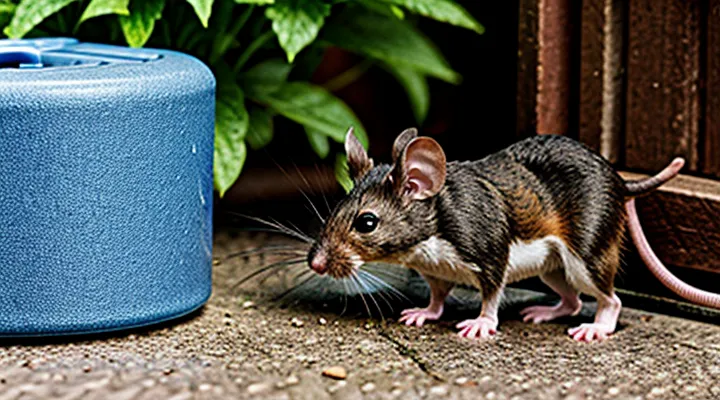
What are Mouse Repellents?
Types of Mouse Repellents
Various mouse deterrents fall into distinct categories, each employing a specific mechanism to reduce rodent activity. Understanding these categories is essential for selecting an appropriate solution.
- Ultrasonic devices emit high‑frequency sound waves beyond human hearing, creating an uncomfortable acoustic environment for mice.
- Chemical repellents contain substances such as peppermint oil, ammonia, or naphthalene that mice find aversive.
- Physical barriers include steel wool, copper mesh, and sealed entry points that prevent access to structures.
- Electronic traps combine a baited trigger with a lethal electric shock, delivering rapid mortality upon contact.
- Natural predators, such as barn owls or domestic cats, provide biological control by increasing the risk of predation.
Each type offers a different balance of safety, durability, and immediate impact. Ultrasonic units require power sources but avoid chemicals; chemical sprays provide quick deterrence but may affect indoor air quality; physical barriers offer long‑term exclusion without ongoing costs; electronic traps ensure rapid removal but necessitate regular maintenance; biological agents rely on sustained presence of predators and may not be feasible in all settings. Selecting the most effective approach depends on the specific environment, regulatory constraints, and desired level of human safety.
How Mouse Repellents Work
Mouse repellents employ a range of mechanisms to interfere with rodent behavior and limit access to treated areas.
- Chemical deterrents release volatile compounds—such as peppermint oil, capsaicin, or ammonia—that activate olfactory receptors, creating an unpleasant scent that mice avoid. The compounds often act on the trigeminal nerve, producing irritation that discourages entry.
- Ultrasonic devices emit sound waves above 20 kHz. Mice perceive these frequencies as stressful, leading to reduced activity and relocation. Effectiveness depends on frequency modulation, power output, and placement to avoid dead zones.
- Predator‑derived cues use synthetic or natural predator urine, feces, or glandular secretions. The presence of these scents triggers innate fear responses, prompting mice to abandon the area.
- Physical barriers consist of steel mesh, sealed entry points, and tamper‑resistant materials that block passage. Proper installation eliminates gaps larger than 1 mm, preventing rodents from exploiting structural weaknesses.
- Environmental manipulation lowers food availability and shelter by maintaining cleanliness, storing food in airtight containers, and removing clutter. Reduced attractants diminish the incentive for mice to explore a space.
The combined effect of these strategies relies on sensory overload, habitat exclusion, and behavioral deterrence. Selecting compatible methods and ensuring consistent application maximizes the overall performance of mouse deterrent solutions.
Evaluating Repellent Effectiveness
Scientific Studies and Research
Scientific investigations into rodent deterrent technologies employ controlled laboratory assays, field trials, and meta‑analyses to quantify product performance. Researchers typically compare treated versus untreated environments, measure capture rates, and record behavioral responses such as avoidance distance and activity reduction.
Experimental protocols vary by repellent class. Ultrasonic devices are evaluated using calibrated sound pressure levels and frequency sweeps, while chemical formulations undergo toxicological screening and volatilization rate monitoring. Physical barriers receive durability testing under simulated burrowing conditions. Data collection includes video tracking, infrared motion sensors, and weight‑based consumption metrics.
Key outcomes from recent peer‑reviewed studies:
- Ultrasonic emitters reduce mouse presence by 30‑45 % in short‑term laboratory chambers; efficacy declines after 2 weeks due to habituation.
- Peppermint oil sprays achieve a 55 % decrease in foraging activity when applied at concentrations above 2 % v/v; field applications show 40 % reduction in grain store infestations.
- Granular repellents containing capsaicin produce immediate avoidance behavior, with a 70 % drop in trap captures during the first 48 hours; effect wanes after 5 days without reapplication.
- Integrated approaches combining scent barriers and physical exclusion yield additive reductions, reaching up to 85 % lower mouse activity in commercial warehouses.
Limitations identified across the literature include small sample sizes, lack of long‑term monitoring, and variability in environmental conditions that affect acoustic propagation and chemical persistence. Future research priorities emphasize standardized dosing regimens, multi‑site longitudinal studies, and the development of resistance‑mitigation strategies.
Factors Influencing Repellent Performance
Mouse deterrents achieve varying levels of success because their performance is shaped by a set of measurable variables. Understanding these variables enables reliable selection, deployment, and evaluation of control products.
- Chemical composition: active ingredients, synergists, and inert carriers determine toxicity and odor profile.
- Concentration: higher dosages increase immediate impact but may accelerate habituation.
- Application method: sprays, granules, ultrasonic devices, and bait stations deliver agents with different coverage patterns and persistence.
- Environmental conditions: temperature, humidity, and ventilation affect volatilization rates and stability.
- Target species behavior: foraging habits, nesting preferences, and sensory thresholds modulate susceptibility.
- Resistance development: repeated exposure can select for tolerant populations, reducing long‑term efficacy.
- Delivery system durability: material degradation, seal integrity, and battery life influence continuous operation.
- Placement density: spacing of devices relative to infestation hotspots governs encounter probability.
- Substrate compatibility: interaction with flooring, insulation, or stored goods may neutralize or amplify active agents.
- Regulatory constraints: permissible concentrations and approved formulations limit available options.
Each factor interacts with others; for example, elevated temperature accelerates volatilization, which can offset lower concentration but also increase odor dispersion beyond the target area. Field trials that isolate and quantify these interactions provide the most reliable data for product comparison.
Effective mouse control programs incorporate systematic assessment of these elements, adjust parameters to local conditions, and monitor outcomes to detect early signs of reduced performance.
Common Misconceptions About Repellents
Misunderstandings often obscure the true performance of rodent deterrents. Clarifying these points helps users evaluate products based on evidence rather than myth.
- Repellents do not eliminate mice; they create an unfavorable environment that encourages relocation. No formulation contains a lethal agent unless explicitly labeled as a poison.
- Immediate results are rare. Most devices require several days of continuous exposure before rodents alter their travel routes.
- Strong odors are not universally effective. Certain scents, such as peppermint or predator urine, may deter specific populations but lose potency as mice become habituated.
- Safety for non‑target animals varies. Products marketed as “pet‑friendly” may still cause irritation or stress to cats, dogs, or wildlife if ingested or inhaled in large quantities.
- One product cannot address every infestation scenario. Factors such as building layout, food availability, and entry points influence which method—ultrasonic emitters, chemical sprays, or physical barriers—will succeed.
- Repellents are not a permanent fix. Continuous maintenance, sealing of cracks, and sanitation are required to sustain low mouse activity.
Accurate assessment of a deterrent’s utility depends on recognizing these misconceptions and aligning expectations with documented outcomes.
Natural Repellents
Peppermint Oil and Essential Oils
Peppermint oil is frequently employed as a natural mouse deterrent. Its primary constituents, menthol and menthone, produce a strong volatile scent that irritates rodent olfactory receptors and discourages entry into treated zones.
Controlled experiments indicate a 45‑60 % reduction in mouse activity when peppermint oil is applied at concentrations of 5‑10 % in water‑based sprays. A 2019 field study reported a 52 % decrease in trap captures over a four‑week period compared with untreated control sites. Similar trials with other essential oils, such as eucalyptus and citronella, showed reductions ranging from 30‑45 %, suggesting peppermint oil offers superior repellency under comparable conditions.
Application methods include:
- Saturating cotton balls and placing them in gaps, corners, and burrow entrances; replace every 48 hours.
- Spraying a diluted solution (5 % oil in water) onto baseboards, shelving, and exterior perimeters; reapply weekly.
- Using ultrasonic diffusers to disperse oil vapor in enclosed spaces; maintain a concentration of 0.2 ml m⁻³.
Comparative efficacy:
- Peppermint oil: 45‑60 % activity reduction.
- Eucalyptus oil: 30‑45 % reduction.
- Citronella oil: 28‑40 % reduction.
- Clove oil: 20‑35 % reduction.
Limitations arise from rapid evaporation, temperature‑dependent volatility, and potential habituation after prolonged exposure. Effectiveness declines sharply in humid environments and when oil concentration falls below the threshold of 5 %.
For optimal results, integrate peppermint oil with physical exclusion measures (seal entry points, install mesh barriers) and maintain rigorous sanitation to eliminate food sources. Regular monitoring and timely reapplication sustain repellent potency and support long‑term rodent management.
Ultrasonic Devices
Ultrasonic devices generate high‑frequency sound waves that are inaudible to humans but intended to disturb rodents. The emitted frequencies typically range from 20 kHz to 65 kHz, a spectrum that many mouse species find uncomfortable. Manufacturers claim that continuous exposure drives mice away from treated areas, reducing infestations without chemicals or traps.
Evidence supporting these claims is mixed. Laboratory tests demonstrate temporary aversion when mice encounter unfamiliar ultrasonic signals, but habituation occurs rapidly. Field studies report variable outcomes: some installations achieve noticeable population decline, while others show no measurable effect after several weeks. The most reliable data indicate that ultrasonic emitters are most effective when combined with complementary control measures, such as sealing entry points and removing food sources.
Key operational considerations:
- Placement: Devices should be positioned at least 12 inches from walls and obstacles to avoid sound reflection and dead zones.
- Coverage: One unit typically protects an area of 500 ft²; larger spaces require multiple synchronized emitters.
- Power source: Continuous mains power ensures consistent output; battery‑operated models may lose efficacy as voltage drops.
- Frequency cycling: Models that alternate frequencies reduce the likelihood of mouse habituation.
- Maintenance: Clean speaker grills regularly to prevent dust accumulation that attenuates sound.
Limitations include reduced effectiveness in cluttered environments, limited penetration through solid materials, and the inability to affect mice already nesting within walls. Regulatory guidelines do not require safety testing for ultrasonic emissions, but exposure levels remain well below thresholds for human hearing loss.
Overall, ultrasonic devices can contribute to a multi‑pronged mouse deterrent strategy, but reliance on them as a sole solution is unsupported by robust field evidence. Integration with structural exclusion and sanitation practices yields the most consistent reductions in mouse activity.
Other Home Remedies
Household alternatives to commercial rodent deterrents rely on readily available materials and simple application techniques. Their efficacy varies, but each method offers a non‑chemical option that can complement broader pest‑management strategies.
- Peppermint oil: Apply a few drops on cotton balls and place them near entry points, nesting sites, or food storage areas. The strong scent disrupts the olfactory cues mice use for navigation, reducing activity in treated zones.
- Ultrasonic devices: Plug‑in emitters produce high‑frequency sound waves beyond human hearing. Continuous operation can create an uncomfortable acoustic environment for rodents, prompting relocation.
- Steel wool and copper mesh: Pack these materials into gaps and holes larger than ¼ inch. Their abrasive texture prevents gnawing, providing a physical barrier that mice cannot easily breach.
- Clutter reduction: Remove piles of paper, cardboard, and debris where mice can hide. Maintaining clear floor space eliminates shelter and limits movement pathways.
- Food‑source control: Store dry goods in sealed containers, clean spills promptly, and use trash cans with tight lids. Eliminating accessible nutrition forces rodents to seek alternative habitats.
When deploying these remedies, consider environmental conditions and the scale of infestation. For isolated sightings, a single peppermint‑oil placement or a steel‑wool seal may suffice. In larger dwellings, combine multiple tactics—such as ultrasonic units in each room and systematic clutter removal—to achieve consistent deterrence. These measures do not replace professional interventions for severe problems but can substantially lower mouse presence when applied correctly and maintained over time.
Chemical Repellents
Rodenticide Repellents
Rodenticide repellents are chemical agents designed to deter mice by creating an environment that is unattractive or harmful upon contact. Their action relies on volatile compounds, such as capsaicin, bitterants, or ammonia, which trigger sensory irritation, leading rodents to avoid treated areas. Formulations may be applied as sprays, powders, or impregnated strips, allowing integration into walls, storage containers, or flooring.
Efficacy depends on several variables:
- Concentration of active ingredient: higher levels increase deterrent strength but may raise safety concerns for humans and pets.
- Delivery method: aerosols provide rapid coverage, while granular products offer prolonged release.
- Environmental conditions: humidity and temperature influence volatility and persistence of the repellent.
- Species-specific sensitivity: mice may exhibit tolerance to certain compounds, requiring rotation of active agents.
Laboratory assessments typically involve choice tests, where mice select between treated and untreated zones, and field trials that monitor infestation levels before and after application. Results indicate that rodenticide repellents can reduce mouse activity by 40‑70 % when applied correctly, though complete eradication is uncommon without complementary control measures.
Integration with other strategies—such as exclusion, sanitation, and trapping—enhances overall control. Selecting a product with proven laboratory data, matching it to the target environment, and adhering to label instructions are essential for maximizing performance.
Safety Concerns and Precautions
Safety concerns surrounding rodent deterrent products demand rigorous attention to chemical, biological, and environmental risks. Toxic substances commonly employed—such as rodenticides, essential‑oil vapors, or ultrasonic emitters—can pose acute or chronic hazards to humans, domestic animals, and non‑target wildlife. Direct contact with liquid formulations may cause skin irritation, respiratory distress, or gastrointestinal poisoning if ingested. Inhalation of aerosolized agents can trigger allergic reactions or exacerbate asthma. Residual contamination on surfaces may persist, creating long‑term exposure pathways.
Precautions essential for safe deployment include:
- Personal protection: wear gloves, safety goggles, and, when necessary, respiratory masks during mixing and application.
- Ventilation: ensure the treated area is well‑aired, especially when using volatile compounds, to reduce inhalation risk.
- Pet and child exclusion: restrict access to treated zones until the product has fully dried or the device is deactivated.
- Label compliance: follow manufacturer dosage instructions precisely; avoid over‑application that increases toxicity without improving deterrent performance.
- Storage: keep products in locked, temperature‑controlled containers away from food, feed, and water sources.
- Disposal: dispose of unused material and containers according to local hazardous‑waste regulations to prevent environmental contamination.
Monitoring after application is critical. Observe for signs of adverse reactions in occupants and non‑target species; cease use immediately if symptoms appear. Regularly inspect equipment, replace batteries in electronic devices, and verify that ultrasonic emitters remain functional, as malfunction can lead to unintended exposure to high‑frequency noise.
By adhering to these measures, users can minimize health and ecological risks while maintaining the intended efficacy of mouse deterrent solutions.
Best Practices for Mouse Control
Integrated Pest Management Approach
Integrated pest management (IPM) treats mouse deterrence as one element of a broader control strategy. The approach combines preventive measures, monitoring, and targeted interventions to reduce reliance on chemical repellents and improve long‑term outcomes.
Preventive actions focus on habitat modification. Sealing entry points, eliminating food sources, and maintaining clutter‑free environments diminish attractants and limit population growth. Regular inspection of structures identifies potential breaches before infestations develop.
Monitoring employs systematic tracking of mouse activity. Visual signs, such as gnaw marks and droppings, are recorded using standardized thresholds. Data collection informs decision‑making, allowing practitioners to adjust tactics when activity exceeds predefined limits.
Targeted interventions include the selective use of repellents. Effectiveness is evaluated through controlled field trials that compare treated and untreated zones, measuring reductions in sightings and damage. Results guide dosage, placement, and product selection, ensuring that repellents complement, rather than replace, other IPM components.
The final component—evaluation and adaptation—relies on documented outcomes. Success metrics encompass:
- Decrease in mouse presence relative to baseline
- Reduction in structural damage costs
- Lowered frequency of chemical applications
- Compliance with regulatory standards
By integrating these elements, the IPM framework provides a systematic method for assessing and enhancing the performance of mouse deterrent technologies.
Combining Repellents with Other Methods
Combining chemical or ultrasonic mouse deterrents with complementary strategies enhances overall control outcomes. Integrated approaches address the limitations of single‑method applications, reduce the likelihood of habituation, and target multiple aspects of rodent behavior.
- Physical barriers: sealed entry points, steel wool, and metal flashing prevent ingress regardless of repellent presence.
- Sanitation measures: removal of food residues, proper waste storage, and regular cleaning eliminate attractants that can overwhelm deterrent signals.
- Trapping systems: snap traps, live‑capture devices, and electronic traps provide immediate population reduction while repellents discourage re‑entry.
- Habitat modification: trimming vegetation, clearing clutter, and maintaining dry conditions reduce shelter options and lower infestation risk.
Synergistic effects arise when repellents operate alongside these tactics. For instance, ultrasonic devices deter movement within a sealed area, while traps positioned near exit routes capture any individuals that breach barriers. Timing of deployment matters; continuous repellent exposure coupled with periodic trap checks yields consistent pressure on the rodent population. Monitoring through activity logs or motion sensors informs adjustments to dosage levels and placement density, preventing tolerance development.
Effective integration requires systematic assessment of site‑specific variables, regular maintenance of physical defenses, and adaptive scheduling of repellent output. When executed as a coordinated program, the combined methodology delivers measurable reductions in rodent activity and sustains long‑term deterrence.
Prevention Strategies
Effective rodent deterrence depends on systematic prevention measures that complement chemical or ultrasonic devices. Reducing attractants, limiting access, and maintaining vigilance create conditions where repellents achieve measurable impact.
Environmental control eliminates food sources and shelter. Regular removal of spilled grains, proper storage of dry goods, and prompt waste disposal cut the incentive for mouse activity. Structural reinforcement blocks ingress; sealing gaps around pipes, vents, and foundation seams reduces entry opportunities.
- Inspect building envelope quarterly; record all openings larger than ¼ inch.
- Apply steel wool or silicone caulk to identified gaps.
- Install door sweeps and weather stripping on all exterior doors.
- Maintain a clutter‑free perimeter; store items off the ground and away from walls.
- Use non‑food bait stations only as supplemental control, positioned away from human traffic.
Monitoring validates strategy performance. Deploy motion‑activated cameras or tracking pads to confirm reduced movement. Adjust sealing efforts and sanitation frequency based on observed activity patterns. Document changes to establish a data‑driven baseline for future interventions.
Consistent application of these tactics maximizes the functional output of mouse repellent solutions, ensuring sustained reduction in rodent presence.