
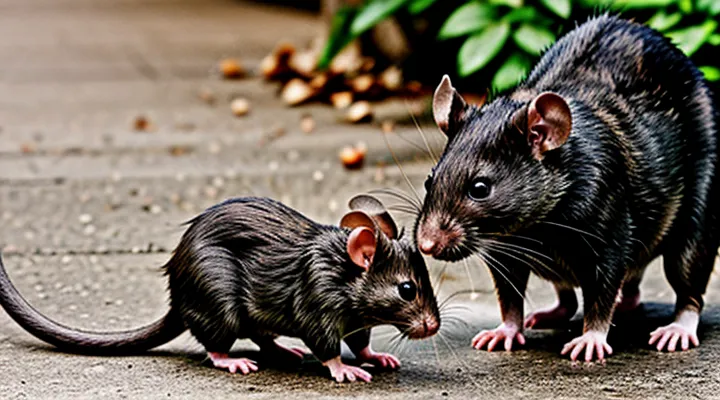
Understanding the Rat Problem
Identifying Rat Infestation Signs
Droppings and Urine Marks
Droppings and urine marks serve as reliable indicators of active rodent presence, allowing homeowners to locate infestations and prioritize treatment zones. Recognizing these signs reduces unnecessary exposure to hidden populations and guides the placement of control devices.
Typical rat droppings measure 1‑2 cm, are dark brown to black, and appear in clusters along walls, behind appliances, or within stored food containers. Urine stains manifest as yellowish, glossy patches on surfaces, especially near entry points, garbage bins, or damp areas. Both signs may be accompanied by a strong, musky odor.
Rodent excreta transmit pathogens such as Hantavirus, Leptospira, and Salmonella. Inhalation of dried particles or direct contact with contaminated surfaces can cause respiratory illness, fever, or gastrointestinal infection. Immediate removal eliminates the primary source of disease transmission.
Safe removal follows a three‑step protocol:
- Containment: Seal the work area, wear disposable gloves, N‑95 respirator, and protective eyewear. Prevent dust from becoming airborne by dampening droppings with a disinfectant solution (e.g., 10 % bleach) before handling.
- Disinfection: Apply a 1 % bleach solution or an EPA‑approved rodent disinfectant to all affected surfaces. Allow a contact time of at least 10 minutes, then wipe with disposable cloths.
- Disposal: Place used materials in double‑bagged, sealed containers and discard according to local hazardous‑waste regulations.
After cleaning, inspect the treated zones for fresh deposits. Persistent activity signals the need for intensified control measures, such as positioning snap traps or bait stations directly adjacent to the identified pathways. Continuous monitoring of droppings and urine marks ensures that eradication efforts remain focused and effective.
Gnaw Marks and Damage
Rats leave distinctive gnaw marks that signal structural compromise. Teeth continuously grow, so rodents chew on wood, plastic, wiring, and insulation to maintain length. The resulting holes are often irregular, jagged, and sized to accommodate a rodent’s head. Noticeable signs include:
- Sharpened edges on wooden beams, baseboards, or furniture.
- Exposed copper or plastic sheathing on electrical cords.
- Crushed or frayed insulation around HVAC ducts.
- Rounded bite patterns on plastic containers, pet food bags, or packaging.
These damages create safety hazards and increase repair costs. Chewed wiring can spark fires, while compromised insulation reduces energy efficiency. Identifying gnaw marks early allows targeted intervention, preventing escalation. Inspect high‑traffic areas—kitchens, pantries, attics, and crawl spaces—once a week. Document each finding, noting location, material, and size of the bite.
After confirming gnaw damage, eliminate the source by sealing entry points with steel wool, metal flashing, or cement mortar. Replace damaged wiring with fire‑rated cable and restore insulation with appropriate batts. Combine physical repairs with proven rat‑control measures—traps, bait stations, and habitat reduction—to halt further chewing and protect the home’s integrity.
Unusual Noises and Odors
Unusual sounds and smells frequently indicate a hidden rodent problem inside a residence.
Squeaking, scratching, or gnawing noises that intensify after dark suggest activity within walls, ceilings, or attic spaces. The sounds often originate from multiple points, reflecting the animal’s movement through concealed pathways.
A strong ammonia-like odor typically results from concentrated urine, while a musky, earthy scent points to nesting material soaked with droppings. Greasy residues left near food sources emit a distinct, rancid smell that can persist long after the pests have vacated the area.
Recognizing these sensory clues enables precise intervention. Follow these actions to translate detection into effective control:
- Inspect the areas where noises are loudest; probe walls and crawl spaces for fresh droppings or gnaw marks.
- Identify and seal entry points using steel wool, caulk, or hardware cloth to prevent re‑entry.
- Deploy snap traps or electronic devices near known activity zones; position bait with strong scent to attract wary rodents.
- Apply rodent‑specific poison baits only in inaccessible locations, following label instructions to avoid secondary hazards.
- If infestation persists or signs spread beyond a single room, engage a licensed pest‑management professional for comprehensive treatment.
By systematically linking atypical auditory and olfactory evidence to targeted eradication tactics, homeowners can eliminate rat populations while minimizing damage and recurrence.
Common Entry Points for Rats
Cracks in Foundations
Cracks in a house’s foundation create direct pathways for rats to enter living spaces. Even hairline fissures allow rodents to squeeze through, making the foundation a primary access point that undermines any other control measures.
Visible indicators of compromised foundations include uneven floors, water seepage, and gaps larger than a quarter inch along the perimeter. Inspecting the exterior wall base and basement walls for these defects reveals the routes rats are most likely to exploit.
Assessing each crack involves measuring width, checking for movement, and determining whether the surrounding soil is stable. If a crack expands after a single load test or shows signs of moisture infiltration, it requires immediate remediation to block rodent ingress.
- Epoxy injection for narrow, static cracks; cures quickly and restores structural integrity.
- Polyurethane foam expansion for irregular or water‑logged fissures; fills voids and creates a waterproof seal.
- Concrete patching with hydraulic cement for larger gaps; bonds to damp surfaces and resists pressure.
- Steel or carbon‑fiber reinforcement for structural cracks that compromise load‑bearing capacity; prevents further widening.
After sealing, eliminate attractants by removing debris, storing food in sealed containers, and maintaining a dry environment around the foundation. Regularly inspect repaired sections to confirm that seals remain intact and that no new openings develop. These actions integrate structural repair with ongoing rodent prevention, ensuring lasting effectiveness for homeowners seeking to eradicate rats from their property.
Gaps Around Pipes and Vents
Gaps surrounding plumbing and ventilation systems offer direct routes for rodents to enter living spaces. Small openings, often invisible behind walls or under floorboards, allow rats to bypass exterior barriers and reach food, water, and shelter.
Identify vulnerable points by inspecting all pipe penetrations, vent covers, and utility chases. Look for cracks wider than a quarter inch, missing sealant, or deteriorated caulking. Use a flashlight and a mirror to view concealed areas. Pay special attention to:
- Entry gaps around water, gas, and sewer pipes
- Openings around dryer vents and exhaust fans
- Unsealed spaces where electrical conduit passes through walls
Seal identified gaps with materials that resist chewing and weathering. Recommended options include:
- Steel wool – pack tightly into the opening, then cover with expanding foam for added durability.
- Copper mesh – wrap around pipe penetrations before applying sealant; rodents cannot gnaw through copper.
- High‑temperature silicone caulk – fill cracks and seams, especially near heat‑producing appliances.
- Metal flashing or steel plates – install over larger voids, securing with stainless‑steel screws.
After sealing, verify integrity by applying light pressure to the repaired area; any movement indicates a need for additional material. Conduct periodic checks, especially after seasonal temperature changes, to ensure that seals remain intact.
Eliminating these structural entry points removes a primary attraction for rats and enhances the overall effectiveness of any pest‑control program within a home.
Damaged Screens and Doors
Damaged screens and doors provide direct entry points for rats, compromising any effort to keep the home rodent‑free. Even small tears or gaps allow nocturnal foragers to slip inside, locate food sources, and establish nesting sites.
Typical damage includes:
- Ripped or shredded window screens
- Bent or warped door frames
- Gaps around hinges, weatherstripping, or locksets
- Cracks in door panels or surrounding walls
Inspection procedure
- Examine every exterior opening at eye level and below, using a flashlight for hidden cracks.
- Run a thin piece of cardboard or a flexible probe along seams; resistance indicates a solid seal, while movement signals a breach.
- Check the underside of screens for frayed edges or loose mesh.
- Verify that door sweeps sit flush against the floor and that thresholds are intact.
Repair actions
- Replace torn screen sections with heavy‑gauge mesh, securing edges with stainless‑steel staples.
- Reinforce bent frames using a wooden shim or metal brace; re‑align hinges as needed.
- Install new weatherstripping around doors, selecting a compression‑type seal that closes under pressure.
- Apply expanding foam or caulk to fill cracks in door panels and surrounding masonry, smoothing the surface before it cures.
- Fit a metal or reinforced rubber door sweep, ensuring a tight contact with the floor to block rodent passage.
Ongoing maintenance
- Conduct a quarterly walk‑through of all exterior openings, repeating the inspection steps.
- Keep screens clean of debris that can mask damage.
- Replace worn weatherstripping annually, or sooner if visible wear appears.
- Tighten screws on hinges and frames regularly to prevent loosening from vibration or weather effects.
By systematically identifying and sealing compromised screens and doors, homeowners eliminate the most common routes rats use to infiltrate residences, thereby strengthening overall pest‑prevention measures.
Non-Lethal Rat Control Methods
Exclusion and Prevention
Sealing Entry Points
Rats gain access through tiny openings; eliminating these pathways cuts off the primary route for infestation.
- Inspect the exterior for gaps around doors, windows, utility penetrations, and foundation cracks.
- Use steel wool or copper mesh to fill holes larger than a quarter‑inch, then seal with expanding foam or cement.
- Apply weather‑stripping to all movable doors and windows, ensuring a tight fit when closed.
- Cover vent openings with metal screens secured by screws; replace damaged screens promptly.
- Seal gaps around pipes, wires, and cables with silicone caulk or metal flashing, paying special attention to the area where utilities enter the home.
Regularly review the sealed areas, especially after seasonal weather changes, to detect new cracks or wear. Reapply sealing materials as needed to maintain a continuous barrier against rodent entry.
Proper Food Storage
Proper food storage is a fundamental element of any strategy aimed at eliminating rats from a residence. Rats are attracted to accessible food sources; limiting those sources reduces the likelihood of infestation and supports ongoing control measures.
Secure containers made of metal or heavy‑wall plastic prevent gnawing and entry. Ensure lids seal tightly and inspect seals regularly for damage. Store dry goods—cereals, grains, pet food—in airtight bins rather than open boxes or bags. Refrigerate perishable items promptly and discard leftovers within 24 hours.
Maintain cleanliness in food preparation and dining areas. Wipe counters, stovetops, and floors after each meal to remove crumbs. Empty trash daily, using bins with fitted lids that close securely. Avoid leaving pet food out overnight; place it in a sealed container and remove uneaten portions each night.
Key practices for effective food management:
- Use airtight, rodent‑proof containers for all dry and packaged foods.
- Refrigerate or freeze perishables immediately after purchase.
- Clean spills and crumbs from surfaces and appliances without delay.
- Dispose of waste in sealed containers and remove it from the home nightly.
- Store pet feed in sealed containers and feed only the amount needed for each meal.
By denying rats easy access to nourishment, proper food storage directly diminishes their presence and complements other control methods such as sealing entry points and employing traps. Consistent application of these practices sustains a rat‑free environment.
Maintaining Cleanliness
Maintaining a clean environment deprives rats of food, shelter, and nesting material, directly reducing their attraction to a residence. Regular removal of food residues, proper storage of perishables, and prompt disposal of waste eliminate primary resources that support rodent populations.
- Sweep and vacuum floors daily to eliminate crumbs and droppings.
- Clean countertops and kitchen surfaces after each meal preparation.
- Store grain, cereals, and pet food in sealed, airtight containers.
- Empty trash cans nightly and use bins with tight‑fitting lids.
- Wash dishes promptly; avoid leaving dishes soaked for extended periods.
- Keep pet feeding areas tidy; remove uneaten food within 30 minutes.
- Inspect and clean behind appliances, under sinks, and in pantry corners where debris accumulates.
Consistent implementation of these practices creates an inhospitable setting for rats, complementing other control measures and fostering long‑term prevention.
Natural Repellents
Peppermint Oil and Other Essential Oils
Peppermint oil is widely cited for its strong, volatile aroma that rodents find intolerable. Studies indicate that the menthol component disrupts the sensory receptors of rats, prompting avoidance behavior. For practical application, mix 10–15 drops of peppermint essential oil with 250 ml of water and spray the solution along baseboards, entry points, and known pathways. Reapply every 48 hours, as the scent dissipates quickly. Use cotton balls soaked in the same mixture and place them in concealed areas such as behind appliances or inside wall cavities; replace them weekly.
Other essential oils demonstrate comparable repellent effects:
- Eucalyptus oil – high cineole content interferes with rat olfactory cues; apply as a 5 % solution on cloth strips.
- Clove oil – eugenol acts as a neurotoxic agent at high concentrations; dilute to 2 % and apply to cracks and crevices.
- Citronella oil – limonene and citral create an unpleasant environment; use a 7 % spray near garbage containers.
- Rosemary oil – camphor and pinene contribute to deterrence; employ a 8 % mixture on outdoor perimeters.
Safety considerations include testing a small area for material compatibility, avoiding direct skin contact, and keeping solutions out of reach of children and pets. Essential oils should complement, not replace, structural controls such as sealing gaps, removing food sources, and maintaining clean surroundings. Consistent deployment of the described preparations, combined with diligent exclusion measures, yields a reliable reduction in rodent activity within residential environments.
Ammonia and Bleach (Use with Caution)
Ammonia and bleach are potent chemicals that can deter rodents when applied correctly. Their strong odors and toxic vapors irritate rats’ respiratory systems, prompting avoidance of treated areas. However, both substances pose significant health risks to humans and pets, demanding strict safety measures.
- Dilute ammonia to a 10 % solution (one part ammonia to nine parts water). Apply with a spray bottle along baseboards, entry points, and behind appliances.
- Mix bleach with water at a 1 % concentration (one cup bleach per gallon of water). Use the solution to wipe surfaces where droppings or urine are present, then allow it to air‑dry.
- Wear gloves, goggles, and a respirator mask during preparation and application.
- Ensure adequate ventilation; open windows and run exhaust fans.
- Store chemicals in sealed containers out of reach of children and animals.
- Never combine ammonia and bleach; the reaction releases chlorine gas, which is immediately hazardous.
These methods provide short‑term deterrence but do not replace comprehensive rodent management, such as sealing entry points and maintaining cleanliness. Use ammonia and bleach only as supplemental measures, adhering to the outlined precautions to protect occupants and achieve effective rat control in the home.
Ultrasonic Devices (Effectiveness Debated)
Ultrasonic devices emit high‑frequency sound waves that rodents cannot hear. Manufacturers claim the emitted pulses disrupt rat behavior, causing avoidance of the treated area. Independent studies present mixed results: laboratory tests often show temporary repellence, while field trials in residential settings frequently report no measurable reduction in rat activity.
Effectiveness depends on several variables. Sound intensity diminishes rapidly with distance; most units cover only a few meters and lose potency behind walls, furniture, or insulation. Rats can become habituated after repeated exposure, rendering the device ineffective. Moisture, dust, and electrical interference further degrade performance.
Typical advantages and drawbacks are summarized below:
-
Advantages
- No chemicals, eliminating poisoning risks.
- Quiet operation, no audible disturbance to occupants.
- Simple installation, usually plug‑in or battery‑powered.
-
Drawbacks
- Limited coverage area; multiple units required for larger homes.
- Lack of consistent scientific support for long‑term rat control.
- Potential for habituation, reducing efficacy over weeks.
When considering ultrasonic repellents, follow these guidelines:
- Place units at ground level, where rats travel, avoiding placement on high shelves.
- Ensure unobstructed line of sight between the emitter and target area.
- Replace or reposition devices every 30–60 days to mitigate habituation.
- Combine with proven methods—such as sealing entry points, removing food sources, and trapping—to achieve reliable results.
Overall, ultrasonic devices may contribute to a multi‑pronged strategy, but reliance on them alone does not guarantee successful rat eradication in a home environment.
Lethal Rat Control Methods
Trapping Strategies
Snap Traps
Snap traps are mechanical devices that kill rodents instantly by applying a rapid, forceful pressure to the neck or spinal column. The design consists of a spring‑loaded bar, a trigger mechanism, and a metal plate that holds the bait. When a rat contacts the trigger, the bar snaps shut, delivering a lethal blow.
When choosing a snap trap, consider the following factors: size of the catch plate (large plates accommodate adult rats), spring strength (stronger springs ensure quicker kills), and construction material (steel components resist rust in damp areas). Models with a concealed trigger reduce the chance of accidental activation by pets or children.
Effective placement follows the rodents’ travel routes. Position traps along walls, behind appliances, and near known droppings. Align the trigger end toward the wall; rats typically run with their noses close to the surface. Install traps perpendicular to the wall, with the bait side facing the expected entry point. Avoid clutter that could obstruct the trap’s motion.
Bait selection influences capture rates. Peanut butter, dried fruit, or small pieces of meat provide strong olfactory cues. Apply a pea‑sized amount to the trigger platform; excess bait may trigger premature closures. Rotate bait types every few days to prevent habituation.
Safety measures include wearing gloves during handling, securing traps out of reach of children, and checking them daily. After a kill, wear disposable gloves, place the trap in a sealed plastic bag, and dispose of it according to local regulations. Clean the trap with a disinfectant if it will be reused.
Advantages of snap traps: immediate kill, no poison exposure, low cost, and suitability for indoor environments. Disadvantages: requirement for frequent monitoring, potential for non‑target captures, and the need for proper disposal.
Best practices for snap‑trap use:
- Test each trap before deployment to confirm spring tension.
- Use a single trap per suspected activity zone; increase density in high‑traffic areas.
- Replace traps that fail to trigger after several attempts.
- Combine snap traps with exclusion methods (sealing entry points) for lasting control.
Glue Traps (Ethical Considerations)
Glue traps consist of a sticky surface that immobilizes rodents upon contact. The device requires no electricity, can be placed in concealed locations, and is inexpensive. However, ethical concerns arise from the suffering experienced by captured rats, the likelihood of non‑target captures, and difficulties in humane disposal.
Key ethical considerations include:
- Sustained distress: Rats remain conscious while struggling, leading to prolonged pain before death or euthanasia.
- Non‑target species: Small mammals, birds, or reptiles may become trapped unintentionally, raising broader animal‑welfare issues.
- Disposal challenges: Removing a live rat from adhesive material often results in additional injury; improper handling can expose humans to disease.
- Legal restrictions: Several jurisdictions classify glue traps as inhumane and limit or prohibit their sale and use.
Mitigation strategies for users who still choose glue traps:
- Placement control: Position traps in areas inaccessible to pets and wildlife, such as behind appliances or within sealed crawl spaces.
- Frequent monitoring: Check traps at least twice daily to reduce the duration of suffering.
- Humane euthanasia: If a live rat is found, apply an approved method—such as CO₂ exposure or a certified rodent‑specific euthanasia agent—rather than leaving it to die on the adhesive.
- Alternative methods: Consider snap traps with quick‑kill mechanisms, electronic traps, or exclusion techniques (sealing entry points) that avoid prolonged pain.
- Documentation: Record trap locations and capture dates to assess effectiveness and adjust control measures, minimizing unnecessary trap deployment.
Overall, while glue traps offer a low‑cost, low‑maintenance option for rodent control, the ethical drawbacks—particularly animal suffering and collateral captures—make them less suitable for responsible pest management. Preference should be given to methods that ensure rapid, humane outcomes and reduce unintended harm.
Live Traps (for catch and release)
Live traps provide a humane solution for removing rats without killing them. The device consists of a sturdy enclosure with a trigger mechanism that closes the door once the animal enters. This approach allows homeowners to capture rodents and release them far from the property, reducing the likelihood of re‑infestation.
Key considerations when using live traps:
- Size and durability: Choose a trap large enough for adult rats (minimum 12 × 6 × 6 inches) and constructed from metal or heavy‑duty plastic to prevent escape.
- Bait selection: Use high‑protein foods such as peanut butter, dried fruit, or small pieces of meat. Place bait at the far end of the chamber to encourage full entry.
- Placement: Position traps along walls, near burrow entrances, or behind appliances where rats travel. Ensure the trap is stable and not exposed to direct sunlight or rain.
- Monitoring: Check traps at least twice daily. Prompt removal of captured rats prevents stress and potential disease transmission.
- Release protocol: Transport the trap to a location at least 2 miles away from the home, preferably in a wooded or agricultural area. Open the door slowly, allowing the rat to exit on its own. Wear gloves and disinfect the trap after each use.
Advantages of live trapping include compliance with animal‑welfare regulations, avoidance of poison hazards, and immediate verification of capture success. Limitations involve the need for regular monitoring, potential for multiple captures, and the responsibility of relocating the animal safely.
Integrating live traps with complementary measures—such as sealing entry points, eliminating food sources, and maintaining clean surroundings—creates a comprehensive strategy for eliminating rats from a household environment.
Baits and Poisons
Rodenticides (Safety Precautions)
Rodenticides are a common component of home rat control strategies, but they demand strict adherence to safety protocols. Improper handling can cause accidental poisoning of humans, pets, and non‑target wildlife, and may lead to legal liabilities.
Key safety measures include:
- Store products in locked, child‑proof containers away from food preparation areas.
- Wear disposable gloves and, where recommended, a mask when applying baits or powders.
- Place bait stations out of reach of children and pets; secure them to walls or under fixtures.
- Label each station with the active ingredient, concentration, and expiration date.
- Keep a detailed inventory of all rodenticides on the premises, noting quantities and locations.
- Follow the manufacturer’s disposal instructions for unused or expired material; never discard in household trash.
- Maintain a clear record of application dates and locations to avoid repeated exposure in the same area.
Before use, read the product label thoroughly and verify compliance with local regulations. In case of suspected exposure, seek immediate medical assistance and provide the exact product information. Regularly inspect bait stations for damage or tampering, and replace them promptly if any compromise is detected.
Placement Strategies
Placement determines whether a control device encounters a rat. Rats travel along walls, under furniture, and through concealed pathways; positioning devices within these routes maximizes contact.
- Identify high‑traffic zones by inspecting droppings, gnaw marks, and grease trails.
- Position snap or electronic traps 1–2 inches from the wall, with the trigger end facing the expected direction of travel.
- Place multiple traps along a single wall line, spacing them 12–18 inches apart to cover the entire runway.
- Install bait stations in concealed areas near entry points, such as behind appliances or inside cabinets, ensuring they are out of reach of children and pets.
- Locate ultrasonic emitters or natural repellents (e.g., peppermint oil) at the perimeter of rooms and near known entry holes; maintain a clear line of sight to prevent signal obstruction.
- For glue boards, affix them on vertical surfaces where rats climb, typically 2–3 feet above the floor, and replace them promptly when activity is detected.
Regular inspection reinforces effectiveness. Check each device daily, remove dead rodents, and relocate any untouched traps to new activity zones. Rotate bait station positions every two weeks to prevent habituation. Consistent, strategic placement sustains pressure on the infestation and accelerates eradication.
Risks to Pets and Children
Rodent control measures can expose household members, especially pets and children, to hazards that arise from the methods used to eliminate the problem.
- Anticoagulant baits contain substances that interfere with blood clotting; ingestion by a dog, cat, or a child can cause internal bleeding.
- Snap traps pose a physical danger; a curious pet may trigger the device, resulting in severe injury or death.
- Glue boards create a risk of skin damage and respiratory distress if an animal or child becomes stuck.
- Sprays, powders, or foggers that rely on insecticide or rodenticide chemicals may irritate eyes, skin, and lungs upon direct contact or inhalation.
- Poison pellets placed in accessible areas can be accidentally swallowed, leading to acute toxicity.
Mitigation requires selecting products labeled safe for non‑target species, placing traps or baits out of reach, and supervising vulnerable individuals. Seal entry points to reduce reliance on toxic solutions, and consider professional services that employ exclusion techniques rather than poison. Regularly inspect and replace any bait stations or traps to prevent accidental exposure.
Professional Pest Control
When to Call an Exterminator
Large-Scale Infestations
A large‑scale rat infestation is evident when droppings, gnaw marks, and audible activity appear in multiple rooms, indicating a breeding population that can sustain rapid growth. Early identification prevents damage to wiring, insulation, and stored food.
Immediate actions focus on containment and reduction. Seal all openings larger than a quarter‑inch with steel wool, cement, or metal flashing. Install temporary barriers around entry points to limit movement. Remove accessible food sources by storing pantry items in airtight containers and cleaning spills promptly.
Structural exclusion requires a systematic inspection of the building envelope. Examine foundations, crawl spaces, and attic vents for gaps. Apply durable sealants or mesh to vent covers, pipe penetrations, and utility openings. Reinforce door sweeps and window screens to block entry.
Effective reduction combines baiting and trapping:
- Deploy snap or electronic traps along walls, behind appliances, and in dark corners; set them at a 45‑degree angle to the wall for optimal strike.
- Use pre‑baited stations with anticoagulant rodenticide, placing them in tamper‑resistant containers to protect children and pets.
- Rotate trap locations weekly to prevent habituation and to target new activity zones.
When population density exceeds a few dozen individuals, professional pest‑control services become necessary. Certified technicians can apply bulk baiting, fumigation, or integrated pest‑management protocols that comply with safety regulations. Their expertise also includes accurate mapping of infestation hotspots and verification of eradication.
Long‑term prevention hinges on sanitation and monitoring. Maintain a clean environment by regularly disposing of waste in sealed containers, repairing water leaks, and trimming vegetation that contacts the structure. Install motion‑activated counters or passive tracking plates to detect residual activity, and schedule quarterly inspections to confirm the absence of reinfestation.
Persistent Rat Activity
Rats that continue to move, feed, and reproduce inside a residence create a steady source of contamination and damage. Their ongoing presence signals that food, water, or shelter remains accessible, and that entry points have not been effectively blocked.
Signs of persistent activity include fresh droppings in multiple locations, gnaw marks on wiring or wood, audible scurrying at night, and visible burrows near walls or foundations. Regular observation of these indicators helps determine whether a single intrusion has been resolved or a breeding population persists.
Effective response begins with eliminating the resources that sustain the infestation. Actions must address three core areas:
- Remove all accessible food: store pantry items in sealed containers, clean crumbs from countertops, and secure pet food.
- Eliminate water sources: fix leaks, empty standing water, and dry damp areas such as basements or under sinks.
- Reduce shelter: clear clutter, trim vegetation away from the building, and store firewood off the floor.
After resource denial, reinforce the structure to prevent re‑entry. Inspect the exterior for gaps larger than ¼ inch, seal cracks with steel wool and caulk, and install door sweeps. Inside, install snap traps or electronic traps along walls, and place bait stations in concealed locations, following label instructions to avoid accidental exposure.
If activity continues despite these measures, the population has likely adapted or expanded beyond the capacity of DIY methods. At that stage, engage a licensed pest‑control professional who can apply rodenticides, conduct comprehensive inspections, and implement long‑term exclusion strategies.
Health and Safety Concerns
Rats carry pathogens that can contaminate food, surfaces, and air, creating immediate health risks for occupants. Direct contact with urine, droppings, or saliva may transmit leptospirosis, hantavirus, salmonellosis, and other bacterial infections. Inhalation of dried droppings or nesting material can trigger allergic reactions and asthma exacerbations.
Control techniques introduce additional safety considerations. Snap traps expose users to sharp edges; glue boards can cause prolonged animal suffering and accidental injury. Chemical rodenticides contain anticoagulants or neurotoxins that pose poisoning hazards to children, pets, and non‑target wildlife. Improper placement or disposal may result in secondary poisoning or environmental contamination.
Mitigating these risks requires strict adherence to protective measures:
- Wear disposable gloves and a mask when handling droppings, nests, or dead rodents.
- Seal food containers, clean countertops, and remove clutter before setting traps.
- Position mechanical traps out of reach of children and pets, using bait stations when necessary.
- Select rodenticides that are labeled for indoor use, follow label instructions precisely, and store them in locked containers.
- Dispose of carcasses in sealed bags, then place them in a municipal waste bin; avoid flushing or composting.
- Ventilate rooms after cleaning contaminated areas; use a HEPA filter vacuum to capture fine particles.
Compliance with these protocols protects residents from disease exposure and prevents accidental injury while implementing effective rodent removal strategies in a home environment.
What to Expect from Professionals
Inspection and Assessment
A thorough inspection is the first actionable step in any residential rodent control plan. Begin by surveying all rooms, storage areas, and exterior zones for tell‑tale signs such as droppings, gnaw marks, urine stains, and greasy pathways. Pay special attention to hidden locations—under appliances, inside wall cavities, attic rafters, and basement corners—where activity often goes unnoticed.
Key elements of the assessment include:
- Identification of entry points: cracks, gaps around pipes, vent openings, and poorly sealed doors or windows.
- Evaluation of food sources: unsecured garbage, pet food left out, and improperly stored pantry items.
- Measurement of infestation level: count droppings clusters, track activity trails, and note any live captures.
- Documentation of environmental conditions: humidity, temperature, and clutter that may facilitate nesting.
The collected data directs the selection of appropriate control measures, determines the urgency of intervention, and provides a baseline for monitoring progress. By systematically recording findings, homeowners can prioritize sealing breaches, eliminate attractants, and apply targeted traps or baits with confidence that each action addresses a verified risk factor.
Treatment Plans
A successful rat‑control program begins with a clear treatment plan that integrates inspection, exclusion, eradication, and ongoing monitoring.
The first phase involves a systematic survey of all interior and exterior areas where rodents may travel or hide. Identify gnaw marks, droppings, and pathways, then map entry points such as gaps around pipes, vents, and foundation cracks. Document findings to prioritize actions.
The second phase implements exclusion and removal measures:
- Seal openings larger than ¼ inch with steel wool, metal flashing, or cement.
- Install snap traps or electronic devices at established runways, positioning baited traps perpendicular to walls.
- Deploy tamper‑resistant bait stations containing anticoagulant or non‑anticoagulant rodenticides, following label instructions and local regulations.
- Reduce attractants by storing food in sealed containers, removing clutter, and maintaining clean waste containers.
The final phase establishes a monitoring schedule. Check traps and bait stations weekly for activity, replace consumables, and reassess the integrity of sealed entry points. Record results to adjust tactics promptly, ensuring long‑term suppression of the rat population.
Prevention Recommendations
Implementing preventive measures reduces the likelihood of a rat problem and protects structural integrity and health. Seal entry points by inspecting walls, foundations, and utility penetrations; use steel wool, copper mesh, or cement to close gaps larger than a quarter‑inch. Maintain a clean environment: store food in airtight containers, promptly clean crumbs and spills, and keep garbage in sealed bins away from the house.
Control vegetation and external debris to eliminate shelter. Trim tree branches and shrubs that touch the building, remove dense ground cover within two meters of the foundation, and store firewood at least one meter off the ground and away from walls. Ensure proper drainage to prevent standing water, which attracts rodents.
Adopt regular maintenance routines to sustain barriers. Conduct quarterly inspections of seals, ventilation openings, and crawl‑space access points; repair any damage immediately. Schedule routine cleaning of pet feeding areas and dispose of waste promptly.
- Eliminate outdoor food sources: secure compost, feed pets indoors, and clear fallen fruit.
- Install door sweeps and weatherstripping on all exterior doors.
- Use metal or concrete for countertops and shelving in kitchens and pantries.
- Keep storage areas organized; avoid stacking boxes directly against walls.
- Employ professional audits annually to verify the effectiveness of preventive strategies.