
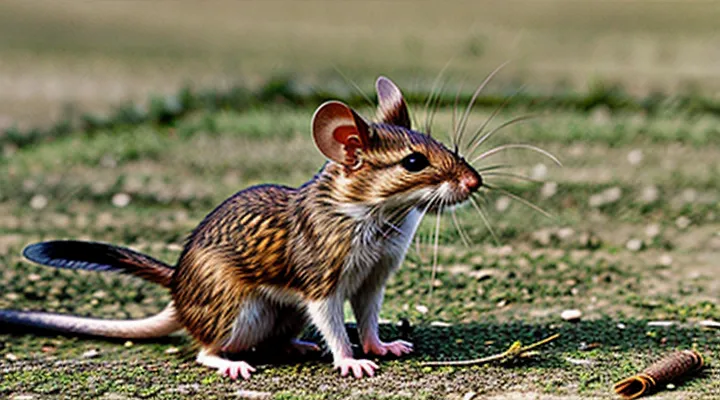
Understanding Field Mice and Their Impact
Identifying Field Mice Infestation
Signs of Presence
Field mice leave distinct evidence that confirms their activity. Recognizing these indicators allows property owners to act before populations expand.
- Fresh droppings, 2–3 mm long, dark brown to black, found along walls, under appliances, or in stored grain.
- Gnaw marks on wood, plastic, or wiring; teeth leave clean, crescent‑shaped holes roughly 5 mm in diameter.
- Silky, grayish nests constructed from shredded paper, fabric, or insulation, typically hidden in corners, attics, or beneath floorboards.
- Greasy, musky odor emanating from heavily infested areas, especially near food sources.
- Tracks visible on dusty surfaces, sand, or powder; footprints display four toe pads and a small heel pad.
- Food spillage or pilfered packaging, with scattered seeds, corn, or pet food crumbs.
- Audible sounds at night: scratching, scurrying, or high‑pitched squeaks within walls or ceilings.
Each sign signals a breach in the property’s barrier against rodents. Prompt identification guides the selection of appropriate control measures.
Common Hiding Spots
Field mice exploit structural weaknesses and clutter to create concealed pathways and shelters. Their preference for tight, insulated spaces means they often occupy areas that provide protection from predators and temperature fluctuations.
- Gaps under exterior doors and windows, especially where weather‑stripping is missing or damaged.
- Openings around utility penetrations, such as pipe sleeves, conduit entries, and vent stacks.
- Unsealed cracks in foundation walls, basement floors, and crawl‑space joists.
- Accumulated debris in attics, including insulation, cardboard, and stored items.
- Dense vegetation bordering the building, particularly low shrubs, tall grass, and piled mulch.
- Stacked firewood or lumber left against the foundation, leaving gaps for entry.
- Unfinished basements with exposed wiring, ductwork, or exposed rafters.
These locations offer the darkness, warmth, and proximity to food sources that field mice need to thrive. Identifying and sealing each of these points reduces shelter availability and limits infestation potential.
Risks Associated with Field Mice
Property Damage
Field mice inflict substantial damage to structures, utilities, and stored goods. Their gnawing habit compromises wooden beams, insulation, and plastic piping, creating openings for water intrusion and reducing structural integrity. Electrical wiring exposed to bite marks creates short‑circuit risks, potentially triggering fire hazards.
Typical damage includes:
- Chewed insulation leading to heat loss and increased energy costs.
- Severed cables causing power outages and equipment failure.
- Punctured drywall and plaster, exposing interior surfaces to moisture.
- Contaminated stored grain, feed, and packaged foods, rendering them unusable.
- Burrowed soil undermining foundation stability and drainage systems.
Preventing these losses requires prompt implementation of mouse‑control measures. Trapping, exclusion barriers, and targeted baiting reduce population pressure, safeguarding the property’s physical assets and minimizing repair expenses.
Health Hazards
Field mice introduce pathogens that threaten human health. Direct contact, bites, or inhalation of contaminated dust can transmit serious illnesses.
- Hantavirus: carried in rodent urine, feces, saliva; inhalation of aerosolized particles may cause severe respiratory disease.
- Salmonella and E. coli: deposited on surfaces and food; ingestion leads to gastrointestinal infection.
- Leptospirosis: spread through urine; skin abrasions or mucous membranes provide entry points.
- Allergens: dander and hair trigger asthma attacks and allergic rhinitis, especially in sensitive individuals.
- Parasites: fleas and mites migrate to humans, causing dermatitis and potential secondary infections.
Contamination extends beyond disease agents. Rodent droppings and nesting material degrade food storage areas, encouraging mold growth that produces mycotoxins. Structural gnawing weakens insulation and wiring, increasing fire risk and exposure to hazardous dust.
Effective control of field mouse populations reduces these health threats. Sealing entry points, maintaining clean storage environments, and employing proven trapping methods limit pathogen reservoirs and prevent exposure. Prompt removal of carcasses and droppings, followed by thorough disinfection, further safeguards occupants.
Ignoring rodent‑related hazards compromises public health, elevates medical costs, and endangers vulnerable populations. Immediate, systematic eradication measures are essential to protect human wellbeing.
Prevention Strategies
Securing Your Property
Sealing Entry Points
Mice gain access to structures through any opening larger than a quarter‑inch, including gaps around pipes, foundation cracks, and poorly fitted doors. By eliminating these pathways, you remove the primary means of entry, forcing the rodents to seek alternative, less hospitable habitats and reducing the likelihood of infestation.
- Conduct a systematic walk‑around of the exterior, noting all visible cracks, holes, and gaps.
- Apply polyurethane or silicone caulk to seal seams around window frames, utility penetrations, and baseboards.
- Install ¼‑inch steel wool or copper mesh in larger openings before applying sealant to prevent gnaw‑through.
- Fit door sweeps and weather‑stripping to all exterior doors, ensuring a tight seal when closed.
- Cover vent openings with hardware cloth of ½‑inch mesh, secured with screws or heavy‑duty staples.
- Repair damaged siding, roofing, and foundation blocks, replacing compromised material with pest‑resistant alternatives.
- Re‑inspect after a month to verify that seals remain intact and no new gaps have formed.
Maintaining a Tidy Exterior
A well‑kept exterior reduces shelter and food sources that attract field mice, making it a fundamental component of any mouse‑reduction program.
- Remove piles of leaves, branches, and other organic debris that provide nesting material.
- Trim shrubs, grass, and groundcover to within 12 inches of the house, eliminating cover for foraging.
- Store firewood, lumber, and building supplies on pallets or racks, off the ground and away from walls.
- Keep compost bins sealed and positioned at least 20 ft from the structure.
- Inspect and repair cracks, gaps, and openings in foundations, siding, and utility penetrations.
- Maintain a clean driveway and walkways, sweeping away spilled seed, grain, or pet food.
Each action removes a potential refuge or food supply, directly limiting the ability of field mice to establish territories on the property. Consistent exterior upkeep therefore supports broader pest‑management efforts by denying the rodents the conditions they require to thrive.
Landscape Management
Reducing Attractants
Reducing attractants directly limits the resources field mice need to survive and reproduce on a property. Eliminating food, shelter, and water sources creates an environment where mice cannot establish a foothold.
Food sources attract rodents when unsecured. Store grain, pet food, and garden produce in sealed containers. Remove fallen fruit, nuts, and seed heads promptly. Clean up spills and crumbs from outdoor dining areas.
- Keep trash bins under tight-fitting lids.
- Use metal or heavy‑duty plastic containers for feed.
- Sweep patios and decks after meals.
Shelter opportunities arise from clutter, debris, and vegetation. Clear vegetation that contacts building foundations, trim overgrown shrubs, and eliminate wood piles or compost heaps placed near structures. Seal gaps larger than ¼ inch in walls, doors, and utility openings.
- Install metal flashing around foundation vents.
- Repair damaged siding and roofing.
- Store firewood at least 18 inches off the ground and away from the house.
Water availability supports mouse populations. Repair leaky irrigation lines, gutters, and outdoor faucets. Eliminate standing water in bird baths, pet dishes, and drainage basins by emptying them regularly.
- Use drip irrigation to reduce surface moisture.
- Ensure proper slope for drainage away from buildings.
- Cover rain barrels with tight lids.
By systematically removing these attractants, the property becomes inhospitable to field mice, enhancing the effectiveness of any additional control measures.
Creating Unfavorable Habitats
Creating an environment that deters field mice begins with eliminating the resources they need to survive. Remove all accessible food by storing grain, pet feed, and birdseed in sealed containers. Clean up fallen fruit, nuts, and garden debris daily to prevent accidental foraging.
Reduce shelter opportunities by trimming dense vegetation, cutting back overgrown shrubs, and clearing weeds near building foundations. Keep grass at a modest height and remove leaf litter, mulch piles, and stacked timber that can serve as nesting sites.
Control moisture levels that attract rodents. Repair leaky irrigation lines, gutter overflow, and faulty plumbing. Ensure drainage directs water away from structures, preventing damp areas where mice can burrow.
Seal structural entry points. Install metal flashing or cement caulk around gaps under doors, around utility penetrations, and at the base of exterior walls. Use steel wool or copper mesh to fill small openings that rodents could gnaw through.
Maintain a tidy compost system. Use sealed compost bins with tight-fitting lids, and avoid adding meat or dairy products that draw mice. Position compost containers at least three meters from the house and elevate them on a concrete platform.
Implement these measures consistently. The cumulative effect removes food, shelter, and water, making the property inhospitable to field mice and reducing the likelihood of infestation.
Elimination Methods
Trapping Techniques
Snap Traps
Snap traps provide immediate, lethal control of field mice without reliance on chemicals. The mechanism consists of a spring‑loaded bar that releases with minimal disturbance, delivering a rapid impact that kills the rodent instantly.
When selecting a snap trap, consider the following attributes:
- Heavy gauge steel construction for durability.
- Adjustable trigger sensitivity to accommodate cautious mice.
- Compatibility with a variety of baits, including peanut butter, grain, or synthetic attractants.
- Compact dimensions that fit into tight spaces while remaining large enough to ensure a fatal strike.
Effective placement maximizes capture rates:
- Position traps along walls, where mice travel to stay concealed.
- Install near known entry points, such as gaps around doors, vents, or foundation cracks.
- Set traps in active runways identified by gnaw marks, droppings, or fresh tracks.
- Conceal traps with a light cover or natural debris to reduce wariness while preserving accessibility.
Safety measures protect non‑target organisms and handlers:
- Use traps with a safety shield or child‑proof latch to prevent accidental activation.
- Wear disposable gloves when loading bait and handling captured mice.
- Keep traps out of reach of pets and children, preferably in low‑traffic interior zones.
After a capture, follow these steps to maintain hygiene and trap efficacy:
- Dispose of the dead mouse in a sealed bag, then place it in an outdoor trash receptacle.
- Clean the trap with a mild detergent solution, rinse, and dry thoroughly before resetting.
- Inspect the spring mechanism for wear; replace the trap if the bar no longer snaps cleanly.
Integrating snap traps with complementary strategies—such as sealing entry points and reducing food sources—creates a comprehensive approach to reducing field mouse populations on a property.
Live Traps
Live traps provide a non‑lethal method for removing field mice from a property while allowing relocation to a suitable habitat. The device consists of a cage or tube that closes automatically when the animal triggers a sensor, keeping the mouse alive for later release.
When selecting a trap, consider the following criteria:
- Size: interior dimensions must accommodate adult field mice (approximately 3–4 inches long).
- Mechanism: spring‑loaded doors or gravity‑based triggers offer quick closure.
- Material: sturdy, rust‑resistant construction ensures durability in outdoor conditions.
- Ease of cleaning: smooth surfaces and removable doors simplify sanitation.
Effective placement increases capture rates. Position traps along established runways, near walls, and close to food sources. Set the device with the opening facing the mouse’s line of travel; a 1‑foot gap between the trap and any obstruction prevents avoidance. Secure traps to the ground or a stable surface to avoid tipping.
Bait selection influences success. Use high‑protein or high‑fat items such as peanut butter, sunflower seeds, or dried fruit. Apply a small amount to the trigger plate to encourage entry without causing spillage that might deter the mouse. Replace bait if it becomes dry or contaminated.
Check traps at least twice daily. Remove captured mice promptly to reduce stress and prevent escape. Clean the interior with mild detergent and rinse thoroughly before resetting. Inspect the trigger mechanism for wear and adjust sensitivity as needed.
After capture, release mice at least 2 miles from the property to minimize return. Choose a location with natural cover, water, and food availability. Follow local wildlife regulations regarding relocation to avoid legal issues.
Integrating live traps with habitat modification—such as sealing entry points, removing debris, and managing vegetation—creates a comprehensive approach that reduces mouse populations while maintaining humane standards.
Placement Strategies
Effective mouse control on a property depends heavily on where traps and bait stations are positioned. Proper placement maximizes contact with rodent pathways while minimizing exposure to non‑target animals and humans.
- Locate devices along established runways: walls, baseboards, and the edges of structures where mice travel to reach food and shelter.
- Install stations at entry points: gaps under doors, utility openings, and cracks in foundations that serve as primary ingress routes.
- Position bait at the far end of each runway, forcing mice to travel the full length before reaching the lure, which increases capture probability.
- Use elevated platforms (10–15 cm above ground) for snap traps in cluttered areas, preventing debris from obstructing the trigger mechanism.
- Deploy tamper‑resistant stations in high‑traffic zones such as kitchens, barns, and sheds, ensuring durability against accidental disturbance.
- Adjust placement seasonally: concentrate devices near heating vents in winter and near outdoor vegetation in summer when mice shift activity patterns.
Integrating these placement tactics with regular monitoring and timely replenishment creates a comprehensive strategy that reduces field mouse populations efficiently and sustainably.
Baits and Rodenticides
Types of Baits
Various bait formulations address the specific feeding habits of field mice and support a comprehensive control program.
-
Anticoagulant rodenticides – contain compounds such as brodifacoum or difenacoum that disrupt blood clotting. Single‑dose products require one lethal feeding; multi‑dose options maintain efficacy over several days, reducing the chance of bait avoidance.
-
Non‑anticoagulant rodenticides – include bromethalin, zinc phosphide, or chlorophacinone. These agents act on the nervous system or produce toxic gas within the stomach, offering alternatives when anticoagulant resistance is suspected.
-
Food‑based baits – consist of high‑fat or high‑protein matrices like peanut butter, sunflower seeds, or grain blends. Their strong palatability encourages quick consumption, making them suitable for rapid population reduction.
-
Pre‑bated snap traps – combine a small quantity of attractant (e.g., dried fruit or cheese) with a mechanical killing device. They provide instant removal without chemical residues.
-
Live‑capture bait stations – employ humane traps loaded with bait such as oats or dried fruit. They enable relocation of captured mice, useful where chemical control is restricted.
Selection hinges on target density, resistance patterns, and environmental constraints. Rotating bait classes mitigates resistance development, while proper placement—along runways, near nesting sites, and at the perimeter—maximizes encounter rates. Monitoring bait consumption and adjusting dosage ensure sustained effectiveness throughout the property.
Safe Application Practices
Safe application practices protect occupants, pets, and the environment while targeting field mouse populations. Choose products specifically labeled for outdoor use and verify that active ingredients match the intended control method. Store chemicals in locked, ventilated areas away from food sources and children's access.
Wear appropriate personal protective equipment before handling any rodenticide or trap. Gloves, long sleeves, and eye protection prevent skin contact and accidental splashes. Follow label instructions for mixing, dilution, and disposal; never exceed recommended concentrations. Apply bait stations at least 10 feet from water bodies, vegetable gardens, and animal feeding areas. After placement, monitor stations regularly and replace spent bait promptly.
- Use tamper‑resistant bait stations to reduce accidental ingestion by non‑target species.
- Position stations along established mouse pathways, such as wall voids, under eaves, and near entry points.
- Record each application date, location, and product batch for traceability.
- Remove and destroy dead rodents according to local regulations to avoid secondary poisoning.
- Conduct a final sweep of the treated area before allowing children or pets back onto the property.
Considerations for Pets and Wildlife
When planning a strategy to reduce field‑mouse activity, the presence of domestic animals and local wildlife must shape every decision. Toxic baits, for example, can cause secondary poisoning in dogs, cats, birds of prey, and non‑target mammals. Choose rodenticides that are labeled as pet‑safe, store them in locked containers, and place them in tamper‑resistant stations out of reach of curious animals.
Physical barriers protect both the property and its animal residents. Install metal mesh (¼‑inch or smaller) around garden beds, compost piles, and entry points to prevent mice from entering while allowing larger wildlife to pass. Seal gaps in foundations, vents, and utility openings with steel wool and caulk; these materials do not pose a risk to pets that may chew on softer fillers.
Trapping methods should minimize harm to non‑target species. Snap traps fitted with kill plates reduce suffering and are less likely to be triggered by larger animals. Use bait stations that exclude animals with paws larger than a mouse’s, or position traps in concealed locations inaccessible to pets. Live‑capture traps require immediate release far from the property; releasing captured mice near water sources reduces the chance of them returning.
Habitat modification benefits both pest control and ecological balance. Remove dense ground cover, excess mulch, and standing water that attract rodents, while preserving native vegetation that supports beneficial insects and pollinators. Maintain a clean feeding area for pets; store food in sealed containers to eliminate supplemental mouse attractants.
Key considerations for animal safety
- Use pet‑approved rodenticides; avoid anticoagulants unless absolutely necessary.
- Deploy tamper‑resistant bait stations placed above ground level.
- Install steel‑mesh barriers with openings no larger than ¼ inch.
- Choose snap or exclusion traps designed to reject larger mammals.
- Conduct regular inspections to repair new entry points promptly.
- Preserve native plant species that foster predators such as owls and hawks, which naturally limit mouse populations without endangering pets.
By integrating these precautions, a property can achieve effective mouse reduction while safeguarding the health of domestic companions and the surrounding wildlife community.
Natural and Repellent Approaches
Essential Oils
Essential oils provide a natural deterrent against field mice when applied correctly. Their strong aromas interfere with the rodents’ scent‑tracking abilities, prompting avoidance of treated zones.
- Peppermint oil – dilute 10 ml in a liter of water, spray along baseboards, entry points, and around stored feed.
- Eucalyptus oil – mix 5 ml with carrier oil, place cotton balls in corners, attic rafters, and shed corners.
- Clove oil – combine 8 ml with water, soak rags, and hang near nesting sites.
- Lavender oil – add 10 ml to a spray bottle, mist interior walls and exterior perimeters.
Application should follow these steps:
- Prepare a solution using the recommended dilution ratios.
- Apply to surfaces where mice travel, focusing on cracks, gaps, and ventilation openings.
- Reapply every 48 hours, or after heavy rain, to maintain potency.
- Replace cotton balls or soaked rags weekly to sustain scent concentration.
Safety considerations include wearing gloves during preparation, ensuring pets and children cannot ingest the oils, and testing a small area for material compatibility before widespread use.
Integrating essential‑oil treatment with physical barriers, proper sanitation, and trapping yields a comprehensive approach to reducing field‑mouse activity on a property.
Ultrasonic Devices
Ultrasonic devices emit high‑frequency sound waves that rodents cannot hear, creating a hostile auditory environment that deters field mice from entering treated zones. The emitted frequencies typically range between 20 kHz and 65 kHz, disrupting mouse communication and causing discomfort that leads them to vacate the area.
Effectiveness depends on several variables. Proper placement near entry points, nesting sites, and along walls ensures the sound reaches all potential pathways. Devices should cover the full square footage of the property; larger spaces may require multiple units with overlapping coverage. Continuous operation, especially during nighttime when mice are most active, maximizes deterrence. Environmental factors such as open windows, dense vegetation, or thick insulation can attenuate ultrasonic waves, reducing impact.
Key points to consider:
- Frequency selection: devices offering adjustable frequencies reduce the chance of habituation.
- Power rating: higher wattage expands the audible radius and penetrates obstacles.
- Timer settings: programmable schedules align emission with peak rodent activity.
- Maintenance: periodic cleaning of transducers preserves output strength.
Advantages include non‑chemical action, silent operation for humans, and low maintenance. Limitations involve reduced efficacy in cluttered or heavily insulated environments and the potential for mice to adapt to a single frequency over time.
Integrating ultrasonic devices with physical exclusion methods—such as sealing gaps, installing traps, and eliminating food sources—creates a comprehensive control program that enhances overall success in reducing field mouse populations on a property.
Predatory Animals
Predatory animals provide a natural means of reducing field‑mouse populations on a property. By establishing conditions that attract or support these hunters, owners can achieve continuous pressure on rodent numbers without chemical interventions.
Typical predators include:
- Barn owls, which hunt at night and require nesting boxes or quiet roosting sites.
- Red‑tailed hawks and other raptors, attracted by perches and open hunting corridors.
- Foxes, which patrol ground cover and can be encouraged by providing denning shelters.
- Weasels and ferrets, small carnivores that enter burrows and chase mice through dense vegetation.
- Snakes, especially rat snakes, that locate prey in field mouse burrows.
- Domestic cats, kept indoors during the day and allowed supervised outdoor access at dusk.
Key considerations when employing predators:
- Habitat enhancement: install nesting boxes, maintain tall grasses, and preserve natural cover.
- Legal restrictions: verify hunting permits, protected‑species status, and local wildlife regulations.
- Non‑target safety: assess risk to livestock, pets, and endangered species before encouraging predators.
- Predator health: avoid feeding poisoned rodents, provide clean water sources, and monitor for disease.
Implementation steps involve installing appropriate shelters, minimizing disturbances, and conducting regular observations to confirm predator presence and effectiveness. Data collected on mouse activity before and after predator introduction helps quantify impact and guide adjustments.
Post-Elimination Measures
Cleaning and Sanitation
Disinfecting Affected Areas
Disinfecting areas where field mice have been active is a critical component of an integrated control program. Effective sanitation removes pathogens, eliminates lingering odor that attracts rodents, and reduces the risk of reinfestation.
- Identify zones with visible droppings, urine stains, gnaw marks, or nesting material. Include storage sheds, barns, garage corners, and outdoor structures.
- Remove debris, food residues, and clutter. Sweep or vacuum to collect loose waste, then seal it in a puncture‑resistant bag for disposal.
- Select a disinfectant proven against rodent‑borne bacteria and viruses. Options include:
- 1% sodium hypochlorite solution (bleach) diluted with water.
- Quaternary ammonium compounds formulated for agricultural settings.
- Hydrogen peroxide at 3% concentration for surfaces sensitive to corrosion.
- Apply the chosen disinfectant uniformly using a spray bottle, pump sprayer, or fogger. Ensure full coverage of all surfaces, including cracks, crevices, and the undersides of equipment.
- Observe the manufacturer‑specified contact time, typically 10–15 minutes, before wiping or rinsing. This period allows the chemical to neutralize microorganisms.
- Ventilate the treated area by opening doors, windows, or using fans. Proper airflow disperses residual fumes and speeds drying.
- Dispose of cleaning materials, gloves, and any contaminated tools in sealed containers. Follow local hazardous‑waste regulations.
- Record the disinfection date, product used, and concentration. Maintain the log for future inspections and to verify compliance with pest‑management protocols.
Regular disinfection, combined with exclusion measures and population control, sustains a hostile environment for field mice and protects property occupants from health hazards.
Removing Odors
Removing lingering odors is essential when addressing a field‑mouse problem on a property. Residual smells attract rodents, conceal their activity, and signal inadequate sanitation. Effective odor control follows a systematic approach.
First, identify the odor source. Common origins include:
- Accumulated droppings in basements, crawl spaces, or attics
- Spilled food or grain storage containers
- Damp insulation or mold‑affected building materials
Second, eliminate the source. Use a heavy‑duty vacuum equipped with a HEPA filter to collect debris and droppings. Dispose of waste in sealed bags. For contaminated insulation, remove and replace the material. Clean all surfaces with a detergent solution, then apply a disinfectant approved for indoor use.
Third, neutralize remaining odors. Apply an enzymatic cleaner to break down organic residues that cause smell. Place activated charcoal bags or zeolite granules in affected areas to absorb residual odors. For persistent organic odors, a low‑dose ozone generator can be run for a short, controlled period, ensuring the space is unoccupied.
Fourth, improve ventilation. Install exhaust fans or open windows to increase air exchange. Maintain a minimum of six air changes per hour in enclosed spaces where mice activity was detected.
Finally, prevent reoccurrence. Seal entry points with steel wool and caulk. Store food in airtight containers. Regularly inspect and clean potential odor‑producing zones.
By systematically removing the odor source, applying neutralizing agents, and enhancing airflow, property owners reduce attractants for field mice and support long‑term pest‑free conditions.
Long-Term Monitoring
Regular Inspections
Regular inspections provide the most reliable means of identifying and preventing field‑mouse activity before infestations become visible. By systematically surveying the property, owners can locate entry points, nesting sites, and signs of rodent presence, allowing immediate corrective action.
Inspections should occur at least once a month during the active season (spring through fall) and quarterly during colder months. Scheduling them after heavy rains or landscaping work is advisable, as these events often create new access routes.
During each survey, focus on the following indicators:
- Gnaw marks on structures, wiring, or insulation
- Small droppings near food sources, storage areas, or concealed corners
- Chewed seed heads, grain bins, or feed troughs
- Burrows, runways, or disturbed soil along foundation walls and fence lines
- Gaps larger than ¼ inch in siding, vent covers, or utility penetrations
Document findings with photographs and written notes, then prioritize repairs based on the severity of each breach. Seal gaps using steel wool, caulk, or hardware cloth, and trim vegetation that contacts the building to eliminate climbing pathways. Repeat the inspection cycle promptly after any repair to verify that the measures remain effective.
Adapting Prevention Methods
Adapting prevention methods requires a systematic assessment of the property’s physical characteristics and the behavior patterns of field mice. Begin by mapping entry points such as gaps under doors, utility openings, and foundation cracks. Seal identified openings with steel wool, cement, or metal flashing, prioritizing locations near food sources and nesting sites.
Implement habitat modification that reduces shelter availability. Trim vegetation within a two‑meter perimeter, remove debris piles, and store firewood off the ground. Adjust these measures seasonally: increase vegetation clearance in spring when mice expand territories, and reinforce structural barriers before winter when rodents seek indoor refuge.
Select deterrents that align with the property’s layout and resident tolerance. Deploy motion‑activated ultrasonic devices along established pathways, but verify effectiveness through periodic monitoring, as efficacy can vary with ambient noise levels. Where chemical repellents are permissible, apply them to perimeter fences and exterior walls, rotating active ingredients every 30 days to prevent habituation.
Maintain a rigorous sanitation regimen. Store grain, pet food, and compost in sealed containers; clean spills immediately to eliminate attractants. Conduct weekly inspections of waste bins, replacing liners and reinforcing lids as needed.
Track outcomes using a simple log: record date, location, method applied, and observed mouse activity. Analyze trends to identify which adaptations yield the greatest reduction in sightings, then allocate resources accordingly. Continuous refinement based on empirical data ensures the prevention strategy remains effective as environmental conditions evolve.