
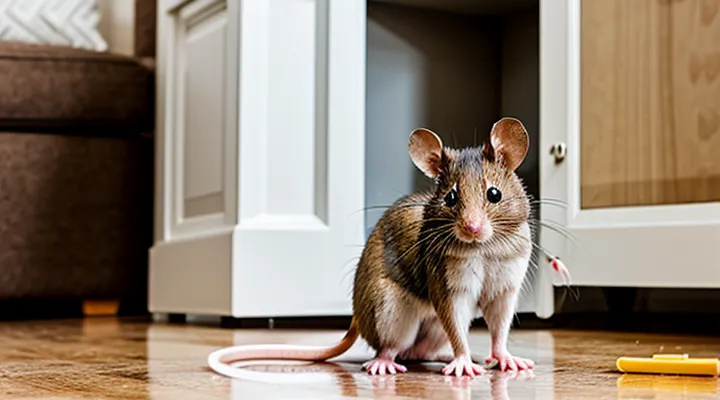
Understanding the Mouse Problem
Signs of a Mouse Infestation
Droppings and Urine
Droppings and urine are primary indicators of a mouse presence and constitute a direct health hazard. Mouse feces appear as small, dark pellets, typically 3‑5 mm in length, often found along walls, behind appliances, and in stored food containers. Urine stains manifest as yellowish discolorations or wet spots, frequently accompanied by a strong, musky odor.
These waste products transmit pathogens such as hantavirus, salmonella, and leptospira. Inhalation of dried droppings or aerosolized urine particles can cause respiratory irritation and more severe illnesses. Prompt removal eliminates exposure risk and reduces attraction for additional rodents.
Effective sanitation follows a systematic protocol:
- Wear disposable gloves and a mask to prevent direct contact and inhalation.
- Ventilate the area for at least 30 minutes before beginning cleaning.
- Wet the droppings and urine with a disinfectant solution (e.g., 10 % bleach mixed with water) to minimize dust generation.
- Use disposable paper towels or a mop to collect the wet material; discard in a sealed plastic bag.
- Apply the disinfectant to the contaminated surface, allowing a contact time of 10 minutes.
- Rinse with clean water and dry thoroughly.
- Dispose of all cleaning materials in a sealed container and wash hands thoroughly after glove removal.
Regular inspection of potential hiding spots, combined with immediate disposal of waste, interrupts the cycle of attraction and breeding, thereby supporting broader rodent control measures.
Gnaw Marks and Damage
Gnaw marks serve as primary evidence of rodent activity, indicating where mice have accessed food, shelter, or nesting material. Recognizing these signs enables timely intervention before extensive damage occurs.
Common locations include baseboards, cabinet edges, wiring insulation, and furniture legs. Marks appear as clean, crescent‑shaped bites ranging from 2 mm to 6 mm in depth. Fresh gnawing leaves light, unfinished edges, while older marks darken and may exhibit splintered wood fibers.
Consequences extend beyond aesthetic concerns. Mice gnaw electrical cords, creating fire hazards and costly repairs. Structural components such as joists and framing can be compromised, reducing building integrity. Contamination arises when gnawed surfaces expose food supplies to urine and feces, heightening disease risk.
Assessment steps
- Inspect concealed areas behind appliances and under sinks for fresh bite marks.
- Use a flashlight to reveal shadows cast by gnawed edges.
- Compare bite dimensions with known mouse dentition to rule out other pests.
- Document findings with photographs for professional evaluation.
Mitigation measures
- Seal entry points larger than 6 mm with steel wool and caulk.
- Replace damaged wiring and secure cables with conduit.
- Apply rodent‑resistant materials, such as hard‑plastic or metal trims, to vulnerable surfaces.
- Deploy bait stations or traps in proximity to identified gnaw sites, following integrated pest management principles.
Prompt identification and remediation of «gnaw marks» and associated «damage» protect property value, maintain safety, and prevent recurrence of infestations.
Strange Noises
Strange noises in walls, ceilings, or flooring frequently indicate rodent activity. Identifying the source of these sounds helps prioritize control measures and prevents infestation escalation.
Typical auditory signs include:
- Light scratching or scurrying, especially during nighttime;
- Soft thudding as mice move through insulation or stored items;
- High‑pitched squeaking when animals are startled or confined;
- Occasional squeaking or chirping during mating calls.
Pinpointing the origin involves systematic observation. Begin by noting the time of occurrence and the specific area where the sound is strongest. Use a handheld recorder or smartphone to capture the noise, then replay it at reduced speed to differentiate between rodent movements and other household sounds. Inspect adjacent cavities, behind appliances, and within stored boxes for droppings, gnaw marks, or nesting material.
Once activity is confirmed, implement targeted actions:
- Seal entry points with steel‑wool or caulk to block further access;
- Deploy snap traps or electronic traps in the identified zone, positioning them perpendicular to walls;
- Apply low‑odor rodent‑repellent granules near the noise source, adhering to product guidelines;
- Maintain a clean environment by removing food residues and securing waste containers.
Monitoring after intervention should focus on any residual noises. Persistent sounds may suggest hidden nests or surviving individuals, prompting additional trapping or professional pest‑management services.
Unpleasant Odors
Unpleasant odors often signal a hidden mouse problem, as rodents leave urine, feces, and dead bodies that emit strong, lingering smells. Detecting these odors early helps prevent broader contamination and health risks.
Identifying the source requires systematic inspection. Look for droppings in hidden corners, behind appliances, and within wall cavities. Smell for ammonia‑like or musky notes near suspected entry points. Examine insulation and stored food for signs of damage.
Effective odor mitigation follows a three‑step process:
- Eliminate the source – Remove all droppings and contaminated materials using disposable gloves and sealed bags. Dispose of dead rodents in accordance with local regulations.
- Sanitize affected areas – Apply an enzymatic cleaner capable of breaking down bio‑organic residues. Follow manufacturer instructions for concentration and contact time to ensure complete neutralization.
- Prevent recurrence – Seal entry gaps with steel wool and caulk, store food in airtight containers, and maintain regular cleaning schedules to discourage new infestations.
Ventilation supports odor reduction. Increase airflow by opening windows, using exhaust fans, and installing air purifiers equipped with activated carbon filters. Replace HVAC filters weekly to capture airborne particles.
Continuous monitoring is essential. Conduct monthly visual checks and odor assessments, especially in basements, attics, and pantry zones. Prompt action at the first sign of odor restores a sanitary environment and reinforces overall rodent control measures.
Why Mice Are a Problem
Health Risks
Mice inhabiting residential spaces introduce several direct health hazards. Their presence creates pathways for pathogens, allergens, and structural damage that compromise occupant well‑being.
Key diseases transmitted by rodents include:
- Hantavirus pulmonary syndrome
- Leptospirosis
- Salmonellosis
- Lymphocytic choriomeningitis
- Plague (Yersinia pestis)
Saliva, urine, and feces contain infectious agents that contaminate food, surfaces, and air. Inhalation of dried droppings or skin contact with contaminated materials can trigger respiratory irritation, allergic reactions, and skin infections. Persistent exposure heightens the risk of asthma exacerbation, particularly in children and individuals with pre‑existing sensitivities.
Secondary effects arise from gnawing behavior. Damage to wiring, insulation, and structural components creates fire hazards and encourages mold growth in compromised areas. Mold spores, combined with rodent allergens, amplify indoor air quality problems and may lead to chronic sinusitis.
Effective mitigation requires prompt identification of entry points, sealing of gaps, and implementation of sanitation measures that eliminate food and water sources. Regular monitoring and professional pest control interventions reduce the probability of disease transmission and protect overall household health.
Property Damage
Mice infiltrate residential structures and cause extensive material loss. Their gnawing activity compromises building integrity, damages wiring, and contaminates stored goods.
- Structural elements: wood framing, baseboards, and drywall exhibit chew marks, leading to weakened support and increased repair costs.
- Electrical systems: insulation on copper wires is frequently stripped, creating short‑circuit risks and potential fire hazards.
- Insulation and ductwork: fiberglass and foam insulation are shredded, reducing thermal efficiency and allowing drafts.
- Food supplies: grain, cereals, and packaged products become contaminated with urine, feces, and saliva, rendering them unsafe for consumption.
- Appliances and furniture: plastic components of appliances, as well as upholstery, show bite holes that diminish functionality and aesthetic value.
Addressing these damage pathways requires prompt identification of activity signs, sealing of entry points, and implementation of proven rodent‑control measures. Failure to mitigate mouse presence accelerates deterioration and inflates maintenance expenditures.
Rapid Reproduction
Mice reach sexual maturity within six weeks, produce a litter of three to twelve offspring after a 19‑day gestation, and can breed every three to four weeks. Under optimal conditions a single pair can generate over a thousand descendants in a year, turning a minor intrusion into a severe infestation rapidly.
The speed of population growth shortens the window for effective intervention. Delayed action allows successive generations to establish multiple nests, increasing food consumption, contaminating surfaces, and expanding entry points throughout the dwelling.
Control strategies must target reproduction cycles directly. Recommended actions include:
- Eliminate accessible food sources; store dry goods in sealed containers and clean spills promptly.
- Reduce shelter opportunities by sealing cracks, gaps, and openings larger than a quarter‑inch.
- Deploy snap traps or electronic devices in high‑activity zones, checking and resetting them daily to intercept breeding adults.
- Apply rodenticide baits in tamper‑proof stations, rotating active ingredients to prevent resistance, and replace baits every two weeks to address new litters.
- Conduct regular inspections of concealed areas such as attics, basements, and wall voids, focusing on signs of nesting material and droppings.
Consistent implementation of these measures disrupts the breeding cycle, limits offspring survival, and prevents exponential population increases within residential environments.
Prevention Strategies
Sealing Entry Points
Inspecting Your Home
A comprehensive inspection of the residence is the first actionable step in any mouse‑control program. Identifying structural vulnerabilities, food sources, and activity signs prevents future infestations and guides targeted interventions.
Key inspection tasks include:
- Examine exterior walls, foundations, and rooflines for gaps larger than ¼ inch; seal openings with steel wool, caulk, or metal flashing.
- Inspect utility penetrations—pipes, cables, vents—for missing or damaged covers; install tight‑fitting sleeves or mesh.
- Survey interior spaces, focusing on kitchens, pantries, and storage areas; look for gnaw marks, droppings, shredded material, and greasy streaks along walls and cabinets.
- Check under appliances, behind furniture, and within crawl spaces; lift movable items to reveal concealed pathways.
- Review garbage containers, compost bins, and pet feeding stations; ensure lids close securely and waste is removed daily.
Document findings with photographs or written notes, categorizing each entry point and evidence of activity. Prioritize repairs based on severity and proximity to food sources. After sealing identified gaps, schedule a follow‑up inspection within two weeks to verify that closures remain intact and no new signs have emerged. Continuous monitoring and prompt remediation sustain a mouse‑free environment.
Materials for Sealing Gaps
Sealing gaps eliminates the primary pathways mice use to infiltrate residential spaces. Selecting appropriate sealing materials enhances the durability of the barrier and reduces the likelihood of re‑entry.
• Steel wool, preferably grade # 0000, can be packed tightly into small openings; it deters chewing due to its abrasive texture.
• Copper mesh offers similar resistance to gnawing while resisting corrosion in damp areas.
• Silicone caulk provides a flexible, weather‑proof seal for cracks around windows, doors, and utility penetrations.
• Expanding polyurethane foam fills irregular voids; it expands to conform to the cavity shape, creating a solid barrier once cured.
• Weatherstripping, composed of rubber or silicone strips, seals gaps beneath doors and sliding panels, preventing nocturnal ingress.
• Metal flashing, cut to size, covers larger gaps around vent pipes and structural seams, offering a rigid, chew‑proof shield.
• Concrete mortar can be applied to larger foundation cracks, hardening into an impenetrable barrier.
Application guidelines: clean each opening of debris before insertion; press the chosen material firmly to ensure full contact; for liquid sealants, allow the recommended curing time before exposing the area to moisture. Regular inspection of sealed points maintains effectiveness and identifies any new breaches promptly.
Maintaining a Clean Environment
Food Storage Best Practices
Proper food storage is essential for preventing rodent intrusion. Secure containers eliminate access points and remove attractants that draw mice into living spaces.
- Use airtight, hard‑shelled containers made of glass, metal, or thick plastic for all dry goods.
- Store pantry items at least six inches off the floor and away from walls to discourage nesting.
- Label containers with purchase dates and rotate stock to avoid prolonged exposure of stale food.
- Keep cereals, grains, and pet food in sealed bins; never leave bags open or loosely folded.
- Clean spills immediately; crumbs and residue provide scent trails that guide pests.
- Inspect storage areas weekly for signs of damage or gnaw marks; replace compromised containers promptly.
Consistent application of these practices reduces food availability for mice, thereby supporting broader pest‑management efforts within the home.
Waste Management
Effective mouse control begins with strict waste management. Food remnants and organic debris attract rodents; eliminating these sources reduces the likelihood of infestation.
All refuse should be placed in containers with tight‑fitting lids. Containers made of metal or heavy‑wall plastic prevent gnawing and limit odor escape. Lids must remain sealed until the bin is emptied.
Disposal frequency directly influences attractant buildup. Empty indoor bins daily, and remove outdoor containers at least twice weekly. Prompt removal of waste deprives mice of a continuous food supply.
Location of waste containers matters. Store bins away from walls, out of reach of climbing rodents, and elevate them on platforms if possible. Avoid placing containers near entry points such as doors, windows, or utility openings.
Practical steps for maintaining a rodent‑unfriendly environment:
- Use sealed, chew‑resistant containers for all kitchen waste.
- Clean bin interiors with a mild disinfectant weekly.
- Transfer waste to outdoor collection points only after sealing the indoor container.
- Position outdoor bins on solid, non‑porous surfaces to prevent burrowing.
- Inspect lids regularly for cracks or gaps; replace damaged containers immediately.
Implementing these measures removes a primary food source, thereby supporting broader prevention strategies and limiting mouse activity within the home.
Decluttering Your Home
Decluttering the living space removes hiding places and food sources that attract mice. Removing excess items limits the routes rodents can travel and reduces the likelihood of nests forming in closets, basements, or attics.
Clutter creates insulated pockets where temperature and humidity remain stable, conditions that favor rodent breeding. Unused boxes, piles of paper, and disorganized storage provide both shelter and easy access to crumbs or stored food.
«Decluttering Your Home» can be approached with a systematic plan:
- Sort items by use: keep frequently needed objects, relocate rarely used items to sealed containers.
- Eliminate broken or damaged possessions that cannot be repaired.
- Store seasonal belongings in airtight bins rather than cardboard boxes.
- Dispose of waste promptly; ensure trash cans have snug-fitting lids.
- Clean under appliances, behind furniture, and within crawl spaces to remove hidden debris.
Regular maintenance reinforces the initial effort. Schedule monthly inspections of storage areas, promptly address spills, and keep entry points such as doors and windows sealed. Consistent organization sustains an environment that discourages mouse activity.
Exterior Prevention
Trimming Vegetation
Trimming vegetation around a residence reduces shelter and travel routes for mice, limiting their ability to reach the interior. Dense shrubs, overgrown hedges, and tall grasses provide cover and food sources that attract rodents. Removing excess growth creates a clear perimeter that discourages nesting and foraging close to the building.
Key practices for effective vegetation management:
- Cut back shrubs to a height of no more than six inches from the ground, especially near foundation walls and entry points.
- Maintain a grass length of two to three inches; mow regularly to prevent tall clumps that can conceal rodents.
- Prune tree branches so they do not touch the roof or walls, eliminating bridges that facilitate climbing.
- Clear leaf litter, mulch, and debris from the base of the house; store these materials away from the foundation.
- Keep compost piles covered and situated at least ten feet from the structure to avoid providing food and shelter.
Consistent application of these measures creates an inhospitable environment for mice, complementing interior exclusion techniques and reducing the likelihood of infestation.
Securing Outdoor Structures
Securing outdoor structures eliminates entry points that allow rodents to infiltrate residential spaces. Unsealed gaps in sheds, garages, and decks provide direct access to shelter and food sources, making them priority targets for control measures.
• Inspect foundations, roof eaves, and wall joints for openings larger than ¼ inch; seal with steel wool, caulk, or metal mesh.
• Install flashing on the undersides of decks and porches to prevent rodents from climbing onto support beams.
• Elevate firewood, compost bins, and garden tools at least 18 inches above ground level; use sealed containers to restrict access.
• Trim vegetation within two feet of building exteriors; overhanging branches create bridges to roof spaces.
• Apply weather‑resistant hardware cloth around vent openings, utility penetrations, and crawl‑space access doors.
Regular maintenance preserves barrier integrity. Re‑examine sealed areas after severe weather, replace deteriorated materials promptly, and keep the perimeter clear of debris that could conceal new entry points. Consistent attention to these practices reduces the likelihood of mouse populations establishing footholds outside the home, thereby supporting broader residential pest‑management objectives.
Eradication Methods
Trapping Techniques
Snap Traps
Snap traps provide immediate, lethal control of house mice. The device consists of a spring‑loaded bar that releases a rapid strike when the rodent triggers a pressure plate, causing fatal injury.
Selection of an effective model depends on several factors:
- Size of the trigger platform; larger platforms capture adult mice more reliably.
- Spring tension; stronger springs deliver quicker closure, reducing the chance of escape.
- Safety shields; built‑in guards protect children and pets from accidental activation.
Proper placement maximizes capture rates. Position traps along established mouse pathways: behind appliances, within wall voids, and near food sources. Align the trigger plate perpendicular to the expected travel direction. Avoid clutter that may obstruct the bar’s motion.
After a catch, dispose of the carcass promptly to prevent disease spread. Wear disposable gloves, seal the mouse in a plastic bag, and discard according to local regulations. Reset the trap by re‑arming the spring and checking for debris that could impair function.
Regular monitoring ensures continued effectiveness. Replace baitless traps with fresh ones every few weeks, and rotate locations to address shifting activity patterns. Combining snap traps with sanitation and exclusion measures creates a comprehensive approach to reducing mouse infestations in residential settings.
Live Traps
Live traps offer a humane alternative for reducing mouse populations inside residential spaces. The device consists of a cage with a trigger mechanism that closes the door when a rodent enters, allowing the animal to be captured alive and later released away from the property.
Key considerations when selecting a live trap include:
- Size appropriate for adult mice (approximately 4 × 2 × 2 inches).
- Sensitive trigger bar that activates with minimal weight.
- Secure latch that prevents escape once engaged.
- Easy‑to‑clean interior surfaces.
Effective placement maximizes capture rates. Position traps along established mouse pathways, such as walls, behind appliances, and near food storage areas. Align the opening perpendicular to the wall to match the rodent’s natural tendency to travel close to surfaces. Bait with high‑protein items—peanut butter, sunflower seeds, or bits of cheese—applied sparingly to the trigger area.
Regular monitoring is essential. Check traps at least twice daily to prevent stress or injury to captured mice. Upon retrieval, transport the animal in a sealed container to a location at least one mile from the residence, preferably a wooded or field area, and release it gently. Clean and disinfect the trap after each use to eliminate scent traces that could deter future captures.
Electronic Traps
Electronic traps use a high‑voltage shock to instantly kill rodents that enter the chamber. The device contains a sensor that detects a mouse’s presence and delivers a pulse sufficient to cause immediate death, eliminating the need for poison or manual handling.
Advantages include:
- Rapid, humane termination of pests
- No hazardous chemicals, reducing risk to children and pets
- Reusable design, lowering long‑term costs
- Minimal odor, preventing secondary infestations
When selecting a model, prioritize:
- Voltage rating that guarantees lethal shock for mice
- Safety lock or insulated housing to prevent accidental contact
- Reliable power source, such as battery backup or AC adapter, to maintain operation during outages
Placement guidelines maximize effectiveness:
- Position traps along walls, where mice habitually travel
- Install near known activity signs, such as droppings or gnaw marks
- Ensure unobstructed entry to the sensor area, avoiding clutter or furniture that could block the trigger
Routine maintenance sustains performance. Check the capture chamber daily, dispose of deceased rodents according to local regulations, and clean the interior with mild detergent to remove residue. Replace batteries or verify power connections regularly to avoid downtime.
Proper Trap Placement
Proper trap placement determines the success of any rodent‑control program. The objective is to intercept mice along established travel routes, forcing interaction with the capture device.
- Position traps near walls, because mice habitually run parallel to surfaces.
- Install devices at points of known activity: droppings, gnaw marks, or fresh food spillage.
- Place traps in concealed areas such as behind appliances, under cabinets, and within pantry corners.
- Maintain a minimum distance of 12–18 inches between traps to prevent competition and to cover a broader area.
Bait selection complements placement. Use a small amount of high‑protein attractant, such as peanut butter or crushed seed, placed directly on the trigger mechanism. Secure the bait with a thin layer of cheese or oatmeal to keep the mouse engaged long enough for activation.
Check traps daily. Remove captured mice promptly, reset the device, and replenish bait if needed. Rotate trap locations periodically to address shifting mouse activity patterns and to avoid habituation. Regular monitoring ensures consistent pressure on the population and reduces the risk of re‑infestation.
Rodenticides
Types of Baits
Effective rodent control relies on selecting appropriate bait formulations that attract mice while delivering lethal or deterrent action.
The principal categories include:
- « Snap‑trap bait » – small food items such as peanut butter, cheese, or dried fruit placed on mechanical traps; provides immediate capture.
- « Poison bait » – anticoagulant or bromethalin‑based pellets concealed in tamper‑resistant stations; offers delayed mortality, reducing bait shyness.
- « Glue‑board bait » – adhesive surfaces pre‑treated with attractive scents; immobilizes rodents for removal.
- « Natural attractant bait » – grain, nuts, or dried insects used in conjunction with non‑chemical traps; suitable for households preferring low‑toxicity options.
- « Electronic bait » – ultrasonic emitters combined with scent dispensers; deters entry without physical contact.
Selection criteria emphasize target species preference, placement accessibility, and household safety. Food‑based baits should match the mice’s diet, avoiding strong odors that may repel. Poison stations require secure mounting to prevent accidental exposure to children or pets; tamper‑proof designs are mandatory. Glue boards demand regular inspection to limit suffering. All bait types must comply with local pest‑control regulations and be integrated into a comprehensive management plan that includes exclusion, sanitation, and monitoring.
Safe Application and Disposal
Safe handling of rodent‑control products begins with proper placement. Apply baits, traps, or repellents only in areas inaccessible to children and pets, such as behind appliances, inside wall voids, or within sealed bait stations. Wear disposable gloves when positioning devices, and wash hands thoroughly after removal. Ensure ventilation if using aerosol or liquid repellents, and follow label‑specified exposure limits.
Disposal procedures must prevent secondary poisoning and environmental contamination. Seal used baits in a plastic bag, then place the bag in a sealed metal container before discarding with regular household waste. For snap traps, submerge the dead mouse in a solution of water and a small amount of bleach for at least five minutes, then wrap in double‑layered newspaper and seal in a bag. Dispose of the sealed package in an outdoor trash bin away from food‑preparation areas.
Key practices for safe application and disposal include:
- Verify product expiration date before use.
- Keep the original label attached to each item for reference.
- Store unused products in a locked cabinet, out of reach of non‑target species.
- Record the date and location of each deployment to track effectiveness and schedule removal.
Adhering to these protocols minimizes health risks, protects non‑target organisms, and supports long‑term rodent management success.
Risks to Pets and Children
Mice control measures can endanger pets and children if hazards are not recognized and managed.
- Toxic rodent baits contain anticoagulants or neurotoxins; ingestion causes internal bleeding, seizures, or death in dogs, cats, and small mammals.
- Snap traps and glue boards pose crushing or entanglement injuries; accidental activation by a curious child results in bruises or lacerations.
- Chemical sprays and foggers release pesticides that irritate respiratory pathways; inhalation may trigger asthma attacks or allergic reactions in sensitive individuals.
- Improper disposal of dead rodents spreads pathogens such as hantavirus and leptospirosis; contact with contaminated surfaces increases infection risk for both humans and animals.
Mitigation requires strict separation of control devices from living areas. Store baits in locked containers placed out of reach of children and pets, and use tamper‑resistant bait stations. Position snap traps behind appliances or in concealed locations inaccessible to non‑target occupants. Opt for low‑toxicity alternatives, such as sealed bait boxes or electronic repellents, when feasible. Seal entry points with steel wool, caulking, or metal flashing to reduce reliance on chemical interventions. Regularly inspect and maintain traps to prevent accidental exposure.
Education of household members reinforces safe practices. Clearly label storage areas, keep hazardous substances away from food preparation zones, and supervise children during any rodent‑control activity. By integrating these precautions, the likelihood of accidental poisoning, injury, or disease transmission diminishes while maintaining an effective rodent‑management program.
Professional Pest Control
When to Call an Expert
Mice infestations that persist despite traps, baits, and sealing efforts require professional intervention. Signs that indicate the need for an expert include:
- Repeated sightings after multiple control attempts.
- Evidence of gnaw damage to wiring, insulation, or structural components.
- Presence of droppings in concealed areas such as attics, walls, or crawl spaces.
- Detection of nests constructed from shredded material in inaccessible locations.
- Health concerns arising from potential disease transmission or contamination of food supplies.
When these conditions appear, a licensed pest‑control service can conduct a comprehensive inspection, identify entry points inaccessible to homeowners, and apply licensed rodenticides or integrated pest‑management strategies safely. Professional assessment also ensures compliance with local regulations regarding pesticide use and provides documentation useful for insurance claims. Prompt engagement with an expert minimizes property damage, reduces health risks, and prevents infestation expansion.
What to Expect from Professionals
Professional pest‑control operators begin with a thorough inspection of the residence. They identify entry points, locate nesting sites, and evaluate the severity of the infestation. The assessment produces a detailed report that outlines the required interventions and estimates the timeline for completion.
After the inspection, technicians develop a customized treatment plan. The plan may combine one or more of the following measures:
- Placement of snap traps or electronic devices in high‑traffic areas.
- Deployment of bait stations containing rodenticide, positioned to minimize risk to children and pets.
- Application of interior and exterior sealing compounds to block gaps larger than a quarter inch.
- Use of ultrasonic or pheromone‑based deterrents where appropriate.
All procedures comply with local licensing requirements and safety standards. Technicians wear protective equipment, follow label instructions for chemicals, and ensure that bait stations are tamper‑resistant. Clients receive written instructions for any post‑treatment precautions that must be observed.
Follow‑up visits confirm the effectiveness of the intervention. During these visits, professionals verify trap activity, replace consumables, and re‑inspect sealed entry points. Many companies offer a warranty that covers re‑infestation within a specified period, providing additional assurance that the problem will not recur.
Clear communication characterizes the service. Clients receive an upfront cost estimate, a schedule for each phase of work, and a contact for ongoing support. Documentation includes the species identified, the methods employed, and the outcomes observed, allowing homeowners to track progress and maintain a pest‑free environment.