
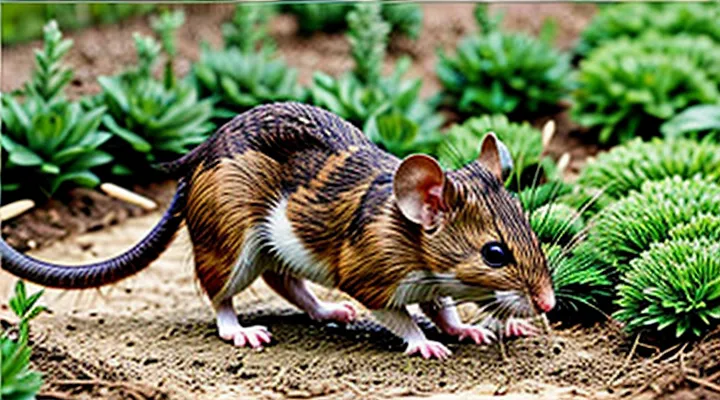
Identifying Field Mice Presence
Signs of Damage
Field mice leave unmistakable evidence of their activity in garden beds. Recognizing these indicators is essential for timely intervention and preventing further loss of crops.
Typical manifestations include:
- Chewed stems and seedlings – young plants display clean cuts or ragged edges at the base, often near the soil line.
- Gnawed bark and roots – woody plants may show bite marks on lower trunks and exposed roots, weakening structural integrity.
- Burrow entrances – small, round holes approximately 2–3 cm in diameter appear along the edges of the plot, often surrounded by loosened soil.
- Droppings – dark, pellet‑shaped feces accumulate near burrows, on plant leaves, or in mulch layers.
- Seed loss – stored or sown seeds disappear or are found partially eaten, resulting in uneven germination.
- Irregular plant damage patterns – clusters of affected plants suggest localized mouse activity rather than uniform disease spread.
Identifying these signs promptly allows gardeners to implement targeted control measures before infestations expand.
Droppings and Tracks
Droppings and tracks provide the most reliable evidence of field‑mouse activity in a garden plot. Their presence confirms infestation, indicating where individuals feed, travel, and nest.
Typical droppings are dark, cylindrical pellets about 4–6 mm long, often found near plant bases, under mulch, or along garden edges. Fresh deposits retain a slight sheen; older ones become dry and crumbly. Concentrations of pellets reveal feeding hotspots and help prioritize treatment zones.
Tracks appear as small, paired footprints in soft soil or sand, usually 6–8 mm apart. Parallel rows suggest established runways, while scattered prints indicate exploratory movement. Gnaw marks on stems, seed heads, or storage containers also signal foraging routes.
Using this information effectively:
- Conduct a systematic inspection each morning, recording droppings and footprints on a garden map.
- Focus bait stations and traps along identified runways, placing them perpendicular to the line of travel.
- Remove or disturb droppings to eliminate scent cues that attract mice, then clean the area with a mild disinfectant.
- Apply barrier materials (e.g., fine mesh or copper tape) across runways to disrupt movement patterns.
- Reduce habitat suitability by clearing excess mulch, compost, and debris where droppings accumulate.
Regular monitoring of droppings and tracks enables precise, low‑impact interventions, limiting field‑mouse populations while preserving beneficial garden organisms.
Prevention Strategies
Garden Maintenance and Sanitation
Maintaining a garden plot to deter field mice requires strict sanitation and regular upkeep. Removing potential food sources, shelter, and nesting sites eliminates the conditions that support rodent populations.
- Clear fallen fruit, vegetables, and seed pods daily.
- Store harvested produce in sealed containers away from the garden perimeter.
- Compost only in enclosed bins with tight-fitting lids; avoid open piles that attract mice.
- Prune low‑lying branches and dense vegetation that provide cover.
- Keep mulch thin (no more than 2 inches) and replace it regularly to prevent burrowing.
Sanitation also involves managing soil moisture and waste. Water the garden in the early morning to allow surface drying, reducing damp areas favored by rodents. Remove weeds and grass clippings promptly, as they can hide food and shelter. Dispose of garden debris in a sealed bag rather than leaving it on the ground.
Integrating these practices with physical barriers enhances effectiveness. Install metal or fine‑mesh fencing around the plot, burying it at least 6 inches deep to block underground entry. Use hardware cloth to cover drainage openings and vent holes. Regular inspection of barriers ensures gaps are repaired before mice exploit them.
Consistent application of maintenance and sanitation protocols creates an environment where field mice cannot establish colonies, supporting long‑term garden health without reliance on chemical controls.
Physical Barriers
Physical barriers provide a direct, non‑chemical line of defense against garden rodents. By preventing entry, they eliminate the need for repeated trapping or poison applications and protect plants from burrowing damage.
Effective barriers rely on material choice, placement depth, and continuity. Metal mesh with openings no larger than ¼ inch blocks mouse passage while allowing water flow. Rigid plastic or wooden edging can support mesh and create a sealed perimeter. All installations must extend at least 6 inches below ground to intercept tunneling activity.
- Underground fence: ½‑inch galvanized hardware cloth, buried 6–12 inches deep, secured with staples or concrete footings.
- Raised bed skirts: 1‑inch mesh wrapped around the base of beds, fastened to the soil or frame.
- Row cover tunnels: Polyethylene sleeves fitted over individual rows, sealed at the ends with tape or soil.
- Cage enclosures: Full‑height frames around high‑value crops, fitted with fine mesh doors for access.
Regular inspection identifies gaps caused by settling soil, plant growth, or damage. Repair any breach promptly, and reinforce corners where mice concentrate. Combining barriers with habitat reduction—removing debris and trimming vegetation—enhances overall efficacy.
Non-Lethal Control Methods
Natural Predators and Repellents
Natural predation provides immediate pressure on garden‑dwelling rodents. Birds of prey, small carnivorous mammals, and reptiles locate mouse activity through sight and scent, reducing population density without chemical intervention.
- Barn owl (Tyto alba) – nests in boxes, hunts at dusk.
- Short‑eared owl (Asio otus) – prefers open fields, attracted by perches.
- Red‑tailed hawk (Buteo jamaicensis) – patrols higher elevations, catches mice in flight.
- Eastern fox squirrel (Sciurus niger) – opportunistic scavenger, consumes juveniles.
- European ferret (Mustela putorius furo) – agile hunter, can be housed in a secure pen.
- Domestic cat (Felis catus) – effective when allowed outdoor access under supervision.
- Common garter snake (Thamnophis sirtalis) – patrols ground cover, preys on small rodents.
To encourage these predators, install nesting boxes for owls, maintain perching branches, provide water sources, and preserve undisturbed brush piles for snakes and ferrets. Avoid excessive pesticide use that can diminish prey availability for raptors.
Herbal and mineral repellents deter mice through odor or taste aversion. Effective formulations include:
- Peppermint oil – saturate cotton balls, place along rows and entry points.
- Garlic extract – mix with water, spray on soil surface.
- Castor oil emulsion – apply to plant stems, creates an unpleasant coating.
- Predator urine (fox, coyote) – distribute near burrow entrances.
- Rough‑leaf plants (e.g., rosemary, thyme, lavender) – interplant to create aromatic barrier.
Apply repellents after each irrigation cycle; reapply every 7‑10 days or after heavy rain. Combine with habitat management—keep grass trimmed, remove debris, and seal fence gaps—to limit shelter and travel routes for mice. The synergy of attracted predators and persistent natural deterrents offers a sustainable, chemical‑free solution for protecting garden plots from field mouse damage.
Trapping and Relocation
Trapping and relocation provide a practical, humane option for reducing field‑mouse activity in garden plots. Effective implementation requires proper equipment, strategic placement, and adherence to animal‑welfare guidelines.
- Choose snap traps or multi‑catch live cages; snap traps deliver immediate mortality, while live cages allow capture without killing.
- Position traps along established runways, near burrow entrances, and close to food sources. Align traps perpendicular to the wall of a burrow to increase strike success.
- Use attractive bait such as peanut butter, sunflower seeds, or dried fruit. Apply a small amount to the trigger mechanism to ensure quick activation.
- Check traps at least twice daily; remove captured mice promptly to prevent stress and disease transmission.
- For live captures, transport mice at least 0.5 km away from the garden, releasing them in an area with adequate cover and natural food supplies. Avoid release near agricultural fields to limit crop damage.
- Follow local regulations regarding wildlife relocation; some jurisdictions require permits or prohibit release of certain species.
Integrating trapping with habitat modification—removing debris, sealing entry points, and maintaining clean vegetation—enhances overall control. Consistent monitoring and timely trap maintenance sustain low mouse populations and protect garden productivity.
Lethal Control Methods
Trap Selection and Placement
Selecting the appropriate trap and positioning it correctly are critical steps in reducing field mouse activity in a garden plot.
Live-catch traps, such as multi‑compartment cage models, allow humane removal and relocation of captured rodents. Snap traps, constructed of hardened steel with a spring‑loaded bar, provide rapid lethal control. Electronic traps deliver a high‑voltage pulse that kills instantly, minimizing damage to surrounding vegetation. Glue boards should be used sparingly, as they may cause prolonged suffering and are less effective for larger populations.
Placement guidelines:
- Identify runways by observing fresh gnaw marks, droppings, or cleared pathways along plant stems and mulch.
- Position traps perpendicular to these routes, with the trigger side facing the direction of travel.
- Set traps low to the ground, within 2–4 inches of the soil surface, matching the height of a mouse’s body.
- Distribute devices at intervals of 10–15 ft in high‑traffic zones; increase density near storage areas for seed or compost.
- Secure traps to stable substrates using stakes or garden twine to prevent displacement by wind or other animals.
Bait selection influences capture rates. Use high‑protein items—peanut butter, dried insects, or small pieces of cheese—applied in modest quantities to avoid spillover. Replace bait daily to maintain freshness and scent potency.
Regular monitoring is essential. Check traps each morning, remove captured mice promptly, and reset devices with fresh bait. Rotate trap locations weekly to prevent mice from learning avoidance patterns.
By matching trap type to garden conditions and adhering to systematic placement strategies, gardeners can achieve consistent, measurable reductions in field mouse presence.
Baits and Poisons
Baits and poisons remain the most direct method for reducing field‑mouse populations in a garden plot. Effective control depends on selecting an appropriate formulation, positioning the product to maximize contact, and managing risks to non‑target organisms.
- Anticoagulant rodenticides (e.g., brodifacoum, difenacoum) disrupt blood clotting, leading to death after ingestion. Use secondary‑containment stations to limit access by birds and pets.
- Acute toxins (e.g., bromethalin, zinc phosphide) cause rapid neuro‑ or metabolic failure. Deploy in tamper‑proof bait boxes, replace every 3–4 days to maintain potency.
- Non‑chemical baits (e.g., grain or seed mixes laced with low‑dose anticoagulants) attract foraging mice while reducing environmental load. Mix with unbaited seed to dilute concentration and discourage over‑consumption.
Placement guidelines: situate bait stations along established runways, near shelter sites, and at a maximum distance of 30 cm from the soil surface. Ensure stations are anchored to prevent displacement by wind or rain. Monitor stations daily; record removal rates and replace depleted units promptly.
Compliance considerations: verify local regulations regarding rodenticide registration, permissible concentrations, and required signage. Maintain a material safety data sheet (MSDS) on site, and train all garden personnel in safe handling procedures. Disposal of dead rodents must follow wildlife‑health protocols to avoid secondary poisoning.
Integrating baits with habitat modification—such as clearing debris, trimming low vegetation, and installing physical barriers—enhances overall effectiveness and reduces reliance on chemical agents. Continuous observation of mouse activity informs adjustments to bait density and rotation schedules, sustaining long‑term population control.
Integrated Pest Management for Long-Term Control
Combining Strategies
Combining multiple control measures creates a reliable barrier against garden rodents. Physical exclusion, such as fine‑mesh fencing buried a few centimeters underground, prevents entry while allowing air and light to reach plants. Habitat modification reduces shelter: remove dense ground cover, trim tall weeds, and keep mulch thin to eliminate hiding places.
Sanitation complements exclusion. Regularly collect fallen fruit, seed pods, and plant debris that attract mice. Store compost in sealed containers; avoid placing feed or pet food near planting areas. These practices lower food availability and discourage foraging.
Trapping supplies direct population reduction. Snap traps positioned along established runways capture individuals quickly. Live‑catch traps enable relocation, but must be checked frequently to prevent stress. Place traps perpendicular to travel paths, with bait such as peanut butter or oats.
Chemical and natural repellents add another layer. Apply granular repellents containing predator urine or plant‑derived compounds around perimeter and within beds. Reapply after heavy rain to maintain efficacy. For organic options, sprinkle crushed garlic or hot pepper flakes near vulnerable seedlings.
Biological control introduces natural predators. Encourage barn owls by installing nesting boxes, and attract feral cats with shelter. Ground beetles and predatory nematodes prey on mouse eggs and juveniles, enhancing long‑term suppression.
Integrating these tactics—exclusion, sanitation, trapping, repellents, and biological agents—produces a synergistic effect. Each method addresses a different aspect of mouse behavior, reducing the likelihood that any single weakness will allow infestation to persist. Regular monitoring and adjustment ensure the combined strategy remains effective throughout the growing season.
Monitoring and Adjustment
Monitoring field‑mouse activity provides the data needed to refine control measures. Regular checks reveal population trends, entry points, and damage patterns, allowing timely interventions.
- Inspect planting rows weekly for fresh gnaw marks or droppings.
- Set motion‑activated cameras near suspected pathways to record nocturnal movement.
- Use non‑lethal snap traps with tracking powder to confirm species presence and activity levels.
- Record observations in a simple log: date, location, number of signs, and trap catches.
Adjustment follows the information gathered. When monitoring shows a rise in activity, increase trap density or introduce additional barriers. If damage concentrates in a specific area, reinforce that zone with hardware cloth or apply targeted bait stations. Conversely, a decline in signs permits reduction of trap numbers, minimizing disturbance to beneficial wildlife.
- Raise trap placement height by 2–3 cm if mice avoid ground‑level devices.
- Rotate bait types quarterly to prevent habituation.
- Expand mulch depth by 5 cm to deter burrowing when surface signs increase.
- Replace damaged fencing sections promptly after detection.
Continuous feedback between observation and action maintains pressure on the rodent population while preventing unnecessary resource expenditure.