
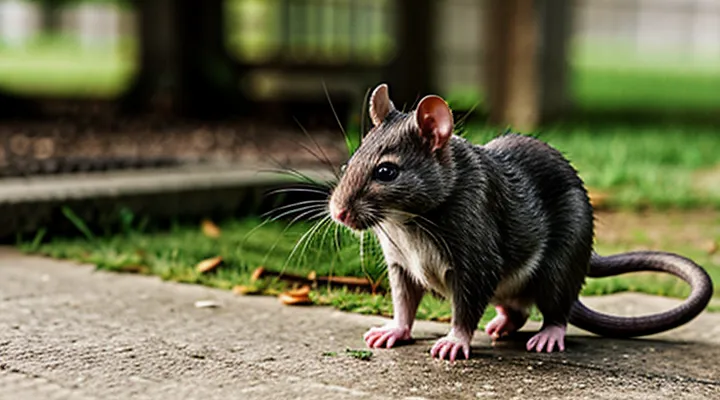
Understanding Rat Behavior
Recognizing Signs of Infestation
Droppings and Urine Trails
Droppings and urine trails provide reliable indicators of rat activity, allowing precise placement of traps and effective hand‑capture strategies. Fresh feces reveal recent movement, while the direction of urine scent marks the path taken. Identifying these signs reduces guesswork and concentrates effort on high‑traffic zones.
Practical use of droppings and urine trails:
- Inspect corners, along walls, and near food sources for dark, pellet‑shaped feces; note the size and moisture to gauge recency.
- Follow the line of urine scent, which often appears as wet, darkened surfaces or a faint odor, to trace the animal’s route.
- Position traps or set up capture points at the intersection of multiple trails, where rats are most likely to travel.
- Wear disposable gloves when handling droppings to prevent contamination and maintain hygiene.
- After each capture, clear residual scent with an enzymatic cleaner to discourage re‑entry and to reset the detection area for subsequent operations.
Consistent monitoring of these biological markers, combined with timely trap placement, maximizes capture efficiency and minimizes disturbance to the environment.
Gnaw Marks and Damage
Gnaw marks and damage provide the most reliable evidence of rat presence and movement patterns. Fresh incisor impressions on wood, plastic, or wiring reveal active foraging zones, while deeper chew marks on structural elements indicate prolonged occupancy. Identifying these signs allows handlers to prioritize trapping locations, select appropriate bait placement, and anticipate escape routes.
Key observations include:
- Width of bite marks (approximately 2–3 mm) confirms rat activity versus other rodents.
- Directional scratches on surfaces point to preferred travel corridors.
- Damage to insulation or cables signals potential hazards that may interfere with trap operation.
By systematically documenting gnaw evidence, handlers can adjust capture techniques, reduce false attempts, and increase overall success rates.
Unusual Noises
Unusual noises serve as practical cues when manually securing rats. Certain sounds trigger innate responses, making rodents more likely to emerge from hiding or to freeze, facilitating safe handling.
Common auditory stimuli include:
- High‑frequency chirps (10–20 kHz) that mimic infant distress calls, prompting exploratory behavior.
- Low‑frequency rumblings (30–50 Hz) resembling predator footsteps, causing rats to seek cover near traps.
- Irregular tapping patterns that simulate conspecific activity, encouraging social investigation.
Effective application requires precise timing and volume control. Emit the selected sound for 2–3 seconds, pause, then repeat after a short interval. Observe the rats’ reaction; rapid approach indicates attraction, while retreat suggests aversion, prompting a switch to an alternative noise type. Consistent use of these auditory cues improves capture rates while minimizing stress on both animal and handler.
Identifying Rat Species and Habits
Common Urban Rat Species
Understanding which rat species dominate city environments is essential for selecting appropriate hand‑handling techniques. Species differ in size, behavior, and preferred habitats, influencing trap placement, bait choice, and safety precautions.
- Norway rat (Rattus norvegicus) – Largest urban rodent, typically 250–300 mm body length. Prefers ground‑level burrows, sewers, and basements. Aggressive when cornered, requires sturdy gloves and firm grip.
- Roof rat (Rattus rattus) – Smaller, 150–200 mm body length. Occupies elevated structures such as attics, rafters, and tree canopies. More agile, often climbs quickly; capture benefits from lightweight restraints and rapid approach.
- Brown rat (Rattus brunneus) – Similar dimensions to Norway rat but with darker pelage. Frequently found in industrial zones and near waste containers. Exhibits cautious foraging; bait with strong scent improves hand‑capture success.
- Black rat (Rattus limnoides) – Rare in temperate cities, appears in coastal districts. Slim body, long tail, excels at navigating narrow conduits. Requires narrow‑mouth traps and careful handling to avoid escape.
Accurate identification guides the selection of equipment, minimizes stress to the animal, and reduces risk of injury to the handler. Recognizing each species’ typical hiding places enables targeted searches, increasing capture efficiency while maintaining humane standards.
Nocturnal Activity Patterns
Understanding the night‑time habits of rats is essential for any manual capture program. Rats emerge from burrows shortly after sunset, reach activity peaks around the first two hours of darkness, and maintain high movement levels throughout the middle of the night before reducing activity before dawn. This pattern reflects foraging cycles, predator avoidance, and social interactions.
Peak activity coincides with low ambient light and moderate temperatures. Rats prefer temperatures between 18 °C and 24 °C; extreme cold or heat suppresses movement. Moonlight intensity influences vertical foraging, with brighter nights encouraging exploration of higher structures. Humidity fluctuations have minor effects compared to temperature and light.
Effective adjustments based on these observations include:
- Initiate handling sessions 30 minutes after sunset to align with the initial surge in activity.
- Conduct brief checks (5–10 minutes) during the middle of the night when rats are most mobile, then pause during the pre‑dawn lull.
- Employ red‑light illumination or infrared devices to minimize disturbance while maintaining visual access.
- Position bait stations near known runways and nesting entrances before the first activity peak; replace bait after each check to sustain interest.
- Monitor ambient temperature; schedule capture efforts on nights within the optimal thermal range to ensure maximal rat movement.
By aligning manual capture techniques with these nocturnal rhythms, handlers increase encounter rates, reduce stress on the animals, and improve overall success without resorting to invasive traps.
Preparation and Safety
Essential Equipment for Rat Trapping
Types of Traps: Pros and Cons
When choosing a device for manually catching rats, the trap’s design directly influences capture efficiency and operator safety.
Live‑catch cages provide immediate containment, allowing relocation or examination of captured specimens. Their reusable construction reduces long‑term cost, and the absence of lethal injury aligns with humane handling protocols. However, cage size must accommodate adult rats; undersized models allow escape. Bait placement requires precision, and frequent checking is necessary to prevent stress‑induced mortality.
Snap mechanisms deliver rapid kill, minimizing post‑capture handling. High lethality ensures quick results, and models with trigger adjustments accommodate varying rodent sizes. The primary drawbacks include exposure to sharp components, increased risk of accidental injury, and the necessity for disposal of carcasses in compliance with local regulations. Noise generated upon activation may also disturb nearby personnel.
Adhesive boards immobilize rodents without mechanical force. Their flat profile enables placement in narrow pathways, and they function without electricity or bait. The main disadvantages are prolonged suffering for trapped animals, difficulty in safe removal, and reduced effectiveness against larger or highly active rats that can avoid contact.
Electric enclosures combine a trigger‑activated chamber with a high‑voltage shock, producing instant death while containing the body. Advantages encompass reduced mess, clear visual confirmation of capture, and low risk of secondary injury. Limitations involve reliance on power sources, higher upfront cost, and the need for regular maintenance of electrodes to ensure consistent performance.
Selecting the optimal trap hinges on factors such as target rat size, required humane standards, operational environment, and budget constraints. Aligning these variables with the specific advantages and disadvantages of each device maximizes capture success while safeguarding the handler.
Baits and Lures
Choosing the right attractant determines the success of manual rat capture. Effective attractants combine strong sensory appeal with durability, ensuring the target remains engaged until the trap is triggered.
Key selection criteria include:
- High palatability for omnivorous rodents
- Persistent odor that survives handling and environmental exposure
- Non‑toxic composition to protect handlers and non‑target species
- Compatibility with various trap designs
Commonly successful baits:
- Fresh meat or fish fragments, providing protein and fat
- Peanut butter mixed with cornmeal, offering texture and scent
- Sunflower seeds, delivering natural oil and crunch
- Commercial rodent gel lures, formulated for long‑lasting aroma
- Cheese cubes, especially aged varieties with strong odor
Lures enhance bait performance. Scent lures derived from pheromones or synthetic attractants concentrate olfactory cues, while visual lures such as brightly colored tape or reflective material exploit rats’ curiosity. Combining scent and visual elements often yields higher capture rates.
Practical application guidelines:
- Position bait at the trap’s trigger mechanism to force interaction
- Rotate bait types every 2–3 days to prevent habituation
- Inspect traps twice daily, removing uneaten bait to avoid contamination
- Store unused bait in sealed containers to preserve potency
Implementing these attractant strategies maximizes efficiency in hand‑handled rat capture operations.
Personal Protective Equipment («PPE»)
When individuals handle rats directly, exposure to bites, scratches, and zoonotic agents requires barrier protection. Protective gear reduces the probability of injury and limits pathogen transmission to personnel.
- Disposable nitrile gloves, powder‑free, sized for a snug fit
- Cut‑resistant, reinforced sleeves or arm guards
- Full‑face shield or safety goggles with anti‑fog coating
- Fluid‑resistant laboratory coat or coverall, fastened at the back
- Slip‑resistant closed‑toe shoes or boots, optionally with steel toe
Selection of each item must follow occupational safety standards and consider the specific hazards of rodent handling. Gloves should resist puncture and chemical permeation; arm protection must withstand claw penetration; eye protection must cover the entire visual field. Materials must be compatible with disinfectants used during decontamination.
Proper use includes a defined sequence: inspect equipment for damage, don gloves and sleeve protectors before any contact, secure eye and body shields, and verify footwear stability. After each capture session, remove gear in a controlled manner to avoid cross‑contamination, place disposable items in biohazard containers, and clean reusable items with an EPA‑approved disinfectant. Record inspection results and replace compromised equipment promptly.
Adherence to these protective measures aligns with regulatory requirements and sustains a safe environment for personnel engaged in manual rat capture.
Safety Precautions Before Trapping
Protecting Children and Pets
When children or domestic animals are present, any manual rat‑capture operation must prioritize their safety. Secure environments, proper supervision, and equipment selection prevent accidental bites or injuries.
First, isolate the capture area. Close doors, block access routes, and remove toys or pet items that could be knocked over. Use a pet‑proof barrier or a temporary cage to contain the rodent while the handler works.
Second, equip the handler with protective gear. Gloves made of puncture‑resistant material, long sleeves, and safety glasses reduce the risk of scratches and exposure to saliva or urine. Ensure that the gloves fit snugly to maintain dexterity.
Third, train all participants. Children should understand that they must not approach the animal without adult supervision. Pets must be kept on a leash or in a separate room until the rodent is secured.
Key precautions
- Keep the capture zone free of food, water bowls, and chew toys.
- Place a sturdy, escape‑proof container on the floor before handling the rat.
- Use a two‑person method: one person restrains the animal, the other secures it in the container.
- After capture, disinfect the area and any tools with an approved sanitizer.
- Store the captured rat in a locked, ventilated box away from children’s play areas and pet sleeping quarters.
Finally, document the procedure. Record the date, location, and any incidents. This record supports continuous improvement of safety protocols and provides evidence of compliance with household safety standards.
Handling Traps and Baits Safely
When setting traps for manually captured rats, ensure the device is stable, positioned on a flat surface, and secured to prevent accidental displacement. Verify that trigger mechanisms are functional before deployment; a malfunctioning trap can cause injury to the handler or non‑target animals.
Select baits that are both attractive to rats and safe for humans and pets. Use sealed containers or pre‑measured portions to limit exposure. Avoid substances known to cause respiratory irritation or skin sensitization. Store all bait materials in locked, clearly labeled containers away from food preparation areas.
Personal protective equipment (PPE) reduces the risk of contamination and injury. Wear disposable gloves, eye protection, and, when handling toxic baits, a respirator approved for the specific chemical. Change gloves after each trap is inspected or bait is replenished, and wash hands thoroughly with soap and water before leaving the work area.
Maintain a record of trap locations, bait types, and inspection dates. A log enables quick identification of malfunctioning equipment and ensures compliance with local pest‑control regulations. Rotate trap positions regularly to prevent rats from learning avoidance patterns.
Safety checklist
- Inspect trap integrity and trigger function.
- Secure trap to prevent movement.
- Use sealed, non‑hazardous bait portions.
- Store bait in locked, labeled containers.
- Wear appropriate PPE (gloves, eye protection, respirator if needed).
- Change gloves after each handling event.
- Document trap placement and inspection results.
Adhering to these protocols safeguards personnel, minimizes non‑target exposure, and supports effective rat capture operations.
Trapping Strategies
Placement of Traps
Strategic Locations for Maximum Success
Identifying optimal sites significantly increases the likelihood of securing hand‑handled rats. Positioning devices where rodents naturally travel, feed, or seek shelter concentrates activity around the capture point and reduces the time required for successful retrieval.
- Along baseboards and wall junctions, where rats follow tight edges.
- Directly behind appliances, furniture, or stored items that create concealed pathways.
- Adjacent to identified food sources, such as pantry shelves, waste containers, or feeding stations.
- Within dark, insulated corners of crawl spaces, attics, and utility rooms.
- Near known entry points, including gaps around pipes, vents, and door frames.
- Along established runways marked by gnaw marks or droppings, often parallel to structural beams.
Placing traps or handling tools at these locations aligns with rodent behavior patterns, maximizes encounter rates, and streamlines the capture process. Continuous monitoring and occasional relocation based on observed activity ensure sustained effectiveness.
Avoiding Common Mistakes in Trap Placement
Proper trap placement determines success when targeting hand‑handled rats. Incorrect positioning reduces catch rates, wastes bait, and may cause unnecessary distress to non‑target animals.
Common errors and corrective actions:
- Placing traps on smooth surfaces – Rats prefer rough, insulated areas. Use fabrics, wood shavings, or cardboard beneath the trigger mechanism.
- Aligning traps opposite to travel routes – Position traps directly in the middle of known runways, not at the ends where rats pause.
- Using excessive bait – A small, fresh piece of food draws attention without overwhelming the trigger. Overbaits can mask scent cues and discourage exploration.
- Setting traps too close together – Space devices 2–3 feet apart to prevent rats from detecting multiple triggers and avoiding all of them.
- Neglecting regular inspection – Check traps every 12 hours. Stale bait or a triggered device loses effectiveness quickly.
- Ignoring environmental factors – Avoid direct sunlight, drafts, or moisture, which can degrade bait and alter rat behavior.
Ensuring each trap aligns with the rodent’s natural pathways, rests on a suitable substrate, and is maintained consistently eliminates the majority of placement mistakes. This disciplined approach maximizes capture efficiency while minimizing collateral impact.
Setting and Monitoring Traps
Step-by-Step Guide to Setting Traps
The following procedure outlines how to install traps for rats that are handled manually, ensuring maximum capture efficiency and safety.
Required equipment
- Snap or live‑capture trap sized for adult rats
- Protective gloves, preferably nitrile
- Bait such as peanut butter, dried fruit, or commercial rodent attractant
- Anchoring material (e.g., zip ties or sturdy wire)
- Disposable cleaning cloths and disinfectant
Step‑by‑step installation
- Prepare the work area – Clear debris and ensure the surface is stable. Wear gloves to prevent contamination of bait and to protect against bites.
- Load the trap – Apply a thin layer of bait to the trigger mechanism, avoiding excess that could spill and reduce sensitivity.
- Position the trap – Place it along established rat pathways: near walls, behind appliances, or in dark corners. Align the trigger so the rat must push forward to enter.
- Secure the trap – Use anchoring material to fix the trap to the floor or baseboard, preventing displacement by vigorous attempts to escape.
- Check functionality – Gently test the trigger to confirm it releases under minimal pressure. Adjust sensitivity if necessary.
- Monitor and maintain – Inspect traps at regular intervals (every 2–4 hours). Dispose of captured rats according to local regulations, clean the trap, and re‑bait for continued use.
Adhering to this sequence reduces missed captures and minimizes risk to handlers. Proper placement, bait selection, and regular monitoring are critical components of an effective rat‑control program.
Regular Inspection and Re-baiting
Regular inspection and timely re‑baiting form the backbone of any successful hand‑handled rat control program. Consistent monitoring confirms trap functionality, identifies escape routes, and verifies bait effectiveness before populations rebound.
Inspect traps at least twice daily—once in the early morning and once in the late afternoon. During each visit, record the following:
- Presence or absence of captured rodents
- Condition of the trap mechanism (spring tension, trigger sensitivity)
- Signs of tampering or avoidance (chewed edges, displaced traps)
- Environmental changes (new food sources, clutter)
Immediate corrective action prevents loss of catch rates. Replace damaged traps, adjust placement to align with observed activity patterns, and remove obstacles that could hinder entry.
Re‑baiting must follow a strict schedule to maintain attractant potency. Replace bait every 24–48 hours, or sooner if moisture, temperature, or rodent interference degrades its appeal. Preferred baits include high‑protein, low‑fat items such as peanut butter, boiled eggs, or commercial rodent attractants formulated for rapid consumption. Position bait at the rear of the trap to compel the rat to fully enter before triggering.
Document each re‑baiting event, noting bait type, quantity, and any variation in capture results. This data supports iterative refinement of the baiting strategy, ensuring that the attractant remains the most effective lure available.
Humane Capture and Release
Ethical Considerations for Live Trapping
Minimizing Stress for Captured Rats
Handling rats with care reduces physiological stress and improves capture success.
Preparation of the environment, technique, and post‑capture handling each contribute to a low‑stress experience.
- Acclimate the enclosure: Allow rats to explore a familiar cage for at least 15 minutes before any intervention. Consistent lighting, temperature (20–22 °C), and minimal noise create a predictable setting.
- Use appropriate equipment: Soft‑tipped forceps or a gentle hand‑scooping motion prevents skin abrasion. Gloves should be powder‑free and fit snugly to maintain tactile feedback.
- Apply gentle restraint: Position the rat on its back, supporting the torso with one hand while the other secures the forepaws. Avoid excessive pressure on the neck or abdomen; a light hold lasting no longer than a few seconds is sufficient.
- Incorporate scent cues: A few drops of familiar bedding odor on the gloved fingers can calm the animal by invoking a known environment.
- Limit handling duration: Transfer the rat to the target container within 30 seconds of initial contact. Prolonged exposure elevates cortisol levels and may induce escape attempts.
- Provide immediate recovery: Place the captured rat in a quiet, ventilated recovery area with access to water and food. Observe for normal grooming and locomotion for at least five minutes before returning it to its home cage.
Monitoring heart rate or vocalizations during capture offers real‑time indicators of stress. Adjusting technique based on these signals maintains humane standards while ensuring efficient acquisition.
Legal and Ethical Guidelines for Release
When rats are captured by hand, the decision to release them must comply with statutory provisions and ethical standards. Failure to observe these requirements can result in legal penalties and compromise animal welfare.
- Obtain a release permit from the relevant wildlife authority before any discharge.
- Verify that the species is not listed under protected‑species legislation at national, state, or local levels.
- Ensure the release site lies outside the jurisdiction of the capture location and is designated as suitable habitat for the species.
- Document the release event, including date, time, GPS coordinates, and the number of individuals released, and retain records for inspection.
Ethical practice demands that each animal be evaluated for health and fitness prior to discharge. Only individuals free of disease, injury, or stress‑related conditions should be released. The chosen environment must provide adequate shelter, food sources, and minimal exposure to predators. Post‑release monitoring, when feasible, helps confirm successful integration and informs future handling protocols.
Post-Capture Procedures
Handling Captured Rats Safely
Proper handling of captured rats prevents injury to personnel and reduces stress on the animal. Before any contact, gather the necessary tools: thick‑walled gloves, a sturdy cage or container with ventilation, a grabber or forceps, and a disinfectant solution. Inspect equipment for damage; replace compromised items immediately.
- Personal protection – Wear puncture‑resistant gloves and, if exposure risk is high, eye protection. Secure loose clothing to avoid entanglement.
- Animal restraint – Place the rat gently into a pre‑prepared container. If the rat resists, use a calibrated grabber to immobilize the forepaws while supporting the hindquarters. Apply minimal pressure to avoid bruising.
- Transfer technique – Slide the container onto a stable surface, then tilt it to guide the rat into a secondary cage. Keep the animal’s head upright to maintain airway patency.
- Post‑capture care – Offer water and a shelter within the holding cage. Monitor for signs of trauma or respiratory distress for at least 30 minutes.
- Decontamination – After release, dispose of gloves in a biohazard bag. Clean all tools with an approved disinfectant, rinse, and allow to dry before reuse.
Document each capture event, noting the method used, time of handling, and any complications. Accurate records support continuous improvement of safety protocols and comply with regulatory requirements.
Releasing Rats in Appropriate Environments
When a rat is captured by hand, the subsequent release must align with ecological, legal, and health considerations. Releasing an animal into an unsuitable setting can lead to disease spread, population imbalances, and potential conflicts with human activities.
Suitable release locations meet three core criteria: they provide natural shelter and foraging opportunities, they lie beyond the range of residential structures, and they fall within jurisdictions that permit the reintroduction of wild rodents. Habitat types such as riparian zones, mature woodlands, and unmanaged grasslands often satisfy these requirements, provided they are free from recent pesticide applications and invasive predators.
Steps to identify and prepare an appropriate release environment
- Verify local regulations; obtain any necessary permits before release.
- Survey the area for signs of established rat populations and adequate cover (burrows, dense vegetation).
- Measure the distance to the nearest human dwelling; maintain a minimum buffer of 500 meters to reduce nuisance encounters.
- Assess food availability; confirm the presence of seeds, insects, or plant matter that support the species’ diet.
- Conduct a health check on the captured rat; ensure it is free of observable disease symptoms before release.
After release, observe the animal for a brief period (15–30 minutes) to confirm normal behavior and successful integration. Record the date, GPS coordinates, and environmental conditions for future reference and compliance audits. Continuous monitoring, when feasible, enhances understanding of survival rates and informs refinement of release protocols.
Prevention and Long-Term Solutions
Sealing Entry Points
Identifying and Repairing Structural Gaps
Identifying structural gaps begins with a systematic inspection of all components that interact with the animal. Examine trap frames, holding cages, and transport containers for cracks, loose joints, or worn seals. Use a calibrated gauge to measure gaps; any opening exceeding 2 mm compromises containment. Record each defect with precise location and dimension.
Repairing gaps requires material‑specific solutions. For metal frames, tighten bolts to the manufacturer’s torque specification, then apply a corrosion‑resistant epoxy to fill micro‑cracks. Replace damaged mesh with stainless‑steel screening, securing edges with rivets. For polymer cages, sand the affected area, clean with isopropyl alcohol, and bond a compatible polymer patch using a two‑part acrylic adhesive. Verify the repair by re‑measuring the sealed area; confirm that the opening is reduced below the 2 mm threshold.
Maintain integrity through a scheduled maintenance cycle.
- Weekly visual audit of all surfaces.
- Monthly torque check of fastening hardware.
- Quarterly full‑dimensional survey using a calibrated probe.
Document each maintenance action in a logbook, noting date, personnel, and observed condition. This record supports traceability and ensures that any recurrence of gaps is detected promptly, preserving the effectiveness of manual rodent capture operations.
Using Rodent-Proof Materials
Rodent‑proof materials provide a physical barrier that prevents rats from entering traps, cages, or handling areas. Selecting appropriate fabrics, coatings, and structural components enhances capture efficiency while reducing escape risk.
Metal mesh with openings no larger than ¼ inch blocks rat passage. Stainless steel or galvanized steel resists corrosion and tolerates repeated cleaning. Install mesh around trap frames, hand‑holds, and transport containers to maintain containment during manipulation.
Dense polymer panels, such as high‑density polyethylene (HDPE), offer smooth, non‑porous surfaces that rats cannot gnaw through. Apply HDPE sheets to the interior walls of capture chambers; secure edges with silicone sealant to eliminate gaps.
Rigid fiberglass reinforced panels combine strength with lightweight handling. Use panels as removable lids or partitions in temporary capture stations; they withstand bite pressure and can be sterilized with standard disinfectants.
Seal all seams and joints with rodent‑grade silicone caulk. The caulk remains flexible, adheres to metal and plastic, and prevents small rodents from exploiting fissures.
Implement a checklist for material preparation:
- Verify mesh aperture size ≤ ¼ inch.
- Confirm metal coating integrity; replace corroded sections.
- Inspect polymer panels for cracks or warping.
- Apply silicone sealant to every seam.
- Perform a visual inspection before each capture session.
Proper integration of these rodent‑proof materials creates a controlled environment that limits rat movement, facilitates safe handling, and improves overall capture success.
Sanitation and Food Storage
Eliminating Food Sources
Eliminating food sources deprives rats of the incentive to remain in the capture zone, increasing the likelihood of successful hand capture.
Identify all potential food items within the target area, including pet feed, spilled grains, fruit, and discarded waste. Remove or secure each item in sealed containers or relocate it to a separate, rat‑inaccessible space.
Implement strict sanitation procedures:
- Clean surfaces daily with a detergent solution to eliminate residual crumbs.
- Store dry goods in airtight, rodent‑proof containers.
- Dispose of kitchen waste in bins equipped with tight‑closing lids; empty them frequently.
- Seal cracks, gaps, and openings that could allow external food sources to enter.
Control outdoor feeding stations by either removing them or placing feed in elevated, predator‑proof feeders that rats cannot reach.
Monitor the environment for inadvertent food sources such as compost piles, fallen fruit, or birdseed. Adjust storage practices promptly when new sources appear.
By systematically eradicating accessible nutrition, rats are compelled to roam in search of sustenance, bringing them into direct contact with handlers and facilitating safe, hand‑based capture.
Proper Waste Management
Proper waste management reduces the availability of food and shelter that attracts rats, thereby increasing the success of manual capture efforts. Segregating organic refuse from non‑organic material prevents rodents from accessing nutrient‑rich scraps. Securely sealing bins with tight‑fitting lids eliminates entry points and discourages nesting.
Implementing regular collection schedules removes waste before it accumulates. Frequency should match the volume generated by the facility, with daily removal in high‑traffic areas and at least bi‑daily service elsewhere. Maintaining clear pathways around dumpsters and storage zones prevents rats from using debris as cover during capture attempts.
Key practices include:
- Using sturdy, rat‑proof containers made of metal or heavy‑duty plastic.
- Inspecting lids and seals for damage before each use.
- Positioning waste stations away from capture zones to avoid accidental contamination.
- Training staff to dispose of discarded food promptly and to report any signs of rodent activity.
By limiting food sources and eliminating hiding places, proper waste management creates an environment where hand‑handled rat capture becomes more predictable and efficient.
Ongoing Monitoring and Maintenance
Regular Inspections for Reinfestation
Regular inspections are essential to prevent a renewed rat presence after manual removal operations. An inspection schedule should align with the life cycle of rodents and the specific conditions of the premises.
- Conduct visual checks weekly for the first month following capture, then shift to bi‑weekly assessments for the next two months, and monthly thereafter.
- Examine entry points such as gaps around doors, utility penetrations, and vent openings; seal any openings larger than ¼ inch.
- Look for fresh gnaw marks, droppings, urine stains, or grease tracks along walls, ceilings, and storage areas.
- Verify the integrity of traps and bait stations; replace damaged equipment promptly.
- Record findings in a standardized log, noting location, type of evidence, and corrective actions taken.
Early detection of signs allows immediate remediation, reducing the likelihood that a small survivor population will re‑establish. Integrating inspection data with trap placement decisions ensures that resources focus on emerging hotspots rather than areas already cleared. Consistent documentation also provides evidence for compliance with health and safety regulations.
Implementing Deterrents and Repellents
Implementing deterrents and repellents enhances the success of manual rat capture by reducing rodent activity in target areas and directing animals toward handling zones.
Physical barriers such as sealed entry points, mesh screens, and door sweeps prevent rats from entering structures. Install barriers before attempting hand capture to limit escape routes and concentrate activity near trapping stations.
Chemical repellents, including predator‑derived scents and ammonia‑based formulations, create an unfavorable environment. Apply repellents along perimeters and around non‑target zones, re‑applying according to manufacturer guidelines to maintain efficacy.
Ultrasonic devices emit high‑frequency sounds that irritate rodents without affecting humans. Position emitters at least 12 inches above floor level, covering all corners of the infestation zone. Monitor device performance; replace units after the rated lifespan.
Environmental modifications reduce attractants. Remove food debris, secure waste containers, and eliminate standing water. Regular sanitation lowers the incentive for rats to linger, increasing the likelihood that they will approach handling stations.
Integrating deterrents with hand capture follows a logical sequence:
- Conduct a thorough inspection to locate entry points and activity hotspots.
- Seal all identified openings using appropriate hardware.
- Deploy repellents and ultrasonic devices according to the layout plan.
- Implement sanitation measures to remove food and water sources.
- Place handling tools (gloves, capture tubes) near the most active zones.
- Observe rodent behavior; adjust deterrent placement if activity persists.
- Capture rats manually, ensuring proper restraint and humane handling.
Safety considerations include wearing protective gloves, using eye protection, and ventilating areas where chemical repellents are applied. Record the locations of deterrent devices and barrier installations to facilitate maintenance and future interventions.