
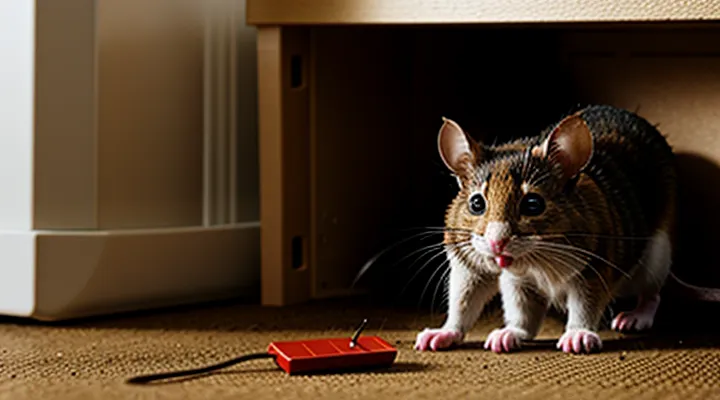
Understanding Mouse Behavior
Common Mouse Species and Habits
Understanding the biology of the most common mouse species is essential for any mouse‑control program. The house mouse (Mus musculus) dominates indoor environments, exploiting cracks, insulation, and stored food. It prefers temperatures above 20 °C, reproduces every three weeks, and can establish a population of 50 individuals from a single pair within two months. Its foraging path typically stays within a 10‑meter radius of the nest, making bait placement near wall voids highly effective.
The deer mouse (Peromyscus maniculatus) occupies both structures and surrounding vegetation. It is primarily nocturnal, foraging on seeds, insects, and occasional human food waste. Nesting sites are often found in attics, garages, or outdoor debris piles. Breeding occurs seasonally, with litters of 4‑6 young, and the species can travel up to 30 meters from its nest to locate resources.
The wood mouse (Apodemus sylvaticus) prefers rural and suburban habitats, nesting in leaf litter, hedgerows, or building foundations. It feeds on grains, fruits, and arthropods, showing a strong preference for ground cover that provides concealment. Reproductive cycles peak in spring, producing 3‑5 offspring per litter, and individuals routinely patrol a 15‑meter home range.
Key habits influencing trap success:
- Activity pattern: All three species are chiefly nocturnal; traps set before dusk capture peak movement.
- Travel distance: House mice remain close to nests; deer mice and wood mice may roam farther, requiring multiple trap stations.
- Food preferences: High‑carbohydrate baits attract house mice; seed‑based or insect‑based lures are more effective for deer and wood mice.
- Nesting locations: Structural voids, attic insulation, and outdoor debris are primary sites; placing traps adjacent to these areas maximizes encounter rates.
- Reproductive timing: Populations surge in spring and early summer; intensified trapping during these periods reduces long‑term infestation risk.
By aligning trap placement, bait selection, and timing with the specific habits of each species, control efforts achieve higher capture rates and sustain lower mouse densities.
Signs of a Mouse Infestation
Droppings and Gnaw Marks
Droppings and gnaw marks serve as reliable indicators of mouse activity, allowing precise placement of capture devices. Fresh droppings appear as small, dark, rice‑shaped pellets, typically found along walls, behind appliances, and near food sources. Consistent droppings in a specific area confirm a high‑traffic route; positioning traps directly in that pathway maximizes encounter probability.
Gnaw marks reveal the materials mice target and the direction of movement. Parallel grooves on wood, plastic, or insulation indicate the size of the rodent and the pressure applied during chewing. Identifying the start and end points of these marks outlines the preferred travel corridor, guiding the selection of trap type—snap, electric, or live‑catch—and optimal bait placement.
Key observations for effective trap deployment:
- Locate clusters of droppings within a 12‑inch radius of each other.
- Trace gnaw marks to determine the shortest uninterrupted path.
- Choose a trap that matches the identified route width (e.g., narrow corridor favors snap trap).
- Place bait at the far end of the gnawed passage to encourage full entry.
Cleaning contaminated surfaces before setting traps eliminates competing scents and reduces health risks. Use disposable gloves, a bleach solution (1 part bleach to 10 parts water), and allow the area to dry completely. Proper sanitation prevents secondary infestations and ensures that the mouse’s natural foraging behavior remains undisturbed by residual odors.
Monitoring droppings and gnaw marks after trap placement provides feedback on success. A decline in fresh pellets and a reduction in fresh gnawing signs indicate effective capture, while persistent evidence suggests the need to relocate traps or adjust bait type. Continuous assessment ensures sustained control over the rodent problem.
Nests and Sounds
Mice construct nests from shredded paper, fabric, insulation, and food debris. Nests are typically found behind appliances, inside wall cavities, under furniture, or in stored boxes. The presence of a well‑defined nest indicates a stable population and a reliable point for trap placement. Examine corners, the underside of shelves, and any area where loose material accumulates; a compact, irregularly shaped mound signals active nesting.
Sound detection complements visual inspection. Mice emit high‑frequency squeaks, rustling noises while moving bedding, and occasional chewing sounds. A handheld ultrasonic detector or a simple listening session during quiet hours can reveal these cues. Focus on areas where sounds are strongest; this usually corresponds to the nearest nest or travel path.
Effective trap deployment follows a two‑step procedure:
- Locate the nest and identify the primary runways used by the rodents.
- Position snap or live traps perpendicular to the runway, within 12‑18 inches of the nest entrance, and align bait with the direction of travel.
Additional considerations:
- Use low‑noise traps to avoid alerting mice.
- Replace or reposition traps after 24 hours if no capture occurs, guided by changes in sound intensity.
- Seal entry points discovered during inspection to prevent re‑infestation.
By combining nest identification with acoustic monitoring, trap placement becomes precise, reducing the number of devices needed and increasing capture rates.
Choosing the Right Trap
Types of Mouse Traps
Snap Traps
Snap traps remain a primary option for rapid mouse elimination. Their mechanism relies on a spring‑loaded bar that delivers an instantaneous, lethal force when the trigger plate is disturbed. The design eliminates prolonged suffering and reduces the chance of escape.
Effective deployment requires attention to three factors: placement, bait, and safety.
- Placement: Position traps along walls, behind appliances, and near known activity signs. Mice travel close to vertical surfaces; aligning the trigger plate perpendicular to the wall maximizes contact.
- Bait: Use high‑protein attractants such as peanut butter, dried meat, or cheese. Apply a pea‑sized amount to the trigger area to prevent bait from spilling and triggering prematurely.
- Safety: Secure traps on stable surfaces to avoid tipping. Keep them out of reach of children and non‑target animals; consider using plastic protective covers where accidental contact is possible.
Maintenance guidelines ensure consistent performance. Inspect traps daily; replace any that have captured a mouse or have become fouled. Clean the spring mechanism with a light oil to preserve tension. Store unused traps in a dry container to prevent rust.
When integrated into a broader rodent‑control program, snap traps provide immediate population reduction. Their low cost, ease of use, and proven lethality make them indispensable for both residential and commercial settings.
Live-Catch Traps
Live‑catch traps are devices that secure rodents without causing injury, allowing subsequent release. They consist of a cage, tunnel, or box with a trigger mechanism that closes a door when a mouse enters. The trigger can be a pressure plate, a spring‑loaded latch, or a magnetic sensor; each activates the enclosure instantly upon contact.
Successful deployment depends on strategic placement. Position traps along walls, behind appliances, or near known gnawing sites, because mice travel close to surfaces. Use a small amount of attractive bait—peanut butter, sunflower seeds, or dried fruit—applied to the trigger area. Replace bait daily to maintain potency. Ensure the trap’s entry hole matches the size of the target species; a 2‑inch opening accommodates common house mice while excluding larger pests.
Advantages of live‑catch traps include:
- Preservation of the animal for humane release
- Elimination of poison hazards for children and pets
- Ability to monitor capture rates and identify infestation hotspots
Disadvantages to consider:
- Requirement for immediate disposal or relocation of captured mice
- Potential for trap avoidance after repeated exposure
- Need for regular cleaning to prevent disease transmission
After capture, transport the trap to an outdoor release site at least 100 feet from the property. Open the enclosure gently, allowing the mouse to exit on its own. Disinfect the trap with a dilute bleach solution, rinse thoroughly, and dry before reuse. Consistent monitoring and prompt release maintain effectiveness while adhering to humane pest‑control standards.
Glue Traps
Glue traps consist of a flat surface coated with a strong adhesive that immobilizes rodents upon contact. The traps are typically placed in areas where mouse activity is evident, such as along walls, behind appliances, or near food sources. Their design requires no bait, relying solely on the sticky surface to capture the animal.
Advantages and drawbacks can be summarized:
- Immediate immobilization; no delay between capture and kill.
- Compact size; fits into tight spaces.
- Low cost per unit; economical for large‑scale deployment.
- No electricity or mechanical components; silent operation.
- Non‑selective; may capture non‑target species.
- Difficult to dispose of; requires careful handling to avoid accidental contact.
- Potential for prolonged suffering if not checked regularly.
Effective deployment demands precise placement at mouse pathways, regular inspection (at least once daily), and protective gloves when handling captured specimens. Traps should be positioned perpendicular to walls, with the adhesive side facing the expected travel direction. After capture, seal the trap in a plastic bag before disposal to prevent escape and contamination. Protective equipment and clear labeling reduce risk to humans and pets during the entire process.
Electronic Traps
Electronic traps use a high‑voltage discharge to kill mice instantly upon contact. The device contains a sensor that detects the animal’s weight or movement, then delivers a shock lasting a fraction of a second. This method eliminates the need for poison, prevents secondary poisoning of pets, and avoids the mess associated with snap or glue traps.
Key characteristics of electronic models include:
- Power source – Battery‑operated units provide portability; mains‑plugged versions ensure continuous operation.
- Detection mechanism – Pressure plates, infrared beams, or motion sensors trigger the discharge.
- Capacity – Internal chambers hold multiple carcasses, reducing the frequency of emptying.
- Safety features – Insulated housing and automatic shut‑off prevent accidental contact by children or non‑target animals.
When selecting a device, consider the following factors:
- Coverage area – Larger models suit warehouses or basements; compact units fit under cabinets or in closets.
- Battery life – Choose models with low‑power consumption or replaceable batteries for uninterrupted service.
- Ease of cleaning – Removable trays simplify disposal and reduce exposure to biohazard material.
- Noise level – Some traps emit a brief click; quieter designs are preferable in residential settings.
Installation guidelines:
- Position traps along walls, near known runways, and close to food sources.
- Place devices on flat, stable surfaces to ensure reliable sensor activation.
- Keep traps at least 12 inches away from electrical outlets and water sources to avoid short circuits.
Maintenance procedures:
- Empty the collection chamber after each kill or when it reaches the indicated capacity.
- Wipe the interior with a mild disinfectant; avoid abrasive cleaners that could damage the sensor.
- Test the discharge function monthly using the built‑in self‑check feature; replace batteries or the unit if performance declines.
Electronic traps provide rapid, humane elimination of mice while minimizing health risks and cleanup effort, making them a practical component of any rodent‑control program.
Factors to Consider When Selecting a Trap
Safety Concerns
When selecting rodent‑control devices, safety must be evaluated before installation, during operation, and after removal. Mechanical snap traps contain spring‑loaded bars that can cause severe lacerations if triggered unintentionally. Position them away from high‑traffic zones, out of reach of children and non‑target animals, and handle with thick gloves to prevent accidental release of tension. Inspect each unit for rust or cracked components; degraded mechanisms increase the risk of malfunction and unintended injury.
Chemical attractants present toxicity hazards. Anticoagulant baits contain compounds that interfere with blood clotting and can be lethal if ingested by pets or humans. Store baits in sealed containers, label clearly, and place them in tamper‑resistant stations that restrict access to small mammals only. Follow manufacturer‑specified dosage limits and dispose of unused product according to local hazardous‑waste regulations.
Adhesive boards and electronic units also carry specific risks. Glue surfaces may trap fur, feathers, or skin, requiring careful removal with protective gloves and a solvent approved for the material. High‑voltage electric traps generate a shock sufficient to kill rodents but can also pose an electrocution hazard if the device is damaged or improperly grounded. Verify that the power source is isolated, inspect cords for wear, and keep the unit out of damp environments.
Key safety actions:
- Use personal protective equipment (gloves, eye protection) when setting or checking traps.
- Locate devices in concealed areas inaccessible to children and pets.
- Maintain a log of trap placement, inspection dates, and disposal methods.
- Follow local regulations for the disposal of dead rodents and contaminated materials.
- Replace worn or damaged traps immediately to prevent accidental activation.
By integrating these precautions, users minimize health risks while maintaining effective rodent control.
Humane Considerations
When selecting devices to control rodent populations, the welfare of the captured animal must be integrated into the design and deployment process. Devices that cause prolonged suffering or unnecessary injury compromise ethical standards and may violate local regulations, reducing the overall effectiveness of pest management programs.
Key humane criteria include:
- Rapid immobilization that prevents pain beyond the moment of capture.
- Materials that avoid crushing or tearing of soft tissue.
- Mechanisms that allow safe release after a brief holding period, provided the animal is not a disease vector.
- Placement strategies that minimize accidental capture of non‑target species.
- Clear instructions for disposal or relocation that comply with wildlife protection guidelines.
Adhering to these principles ensures that control measures remain both efficient and responsible.
Effectiveness and Reusability
Effective mouse control devices are judged by capture success, time to capture, humane impact, and safety for humans and pets. High capture success—exceeding 90 % in controlled trials—demonstrates reliability. Rapid capture, measured in minutes after activation, reduces infestation spread. Designs that avoid injury to the rodent comply with humane standards and prevent secondary health risks. Safety features, such as sealed chambers or trigger guards, protect non‑target species and household members.
Reusability hinges on material durability, ease of cleaning, and cost efficiency. Stainless‑steel components withstand repeated sterilization cycles without deformation. Snap‑back mechanisms that reset with a single motion enable rapid redeployment. Replaceable bait stations extend lifespan while minimizing waste. Long‑term cost analysis shows that reusable traps offset initial expense after 15–20 uses compared with disposable alternatives. Environmental impact declines as fewer single‑use plastics enter waste streams.
Trap Placement and Baiting Strategies
Optimal Trap Locations
High-Traffic Areas
High‑traffic zones—such as kitchen counters, pantry aisles, behind appliances, and along baseboard routes—offer the greatest probability of mouse encounters. Mice habitually follow established pathways, so positioning capture devices where movement concentrates maximizes contact rates and reduces the number of traps required.
Placement guidelines:
- Align traps perpendicular to the wall, with the trigger side facing the wall, because rodents travel with their heads close to surfaces.
- Install devices within 1–2 inches of obvious entry points, including gaps under doors, vent openings, and utility conduits.
- Distribute traps at intervals of 12–18 inches along each identified runway; overlapping coverage prevents mice from bypassing isolated devices.
- Use a combination of snap traps and enclosed bait stations in the same area to address varying mouse behaviors and reduce bait theft.
Regular inspection is essential. Check each device daily for captures, replace bait, and relocate any trap that shows no activity after 48 hours. Maintaining a clean environment—removing food debris and sealing storage containers—enhances the effectiveness of the devices placed in high‑traffic sections.
By focusing on these heavily used pathways and adhering to precise positioning rules, mouse control measures achieve optimal capture efficiency while minimizing resource expenditure.
Hidden Spaces
Hidden spaces are voids that provide shelter, travel routes, and nesting sites for mice. Typical examples include wall cavities, under appliances, behind cabinets, within insulation, and inside floor joists. These areas are seldom visible during routine cleaning, allowing rodents to remain undetected while they forage and reproduce.
Identification of concealed entry points requires systematic inspection. Remove furniture to expose floor edges, probe gaps with a thin rod, and use a flashlight to scan dark corners. Look for gnaw marks, droppings, or shredded material as indicators of activity. Seal openings larger than a quarter‑inch with steel wool, caulk, or metal mesh before deploying traps.
Placement of capture devices inside hidden spaces maximizes contact with active rodents. Recommended configurations:
- Snap traps positioned perpendicular to wall surfaces, with the trigger end facing the expected travel lane.
- Glue boards affixed to the underside of cabinets or the back of appliances, where mice travel along baseboards.
- Electronic bait stations installed within wall voids, protected by a tamper‑resistant cover.
- Live‑capture cages placed in attic crawl spaces, secured to a stable surface to prevent displacement.
After deployment, inspect traps daily, record capture rates, and relocate or replace devices as needed. Maintain a clean environment by removing food residues and eliminating water sources that attract mice. Regularly reassess hidden spaces after structural repairs or seasonal changes to ensure continued effectiveness of the control program.
Effective Baits for Mice
Food-Based Baits
Food-based baits provide the strongest attraction for rodent‑targeted traps. Mice are driven by a narrow range of natural cravings; exploiting these preferences maximizes capture rates.
The most reliable attractants include:
- Peanut butter – high fat content, strong odor, adheres to trap surfaces.
- Cheese (especially aged varieties) – rich protein and scent.
- Sunflower seeds – crisp texture, easy to secure.
- Birdseed mixtures – diverse flavors appeal to foraging behavior.
- Chocolate – sweet, aromatic, potent in small quantities.
Selection criteria focus on odor intensity, durability, and resistance to spoilage. Bait should emit a scent detectable within a two‑foot radius, remain intact under humid conditions, and not attract non‑target species. Freshness is critical; stale or moldy material reduces efficacy.
Preparation steps:
- Portion bait into ½‑inch blocks to prevent spillage.
- Coat the block lightly with petroleum jelly when using snap traps to hinder removal.
- Secure the bait to the trigger mechanism with a small piece of wire or a dab of adhesive.
Placement guidelines:
- Position baited traps along walls, behind appliances, and near known gnaw marks.
- Space traps 12‑18 inches apart to cover typical mouse pathways.
- Ensure the bait faces the entry point; mice approach from the side of the trap where the scent is strongest.
Safety considerations include wearing gloves to avoid contaminating the bait with human scent and storing unused bait in airtight containers to prevent pest infestations elsewhere.
Rotating attractants every 7‑10 days prevents habituation. Alternate between fat‑rich and protein‑rich options, maintaining a log of capture numbers for each bait type. This data informs future bait selection and improves overall trap performance.
Non-Food Baits
Non‑food baits provide an alternative attraction method when food items are unavailable or undesirable. Mice respond to sensory cues such as nesting material, scent marks, and environmental stimuli, allowing traps to function without edible lures.
Common non‑food attractants include:
- Soft nesting fibers (cotton, shredded paper) that mimic material for building nests.
- Pheromone blends containing mouse‑derived chemicals that signal the presence of conspecifics.
- Essential oil vapors (peppermint, eucalyptus) that stimulate curiosity and exploratory behavior.
- Wood shavings or sawdust that replicate natural burrowing substrates.
Effective deployment follows several principles:
- Position the attractant near the trigger mechanism, ensuring direct contact with the mouse’s whiskers or paws.
- Use a minimal amount to prevent clutter that could obstruct the trap’s operation.
- Replace the bait after each catch to maintain potency.
- Combine multiple attractants only after testing for synergistic effects, as some scents may repel rather than lure.
Safety considerations:
- Verify that the chosen material does not pose a fire hazard when used with electronic traps.
- Store pheromone products in sealed containers to avoid accidental exposure to humans or pets.
- Dispose of spent baits according to local regulations to prevent environmental contamination.
Safe and Effective Trap Deployment
Setting Traps Correctly
Proper trap placement begins with identifying high‑traffic routes. Mice travel along walls, behind appliances, and near food sources. Position traps perpendicular to these pathways, with the trigger end facing the wall, so the rodent must run into the mechanism.
Select bait that appeals to the target species. Peanut butter, small pieces of cheese, or dried fruit provide strong olfactory cues. Apply a pea‑sized amount to the trigger platform; excess bait can cause premature activation or allow the mouse to escape.
Choose the appropriate trap type for the environment. Snap traps deliver immediate results in open areas, while glue boards are useful in confined spaces where a quick kill is not feasible. Ensure the device is stable on a flat surface; uneven placement reduces effectiveness.
Maintain a regular inspection schedule. Check traps at least once daily to remove captured rodents, replenish bait, and reset mechanisms. Prompt removal prevents odor buildup, which can deter further activity.
Implement safety measures to protect non‑target animals and humans. Place traps out of reach of children and pets, use protective gloves when handling captured mice, and dispose of carcasses in sealed containers.
Finally, integrate sanitation practices. Seal food containers, clean crumbs, and eliminate water sources to reduce attractants. A clean environment combined with correctly set traps maximizes capture rates and shortens the infestation period.
Monitoring and Maintenance
Regular inspection of mouse control devices is essential for sustained performance. Examine each trap at least once daily during active periods; look for signs of capture, displacement, or damage. Record findings in a simple log, noting date, location, and outcome. This data reveals patterns, informs repositioning, and highlights malfunctioning units.
Maintain trap effectiveness through systematic care:
- Remove debris and droppings from the surrounding area to prevent scent masking.
- Clean reusable mechanisms with mild soap and water; dry thoroughly before reuse.
- Replace bait after each capture or when exposure exceeds 24 hours.
- Check spring tension or adhesive integrity; repair or discard compromised units.
- Rotate traps between high‑traffic zones and less active corners to discourage habituation.
Long‑term upkeep includes periodic evaluation of trap types. Compare catch rates across snap, live‑capture, and electronic models; discontinue those with consistently low yields. Store idle traps in a sealed container to protect against moisture and rodent tampering. Conduct quarterly audits of inventory, discarding expired bait and worn components.
Consistent monitoring paired with disciplined maintenance maximizes capture efficiency, reduces unnecessary bait consumption, and extends the service life of each device.
Disposal of Captured Mice
Humane Release
Humane release is a necessary component of any strategy that employs live‑capture devices for rodent control. The goal is to remove mice from indoor environments without causing injury, then relocate them to habitats where survival is likely.
When a mouse is trapped, follow these steps:
- Transfer the animal to a secure container with ventilation before transport.
- Choose a release site at least 200 meters from the residence, in an area with natural cover such as grass, leaf litter, or a field.
- Release the mouse during daylight hours to reduce predation risk.
- Avoid handling the animal directly; use gloves or a small scoop to minimize stress.
- Observe the release from a short distance to confirm the mouse exits the container safely.
Proper disposal of the trap after release prevents accidental re‑capture. Clean the device with mild detergent, rinse thoroughly, and dry before reuse. This maintenance preserves trap effectiveness and ensures that subsequent captures remain humane.
Sanitary Disposal
Proper sanitary disposal is a critical component of any mouse control program. After a trap captures a rodent, immediate removal prevents odor buildup, bacterial growth, and attraction of additional pests. Use disposable gloves, seal the specimen in a plastic bag, and place the bag in an outdoor trash container with a tight‑fitting lid. Disinfect the trap surface with a solution of at least 1 % bleach or an EPA‑approved sanitizer before resetting or storing the device.
When handling multiple captures, follow a consistent workflow:
- Wear disposable gloves and change them between each specimen.
- Place each mouse in a separate, sealed bag to avoid cross‑contamination.
- Store bags in a dedicated, sealed container until collection by municipal waste services.
- Clean traps with hot, soapy water, rinse, then apply a disinfectant; allow the surface to air‑dry completely.
Failure to adhere to these steps can compromise household hygiene and increase the risk of disease transmission. Regularly audit disposal practices, record the number of captures, and adjust trap placement if disposal delays are observed. Maintaining strict sanitary protocols ensures that the effectiveness of mouse capture devices is not undermined by preventable health hazards.
Prevention and Long-Term Control
Sealing Entry Points
Sealing entry points prevents mice from accessing food, shelter, and nesting sites, thereby increasing the success of any trapping program. Begin by conducting a thorough inspection of the building’s exterior and interior. Look for gaps larger than ¼ inch around foundations, utility penetrations, doors, windows, and where pipes or wires enter walls. Pay special attention to the space beneath cabinets, behind appliances, and the attic floor.
Effective sealing methods include:
- Steel wool or copper mesh packed tightly into cracks, followed by a layer of caulk or expanding foam to hold the filler in place.
- Sheet metal flashing or hardware cloth (½‑inch mesh) installed over larger openings, secured with screws and sealant.
- Silicone or polyurethane sealant applied to gaps around doors, windows, and baseboards; reapply periodically as material ages.
- Weatherstripping on door sweeps and moving panels to eliminate gaps that open and close with use.
After sealing, verify integrity by conducting a smoke test: release a thin stream of smoke near suspected areas and observe any movement through the sealed joints. Maintain a schedule for re‑inspection, especially after seasonal temperature changes or structural modifications, to ensure that seals remain intact and mice cannot re‑enter.
Maintaining Cleanliness
Clean environments reduce mouse activity and increase the likelihood that baited devices will be encountered. Food residues, clutter, and standing water create attractive pathways; eliminating these elements forces rodents to travel along exposed routes where traps are positioned.
Implement the following practices to support trap performance:
- Remove crumbs, pet food, and spilled liquids from floors, countertops, and cabinets daily.
- Store dry goods in sealed containers; discard opened packages that show signs of infestation.
- Keep waste bins covered and emptied regularly to prevent odor buildup.
- Declutter storage areas, ensuring open spaces for traps to be placed without obstruction.
- Repair leaks and mop up moisture promptly; damp conditions encourage mouse movement toward hiding spots.
Regular sanitation also simplifies monitoring: fewer false triggers occur, and captured specimens can be identified quickly. Consistent cleaning routines therefore act as a force multiplier for any rodent capture system.
Professional Pest Control Services
Professional pest control firms specialize in deploying scientifically validated rodent capture solutions that outperform DIY attempts. Technicians assess infestation severity, identify entry points, and select traps calibrated for the targeted species’ behavior patterns. This systematic approach minimizes bait wastage and maximizes catch rates.
Typical equipment includes:
- Snap traps with calibrated spring tension for rapid kill.
- Multi-catch live traps designed for humane relocation.
- Electronic traps that deliver a high-voltage shock upon contact.
- Glue boards positioned in concealed pathways for secondary monitoring.
Service protocols emphasize integrated pest management (IPM). After initial trapping, specialists seal structural gaps, apply rodent-resistant sealants, and schedule follow‑up inspections to prevent re‑infestation. Documentation of trap placement, catch counts, and environmental conditions supports ongoing efficacy evaluation.
Clients receive detailed reports outlining trap performance metrics, recommended preventive measures, and a timeline for future monitoring. This data‑driven methodology ensures that rodent control remains effective, compliant with health regulations, and adaptable to changing infestation dynamics.