
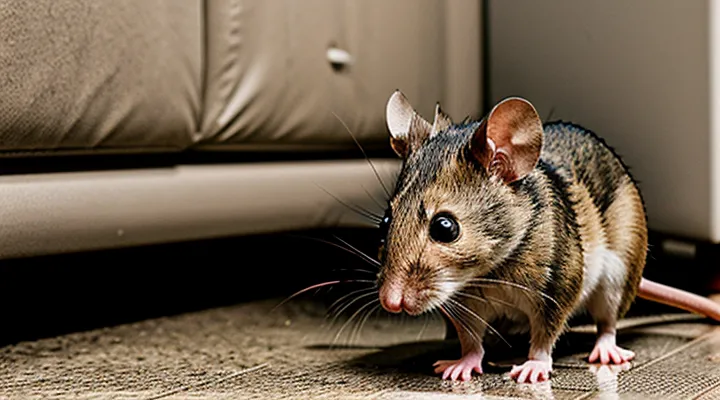
Understanding the Mouse Problem
Signs of an Infestation
Droppings and Urine
Droppings and urine serve as primary evidence of rodent activity and the most direct source of disease transmission within residential spaces. Their presence signals ongoing infestation, contaminates food surfaces, and releases pathogens such as hantavirus, leptospirosis, and salmonella, which can survive for weeks in dried feces.
Identification relies on visual cues: small, dark, pellet‑shaped droppings measuring 3–6 mm, typically found along walls, behind appliances, and in hidden corners; urine stains appear as faint, wet patches that darken over time. Concentrated deposits indicate high traffic routes and likely nesting sites, guiding targeted intervention.
Cleaning protocol:
- Wear disposable gloves and a N95 respirator.
- Collect droppings with a damp paper towel; avoid sweeping to prevent aerosolization.
- Place waste in a sealed plastic bag and discard according to local hazardous‑waste regulations.
- Apply a 10% bleach solution (1 part bleach to 9 parts water) to the contaminated area; let stand for 10 minutes before wiping clean.
- Rinse with clear water and dry thoroughly; repeat if stains persist.
Prevention focuses on eliminating conditions that attract mice and facilitate waste accumulation. Seal cracks and gaps larger than ¼ inch, install door sweeps, and repair screens. Store food in airtight containers, clean crumbs promptly, and maintain low humidity to discourage urine marking. Regular inspection of potential harborages reduces the likelihood of new droppings and urine buildup, supporting long‑term eradication efforts.
Gnaw Marks
Gnaw marks are the most reliable visual evidence of mouse activity. They appear as clean, parallel lines on wood, plastic, cardboard, or wiring, typically 2‑4 mm wide and 5‑10 mm deep. The pattern differs from rodent chewing on food containers, which is irregular and shallow. Identifying gnaw marks near entry points, storage areas, or electrical conduits confirms the presence of a rodent population and guides targeted intervention.
Recognizing gnaw marks enables precise placement of traps and bait stations, reduces unnecessary chemical use, and prevents damage to structural components. When gnaw marks are found on wiring, immediate shutdown of power and professional inspection are required to avoid fire hazards.
- Inspect corners, baseboards, and behind appliances for parallel bite lines.
- Record locations on a floor plan to map movement pathways.
- Deploy snap traps or humane catch‑and‑release devices at the outer edge of each marked zone.
- Apply rodent‑resistant sealant to fill holes adjacent to gnaw‑marked surfaces.
- Replace compromised wiring or insulation identified by gnaw marks to eliminate fire risk.
Scratching Noises
Scratching noises often signal rodent activity within walls, ceilings, or floor joists. The sound originates from mice gnawing on insulation, nesting material, or structural components as they expand burrows and create pathways. Recognizing these noises early allows timely intervention before populations grow.
When a scratching sound is heard, follow these steps:
- Locate the source by listening from multiple positions; movement of sound intensity indicates proximity.
- Inspect adjacent areas for droppings, gnaw marks, or shredded material; these physical clues confirm mouse presence.
- Seal entry points discovered during inspection with steel wool, copper mesh, or caulk; mice cannot penetrate these barriers.
- Deploy snap traps or bait stations near the identified activity zone; position devices perpendicular to walls to intersect travel routes.
- Monitor traps daily, replace bait, and document captures to assess the effectiveness of the control measures.
If scratching persists after initial actions, repeat the inspection cycle. Persistent sounds may indicate hidden nests or secondary entry points that were missed. In such cases, consider professional pest‑control assistance to conduct a thorough structural assessment and apply targeted rodenticide baits where legally permitted.
Integrating auditory detection with physical barriers and trapping creates a comprehensive approach that reduces mouse populations while minimizing damage to the home environment.
Why Mice are Attracted to Homes
Food Sources
Food availability determines mouse activity inside a residence. When edible material is accessible, rodents establish foraging routes, reproduce, and expand their presence. Removing or protecting these sources cuts the incentive for infestation.
Common attractants include:
- Uncovered pantry items such as grains, cereals, and pet food.
- Spilled crumbs on countertops, floors, and behind appliances.
- Open garbage cans or compost bins without tight lids.
- Fruit, nuts, and sugary snacks left out overnight.
Secure storage eliminates most of these risks. Transfer dry goods to airtight containers made of metal or heavy‑wall plastic. Place pet food in sealed bins and feed only at scheduled times, removing leftovers promptly. Clean surfaces after each meal; a damp cloth removes residue that may otherwise lure rodents. Dispose of waste in containers equipped with locking lids, and empty them regularly.
Preventive measures extend to structural maintenance. Seal gaps around cabinets, baseboards, and utility penetrations with steel wool and caulk, preventing mice from reaching stored food. Inspect and repair any damaged screens on vents or doors. By systematically denying access to edible material, the environment becomes inhospitable, reducing mouse populations without reliance on chemical controls.
Shelter and Warmth
Mice seek insulated locations that protect them from temperature fluctuations. Gaps around doors, windows, and utility penetrations create micro‑climates where ambient heat is retained, allowing mice to remain active throughout colder periods. Identifying and sealing these warm niches removes the environmental incentive for infestation.
- Inspect exterior walls for unsealed cracks larger than ¼ inch and apply steel wool followed by caulk or expanding foam.
- Close gaps around pipe entries, vents, and electrical conduits with metal mesh or silicone sealant.
- Install door sweeps and weather stripping to eliminate drafts that provide hidden cavities.
- Reduce indoor heat sources that may attract rodents, such as unattended appliances or warm storage areas.
Limiting shelter and warmth forces mice to expose themselves to traps and baits, increasing the efficacy of control measures while preventing re‑colonization.
Easy Access Points
Mice enter residential spaces through gaps that provide unobstructed routes from the exterior or from adjoining rooms. Identifying and eliminating these openings reduces the likelihood of infestation more effectively than any chemical intervention alone.
Typical entry points include:
- Gaps around exterior doors and windows, especially where weather‑stripping is worn or missing.
- Openings around utility penetrations such as pipe sleeves, cable conduits, and vent ducts.
- Cracks in foundation walls, crawl‑space access panels, and basement windows.
- Unsealed gaps beneath cabinets, appliances, and baseboards.
- Holes in siding, soffits, and eaves where rodents can climb.
To secure each point, follow a systematic approach:
- Inspect all potential openings with a flashlight and a thin probe or mirror.
- Measure the width of each gap; any opening larger than ¼ inch (6 mm) permits mouse passage.
- Apply appropriate sealants: steel wool combined with caulk for small cracks, expanding foam for larger voids, and metal flashing or hardware cloth for structural gaps.
- Replace damaged weather‑stripping and install door sweeps on all exterior doors.
- Verify that vent covers and utility openings are fitted with mesh screens rated for rodent exclusion.
Regularly repeat the inspection cycle, especially after seasonal weather changes, to maintain a barrier that prevents rodents from exploiting easy access points.
Prevention and Exclusion
Sealing Entry Points
Inspecting Foundation Cracks
Inspecting foundation cracks is a critical step in any home mouse control plan. Cracks provide direct entry points for rodents, allowing them to move from the soil into walls, crawl spaces, and living areas. Identifying these openings early prevents infestation and reduces the need for extensive extermination measures.
When examining the foundation, follow a systematic approach:
- Walk the perimeter with a flashlight, noting any gaps wider than ¼ inch.
- Use a mirror or a small camera to view hidden sections behind siding or under decks.
- Check for signs of activity, such as gnaw marks, droppings, or shredded material near the cracks.
- Measure each opening and record its location for targeted sealing.
After documentation, prioritize repairs based on size and proximity to food storage areas. Apply appropriate sealants—expanding foam for small gaps, cement or steel mesh for larger fissures. Ensure the material adheres firmly to both the interior and exterior surfaces to create a durable barrier. Regular re‑inspection after weather changes confirms the integrity of the repairs and maintains an effective defense against mice.
Repairing Gaps Around Pipes and Wires
Sealing openings around utility lines prevents mice from entering walls and floors. Rodents exploit even the smallest cracks to travel between exterior and interior spaces, so eliminating these pathways blocks access points directly.
- Inspect all visible pipe and wire penetrations in basements, crawl spaces, and utility rooms.
- Insert steel wool into gaps no larger than a quarter‑inch; rodents cannot chew through the metal fibers.
- Apply fire‑rated caulk over the steel wool to create a durable seal that resists moisture and heat.
- For larger voids, use expanding spray foam rated for structural applications; insert a thin metal mesh before the foam cures to reinforce the barrier.
- Fit metal flashing or conduit sleeves around pipes that pass through exterior walls; secure with screws and sealant to prevent movement.
- Verify that all connections are flush with the surrounding surface; recessed or protruding fittings create new entry routes.
Regularly review sealed areas after seasonal changes or renovations. Reapply caulk or foam where cracks reappear, and replace damaged steel wool promptly. Maintaining an airtight envelope around pipes and wires sustains the overall effectiveness of home mouse control measures.
Installing Door Sweeps and Vents Screens
Door sweeps and vent screens create a physical barrier that prevents mice from entering through gaps under doors and in ventilation openings. By sealing these common entry points, the interior environment becomes unsuitable for rodent infiltration, reducing the need for chemical controls.
When choosing products, prioritize materials that resist gnawing, such as stainless steel or heavy‑duty aluminum. Measure the clearance under each door and the dimensions of vent openings to ensure a snug fit. Opt for sweeps with a flexible brush or rubber seal that maintains contact with uneven flooring.
Installation procedure:
- Remove any existing sweep or screen, cleaning the surface of dust and debris.
- Align the new sweep with the door bottom, confirming that the brush or seal touches the floor when the door is closed.
- Secure the sweep with the supplied screws, tightening until the barrier is firm but not deformed.
- For vent screens, detach the vent cover, position the screen inside the duct, and fasten it with clips or screws, ensuring no gaps remain.
- Reattach the vent cover, confirming that airflow is unobstructed.
Regular maintenance extends effectiveness. Inspect sweeps weekly for wear, replacing brushes or seals that show signs of damage. Clean vent screens monthly to prevent dust buildup that could compromise the seal. Promptly address any displacement caused by door adjustments or building settlement.
Implementing these barriers directly blocks the most frequent mouse ingress routes, forming a core component of a comprehensive home rodent‑control program.
Eliminating Food and Water Sources
Storing Food in Airtight Containers
Storing food in airtight containers eliminates accessible food sources that attract rodents, thereby reducing the likelihood of infestation. When food is sealed, mice cannot detect odors or chew through packaging, which cuts off a primary incentive for entry into the kitchen.
Choose containers made of heavy‑wall plastic, glass, or metal with proven sealing mechanisms such as silicone gaskets or locking lids. Verify that the seal remains intact after each use; any compromised edge permits scent leakage and potential entry.
Implement the following routine:
- Transfer all dry goods, grains, and pet food into sealed containers immediately after purchase.
- Label each container with the purchase date to monitor freshness and detect any breach.
- Inspect seals weekly; replace lids or containers showing wear.
- Clean containers with hot, soapy water before refilling to remove residue that could attract pests.
Consistent application of these practices supports a controlled environment where mice find no viable nourishment, complementing other control measures such as exclusion, trapping, and sanitation.
Cleaning Up Spills and Crumbs Promptly
Prompt removal of food residues directly reduces the attraction that sustains mouse populations in residential settings. Moisture from spills and scattered crumbs provide both nourishment and nesting material; eliminating these resources forces rodents to seek alternative habitats, decreasing the likelihood of infestation.
- Wipe liquid spills immediately with a disposable cloth or paper towel; disinfect the area to prevent odor buildup.
- Sweep or vacuum crumbs after each meal, focusing on kitchen counters, dining surfaces, and under appliances.
- Store dry goods in sealed containers; avoid open bags or boxes that can release particles.
- Clean pet feeding stations daily; discard leftover food and wash bowls with hot, soapy water.
- Inspect the floor after cooking or baking, paying special attention to edges of cabinets and the backsplash where droplets may collect.
Consistent execution of these actions removes the primary food sources that mice exploit, reinforcing broader pest‑management measures and supporting long‑term eradication efforts.
Fixing Leaky Faucets and Pipes
Leaking faucets and pipes create moisture sources that draw mice into residential spaces, provide easy travel routes, and increase the likelihood of nest establishment. Eliminating these water sources removes a critical attractant and reduces the habitat suitability for rodents.
- Turn off the water supply at the shut‑off valve before beginning repairs.
- Inspect joints, connections, and faucet cartridges for corrosion, cracks, or loose fittings.
- Replace worn washers, O‑rings, or seals with appropriate-sized replacements.
- Tighten connections using a pipe wrench; avoid over‑tightening to prevent pipe deformation.
- Apply plumber’s tape or pipe sealant to threaded joints to ensure a watertight seal.
- Test the repaired fixture by restoring water flow and observing for drips over several minutes.
After repairs, verify that all fixtures operate without excess condensation and that drainage systems remain unobstructed. A dry environment deprives mice of water, limiting their ability to survive and reproduce, thereby supporting broader rodent‑control measures within the home.
Maintaining a Clean Environment
Decluttering Storage Areas
Decluttering storage spaces removes shelter and food sources that attract mice, directly reducing infestation risk. Packed boxes, unused items, and accumulated debris create hidden pathways and nesting sites; eliminating these reduces the habitat suitability for rodents.
Key actions for effective storage-area sanitation:
- Remove all items from closets, garages, and basements; sort into keep, donate, discard categories.
- Clean surfaces with a disinfectant solution to eliminate residue and scent trails.
- Install sealed containers for retained items; use metal or heavy‑plastic bins with tight‑fit lids.
- Elevate stored goods off the floor on shelving that allows inspection of the floor below.
- Inspect and repair structural gaps, cracks, or holes in walls, floors, and ceilings that could serve as entry points.
Consistent maintenance of organized storage prevents re‑accumulation of clutter, sustaining a hostile environment for mice and supporting long‑term rodent control throughout the residence.
Regular Vacuuming and Mopping
Regular vacuuming and mopping remove food particles, droppings, and nesting material that attract rodents. By eliminating these resources, the environment becomes less hospitable, discouraging mice from establishing or expanding colonies.
Key actions for optimal results:
- Vacuum floors, baseboards, and corners daily with a high‑efficiency filter to capture debris and shed hair.
- Follow each vacuum session with a thorough mop using a disinfectant solution; focus on areas behind appliances and under furniture where moisture can accumulate.
- Empty and clean the vacuum container or replace the bag after every use to prevent re‑contamination.
- Schedule deep cleaning of hard‑to‑reach spaces (e.g., behind cabinets) weekly to disrupt hidden food caches.
Consistent implementation of these practices reduces the availability of sustenance and shelter, thereby supporting broader rodent‑control measures in residential settings.
Trimming Vegetation Around the House
Keeping plant growth close to the building limits mouse access points and reduces shelter opportunities. Dense shrubs, tall grasses, and vines create continuous cover from the exterior to the roof, allowing rodents to move undetected. When vegetation is trimmed, gaps become visible, making it easier to seal cracks and install barriers.
Regular maintenance should follow a systematic schedule:
- Cut back all shrubs to a maximum height of 12 inches from the ground.
- Remove vines that climb the façade or reach the eaves.
- Trim lawn edges at least two feet away from the foundation.
- Dispose of clippings in sealed bags or compost bins with tight lids.
- Inspect the trimmed area weekly for new growth and re‑trim as needed.
Implementing these actions during early spring and late summer maximizes effectiveness, as mouse activity peaks when food sources are abundant. Using electric or manual pruners ensures clean cuts that do not damage plant roots, preserving landscape health while denying rodents shelter. After trimming, inspect the perimeter for gaps larger than ¼ inch, seal them with steel wool or caulk, and consider installing a low‑profile metal flashing along the base of the house.
By maintaining a clear zone around the structure, homeowners remove a primary conduit for mouse ingress, complementing other control measures such as bait placement and interior sealing. This straightforward practice contributes directly to a reduced mouse population inside the residence.
Eradication Methods
Trapping Techniques
Snap Traps: Placement and Baiting
Snap traps provide a direct, chemical‑free solution for indoor mouse control, delivering immediate results when positioned correctly and baited effectively.
- Install traps along established travel routes: walls, behind appliances, and near entry points.
- Target concealed pathways such as gaps under cabinets, behind baseboards, and within cluttered corners.
- Position traps perpendicular to the wall, with the trigger side facing the rodent’s expected direction of movement.
- Space multiple traps 1–2 feet apart in high‑traffic zones to increase capture probability.
Bait selection influences trap success. Use high‑protein or high‑fat items that mice cannot resist, applying them in a manner that forces the animal to engage the trigger.
- Preferred baits: peanut butter, small pieces of cheese, cooked bacon, or raw nuts.
- Apply a pea‑sized amount directly to the trigger platform; avoid excess that allows the mouse to eat without activating the mechanism.
- Rotate bait types weekly to prevent habituation.
Regular inspection and proper disposal maintain trap efficacy and safety.
- Check traps daily; remove captured mice promptly, using gloves and sealed containers.
- Reset or replace traps after each capture to prevent loss of sensitivity.
- Store unused traps out of reach of children and pets, securing the spring mechanism.
Adhering to precise placement and baiting protocols maximizes snap trap performance, contributing to a swift reduction in mouse activity throughout the residence.
Live Traps: Humane Removal
Live traps provide a practical option for removing mice without killing them. The devices consist of a cage that closes when a mouse triggers a sensor or steps on a pressure plate. This method captures the animal alive, allowing owners to release it far from the residence.
Choosing the right trap involves several considerations. Opt for models with sturdy construction, a secure latch, and a smooth interior to prevent injury. Transparent sides facilitate observation of capture activity. Size specifications should match typical house mouse dimensions—approximately 6–8 cm body length.
Effective placement maximizes capture rates. Position traps along walls, behind appliances, and near known gnaw marks, because mice travel close to surfaces. Use a small amount of attractive bait, such as peanut butter or rolled oats, placed at the far end of the cage to encourage full entry. Check traps at least twice daily; prolonged confinement increases stress and the likelihood of escape.
When releasing captured mice, follow these steps:
- Transport the trap to a location at least 1 km from the home, preferably in a wooded or field area.
- Open the latch slowly to allow the mouse to exit without sudden movements.
- Remain stationary for a few seconds to let the animal orient itself before retreating.
After each capture, clean the trap with hot, soapy water and disinfect with a mild bleach solution. Inspect for wear or damage before reuse.
Integrating live traps with complementary measures—such as sealing entry points, removing food sources, and maintaining low indoor humidity—creates a comprehensive approach to domestic rodent control while adhering to humane standards.
Electronic Traps: Advantages and Disadvantages
Electronic traps attract rodents with a rapid, high‑voltage shock that kills instantly. Their operation relies on a sensor that detects movement, a power source, and a sealed chamber that contains the carcass.
Advantages
- Immediate lethality eliminates suffering and prevents disease transmission.
- Enclosed design prevents exposure to poison, reducing risk to children and pets.
- Reusable; a single unit can treat dozens of mice before battery replacement.
- Minimal odor; no chemical residue remains after each kill.
- Easy monitoring; a clear indicator shows when a mouse has been captured.
Disadvantages
- Higher initial cost compared to snap or glue traps.
- Requires reliable electricity or battery; power loss disables the device.
- Limited capacity; once the chamber fills, the trap must be emptied before further use.
- Some models emit audible clicks, which may be disruptive in quiet environments.
- Ineffective against very small rodents that fail to trigger the sensor.
When integrated into a comprehensive pest‑control plan, electronic traps provide rapid, humane removal while demanding proper placement, regular maintenance, and supplemental measures such as sealing entry points and eliminating food sources.
Baits and Rodenticides
Understanding Different Types of Baits
When a mouse infestation threatens a residence, the choice of bait directly influences control outcomes. Understanding the mechanisms, hazards, and optimal applications of each bait type enables targeted action and minimizes unintended exposure.
- Rodenticides – Chemical compounds that disrupt physiological processes. Common active ingredients include anticoagulants (e.g., bromadiolone) and neurotoxins (e.g., bromethalin). Effective when placed in sealed stations; require strict adherence to safety guidelines to protect children, pets, and non‑target wildlife.
- Snap‑trap bait – Food attractants (peanut butter, chocolate, dried fruit) applied to a spring‑loaded bar. Provides immediate kill, allows rapid assessment of activity. Requires precise placement along walls and frequent resetting.
- Glue boards – Adhesive surfaces coated with a scented lure. Capture rodents without lethal chemicals. Best suited for monitoring or low‑severity situations; disposal must follow local regulations due to humane concerns.
- Live‑capture traps – Baited cages that confine mice for relocation. Suitable for environments where killing is prohibited. Demands prompt release and sanitation to prevent disease spread.
- Bait stations with tamper‑resistant lids – Contain powdered or pelletized rodenticides, limiting access to authorized personnel. Ideal for multi‑unit dwellings where accidental contact is a risk.
- Natural repellents – Essential oils (peppermint, eucalyptus) or predator urine used as deterrents rather than lethal bait. Offer short‑term reduction of activity; effectiveness varies with concentration and environmental conditions.
Key considerations for all bait types include:
- Target specificity – Match bait scent to mouse preferences; avoid foods that attract insects or other pests.
- Placement strategy – Position baits parallel to walls, within 2 inches of baseboards, and away from open spaces where non‑target animals may encounter them.
- Environmental safety – Use sealed containers for toxic baits; store unused material in locked, labeled containers.
- Regulatory compliance – Follow local pest‑control statutes regarding pesticide usage, disposal, and reporting.
By evaluating these attributes, homeowners can select the most appropriate bait, integrate it into a comprehensive control plan, and achieve reliable reduction of mouse populations.
Safe and Responsible Use of Rodenticides
Rodenticides can eliminate mouse infestations quickly, but they must be handled with strict safety measures to protect occupants, pets, and the environment.
Choose products that are specifically labeled for indoor use, contain active ingredients with low secondary toxicity, and provide clear dosage instructions. Verify that the formulation complies with local regulatory standards before purchase.
Apply bait only in sealed containers or tamper‑resistant stations. Place stations along walls, behind appliances, and in concealed entry points where mice travel. Do not scatter loose bait; this reduces the risk of accidental ingestion by non‑target species.
Maintain a safe distance of at least 3 feet between bait stations and food preparation surfaces, children’s play areas, and pet zones. Use child‑proof locks on doors leading to bait locations when possible. Monitor stations daily; replace only when bait is depleted or expired.
Dispose of used bait and empty containers according to the manufacturer’s hazardous‑waste guidelines. Record the date of application, product name, and location of each station for future reference and regulatory compliance.
Key safety practices
- Verify product registration and label warnings.
- Install bait in tamper‑resistant devices.
- Keep stations out of reach of children and animals.
- Inspect and replenish bait regularly.
- Follow prescribed disposal procedures.
Adhering to these protocols ensures that rodenticides contribute effectively to mouse control while minimizing health hazards and environmental impact.
Risks to Pets and Children
When rodent control measures are applied inside a dwelling, pets and children become vulnerable to unintended harm. Toxic chemicals, traps, and bait stations designed for mice can affect non‑target organisms if accessed or mishandled.
- Ingestion of anticoagulant baits may cause internal bleeding in dogs, cats, and toddlers.
- Contact with snap or glue traps can result in lacerations, bruises, or paw injuries.
- Secondary poisoning occurs when a pet consumes a mouse that has ingested poison, leading to delayed toxicity.
- Respiratory irritation may arise from aerosolized rodenticides or powdered repellents.
- Psychological stress can develop in animals repeatedly exposed to sudden trap activation.
To reduce these hazards, follow a disciplined protocol: select pet‑safe formulations such as low‑toxicity baits placed behind appliances or in sealed compartments; install traps in areas inaccessible to children and animals; keep all rodent control products out of reach and store them in locked cabinets; supervise pets during treatment periods; and consider non‑chemical alternatives—ultrasonic devices, exclusion of entry points, and sanitation—to limit reliance on poisons.
Implementing these precautions ensures that mouse elimination efforts protect the household’s most vulnerable members while maintaining effectiveness.
Natural Deterrents
Peppermint Oil and Other Essential Oils
Peppermint oil possesses a strong, volatile scent that mice find intolerable. When applied correctly, it creates an environment that discourages rodents from entering or remaining in treated areas.
- Dilute 10‑15 ml of peppermint essential oil with an equal amount of water and a few drops of dish‑soap to improve adhesion.
- Soak cotton balls in the solution and place them in corners, behind appliances, and near known entry points.
- Replace the cotton balls every 3–4 days to maintain potency.
Other essential oils exhibit similar repellent properties and can be used alone or in combination with peppermint for broader coverage.
- Eucalyptus oil: Emits a sharp, mentholated aroma that interferes with mice’s olfactory receptors. Apply using the same cotton‑ball method.
- Clove oil: Contains eugenol, a compound toxic to rodents at high concentrations. A few drops on cotton or a spray mixture can augment deterrence.
- Lavender oil: While pleasant to humans, its strong floral scent is unpleasant to mice. Use as a supplemental layer in sleeping quarters.
Effectiveness depends on consistent application, proper placement near potential pathways, and periodic renewal of the oil‑infused media. Combining multiple oils may increase the range of scents, reducing the likelihood that mice become habituated to a single odor. For optimal results, integrate oil treatments with physical barriers, sanitation, and trap deployment as part of a comprehensive home rodent‑control program.
Ultrasonic Devices: Efficacy Review
Ultrasonic rodent repellents emit high‑frequency sound waves that are inaudible to humans but intended to disturb the auditory system of mice. The devices typically operate within the 20–65 kHz range and are marketed for continuous indoor use, often with adjustable timers or automatic shut‑off when rooms are unoccupied.
Laboratory studies demonstrate that exposure to frequencies above 30 kHz can produce stress responses in laboratory‑bred mice, leading to reduced feeding and locomotor activity. Field trials in residential settings, however, reveal inconsistent outcomes. A meta‑analysis of 12 independent investigations reports an average reduction in capture rates of 22 % compared with untreated control areas, with confidence intervals crossing zero in half of the studies. The variability correlates with factors such as:
- Placement height (optimal 1–2 m above floor)
- Obstructions (furniture, walls, and flooring dampen wave propagation)
- Ambient noise (background sounds above 20 kHz interfere with device output)
Device efficacy diminishes when ultrasonic waves encounter solid barriers; reflections create zones of silence that mice can exploit. Consequently, a single unit rarely provides uniform coverage in multi‑room homes, and manufacturers’ claims of whole‑house protection are unsubstantiated.
Safety considerations are minimal for occupants, as the frequencies lie outside the human audible spectrum. However, pets with higher hearing ranges—particularly cats, dogs, and small mammals—may experience discomfort. Reports indicate behavioral changes in some dogs, including increased agitation and avoidance of treated areas.
Practical recommendations for homeowners seeking ultrasonic solutions:
- Conduct a pre‑treatment assessment to identify entry points and nesting sites; ultrasonic devices should complement, not replace, exclusion and sanitation measures.
- Install one unit per 150–200 ft², positioning it centrally in open space and away from large furniture or appliances.
- Use a timer to activate the device during periods of peak mouse activity (typically dusk to early morning) while disabling it during daytime to reduce potential pet distress.
- Monitor trap or bait station data for at least four weeks to verify any decline in mouse activity; discontinue use if no measurable impact is observed.
Overall, ultrasonic repellents can contribute modestly to a comprehensive mouse‑control program, provided they are deployed with proper coverage, integrated with physical barriers, and evaluated through systematic observation. Their standalone effectiveness remains limited, and reliance on these devices alone is unlikely to achieve satisfactory eradication.
Introducing Natural Predators
Natural predators provide a direct, chemical‑free means of reducing mouse populations within residential environments. Introducing a predator creates a biological pressure that disrupts rodent activity and limits reproduction cycles.
- Domestic cats: efficient hunters, require indoor access and regular veterinary care.
- Ferrets: agile, prey‑oriented, suitable for confined spaces, need secure housing and daily supervision.
- Barn owls: effective for outdoor perimeters, attracted by installing nesting boxes and maintaining open foraging areas.
- Small snakes (e.g., corn snakes): can be housed in secure terrariums near entry points, require controlled temperature and humidity.
Implementation steps:
- Assess the home layout to identify entry points and areas with frequent mouse sightings.
- Choose a predator compatible with the household’s size, occupants, and pet policies.
- Prepare a safe habitat: provide shelter, food, water, and enrichment to sustain the predator’s health.
- Position the habitat near identified rodent activity zones while ensuring barriers prevent unintended escape.
- Monitor predator behavior and mouse activity daily; adjust placement or habitat conditions as needed.
Safety and ethical considerations include regular veterinary examinations, secure containment to protect both humans and the predator, and adherence to local wildlife regulations. Properly managed, natural predators can significantly diminish mouse presence without reliance on poisons or traps.
Post-Eradication Measures and Monitoring
Cleaning and Sanitization
Disposing of Carcasses Safely
Proper disposal of mouse carcasses prevents disease spread, eliminates odor, and deters predators from returning to the infested area. After trapping, wear disposable gloves and seal the dead animal in a double‑layered plastic bag. Secure the knot tightly to avoid leakage.
- Place the sealed bag in a sturdy trash container with a tight‑fitting lid.
- Store the container away from food preparation zones until collection day.
- If local regulations require, label the bag as “rodent carcass” for waste‑handling personnel.
When municipal services accept dead animal waste, schedule pickup according to the agency’s guidelines. For areas without such services, transport the sealed bags to a licensed landfill or incineration facility. Disinfect gloves and any surfaces contacted with a solution of 1 part bleach to 9 parts water, then wash hands thoroughly with soap. This protocol ensures safe removal of carcasses while supporting overall mouse‑control efforts at home.
Disinfecting Contaminated Areas
Disinfecting areas contaminated by mice eliminates health hazards and prevents re‑infestation. After confirming rodent activity, focus on zones where droppings, urine, or gnaw marks are present.
Identify all affected surfaces, including countertops, cabinets, floors, and hidden crevices. Remove visible debris before applying any chemical agent.
Select a disinfectant proven against pathogens commonly carried by rodents, such as a 10 % bleach solution, EPA‑registered household disinfectant, or hydrogen peroxide at 3 % concentration. Verify that the product is safe for the material being treated.
Apply the disinfectant according to the manufacturer’s contact time:
- Wet the surface thoroughly, ensuring complete coverage.
- Maintain the recommended dwell period (usually 5–10 minutes) to achieve full microbial kill.
- Rinse or air‑dry the area as instructed, especially on food‑contact surfaces.
Wear protective gloves and eye protection during the process. Ventilate the room to disperse fumes; use a fan or open windows if the disinfectant emits strong odors.
After treatment, seal any entry points that allowed mouse access, and monitor the area for residual odor or staining, which may indicate incomplete cleaning. Repeat disinfection if new droppings appear, maintaining a schedule that aligns with ongoing pest‑management efforts.
Preventing Future Infestations
A lasting solution against rodents requires proactive measures that stop new mice from entering a residence. The following actions create conditions that are hostile to mice and sustain a pest‑free environment.
- Inspect the building envelope weekly; seal cracks, gaps around pipes, vents, and utility lines with steel wool, caulk, or metal flashing.
- Install door sweeps on exterior doors and repair damaged weatherstripping to eliminate floor‑level openings.
- Store all food in airtight containers; keep countertops, floors, and cabinets free of crumbs and spills.
- Remove standing water sources by fixing leaks, emptying pet water bowls nightly, and drying wet areas promptly.
- Relocate clutter such as cardboard boxes, paper piles, and debris away from walls; maintain a tidy storage area to reduce hiding places.
- Place snap traps or electronic devices in known travel routes, checking and resetting them regularly to detect early activity.
- Conduct quarterly inspections of attics, basements, and crawl spaces; clear insulation, debris, and nesting material that could support mice.
Consistent application of these practices prevents re‑infestation and reinforces the effectiveness of any mouse‑removal program already implemented.
Ongoing Monitoring
Regular Inspection for Re-infestation
Regular inspection is a critical component of any home mouse control program. Without systematic monitoring, a small population can quickly expand, undoing previous eradication efforts.
A practical inspection routine includes:
- Frequency: Conduct a visual sweep at least once a week for the first month after treatment, then reduce to bi‑weekly intervals once no signs appear for three consecutive checks.
- Target areas: Examine kitchen cabinets, pantry shelves, behind appliances, under sinks, attic rafters, and utility closets. Pay special attention to gaps around pipes, vents, and wiring conduits.
- Evidence checklist: Look for droppings (1‑2 mm black pellets), gnaw marks on wood or plastic, urine stains, and fresh footprints in dusty corners. Use a flashlight to illuminate concealed spaces.
- Trap and bait verification: Ensure all traps remain functional, bait stations are intact, and replace any that have been triggered or show signs of tampering.
- Seal assessment: After each inspection, note any new entry points discovered and apply appropriate sealing material (steel wool, caulk, or metal flashing) immediately.
Document each inspection in a log that records date, inspected locations, findings, and corrective actions taken. This record creates a timeline that highlights trends, such as increasing activity in a specific zone, allowing prompt escalation of control measures.
Integrating regular monitoring with the broader mouse elimination approach sustains results, prevents re‑establishment, and minimizes the need for repeated large‑scale interventions.
Maintaining Preventative Measures
Regular inspection of the building envelope is essential. Identify cracks, gaps around pipes, vents, and doors; seal them with steel wool, caulk, or metal flashing. Re‑evaluate seals quarterly, especially after seasonal temperature changes that can shift structures.
Maintain a clean environment to eliminate food sources. Store dry goods in airtight containers, promptly clean crumbs and spills, and keep garbage in sealed bins. Remove clutter from storage areas, as piles provide hiding places and travel routes.
Implement a monitoring system. Place snap traps or electronic devices along known pathways and inspect them weekly. Record capture locations to detect emerging activity zones and adjust barriers accordingly.
Ensure trap effectiveness. Replace bait regularly to preserve odor strength, and check mechanical components for wear. Dispose of captured rodents promptly and sanitize traps with a diluted bleach solution before reuse.
Control outdoor attractants. Trim vegetation away from the foundation, keep compost bins sealed, and eliminate standing water. Install motion‑activated lights near entry points to discourage nocturnal foraging.
Schedule professional assessments annually. A licensed pest manager can conduct a comprehensive survey, recommend structural upgrades, and apply rodent‑resistant materials where needed.
By adhering to these preventative actions, a household reduces the likelihood of infestation, limits population growth, and supports long‑term rodent management.
When to Call Professionals
Professional intervention becomes necessary when a mouse problem exceeds the capacity of DIY measures. Typical indicators include:
- Repeated sightings despite traps, bait stations, or sealing attempts.
- Evidence of structural damage, such as gnawed wires, insulation, or furniture.
- Presence of droppings or urine in large quantities, suggesting a breeding population.
- Signs of disease risk, especially in households with children, elderly, or immunocompromised individuals.
- Persistent odors or contamination of food storage areas that cannot be eliminated with standard cleaning.
Another critical factor is the complexity of the infestation site. Hidden access points within walls, crawl spaces, or attics often require specialized equipment and expertise to locate and seal. When structural repairs are needed to prevent re‑entry, licensed contractors can ensure compliance with building codes and safety standards.
Legal and health regulations may also mandate professional treatment. Certain municipalities impose mandatory pest control reporting for infestations that threaten public health. In such jurisdictions, failure to engage certified exterminators can result in fines or liability for property damage.
Lastly, time constraints and safety concerns justify calling experts. Chemical baits and fumigation agents demand precise handling, proper ventilation, and adherence to label instructions. Trained technicians possess the knowledge to apply these methods safely, reducing exposure risks for occupants and pets.
If any of these conditions are present, arranging for a qualified pest‑control service promptly prevents escalation, safeguards health, and protects property integrity.