
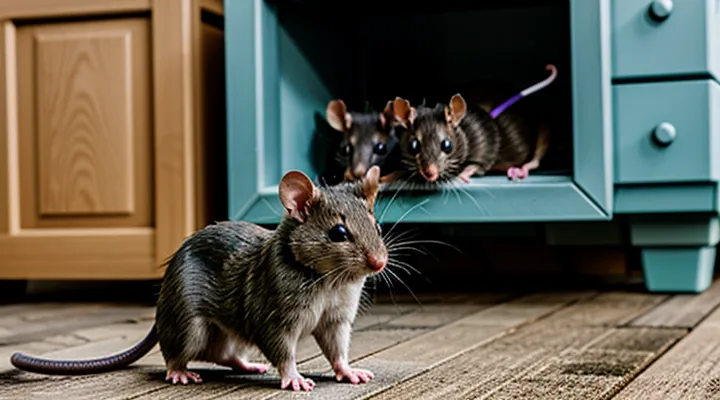
Understanding Rodent Control: Why It's Necessary
Health Risks Associated with Rodents
Disease Transmission
Rodent-borne diseases, such as leptospirosis, hantavirus, and salmonellosis, thrive in environments where rats and mice find food and shelter. When selecting a rodent control agent, consider how the poison influences pathogen transmission.
First, anticoagulant baits cause internal hemorrhage, leading to carcasses that may be scavenged by other animals or left to decompose. This process can release infectious material into the surrounding area, increasing the risk of contamination for humans, pets, and wildlife. Second, fast‑acting neurotoxic poisons often result in rapid death, reducing the time for pathogen shedding but potentially leaving corpses in inaccessible locations where they decay unnoticed. Third, chronic low‑dose anticoagulants allow rodents to survive longer while ingesting sublethal amounts, extending the period during which they can excrete bacteria and viruses.
Key considerations for minimizing disease spread:
- Choose formulations that incorporate a secondary attractant to ensure rapid consumption and reduce the likelihood of partial ingestion.
- Use tamper‑resistant bait stations to limit access by non‑target species, preventing secondary poisoning and subsequent pathogen movement through the food chain.
- Implement an integrated pest management plan that combines baiting with sanitation, structural exclusion, and population monitoring to lower overall rodent density and thus disease prevalence.
- Rotate active ingredients according to local resistance patterns to avoid sublethal exposure that prolongs pathogen shedding.
Monitoring dead rodents, regularly cleaning bait stations, and disposing of carcasses according to public health guidelines further diminish the potential for disease transmission. Selecting a rodent poison with these safety parameters aligns control efficacy with public health protection.
Contamination of Food and Surfaces
When selecting a rodent toxicant, the risk of contaminating food and contact surfaces must be evaluated. Bait placement should prevent accidental ingestion by non‑target species and avoid exposure of stored foodstuffs. Use tamper‑resistant dispensers that restrict access to the poison while allowing rodents to feed. Position devices along walls, behind appliances, and in concealed gaps where food is not stored.
Key practices to minimize contamination:
- Install bait stations at least 12 inches away from pantry shelves, countertops, and food preparation areas.
- Seal cracks and openings that could allow rodents to transport poison into food containers.
- Regularly inspect stations for spillage; clean any residues with disposable gloves and a detergent solution approved for food‑contact surfaces.
- Replace damaged or overturned stations immediately to prevent drift of toxic material onto surfaces.
Product choice influences contamination potential. Formulations that are solid, low‑dust, and encased in sealed matrices reduce the likelihood of particles dispersing onto surfaces. Liquid or powdered poisons generate fine particles that can settle on food packages and utensils, increasing the hazard. Preference should be given to baits designed for indoor use with built‑in safety mechanisms, such as child‑proof locks and limited‑exposure chambers.
Documentation of bait locations, inspection dates, and cleaning actions creates a traceable record that supports compliance with health regulations and facilitates rapid response if contamination is detected. Implementing these controls ensures that rodent control remains effective while preserving the integrity of food supplies and household surfaces.
Economic Impact of Rodent Infestations
Damage to Property and Infrastructure
Rodent infestations cause structural deterioration, electrical failures, and water‑system contamination. When selecting a rodenticide, the potential for such damage must be weighed against the product’s efficacy and safety profile.
Common damage includes:
- Chewed insulation and wiring, leading to short circuits or fire hazards.
- Burrowed tunnels beneath foundations, undermining load‑bearing walls and flooring.
- Contaminated food storage and processing equipment, resulting in costly sanitation and product recalls.
- Blocked drainage and sewer lines, creating overflow and mold growth.
A safe product minimizes secondary harm. Formulations that are low‑toxicity to non‑target species, have limited secondary poisoning risk, and degrade rapidly reduce the likelihood of residue accumulation on surfaces and in water supplies. Products requiring precise placement—such as bait stations—confine the toxic agent, preventing accidental contact with building materials.
Choosing an appropriate rodenticide involves:
- Verifying that the active ingredient does not corrode metal or degrade polymers commonly used in construction.
- Confirming that the delivery method (gel, block, station) limits exposure to structural components.
- Ensuring compliance with local regulations on environmental impact and disposal, which helps avoid penalties and remediation costs.
By prioritizing these criteria, property owners can control rodent populations while preserving the integrity of buildings and infrastructure.
Agricultural Losses
Rodent activity in fields and storage facilities can destroy up to 30 % of annual grain output, directly reducing farmer income and increasing market prices. Damage includes consumption of seeds, contamination of harvested produce, and structural loss of silos caused by gnawing. The economic burden extends to additional labor for inspection, cleaning, and disposal of compromised goods.
Effective rodenticides mitigate these losses by rapidly reducing pest populations while minimizing collateral harm. Selection must balance potency against safety for humans, livestock, wildlife, and the environment. The following criteria guide product choice:
- Active ingredient with proven efficacy against Rattus spp. and Mus musculus.
- Formulation that limits secondary poisoning (e.g., bait stations, low‑density pellets).
- Regulatory approval confirming compliance with residue limits for food crops.
- Clear labeling on dosage, placement, and disposal procedures.
Application protocols influence overall safety. Place bait within sealed stations to restrict access to target species, avoid placement near water sources, and rotate active ingredients to prevent resistance. Monitor trap lines regularly, record capture rates, and adjust bait density according to infestation level. Proper storage of unused product in locked containers prevents accidental exposure.
When these practices are followed, rodent control programs reduce crop loss, preserve storage integrity, and protect public health without compromising ecological balance.
Types of Effective Rodenticides
Anticoagulant Rodenticides
First-Generation Anticoagulants («FGARs»)
First‑generation anticoagulants (FGARs) are vitamin‑K antagonists that disrupt blood clotting in rodents. They act by inhibiting the enzyme vitamin‑K epoxide reductase, preventing the regeneration of active vitamin K and leading to uncontrolled hemorrhage. Common FGARs include warfarin, chlorophacinone, diphacinone, and coumachlor; each varies in potency, palatability, and persistence in the environment.
When selecting an FGAR‑based rodenticide, consider the following criteria:
- Target species – FGARs affect rats and mice similarly; confirm that the product is labeled for the intended pest.
- Dosage and formulation – Bait blocks, pellets, or liquid concentrates require precise dosing to avoid sub‑lethal exposure that can promote resistance.
- Secondary‑poison risk – FGARs have lower bioaccumulation than second‑generation compounds, but non‑target wildlife and pets can still be affected if they ingest bait directly.
- Regulatory compliance – Verify that the product meets local pesticide registration requirements and that usage limits are observed.
Safety measures include:
- Place bait stations in locations inaccessible to children, pets, and non‑target wildlife.
- Use tamper‑proof containers and label each station with the active ingredient and concentration.
- Monitor bait consumption regularly; replace expired or moist bait to maintain efficacy.
- Record placement sites, dates, and observed rodent activity to evaluate control success and adjust placement density.
Resistance to FGARs can develop after repeated low‑dose exposure. Rotation with a different mode of action, such as a second‑generation anticoagulant or a non‑anticoagulant poison, reduces the likelihood of resistant populations. Documentation of resistance patterns in the target area supports informed product selection.
Overall, FGARs provide effective rodent control when applied according to label instructions, with attention to dosage, placement, and environmental safety. Proper management minimizes risks to non‑target species while delivering reliable suppression of rat and mouse infestations.
Second-Generation Anticoagulants («SGARs»)
Second‑generation anticoagulants (SGARs) are synthetic compounds that interrupt the vitamin‑K cycle, leading to fatal internal hemorrhage in rodents after a single ingestion. Their potency exceeds that of first‑generation agents, allowing lower application rates and reduced bait turnover.
Common SGAR products include:
- Brodifacoum (e.g., 0.0025 % concentration in wax blocks)
- Diphacinone (e.g., 0.025 % in pelleted bait)
- Bromadiolone (e.g., 0.005 % in gelatin blocks)
- Difethialone (e.g., 0.0025 % in hard bait)
Efficacy derives from prolonged biological half‑life, which sustains anticoagulant activity for several weeks. This characteristic increases the probability of lethal dose accumulation in target rodents, even when initial consumption is sub‑lethal.
Safety considerations focus on minimizing exposure to non‑target species and preventing secondary poisoning. Recommended practices are:
- Deploy bait stations that restrict access to rats and mice while excluding pets and wildlife.
- Locate stations away from food preparation areas, water sources, and burrows of non‑target animals.
- Use the minimum effective concentration, adhering to label instructions and local regulations.
- Monitor bait consumption and replace stations promptly to avoid stale product buildup.
Regulatory agencies often classify SGARs as restricted‑use rodenticides, requiring certified applicators or documented training. Compliance with these provisions reduces the risk of inadvertent poisoning and supports responsible pest management.
Non-Anticoagulant Rodenticides
Cholecalciferol-Based Rodenticides
Cholecalciferol (vitamin D₃) rodenticides employ a single‑active‑ingredient formulation that induces lethal hypercalcemia in rodents. The compound interferes with calcium metabolism, causing rapid heart‑failure‑type mortality after ingestion of a relatively low dose. Laboratory trials report mortality rates above 90 % for Norway rats (Rattus norvegicus) and house mice (Mus musculus) when bait is presented at concentrations of 0.025–0.05 % w/w.
The toxic profile of cholecalciferol distinguishes it from anticoagulant or zinc‑phosphide products. Toxicity thresholds for mammals other than target rodents are considerably higher; the oral LD₅₀ for dogs exceeds 10 g kg⁻¹, and for humans it surpasses 5 g kg⁻¹, reducing the risk of accidental poisoning when bait is placed in secured stations. Environmental persistence is limited; the compound degrades in soil and water through photolysis and microbial activity, minimizing long‑term contamination.
When evaluating a cholecalciferol bait for safe deployment, consider the following factors:
- Formulation type – baits in tamper‑proof stations lower access by children and pets.
- Concentration – use the lowest effective rate that still achieves target‑species control.
- Target‑species behavior – placement in areas of high rodent activity maximizes uptake and reduces non‑target exposure.
- Regulatory compliance – verify registration status with relevant authorities and adhere to label‑specified application rates.
- Monitoring plan – conduct regular inspections to confirm bait consumption and adjust placement as needed.
Proper storage, handling, and disposal of unused product further reduce inadvertent exposure. Selecting a cholecalciferol‑based rodenticide that meets these criteria provides an effective, low‑risk option for managing rat and mouse infestations while protecting humans, pets, and the surrounding ecosystem.
Bromethalin-Based Rodenticides
Bromethalin rodenticides employ a neurotoxic principle that disrupts mitochondrial oxidative phosphorylation, leading to rapid energy depletion in rodents. The compound is absorbed through the gastrointestinal tract and distributed systemically, causing fatal cerebral edema within 1–3 days after ingestion.
Key characteristics:
- Efficacy: Effective against Rattus norvegicus, Rattus rattus, and Mus musculus, including bait‑shy individuals.
- Speed of action: Delayed mortality reduces bait aversion, allowing secondary consumption by other rodents.
- Resistance profile: Low cross‑resistance with anticoagulant rodenticides, useful in populations with known anticoagulant tolerance.
Safety considerations:
- Non‑target risk: Low acute toxicity to mammals and birds when used according to label rates; however, secondary poisoning can occur if predators consume poisoned rodents.
- Environmental persistence: Bromethalin exhibits moderate soil adsorption; degradation half‑life ranges from 30 to 90 days, limiting long‑term contamination.
- Handling precautions: Protective gloves and eye protection recommended during mixing and placement; avoid direct skin contact.
Application guidelines:
- Select bait formulations with bromethalin concentrations between 0.005 % and 0.025 % for indoor use; higher concentrations (up to 0.05 %) are appropriate for outdoor, high‑traffic areas.
- Place bait stations in concealed locations inaccessible to children and pets, such as wall voids or sealed boxes.
- Monitor bait consumption daily; replace depleted units promptly to maintain pressure on the target population.
- Record placement sites and dates to facilitate traceability and compliance with local pest‑control regulations.
Regulatory compliance demands that users adhere to label instructions, maintain records of product batch numbers, and report any unexpected non‑target mortality to relevant authorities. When integrated with sanitation, exclusion, and mechanical controls, bromethalin rodenticides provide a potent, controlled solution for rat and mouse management while minimizing collateral hazards.
Zinc Phosphide-Based Rodenticides
Zinc phosphide is a chemical rodenticide that releases phosphine gas when it reacts with stomach acids. The gas interferes with cellular respiration, causing rapid mortality in rats and mice.
Key characteristics:
- Mode of action: Phosphine disrupts mitochondrial function, leading to systemic failure.
- Formulations: Available as granules, pellets, or bait blocks, often combined with attractants such as wheat or corn.
- Target species: Effective against both Rattus norvegicus and Mus musculus, including resistant populations.
Safety considerations:
- Human toxicity: Phosphine is highly toxic by inhalation; exposure limits must be observed during mixing and placement.
- Non‑target risk: Low palatability to birds and domestic animals reduces accidental ingestion, but secondary poisoning can occur if carcasses are scavenged.
- Environmental impact: Phosphine dissipates quickly; residues do not persist in soil or water beyond a few days.
Regulatory guidance:
- Products must be registered with national pesticide authorities and labeled for indoor or outdoor use only as specified.
- Application rates are limited to a maximum of 2 kg active ingredient per hectare for outdoor settings; indoor use typically restricts bait to 0.5 kg per 100 m².
Best‑practice application:
- Identify infestation hotspots through droppings, gnaw marks, and travel paths.
- Place bait stations in concealed locations, away from food preparation areas and child access points.
- Monitor bait consumption daily; replace depleted stations promptly.
- Remove dead rodents promptly to prevent secondary exposure to scavengers.
- Record placement dates, quantities, and locations for compliance audits.
Advantages:
- Rapid action reduces population rebound.
- Minimal residue on surfaces after pest removal.
- Compatibility with integrated pest management programs when combined with exclusion and sanitation measures.
Limitations:
- Requires strict handling protocols to avoid occupational exposure.
- Ineffective if bait is not consumed; placement accuracy is critical.
- Potential for resistance development if used exclusively without rotation.
When selecting a rodenticide, zinc phosphide offers a potent option for severe infestations, provided that users implement protective equipment, adhere to label instructions, and integrate the product within a broader control strategy.
Key Considerations for Choosing a Safe Product
Assessing the Infestation Level and Location
Indoor vs. Outdoor Application
Choosing a rodent‑control poison requires separate assessment for indoor and outdoor environments. Indoor use demands products that pose minimal risk to humans and pets, limit secondary poisoning, and comply with residential safety standards. Outdoor applications can tolerate broader toxic profiles, but must address weather exposure, non‑target wildlife, and environmental persistence.
Indoor considerations:
- Formulations in sealed bait stations or tamper‑proof blocks prevent accidental ingestion.
- Low‑odor, dust‑free powders reduce respiratory irritation for occupants.
- Active ingredients limited to anticoagulants with short half‑lives and low secondary toxicity.
- Packaging must meet residential labeling regulations and include clear disposal instructions.
Outdoor considerations:
- Granular or broadcast pellets allow coverage of large perimeters and burrow entrances.
- Weather‑resistant coatings protect potency from rain and UV degradation.
- Active ingredients may include second‑generation anticoagulants or bromethalin, provided they are placed in concealed locations away from wildlife corridors.
- Biodegradable carriers reduce long‑term soil contamination.
When selecting a safe product, evaluate the setting, exposure risk, and regulatory constraints. Apply indoor‑approved bait stations inside structures; distribute weather‑proof granules in exterior zones, avoiding areas frequented by non‑target species. This dual‑approach maximizes efficacy while maintaining safety standards.
Severity of Infestation
The level of rodent activity directly influences the choice of toxic control agents. A light presence, such as occasional droppings or occasional sightings, typically permits low‑dose baits placed in limited zones. Moderate infestation, indicated by frequent droppings, gnaw marks, and regular sightings across multiple rooms, requires broader bait distribution and products with a faster-acting anticoagulant to reduce population before it expands. Severe infestation, characterized by extensive damage, large numbers of live captures, and evidence of breeding colonies, demands high‑potency formulations, multiple bait stations, and possibly supplemental measures such as sealing entry points and employing tamper‑resistant devices.
Key indicators for assessing severity:
- Quantity and dispersion of droppings
- Frequency of sightings or captures
- Visible damage to structures, wiring, or stored goods
- Presence of nests or burrows
- Evidence of reproductive activity (e.g., litters)
When severity escalates, the safety margin for non‑target species narrows, making product selection more critical. Products labeled for indoor use with low secondary toxicity become preferable, while outdoor or high‑strength options may be reserved for isolated, heavily infested zones. Accurate severity assessment ensures the chosen poison delivers effective control while maintaining compliance with health and safety guidelines.
Understanding Product Formulation and Delivery Methods
Baits (Pellets, Blocks, Paste)
Baits represent the most common delivery method for rodent toxicants. They combine an attractant with a poison, allowing rodents to ingest a lethal dose while limiting exposure to non‑target organisms.
Pellets are small, dry units formulated with powdered bait matrix and active ingredient. Their shape discourages accidental handling, and they can be scattered or placed in bait stations. Advantages include precise dosing and low moisture sensitivity; drawbacks are reduced attractiveness to hesitant rodents and potential loss in windy or damp environments.
Blocks are solid, compact units containing a higher concentration of attractant and poison. They fit securely into bait stations, reducing spillage. Benefits comprise extended durability and sustained release of scent; disadvantages involve larger size, which may limit placement in tight spaces, and increased risk of accidental contact if stations are compromised.
Paste consists of a soft, pliable mixture of attractant, carrier, and toxicant. It adheres well to surfaces and can be applied in crevices, burrows, or under appliances. Strengths include superior palatability and flexibility for targeted application; weaknesses involve rapid desiccation, susceptibility to mold, and the need for frequent reapplication in humid conditions.
Key factors for selecting a bait type:
- Target species and feeding habits
- Toxicity level appropriate for indoor versus outdoor use
- Presence of children, pets, or wildlife
- Environmental conditions (humidity, temperature, wind)
- Compatibility with bait stations or placement constraints
Safe use guidelines:
- Deploy bait stations that lock the product away from non‑target animals.
- Position stations along walls, behind appliances, and near known rodent pathways.
- Monitor stations daily; replace depleted units promptly.
- Follow manufacturer‑specified dosage and disposal instructions to prevent secondary poisoning.
Choosing the correct bait format, combined with strict placement and monitoring, maximizes rodent control effectiveness while minimizing hazards to humans, pets, and the surrounding ecosystem.
Tracking Powders
Tracking powders are granular rodent baits formulated to attract rats and mice through scent and taste. The fine particles disperse easily in infested areas, allowing placement in cracks, wall voids, and under objects where rodents travel. Because the powder remains on the surface, it can be monitored for activity; a visible dust trail indicates the presence and movement patterns of pests.
When selecting a tracking powder, evaluate the following criteria:
- Active ingredient safety – Choose products containing anticoagulants or neurotoxins with established toxicity limits for non‑target species and children. Verify compliance with local regulations and labeling that specifies restricted use areas.
- Palatability – Opt for formulations with attractants that match the local rodent diet; higher acceptance rates increase efficacy and reduce bait avoidance.
- Particle size – Fine powders (under 300 µm) adhere better to surfaces and are less likely to be displaced by cleaning, while coarser grades may be easier to apply in larger voids.
- Residual activity – Products offering prolonged toxicity (30 days or more) minimize re‑application frequency and maintain control in hard‑to‑reach locations.
- Environmental resistance – Ensure the powder retains potency under humidity and temperature variations typical of the target environment.
Proper deployment involves applying a thin, continuous line along walls, behind appliances, and inside attics. After placement, inspect the area regularly; a reduction in visible powder coupled with decreased rodent signs confirms successful control. If activity persists, adjust dosage or combine tracking powder with complementary control methods such as snap traps or sealed entry points to achieve comprehensive eradication.
Liquid Baits
Liquid baits deliver anticoagulant or neurotoxic agents in a palatable solution that rodents readily ingest. Their fluid matrix allows rapid absorption through the gastrointestinal tract, producing lethal effects within 24–48 hours. Because the active ingredient is concealed in a flavored base, bait stations can be positioned in concealed locations, reducing exposure to non‑target species.
Key factors for selecting a safe liquid bait:
- Active ingredient class – Anticoagulants (e.g., brodifacoum, bromadiolone) require secondary poisoning precautions; neurotoxins (e.g., bromethalin) act faster but may pose higher risks to wildlife. Choose the class that aligns with local regulations and target species susceptibility.
- Concentration – Products marketed for indoor use typically contain lower concentrations than those intended for outdoor deployment. Lower concentrations lessen the chance of accidental ingestion by pets or children.
- Palatability additives – Flavorings such as grain, fruit, or protein attract rodents while deterring mammals. Verify that the additive is approved for the intended environment.
- Packaging design – Tamper‑resistant containers and sealed bait stations prevent spillage and unauthorised access.
- Regulatory compliance – Ensure the product holds registration with relevant pest‑control authorities and includes clear label instructions for safe handling.
When applying liquid baits, follow these practices:
- Place bait stations along walls, near known runways, and in concealed corners where rodents travel.
- Secure stations to prevent removal by pets or children; lockable models are preferable.
- Monitor stations weekly, replenishing only the amount needed to maintain a thin coating on the interior surface.
- Record placement locations and dates to track efficacy and adjust distribution patterns.
- Dispose of unused bait according to label guidelines; do not pour excess liquid down drains.
By evaluating active ingredient type, concentration, attractants, packaging, and legal status, users can choose a liquid bait that maximizes rodent control while minimizing hazards to humans, domestic animals, and wildlife.
Safety Measures for Humans and Non-Target Animals
Child-Resistant Packaging
Child‑resistant packaging (CRP) is a mandatory safety feature for rodent‑control products that contain toxic anticoagulants or neurotoxins. The design requires two distinct actions—typically a push‑down and a twist—to open the container, which reduces the likelihood that children can access the bait. Compliance with U.S. Consumer Product Safety Commission (CPSC) 16 CFR Part 1303 or equivalent EU regulations is verified through standardized testing procedures that simulate child interaction.
CRP offers several protective functions:
- Prevents accidental ingestion by minors, decreasing potential emergency‑room visits.
- Limits unauthorized handling by individuals lacking training, thereby reducing misuse.
- Supports liability protection for manufacturers and retailers by demonstrating adherence to safety standards.
When selecting a rodent poison, evaluate the packaging specifications listed on the label. Verify that the product bears the official child‑resistant certification mark and that the closure mechanism functions reliably after repeated use. Prefer formulations that maintain the integrity of the CRP even when stored in high‑humidity environments, as compromised seals can expose the bait.
In addition to packaging, consider complementary safety measures: store the product in a locked cabinet, keep it out of sight from children, and educate household members about the risks. Combining certified child‑resistant containers with proper storage practices creates a comprehensive barrier against accidental poisoning while preserving the efficacy of the rodent‑control solution.
Pet and Wildlife Safety Concerns
When selecting a rodent control product, the risk to pets and wildlife must be evaluated before any poison is applied. Non‑target animals can suffer acute toxicity from direct ingestion or from secondary exposure after consuming poisoned rodents. Failure to address these risks can lead to unintended deaths, legal liability, and ecological damage.
Key factors influencing safety for companion animals and free‑living species include:
- Active ingredient toxicity – Choose compounds with low oral LD₅₀ values for mammals other than rodents.
- Secondary poisoning potential – Prefer agents that do not persist in the predator’s bloodstream or that are rapidly metabolized.
- Bait formulation – Use gelatin or hardened blocks that deter accidental chewing by pets.
- Placement strategy – Install tamper‑resistant stations in locations inaccessible to cats, dogs, birds, and small mammals.
- Environmental exposure – Avoid products that leach into water sources or decompose into hazardous residues.
Regulatory guidelines often mandate specific labeling, child‑proof containers, and restricted distribution for high‑risk poisons. Compliance with these requirements reduces the likelihood of misuse and provides clear instructions for safe deployment.
After deployment, continuous monitoring is essential. Observe bait stations for signs of non‑target interference, record any incidents of accidental ingestion, and be prepared to replace or remove baits promptly. If evidence of secondary poisoning emerges, cease use of the product and consider alternative control methods such as snap traps, exclusion techniques, or integrated pest‑management strategies that minimize chemical reliance.
Use of Bait Stations and Traps
Bait stations and traps constitute the primary delivery methods for rodent control products that meet safety standards. Selecting the appropriate device influences exposure risk for non‑target animals, children, and indoor occupants while maintaining efficacy against rats and mice.
- Bait stations must be constructed of durable, tamper‑resistant material and feature a sealed interior that allows rodents to enter but prevents accidental contact. Position stations along walls, near suspected activity, and at least 12 inches from food preparation surfaces. Replace consumables promptly and record placement dates to track bait longevity.
- Maintenance includes regular inspection for damage, removal of dead rodents, and replenishment with fresh bait that conforms to the chosen toxicant’s label specifications.
Traps provide a mechanical alternative or complement to poisoned bait. Choose between snap, electronic, and live‑capture designs based on infestation level, location, and disposal requirements. Ensure trigger sensitivity matches the target species to reduce missed catches. Place traps perpendicular to travel paths, with the trigger end facing the wall. Clean and re‑set devices after each capture to avoid bait saturation and to maintain consistent performance.
Integrating bait stations and traps with a vetted rodent poison creates a layered approach that limits secondary poisoning. Verify that the toxicant is approved for use with the selected station model, adhere to label dosage, and document all actions to facilitate regulatory compliance and ongoing risk assessment.
Antidotes and Emergency Protocols
Antidotes for rodent‑derived toxins vary according to the active ingredient. Vitamin K₁ counteracts anticoagulant compounds such as brodifacoum and bromadiolone by restoring clotting factor synthesis. Activated charcoal, administered orally within one hour of ingestion, adsorbs many secondary‑active poisons, reducing systemic absorption. Calcium gluconate solution reverses the effects of metal phosphide formulations by binding released phosphine gas. Specific enzyme‑based antidotes, for example, pralidoxime for organophosphate exposure, restore acetylcholinesterase activity. Each antidote requires precise dosing; reference the product’s safety data sheet for exact milligram‑per‑kilogram guidelines.
Emergency protocols begin with immediate removal of the contaminated source. If a person or pet has ingested bait, rinse the oral cavity with water, then induce vomiting only under professional direction. Administer the appropriate antidote as soon as identification of the toxin is confirmed. Record the time of exposure, amount ingested, and product label details; this information is critical for medical responders. Contact a regional poison control center promptly; they provide dosage calculations and may advise transportation to an emergency department.
When a rodent‑infestation control effort involves toxic baits, establish a clear response plan:
- Designate a trained individual to oversee bait placement and monitor for accidental contact.
- Keep an inventory of antidote kits and verify expiration dates quarterly.
- Post visible signage indicating the presence of poison and emergency contact numbers.
- Conduct regular drills to ensure rapid execution of first‑aid steps and communication with health authorities.
Adherence to these measures minimizes health risks while maintaining the effectiveness of rodent control products.
Best Practices for Safe Rodenticide Application
Proper Placement and Storage
Securing Bait Stations
Securing bait stations is essential for safe rodent control and for preventing accidental exposure to non‑target animals. Proper installation, maintenance, and monitoring reduce the risk of poison misuse while maintaining efficacy against rats and mice.
Select stations that meet tamper‑resistant standards, such as lockable housings with reinforced hinges. Verify that the product carries certification from relevant authorities (e.g., EPA, USDA) indicating compliance with safety regulations. Install stations at least 10 feet from food preparation areas, children's play zones, and pet pathways. Mount units on sturdy surfaces, using brackets or stakes to prevent displacement by weather or wildlife.
Key practices for ongoing safety:
- Inspect stations weekly for damage, weathering, or signs of tampering.
- Replace compromised units immediately; do not attempt field repairs.
- Keep bait trays sealed when not in use; avoid handling bait with bare hands.
- Record location, inspection date, and bait type in a logbook for traceability.
- Remove stations promptly after the rodent problem is resolved, or when bait depletion reaches 75 percent.
When positioning stations, aim for concealed yet accessible sites: along walls, behind appliances, or in utility spaces. Ensure the entrance opening is sized for the target species only; smaller openings deter larger mammals and children. Use weather‑proof covers to shield bait from rain, snow, or direct sunlight, which can degrade potency and create hazardous residues.
Training personnel responsible for bait handling is mandatory. Provide clear instructions on station placement, lock usage, and emergency procedures. Maintain a supply of personal protective equipment (gloves, goggles) and a first‑aid kit for accidental exposure.
By adhering to these protocols, bait stations remain effective tools for rodent management while minimizing health and environmental hazards.
Storing Rodenticides Safely
Store rodenticidal products in a dedicated, lockable cabinet that is inaccessible to children, pets, and non‑authorized personnel. Keep the material in its original, tamper‑evident container; do not transfer to unmarked bottles or containers.
- Place the cabinet in a dry, well‑ventilated area away from direct sunlight and extreme temperatures.
- Maintain a temperature range specified on the product label, typically 15‑30 °C (59‑86 °F).
- Ensure the storage space is clearly labeled “Rodenticides – Authorized Use Only.”
- Use secondary containment, such as a sealed tray, to catch accidental spills.
Separate rodenticides from food, feed, cleaning agents, and other chemicals. Store them on a shelf that is not used for any consumable items. Keep an up‑to‑date inventory log that records product name, concentration, quantity, date received, and expiration date. Perform a monthly check to verify that seals are intact and that no product has passed its shelf life.
If a breach occurs, evacuate the area, wear appropriate personal protective equipment, and contain the spill with absorbent material approved for toxic substances. Notify local poison control and follow the manufacturer’s emergency response instructions. Dispose of compromised or expired products according to hazardous‑waste regulations, never by flushing or discarding in regular trash.
Monitoring and Follow-up Procedures
Regular Inspection of Bait Stations
Regular inspection of bait stations is a mandatory component of any rodent‑control program that employs anticoagulant or non‑anticoagulant poisons. Inspectors must verify that each unit remains sealed, that the bait is intact, and that no non‑target species have accessed the product. Any signs of moisture, mold, or degradation require immediate removal of the bait and replacement with a fresh, properly stored batch.
Key inspection tasks include:
- Confirming the integrity of the station’s lock mechanism; replace damaged locks without delay.
- Checking bait quantity; replenish only when consumption falls below the manufacturer‑specified minimum.
- Recording the date, time, and observed condition of each station in a logbook; retain records for at least six months.
- Identifying evidence of tampering, such as broken seals or foreign objects; report incidents to the pest‑management supervisor.
- Ensuring the station’s placement complies with safety guidelines—away from food preparation areas, child‑accessible zones, and water sources.
A consistent schedule—weekly checks in high‑traffic areas and bi‑weekly reviews elsewhere—reduces the risk of accidental exposure and maintains the efficacy of the poison. Documentation of each inspection supports regulatory compliance and provides data for adjusting bait density, station locations, and product selection.
Disposal of Deceased Rodents and Leftover Bait
Proper disposal of dead rodents and unused bait prevents secondary poisoning, disease spread, and regulatory violations. Follow established protocols to protect humans, pets, and non‑target wildlife.
Handle deceased animals with disposable gloves. Place each carcass in a sealed, puncture‑resistant bag, then transfer to a rigid container. Label the container as “rodent carcass – hazardous waste.” Dispose of the sealed package through a licensed hazardous‑waste collector or municipal animal‑carcass service. Do not place carcasses in regular trash, compost, or landfill bins.
Manage leftover bait using the following procedure:
- Secure storage: Keep unused poison in its original, child‑proof container, tightly sealed, and stored away from food preparation areas.
- Quantity assessment: Calculate the amount remaining after each application; retain only the volume needed for future use.
- Decontamination: If bait is contaminated with dust, urine, or feces, discard it rather than attempting cleaning.
- Disposal method: Place unused bait in a sealed, labeled bag, then combine with the carcass container for hazardous‑waste pickup, or follow local regulations for chemical waste disposal.
Document each disposal action, including date, quantity, and disposal service used. Retain records for the period required by local health or environmental authorities. This documentation demonstrates compliance and facilitates audits.
Integrated Pest Management («IPM») Approach
Combining Rodenticides with Non-Chemical Methods
Combining chemical rodenticides with non‑chemical tactics creates a layered control strategy that maximizes efficacy while limiting exposure risks.
Rodenticides deliver rapid mortality but can affect non‑target species if misapplied. Physical methods—snap traps, live‑capture devices, and electronic traps—provide immediate removal of individual pests and allow precise placement in high‑traffic zones. Exclusion measures, such as sealing gaps, installing door sweeps, and repairing foundation cracks, prevent new ingress and reduce reliance on poison. Sanitation practices, including regular disposal of food waste, proper storage of grain, and removal of clutter, diminish attractants that sustain rodent populations.
Integrating these approaches follows a logical sequence:
- Assessment – Identify infestation hotspots, entry points, and food sources.
- Exclusion – Seal openings larger than ¼ inch; install barriers around utility lines and vents.
- Sanitation – Eliminate standing water, keep waste in sealed containers, and maintain a clean environment.
- Targeted baiting – Place rodenticide baits in tamper‑resistant stations near confirmed activity, away from children and pets.
- Mechanical removal – Deploy traps in conjunction with bait stations to capture survivors and verify reduction progress.
Safety considerations include selecting low‑hazard anticoagulant products, using bait stations that meet regulatory standards, and rotating active ingredients to prevent resistance. Monitoring after implementation is essential; regular inspections reveal whether exclusion or sanitation gaps reappear, prompting prompt corrective action.
The integrated model reduces overall poison usage, limits secondary poisoning incidents, and sustains long‑term population control by addressing both the source and the symptoms of rodent problems.
Sanitation and Exclusion Techniques
Effective rodent control relies on more than chemical agents; proper sanitation and exclusion create conditions that diminish attraction and prevent re‑infestation. Cleanliness removes food sources, water, and shelter, while structural barriers block entry points, reducing the number of individuals that must be managed with bait.
Key sanitation actions include:
- Storing grain, pet food, and waste in sealed containers.
- Promptly cleaning spills, crumbs, and droppings from floors, countertops, and equipment.
- Maintaining exterior areas by trimming vegetation, removing debris, and securing compost piles.
- Regularly inspecting and cleaning gutters, drains, and other moisture‑prone zones.
Exclusion measures focus on physical denial of access:
- Seal gaps larger than ¼ inch around doors, windows, utility penetrations, and foundation cracks using steel wool, metal flashing, or cement.
- Install self‑closing doors and squirrel‑proof latches on access points to basements, attics, and crawl spaces.
- Fit vent covers with fine mesh to prevent rodents while preserving airflow.
- Replace deteriorated roofing, siding, and flooring that create nesting cavities.
Integrating these practices with a carefully selected, low‑risk poison reduces the likelihood of secondary poisoning and limits the quantity of toxic bait required. Consistent monitoring of sanitation standards and barrier integrity ensures long‑term effectiveness and supports safe product use.