
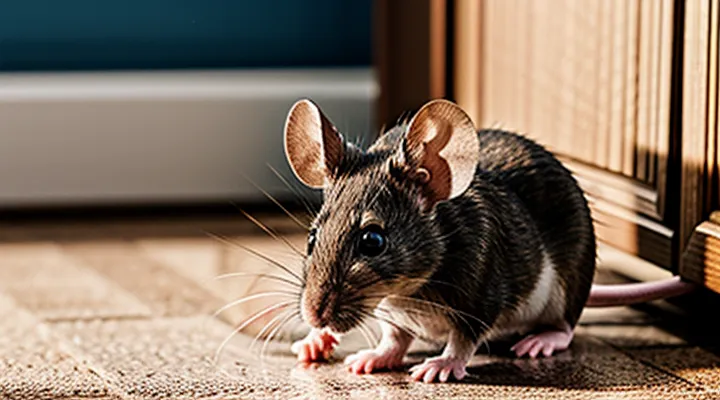
Understanding Mouse Infestations
Signs of a Mouse Problem
Mice leave clear evidence of their presence, and recognizing these indicators is essential before selecting any deterrent strategy.
- Gnaw marks on wood, plastic, or wiring, often appearing as clean, V‑shaped cuts.
- Small droppings, dark and rod‑shaped, typically found along walls, behind appliances, or inside cabinets.
- Scratching noises, especially at night, heard in ceilings, walls, or attic spaces.
- Grease trails, visible as dark smears along baseboards, pipes, or where mice travel frequently.
- Nests constructed from shredded paper, fabric, or insulation, usually hidden in concealed corners.
- Unexplained food losses, particularly in pantry items stored in open containers.
Each sign confirms activity that warrants the implementation of proven mouse repellents, such as ultrasonic devices, natural deterrents, or sealed entry points, to prevent infestation escalation.
Why Mice Enter Homes
Mice invade residential spaces primarily to satisfy basic survival needs. Access to food sources drives entry; unsecured pantry items, pet food left out, and crumbs on countertops provide attractive foraging opportunities. Water availability also influences intrusion; leaky pipes, damp basements, and condensation create reliable hydration points. Shelter considerations include warm, protected areas such as wall voids, attics, and crawl spaces where insulation and clutter offer concealment from predators and temperature extremes. Structural vulnerabilities—gaps around doors, windows, utility penetrations, and foundation cracks—serve as entry routes, especially when the building envelope lacks proper sealing. Finally, seasonal changes prompt movement; colder months force mice to seek indoor refuge, while breeding cycles increase population pressure, prompting more frequent incursions. Understanding these motivations clarifies which preventive measures—such as sealing openings, eliminating food and water sources, and reducing clutter—directly counter the reasons mice choose to inhabit homes.
Risks Associated with Mice
Mice infestations create several direct threats to household health and safety. Their presence introduces pathogens that can cause disease, compromises food integrity, and damages structural components.
- Disease transmission: Mice carry bacteria such as Salmonella and Listeria, viruses including Hantavirus, and parasites like fleas and mites. Contact with droppings, urine, or nesting material can lead to gastrointestinal illness, respiratory infections, and severe systemic conditions.
- Food contamination: Chewed packaging and contaminated surfaces expose stored food to fecal matter and saliva, resulting in spoilage and increased risk of foodborne outbreaks.
- Structural damage: Constant gnawing on wood, insulation, wiring, and plumbing weakens building integrity, creates entry points for additional pests, and may precipitate costly repairs.
- Fire hazard: Damaged electrical wiring can cause short circuits, overheating, and potential ignition sources.
- Allergic reactions: Proteins in mouse urine and dander trigger asthma attacks and hypersensitivity responses in susceptible individuals.
Each risk amplifies the urgency of implementing effective deterrent measures to protect occupants and preserve property value.
Natural and DIY Mouse Repellents
Essential Oils
Peppermint Oil
Peppermint oil deters mice by exploiting their acute sense of smell. The compound menthol irritates the nasal passages and respiratory system of rodents, prompting avoidance of treated areas.
Application methods include:
- Soak cotton balls in undiluted peppermint oil, place them in corners, behind appliances, and entry points; replace every 3‑5 days.
- Mix 10‑15 drops of oil with 1 cup of water in a spray bottle; mist floors, baseboards, and cracks weekly.
- Incorporate oil into a carrier such as mineral oil or a commercial repellent gel for longer-lasting coverage.
Effectiveness relies on concentration and frequency. Studies demonstrate a reduction in mouse activity of up to 70 % when oil is maintained at a consistent level. Dilution below 5 % drops efficacy, while excessive amounts may cause skin irritation in humans and pets.
Safety considerations:
- Use in well‑ventilated spaces to prevent respiratory discomfort.
- Keep away from children and animals that might ingest cotton balls or sprayed surfaces.
- Test on a small, inconspicuous area before full application to verify material compatibility.
When compared with other natural repellents, peppermint oil offers rapid odor release and easy availability, though synthetic rodenticides provide higher lethality. For households seeking non‑lethal, low‑toxicity options, peppermint oil remains a leading choice among botanical deterrents.
Clove Oil
Clove oil is a plant‑derived essential oil whose primary active component, eugenol, creates an odor that mice find aversive. The scent interferes with their olfactory receptors, reducing the likelihood of entry and lingering in treated areas.
To apply clove oil effectively:
- Dilute 10–15 drops of clove oil in 250 ml of water or a carrier such as mineral oil.
- Soak cotton balls or small fabric patches in the solution.
- Place the saturated material near known entry points, along walls, and in corners where mouse activity is observed.
- Refresh the application every 3–5 days, or when the scent diminishes.
Safety considerations include:
- Keep the oil out of reach of children and pets; ingestion can cause irritation.
- Test a small area for surface compatibility before widespread use, as the oil may discolor certain finishes.
- Avoid direct skin contact without gloves; prolonged exposure may cause dermatitis.
Advantages of clove oil as a rodent deterrent:
- Natural origin, eliminating concerns associated with synthetic chemicals.
- Low toxicity to humans when used as directed.
- Dual function as a pleasant household fragrance for occupants who tolerate the scent.
Limitations to note:
- Effectiveness diminishes in well‑ventilated spaces where the odor disperses quickly.
- Requires consistent reapplication, increasing labor compared with long‑lasting chemical pellets.
- May not repel all rodent species equally; some populations can acclimate over time.
Overall, clove oil offers a viable, environmentally friendly option for homeowners seeking a non‑chemical method to discourage mice, provided that regular maintenance and safety protocols are observed.
Eucalyptus Oil
Eucalyptus oil is a volatile plant extract that deters rodents through a strong, camphoraceous aroma. The scent overwhelms mouse olfactory receptors, prompting avoidance of treated areas.
Application methods include:
- Diluting a few drops in water and spraying on baseboards, entry points, and pantry shelves.
- Soaking cotton balls in undiluted oil and placing them in corners, cabinets, or under appliances.
- Adding oil to a diffuser for continuous emission in rooms where mouse activity is suspected.
Effectiveness relies on regular re‑application, as the fragrance dissipates within 24‑48 hours. Concentration levels above 5 % may cause irritation to humans and pets; therefore, follow manufacturer guidelines and ventilate rooms after treatment.
Advantages
- Natural origin eliminates concerns associated with synthetic chemicals.
- Readily available in most grocery stores and pharmacies.
- Dual benefit of a fresh scent that masks food odors.
Limitations
- Short residual activity compared with rodent‑specific chemical repellents.
- Potential skin irritation if applied directly to surfaces without dilution.
- Ineffective against established infestations; must be combined with exclusion measures such as sealing entry gaps.
When incorporated into an integrated pest‑management plan, eucalyptus oil can reduce mouse presence without introducing hazardous substances. Consistent monitoring and complementary strategies—traps, sanitation, and structural repairs—remain essential for long‑term control.
Household Ingredients
Apple Cider Vinegar
Apple cider vinegar (ACV) is a low‑cost, readily available liquid that can deter mice when applied correctly. The strong odor of acetic acid and the residual scent after evaporation create an environment mice tend to avoid, making ACV a practical component of a broader mouse‑prevention strategy.
Effective use of ACV involves the following steps:
- Dilute one part ACV with one part water in a spray bottle.
- Apply the solution to entry points, such as gaps around doors, windows, and baseboards.
- Soak cotton balls in undiluted ACV and place them in areas where mouse activity is suspected, replacing them every 3–5 days.
- Combine ACV applications with other non‑chemical measures, such as sealing cracks and removing food sources, to enhance overall efficacy.
Advantages of ACV include its non‑toxic nature, ease of acquisition, and suitability for households with pets or children. Limitations consist of a relatively short residual effect, the need for frequent reapplication, and variable results depending on the severity of infestation. For moderate mouse problems, ACV can serve as a supplemental deterrent; severe infestations typically require additional controls, such as traps or professional pest management.
Cayenne Pepper
Cayenne pepper serves as a natural mouse deterrent by exploiting the animal’s sensitivity to strong odors and irritants. The capsaicin compound triggers a burning sensation in the nasal passages and respiratory system, prompting mice to avoid treated areas.
Application methods include:
- Sprinkling powdered cayenne along baseboards, entry points, and near food storage.
- Mixing the powder with water or vinegar to create a spray; apply to surfaces where dust can settle.
- Combining with flour or cornmeal to increase coverage on floor seams and cracks.
Effectiveness depends on regular reapplication, especially after cleaning or exposure to moisture, because the volatile compounds dissipate within days.
Advantages:
- Low cost and readily available.
- Non‑toxic to humans and pets when used in typical household quantities.
- No chemical residues that persist in the environment.
Limitations:
- Limited duration; requires frequent renewal.
- Ineffective against established infestations that have already found shelter.
- Strong scent may be unpleasant for occupants.
Safety considerations: wear gloves and a mask when handling the powder to prevent skin and eye irritation. Store in a sealed container away from children and animals.
Integrating cayenne pepper with other deterrents—such as ultrasonic devices, steel wool blockages, and proper food sanitation—enhances overall protection and reduces reliance on any single method.
Fabric Softener Sheets
Fabric softener sheets emit a strong, lingering scent that most rodents find unpleasant. When placed in corners, behind appliances, or inside drawers, the fragrance creates an olfactory barrier that discourages mice from entering treated areas.
- Position one sheet per 10‑square‑foot section of floor space.
- Replace sheets every two weeks to maintain potency.
- Use unscented or lightly scented varieties if family members are sensitive to fragrance.
The method is inexpensive, requires no chemicals, and integrates easily with routine household cleaning. However, the scent may diminish in high‑traffic zones, and the approach does not eliminate an existing infestation. For comprehensive control, combine fabric softener sheets with physical sealing of entry points and, if necessary, professional pest‑management solutions.
Commercial Mouse Repellents
Ultrasonic Repellents
How They Work
Mouse repellents operate through sensory disruption, chemical deterrence, or physical obstruction, each targeting behaviors that drive rodents toward shelter and food.
Ultrasonic units emit high‑frequency sound waves beyond human hearing. Mice detect the tones as threatening, causing avoidance of the treated area. Continuous emission maintains a hostile acoustic environment, prompting relocation.
Chemical formulations rely on volatile compounds such as peppermint oil, capsaicin, or rodent‑specific pheromones. The substances create an unpleasant odor or taste that mice associate with danger, reducing entry and foraging activity. Effective products disperse the active ingredient steadily to preserve concentration levels.
Natural scent deterrents use dried herbs, powders, or essential oils placed near entry points, storage areas, or nesting sites. The strong aromatic profile interferes with the rodent’s olfactory cues, masking food scents and discouraging habitation.
Physical barriers prevent access altogether. Steel wool, copper mesh, or sealed openings block gnawing routes, while trap‑compatible surfaces limit movement. By eliminating pathways, the repellents’ effectiveness becomes independent of sensory influence.
- Ultrasonic emission → auditory aversion
- Volatile chemicals → olfactory repulsion
- Aromatic herbs/oils → scent masking
- Sealed gaps → mechanical exclusion
Each mechanism addresses a distinct aspect of mouse behavior, allowing homeowners to select solutions that align with the specific conditions of their living spaces.
Efficacy and Limitations
Effective mouse deterrents vary in how well they reduce rodent activity and in the constraints that limit their performance.
Ultrasonic devices emit high‑frequency sound that most mice cannot tolerate. Laboratory trials show up to 70 % reduction in activity during the first week, but field reports indicate rapid habituation; efficacy often declines after 10–14 days, requiring periodic relocation or supplemental methods.
Chemical repellents, such as peppermint oil sprays and rodent‑specific granules, contain volatile compounds that irritate mouse sensory receptors. Proper application can achieve 50–60 % decrease in foraging within 48 hours. Limitations include short residual life, evaporation in open areas, and potential toxicity concerns for pets and children, necessitating careful placement and re‑application.
Physical barriers, including steel wool, copper mesh, and sealed entry points, provide a direct prevention mechanism. When installed correctly, they eliminate ingress routes, delivering near‑complete exclusion. Their main drawback is labor intensity and the need for regular inspection to address wear, damage, or new openings created by building settlement.
Natural deterrents, such as dried herbs (e.g., rosemary, cloves) and predator scent products, rely on aversive odors. Field observations record modest deterrent effects (20–30 % reduction) and limited durability; scent potency fades within a few weeks, demanding frequent replacement.
Overall, no single solution guarantees total mouse control. Combining methods—using barriers to block entry, supplemented by short‑term chemical or ultrasonic treatments—maximizes overall efficacy while mitigating individual limitations. Continuous monitoring and maintenance remain essential components of any successful home mouse management strategy.
Scent-Based Repellents
Pellets and Pouches
Pellet and pouch formulations deliver concentrated scent or taste deterrents directly to mouse pathways. Typical active ingredients include peppermint oil, cinnamon, or synthetic rodent‑specific compounds that trigger aversion without harming the animal. The solid, slow‑release matrix maintains potency for weeks, reducing the need for frequent reapplication.
Effective deployment requires placement near identified activity zones—behind appliances, in wall voids, and along baseboards. Each pellet or pouch should be spaced 12–18 inches apart to create an overlapping barrier. In high‑traffic areas, a second layer positioned 6 inches above the first enhances coverage.
Advantages:
- Long‑lasting effect (2–4 weeks per unit)
- Minimal visual impact; small, discreet size
- Easy removal and replacement without tools
Limitations:
- Reduced efficacy in humid environments where scent dissipates faster
- Potential odor perception by occupants sensitive to strong aromas
- Not a standalone solution; best combined with exclusion and sanitation measures
Safety considerations include keeping products out of reach of children and pets, avoiding direct contact with skin or eyes, and following manufacturer instructions for disposal. Regular inspection confirms that pellets retain their original color and texture; discoloration indicates loss of potency and prompts replacement.
Sprays
Sprays provide a fast‑acting, targeted method for deterring mice inside residential spaces. They work by releasing volatile compounds that irritate rodent sensory receptors, prompting avoidance of treated areas. Application is confined to entry points, pathways, and nesting zones, limiting exposure to humans and pets when formulated for indoor use.
Key characteristics of effective mouse spray repellents include:
- Peppermint oil formulation – high concentration of menthol; applied to baseboards and behind appliances; evaporates within 4‑6 hours, requiring re‑application for prolonged coverage.
- Citrus‑based spray – combines orange and lemon extracts; strong scent disrupts mouse olfactory cues; safe for most household surfaces; effectiveness lasts up to 8 hours.
- Ammonia solution – dilute household ammonia (1 part ammonia to 4 parts water); creates a harsh odor that mice avoid; unsuitable for direct contact with food preparation areas.
- Commercial rodent repellent spray – proprietary blend of synthetic repellents and essential oils; marketed for indoor use; typically provides 24‑hour protection per application.
- Essential‑oil blend spray – mixes eucalyptus, clove, and rosemary oils; offers multi‑scent deterrence; requires thorough coverage of cracks and crevices.
When selecting a spray, prioritize products with documented active ingredient percentages, low toxicity ratings, and clear re‑application guidelines. Proper usage involves cleaning the target surface, applying the spray evenly, and sealing entry points after treatment to sustain the repellent effect.
Electronic Repellents (Plug-Ins)
Electronic plug‑in repellents emit ultrasonic or electromagnetic waves designed to deter mice without chemicals. The devices draw power from a standard outlet, allowing continuous operation throughout the day and night.
Key characteristics to evaluate:
- Frequency range: Effective models cover 20–65 kHz, targeting the hearing spectrum of rodents while remaining inaudible to humans.
- Coverage area: Manufacturers specify square footage; select a unit that matches the size of the room or area where activity is observed.
- Adjustable settings: Some devices offer multiple intensity levels or programmable timers, enabling customization for different environments.
- Safety certifications: Look for UL, CE, or FCC approval to ensure compliance with electrical standards.
- Warranty and support: A minimum one‑year warranty and accessible customer service indicate manufacturer confidence in product durability.
Performance considerations:
- Placement near walls or corners maximizes wave propagation, as reflections enhance coverage.
- Obstacles such as heavy furniture or dense insulation can diminish effectiveness; rearranging items or adding additional units may be necessary.
- Regular verification of operation, such as checking indicator lights, confirms continuous emission.
- Periodic cleaning of the device’s exterior prevents dust buildup that could interfere with signal transmission.
Typical market options:
- UltraSonic Pro 5000 – 45 kHz frequency, 1,200 sq ft coverage, three intensity modes, UL listed.
- EcoWave EM‑100 – combines ultrasonic and electromagnetic fields, 800 sq ft coverage, auto‑shutdown after 12 hours, CE certified.
- QuietGuard Plus – low‑profile design, 1,500 sq ft coverage, adjustable timer, one‑year warranty.
When selecting a plug‑in mouse repellent, prioritize verified frequency ranges, appropriate coverage, and recognized safety standards to achieve reliable rodent deterrence in residential settings.
Best Practices for Repellent Use
Proper Placement and Application
Place repellents where mice are most likely to travel. Install devices along walls, under cabinets, and near entry points such as gaps around pipes, vents, and doors. Position ultrasonic units at least 12 inches off the floor to avoid obstruction by furniture, and keep them at least 6 inches from any metal surface that could reflect sound. For scent‑based products, distribute sachets or spray zones in corners, pantry shelves, and the underside of appliances; reapply after cleaning or when the odor fades.
When applying granular or powder repellents, spread a thin layer (approximately ¼ inch) along baseboards, behind appliances, and in crawl spaces. Avoid clumping, which can reduce efficacy. Use a handheld dispenser to target crevices and ensure even coverage.
Maintain a regular schedule:
- Install devices and apply products before the first sign of activity.
- Inspect placements weekly for displacement or loss of potency.
- Replace or recharge units according to manufacturer specifications, typically every 6–12 months.
Ensure the environment supports the repellent’s action. Seal cracks larger than ¼ inch, remove food sources, and keep humidity low. Proper placement combined with consistent application maximizes deterrent performance and reduces the likelihood of infestation.
Combining Repellents for Enhanced Effect
Combining different mouse deterrent methods creates a multi‑layered barrier that addresses varied rodent behaviors. Chemical repellents disrupt scent trails, while ultrasonic devices interfere with hearing, and physical traps provide immediate capture. When each mechanism operates concurrently, the likelihood of a mouse bypassing all defenses drops significantly.
Effective combinations follow three principles: (1) select agents with distinct action modes, (2) position each element where its effect is strongest, (3) avoid overlapping chemicals that could neutralize one another. For instance, place ultrasonic emitters near entry points, use scent‑based sprays along baseboards, and install snap traps behind appliances. This arrangement maximizes coverage without creating counterproductive interactions.
Practical pairings include:
- Ultrasonic unit + peppermint oil spray: sound disrupts navigation, odor masks pathways.
- Electronic trap + granular repellents: trap handles any mouse that penetrates the repellent zone.
- Magnetic barrier + bait‑free glue boards: magnetic field deters entry, glue boards capture any survivor.
Regular assessment of placement and potency ensures sustained performance. Rotate scent‑based products every 30 days to prevent habituation, and verify ultrasonic devices maintain power output. A disciplined maintenance schedule preserves the synergistic advantage of combined repellents.
Maintaining a Mouse-Free Home
A mouse‑free home requires systematic exclusion, sanitation, and ongoing monitoring. Begin by eliminating food sources: store dry goods in airtight containers, clean crumbs immediately, and keep pet feeding areas free of leftovers. Next, seal structural gaps; inspect foundations, walls, and utility penetrations, then apply steel wool and caulk or install metal flashing to block entry. Reduce clutter in storage spaces, basements, and attics, as accumulated items provide hiding places and nesting material.
Implement repellents strategically. Place ultrasonic devices in rooms where activity is observed, ensuring unobstructed line‑of‑sight to maximize coverage. Deploy peppermint‑oil sachets or cotton balls soaked in essential oil near known pathways, replacing them weekly to maintain potency. Use commercially available bait stations with tamper‑resistant designs, positioning them along walls and away from children or pets.
Maintain vigilance through regular inspection. Follow this routine:
- Weekly visual sweep of interior corners, behind appliances, and under furniture.
- Monthly check of exterior foundations for new openings.
- Quarterly replacement of active repellent products and bait stations.
Document findings in a simple log, noting locations of sightings, trap captures, and product effectiveness. Adjust placement of devices and sealants based on recorded trends. Consistent application of these measures sustains a hostile environment for rodents and preserves a mouse‑free residence.
Prevention Beyond Repellents
Sealing Entry Points
Sealing entry points eliminates the primary pathway mice use to invade a residence. Identify gaps larger than a quarter‑inch in foundations, walls, doors, windows, and utility penetrations. Use durable materials such as steel wool, copper mesh, or silicone‑based caulk to fill cracks, then cover with hardware cloth or expanding foam for added protection. Replace damaged weatherstripping on doors and windows, and install door sweeps that extend to the floor.
Key actions for a comprehensive seal include:
- Inspect exterior perimeters during daylight; focus on pipe sleeves, vent openings, and crawl‑space access.
- Apply steel wool to holes, then seal with caulk to prevent gnawing.
- Install mesh screens over ventilation grilles, ensuring a minimum ¼‑inch aperture.
- Fit expandable foam around electrical conduit, trimming excess once cured.
- Verify that all exterior doors close tightly; adjust hinges or install magnetic catches if necessary.
Regular maintenance checks—monthly in high‑risk seasons—confirm that seals remain intact and that new gaps have not formed due to settling or weather damage. Maintaining a tight envelope around the home reduces reliance on chemical repellents and enhances overall pest‑management effectiveness.
Food Storage and Sanitation
Proper food storage and sanitation are fundamental components of any mouse control strategy. Secure containers prevent rodents from accessing nutrients, reducing the attraction to indoor environments and limiting population growth.
Store dry goods in airtight, hard‑shelled containers made of plastic, metal, or glass. Keep pantry shelves clear of crumbs and spills; wipe surfaces after each use. Refrigerate or freeze perishable items, and dispose of expired foods promptly.
Maintain cleanliness in preparation and dining areas. Sweep floors daily, vacuum under appliances, and clean behind cabinets. Use a damp cloth to remove residue from countertops, cutting boards, and kitchen utensils. Empty trash cans regularly, and line them with tight‑fitting lids.
Key sanitation practices:
- Seal all food packages with zip‑lock or resealable wraps.
- Place pet food in sealed containers; do not leave bowls overnight.
- Clean dishware immediately; avoid leaving dishes in the sink.
- Inspect storage areas for signs of gnawing or droppings; address breaches instantly.
- Rotate pantry stock, using older items first to prevent spoilage.
By eliminating accessible food sources and maintaining a hygienic environment, homeowners create conditions that discourage mouse activity, complementing the effectiveness of repellents and traps.
Yard Maintenance
A well‑kept yard reduces the likelihood that mice will seek shelter inside the house. Removing food sources, eliminating harborage, and creating an unfriendly perimeter directly support the performance of indoor mouse repellents.
- Trim vegetation away from the foundation to prevent rodents from climbing onto the building.
- Clear fallen leaves, debris, and mulch piles that can hide nests.
- Store firewood off the ground and at least two feet from the house to limit shelter.
- Seal gaps in exterior siding, vents, and crawl‑space entries.
- Maintain a clean compost area, using sealed containers and positioning it far from the residence.
These practices lower the ambient mouse population, allowing chemical or ultrasonic repellents to work on a smaller target group. Fewer entry points and reduced external attractants decrease the frequency of repellent activation, extending product lifespan and improving overall effectiveness.