
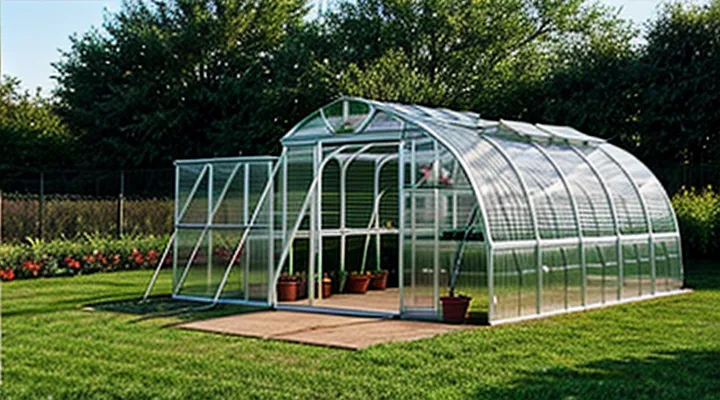
Understanding the Mouse Problem in Polycarbonate Greenhouses
Why Mice are Attracted to Greenhouses
Food Sources
Food availability directly influences mouse activity inside a polycarbonate greenhouse. Mice are attracted to any consumable material that provides calories and moisture, making the presence of edible items a primary factor in infestation levels.
Common food sources found in greenhouse operations include:
- Seed packets and bulk seed containers left open or unsealed.
- Young seedlings and transplants with tender foliage.
- Fruiting vegetables and herbs that have begun to ripen.
- Insect larvae and adult insects that serve as protein.
- Organic debris such as fallen leaves, mulch, and compost residues.
Effective reduction of these attractants relies on systematic sanitation and storage practices. Secure all seed containers with airtight lids, and place them on shelves away from floor level. Remove wilted or damaged plants promptly to eliminate soft tissue that mice can gnaw. Harvest ripe produce daily and transport it to a separate, rodent‑proof storage area. Install physical barriers, such as fine mesh screens, over compost bins and waste collection points to prevent rodent access. Maintain a regular cleaning schedule that sweeps floors, clears debris, and disinfects work surfaces.
When food sources are minimized, mouse pressure decreases, allowing other control methods—such as exclusion devices and bait stations—to operate more efficiently.
Shelter and Warmth
Mice are attracted to the microenvironment created by polycarbonate greenhouses because the structure retains heat and offers protected nesting sites. The thermal mass of the panels maintains temperatures above ambient levels during cooler periods, while the sealed joints and seams provide concealed entry points that rodents can exploit for shelter.
Reducing the appeal of the greenhouse as a refuge requires controlling temperature gradients and eliminating hidden cavities. Strategies include:
- Installing weatherstripping around doors and vents to block gaps that allow interior warmth to leak outward, discouraging mice from seeking the stable climate inside.
- Applying rodent‑resistant insulation or foam sealants to seams, corners, and pipe penetrations, removing potential nesting cavities.
- Adjusting ventilation schedules to increase air exchange during night hours, lowering internal temperature slightly and reducing the thermal incentive for rodents.
- Removing debris, leaf litter, and standing water around the foundation, eliminating external shelter that can serve as staging areas before entry.
Monitoring temperature fluctuations with data loggers helps identify zones where heat accumulation exceeds desired levels. Targeted shading or reflective films can moderate excessive warmth, making the interior less conducive to rodent habitation without compromising plant growth.
Regular inspections of structural joints, support frames, and drainage systems detect early signs of gnawing or burrowing. Prompt repair of compromised areas maintains the integrity of the greenhouse envelope, preserving both crop conditions and rodent exclusion.
Access Points
Access points are the primary pathways by which rodents enter a polycarbonate greenhouse. Typical locations include gaps around ventilation ducts, seams in the roofing panels, openings around irrigation lines, and poorly fitted door seals. Identifying these entryways requires a systematic visual inspection of the structure’s exterior and interior surfaces, focusing on joints, fasteners, and any penetrations for utilities.
During inspection, record each opening’s dimensions and material composition. Prioritize closures that exceed ¼ inch, as this size permits mouse ingress. Implement the following measures to eliminate access:
- Install stainless‑steel mesh (¼‑inch or smaller) over ventilation openings; secure with corrosion‑resistant fasteners.
- Apply high‑temperature silicone sealant to seams and around pipe sleeves; ensure complete coverage to prevent shrinkage.
- Replace worn door sweeps with reinforced rubber strips; verify tight contact with the threshold.
- Fit expandable foam insulation to gaps around electrical conduit; trim excess to maintain a smooth surface.
After sealing, conduct a follow‑up inspection to confirm that all identified points are fully protected. Maintain a log of repairs and schedule quarterly reviews to address any new openings caused by structural settlement or wear.
Identifying Mouse Infestation Signs
Droppings and Urine
Mouse feces and urine signal active infestation and create immediate hazards in a polycarbonate greenhouse. Droppings contain pathogens such as Salmonella, E. coli, and Hantavirus; urine raises ammonia levels that can damage leaf tissue and impair photosynthesis. Both contaminants attract insects, accelerate mold growth, and compromise the integrity of ventilation systems.
Pathogenic bacteria and viruses from feces can transfer to workers, seedlings, and harvested produce. Inhalation of aerosolized particles during cleaning may cause respiratory irritation. Urine‑derived ammonia can raise ambient pH, weakening plant cell walls and reducing marketable yield.
Accumulated droppings and urine degrade the transparent panels by promoting surface etching and clouding. Moisture from urine creates micro‑environments favorable to fungal spores, leading to leaf spot and root rot. Regular monitoring of droppings density helps assess infestation severity and informs control timing.
Cleaning protocol
- Wear disposable gloves, N‑95 respirator, and eye protection.
- Remove visible droppings with a stiff brush; place material in sealed biohazard bags.
- Apply a 10 % bleach solution (1 part sodium hypochlorite to 9 parts water) to all contaminated surfaces.
- Scrub panels for 2 minutes, ensuring full contact with urine‑stained areas.
- Rinse with clean water, allowing panels to dry completely before re‑installing covers.
- Disinfect tools and clothing with the same bleach solution; dispose of waste according to local regulations.
Prevention focuses on minimizing accumulation. Seal entry points, install rodent‑proof door sweeps, and maintain a clean perimeter free of feed residues. Use bait stations away from growing zones to reduce mouse traffic. Implement a weekly inspection schedule; replace contaminated mulch and sanitize gutters to deter re‑infestation.
Gnaw Marks
Gnaw marks appear as clean, crescent‑shaped bites on polycarbonate panels, framing, and supporting hardware. The edges are smooth and the material is often removed in uniform increments of 2–5 mm, indicating repeated chewing by rodents. Presence of these marks signals active infestation and potential compromise of the greenhouse’s structural integrity and light transmission.
Key considerations for evaluating gnaw damage:
- Location: concentrate on seams, vent openings, and cable trays where rodents can access interior spaces.
- Depth: measure the thickness removed; marks deeper than 3 mm weaken panels and may lead to cracking under wind load.
- Pattern: consistent orientation suggests a single entry point, while varied angles indicate multiple access routes.
Mitigation steps focus on eliminating the source of chewing and repairing affected components:
- Seal all identified entry points with metal flashing or reinforced silicone to prevent further penetration.
- Replace compromised polycarbonate sections with double‑wall panels that resist bite pressure.
- Install chew‑resistant barriers such as stainless‑steel mesh around vulnerable joints.
- Deploy bait stations and ultrasonic deterrents near the most frequently gnawed areas to reduce rodent activity.
Regular inspection of gnaw marks, combined with prompt sealing and material reinforcement, minimizes damage and sustains optimal growing conditions within the greenhouse.
Nests and Tracks
Mice establish nests in concealed locations such as seed trays, under bench supports, and within insulation gaps. Nests consist of shredded plant material, paper, or polymer fibers, often compacted into a dome‑shaped mass. Detecting these structures requires systematic inspection of all low‑lying and shadowed areas, focusing on points where moisture and food sources converge. Remove each nest immediately, disposing of contents in sealed bags and cleaning the site with a disinfectant solution to eliminate residual scent cues that encourage re‑occupation.
Tracks provide a reliable indicator of active pathways and can guide targeted control measures. Typical signs include:
- Fine, parallel footprints in dust or soil near planting rows.
- Gnaw marks on wiring, tubing, or polycarbonate edges.
- Smear trails of urine or fecal pellets along baseboards and container rims.
Map the observed tracks to create a network of high‑traffic zones. Deploy bait stations, snap traps, or electronic deterrents directly along these corridors, ensuring placement at least 10 cm from the ground to intersect mouse movement. Regularly refresh monitoring records and replace control devices as soon as evidence of activity diminishes.
Prevention Strategies
Sealing Entry Points
Inspecting the Polycarbonate Structure
Inspecting the polycarbonate envelope is a prerequisite for any successful rodent control program in greenhouse facilities. The inspection should verify that the shell presents no entry points that could harbor mice or allow re‑infestation.
- Examine all panel seams for gaps larger than 3 mm; use a flashlight and a thin probe to locate hidden openings.
- Test the integrity of gasketed doors and ventilation louvers; ensure compression strips are intact and not compressed unevenly.
- Survey roof-to‑wall joints and skylight flashings for cracking or delamination; replace compromised sections promptly.
- Inspect the interior surface of the panels for condensation streaks that may indicate seal failure and potential nesting sites.
- Verify that external drainage channels are clear; standing water near the base can attract rodents and compromise the seal.
Document each finding with photographs and record the exact location (e.g., “north wall, panel 12‑B”). Prioritize repairs that eliminate structural breaches, then proceed with bait placement and trapping strategies. A thorough structural audit reduces the likelihood of mouse ingress and supports long‑term pest‑free operation.
Repairing Gaps and Cracks
Sealing gaps and cracks eliminates entry points that mice exploit to infiltrate a polycarbonate greenhouse. A continuous barrier prevents damage to plants, reduces disease risk, and protects structural integrity.
Typical openings include:
- Gaps around vent louvers and fan housings
- Cracks at panel seams and edge joints
- Openings where wiring, irrigation lines, or ventilation ducts penetrate the shell
- Spaces beneath the foundation or around door sweeps
Effective repair requires materials that adhere to polycarbonate, resist UV exposure, and remain flexible under temperature fluctuations. Recommended supplies:
- Polycarbonate-compatible silicone sealant or polyurethane caulk
- EPDM or PVC weather‑stripping for moving components
- Self‑tapping screws with rubber washers for panel reinforcement
- Fiberglass mesh or metal flashing for larger cracks
Repair procedure:
- Clean each opening with a solvent that removes dust, grease, and mildew; allow the surface to dry completely.
- Apply a bead of silicone sealant along the perimeter of the gap, ensuring full contact with both polycarbonate and adjoining material.
- For cracks wider than ¼ inch, embed fiberglass mesh into the sealant before it cures, then smooth the surface with a putty knife.
- Install weather‑stripping around vent covers and door frames; press firmly to create a tight seal.
- Secure loose panels with self‑tapping screws and rubber washers, tightening until the panel sits flush without distortion.
Regular inspection supports long‑term exclusion. Conduct a visual survey after each storm, verify that sealant remains intact, and replace weather‑stripping annually. Promptly address any new fissures to maintain an impenetrable envelope.
Securing Doors and Vents
Securing all openings is essential to prevent mice from entering a polycarbonate greenhouse. Unsealed doors and vents provide direct pathways for rodents, undermining any control measures applied elsewhere in the structure.
Effective sealing techniques include:
- Installing weather‑stripping or silicone caulk around door frames to eliminate gaps larger than ¼ inch.
- Fitting self‑closing hinges on all doors to ensure they return to a closed position after use.
- Covering vent openings with stainless‑steel mesh of 1 mm aperture; mesh must be welded or tightly fastened to prevent tearing.
- Adding brush seals to the lower edge of doors to block entry from the ground level.
- Using magnetic catches on vent flaps to keep them tightly shut when not needed for airflow.
Routine inspection supports long‑term integrity. Check seals weekly for wear, rust, or displacement; replace damaged components promptly. Maintain a log of inspection dates and corrective actions to track maintenance compliance.
Positioning bait stations near sealed edges creates a monitoring zone without compromising the barrier. Place stations just inside the doorframe or vent housing, ensuring they are inaccessible to non‑target species and that the surrounding seal remains intact.
By combining robust physical barriers with regular maintenance, doors and vents become reliable deterrents, significantly reducing mouse intrusion in polycarbonate greenhouse environments.
Maintaining a Clean Environment
Removing Food Sources
Eliminate all potential food supplies to reduce mouse attraction in a polycarbonate greenhouse. Begin by securing stored seeds, grains, and feed in airtight containers made of metal or heavy‑wall plastic. Replace open bins with sealed units that feature lockable lids and gasketed seals.
Remove plant debris, fallen fruit, and wilted foliage daily. Dispose of waste in sealed bags and transport it to a location inaccessible to rodents. Install gutter guards and roof overhangs to prevent rainwater from pooling on the floor, which can create a moist environment that encourages insect populations that serve as secondary food for mice.
Implement a schedule for cleaning equipment and tools. After each use, wipe down surfaces with a mild detergent and dry thoroughly. Store gardening supplies on shelves away from the ground, and keep the floor clear of mulch or compost that could provide nourishment.
Maintain a strict inventory of organic matter inside the structure:
- Seed trays: cover with breathable but tight‑fitting lids.
- Fertilizer bags: keep in locked cabinets.
- Pest bait stations: position away from crop zones to avoid accidental consumption.
By systematically denying access to edible material, mouse activity declines, supporting overall pest‑management objectives within the greenhouse environment.
Proper Waste Management
Effective mouse control in a polycarbonate greenhouse generates specific waste streams that require systematic handling to prevent contamination, disease spread, and regulatory violations. Proper waste management begins with immediate segregation of discarded traps, carcasses, and contaminated materials. Use sealed, puncture‑resistant containers for dead rodents and place them in a designated biohazard area. Dispose of plastic traps, bait packaging, and cleaning rags in separate recyclable or landfill bins, clearly labeled to avoid cross‑contamination.
Key practices include:
- Labeling: affix durable, legible tags indicating waste type, collection date, and disposal instructions.
- Containment: store waste in airtight, waterproof containers to inhibit odor and pest attraction.
- Transportation: employ licensed carriers for bio‑hazard material; ensure containers remain sealed during transit.
- Documentation: maintain a log of waste quantities, disposal dates, and compliance certificates for audit purposes.
- Training: require all personnel to complete certified waste‑handling courses and to follow standard operating procedures without deviation.
Regular audits verify adherence to local environmental regulations and minimize the risk of pathogen transmission to crops or personnel. Implementing these measures ensures that rodent‑control operations do not compromise greenhouse integrity or public health.
Decluttering the Greenhouse
Keeping a greenhouse free of excess material directly limits shelter and food sources for rodents. A systematic decluttering process creates an environment where mouse activity can be monitored and controlled more effectively.
- Remove all plant trimmings, fallen leaves, and soil clumps from walkways and work areas.
- Collect broken pots, shattered polycarbonate panels, and other debris; dispose of them in sealed containers.
- Sort gardening tools and supplies, placing each item on designated shelves or in labeled bins.
Store feed, seed, and fertilizer in airtight containers that prevent rodent access. Install shelving units that keep items off the ground and away from corners where mice tend to hide. Use metal or heavy‑duty plastic bins rather than cardboard boxes, which rodents can gnaw through.
Implement a weekly inspection routine. During each check, verify that no new waste has accumulated, that storage containers remain sealed, and that any signs of rodent activity—droppings, gnaw marks, or nesting material—are addressed immediately. Record observations in a log to track trends and adjust cleaning frequency as needed.
A clutter‑free greenhouse reduces hiding places, simplifies bait placement, and improves the accuracy of monitoring devices. The result is a more predictable and manageable rodent control program.
Natural Deterrents
Peppermint Oil
Peppermint oil serves as a natural deterrent against rodents in greenhouse structures built from polycarbonate panels. Its high menthol content produces a volatile scent that rodents find irritating, disrupting their foraging and nesting behavior without harming crops.
Application methods include:
- Impregnating cotton pads with 10‑15 % peppermint oil solution and placing them at entry points, ventilation openings, and along the interior frame.
- Dispersing oil through a low‑pressure nebulizer to create a fine mist that settles on surfaces, maintaining a consistent olfactory barrier.
- Incorporating oil‑infused polymer strips into the greenhouse sealant, allowing gradual release over several weeks.
Optimal concentration ranges from 5 % to 20 % depending on ambient temperature; higher temperatures increase volatilization, reducing required dosage. For polycarbonate environments, avoid direct contact with the material’s surface coating; use barrier fabrics or sealed containers to prevent potential degradation.
Safety considerations:
- Ensure human exposure remains below occupational limits (≤ 1 mg/m³ for menthol).
- Verify compatibility with pollinator species; keep oil sources away from flowering zones to prevent deterrence of beneficial insects.
- Store oil in dark, airtight containers to preserve potency and prevent oxidation.
Integration with integrated pest management (IPM) strategies enhances efficacy. Peppermint oil complements mechanical trapping and exclusion techniques, reducing reliance on rodenticides and minimizing chemical residues within the greenhouse ecosystem. Regular monitoring of rodent activity and periodic replacement of oil sources sustain deterrent levels throughout the growing season.
Mothballs
Mothballs, composed primarily of naphthalene or paradichlorobenzene, release vapors that repel rodents through inhalation toxicity. In a polycarbonate greenhouse, the sealed environment enhances vapor concentration, allowing the product to act on hidden mouse populations without direct contact.
The volatile compounds diffuse through cracks, joints, and ventilation openings, reaching nesting sites inside bench frames, seed trays, and pipe conduits. Continuous exposure disrupts the nervous system of mice, leading to rapid incapacitation and eventual mortality. Because polycarbonate does not absorb the chemicals, the active agents remain effective for several weeks, extending the period of control beyond the initial placement.
- Place mothball sachets in concealed locations: under benches, within drainage channels, and behind structural supports.
- Use no more than the manufacturer‑specified quantity per cubic meter to avoid excessive concentrations.
- Seal openings temporarily during the treatment phase to maintain vapor density; restore airflow after the specified exposure period.
- Monitor for signs of mouse activity daily; replace sachets when odor diminishes.
- Store remaining mothballs in a locked, ventilated container away from personnel and crops.
Adherence to these protocols maximizes rodent suppression while minimizing risks to greenhouse workers, plants, and the polycarbonate structure.
Ultrasonic Repellents
Ultrasonic repellents emit high‑frequency sound waves that are inaudible to humans but disturb the auditory system of rodents. The devices generate a broad spectrum of frequencies, typically between 20 kHz and 50 kHz, creating an environment that mice find uncomfortable and avoid.
When selecting a unit for a polycarbonate greenhouse, consider the following criteria:
- Frequency range: Wider bands increase the likelihood of affecting a larger mouse population.
- Power output: Sufficient intensity is required to penetrate the greenhouse’s structural layers and reach interior planting zones.
- Coverage area: Choose models rated for the square footage of the greenhouse, accounting for shelving and support frames that may block sound propagation.
- Weather resistance: Devices must tolerate humidity and temperature fluctuations common in greenhouse environments.
Installation should follow a systematic pattern. Place emitters at equal intervals along the perimeter, ideally at a height of 1–1.5 m to maximize horizontal dispersion. Secure units to the polycarbonate panels using corrosion‑resistant brackets, ensuring that the speaker elements face inward. Connect all units to a single power source with a timer that activates the system during peak mouse activity periods, such as dusk and early morning.
Operational maintenance includes:
- Verifying power supply and timer settings each week.
- Cleaning speaker grilles to prevent dust accumulation, which can attenuate sound output.
- Replacing units after 12–18 months of continuous use, as transducer efficiency declines over time.
Ultrasonic repellents do not interfere with plant growth because the frequencies lie outside the range that influences photosynthetic processes. However, they should not be relied upon as the sole control method. Integrating physical barriers, such as sealed entry points and bait stations, enhances overall efficacy and reduces the risk of mouse habituation to the sound stimulus.
In practice, a well‑designed ultrasonic network, combined with complementary exclusion techniques, provides a reliable, non‑chemical solution for reducing mouse presence in polycarbonate greenhouse structures.
Effective Removal Methods
Trapping Techniques
Snap Traps
Snap traps provide rapid, humane control of rodents in polycarbonate greenhouse structures. Their mechanical action delivers an instantaneous kill, minimizing stress on captured animals and reducing the risk of disease transmission.
Key characteristics of snap traps for greenhouse use:
- Construction – Hardened steel spring and trigger mechanism resist corrosion from humidity and temperature fluctuations common in greenhouse environments. The transparent or tinted housing allows visual monitoring without disturbing plants.
- Bait selection – High‑fat, protein‑rich foods such as peanut butter, sunflower seeds, or dried insects attract mice more reliably than grain alone. Bait should be secured to the trigger plate to prevent removal by non‑target species.
- Placement strategy – Install traps along walls, near entry points, and adjacent to plant rows where mouse activity is evident. Position traps perpendicular to the wall, with the trigger end facing the expected travel path. Space traps 1–2 m apart in high‑traffic zones; increase density to 0.5 m in heavily infested sections.
- Safety measures – Mount traps on a stable base or platform to avoid accidental discharge. Use protective gloves when setting and handling traps. Keep traps out of reach of workers and non‑target wildlife.
- Maintenance protocol – Check traps daily; remove dead rodents promptly to prevent odor buildup. Reset or replace the spring mechanism after each catch to maintain lethality. Clean surfaces with a mild disinfectant to inhibit bacterial growth.
Advantages over alternative methods:
- Immediate elimination eliminates breeding potential.
- No reliance on chemicals, preserving crop integrity and preventing residue concerns.
- Low operational cost; reusable components reduce long‑term expenses.
Limitations to consider:
- Ineffective against large populations without sufficient trap density.
- Requires regular monitoring to sustain efficacy.
- Potential for accidental injury if mishandled.
Integrating snap traps with complementary tactics—such as sealing structural gaps, managing vegetation around the greenhouse perimeter, and employing predator‑friendly habitats—creates a comprehensive rodent management program tailored to the unique conditions of polycarbonate greenhouse facilities.
Live Traps
Live traps provide a non‑lethal option for managing mouse populations inside polycarbonate greenhouse structures. Their compact design fits easily between rows of seedlings, allowing placement without obstructing ventilation panels or irrigation lines.
- Choose traps constructed from durable plastic or metal to resist humidity and temperature fluctuations common in greenhouse environments.
- Position traps along established rodent pathways: near baseboards, under shelving, and adjacent to feed storage areas.
- Bait with high‑protein items such as peanut butter, dried insects, or commercial rodent attractants. Replace bait every 48 hours to maintain effectiveness.
- Inspect traps at least twice daily; remove captured individuals promptly to prevent stress‑induced mortality and to reduce the risk of disease spread.
Proper handling of captured mice requires gloves and a sealed transport container. Release points must be located at least 500 meters from the greenhouse to prevent re‑entry. If release is not permitted, euthanasia should follow local animal welfare regulations.
Integrating live traps with complementary measures—such as sealing entry gaps, maintaining clean workspaces, and employing rodent‑proof storage—enhances overall control. Regular monitoring of trap catch rates informs adjustments in trap density and placement, ensuring sustained reduction of mouse activity throughout the growing season.
Multi-Catch Traps
Multi‑catch traps provide a practical solution for controlling mouse populations in polycarbonate greenhouse structures. Their design incorporates several entry points that guide rodents into a single capture chamber, allowing one device to secure multiple individuals before requiring service.
Placement strategy determines trap effectiveness. Install traps along known runways, near feed storage, and at the base of structural frames where mice seek shelter. Position devices perpendicular to walls to align with natural movement patterns. Space traps at intervals of 1–2 meters in high‑traffic zones; increase density in areas with visible droppings or gnaw marks.
Maintenance routines sustain performance. Check traps daily for captured rodents, remove debris, and reset the trigger mechanism. Clean chambers with a mild disinfectant to prevent odor buildup that could deter further captures. Replace bait or attractant weekly to maintain lure potency.
Key selection criteria for multi‑catch devices include:
- Capacity to hold at least five mice per cycle
- Robust trigger mechanism resistant to accidental release
- Easy access for cleaning without dismantling the entire unit
- Compatibility with greenhouse humidity and temperature ranges
Safety considerations protect personnel and crops. Use traps with sealed capture chambers to eliminate direct contact with rodents. Store traps away from pesticide zones to avoid cross‑contamination. Dispose of captured mice according to local regulations, using sealed bags and approved waste containers.
When integrated into an overall pest‑management program, multi‑catch traps reduce mouse numbers rapidly, limit damage to polycarbonate panels, and decrease the risk of disease transmission without relying on chemical controls. Their reusable nature and low operational cost make them a sustainable choice for greenhouse operators seeking efficient rodent suppression.
Baits and Lures
Food-Based Baits
Food-based baits provide a direct attraction to mice inhabiting polycarbonate greenhouse structures. Their effectiveness depends on palatability, moisture content, and resistance to environmental conditions inside the greenhouse.
Selection criteria focus on ingredients that remain attractive despite high humidity and temperature fluctuations. Preferred components include:
- Peanut butter or nut pastes – strong scent, stable at moderate temperatures.
- Grain mixtures (wheat, corn, barley) – high carbohydrate content, easy to blend with binders.
- Fruit concentrates (apple, banana) – moisture-rich, appealing to foraging mice.
- Protein‑rich fish or meat emulsions – supplement carbohydrate sources, increase consumption rates.
Formulation should combine a primary attractant with a slow‑acting anticoagulant or metabolic toxin. The toxin must be concealed within the matrix to prevent premature detection. Recommended toxin concentrations range from 0.025 % to 0.05 % of the total bait weight, ensuring lethality after multiple feedings while minimizing risk to non‑target species.
Placement strategy emphasizes proximity to known entry points, nesting sites, and feeding pathways. Bait stations should be mounted on the interior frame, at a height of 4–6 inches above the ground, where mice travel along the greenhouse perimeter. Stations must be sealed to protect bait from rain, condensation, and pollinating insects.
Safety considerations include:
- Using tamper‑resistant containers to limit access by workers and pets.
- Labeling each station with the active ingredient and concentration.
- Conducting periodic inspections to replace degraded bait and record capture data.
Monitoring results through daily checks of bait consumption and mortality counts provides feedback for adjusting bait composition and density. Consistent data collection enables optimization of the baiting program, leading to sustained reduction of mouse populations within the greenhouse environment.
Non-Toxic Baits
Non‑toxic baits provide a safe alternative for managing mouse populations in polycarbonate greenhouse structures while protecting crops, personnel, and beneficial insects. Formulations typically combine food‑grade attractants—such as dried grain, peanut butter, or botanical extracts—with inert binding agents that deliver a low‑toxicity rodenticide (e.g., diphacinone at sub‑lethal concentrations) or a physiological disruptor (e.g., vitamin‑based deterrents). The active ingredients are calibrated to incapacitate rodents without posing a risk to humans, pollinators, or aquatic runoff.
Effective deployment follows several practical steps:
- Position bait stations at least 30 cm above the greenhouse floor to avoid contact with soil and water lines.
- Locate stations near known mouse pathways: along baseboards, near ventilation openings, and adjacent to storage areas for feed or seed.
- Secure each station with a tamper‑resistant lock to prevent access by children or livestock.
- Replace or replenish bait every 7–10 days, monitoring consumption rates to assess infestation levels.
Advantages of using non‑toxic baits include:
- Compliance with organic certification standards that restrict synthetic pesticides.
- Minimal impact on pollinator activity, as the bait matrix does not emit volatile compounds that attract insects.
- Reduced liability for greenhouse operators, because accidental ingestion by workers results in negligible health effects.
Integration with complementary control measures strengthens overall efficacy. Physical barriers—such as fine‑mesh screens on vents—and regular sanitation (removing spillage, sealing grain containers) lower attractant sources, while live‑trap programs can provide immediate removal of high‑density mouse clusters. Recording bait consumption data alongside trap counts enables precise adjustments to bait density, preventing over‑application and conserving resources.
When selecting a non‑toxic bait, verify that the product holds registration from relevant agricultural authorities and that its label specifies suitability for greenhouse environments. Opt for formulations with a proven shelf life of at least 12 months, ensuring consistent potency throughout the growing season. By adhering to these guidelines, greenhouse managers can achieve reliable rodent suppression without compromising crop safety or environmental health.
Bait Station Placement
Proper positioning of bait stations determines the success of rodent control in a polycarbonate greenhouse. Stations must be placed where mice travel, yet remain inaccessible to non‑target organisms and protected from environmental damage.
- Locate stations along walls, under benches, and near ventilation openings; mice preferentially use edges and concealed pathways.
- Position each unit 2–3 cm above the soil surface to prevent water ingress while allowing easy access for rodents.
- Install stations within 0.5 m of known entry points, such as gaps around doors, utility penetrations, and roof seams.
- Keep stations at least 1 m away from flowering or edible crops to reduce accidental consumption by pollinators.
- Use weather‑resistant enclosures or shelter panels to shield bait from rain, UV exposure, and condensation that can degrade effectiveness.
- Rotate placement every 4–6 weeks; relocate stations to new activity zones identified during monitoring to avoid bait avoidance.
Monitoring should occur weekly. Inspect each station for bait consumption, damage, and signs of tampering. Replace depleted units promptly and record location data to refine future placement strategies. Consistent application of these guidelines maximizes bait accessibility for mice while minimizing risks to beneficial species and greenhouse infrastructure.
Professional Pest Control
When to Call an Expert
Knowing when professional assistance is required can prevent damage to the greenhouse structure, loss of crops, and escalation of a rodent infestation. If the mouse population exceeds a few individuals per square meter, or if activity is detected in multiple zones simultaneously, the situation is beyond typical DIY control measures.
Key indicators that merit expert intervention include:
- Evidence of gnawing on polycarbonate panels, framing, or ventilation components.
- Presence of nests or droppings in hard‑to‑reach areas such as roof seams or pipe conduits.
- Persistent damage to irrigation lines, electrical wiring, or support brackets.
- Failure of traps or bait stations after repeated placement over several days.
- Legal or safety concerns, such as proximity to food‑processing zones that demand certified pest‑management practices.
Engaging a licensed pest‑control professional ensures the use of approved, humane eradication methods, proper sealing of entry points, and verification that the greenhouse remains compliant with agricultural regulations. Delay beyond the point of observable structural compromise increases repair costs and jeopardizes plant health.
Integrated Pest Management (IPM) Approaches
Integrated Pest Management (IPM) provides a systematic framework for reducing mouse activity in polycarbonate horticultural structures while minimizing reliance on toxicants. The approach begins with regular surveillance; sticky traps, motion‑activated cameras, and periodic inspection of droppings establish baseline population levels and identify hotspots. Data from monitoring guide subsequent actions, preventing unnecessary interventions.
Habitat modification reduces shelter and food availability. Steps include sealing gaps around ventilation panels, installing metal flashing at door thresholds, and removing standing water or spilled organic material. Maintaining a clean work area eliminates attractants that sustain rodent colonies.
Exclusion techniques create physical barriers that prevent entry. Recommended measures comprise:
- Installing chew‑resistant mesh (minimum ¼‑inch opening) on all ventilation openings.
- Fitting self‑closing doors with rubber sweeps.
- Applying steel wool or silicone caulk to seal conduit penetrations.
Physical control focuses on trapping and removal. Snap traps positioned along mouse pathways, combined with bait stations placed out of reach of non‑target species, deliver rapid population reduction. Trap density should correspond to monitoring data, typically one trap per 10 m² in high‑risk zones.
Biological control options are limited for rodents but can complement other tactics. Introducing predatory birds such as barn owls, or employing feral cat access under controlled conditions, adds natural pressure on mouse numbers. These measures require careful management to avoid damage to greenhouse infrastructure.
Chemical control serves as a last resort, applied only after non‑chemical tactics have failed to achieve acceptable thresholds. Rodenticides must be placed in tamper‑proof bait stations, labeled for indoor use, and monitored for residue to protect plant health and personnel safety. Integrated use of low‑toxicity anticoagulants, rotated annually, reduces resistance development.
Overall, IPM integrates continuous observation, environmental sanitation, structural exclusion, targeted trapping, limited biological agents, and judicious chemical use to achieve sustained mouse suppression in polycarbonate greenhouse environments.
Post-Removal Sanitation and Maintenance
Cleaning and Disinfection
Removing Droppings and Nests
Cleaning mouse droppings and dismantling nests are critical steps in any program aimed at reducing rodent activity within a polycarbonate greenhouse. Improper handling can spread pathogens, contaminate crops, and attract additional pests.
Safety precautions
- Wear disposable gloves, a N95 respirator, and eye protection.
- Ensure adequate ventilation by opening doors and vents.
- Isolate the work area with a temporary barrier to prevent cross‑contamination.
Dropping removal
- Sweep loose feces with a stiff brush into a disposable container.
- Apply a rodent‑specific disinfectant (e.g., a 10 % bleach solution) to the affected surfaces; allow the contact time recommended by the manufacturer.
- Use a HEPA‑rated vacuum to capture residual particles, then seal the vacuum bag for disposal.
- Dispose of all waste in a sealed, puncture‑resistant bag and place it in a licensed hazardous waste container.
Nest dismantling
- Locate nests by tracing fresh droppings, gnaw marks, and shredded plant material.
- Use a long‑handled tool to pull nests away from structural components, minimizing damage to the greenhouse frame.
- Place nests directly into a heavy‑duty trash bag; add a small amount of rodenticide to the bag before sealing.
- Inspect surrounding areas for hidden chambers; repeat the removal process until no additional structures are found.
Post‑cleaning actions
- Seal cracks, gaps, and ventilation openings with silicone sealant or metal flashing.
- Install metal mesh or hardware cloth around vent openings to block re‑entry.
- Schedule weekly visual inspections and maintain a log of findings to detect early signs of renewed activity.
By following these procedures, greenhouse operators eliminate health hazards, reduce attractants, and create an environment less conducive to future mouse infestations.
Disinfecting Surfaces
Disinfecting surfaces after rodent activity is essential to prevent disease transmission and protect plant health in polycarbonate greenhouse environments.
- Remove visible debris, droppings, and nesting material with disposable gloves and a stiff brush.
- Apply a broad‑spectrum disinfectant approved for agricultural use (e.g., quaternary ammonium compounds, hydrogen peroxide at 3 % concentration) to all contact points, including benches, shelving, irrigation tubing, and door seals.
- Ensure the disinfectant remains on the surface for the manufacturer‑specified dwell time, typically 5–10 minutes, before wiping or rinsing if required.
- Use a clean, lint‑free cloth or disposable wipe for each area to avoid cross‑contamination.
After treatment, allow surfaces to air‑dry completely before reintroducing plants or equipment. Record the date, product, concentration, and personnel involved in a sanitation log to maintain traceability and compliance with integrated pest‑management protocols.
Long-Term Prevention
Regular Inspections
Regular inspections form the backbone of any successful rodent control program in a polycarbonate greenhouse. Systematic checks reveal entry points, nesting activity, and population levels before damage escalates.
Inspection should occur at least once a week during the growing season and bi‑weekly when temperatures drop. Each visit must cover the following areas:
- Roof seams, vent openings, and door thresholds for gaps larger than ¼ inch.
- Drainage channels and gutters where debris can conceal burrows.
- Plant trays, seed beds, and storage zones for droppings, gnaw marks, or shredded material.
- Utility conduits, wiring trays, and pipe sleeves that may serve as concealed pathways.
Inspectors must use a flashlight and a magnifying lens to detect subtle signs such as fresh urine stains or small chew fragments. All findings should be recorded in a logbook that includes date, location, type of evidence, and corrective action taken.
Corrective actions are triggered immediately upon detection. Seal gaps with stainless‑steel mesh or silicone sealant, remove debris, and set appropriate bait stations or traps in proximity to confirmed activity. Follow‑up inspections verify that remediation remains effective and that no new infestations develop.
Consistent documentation enables trend analysis, allowing managers to adjust inspection frequency, enhance exclusion measures, and allocate resources efficiently. The result is a reduced mouse population, protected plant health, and sustained greenhouse productivity.
Continuous Monitoring
Continuous monitoring supplies real‑time data that guides decisive actions against rodent incursions in polycarbonate greenhouse structures. Sensors positioned at entry points, ventilation openings, and near crop rows detect movement, temperature changes, and humidity fluctuations associated with mouse activity. Data streams feed a central controller that logs events, triggers alarms, and adjusts trap deployment automatically.
Key elements of an effective monitoring system include:
- Motion‑activated infrared detectors calibrated to the size and speed of mice.
- Smart bait stations equipped with weight sensors that record each interaction.
- Environmental probes measuring temperature and humidity, parameters that influence rodent behavior.
- Cloud‑based analytics platform that aggregates logs, identifies activity patterns, and predicts peak infestation periods.
- Integrated alert system delivering SMS or email notifications to greenhouse managers when thresholds are exceeded.
Routine verification procedures maintain system reliability. Weekly inspections confirm sensor alignment, battery health, and network connectivity. Monthly firmware updates incorporate the latest detection algorithms and security patches. Calibration checks compare sensor outputs against controlled test scenarios to ensure accuracy.
By coupling continuous data acquisition with automated response mechanisms, operators reduce reliance on manual inspections, lower labor costs, and limit crop damage. The proactive nature of this approach enables swift containment before populations reach damaging levels, preserving yield quality and greenhouse integrity.
Maintaining a Hostile Environment for Pests
A polycarbonate greenhouse that discourages rodents must combine physical barriers, environmental management, and targeted deterrents.
- Seal all openings larger than ¼ in. with fine mesh or silicone caulk; install self‑closing doors and mouse‑proof vent covers.
- Maintain low humidity and eliminate standing water to reduce shelter and food sources.
- Remove plant debris, seed spillage, and spilled feed daily; store organic material in sealed containers.
- Use granular rodent repellents containing capsaicin or diatomaceous earth along perimeters and in crawl spaces; reapply after rain or irrigation.
- Install motion‑activated ultrasonic emitters at entry points; verify frequency range matches rodent hearing thresholds.
Regular inspections should document any breach, damage to screens, or signs of activity such as gnaw marks and droppings. Immediate repair of compromised barriers prevents re‑infestation. Integrating these practices creates a consistently hostile environment that limits mouse survival and supports overall pest‑management objectives in the greenhouse.