
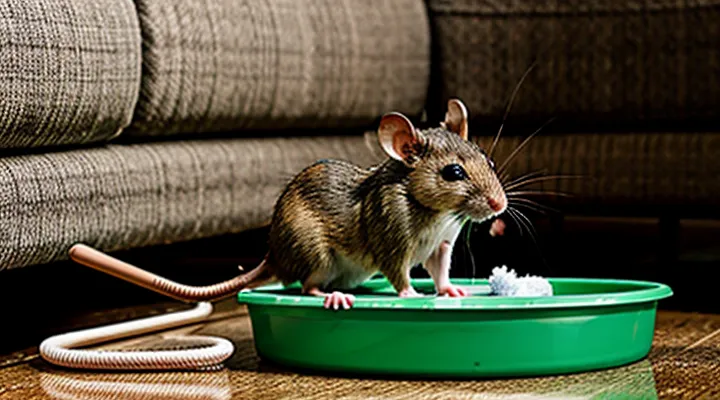
Understanding the Mouse Problem
Signs of a Mouse Infestation
Droppings and Urine Stains
Mouse droppings and urine stains are reliable indicators of an active infestation and present immediate health concerns. Droppings appear as small, dark, rice‑shaped pellets, typically found along walls, behind appliances, and in concealed corners. Urine stains manifest as yellowish discolorations or damp patches, often accompanied by a distinct, musky odor.
Health risks stem from pathogens such as Hantavirus, Salmonella, and Leptospira, which can survive in dried feces and urine for weeks. Direct contact, inhalation of aerosolized particles during cleaning, or ingestion of contaminated food may lead to serious illness. Protective measures include wearing disposable gloves, an N‑95 respirator, and a disposable gown before any removal effort.
Effective cleaning protocol:
- Seal off the affected area; ventilate the room by opening windows and using exhaust fans.
- Dampen droppings and urine stains with a disinfectant solution (e.g., 1 % bleach in water) to prevent aerosolization.
- Allow the solution to sit for at least five minutes, then wipe with disposable cloths or paper towels.
- Dispose of all cleaning materials in a sealed plastic bag; launder any reusable garments separately at high temperature.
- Apply an EPA‑registered rodent disinfectant to the entire surface, following the manufacturer’s contact time.
After decontamination, inspect adjacent spaces for secondary contamination and repair entry points to halt further rodent activity. Regular sanitation, combined with exclusion techniques, reduces the likelihood of recurring droppings and urine stains.
Gnaw Marks
Gnaw marks are the most reliable visual cue of mouse presence. They appear as parallel, crescent‑shaped bite edges on wood, plastic, cardboard, and wiring. The depth of each bite is typically 1–2 mm, and the pattern repeats at regular intervals of 2–3 cm. Recognizing these signs enables immediate action before damage escalates.
Identifying gnaw marks serves three purposes:
- Confirms active infestation, eliminating speculation.
- Pinpoints entry points or pathways that require sealing.
- Guides placement of traps and bait for maximum impact.
When gnaw marks are discovered, follow a structured response:
- Document the location, material, and orientation of each mark.
- Inspect adjacent structures for additional evidence such as droppings or urine stains.
- Seal all visible openings larger than ¼ inch with steel wool, copper mesh, or caulk; reinforce with hardware cloth where necessary.
- Sanitize the affected area using a dilute bleach solution (1 part bleach to 10 parts water) to remove scent trails that encourage repeat visits.
- Deploy traps or bait stations directly along the line of gnaw marks, positioning them perpendicular to the chew direction for optimal contact.
- Monitor traps daily, resetting or relocating as needed until no new gnaw marks appear for a minimum of two weeks.
Persistent gnaw marks after these steps indicate hidden routes. Conduct a thorough examination of ceilings, attics, and crawl spaces, focusing on concealed conduits and insulation. Applying the same sealing and trapping protocol in these hidden zones eliminates residual activity.
Eliminating gnaw marks eliminates the primary indicator of mouse traffic, thereby disrupting the rodents’ navigation system and reducing the likelihood of re‑infestation.
Scratching Noises
Scratching noises heard behind walls, under floors, or in ceiling voids often signal the presence of rodents. Mice produce such sounds while gnawing, nesting, or moving through confined spaces; the activity is most intense during night hours when they search for food. Identifying the exact location requires systematic listening: pause in a quiet room, place a hand against the suspected surface, and note the direction and frequency of the sounds. Persistent, rhythmic scratching suggests active burrowing, while intermittent, sharp noises may indicate a mouse climbing or attempting to escape.
To address the problem, follow these steps:
- Confirm activity – Use a flashlight and a small inspection hole to verify droppings, gnaw marks, or shredded material.
- Eliminate entry points – Seal gaps larger than ¼ inch with steel wool, caulk, or hardware cloth; focus on utility penetrations, baseboard cracks, and vent openings.
- Deploy traps – Position snap or electronic traps along walls where scratches are audible; place bait (peanut butter or dried fruit) at the far end of the trap to encourage entry.
- Apply deterrents – Distribute ultrasonic emitters in affected rooms; ensure devices cover the full range of the noise source.
- Monitor and repeat – Re‑listen after 24 hours; if scratching persists, relocate traps and reassess sealed openings.
Reducing scratching noises eliminates the immediate disturbance and confirms that mouse activity has been suppressed, supporting overall home rodent control efforts.
Nests and Burrowing
Mice construct nests inside wall cavities, attics, and concealed storage areas. These nests protect offspring and serve as a base for further burrowing, making them a priority target when eliminating rodents from a residence.
Detecting nests involves inspecting for shredded material, droppings, and gnaw marks near potential entry points. Once identified, remove all debris, seal openings, and apply a rodenticide or trap system directly within the nest chamber to disrupt the population.
Key actions for nest and burrow management:
- Locate: Use a flashlight to examine hidden spaces; focus on areas with insulation, stored food, or clutter.
- Clear: Dispose of nesting material in sealed bags; clean the site with a disinfectant to eliminate scent trails.
- Seal: Install steel wool or metal mesh over gaps larger than ¼ inch; apply expanding foam where appropriate.
- Treat: Place snap traps or bait stations inside the cleared nest; monitor daily and replace as needed.
- Prevent: Keep storage containers airtight, reduce clutter, and maintain a regular inspection schedule to catch new activity early.
Consistent execution of these steps reduces the likelihood of mice establishing new burrows, thereby supporting long‑term rodent control within a household.
Why Mice are a Problem
Health Risks
Mice infestations introduce several direct health hazards that persist even after control measures are applied. Pathogenic bacteria, viruses, and parasites carried on rodents’ fur, saliva, and droppings can contaminate food, surfaces, and air, leading to diseases such as hantavirus pulmonary syndrome, salmonellosis, and leptospirosis. Inhalation of aerosolized droppings or urine particles may trigger respiratory illnesses and allergic responses, especially in individuals with asthma or compromised immunity.
- Disease transmission: Rodent-borne pathogens enter the household through contaminated food and water sources.
- Allergic reactions: Proteins in mouse urine and dander provoke IgE-mediated responses, causing sneezing, itching, and wheezing.
- Food spoilage: Chewed packaging and fecal deposition degrade nutritional quality and create toxic by‑products.
- Chemical exposure: Rodenticides and fumigants release toxic residues that persist on surfaces, posing ingestion and dermal hazards.
- Secondary contamination: Dead rodents decompose, releasing ammonia and other irritants that corrode indoor air quality.
Mitigation requires strict adherence to safety protocols. Wear disposable gloves, N95 respirators, and protective eyewear when handling traps, baits, or contaminated debris. Seal entry points before deploying mechanical or chemical solutions to prevent re‑infestation and limit spread of contaminants. Ventilate the area thoroughly after applying any pesticide, and follow label instructions regarding dwell time and clearance periods. If exposure symptoms appear—fever, respiratory distress, skin irritation—seek medical evaluation promptly. Professional pest‑management services can ensure correct product selection, proper application, and post‑treatment monitoring, reducing residual health risks.
Property Damage
Mice inflict extensive damage on residential structures, compromising safety and increasing repair costs. Their incisors gnaw through soft materials, creating pathways for electrical faults, water leaks, and structural weakening.
Typical manifestations of rodent‑induced damage include:
- Chewed electrical wiring, leading to short circuits or fire hazards.
- Compromised insulation, reducing energy efficiency and encouraging moisture buildup.
- Punctured drywall and wooden framing, undermining load‑bearing capacity.
- Contaminated stored food and pantry items, resulting in waste and health risks.
Effective home rodent control strategies target the sources of damage by eliminating access points and reducing population density. Sealing gaps, installing traps, and applying bait stations directly interrupt gnawing behavior, preserving wiring integrity and structural components.
Prompt intervention limits repair expenses and prevents escalation of damage. Regular inspection of vulnerable areas, combined with proactive control measures, sustains property condition and safeguards occupants.
Food Contamination
Mice infiltrate kitchens and pantries, depositing urine, droppings, and gnawed food particles that compromise stored provisions. Contaminated food poses health risks, encourages rodent persistence, and undermines control efforts.
To prevent food contamination while eliminating rodents, follow these actions:
- Seal all food containers in airtight, rodent‑proof materials such as glass jars with metal lids or heavy‑wall plastic containers.
- Store bulk items (grain, cereal, pet food) on low shelves away from walls; keep the floor clear to eliminate hiding places.
- Remove crumbs and spills immediately; clean counters, floors, and appliance exteriors with a detergent solution after each meal preparation.
- Inspect pantry shelves for torn packaging, chewed edges, or droppings; discard any compromised products and replace with fresh, sealed supplies.
- Install metal or solid‑plastic shelving that rodents cannot gnaw through; avoid cardboard or wood that can be damaged.
Simultaneously, implement eradication measures that target the source of contamination:
- Deploy snap traps or electronic devices along known pathways, positioning them near food storage areas but away from child‑accessible zones.
- Apply low‑toxicity bait stations only in concealed locations, ensuring that bait is inaccessible to non‑target species and that all food sources are secured.
- Conduct a thorough inspection of walls, cabinets, and under appliances for entry points; seal gaps with steel wool and caulking to block future access.
By eliminating the opportunity for mice to reach and spoil food, the overall success of household rodent control improves, and the risk of disease transmission through contaminated provisions is minimized.
Prevention Strategies
Sealing Entry Points
Inspecting Your Home's Exterior
Inspecting the exterior of a residence is a critical step in preventing mouse infestations. Begin by walking around the property and observing the foundation, siding, and roof for gaps larger than ¼ inch. Seal all identified openings with steel wool, caulk, or hardware cloth to block entry points. Trim vegetation, including vines and overgrown shrubs, that contacts the building, as these provide pathways for rodents.
Key inspection items include:
- Cracks in foundation walls or basement floors
- Gaps around utility pipes, vents, and cables
- Damage or missing sections of soffits, fascia, and eaves
- Unsealed openings around doors, windows, and garage doors
- Accumulated debris, woodpiles, or compost bins positioned close to the structure
After sealing, maintain a clear perimeter by removing litter, storing firewood off the ground, and keeping garbage containers tightly covered. Regularly repeat the exterior survey, especially after severe weather, to ensure new vulnerabilities are addressed promptly.
Using Steel Wool and Caulk
Steel wool combined with caulk provides a reliable barrier against mouse intrusion. The coarse fibers resist chewing, while the sealant locks the material in place, eliminating gaps that rodents exploit.
Effective use begins with a thorough inspection of the home’s exterior and interior. Locate openings around pipes, vents, foundation cracks, and utility penetrations. Measure each gap to determine the amount of steel wool and caulk required.
Materials needed:
- Heavy‑grade steel wool (grade #00 or finer)
- Exterior‑grade silicone or acrylic caulk
- Utility knife or scissors
- Caulking gun
- Protective gloves
Application steps:
- Clean the area around the opening to remove debris and moisture.
- Cut a length of steel wool slightly longer than the gap.
- Pack the steel wool tightly into the opening, ensuring no voids remain.
- Apply a continuous bead of caulk over the steel wool, covering the entire surface.
- Smooth the caulk with a gloved fingertip or tool to create a uniform seal.
- Allow the caulk to cure according to the manufacturer’s instructions before exposing the area to humidity or temperature changes.
Regular maintenance involves visual checks of sealed points every few months. Replace steel wool that shows signs of compression or corrosion, and reapply caulk where cracks develop.
The method is unsuitable for openings larger than one inch, which require mesh or hardware cloth. For comprehensive control, combine this sealing technique with traps or baits to address any existing rodent population.
Repairing Gaps and Cracks
Sealing gaps and cracks eliminates the primary pathways mice use to enter a residence, directly reducing infestation risk.
Typical entry points include gaps around utility pipes, vents, foundation seams, window frames, and door thresholds. Even openings as small as 1/4 inch permit access.
Effective repair process:
- Inspect exterior and interior surfaces; use a flashlight to locate openings at the base of walls, under cabinets, and near appliances.
- Clean debris from each gap to ensure adhesion of sealing material.
- Apply appropriate filler: steel wool for larger holes, followed by expanding polyurethane foam or silicone caulk for airtight closure.
- For structural cracks, use cement-based mortar or epoxy filler, allowing full cure before repainting.
- Install door sweeps and weatherstripping on all exterior doors to block residual gaps.
Regularly revisit repaired areas after seasonal weather changes; reapply sealant where wear appears. Maintaining a sealed environment sustains the overall effectiveness of home mouse control measures.
Eliminating Food Sources
Proper Food Storage
Proper food storage is a fundamental component of any home mouse‑control strategy. Food left uncovered or stored in permeable containers provides an attractant that sustains rodent populations. By eliminating accessible nutrition sources, you reduce the likelihood that mice will establish a foothold in the kitchen or pantry.
Secure containers made of metal or thick plastic with airtight seals should house all dry goods, grains, and pet food. Store perishable items in the refrigerator or freezer, and keep them sealed after each use. Regularly inspect packaging for damage; replace compromised bags or boxes immediately.
- Transfer bulk items into airtight containers within 24 hours of purchase.
- Label containers with purchase dates to encourage timely rotation.
- Clean shelves before restocking to remove crumbs and residue.
- Keep the floor clear of dropped food and promptly dispose of waste in sealed bags.
Consistent application of these practices deprives mice of food, forcing them to seek alternative habitats and facilitating the overall effectiveness of eradication measures within the household.
Regular Cleaning
Regular cleaning removes food residues that attract mice, eliminates shelter opportunities, and disrupts scent trails used for navigation.
- Sweep floors daily to collect crumbs and spilled grains.
- Wipe countertops and tables after each meal; use a disinfectant that leaves no lingering odor.
- Vacuum upholstery and corners weekly to extract hidden droppings and nesting material.
- Store dry goods in sealed containers; inspect packaging for tears before placement on shelves.
- Empty trash cans nightly; replace liners to prevent odor buildup.
Cleaning schedules should align with household activity patterns. High‑traffic areas receive daily attention, while rarely used rooms are inspected and cleaned at least once a week.
Maintaining a clutter‑free environment reduces hiding spots. Remove stacks of newspapers, cardboard boxes, and unused items from floor level; store necessary items on elevated shelves.
Consistent sanitation deprives mice of essential resources, forcing them to seek alternative habitats outside the residence. This straightforward practice complements traps, baits, and sealing of entry points, forming a comprehensive approach to mouse eradication in domestic settings.
Securing Trash Cans
Securing trash containers is a critical element of any home mouse‑control plan. Open or loosely sealed bins provide easy access to food residues, encouraging rodents to enter living spaces.
- Choose cans with tight‑fitting lids that snap shut and remain closed under pressure.
- Install a rubber or silicone gasket around the lid to eliminate gaps.
- Position cans away from walls and appliances, allowing at least a six‑inch clearance on all sides.
- Use metal or heavy‑duty plastic containers that resist gnawing; avoid thin cardboard or flimsy plastic.
- Empty trash daily, especially in kitchens and dining areas, to reduce attractants.
- Clean the interior of each bin with a mild disinfectant weekly to remove lingering odors.
Additional measures reinforce protection:
- Attach a latch or lock mechanism to the lid for added security.
- Place a small tray underneath the can to catch spills and prevent tracking of food particles.
- Store outdoor bins in a locked shed or enclosed area to deny rodents external entry points.
Consistent application of these practices removes a primary food source, limiting mouse activity and supporting broader pest‑reduction efforts.
Maintaining a Clean Environment
Decluttering
Decluttering removes the shelters and pathways that mice exploit in residential spaces. By eliminating piles of paper, cardboard, and unused items, you reduce hiding spots and make it harder for rodents to establish colonies.
Key actions for effective decluttering:
- Remove all items stored on the floor; relocate them to shelves or containers with tight‑fitting lids.
- Dispose of broken appliances, damaged furniture, and any material showing signs of gnawing.
- Organize storage areas so that boxes are stacked vertically with minimal gaps between them.
- Keep pantry shelves clear of spilled grains; use sealed containers for dry food.
- Regularly clear under‑sink cabinets and behind appliances, wiping surfaces to eliminate crumbs.
A tidy environment forces mice to seek food and shelter elsewhere, increasing the likelihood that traps or baits will be encountered. Consistent decluttering, combined with other control measures, strengthens overall rodent management in the home.
Yard Maintenance
A well‑kept yard reduces the likelihood of mice entering a residence. Overgrown grass, dense shrubs, and accumulated debris provide shelter and food, creating a bridge between outdoor habitats and indoor spaces.
- Trim grass to a maximum height of 4 inches; short turf eliminates hiding places.
- Prune low‑lying branches that touch the house, preventing rodents from using them as ladders.
- Remove piles of leaves, wood, or compost that are not sealed; store organic material in metal containers with tight lids.
- Keep pet food in airtight containers and feed animals only at scheduled times; clear any leftovers promptly.
- Inspect and clean gutters regularly to avoid water accumulation that attracts insects, which in turn draw mice.
Seal exterior openings larger than ¼ inch with steel wool, caulk, or metal mesh. Repair cracks in foundations, windows, and doors. Install door sweeps and maintain weatherstripping to block entry points.
Schedule monthly inspections of the perimeter. Record signs of activity—droppings, gnaw marks, or nests—and address them immediately. Consistent yard upkeep, combined with structural barriers, forms a reliable component of any home mouse‑control program.
Eradication Methods
Trapping Techniques
Snap Traps
Snap traps provide a rapid, mechanical solution for eliminating mice within residential environments. The device consists of a spring‑loaded bar that delivers an instantaneous strike when a rodent triggers a trigger mechanism. This method kills the animal instantly, preventing prolonged suffering and reducing the chance of disease transmission.
When selecting snap traps, prioritize the following characteristics: sturdy construction, a sensitive trigger, and a secure containment compartment that prevents escape after activation. Plastic models reduce rust risk, while wooden frames often offer a quieter operation. Choose a size appropriate for the target species; standard mouse traps are smaller than those designed for rats.
Effective placement follows a logical pattern based on mouse behavior. Mice travel along walls, use concealed pathways, and avoid open spaces. Position traps perpendicular to the wall, with the trigger end facing the wall, at a distance of 1–2 inches from the baseboard. Install traps near known activity signs—droppings, gnaw marks, or nesting material. Replace or relocate traps after each capture to maintain optimal sensitivity.
Safety considerations are essential for households with children or pets. Use traps with built-in safety shields that block accidental activation. Keep the bait concealed within the trigger area to minimize curiosity from non‑target animals. Dispose of captured rodents promptly by sealing them in a plastic bag and discarding them in an outdoor trash container.
Maintenance guidelines ensure consistent performance:
- Inspect the spring mechanism weekly for loss of tension.
- Clean the trigger surface with mild detergent to remove residue.
- Replace bait regularly to retain attractiveness.
- Store unused traps in a dry, cool location to prevent corrosion.
By adhering to these practices, snap traps become a reliable component of a comprehensive home mouse control program, delivering swift results while minimizing risk to occupants.
Live-Catch Traps
Live‑catch traps are devices that capture mice without killing them, allowing removal from the dwelling. The traps consist of a spring‑loaded door, a bait compartment, and a holding chamber that prevents escape once the animal enters.
The mechanism relies on a trigger that releases the door when the mouse removes the bait. Two common designs dominate the market: a classic snap‑back trap with a hinged door, and a tube‑style trap that slides a barrier into place. Both models require minimal assembly and function with standard attractants such as peanut butter, cheese, or commercial rodent bait.
Effective placement follows a simple pattern:
- Identify active runways by observing droppings, gnaw marks, or grease trails.
- Position traps perpendicular to the runway, with the entry side facing the wall.
- Set traps at night, when mice are most active.
- Space traps 10–15 cm apart in high‑traffic zones such as kitchens, pantries, and basements.
- Replace bait daily to maintain attractiveness.
When a mouse is captured, wear gloves and transport the trap to an outdoor release site at least 100 m from the residence. Release the animal promptly, then clean the trap with hot, soapy water and disinfectant before reuse. If release is impractical, consult local wildlife regulations for humane euthanasia options.
Live‑catch traps complement other control tactics, such as sealing entry points and removing food sources. Their primary advantage is humane removal, which satisfies occupants concerned about cruelty. Limitations include the need for regular monitoring and the risk of releasing rodents that may relocate nearby. Proper integration of trapping with exclusion measures maximizes overall effectiveness while maintaining a humane approach.
Electronic Traps
Electronic traps eliminate mice by delivering a high‑voltage shock that instantly incapacitates the animal. The device contains a sensor that detects the presence of a rodent, activates a capacitor bank, and releases a controlled discharge through a metal grid. The rapid pulse kills the mouse without the use of poison or mechanical parts that can jam.
Several configurations exist.
- U‑shaped plates create a narrow entry corridor that guides the mouse onto the electrified surface.
- Flat pad models present a larger surface area, suitable for open floor spaces.
- Multi‑cell units combine several trapping zones within a single housing, increasing capture capacity before the battery requires replacement.
Effective placement follows a few principles. Position traps along established runways, typically within 1–2 feet of walls, behind appliances, or near pantry entry points. Ensure the power source—either a sealed‑lead‑acid battery or a mains‑connected adapter—is secure and that the trap’s indicator light confirms operational status. Avoid locations where pets or children could inadvertently contact the device; most models include a safety shield that disables the shock when opened.
Safety mechanisms are integral to commercial designs. Sensors deactivate the circuit when the trap is lifted for cleaning, preventing accidental discharge. Many units meet UL or CE certification, confirming compliance with electrical safety standards. Users should read the manufacturer’s manual to verify correct polarity for battery installation and to understand lock‑out procedures during maintenance.
Maintenance consists of periodic inspection, removal of deceased rodents, and cleaning of the contact surfaces with a mild detergent. After disposal, replace the battery or recharge the unit according to the specified cycle. Some traps feature a self‑test button that verifies voltage output without opening the housing.
Cost and performance considerations can be summarized as follows:
- Advantages: immediate kill, no bait required, minimal risk of secondary poisoning, reusable after cleaning, discreet operation.
- Disadvantages: higher upfront expense than snap traps, dependence on power source, occasional false‑trigger alerts in dusty environments.
When integrated into a comprehensive rodent‑control program, electronic traps provide a reliable, humane, and low‑maintenance option for homeowners seeking to eradicate mouse infestations.
Trap Placement Strategies
Mice travel along walls, under appliances, and through concealed pathways. Successful control depends on positioning traps where rodents are most likely to encounter them.
- Place traps parallel to the wall, with the bait side facing the wall, about 2 inches from the surface. This aligns with the natural tendency of mice to run close to vertical structures.
- Install traps along established runways: behind refrigerators, under sinks, near pantry shelves, and in concealed corners. Look for gnaw marks, droppings, or shredded material to confirm activity.
- Position traps near entry points such as gaps under doors, vents, and utility openings. Seal openings after placement to prevent re‑entry.
- Use a series of traps spaced 1–2 feet apart in high‑traffic zones. Overlapping coverage forces rodents to encounter a trap while navigating the area.
- Deploy snap or electronic traps in areas where children or pets are present, ensuring the device is out of reach while maintaining effectiveness.
- Rotate trap locations weekly. Relocating devices disrupts learned avoidance behaviors and increases capture rates.
Regular inspection of trap performance—checking for captures, resetting, and replenishing bait—maintains optimal pressure on the rodent population. Consistent application of these placement principles maximizes the probability of eliminating mice from a residential environment.
Baits and Lures
Choosing Effective Baits
Selecting the right bait determines the success of any rodent‑control effort. Baits must attract mice, remain palatable long enough to be consumed, and be safe for humans and pets when used according to instructions.
- Peanut butter – strong odor, high fat content; works well in sealed bait stations.
- Chocolate‑flavored blocks – sweet taste appeals to both adult mice and juveniles; suitable for indoor use.
- Dry cat food (fish or poultry flavor) – dry texture resists moisture; ideal for placement in crawl spaces.
- Grain‑based pellets with added attractant – economical for large infestations; requires frequent replacement to prevent spoilage.
- Commercial rodenticide baits – contain anticoagulants or neurotoxins; must be placed in tamper‑proof stations and monitored for secondary poisoning risks.
Effective deployment includes positioning baits near walls, behind appliances, and in known travel corridors. Replace or refresh baits every 2‑3 days to maintain potency. When using toxic baits, follow label guidelines to protect non‑target animals and comply with local regulations.
Safe Bait Application
Safe bait application is a critical component of any home mouse control program. Proper handling minimizes risk to children, pets, and non‑target wildlife while maintaining lethal effectiveness against rodents.
- Choose bait formulations approved by regulatory agencies for indoor use; anticoagulant blocks are common, but consider low‑toxicity options when vulnerable occupants are present.
- Place bait stations in concealed, tamper‑resistant containers. Position them along walls, behind appliances, and near suspected entry points, keeping a distance of at least 10 cm from food preparation surfaces.
- Limit bait quantity to the minimum required for the infestation level. A single pellet per station typically suffices; replace only when consumption is evident.
- Label each station with a warning sign and record placement locations for future inspection.
- Inspect stations weekly, removing any damaged units and disposing of uneaten bait according to local hazardous‑waste guidelines.
When implementing these practices, ensure that the environment remains clean: seal cracks, eliminate food sources, and maintain regular sanitation. Combining diligent bait placement with habitat modification maximizes eradication success while preserving household safety.
Repellents
Natural Repellents
Natural repellents provide a practical alternative to chemical poisons when addressing mouse infestations in residential settings. Their effectiveness relies on odors or tastes that mice find intolerable, prompting avoidance of treated areas.
Common options include:
- Peppermint oil: Apply a few drops to cotton balls and place them in corners, behind appliances, and near entry points. Replace every three days to maintain potency.
- cloves or clove oil: Distribute whole cloves in cabinets or soak a cloth in diluted oil and position it along baseboards.
- Ammonia: Mix equal parts ammonia and water in a spray bottle; mist cracks, vents, and other suspected pathways. Use sparingly, as fumes can affect humans and pets.
- Citronella and eucalyptus: Soak cloth strips in diluted essential oil and hang them in concealed spaces.
- Dry heat: Place heat‑absorbing pads or low‑temperature lamps near nesting sites to create an uncomfortable microenvironment.
Application guidelines:
- Identify all potential access routes and nesting locations through visual inspection.
- Clean surfaces to remove food residues that could mask repellent odors.
- Position repellent sources at least 12 inches apart to ensure overlapping coverage.
- Monitor activity for a minimum of two weeks; adjust placement if mouse signs persist.
Safety considerations demand proper ventilation when using volatile oils, avoidance of direct contact with skin, and storage of repellents out of reach of children and animals. Combine repellents with structural sealing—install door sweeps, repair gaps, and secure waste containers—to enhance long‑term control.
When integrated into a comprehensive home‑based mouse management plan, natural repellents reduce reliance on toxic baits while delivering consistent deterrence. Regular maintenance and prompt replacement of active agents sustain their effectiveness over time.
Electronic Repellents
Electronic repellents employ ultrasonic or electromagnetic emissions to disrupt rodent behavior. The devices emit frequencies above human hearing range, typically 20–65 kHz, which cause discomfort or disorientation in mice, prompting them to vacate the area.
Key characteristics include:
- Frequency range: Ultrasonic models focus on 20–45 kHz; electromagnetic units generate low‑frequency fields that interfere with the nervous system.
- Coverage area: Manufacturers specify square footage; overlapping units may be required for larger homes.
- Power source: Plug‑in models draw continuous mains power, while battery‑operated units offer portability for temporary use.
- Safety features: Certified units meet FCC and CE standards, ensuring no harmful radiation for humans or pets.
Effectiveness depends on proper placement. Position devices near entry points, along walls, and in concealed spaces such as basements or attics. Avoid obstacles that block sound propagation, such as solid furniture or thick curtains. Continuous operation is essential; intermittent use reduces impact on rodent activity.
Limitations are documented. Studies indicate that mice may habituate to constant ultrasonic output after several days, diminishing deterrent effect. Environmental noise can mask emissions, especially in homes with running appliances or HVAC systems. Electronic repellents do not eliminate existing infestations; they complement traps or exclusion methods.
When selecting a unit, prioritize models with adjustable frequency settings, documented field testing, and warranty coverage. Combine repellents with sealing of gaps, sanitation, and, if necessary, professional pest control to achieve sustained rodent reduction.
Professional Pest Control
When to Call an Expert
When mouse activity escalates beyond the capacity of DIY traps or sealants, professional intervention becomes necessary. Persistent gnaw marks on structural components, evidence of nesting material in concealed areas, or repeated sightings despite regular baiting indicate that the infestation has entrenched itself.
A qualified pest‑control service offers advantages that home methods cannot match. Trained technicians can identify entry points hidden behind insulation, apply EPA‑approved rodenticides safely, and employ monitoring devices that track population levels over time. Their expertise reduces the risk of collateral damage to pets, children, and the household’s food supply.
Typical scenarios that warrant calling an expert include:
- Multiple active mouse trails crossing the same floor or wall.
- Damage to wiring, plumbing, or insulation that threatens safety.
- Presence of droppings in large numbers, posing health hazards.
- Inability to locate or seal all possible ingress points after thorough inspection.
Engaging a professional promptly limits structural damage, curtails disease transmission, and prevents the infestation from spreading to neighboring units. The cost of a service call is offset by the long‑term savings achieved through comprehensive eradication and ongoing prevention plans.
Benefits of Professional Services
Professional pest‑control services bring expertise that surpasses typical DIY attempts. Trained technicians identify entry points, assess infestation levels, and select treatments calibrated for safety and efficacy.
- Accurate detection of hidden nests and pathways
- Application of licensed rodenticides and baits with minimal health risk
- Installation of durable sealing solutions to prevent re‑entry
- Ongoing monitoring and follow‑up visits to confirm elimination
The investment often proves economical. Targeted interventions reduce the need for repeated over‑the‑counter products, lower property damage, and prevent health hazards associated with rodent contamination. Service contracts typically include warranties that guarantee a mouse‑free environment for a defined period.
Overall, professional engagement delivers rapid, thorough eradication, mitigates recurrence, and safeguards occupants’ well‑being, making it a superior choice for residential mouse control.
Post-Eradication Measures
Sanitation and Disinfection
Cleaning Contaminated Areas
Cleaning areas contaminated by mouse activity removes food sources, reduces disease risk, and eliminates scent trails that attract additional rodents.
- Identify all locations with droppings, urine stains, gnawed materials, or nesting debris.
- Wear disposable gloves and a mask; keep a sealed bag for waste collection.
- Sweep or vacuum loose debris, then damp‑wipe surfaces with a detergent solution.
- Apply an EPA‑registered disinfectant (e.g., a quaternary ammonium compound) according to label directions; allow the recommended contact time.
- Dispose of the sealed waste bag in an outdoor trash receptacle away from the home.
Select disinfectants that are effective against pathogens commonly carried by mice, such as Salmonella, Hantavirus, and Leptospira. Follow manufacturer safety guidelines: ensure adequate ventilation, avoid mixing chemicals, and keep children and pets out of treated zones until the area is dry.
Integrate thorough cleaning with exclusion measures, bait placement, and trapping to sustain a rodent‑free environment. Regular inspection of previously contaminated zones prevents re‑infestation and supports long‑term control.
Preventing Re-infestation
After eliminating rodents, the next priority is to stop them from returning. The following actions create a hostile environment for mice and maintain a pest‑free home.
-
Inspect walls, floors, and foundations; seal cracks and gaps with steel‑wool, caulk, or expanding foam. Mice can squeeze through openings as small as ¼ inch, so thorough closure is essential.
-
Install door sweeps and weatherstripping on all exterior doors.
-
Repair damaged screens and vent covers; use mesh with openings no larger than ½ inch.
-
Store all food in airtight containers made of glass, metal, or heavy‑wall plastic.
-
Keep countertops, floors, and cabinets free of crumbs; sweep daily and vacuum seams where debris accumulates.
-
Dispose of garbage in sealed bins and remove bins from the house at night.
-
Reduce clutter in basements, attics, and storage areas; eliminate cardboard boxes and piles of fabric that provide nesting material.
-
Maintain landscaping to keep vegetation away from the building’s perimeter; trim shrubs and keep firewood stacked at least 18 inches from the wall.
-
Set up a monitoring system: place snap traps or electronic detectors along known travel routes and check them weekly. Replace bait or reposition traps if activity is observed.
-
Conduct quarterly inspections of the sealed entry points; reapply sealant where wear appears.
Consistent execution of these measures prevents mice from re‑establishing a foothold, ensuring long‑term success after the initial eradication effort.
Monitoring for Activity
Ongoing Vigilance
Maintaining constant awareness after initial control measures prevents re‑infestation. Regular inspection of entry points, food storage areas, and waste containers identifies breaches before rodents can establish new pathways. Immediate repair of gaps, sealing of cracks, and reinforcement of doors and windows eliminate the conditions that attract mice.
A disciplined monitoring routine includes:
- Weekly visual checks of basements, attics, and crawl spaces for droppings, gnaw marks, or nesting material.
- Monthly placement of non‑toxic tracking stations in concealed locations to detect low‑level activity.
- Quarterly review of exterior landscaping to ensure vegetation does not provide shelter near the foundation.
- Prompt documentation of any sign of activity and swift implementation of targeted traps or baits where needed.
Sustained vigilance transforms a one‑time eradication effort into a long‑term defense, ensuring that any resurgence is detected and addressed before it escalates.