
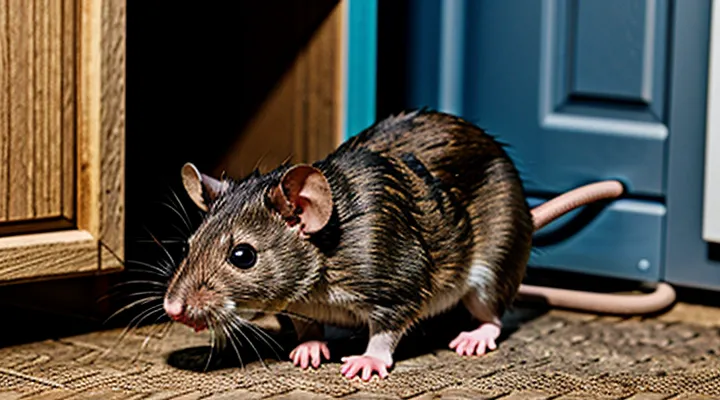
«Understanding the Pests»
«Identifying Rat and Mouse Infestations»
«Signs of Presence»
Rodent activity leaves unmistakable evidence that can be identified before infestations become severe. Recognizing these indicators enables timely intervention and prevents structural damage, contamination of food, and health risks.
Typical signs include:
- Small, dark droppings, roughly the size of a grain of rice for mice and larger, cigar‑shaped for rats, often found along walls, behind appliances, or in pantry corners.
- Gnaw marks on wood, plastic, wiring, and insulation, characterized by clean, parallel cuts with a distinctive orange‑brown coloration from saliva.
- Nests constructed from shredded paper, fabric, insulation, or dried plant material, usually hidden in concealed spaces such as wall voids, attics, or under floorboards.
- Scratching or scurrying noises emitted from ceilings, walls, or crawl spaces, especially during nighttime when rodents are most active.
- Strong, musky odor resulting from urine and glandular secretions, noticeable in enclosed areas like basements or closets.
- Grease or smudge trails along walls and baseboards, left by rodents’ oily fur as they travel.
- Footprints or tail marks in dusty or powdered surfaces, often visible near entry points or feeding stations.
- Damage to food packaging, including torn bags, chewed seals, and spilled contents, indicating foraging behavior.
When multiple signs appear together, the likelihood of an established infestation increases dramatically. Prompt documentation of each indicator supports targeted treatment plans and facilitates communication with pest‑management professionals.
«Common Entry Points»
Rats and mice exploit structural weaknesses to infiltrate residential spaces. Identifying and sealing these pathways is essential for any home rodent‑control program.
Typical entry points include:
- Gaps around utility penetrations such as water, gas, and electrical lines; openings often exceed ¼ inch.
- Cracks in foundation walls, especially where concrete meets soil or where mortar has deteriorated.
- Unsealed openings around doors and windows, including weather‑stripping gaps and poorly fitted screens.
- Openings at the roofline, such as eaves, soffits, and vent pipes that lack metal flashing or mesh.
- Spaces beneath crawl spaces and basements, notably gaps around floor joists and pipe sleeves.
- Holes in exterior siding, brick, or stucco where mortar has crumbled or where siding panels have been removed.
- Gaps around garage doors and loading docks, especially where rubber seals are worn or missing.
- Uncovered trash chutes, pet doors, and ventilation grilles lacking proper screens.
Sealing these access routes requires durable materials: steel wool, copper mesh, concrete caulk, expanding foam, or metal flashing, depending on the size and location of the opening. Regular inspection of the building envelope, particularly after seasonal weather changes, helps maintain an impenetrable barrier and reduces the likelihood of infestation.
«Health Risks and Damage Caused»
Rats and mice introduce pathogens that can infect humans through direct contact, bites, or contaminated surfaces. Common agents include Leptospira (leptospirosis), Hantavirus, Salmonella, and Streptobacillus moniliformis (rat‑bite fever). Their urine, feces, and hair also trigger allergic reactions and asthma exacerbations, especially in children.
Rodent activity compromises building integrity. Gnawing on wood, insulation, and plastic penetrates structural components, weakening support beams and allowing moisture intrusion. Burrowing damages foundations and creates entry points for additional pests. Electrical wiring is a frequent target; chewed cables can cause short circuits, fire hazards, and costly repairs.
Food stores suffer contamination when rodents infiltrate pantries, kitchens, and storage areas. Their droppings introduce bacterial growth, leading to spoilage and potential foodborne illness. Grain, pet food, and packaged goods become unsuitable for consumption, resulting in economic loss.
Key impacts can be summarized:
-
Health threats
- Vector‑borne diseases (leptospirosis, hantavirus, salmonellosis)
- Direct injuries (bites, scratches)
- Allergens and asthma triggers
-
Physical damage
Understanding these risks underscores the necessity of rigorous rodent management within residential environments.
«Prevention Strategies»
«Sealing Entry Points»
«Inspecting the Exterior»
Inspecting the exterior of a residence is the first step in preventing rodent infestations. Begin by walking around the building and noting any cracks, gaps, or holes in the foundation, walls, and roofline. Seal openings larger than ¼ inch, as rodents can squeeze through smaller spaces.
Check siding, soffits, and eaves for damage or loose panels. Replace or repair compromised sections to eliminate shelter. Verify that vents, utility penetrations, and pipe entries are fitted with metal mesh or steel wool to block entry.
Examine the perimeter for overgrown vegetation, mulch, and debris that provide cover. Trim bushes, remove leaf litter, and keep grass at a manageable height to reduce hiding places. Ensure that firewood and stored items are placed at least 18 inches from the house and elevated off the ground.
Inspect drainage systems for standing water or clogged gutters. Repair leaks and install splash guards to prevent moisture accumulation, which attracts rodents. Verify that exterior lighting does not create a warm refuge near potential entry points.
A concise checklist can guide the inspection:
- Identify and seal cracks > ¼ inch in foundation, walls, and roof.
- Repair damaged siding, soffits, and eaves.
- Install metal mesh or steel wool on vents, utility lines, and pipe entries.
- Trim vegetation, remove mulch excess, and keep ground cover minimal.
- Store firewood and belongings away from the building, elevated.
- Repair leaks, clear gutters, and add splash guards.
Completing these actions creates a hostile environment for rats and mice, reducing the likelihood of indoor colonization.
«Interior Vulnerabilities»
Rats and mice exploit gaps, openings, and structural flaws inside residential spaces. These weaknesses provide shelter, pathways, and access to food sources, undermining any rodent‑control program.
- Unsealed gaps around utility penetrations (pipes, cables, ducts)
- Cracks in foundation walls or floor joists
- Openings behind appliances, especially refrigerators and stoves
- Loose or damaged weatherstripping on interior doors
- Unfinished basements or crawl spaces with exposed joists
- Detached or poorly fitted cabinets and shelving
- Uncovered vents and dryer exhaust ducts
- Gaps under sinks, countertops, and worktops
Inspect each area systematically. Use a flashlight and a flexible mirror to view concealed joints. Apply a coat of steel wool followed by silicone caulk to narrow cracks; install metal flashing or copper mesh over larger openings. Replace worn door sweeps, secure vent covers with louvered metal, and ensure all utility penetrations are wrapped with copper conduit or heavy‑duty sealant. Seal pantry shelves and cabinet backs with trim or molding to eliminate voids.
Addressing interior vulnerabilities removes the primary conditions that attract rodents, thereby enhancing the efficacy of traps, baits, and exclusion measures throughout the dwelling.
«Sanitation Practices»
«Food Storage»
Proper food storage is a fundamental barrier against residential rodent incursions. Containers should be airtight, made of metal or heavy‑wall plastic, and equipped with secure lids that rodents cannot gnaw through. Store all dry goods—cereals, grains, pet food, and snacks—inside these containers; avoid leaving items in cardboard boxes or open bags.
Key practices for maintaining a rodent‑proof pantry:
- Keep shelves clear of debris and spilled crumbs; wipe surfaces after each use.
- Position food containers away from walls and corners to eliminate hiding spots.
- Use shelving that does not rest directly on the floor; a gap of at least two inches deters easy access.
- Inspect packaging for holes before purchase; discard damaged bags or boxes.
Regularly rotate stock and discard expired items, as older food loses aroma barriers and becomes more attractive to pests. A disciplined inventory routine reduces the amount of accessible nourishment, thereby limiting the incentive for rats and mice to establish a presence in the home.
«Waste Management»
Effective rodent control in residential settings begins with proper waste management. Food residues and garbage provide the primary attractants for rats and mice; eliminating these sources reduces the likelihood of infestation.
- Store trash in containers with tight-fitting lids; inspect seals regularly for damage.
- Transfer waste to an outdoor bin no more than 24 hours after collection; keep the outdoor bin at least 10 feet from the house.
- Use heavy‑duty bags that resist tearing; double‑bag when disposing of meat, dairy, or oily foods.
- Clean the interior of indoor bins weekly with a disinfectant solution to remove lingering odors.
- Separate compostable material from general waste; maintain compost piles in sealed, rodent‑proof bins away from the home’s foundation.
Maintain a routine of removing food scraps from countertops, floors, and pet feeding areas. Dispose of pet food after each meal and keep storage containers sealed. Regularly sweep and vacuum to capture crumbs and droppings that could serve as supplemental nourishment.
Finally, schedule periodic inspections of waste disposal areas for signs of gnawing, burrowing, or droppings. Promptly repair any gaps or holes in container walls, lids, or surrounding structures. Consistent attention to these waste‑handling practices limits the resources rodents need to establish a presence, thereby supporting broader control measures.
«Yard Maintenance»
Yard maintenance directly influences the likelihood of rodents entering a residence. Overgrown vegetation, accumulated debris, and unmanaged compost provide shelter, food, and travel routes for rats and mice. Regular upkeep eliminates these resources, reducing the pressure on indoor control measures.
Key yard practices for rodent prevention:
- Trim grass and shrubs to a height of no more than six inches; dense cover offers nesting sites.
- Remove leaf piles, wood chips, and other organic debris that can conceal burrows.
- Store firewood at least two feet off the ground and away from the house foundation.
- Keep compost bins sealed with tight-fitting lids; turn the material frequently to discourage habitation.
- Eliminate standing water by draining puddles, repairing leaks, and ensuring proper drainage in low‑lying areas.
- Install a physical barrier, such as hardware cloth, around the perimeter of the property to block underground entry.
- Maintain a clear zone of at least one foot between the building’s exterior walls and any stored materials or plantings.
Consistent execution of these actions removes the environmental conditions that attract rodents, thereby supporting broader home‑based control strategies.
«Eradication Methods»
«Trapping Techniques»
«Snap Traps»
Snap traps provide a rapid, mechanical solution for eliminating rats and mice inside residential premises. The device consists of a spring‑loaded bar that releases upon contact with a trigger, delivering a lethal blow to the animal’s neck or spine. Construction materials range from wood to high‑impact plastic, with stainless‑steel springs offering consistent force over many cycles.
Effective deployment requires strategic positioning. Place traps along walls, behind appliances, and near known gnawing sites, because rodents travel close to surfaces. Align the trigger end toward the wall to match the animal’s natural path. Secure traps on a stable surface to prevent misfires. Use bait—such as peanut butter, cheese, or dried fruit—applied sparingly to the trigger platform to attract the target without contaminating the surrounding area.
Safety considerations are essential. Keep traps out of reach of children and pets; employ protective caps or lockable housings where available. Wear thick gloves when handling set traps to avoid accidental activation. Dispose of captured rodents promptly, sealing them in a disposable bag before discarding in a sealed trash container.
When selecting a snap trap, evaluate the following criteria:
- Spring strength: 5–8 lb for mice, 10–12 lb for rats.
- Trigger sensitivity: low‑force mechanisms reduce missed catches.
- Reusability: models with detachable plates allow multiple uses.
- Noise level: insulated designs minimize audible snap, useful in occupied homes.
Advantages and disadvantages can be summarized:
Advantages
- Immediate kill reduces suffering.
- No chemical residues remain after use.
- Low cost per unit; reusable models lower long‑term expense.
- Simple operation requires no electricity or batteries.
Disadvantages
- Requires careful placement to achieve high capture rates.
- Potential hazard to non‑target species if unsecured.
- Visible dead rodents may be unsettling for occupants.
- Limited to single‑kill capacity per set; frequent resetting may be necessary in heavy infestations.
Integrating snap traps into a broader rodent management plan—combined with sealing entry points, maintaining cleanliness, and monitoring activity—enhances overall effectiveness and reduces the likelihood of reinfestation. Regular inspection of trap locations, replacement of bait, and timely resetting ensure sustained control throughout the residence.
«Live Traps»
Live traps provide a humane alternative for homeowners seeking to remove rats and mice without killing them. The devices consist of a cage or tube that closes automatically when the animal enters, allowing capture and subsequent release.
Key considerations when selecting a live trap:
- Size compatible with target species (e.g., 10‑12 in. for rats, 6‑8 in. for mice).
- Durable construction to prevent escape.
- Easy-to‑open door mechanism for quick release.
- Transparent or mesh walls for visual monitoring.
Effective placement maximizes capture rates. Position traps along established runways, near walls, behind appliances, or close to food sources. Align the entrance with the direction the rodent typically travels; a 45‑degree angle to the wall often yields better results. Ensure the trap rests on a stable surface to avoid tipping.
Bait selection influences success. High‑protein or high‑fat foods such as peanut butter, cooked bacon, or dried fruit attract both rats and mice. Apply a small amount to the trigger plate or inside the cage, avoiding excess that may allow the animal to eat without triggering the mechanism.
Maintenance procedures are straightforward. Check traps at least twice daily to reduce stress on captured animals. When releasing, transport the cage to a location at least two miles from the residence, preferably in a wooded or field area with natural cover. Release the animal away from structures, and open the door gently to allow an unobstructed exit.
Safety precautions protect occupants and pets. Keep traps out of reach of children and domestic animals. Wear disposable gloves when handling captured rodents to prevent disease transmission. Disinfect the trap after each use with a bleach solution or alcohol wipe.
Integrating live traps with complementary strategies—such as sealing entry points, eliminating food residues, and employing rodent‑proof containers—creates a comprehensive control program that reduces reinfestation risk while adhering to humane practices.
«Placement Strategies»
Effective rodent control in residential settings relies heavily on the strategic placement of traps, bait stations, and monitoring devices. Proper positioning maximizes encounter rates, reduces non‑target exposure, and facilitates early detection of infestations.
Position traps along established travel routes. Identify walls, baseboards, and concealed pathways where rodents habitually move; place snap or electronic traps perpendicular to these routes, with trigger mechanisms facing the wall. Position bait stations near food sources, such as pantry shelves, garbage disposals, or pet feeding areas, but at least 12 inches from the edge of countertops to prevent accidental contact. Secure stations on stable surfaces to avoid tipping.
Deploy monitoring devices in concealed locations before implementing lethal control. Use motion‑activated cameras or non‑lethal catch‑and‑release traps in attics, crawl spaces, and behind appliances. Record activity for at least 48 hours to confirm species, population density, and peak activity periods.
Key placement guidelines:
- Maintain a minimum distance of 3 feet between traps and child‑accessible zones.
- Keep bait stations at least 6 inches from walls to allow unobstructed rodent access.
- Rotate trap locations weekly to prevent habituation.
- Position devices near entry points, such as gaps around pipes, vents, and foundation cracks.
- Use multiple devices per room in larger homes; aim for one device per 150 sq ft of floor space.
Regularly inspect and adjust placements based on observed activity. Prompt relocation of underperforming devices sustains efficacy and minimizes the chance of rodents learning to avoid traps.
«Baiting Methods»
«Types of Baits»
Rodent control in residential settings relies heavily on selecting the appropriate bait formulation. Different active ingredients address specific challenges such as resistance, secondary poisoning risk, and target species preferences.
-
Anticoagulant baits contain compounds like warfarin, brodifacoum, or difethialone. They disrupt blood clotting, leading to death after a single or multiple feedings. First‑generation anticoagulants require several bites; second‑generation agents act after one ingestion but carry higher secondary toxicity.
-
Non‑anticoagulant baits employ alternative toxins. Bromethalin interferes with cellular energy production, causing rapid mortality without affecting clotting. Zinc phosphide releases phosphine gas in the stomach, effective against resistant populations but unsuitable where pets or children may access the bait.
-
Food‑based attractants enhance palatability. Grain, peanut butter, and dried fruit serve as carriers for the active ingredient, increasing acceptance by both rats and mice. Formulations may be compressed blocks, pellets, or liquid emulsions, each suited to different placement strategies.
-
Mechanical bait stations combine a physical trap with a lure. Snap traps loaded with a small amount of attractive food provide immediate removal, while live‑catch traps paired with bait allow humane relocation. These devices reduce environmental exposure to chemicals but require regular monitoring.
Effective deployment considers bait durability, placement height, and environmental conditions. Baits should be positioned along walls, behind appliances, and near known runways, preferably in tamper‑resistant stations to protect non‑target organisms. Rotation of active ingredients mitigates resistance development, while adherence to label instructions ensures compliance with safety regulations.
«Safe Bait Station Usage»
Safe bait stations provide targeted control while minimizing exposure to humans, pets, and non‑target wildlife. Select stations certified for indoor use, equipped with tamper‑resistant locks, and compatible with the chosen rodenticide. Ensure the product is approved by relevant health authorities and labeled for residential application.
Placement guidelines:
- Install stations along walls, behind appliances, or in concealed corners where rodent activity is evident.
- Position units 2–3 feet above the floor and at least 12 inches away from food preparation surfaces.
- Secure stations to a fixed surface using screws or brackets to prevent displacement.
Operational practices:
- Load each station with the exact amount of bait specified on the label; avoid over‑filling.
- Check stations weekly for bait consumption, damage, or signs of tampering.
- Replace empty or compromised units promptly; dispose of used bait according to local hazardous‑waste regulations.
- Keep children and pets out of the immediate area; use additional barriers if necessary.
Maintenance records documenting installation dates, inspection results, and bait replacement intervals support compliance and facilitate timely intervention when rodent pressure increases.
«Natural Deterrents and Repellents»
«Essential Oils»
Essential oils provide a natural option for reducing rat and mouse activity inside residential spaces. Their strong aromatic compounds interfere with the olfactory cues rodents rely on for navigation and feeding, prompting avoidance of treated areas.
- Peppermint oil – high menthol concentration, strong repellent effect.
- Eucalyptus oil – contains eucalyptol, disrupts scent trails.
- Lavender oil – linalool component deters small mammals.
- Citronella oil – citronellal repels rodents and insects alike.
- Clove oil – eugenol acts as a toxicant at elevated concentrations.
Application methods:
- Saturate cotton balls with a few drops of oil and place them in corners, behind appliances, and along baseboards. Replace every 3–5 days to maintain potency.
- Mix oil with water (approximately 10 ml oil per liter) and spray around entry points, crawl spaces, and storage shelves. Use a fine mist to cover surfaces evenly.
- Incorporate oil into silicone sealant or foam strips for long‑lasting diffusion in wall gaps and door frames.
Safety considerations include ventilating treated rooms, avoiding direct skin contact, and keeping products away from children and pets. High concentrations may cause respiratory irritation; therefore, adhere to recommended dilution ratios. Essential oils complement, rather than replace, physical exclusion measures such as sealing holes and maintaining cleanliness. Their effectiveness diminishes over time, necessitating regular reapplication for sustained rodent deterrence.
«Ultrasonic Devices»
Ultrasonic devices emit high‑frequency sound waves that rodents find uncomfortable, causing them to avoid treated areas. The emitted frequencies typically range from 20 kHz to 65 kHz, a band audible to rats and mice but inaudible to humans and most pets.
Effective deployment requires strategic placement. Devices should be positioned at least one meter apart, mounted on walls at mouse height (approximately 15–30 cm above the floor). Obstacles such as furniture, curtains, and thick walls attenuate the signal; therefore, open‑space locations maximize coverage.
Limitations include habituation and interference from ambient noise. Rodents may become desensitized after several weeks, reducing efficacy. Continuous operation in noisy environments (e.g., kitchens with running appliances) can diminish the acoustic impact.
Integration with complementary controls enhances overall results. Combining ultrasonic units with exclusion techniques (sealing entry points) and traps creates a multi‑modal approach that reduces the likelihood of resistance.
Best‑practice checklist
- Install devices in each room where activity is observed.
- Maintain a minimum spacing of one meter between units.
- Replace batteries or verify power supply monthly.
- Rotate device locations every 30 days to prevent habituation.
- Pair with physical barriers and monitoring traps.
Regular inspection of device functionality and adjustment of placement based on rodent movement patterns ensure sustained performance. When used correctly, ultrasonic emitters form a reliable component of residential rodent management.
«Post-Extermination Measures»
«Cleaning and Disinfection»
Thorough cleaning eliminates food residues, nesting material, and scent trails that attract rodents. Regular removal of crumbs, spilled liquids, and pet food prevents the establishment of foraging sites.
- Sweep, vacuum, and mop floors daily in kitchens, dining areas, and pantries.
- Wipe countertops, appliance exteriors, and cabinet fronts with a detergent solution after each meal preparation.
- Store dry goods in sealed, rodent‑proof containers; discard packaging that shows signs of damage.
- Empty trash cans nightly, use lids that seal tightly, and keep outdoor bins away from building entrances.
Disinfection targets pathogens carried by rodents and reduces lingering odors that encourage re‑infestation. Apply EPA‑registered disinfectants to high‑contact surfaces after cleaning. Follow label instructions for concentration, contact time, and ventilation. Use bleach‑based solutions (1 % sodium hypochlorite) for non‑porous areas, and alcohol‑based products (≥70 % ethanol) for electronic equipment and switches.
Sanitation extends to hidden zones where rodents travel. Inspect under appliances, behind refrigerators, and within wall voids for droppings or urine stains. Use disposable gloves and a N95 respirator when handling contaminated material. Remove debris, then spray a disinfectant, allowing the recommended dwell time before wiping dry.
Consistent implementation of these practices disrupts the food chain and habitat that sustain rat and mouse populations, thereby supporting broader control efforts within the household.
«Preventing Future Infestations»
Maintain a sealed building envelope. Inspect walls, floors, and foundations for cracks or gaps; fill openings with steel wool, caulk, or concrete. Install door sweeps and weather stripping on all exterior doors. Verify that windows and vents have fine mesh screens that remain intact.
Eliminate food sources that attract rodents. Store dry goods in airtight containers made of glass or heavy‑duty plastic. Clean countertops, floors, and under appliances after each meal. Dispose of garbage in sealed bins and remove trash cans from the home’s perimeter.
Control water availability. Repair leaking pipes, faucets, and roof fixtures promptly. Keep basements and crawl spaces dry with dehumidifiers or proper ventilation. Ensure that pet water dishes are emptied nightly.
Manage outdoor conditions that facilitate entry. Trim vegetation away from the house, maintaining a clearance of at least two feet. Remove debris, woodpiles, and compost heaps from the immediate vicinity. Keep firewood stored off the ground and covered.
Implement a regular monitoring routine. Place snap traps or electronic monitors along known travel routes; check and reset them weekly. Record sightings, droppings, or gnaw marks to identify patterns and adjust preventive actions accordingly.
Schedule periodic professional inspections. Certified pest‑control technicians can detect hidden infestations, recommend targeted treatments, and verify that exclusion measures remain effective. Document each service visit for future reference.
Adopt an integrated approach that combines structural exclusion, sanitation, moisture control, habitat management, and ongoing surveillance. Consistent application of these practices minimizes the risk of new rodent activity and sustains a pest‑free home environment.
«When to Call a Professional»
Professional intervention becomes necessary when a rodent problem exceeds the limits of DIY measures. Indicators include:
- Persistent activity despite traps, bait stations, or sealing of obvious entry points.
- Signs of infestation in multiple rooms, such as droppings, gnaw marks, or urine stains.
- Evidence of structural damage, especially to wiring, insulation, or food storage areas.
- Presence of disease‑carrying vectors, for example fleas or mites, that have spread beyond the immediate rodent sites.
- Lack of progress after a week of consistent, correctly placed control devices.
Legal or health‑code requirements may also compel homeowners to engage licensed exterminators, particularly in rental properties or when dealing with protected species. When the cost of ongoing damage outweighs the expense of professional services, a qualified pest‑control firm can provide comprehensive assessment, targeted treatment, and a guarantee of eradication. Consulting experts ensures compliance with safety regulations, proper use of restricted chemicals, and long‑term prevention strategies that surpass the capabilities of standard household methods.