
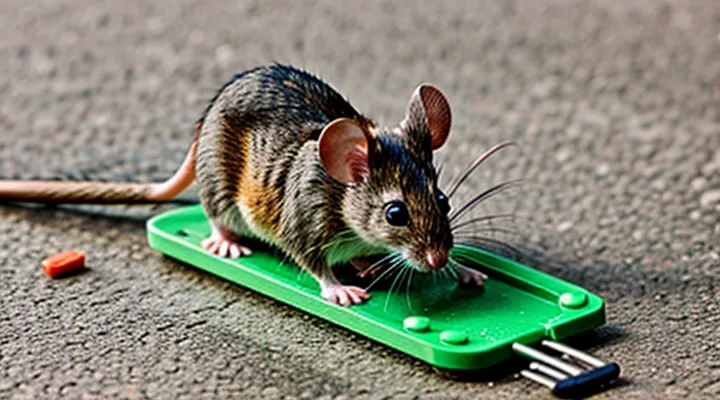
Understanding Mouse Behavior and Bait Preferences
Why Bait Matters
Bait determines whether a mouse will investigate a trap, influencing capture rates directly. Rodents rely on scent and taste cues to locate food; a trap lacking an appealing attractant often goes ignored. The chemical composition of bait interacts with the mouse’s olfactory receptors, triggering exploratory behavior that leads to contact with the trigger mechanism.
Key factors that affect bait effectiveness include:
- Odor intensity – strong, natural aromas such as peanut butter or dried fruit create a gradient that guides mice from a distance.
- Palatability – textures and flavors that match a mouse’s dietary preferences increase the likelihood of handling the bait.
- Moisture content – moist baits release volatile compounds more readily, sustaining attraction over time.
- Placement stability – baits that remain affixed to the trigger prevent displacement, ensuring the mouse encounters the mechanism.
Selecting bait that aligns with these characteristics maximizes trap performance, reduces the need for repeated resetting, and limits non‑target interference. The result is a more efficient pest‑control strategy.
Common Mouse Food Sources
Nutritional Needs of Mice
Mice are omnivorous rodents that require a balanced intake of protein, carbohydrates and fats to sustain rapid growth and high reproductive rates. Protein supplies essential amino acids for muscle development and enzyme synthesis; a diet containing 14‑20 % protein meets the physiological demand of adult individuals. Carbohydrates provide readily available energy; grain‑based sources delivering 45‑55 % of total caloric intake support daily activity levels. Fats contribute essential fatty acids and aid in the absorption of fat‑soluble vitamins; a modest inclusion of 5‑10 % fat completes the macronutrient profile.
Key micronutrients include:
- Calcium and phosphorus for skeletal integrity.
- Iron and zinc for hemoglobin formation and immune function.
- Vitamin B complex for metabolic pathways.
- Vitamin A for visual acuity and epithelial health.
Deficiencies in any of these nutrients manifest as reduced fertility, stunted growth or compromised immunity, conditions that diminish trap success by lowering bait appeal.
Effective bait formulations therefore emphasize high‑protein, grain‑rich components supplemented with a modest amount of animal‑derived material such as dried insects or fish meal. The inclusion of natural sugars enhances palatability, while a trace of mineral salts can attract mice seeking electrolyte replenishment. Selecting baits that mirror the described nutritional profile maximizes attraction and increases capture rates.
Scent and Attraction
Scent provides the primary sensory cue that motivates rodents to investigate a trap. Olfactory stimulation triggers foraging behavior, leading mice to approach baited devices.
Effective aromatic attractants include:
- «peanut butter» – strong, fatty odor that appeals to nocturnal feeders;
- «cereal grain» – sweet, grainy scent mimicking natural stores;
- «tuna oil» – pungent protein fragrance recognized as a high‑energy source;
- «catnip» – menthol‑like aroma that provokes curiosity in many rodent species;
- «cinnamon» – warm spice scent that interferes with sensory adaptation, maintaining interest.
Application guidelines recommend applying a thin layer of the chosen attractant directly to the trap trigger mechanism, ensuring coverage without excess that could obscure the mouse’s ability to detect movement. Placement of the bait at the rear of the trap lever maximizes contact with the scent plume as the rodent enters the device.
Caution is necessary with strong odors such as «citrus» or «ammonia», which may repel rather than attract. Additionally, avoid using scented products containing artificial fragrances, as synthetic compounds often lack the biological relevance required to stimulate natural foraging responses. Regular replacement of the bait preserves potency, preventing scent degradation that reduces capture efficiency.
Traditional Baits: Pros and Cons
Peanut Butter
Advantages of Peanut Butter
Peanut butter stands out as a highly effective lure for rodent traps. Its strong aroma penetrates the environment quickly, attracting mice from a distance. The viscous texture adheres to the trap mechanism, reducing the chance of bait displacement during capture attempts.
Key benefits include:
- Persistent scent that remains active for several days, minimizing the need for frequent re‑baiting.
- High palatability; the sweet, nutty flavor appeals to the natural preferences of mice.
- Sticky consistency ensures the mouse must manipulate the trap to access the food, increasing the likelihood of activation.
- Low toxicity and easy availability make it a safe and economical choice for indoor and outdoor applications.
These attributes combine to make peanut butter a reliable option when selecting bait for mouse control devices.
Disadvantages of Peanut Butter
Peanut butter is a popular attractant for rodent traps, yet several drawbacks limit its effectiveness. Its strong odor can linger on surfaces, attracting non‑target wildlife such as squirrels, raccoons, and birds, which may interfere with trap placement and increase unwanted captures. The sticky consistency adheres to trap mechanisms, potentially hindering lever movement and reducing trigger reliability. Moisture absorption causes the bait to soften or harden over time, altering scent intensity and making it less appealing to mice. Additionally, peanut butter’s high fat content can mask the specific rodent pheromonal cues that more specialized baits exploit, diminishing lure potency. Finally, the cost per unit exceeds that of simpler alternatives like grain or dried fruit, raising operational expenses for large‑scale pest‑control programs.
Cheese
Types of Cheese and Effectiveness
Cheese remains a popular choice for rodent traps, yet effectiveness varies among varieties. Hard, aromatic cheeses release stronger scent cues, attracting mice more reliably than mild, soft options. Moisture content influences durability; overly wet cheeses degrade quickly, reducing bait longevity.
- Cheddar (aged 12–24 months) – intense odor, firm texture; high capture rate, sustained over several days.
- Parmesan – granular, low moisture; moderate attraction, excellent for long‑term placement.
- Gouda (aged) – pronounced aroma, semi‑hard; good initial response, moderate durability.
- Swiss – mild scent, semi‑soft; low capture rate, rapid spoilage.
- Mozzarella (fresh) – high moisture, faint odor; minimal attraction, short effectiveness window.
Research indicates «Cheddar yields higher capture rates than mozzarella» across controlled environments. Selecting a cheese with strong aroma and low moisture maximizes trap performance while minimizing bait replacement frequency.
Why Cheese Can Be Less Effective
Cheese often appears as a classic lure, yet several factors diminish its appeal to rodents. Moisture loss reduces aroma after exposure, making the scent less detectable. Many mouse species develop a preference for high‑protein or high‑fat foods, while cheese supplies relatively low caloric density compared to alternatives such as peanut butter or dried meat. Seasonal dietary shifts can further lower interest in dairy products, especially when natural foraging supplies abundant seeds or grains.
Additional considerations relate to trap performance. Sticky residues from melted cheese can obscure trigger mechanisms, causing premature release or failed engagement. The texture of softened cheese may adhere to the trap’s interior, complicating reset and increasing handling time. Moreover, cheese’s strong odor can attract non‑target wildlife, leading to unintended captures and reduced trap specificity.
Key reasons cheese may underperform:
- Rapid desiccation weakens olfactory cues.
- Lower energy content relative to preferred foods.
- Potential interference with mechanical components.
- Attraction of insects and larger mammals.
Seeds and Grains
Sunflower Seeds
Sunflower seeds present a potent option for rodent control devices due to their high fat content and natural sweetness, which readily attract mice. The seeds’ small size allows easy placement on trigger mechanisms without obstructing the trap’s operation.
Key characteristics include:
- Strong olfactory stimulus that draws mice from a distance.
- Nutrient density encourages repeated interaction, increasing capture probability.
- Minimal mess; seeds remain largely intact after handling.
- Availability in bulk reduces cost per trap.
When deploying sunflower seeds, spread a thin layer on the trigger platform to ensure the animal contacts the release mechanism. For enhanced effectiveness, combine seeds with a modest amount of peanut butter, creating a mixed bait that leverages both scent and texture. Regularly inspect traps to replace depleted bait and maintain optimal attraction.
Birdseed Mixes
Birdseed mixes constitute a practical option for attracting rodents to snap or electronic traps. The combination of grains, seeds, and occasional nuts supplies a familiar food source, encouraging mice to approach the device.
- Sunflower seeds: high fat content, strong scent, rapid consumption.
- Millet and cracked corn: small particle size, easy for mice to handle, sweet flavor.
- Peanuts or peanut butter fragments: protein boost, aromatic oils increase draw.
- Dried fruit pieces (e.g., raisins): added sweetness, moisture retention prolongs bait viability.
When applying birdseed mixes, place a modest amount directly on the trigger mechanism to prevent spillage. Ensure the mixture is fresh; stale seeds lose aroma and become less effective. Avoid excessive quantities that could saturate the trap and impede proper closure. Store unused bait in an airtight container to preserve scent and deter spoilage.
Non-Traditional and Novel Baits
Sweet and Sugary Items
Chocolate
Chocolate attracts rodents through a combination of sweet taste, high fat content, and volatile aromatics. The scent profile stimulates olfactory receptors that mice rely on for locating food sources, making chocolate an effective lure when positioned correctly on a trap.
The primary attractants in chocolate are sucrose, cocoa butter, and the Maillard reaction products formed during processing. These compounds emit a strong, recognizable odor that persists for several hours, increasing the likelihood of a mouse encountering the bait.
Practical considerations include selecting a small, bite‑size piece to prevent premature removal, ensuring the chocolate remains unwrapped to expose its aroma, and storing it in a cool, dry environment to maintain potency. Although chocolate is not toxic to mice, it can pose a risk to household pets; therefore, placement should avoid areas accessible to cats or dogs.
• High palatability – intense sweet and fatty flavor profile
• Strong, lingering odor – enhances detection distance
• Easy to handle – can be cut to size for precise placement
• Potential pet hazard – requires supervision in multi‑animal homes
Effective deployment involves affixing the chocolate to the trigger mechanism with a dab of peanut butter or dental floss to secure it, positioning the trap along known travel paths, and rotating bait every two to three days to counteract loss of scent. Combining chocolate with a secondary attractant such as grain or seed can broaden appeal and improve capture rates.
Gummy Candies
Gummy candies serve as a potent attractant for rodents due to high sugar concentration, distinctive aroma, and soft texture that encourages gnawing. The combination of sweetness and chewability aligns with mice’s natural preferences for carbohydrate‑rich foods.
When evaluating bait efficiency, gummy candies outperform dry seeds and nuts in immediate palatability but present challenges in moisture retention and durability. Excess moisture may cause the candy to dissolve, reducing trap longevity; conversely, the pliable consistency ensures quick acceptance by the mouse.
Practical guidelines for employing «gummy candies» in mouse traps:
- Select varieties with minimal coating or artificial coloring to reduce residue on the trap mechanism.
- Cut each candy into pieces approximately 1 cm in size; smaller fragments increase the likelihood of contact.
- Store candies in an airtight container to preserve firmness until deployment.
- Position the bait at the rear of the trap trigger to compel the mouse to reach fully before release.
- Replace bait after each capture or when signs of drying appear.
These measures optimize the use of gummy candies, balancing attractant strength with operational reliability in rodent control devices.
Fatty Foods
Bacon
Bacon provides a strong olfactory stimulus that mice find highly attractive. The high fat content releases volatile compounds which travel quickly through the environment, increasing the likelihood of detection by rodents.
When using bacon as bait, follow these steps:
- Cut the meat into small, bite‑size pieces, approximately ½ inch (1.3 cm) each.
- Store the pieces in a sealed container until placement to preserve scent.
- Position a single piece on the trap trigger, ensuring it does not block the mechanism.
- Replace the bait after each capture to maintain potency.
Advantages of bacon include rapid scent dispersion, ease of handling, and proven success in field trials. Disadvantages involve potential spoilage, attraction of non‑target species, and increased risk of trap fouling from grease.
Safety considerations require refrigeration of unused bait, use of gloves during handling to avoid contamination, and disposal of remnants in sealed bags to prevent secondary infestations. For indoor settings, select leaner cuts to reduce mess; for outdoor applications, fattier sections may improve reach.
Overall, bacon ranks among the most effective lures for mouse traps, offering a balance of scent intensity and simplicity of use when applied according to best practices.
Hot Dogs
Hot dogs present a high‑protein, high‑fat option that appeals to the dietary preferences of many rodents. The strong scent of cooked meat, especially when seasoned, can attract mice from a distance, increasing the likelihood of trap activation. Their soft texture allows easy chewing, reducing the chance that a mouse will reject the bait after a brief inspection.
Advantages of using hot dogs as bait:
- Intense aroma disperses quickly in confined spaces.
- Moist interior retains scent longer than dry foods.
- Small pieces can be secured on trap mechanisms without slipping.
Potential drawbacks:
- Perishability requires refrigeration and frequent replacement.
- Strong odor may deter non‑target species, but can also alert mice to human presence if the area is not sealed.
- Grease can interfere with spring tension if not cleaned regularly.
When employing hot dogs, slice into ½‑inch cubes and attach with a thin wire or toothpick to prevent removal. Replace the bait every 24 hours in warm environments to maintain potency. Combining hot dogs with a secondary attractant, such as peanut butter, can enhance scent complexity and improve capture rates.
Nesting Materials
Cotton Balls
Cotton balls are frequently employed as a low‑cost, readily available lure for rodent control devices. Their soft texture and absorbent nature allow them to retain a wide range of attractants, from peanut butter to cheese spreads, without disintegrating during handling.
The material’s neutral scent prevents interference with the odor of the chosen food bait, while the fibrous structure provides a convenient platform for placing small quantities of attractant. This combination enhances the likelihood that a mouse will investigate and engage the trap.
To maximize effectiveness, apply a thin layer of high‑fat or protein‑rich food onto the surface of a cotton ball, then secure the ball on the trigger mechanism using a small piece of tape or a dab of adhesive. Position the bait so that the mouse must contact the trigger while reaching for the edible coating.
Advantages:
- Inexpensive and widely stocked.
- Absorbs and holds liquid or semi‑solid baits.
- Easy to attach and remove without damaging the trap.
Disadvantages:
- Limited durability when exposed to moisture for extended periods.
- May become compacted, reducing bait exposure over time.
When integrated with appropriate attractants, cotton balls provide a practical and efficient option for increasing capture rates in mouse‑control strategies.
Dental Floss
Dental floss can serve as an unconventional lure in rodent capture devices. Its thin, flexible structure allows easy attachment to small food items, creating a composite bait that fits neatly within snap‑type or live‑catch traps. When saturated with aromatic attractants such as peanut butter, cheese, or commercial rodent lures, the floss transfers scent while remaining resistant to moisture and chewing.
Key attributes of dental floss for this purpose include:
- High tensile strength; prevents breakage when mice attempt to gnaw the bait.
- Low bulk; enables placement in confined trap chambers without obstructing trigger mechanisms.
- Ability to absorb liquids; facilitates infusion of flavored or scented substances.
- Inexpensive and widely available; allows rapid replacement of bait material.
Practical application steps:
- Cut a 2‑3 inch segment of floss.
- Apply a thin coating of preferred attractant, allowing excess to drip off.
- Tie the coated segment around a small food morsel, securing it with a single knot.
- Position the assembled bait at the trap’s trigger zone, ensuring the knot does not interfere with the mechanism.
Considerations: floss may be chewed away if a mouse focuses on the string rather than the food, reducing longevity of the lure. Selecting a flavored coating that adheres strongly mitigates this risk. Additionally, synthetic floss varieties resist absorption of moisture better than waxed alternatives, preserving scent potency over longer periods.
Optimizing Bait Placement and Trap Setup
Baiting the Trap Correctly
Small Portions vs. Large Chunks
When choosing bait for a rodent capture device, the size of the offering influences both attraction and trap performance. Small portions present a modest scent plume that encourages cautious mice to investigate without overwhelming their sense of smell. The limited amount reduces the risk of bait displacement when the animal contacts the trigger, allowing the mechanism to activate reliably. Additionally, tiny pieces fit easily into narrow trap chambers, ensuring that the mouse can reach the food without obstructing the spring.
Large chunks release a stronger odor, which can draw mice from greater distances. The substantial mass supplies sustained scent, maintaining interest during prolonged exposure. However, sizable pieces may shift under the animal’s weight, potentially preventing the trigger from registering contact. In confined traps, bulky bait can block entry pathways, reducing capture rates.
Comparison
- Small portions: subtle scent, minimal displacement, compatible with tight spaces, higher trigger reliability.
- Large chunks: intense scent, longer-lasting attraction, risk of bait movement, possible obstruction of entry.
Selecting the appropriate size depends on the trap design, placement environment, and the target mouse’s foraging behavior. For traps with limited interior space, small fragments typically yield consistent results, while open‑top devices may benefit from larger pieces that maximize olfactory draw.
Securing the Bait
Securing bait properly maximizes trap effectiveness and reduces premature loss. Apply a small amount of adhesive bait—peanut butter, chocolate spread, or soft cheese—directly onto the trigger mechanism, ensuring the mass does not exceed the size of a pea. Excessive bait can be dragged away by the rodent before the trap springs, resulting in false‑positive captures.
Use a containment method when employing loose baits such as grains or dried fruit. Place the bait inside a thin, perforated sachet made of cheesecloth or fine nylon mesh, then affix the sachet to the trigger with a single strip of masking tape. This arrangement holds the bait in place while still allowing the mouse to detect scent and scent‑contact.
- Position bait centrally on the trigger plate to align with the mouse’s natural chewing path.
- Secure the bait with a minimal amount of non‑toxic adhesive to prevent slippage.
- Inspect the bait daily; replace if dried or contaminated.
Consistent bait security prevents premature removal, encourages contact with the trigger, and enhances overall capture rates.
Strategic Trap Placement
High-Traffic Areas
When dealing with locations where rodents move frequently, bait selection must align with the intensity of activity. In areas such as kitchen countertops, pantry shelves, and pathways behind appliances, mice repeatedly investigate surfaces for food sources. Consequently, the most successful attractants combine strong scent, high caloric value, and resistance to rapid consumption.
- Peanut butter: dense texture, powerful odor, remains on the trap after multiple contacts.
- Seeds mixed with dried fruit: offers natural sweetness, appealing to foraging behavior.
- Small pieces of cooked meat: emits strong protein aroma, effective during colder months.
- Commercial rodent gel: formulated with potent pheromonal cues, adheres to trap surfaces.
Placement strategy enhances bait performance. Position traps perpendicular to the wall, with the bait facing the anticipated travel route. Ensure the lure is concealed enough to encourage handling but visible enough to trigger curiosity. Regularly inspect and refresh bait to maintain potency, especially after exposure to moisture or dust.
In high-traffic zones, the combination of a persistent, aromatic bait and strategic trap orientation maximizes capture rates while minimizing wasted effort.
Near Walls and Corners
Mice travel along perimeters, using walls and corners as primary routes. Positioning bait in these zones aligns with natural movement patterns, increasing encounter probability.
Closed‑space navigation drives mice to seek shelter behind structures. Traps set adjacent to surfaces intercept the animal before it enters open floor areas. Consequently, bait placed within a few centimeters of a wall edge or inside a corner exploits the rodent’s tendency to remain in contact with surfaces.
Effective bait choices for perimeter placement include:
- « peanut butter » – strong odor, adheres to trap surfaces.
- « dried fruit » – sweet scent, compact form.
- « cheese cubes » – familiar food source, easy to secure.
- « sunflower seed paste » – high fat content, attractive to foraging mice.
Placement guidelines:
- Locate bait 1–2 cm from the wall, ensuring the trap’s trigger faces the edge.
- Align the trap so the entry point faces the corner’s interior angle, creating a funnel effect.
- Secure bait to prevent displacement by wind or other animals.
- Keep surrounding area free of competing food sources to maintain focus on the trap.
Trap Type and Bait Interaction
Snap Traps
Snap traps rely on a rapid closing mechanism that delivers a lethal blow when a mouse triggers the spring‑loaded bar. The efficiency of this device hinges on the bait’s ability to entice the rodent to engage the trigger quickly and repeatedly.
Effective bait for snap traps must possess a strong odor, be easily grasped, and remain stable on the trigger plate. Small portions prevent the mouse from removing the bait without activating the trap, while a high protein or fat content appeals to the animal’s natural preferences.
« Peanut butter » – dense, aromatic, adheres to the trigger surface.
« Chocolate » – potent scent, minimal mess, attractive to both mice and rats.
« Hard‑cooked egg » – rich protein, solid enough to stay in place.
« Sunflower seeds » – natural seed oil, easy to secure with a small dab of adhesive.
« Meat scraps » – fresh poultry or beef, strong odor, requires careful placement to avoid spoilage.
Placement of the bait should target established pathways, typically along walls where mice travel. Secure the bait with a thin layer of petroleum jelly or a small piece of wax to keep it from being carried away. Position the trap with the trigger end facing the wall to align with the mouse’s natural forward motion. Regular inspection ensures the bait remains fresh and the spring retains full tension, maintaining optimal performance.
Live Traps
Live traps capture rodents without killing them, allowing relocation or humane release. The device consists of a cage with a trigger mechanism that closes the door once the mouse enters.
Advantages include prevention of secondary poisoning, compliance with animal‑welfare regulations, and the ability to monitor capture rates directly. Because the animal remains alive, bait must entice entry quickly and sustain interest until the trap closes.
Effective bait choices focus on strong scent, high caloric value, and minimal mess. Recommended items are:
- «peanut butter» – dense, aromatic, adheres to trigger plates
- «sunflower seeds» – natural mouse favorite, easy to attach
- «soft cheese» – strong odor, attractive to foragers
- «dry cat food» – grain‑based, readily available, potent scent
- «fruit pieces» (e.g., apple or banana) – sweet aroma, appealing to opportunistic feeders
Placement of live traps should target known pathways: along walls, near droppings, and close to food sources. Set traps at night when mouse activity peaks, and check them at least once daily to prevent stress or dehydration.
When releasing captured mice, choose a location at least 100 m from the original site, preferably in a natural habitat with shelter and food. This practice reduces the likelihood of immediate return and supports humane pest management.
Electronic Traps
Electronic traps eliminate rodents through a high‑voltage shock, requiring bait that attracts mice while ensuring reliable contact with the sensor plates. Bait selection influences the speed of capture and the likelihood that the mouse will remain on the trigger surface long enough for the circuit to discharge.
Ideal bait characteristics include strong scent, low moisture content, and a shape that encourages the animal to step onto the sensor area. Commonly effective options are:
- Small pieces of peanut butter, applied directly to the sensor plate; the oily consistency adheres to the mouse’s paws.
- A fragment of cheese, preferably hard varieties such as aged cheddar, which maintains structural integrity.
- Bits of dried fruit, such as raisins or apricots, offering a sweet aroma without excessive stickiness.
- Commercial rodent attractants, formulated with pheromones and food extracts; these products often come in gel or solid form suitable for placement on the contact surface.
When using electronic devices, avoid baits that melt, liquefy, or release excessive crumbs, as they can interfere with the sensor’s operation or create a mess that reduces the trap’s effectiveness. Additionally, position the bait centrally on the plate to maximize the probability of contact.
Maintenance considerations include regularly cleaning the sensor plates with a dry cloth to remove residue, and replacing bait after each capture to sustain attraction. Proper placement of the trap—along walls, near known activity routes, and away from direct sunlight—enhances the lure’s potency and ensures consistent performance.
Troubleshooting and Advanced Tips
When Baits Don’t Work
Scent Contamination
Scent contamination reduces the attractiveness of bait, causing mice to lose interest before contact with the trap. Residual odors from handling, storage containers, or surrounding environments can mask the natural scent that lures rodents, leading to lower capture rates.
To preserve bait potency, follow these practices:
- Store bait in airtight, odor‑free containers; avoid plastic that retains previous food smells.
- Handle bait with clean gloves; wash hands thoroughly after contact with other substances.
- Place traps away from strong household odors such as cleaning agents, scented candles, or pet food.
- Replace bait regularly; prolonged exposure to air diminishes volatile compounds that attract mice.
Monitoring scent integrity involves checking for any foreign aroma before deployment. If a faint foreign odor is detected, discard the bait and use a fresh batch. Maintaining a neutral olfactory environment maximizes trap efficiency.
Bait Shyness
Bait shyness describes a mouse’s learned avoidance of traps after previous unsuccessful or threatening encounters. The behavior results from negative reinforcement; a mouse associates the scent or appearance of a trap with danger and consequently ignores similar devices.
Repeated exposure to the same bait type accelerates the development of bait shyness. Strong, familiar odors become predictable, prompting the rodent to seek alternative food sources. Environmental stressors, such as overcrowding or limited food availability, also increase the likelihood of avoidance.
Typical indicators include a lack of interaction with the trap, frequent inspection of the surrounding area without contact, and a preference for distant food sources. When bait shyness is present, standard attractants lose effectiveness.
Effective countermeasures:
- Rotate bait flavors and textures every few days to maintain novelty.
- Incorporate high‑protein items such as peanut butter, cooked egg, or small pieces of meat.
- Apply a thin layer of unscented oil to the trap surface to reduce visual cues.
- Pre‑bait the trap for 12–24 hours without activation, allowing the mouse to become accustomed to the scent.
- Position traps along established runways, minimizing exposure to open spaces.
Selection of fresh, aromatic baits combined with regular variation minimizes the risk of bait shyness and improves trap success.
Rotating Baits
Rotating baits consist of a central hub that holds multiple attractants, each positioned on a separate arm that pivots when a mouse contacts any segment. The design forces the rodent to encounter a fresh scent or flavor with each movement, reducing the likelihood of bait aversion.
The mechanism relies on a low‑friction bearing, allowing smooth rotation after the initial bite. As the mouse gnaws, the arm rotates, presenting a new portion of the bait while simultaneously resetting the trap’s trigger. This continuous exposure maintains interest without requiring frequent re‑baiting.
Key advantages include prolonged bait life, minimized waste, and increased capture rates in environments where mice exhibit selective feeding habits. The rotating action also distributes scent more evenly, enhancing the trap’s reach within a cluttered area.
Recommended attractants for rotating systems:
- Peanut butter mixed with a small amount of cornmeal
- Soft cheese cubes infused with a hint of garlic
- Sunflower seed paste combined with vanilla extract
- Commercial rodent gel containing pheromone additives
Effective deployment guidelines:
- Secure the bait firmly to each arm to prevent premature loss.
- Position the trap along established mouse runways, near walls or concealed entry points.
- Monitor rotation after each capture; replace any depleted arm promptly.
- Store unused bait in airtight containers to preserve potency.
Combining Baits
Combining baits creates a multi‑sensory lure that increases the likelihood of mouse capture. The approach merges distinct attractants—taste, scent, and texture—to appeal to varied feeding preferences.
A typical combination includes:
- «peanut butter» for strong, oily aroma and high palatability.
- «dry cat food» or «cereal grains» to provide a crunchy texture that stimulates gnawing.
- «fruit puree» such as apple or banana for sweet, fruity notes that attract opportunistic foragers.
When mixing, maintain a ratio that prevents one component from overwhelming the others; a 2:1:1 proportion of peanut butter, dry food, and fruit puree yields balanced olfactory and gustatory signals. Apply the blend to the trap’s trigger mechanism, ensuring the mixture adheres without dripping, which could create a mess and reduce effectiveness.
Safety considerations require avoiding toxic substances; exclude items containing chocolate, caffeine, or strong preservatives. Store prepared mixtures in airtight containers for up to 48 hours to preserve freshness and prevent mold growth.
Strategic placement enhances results. Position the combined bait at the deepest part of the trap, where the mouse must contact the trigger to reach it. Align the trap along established mouse pathways—near walls, behind appliances, or within concealed spaces—to increase encounter rates.
Regular monitoring, at least once daily, confirms bait integrity and trap performance. Replace the mixture promptly if it desiccates or becomes contaminated, preserving the lure’s potency and maintaining consistent capture rates.