
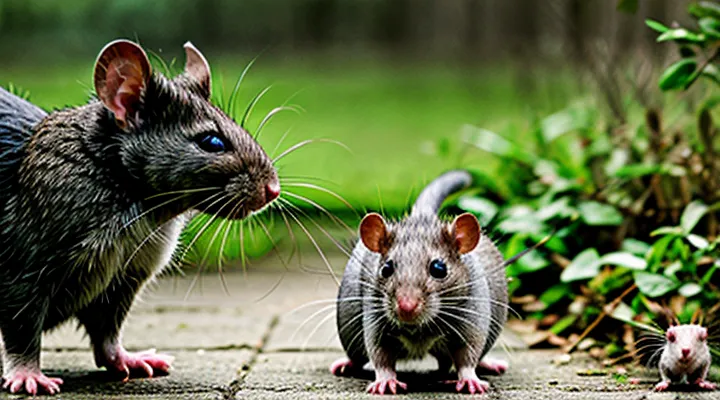
Introduction
What are Rats?
General Overview of Rat Species
Rats belong to the genus Rattus, which comprises dozens of species worldwide. The group includes both animals that have been deliberately kept by humans and those that remain entirely wild. All share a common ancestry, comparable dentition, and a high capacity for rapid reproduction.
Domesticated rats are primarily derived from two species: the Norway rat (Rattus norvegicus) and the Black rat (Rattus rattus). Selective breeding has produced individuals with uniform coat colors, reduced aggression, and a tolerance for confined environments. These animals are common in laboratories, pet collections, and urban settings where they coexist closely with people.
Wild rat species occupy diverse ecosystems and retain natural foraging behaviors. Notable examples include:
- Rattus exulans (Polynesian rat) – coastal islands, feeds on seeds and insects.
- Rattus argentiventer (Ricefield rat) – Southeast Asian rice paddies, primarily herbivorous.
- Rattus tanezumi (Asian house rat) – tropical forests and cultivated fields, omnivorous.
- Rattus fuscipes (Bush rat) – Australian scrublands, nocturnal and arboreal.
- Rattus norvegicus populations that have not been domesticated – temperate regions, highly adaptable to sewers and burrows.
These wild species differ from their domestic counterparts in body size, fur texture, and behavioral patterns such as territoriality and predator avoidance. Understanding the breadth of Rattus diversity clarifies the principal distinctions between rats kept by humans and those that remain in natural habitats.
Historical Coexistence with Humans
Rats have accompanied human settlements for millennia, shaping both urban development and agricultural practices. Early grain stores attracted wild species, which gradually adapted to the stable food sources offered by villages. Over time, selective breeding produced a tolerant lineage that thrives in domestic environments, while its untamed counterpart retained behaviors suited to open habitats.
Key aspects of this coexistence include:
- Food exploitation: Wild rats foraged on waste and stored crops, prompting early pest control measures; domestic rats benefited from deliberate feeding and breeding programs.
- Disease transmission: Historical outbreaks such as the Black Death highlighted the role of commensal rodents in spreading pathogens, leading to sanitation reforms that differentiated treatment of free‑roaming and captive populations.
- Cultural perception: In many societies, wild rats symbolized vermin and were subject to extermination, whereas domesticated variants entered scientific research and pet markets, reflecting divergent human attitudes.
Archaeological evidence from ancient granaries, shipwrecks, and burial sites confirms continuous rat presence alongside human activity. The emergence of rat‑specific habitats—sewers, basements, and laboratory cages—mirrored the split between feral and controlled environments, reinforcing distinct ecological niches that persist today.
Physical Characteristics
Size and Build
Domestic Rat Variations
Domestic rats display a range of phenotypic and behavioral traits that result from centuries of selective breeding. Breeders focus on coat coloration, pattern, body size, and temperament, creating distinct varieties that differ markedly from their wild counterparts.
Key characteristics of domestic rat variations include:
- Coat colors and patterns – solid (e.g., black, white, brown), agouti, hooded, tuxedo, and piebald; each pattern arises from specific pigment genes.
- Fur texture – standard short hair, long hair (rex), curly hair (curls), and hairless forms; texture influences grooming needs and susceptibility to skin conditions.
- Body size – dwarf strains weigh 150–250 g, standard strains reach 300–500 g; size affects handling, housing space, and dietary requirements.
- Ear and tail morphology – standard ear size, reduced‑ear (dumbo) phenotype, and variations in tail length and thickness; these traits alter sensory perception and locomotion.
- Temperament – high‑energy, exploratory lines versus calm, docile lines; temperament correlates with breeding goals such as suitability for research, companionship, or show competition.
Genetic lineage determines the prevalence of these traits. Outbred stocks maintain genetic diversity, reducing the risk of inherited disorders, while inbred lines emphasize uniformity for experimental consistency. Understanding these variations enables owners to select rats that match specific care protocols, housing designs, and interaction preferences.
Wild Rat Size and Agility
Wild rats exhibit considerable size variation across species and habitats. Adult Norway rats (Rattus norvegicus) commonly reach 20–25 cm body length, with tails of similar length and weights up to 500 g. Black rats (Rattus rattus) are smaller, averaging 15–20 cm body length, tails longer than the body, and weights between 150–300 g. Seasonal food abundance can increase body mass by 10–20 % in temperate regions, while scarcity reduces it sharply.
Agility distinguishes wild rats from their domesticated counterparts. Muscular hind limbs enable rapid acceleration, reaching speeds of 8–10 km/h over short bursts. Strong forelimbs and flexible spines allow vertical climbing on rough surfaces up to 3 m high. Tail balance and adhesive pads on the feet facilitate tightrope-like navigation across narrow ledges. Reactive reflexes permit jumps of 30–45 cm vertically and 60–90 cm horizontally, supporting escape from predators and movement through dense vegetation.
Key performance metrics:
- Acceleration: 0–5 m/s² within 0.5 s
- Maximum sprint speed: 8–10 km/h
- Vertical climb height: up to 3 m
- Horizontal jump distance: 60–90 cm
- Tail‑to‑body length ratio: 0.9–1.2
These dimensions and capabilities enable wild rats to exploit diverse urban and rural niches, maintain high foraging efficiency, and evade threats with minimal energy expenditure.
Coat Color and Texture
Domestic Rat Coat Diversity
Domestic rats display a wide range of coat colors, patterns, and textures that are rarely seen in their wild counterparts. Breeders have established several genetic lines, each producing distinct phenotypes that appeal to hobbyists and researchers alike.
Common coat variations include:
- Solid colors such as black, white, brown, and champagne.
- Agouti: a banded hair pattern creating a natural, speckled appearance.
- Siamese: a light body with darker extremities.
- Himalayan: white body with dark points on ears, nose, feet, and tail.
- Dumbo: a mutation affecting ear size, often combined with any of the above colors.
- Rex: a plush, velvety texture caused by a hair‑shaft mutation.
- Hairless: a lack of fur, exposing skin that may be pigmented or pink.
Coat length also varies. Standard domestic rats possess short, dense fur, while the “long‑haired” (also called “long‑fur”) line exhibits hair that can reach several centimeters, requiring regular grooming to prevent matting. The Rex line presents a short, wavy coat that feels softer than typical fur.
In contrast, wild rats typically exhibit a uniform brownish-gray coat that provides camouflage. Their fur is short, coarse, and lacks the genetic diversity found in pet populations. This uniformity reflects natural selection for survival rather than aesthetic preference.
Overall, the extensive coat diversity of domesticated rats results from selective breeding, genetic mutations, and controlled environments, offering a spectrum of visual and tactile characteristics absent in wild species.
Wild Rat Camouflage
Wild rats rely on camouflage to avoid predators and to increase foraging success. Their fur exhibits colors that match the typical substrates of their habitats—brown‑gray tones blend with soil, leaf litter, and urban debris, while darker hues appear in damp, shadowed areas. Seasonal molting adjusts pigmentation; lighter coats develop in spring to match emerging vegetation, whereas darker pelage emerges in autumn for concealment among fallen leaves.
- Dorsal coloration mirrors the predominant ground cover (e.g., reddish‑brown in arid zones, soot‑black in sewers).
- Ventral shading remains lighter, reducing silhouette contrast against the sky when the animal moves.
- Patterned markings such as mottled patches interrupt the body outline, breaking visual continuity for predators.
- Texture adaptation includes coarser fur that traps debris, further obscuring the animal’s shape.
Behavioral strategies complement physical camouflage. Wild rats frequently travel along walls, underbrush, and drainage pipes where ambient light is low, minimizing exposure. They pause motion when illuminated, relying on static coloration to remain unnoticed. In contrast, domesticated rats, raised in controlled environments, display uniform fur colors and lack the adaptive molting cycles observed in their wild counterparts, reflecting a reduced need for concealment.
Tail and Ears
Domestic Rat Tail Features
Domestic rats possess tails that are markedly smoother and more uniformly furred than those of wild counterparts. The tail length typically equals or exceeds the body length, providing a balanced silhouette suited for indoor environments.
The tail surface is covered with fine, dense hair that reduces friction and protects the underlying skin. Scale rows are small and tightly packed, creating a sleek appearance. Tapering occurs gradually from the base to a fine tip, allowing precise maneuverability.
Functional aspects include:
- Balance: The elongated tail acts as a counterweight during climbing and rapid turns.
- Sensory input: Nerve endings along the tail detect pressure and temperature changes, informing the rat of its surroundings.
- Health indicator: Changes in fur condition, coloration, or swelling often signal disease or injury.
Compared with wild rats, domestic tails exhibit several distinct traits:
- Proportionally longer relative to body size, enhancing stability on elevated surfaces.
- Continuous fur coverage without the sparse, patchy hair typical of wild specimens.
- Reduced scale prominence, resulting in a smoother texture.
- Uniform coloration, usually matching the body coat, whereas wild tails display mottled or darker patterns for camouflage.
Wild Rat Tail Adaptations
Wild rats possess tails that differ markedly from those of their domesticated relatives, reflecting the demands of a free‑living environment. The tail functions as a multifunctional organ, integrating locomotor, sensory, and physiological roles.
- Length proportionally exceeds body size, enabling balance during rapid, arboreal movement.
- Muscular vertebrae allow limited prehension, assisting in climbing and grasping narrow substrates.
- Dense, tapered fur reduces heat loss while preserving tactile sensitivity.
- High concentration of mechanoreceptors supplies precise environmental feedback, supporting nocturnal foraging.
- Vascular plexus near the distal end facilitates thermoregulation through controlled blood flow.
- Subcutaneous fat deposits provide an energy reserve during periods of scarcity.
These adaptations collectively enhance maneuverability, predator evasion, and resource exploitation in variable habitats, distinguishing wild rat tails from the shorter, less specialized tails observed in captive populations.
Behavioral Traits
Temperament and Socialization
Domestic Rat Docility
Domestic rats exhibit a calm temperament that distinguishes them from their wild counterparts. Selective breeding for generations has reduced fear responses, enabling rats to tolerate handling, enclosure confinement, and interaction with humans without aggressive or escape-driven behavior.
In contrast, wild rats retain heightened vigilance, rapid flight responses, and defensive aggression. Their survival strategy relies on avoidance of humans and rapid adaptation to unpredictable environments, resulting in limited tolerance for direct contact and confinement.
Factors contributing to the docile nature of pet rats include:
- Genetic selection for reduced stress reactivity
- Early socialization with humans during the neonatal period
- Consistent, gentle handling that reinforces trust
- Enriched cages that provide nesting material, chew objects, and space for exploration
These elements collectively shape a behavioral profile that supports companionship, research applications, and ease of care.
Wild Rat Caution
Wild rats inhabit outdoor environments, often near human settlements, and exhibit behaviors that increase health risks. Their fur and saliva can transmit pathogens such as hantavirus, leptospirosis, and salmonella, while their bites may cause infection. Unpredictable movement patterns and nocturnal activity make encounters difficult to anticipate.
Precautions for handling wild rat situations include:
- Avoid direct contact; use thick gloves and protective clothing when removal is necessary.
- Seal food containers, compost bins, and pet dishes to eliminate attractants.
- Store garbage in sealed containers and remove waste regularly.
- Inspect building exteriors for entry points; repair gaps, vents, and damaged screens.
- Deploy snap traps or live‑catch cages in areas showing activity, positioning them along walls and near droppings.
- Apply disinfectant to surfaces contaminated by urine, feces, or saliva after removal.
- Contact licensed pest‑control professionals for extensive infestations or when disease exposure is suspected.
Implementing these measures reduces the likelihood of disease transmission and minimizes damage caused by wild rat populations.
Diet and Foraging
Domestic Rat Diet Preferences
Domestic rats exhibit a distinct set of dietary preferences shaped by human-provided environments. Their intake centers on commercially formulated pellets, which deliver balanced protein, fat, fiber, vitamins, and minerals. These pellets are complemented by fresh produce, such as carrots, apples, and leafy greens, offering natural sugars and antioxidants. Occasional treats—hard‑boiled eggs, small pieces of cheese, or unsalted nuts—provide additional protein and enrichment.
Key characteristics of the domestic rat diet include:
- Consistency: Pellets supply a reliable nutrient profile, reducing the risk of deficiencies.
- Variety: Fresh fruits and vegetables introduce phytonutrients and prevent monotony.
- Moderation: High‑fat or sugary foods are limited to avoid obesity and metabolic disorders.
- Safety: Foods toxic to rats—chocolate, caffeine, onions, and raw potatoes—are strictly excluded.
Water availability remains critical; fresh, clean water should be accessible at all times. Unlike their wild counterparts, which rely on opportunistic foraging of seeds, insects, and carrion, domestic rats depend on curated nutrition, allowing owners to manage health outcomes more precisely.
Wild Rat Foraging Strategies
Wild rats that inhabit natural environments rely on adaptable foraging tactics to meet nutritional demands and avoid predation. Their diet is opportunistic, encompassing seeds, insects, carrion, plant matter, and anthropogenic waste. Sensory acuity, spatial memory, and social information guide resource acquisition.
Key foraging strategies include:
- Scavenging: Exploiting refuse from human settlements, landfill sites, and agricultural by‑products; rapid assessment of odor cues enables swift exploitation of transient food sources.
- Caching: Storing seeds and nuts in concealed locations; retrieval is mediated by hippocampal‑dependent spatial mapping, reducing competition during scarcity.
- Opportunistic predation: Capturing arthropods and small vertebrates when available; agile locomotion and nocturnal activity increase success rates.
- Seasonal shift: Adjusting diet composition in response to seasonal abundance, favoring high‑energy grains in autumn and fibrous plant material in winter.
- Social foraging: Following conspecific trails marked by scent and urine; collective exploration expands the searchable area while diluting individual predation risk.
These behaviors reflect evolutionary pressures distinct from those shaping domesticated rat populations, whose food intake is dictated by human provisioning and limited environmental variability.
Habitat and Nesting
Domestic Rat Housing Needs
Domestic rats require enclosures that support physical health, mental stimulation, and hygiene. An appropriately designed habitat reduces stress, prevents injury, and promotes natural behaviors.
A cage must provide at least 2 sq ft of floor space per adult rat, with a minimum height of 12 in. Multi‑level setups increase usable area without enlarging the footprint. Wire floors are unsuitable; solid flooring covered with absorbent bedding is mandatory.
Construction materials should be non‑porous, rust‑free, and easy to disinfect. Stainless‑steel frames with clear acrylic panels allow inspection while protecting against gnawing. All edges must be rounded to prevent cuts.
Enrichment items are essential for cognitive health. Include:
- Chewable objects such as untreated wood blocks or mineral chews.
- Climbing structures: ladders, ramps, or platforms.
- Hideaways: tunnels or solid shelters for privacy.
- Foraging opportunities: scatter small food portions in bedding.
Environmental parameters must remain stable. Maintain ambient temperature between 65 °F and 75 °F (18 °C–24 °C) and relative humidity at 40‑60 %. Provide continuous airflow without drafts; ventilation slots should be covered with fine mesh to exclude pests.
Routine maintenance preserves hygiene. Spot‑clean waste daily, replace bedding weekly, and perform a full cage sanitization monthly using a mild, rodent‑safe disinfectant. Verify that all cage components are securely fastened before each use to avoid accidental escapes.
Position the enclosure away from direct sunlight, loud appliances, and strong odors. A quiet, low‑traffic area minimizes stress while allowing easy observation by the caretaker.
Wild Rat Burrowing Habits
Wild rats construct extensive tunnel networks that serve as shelter, foraging bases, and predator escape routes. Burrows are typically located in soil with moderate moisture, under vegetation, or within abandoned structures. The entrance often features a shallow mound of displaced earth that camouflages the opening.
Key characteristics of wild rat burrowing include:
- Multi‑level chambers connected by vertical shafts, allowing rapid movement between surface and depth.
- Seasonal adjustment of tunnel depth: deeper passages in winter to maintain stable temperature, shallower systems in summer for ventilation.
- Use of existing cavities, such as animal burrows or root systems, to reduce excavation effort.
- Reinforcement of tunnel walls with compacted soil or plant material, increasing structural integrity.
These behaviors contrast sharply with the nesting habits of house rats, which favor open nests in buildings rather than subterranean systems. The burrowing strategy enhances survival in variable outdoor environments and reflects the ecological adaptations that differentiate wild specimens from their domestic counterparts.
Health and Lifespan
Disease Resistance
Domestic Rat Immunities
Domestic rats exhibit immune profiles shaped by selective breeding, controlled environments, and routine veterinary care. These factors produce a narrower range of pathogen exposure compared to feral counterparts, resulting in reduced natural immunity to certain infectious agents.
Genetic selection for traits such as temperament and coat color has inadvertently concentrated alleles linked to immune responsiveness. Laboratory strains, for example, often carry mutations that diminish cytokine production, while pet lines retain a broader repertoire of major histocompatibility complex (MHC) variants, offering moderate resistance to common viral and bacterial challenges.
Living conditions exert a decisive influence. Clean cages, filtered air, and regulated temperature limit exposure to environmental microbes, decreasing the stimulus required for robust adaptive immunity. Conversely, wild rats encounter diverse bacterial flora, parasites, and viral particles, which continuously activate and expand their immune repertoires.
Disease susceptibility reflects these differences. Domestic rats are prone to:
- Mycoplasma pulmonis infections, facilitated by limited microbial competition.
- Sendai virus outbreaks, owing to close contact in breeding colonies.
- Parasitic infestations (e.g., pinworms) when hygiene lapses occur.
Wild rats display higher resistance to the same agents but show increased prevalence of zoonotic pathogens such as Leptospira spp. and hantavirus, acquired through contaminated water and soil.
Vaccination practices further distinguish the groups. Pet owners can administer inactivated vaccines against rat coronavirus and parvovirus, providing targeted protection absent in feral populations. Immunoglobulin levels measured in domestic specimens typically reveal elevated IgG titers following vaccination, whereas wild specimens present variable baseline levels reflecting natural exposure.
In summary, domestic rat immunity is characterized by genetic homogeneity, reduced pathogen diversity, and reliance on preventive veterinary interventions, whereas wild rats develop broader, environmentally driven defenses at the cost of higher exposure to zoonotic threats.
Wild Rat Disease Vectors
Wild rats serve as natural reservoirs for a broad spectrum of pathogens that can affect humans and domestic animals. Their outdoor habitats, high population densities, and opportunistic feeding habits create conditions conducive to the maintenance and spread of infectious agents.
Key disease agents transmitted by wild rats include:
- Leptospira spp. – bacteria shed in urine, contaminating water sources and soil; infection occurs through skin contact or ingestion of contaminated material.
- Hantaviruses – viruses carried in lung tissue and excretions; aerosolized particles from dried droppings or urine can cause severe respiratory illness.
- Yersinia pestis – the bacterium responsible for plague; fleas feeding on infected rats acquire the pathogen and may bite humans.
- Salmonella enterica – bacteria present in feces; contamination of food stores leads to gastrointestinal disease.
- Streptobacillus moniliformis – the causative agent of rat‑bite fever; transmission follows bites or scratches, or through handling of contaminated specimens.
- Arenaviruses (e.g., Lassa virus) – viruses maintained in rodent populations; exposure occurs via contact with rodent excreta.
Transmission pathways rely on direct contact with rat secretions, indirect exposure to contaminated environments, and ectoparasite vectors such as fleas and mites. Wild rats frequently inhabit sewers, agricultural fields, and urban green spaces, where they intersect with human activities, increasing the risk of zoonotic spillover.
Control measures focus on habitat modification, sanitation, and rodent population management. Reducing food availability, sealing entry points, and employing targeted baiting programs diminish rat numbers and limit pathogen circulation. Monitoring rodent populations for pathogen prevalence supports early detection of emerging health threats and informs public‑health interventions.
Lifespan Comparison
Domestic Rat Longevity
Domestic rats typically live longer than their wild counterparts. In controlled environments, most pet rats reach ages of two to three years, with some individuals surviving four years or more when optimal care is provided.
Factors that extend the lifespan of domestic rats include:
- Balanced nutrition formulated for laboratory or pet use.
- Regular health checks that detect and treat respiratory, dental, or neoplastic conditions early.
- Enriched cages offering climbing structures, nesting material, and opportunities for social interaction, which reduce stress‑induced immunosuppression.
- Stable ambient temperature and humidity, preventing exposure‑related illnesses.
- Absence of predators and reduced risk of infectious disease transmission.
Wild rats rarely exceed one year of age. Their short lifespan results from constant predation, limited food quality, high parasite loads, and exposure to harsh environmental conditions. The disparity in longevity highlights the impact of human‑mediated husbandry on rat health outcomes.
Wild Rat Shorter Lifespan
Wild rats rarely live beyond one to two years, whereas their domesticated counterparts commonly reach two to three years under controlled conditions. The reduced longevity of wild individuals results from several interrelated pressures.
- Predation by birds, mammals, and reptiles shortens the average life span.
- Exposure to fluctuating temperatures and weather extremes accelerates physiological wear.
- Inconsistent food availability leads to malnutrition and weakened immune function.
- Higher parasite loads and frequent encounters with zoonotic pathogens increase mortality rates.
- Limited shelter and constant competition for nesting sites elevate stress hormones, which correlate with accelerated aging.
Studies of Rattus norvegicus populations in urban and agricultural settings report median survival times of 12–18 months, contrasted with laboratory‑bred strains where median survival extends to 24–36 months. The disparity underscores the impact of environmental stability, veterinary care, and controlled diets on rat longevity.
Domestication Process
Selective Breeding
Traits Enhanced in Domestic Rats
Domestic rats exhibit several traits that differ markedly from their wild counterparts due to selective breeding and adaptation to human environments. These traits enhance their suitability as laboratory animals, pets, and subjects for research.
- Docility – reduced aggression and lower baseline stress hormone levels.
- Reduced neophobia – diminished fear of novel objects and environments, facilitating handling.
- Increased sociability – stronger propensity to seek contact with humans and conspecifics.
- Enhanced trainability – faster acquisition of conditioned responses in operant tasks.
- Variable coat coloration – wide range of pigmentation patterns resulting from targeted breeding.
- Altered reproductive timing – shorter estrous cycles and higher litter frequencies under controlled conditions.
- Metabolic flexibility – ability to thrive on diverse laboratory diets without severe weight fluctuations.
These characteristics stem from generations of selection for temperament, appearance, and physiological stability, creating a population that consistently displays predictable behavior and physiological responses in managed settings.
Genetic Divergence from Wild Counterparts
Genetic divergence separates laboratory and pet rats from their wild relatives through a combination of population bottlenecks, artificial selection, and relaxed natural pressures. Domestication reduced effective population size, lowering heterozygosity and eliminating many alleles that persist in free‑living populations.
Selective breeding amplified traits desirable to humans—tameness, coat coloration, reduced aggression—by fixing mutations in genes such as MAOA, DRD4, and MC1R. Parallel changes affect stress‑axis regulation, with altered expression of CRH and NR3C1 that dampen cortisol responses. Immune‑related loci, including TLR4 and MHC variants, show reduced diversity, reflecting decreased exposure to pathogens in controlled environments.
Whole‑genome comparisons reveal:
- Approximately 1.5 % nucleotide divergence between domesticated and wild genomes.
- Over 300 single‑nucleotide polymorphisms (SNPs) fixed in domestic lines but polymorphic in wild cohorts.
- Loss of functional alleles linked to foraging behavior and predator avoidance.
These genetic signatures translate into measurable phenotypic differences: domestic rats display shorter latency to approach humans, lighter fur pigmentation, and altered susceptibility to infectious diseases. The reduced genetic variability also influences experimental reproducibility, as laboratory strains present a more uniform background for biomedical studies.
Understanding the extent and nature of this divergence informs breeding programs, disease modeling, and conservation strategies for wild rat populations.
Impact on Behavior
Reduced Fear Response
Domestic rats exhibit a markedly lower fear response compared with their wild counterparts. Habituation to human presence, regular handling, and a predictable environment diminish the activation of the amygdala‑driven fight‑or‑flight circuitry. Consequently, pet rats approach humans readily, display minimal startle reflexes, and tolerate confinement without elevated cortisol levels.
Wild rats retain acute vigilance as a survival mechanism. Their exposure to predators, variable food sources, and unpredictable shelters sustains heightened sympathetic activity. This results in rapid flight behavior, pronounced freezing, and elevated stress hormones when confronted with novel stimuli, including humans.
Key manifestations of reduced fear in domestic rats:
- Approach behavior toward unfamiliar people within seconds of visual contact.
- Acceptance of handling, grooming, and brief restraint without vocalization.
- Quick recovery from startling events, returning to normal activity within minutes.
In contrast, wild rats typically:
- Maintain distance, retreat to burrows, or seek cover when humans appear.
- Exhibit prolonged freezing or aggressive escape attempts.
- Show sustained elevated heart rate and cortisol for extended periods after disturbance.
The divergence stems from selective breeding, early-life socialization, and environmental stability, which collectively rewire neural pathways governing threat perception.
Increased Tolerance to Humans
Domestic rats demonstrate markedly higher tolerance toward human presence compared with their wild counterparts. Repeated, non‑threatening interaction conditions their nervous systems to recognize humans as neutral, resulting in reduced startle responses and lower levels of corticosterone during handling.
Wild rats retain innate wariness. Even brief exposure to unfamiliar humans triggers heightened vigilance, rapid retreat, and sustained elevation of stress hormones. Their avoidance behavior persists despite repeated attempts at habituation, reflecting limited capacity for socialization under natural foraging pressures.
Key indicators of increased human tolerance in pet rats include:
- Consistent approach within a few centimeters of a stationary observer.
- Acceptance of direct contact without aggressive biting or escape attempts.
- Rapid normalization of heart rate and respiration after handling.
Contrasting markers in wild rats comprise:
- Immediate flight at distances exceeding one meter from a human silhouette.
- Persistent freezing or erratic movement when approached.
- Prolonged cortisol spikes lasting several minutes post‑encounter.
These behavioral and physiological contrasts underline the role of environment and selective breeding in shaping rat populations’ adaptability to human proximity.
Ecological Role
Wild Rats in Ecosystems
Role as Prey
Rats serve as prey in both domestic and wild settings, yet the nature of predation differs markedly between the two environments.
In natural habitats, wild rats encounter a broad spectrum of predators. Typical predators include:
- Barn owls, hawks, and other raptors that hunt at night or during daylight.
- Snakes such as rat snakes and vipers that ambush rodents in burrows and on the ground.
- Mammalian carnivores, including foxes, coyotes, and feral cats, which chase and capture rats in fields, sewers, and urban green spaces.
- Larger mammals like weasels and ferrets that specialize in small rodent prey.
These predators exert continuous pressure on wild rat populations, influencing nocturnal activity, burrowing behavior, and social structure. High predation rates contribute to rapid turnover, limiting population density and shaping evolutionary defenses such as heightened vigilance and agile escape responses.
Domestic rats, whether kept as pets or used in research facilities, experience substantially reduced predation. The primary natural predators are household cats and, occasionally, indoor birds of prey that may enter structures. When domestic rats escape into the external environment, they become vulnerable to the same predators listed for wild rats, but such events are sporadic and represent a minor mortality factor compared to controlled environments where predators are absent.
Key distinctions in the prey role of rats include:
- Predation intensity: Persistent and diverse in the wild; minimal and occasional in captivity.
- Predator variety: Wide range of avian, reptilian, and mammalian predators for wild rats; limited to domestic cats and occasional intruding birds for domestic rats.
- Behavioral adaptations: Wild rats exhibit pronounced anti‑predator behaviors (e.g., nocturnality, complex burrow systems); domestic rats display reduced vigilance and limited escape strategies due to protective surroundings.
- Population regulation: Natural predation serves as a primary regulator of wild rat numbers; human management, not predation, controls domestic rat populations.
Impact on Local Flora and Fauna
Domestic rats, typically kept as pets, remain confined to human‑controlled environments, limiting their interaction with native plant and animal communities. Their presence rarely alters vegetation structure or wildlife populations beyond the immediate household setting.
Wild rats, which inhabit urban, suburban, and rural areas, exert measurable pressure on local ecosystems. Their foraging behavior reduces seed viability, disrupts plant regeneration, and modifies competitive dynamics among flora. Direct consumption of seedlings and storage of grains diminish reproductive success of native species. Additionally, rats serve as both predators and prey, influencing invertebrate populations and providing food for raptors, snakes, and carnivorous mammals, thereby reshaping trophic relationships.
Key ecological effects can be summarized:
- Vegetation impact
- Seed predation reduces germination rates of native plants.
- Burrowing activity disturbs soil, affecting root systems and nutrient cycles.
- Animal community impact
Domestic rats contribute minimally to these processes, as their diet is regulated and their movement restricted. Wild rats, by contrast, act as agents of change in plant recruitment and animal population dynamics, generating observable shifts in local flora and fauna composition.
Domestic Rats as Pets
Ethical Considerations
Ethical analysis of pet versus wild rats focuses on animal welfare, scientific responsibility, ecological impact, and legal compliance. Domestic rats receive care that must meet standards of health, enrichment, and humane handling; failure to provide these conditions constitutes neglect. Wild rats encounter human interventions such as trapping, pest control, or habitat alteration, which require justification based on necessity, proportionality, and minimization of suffering.
Key obligations include:
- Providing adequate nutrition, shelter, and mental stimulation for captive rats.
- Employing humane methods for population management, avoiding lethal measures when non‑lethal alternatives exist.
- Ensuring that research involving rats follows institutional review board protocols, minimizes distress, and employs the 3Rs (replacement, reduction, refinement).
- Respecting wildlife protection laws that regulate capture, transport, and release of wild rats.
- Considering the broader ecological consequences of removing or introducing rats into environments, preventing disruption of native species and disease transmission.
Adherence to these principles safeguards animal rights, maintains scientific integrity, and preserves ecosystem balance.
Responsibility of Ownership
Ownership of domesticated rats imposes clear obligations that differ from any interaction with feral populations. A pet rat owner must provide adequate nutrition, safe housing, routine health monitoring, and environmental enrichment to prevent stress‑related behaviors. Failure to meet these standards compromises animal welfare and may breach local animal‑protection statutes.
- Supply a balanced diet formulated for rodents, adjusting portions to weight and activity level.
- Maintain a cage that prevents escape, offers ventilation, and includes nesting material and chewable objects.
- Schedule veterinary examinations at least twice a year, addressing dental wear, skin conditions, and parasite control.
- Implement a quarantine protocol for new arrivals to protect existing pets from infectious agents.
Legal responsibilities include registration where required, compliance with licensing fees, and adherence to zoning regulations that restrict rodent keeping in certain residential areas. Health considerations extend to the owner: regular hand‑washing after handling, use of gloves when cleaning enclosures, and awareness of zoonotic diseases such as leptospirosis and salmonellosis. Proper waste disposal and pest‑management practices prevent accidental release of domesticated rats into the wild, preserving ecological balance and avoiding invasive‑species penalties.