
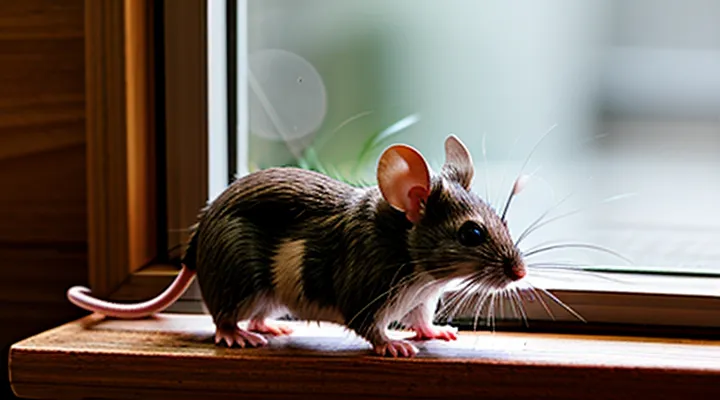
Choosing a Decorative Mouse
Breeds and Varieties
Domestic mice kept for ornamental purposes come in several recognized breeds, each with distinct coat patterns, body size, and temperament. Understanding these differences guides appropriate enclosure setup, nutrition, and grooming routines.
- Standard Fancy – smooth, short coat; colors range from solid black to agouti; adaptable to most cage sizes.
- Rex – plush, wavy fur; requires gentle handling to prevent matting; benefits from low‑humidity environments.
- Satin – glossy, sleek fur; prone to shedding; benefits from regular brushing to distribute natural oils.
- Himalayan – dark body with white extremities; sensitive to temperature fluctuations; needs a stable ambient temperature to maintain coat coloration.
- Hairless – lack of fur; skin requires moisturization and protection from drafts; enclosure must provide soft bedding to prevent abrasions.
Selecting a breed hinges on three practical factors. Enclosure dimensions must accommodate the mouse’s activity level and fur length; larger, longer‑haired varieties need more space to move without entangling. Dietary needs are similar across breeds, but hairless individuals may require higher fat content to support skin health. Grooming frequency varies: Rex and Satin mice benefit from weekly brushing, whereas Standard Fancy mice need minimal intervention.
Hybrid varieties combine traits from two or more breeds, producing unique fur textures and color patterns. Hybrid mice inherit care requirements from each parent line; owners should assess the dominant characteristics before establishing a maintenance schedule.
Where to Acquire a Mouse
Reputable Breeders
Selecting a reputable breeder is a foundational step in the successful ownership of ornamental mice. Professional breeders adhere to standards that safeguard animal health, ensure reliable genetics, and provide consistent support to owners.
Key indicators of a trustworthy breeder include:
- Documentation of health screenings for common mouse ailments.
- Evidence of genetic testing to confirm lineage and reduce hereditary defects.
- Maintenance of a clean, well‑ventilated environment that meets or exceeds local animal‑care regulations.
- Transparent business practices, such as written contracts and clear return policies.
- Active participation in recognized rodent‑breeder associations or certification programs.
To confirm credibility, prospective buyers should:
- Request recent health certificates and vaccination records for each animal.
- Arrange an on‑site visit to observe housing conditions and caretaker interaction.
- Obtain contact information for previous customers and verify their experiences.
- Inquire about the breeder’s quarantine procedures for new litters.
- Review the breeder’s breeding program, focusing on temperament and physical standards.
Purchasing from an established source reduces the likelihood of disease, provides accurate information about lineage, and offers ongoing guidance for habitat setup, nutrition, and enrichment. These advantages translate into a healthier, more stable pet and a smoother integration into the home environment.
Pet Stores
Pet stores serve as primary access points for owners of ornamental mice, offering products and expertise that support long‑term health and appearance.
- Vendors stock cages designed for small rodents, featuring ventilation, secure doors, and removable trays for easy cleaning.
- Bedding options include dust‑free, absorbent materials that reduce respiratory irritation.
- Nutrition sections provide balanced seed mixes, fortified pellets, and fresh vegetable supplements, each labeled with recommended portion sizes.
Veterinary partnerships enable on‑site health screenings, where staff assess weight, coat condition, and signs of illness. Regular check‑ups identify dental wear, skin lesions, or parasites before they affect grooming quality.
Accessories displayed for decorative mice include climbing ladders, chew toys, and hideaways that encourage natural behaviors and maintain coat sheen. Store personnel advise on placement of these items to prevent stress and promote activity.
Educational pamphlets and staff briefings cover enclosure sanitation schedules, water bottle maintenance, and safe handling techniques, ensuring owners apply consistent care routines.
By consolidating habitat equipment, dietary guidance, and health monitoring, pet stores streamline the maintenance process for decorative mouse enthusiasts, reducing the likelihood of neglect and enhancing overall presentation.
Rescue Organizations
Rescue organizations dedicated to ornamental pet mice manage the full cycle of animal welfare, from emergency intake to permanent placement. They maintain records of each mouse’s health status, genetic background, and temperament, enabling precise matching with suitable adopters.
Key functions include:
- Immediate medical triage and veterinary care.
- Quarantine protocols to prevent disease transmission.
- Behavioral assessment and enrichment planning.
- Rehabilitation of injuries or stress-related conditions.
- Structured adoption procedures that verify prospective owners’ capacity to provide appropriate housing, diet, and environmental enrichment.
- Distribution of care guidelines covering cage sanitation, bedding selection, and nutritional requirements.
These groups also supply educational resources to owners, outlining preventive measures such as regular health checks, proper handling techniques, and habitat maintenance schedules. By standardizing best‑practice protocols, rescue organizations reduce mortality rates and promote long‑term wellbeing for decorative mice in domestic settings.
Supporting such organizations—through donations, volunteer work, or adoption—strengthens the infrastructure that safeguards these small companions and ensures consistent quality of care across the hobbyist community.
Health Assessment Before Purchase
Before buying a decorative mouse, evaluate its health to prevent future problems and ensure a smooth integration into the home environment.
Observe the animal’s exterior. Clean, glossy fur indicates proper nutrition; patches of hair loss or dull coat suggest malnutrition or parasites. Examine the eyes for clarity; cloudiness, discharge, or redness may signal infection. Check the nose and ears for excessive wax or crust, which can be signs of respiratory or dermatological issues.
Assess behavior. A mouse that moves actively, explores its enclosure, and responds to gentle handling shows normal nervous system function. Lethargy, excessive trembling, or refusal to move can indicate pain, illness, or stress.
Measure body condition. A well‑proportioned mouse has a smooth silhouette with a slight waist; a visibly thin or bloated abdomen points to metabolic imbalance. Compare weight against breed standards when available.
Request health documentation. Reputable breeders provide a recent veterinary examination report, vaccination record (if applicable), and evidence of parasite treatment. Verify the source’s reputation through reviews or professional affiliations.
Consider quarantine procedures. Isolate the new mouse for at least seven days, monitor for signs of illness, and schedule a veterinary check‑up promptly. This step reduces the risk of transmitting pathogens to existing pets.
By systematically reviewing appearance, behavior, weight, documentation, and quarantine plans, prospective owners can make an informed decision and maintain the well‑being of decorative mice from the outset.
Setting Up the Mouse's Habitat
Cage Requirements
Size and Material
The size of an indoor decorative mouse determines placement options and cleaning frequency. Mice measuring 2–4 inches (5–10 cm) fit comfortably on shelves, desks, or mantels without obstructing movement. Larger models, up to 6 inches (15 cm), serve as focal points on tables or floor displays but require more space and regular dust removal. Small specimens collect less debris, while larger ones expose more surface area to environmental particles.
Material selection influences durability, cleaning methods, and aesthetic compatibility.
- Ceramic – smooth surface, resistant to moisture, wipes with a damp cloth; prone to chipping if dropped.
- Resin – lightweight, holds intricate details, cleans with mild soap solution; may yellow under prolonged UV exposure.
- Wood – natural look, needs occasional polishing, vulnerable to humidity and scratches.
- Metal (e.g., bronze or aluminum) – robust, wipes with a soft cloth, may develop patina that requires protective coating.
Choosing appropriate dimensions and a material suited to the intended environment simplifies maintenance and preserves the decorative mouse’s appearance over time.
Ventilation
Proper airflow is essential for the health of a pet mouse kept as a decorative companion. Stagnant air can increase humidity, promote mold growth, and encourage the proliferation of respiratory pathogens. Maintaining a consistent exchange of fresh air reduces these risks and supports the animal’s natural breathing patterns.
To achieve effective ventilation, consider the following measures:
- Position the cage near a window that can be opened for short periods each day, allowing gentle cross‑draft without exposing the mouse to direct drafts or temperature fluctuations.
- Use a cage with perforated sides or a mesh cover that permits passive airflow while preventing escape.
- Install a small, low‑noise fan at a safe distance to create continuous circulation; set the fan on a low setting to avoid chilling the enclosure.
- Monitor ambient temperature and humidity with a digital hygrometer; adjust ventilation accordingly to keep humidity between 40 % and 60 % and temperature within the species‑appropriate range (18‑24 °C).
Regular inspection of the cage’s ventilation components is necessary. Clean mesh panels and replace any damaged sections to prevent blockage. Ensure that filters, if used, are changed according to the manufacturer’s schedule to maintain airflow quality.
By integrating these ventilation practices into routine care, owners can minimize health complications, enhance the mouse’s comfort, and prolong the decorative appeal of the animal.
Bedding Options
Choosing appropriate bedding is essential for a home‑kept decorative mouse. The material must provide warmth, absorb moisture, and avoid respiratory hazards.
- Paper‑based bedding (shredded paper, cellulose): highly absorbent, dust‑free, easy to replace. Supports nesting behavior and minimizes risk of inhalation problems.
- Aspen wood chips: low aromatic oils, moderate absorbency, suitable for mice that prefer a firmer substrate. Requires regular spot cleaning to prevent mold.
- Corncob bedding: inexpensive, good odor control, but can generate fine particles that irritate sensitive respiratory tracts. Recommended only for short‑term use or when ventilation is optimal.
- Soft fleece liners: reusable, washable fabric that retains heat. Does not absorb urine, so a separate absorbent layer (e.g., paper bedding) must be added underneath.
Maintenance guidelines:
- Replace primary bedding weekly to prevent bacterial growth.
- Spot‑clean soiled areas daily; remove wet spots and replace with fresh material.
- Wash reusable fabric liners at 60 °C and dry thoroughly before reuse.
- Monitor for signs of respiratory distress; switch to dust‑free options if symptoms appear.
Selecting a dust‑free, absorbent substrate and adhering to a strict cleaning schedule promotes health and longevity for a decorative mouse in a domestic setting.
Enrichment and Accessories
Hiding Spots
Providing suitable hiding spots is essential for the well‑being of a decorative mouse kept indoors. A secure retreat reduces stress, encourages natural behaviors, and protects the animal from sudden disturbances.
Ideal locations combine privacy with easy access. Consider the following options:
- Small wooden boxes with ventilation holes, placed on a quiet shelf.
- Ceramic pots turned upside down, lined with soft bedding.
- Fabric tunnels sewn from breathable material, tucked behind furniture.
- Plastic hideaways featuring removable lids for cleaning.
Placement guidelines:
- Position hides away from direct sunlight and drafts.
- Ensure the entrance is large enough for the mouse but not so wide that predators could enter.
- Keep hides at a low to mid‑height level to match the animal’s natural preference for ground‑level shelters.
Maintenance procedures:
- Clean each hide weekly with mild, pet‑safe soap and warm water; rinse thoroughly to remove residues.
- Replace bedding inside the hide every two to three days to prevent odor buildup.
- Inspect structural integrity regularly; repair cracks or loose fittings to avoid escape routes.
Monitoring the use of hides helps identify health issues. A mouse that avoids its retreat may be ill or uncomfortable, prompting a veterinary check. Regular observation, combined with proper cleaning and strategic placement, ensures the decorative mouse remains calm and healthy in a domestic setting.
Chew Toys
Chew toys are essential for maintaining the oral health of a decorative indoor mouse. Regular gnawing wears down continuously growing incisors, preventing over‑growth that can impair eating and cause injury. Selecting toys made from safe, non‑toxic materials such as untreated wood, natural fibers, or hardened mineral blocks reduces the risk of gastrointestinal blockage if fragments are ingested.
Proper use of chew toys also reduces undesirable chewing on cage accessories. Providing a variety of textures—smooth sticks, ridged tunnels, and pliable rope—satisfies the mouse’s natural foraging instincts and distributes wear across multiple objects, extending the lifespan of each item.
Maintenance guidelines:
- Inspect toys daily for splinters, cracks, or excessive wear.
- Replace any damaged piece immediately to avoid injury.
- Clean wooden toys with a damp cloth; avoid harsh chemicals that could leave residues.
- Rotate toys weekly to maintain interest and encourage balanced dental use.
Choosing appropriate chew toys and adhering to a strict inspection routine supports the overall well‑being of a decorative mouse while preserving the aesthetic integrity of its habitat.
Exercise Wheels
Exercise wheels provide essential physical activity for indoor decorative mice, helping prevent obesity and muscle loss. Choose a wheel with a solid running surface, a diameter of at least 8 inches, and a low-resistance bearing to accommodate small paws. Ensure the wheel is made of non‑toxic materials such as stainless steel or BPA‑free plastic, and verify that the enclosure’s mesh does not interfere with rotation.
Proper placement reduces stress and injury. Install the wheel at a height that allows the mouse to enter without climbing steep edges; a side‑mounted position on the cage wall often works best. Secure the wheel firmly to prevent wobbling, and keep it away from food dishes to avoid contamination.
Routine maintenance preserves functionality and hygiene.
- Inspect the wheel weekly for cracks, rust, or loose components.
- Clean the running surface with warm water and a mild, unscented detergent; rinse thoroughly and dry before returning it to the cage.
- Lubricate bearings monthly with a pet‑safe silicone spray to maintain smooth motion.
- Replace the wheel immediately if wear compromises safety.
Monitoring usage informs health assessments. Record the time the mouse spends on the wheel each day; a typical active mouse runs 30–60 minutes in short bursts. Adjust diet and enrichment items if activity levels decline, as reduced exercise may indicate illness or discomfort.
Location of the Cage
Place the cage in an area free from direct sunlight, drafts, and extreme temperature fluctuations. A stable environment between 18 °C and 24 °C (65 °F‑75 °F) supports the mouse’s health and preserves decorative fur coloration.
Ensure the cage is positioned on a solid, level surface. A sturdy table or low shelf prevents wobbling that could stress the animal or damage accessories. Avoid locations where the cage may be knocked over by foot traffic or household pets.
Select a spot with moderate ambient noise. Excessive sounds can cause stress, leading to abnormal behavior and coat deterioration. A quiet corner of a living room or bedroom often meets this requirement.
Maintain easy access for routine cleaning and food replenishment. Position the cage within arm’s reach of the caregiver to reduce handling time and disturbance. A location near a sink simplifies washing of water bottles and food dishes.
Consider ventilation without exposing the mouse to strong air currents. An open window with a mesh screen or a room with gentle airflow provides fresh oxygen while protecting the enclosure from gusts.
Key placement criteria:
- No direct sunlight or heat sources
- Stable temperature range (18‑24 °C)
- Level, sturdy surface
- Low foot traffic and pet exposure
- Quiet ambient environment
- Convenient for daily maintenance
- Adequate, gentle ventilation
Following these guidelines optimizes the mouse’s wellbeing and preserves the aesthetic appeal of the decorative pet.
Feeding Your Decorative Mouse
Diet Essentials
Commercial Mouse Food
Commercial mouse food provides a balanced blend of protein, fat, fiber, vitamins, and minerals designed for the specific metabolic needs of ornamental rodents. Formulations typically contain 18‑22 % protein from soy, wheat, or animal sources, 4‑6 % fat, and added calcium and phosphorus to support skeletal health. Inclusion of pre‑biotics and probiotics helps maintain digestive stability, while antioxidants protect against oxidative stress.
When selecting a product, consider the following criteria:
- Ingredient list free of artificial colors and flavors.
- Guaranteed analysis matching the nutritional profile outlined above.
- Shelf‑life information and packaging that protects against moisture.
- Manufacturer reputation for quality control and compliance with pet‑food regulations.
Storage guidelines require a cool, dry environment away from direct sunlight. Keep the container sealed after each use to prevent contamination and preserve nutrient integrity. Rotate stock by using older packages first, and discard any product past its expiration date.
Feeding schedule should align with the mouse’s natural foraging behavior. Offer measured portions two to three times daily, adjusting quantity based on body condition and activity level. Observe consumption patterns; a sudden decline may indicate health issues or a problem with the food’s freshness. Supplement the diet with occasional fresh vegetables or grains, but maintain commercial food as the primary source to guarantee consistent nutrient intake.
Fresh Fruits and Vegetables
Fresh fruits and vegetables can serve as safe, low‑calorie enrichment for a domesticated ornamental mouse. Their natural texture encourages chewing, which helps maintain dental health and reduces stress‑related behaviors.
When selecting produce, choose items free of pesticides, molds, or bruises. Suitable options include:
- Small apple slices (core and seeds removed)
- Fresh carrot sticks, thinly cut
- Blueberries, halved
- Leafy greens such as romaine lettuce or kale, shredded
- Cucumber wedges, skinless
Each portion should be no larger than a few millimeters to prevent choking. Introduce new items gradually, observing the mouse for signs of digestive upset. If diarrhea or vomiting occurs, discontinue the offending food and revert to a bland diet.
Prepare produce by washing thoroughly under running water, then drying with a clean cloth. Store leftovers in a sealed container in the refrigerator and discard after 24 hours to avoid bacterial growth.
Incorporating fresh produce complements a balanced commercial pellet diet by providing vitamins, fiber, and hydration. Regular monitoring of body weight and coat condition will indicate whether the fruit and vegetable supplementation meets the mouse’s nutritional requirements.
Protein Sources
Protein is essential for growth, tissue repair, and immune function in pet mice. Adequate intake supports coat quality, activity levels, and reproductive health.
Commercial mouse pellets are formulated to meet the species’ amino‑acid requirements. They should form the dietary base, provided daily in measured portions to prevent over‑consumption.
Supplementary protein sources can be offered in small, controlled amounts:
- Hard‑boiled egg, finely chopped (1 – 2 g per mouse)
- Cooked lean chicken or turkey breast, skinless, diced (≤ 2 g)
- Low‑fat cottage cheese or plain yogurt (≤ 2 g)
- Live or frozen insects such as mealworms or crickets, deshelled (≤ 1 g)
- Cooked white fish, deboned, minced (≤ 2 g)
- Tofu or soy tempeh, plain, cubed (≤ 2 g)
All animal products must be cooked without added salt, fat, or seasoning. Insects should be sourced from reputable suppliers to avoid pesticide contamination.
Water intake should be monitored closely; protein‑rich foods increase metabolic waste, requiring adequate hydration. Replace uneaten fresh protein within a few hours to prevent spoilage and bacterial growth.
Regular assessment of body condition and coat texture helps determine whether protein levels are appropriate. Adjust portions based on age, activity, and reproductive status, maintaining a balanced diet that prevents obesity while ensuring sufficient amino‑acid supply.
Foods to Avoid
When keeping a decorative mouse healthy, diet selection is critical. Certain foods can cause digestive distress, obesity, or toxic reactions and must be excluded from the animal’s menu.
- Chocolate, candy, or any sugary treats – high sugar content disrupts gut flora and can lead to rapid weight gain.
- Caffeine‑containing items such as coffee, tea, or energy drinks – stimulate the nervous system and may cause heart irregularities.
- Alcohol and fermented beverages – toxic to small mammals, resulting in liver damage.
- Citrus fruits (oranges, lemons, limes) – acidic juice irritates the stomach lining and can cause ulcers.
- Raw beans, especially kidney beans – contain lectins that are lethal if not cooked thoroughly.
- Processed meats, salty snacks, and cured products – excessive sodium and preservatives strain kidneys and increase blood pressure.
- High‑fat foods like fried items, butter, or greasy leftovers – promote obesity and hepatic issues.
- Artificial sweeteners, particularly xylitol – can cause hypoglycemia and organ failure.
- Dairy products (milk, cheese, yogurt) – many mice lack the enzyme lactase, leading to diarrhea and dehydration.
Providing a balanced diet of fresh vegetables, limited grains, and a commercial mouse pellet ensures proper nutrition while avoiding the risks associated with the listed items. Regular monitoring of food intake helps maintain optimal body condition and prevents accidental consumption of harmful substances.
Water Supply
Fresh water is a non‑negotiable requirement for a decorative house mouse. The animal’s kidneys cannot concentrate urine efficiently; dehydration leads to rapid health decline.
Use filtered tap water or bottled spring water. Chlorine and heavy metals impair renal function, while mineral‑rich water can cause urinary calculi. Test water hardness periodically; aim for a neutral pH between 6.5 and 7.5.
Select a water bottle with a stainless‑steel or BPA‑free plastic reservoir and a sipper tube. The tube must be narrow enough to prevent droppings from contaminating the supply but wide enough for the mouse’s tongue. Position the bottle at mouse‑level to encourage regular drinking.
Replace water at least once every 24 hours. Clean the bottle and tube weekly with warm, unscented soap, then rinse thoroughly. Disinfect monthly with a 1 % hydrogen peroxide solution; rinse again before refilling.
Best practices
- Fill the bottle with fresh water each morning.
- Inspect the sipper tube for blockages before each refill.
- Store spare bottles in a clean, dry area to avoid bacterial growth.
- Rotate bottles weekly to prevent biofilm formation.
- Record water changes in a care log to track consistency.
Daily Care and Handling
Routine Cleaning
Spot Cleaning
Spot cleaning addresses localized stains, dust, or residue on an ornamental mouse without submerging the entire piece. The procedure preserves delicate finishes and prevents moisture damage to internal components.
- Identify the affected area; use a soft, lint‑free cloth to assess the extent of contamination.
- Select a cleaning agent compatible with the surface material: diluted mild soap for painted wood, isopropyl alcohol (≤70 %) for glossy plastics, or specialized leather cleaner for fur‑like coverings.
- Dampen the cloth lightly; excess liquid must be avoided to eliminate the risk of seepage.
- Gently rub the spot in a circular motion, applying minimal pressure to avoid abrasion.
- After cleaning, blot the area with a dry cloth to remove residual moisture.
- Allow the surface to air dry for several minutes before returning the mouse to its display location.
Perform spot cleaning whenever visible marks appear, typically no more than once a month for high‑traffic displays. For heavily soiled areas, repeat the process with fresh cloth and solution; do not exceed three repetitions per session to protect surface integrity. Regular inspection and prompt spot treatment extend the decorative mouse’s aesthetic lifespan while maintaining its structural stability.
Full Cage Cleaning
A thorough cleaning of the enclosure is essential for the health of a decorative house mouse. The process removes waste, prevents odor buildup, and eliminates pathogens that can compromise the animal’s immune system.
Begin by emptying the cage. Transfer the mouse to a secure temporary holder, then discard all bedding, nesting material, and accessories that can be soaked. Rinse the cage with warm water to eliminate loose debris.
Disinfect the interior. Apply a non‑toxic, veterinary‑approved cleaner, ensuring full coverage of walls, floor, and corners. Allow the solution to act for the manufacturer‑specified contact time, then rinse thoroughly with clean water. Dry the surface with a lint‑free cloth or let it air‑dry completely before reassembly.
Sanitize reusable items. Wash food dishes, water bottles, and toys with hot, soapy water. Rinse and sterilize in a dishwasher if the materials permit, or soak in a dilute bleach solution (1 % concentration) for five minutes, followed by a thorough rinse.
Re‑fill the cage. Use fresh, absorbent bedding appropriate for small rodents, spreading an even layer of 2–3 cm. Replace accessories, arranging them to provide climbing opportunities and hiding places.
Maintain a cleaning schedule. Perform a complete cage overhaul every four weeks; conduct spot cleaning of soiled areas daily to extend the interval between full cleans.
Record the date of each deep cleaning. Documentation helps track consistency and identifies any deviations that may affect the mouse’s wellbeing.
Socialization and Taming
Gentle Handling Techniques
Gentle handling is essential for preserving the health and temperament of a decorative mouse kept indoors. Direct, calm movements reduce stress hormones, prevent injuries, and encourage cooperative behavior during routine care.
- Approach the mouse from the side, avoiding sudden gestures.
- Allow the animal to sniff your hand before contact; this establishes a scent connection.
- Support the body with both hands, placing one palm under the chest and the other under the hindquarters.
- Keep the grip loose but secure; fingers should not compress the spine or limbs.
- Perform all manipulations on a stable, non‑slippery surface to prevent slipping.
- Limit handling sessions to five minutes for young or timid individuals; extend gradually as confidence grows.
Consistent application of these practices maintains a calm disposition, facilitates health examinations, and simplifies tasks such as cage cleaning, nail trimming, and enrichment placement.
Interaction with Other Mice
Interaction with other mice directly influences the health, behavior, and longevity of ornamental pet rodents. Proper management of social dynamics reduces stress, prevents aggression, and supports natural grooming and play activities.
- Maintain groups of compatible ages and sexes; avoid mixing juveniles with dominant adults unless gradual introduction is documented.
- Provide multiple nesting sites, feeding stations, and water bottles to minimize competition.
- Observe body language: upright posture, grooming, and gentle nose‑to‑nose contact indicate acceptance; prolonged chasing, biting, or vocalizations signal conflict.
- Conduct introductions in a neutral enclosure for 15–30 minutes, then return to the main habitat if signs of tension appear.
- Separate individuals showing persistent aggression or illness to prevent injury and disease spread.
Consistent monitoring and timely adjustments to group composition preserve the well‑being of decorative house mice and simplify overall upkeep.
Health Monitoring
Signs of Illness
Monitoring health is essential for ornamental mice kept as indoor pets. Early detection of disease prevents suffering and reduces the risk of spreading infection to other animals.
Typical indicators of illness include:
- Lethargy or reduced activity
- Loss of appetite or failure to eat
- Unusual weight loss or failure to gain weight
- Discharge from eyes, nose, or ears
- Labored breathing, wheezing, or persistent sneezing
- Diarrhea, loose stools, or blood in feces
- Excessive grooming or hair loss, especially around the tail and ears
- Aggressive or unusually quiet behavior
- Swelling, lumps, or redness on the body
- Abnormal posture, such as hunching or difficulty moving
When any of these signs appear, isolate the mouse, assess the environment for stressors, and seek veterinary evaluation promptly. Maintain a clean cage, provide fresh water and balanced nutrition, and schedule regular health checks to minimize the occurrence of disease.
Regular Health Checks
Regular health checks provide early detection of disease, dental wear, and stress‑related conditions in decorative mice kept at home. Veterinarians experienced with small rodents recommend a schedule that balances thoroughness with minimal disruption to the animal’s routine.
A practical check‑up routine includes:
- Visual inspection of fur and skin for alopecia, lesions, or parasites.
- Examination of ears, eyes, and nose for discharge, redness, or swelling.
- Palpation of the abdomen to assess organ size and detect masses.
- Evaluation of teeth for overgrowth, misalignment, or cracks.
- Monitoring of weight and body condition score using a calibrated scale.
- Observation of behavior for signs of lethargy, aggression, or abnormal grooming.
Each component should be performed at least once every six weeks for young mice and quarterly for mature individuals. Any abnormal finding warrants immediate veterinary consultation; minor issues such as minor skin irritation can be addressed with topical treatments under professional guidance.
Documentation of findings—date, observed conditions, weight, and treatment actions—creates a health record that facilitates trend analysis and informs future care decisions. Maintaining this record in a dedicated log simplifies communication with veterinary staff and supports consistent, evidence‑based maintenance of the mouse’s well‑being.
Common Health Issues
Respiratory Infections
Respiratory infections are a common health concern for ornamental mice kept indoors. Pathogens such as Mycoplasma pulmonis, Bordetella bronchiseptica, and viral agents thrive in environments with poor ventilation, high humidity, and accumulated dust. Infected animals exhibit nasal discharge, sneezing, labored breathing, and reduced activity, which can rapidly compromise the aesthetic quality of a display.
Preventive measures
- Maintain a temperature of 68‑74 °F (20‑23 °C) and relative humidity below 50 %.
- Provide a cage with at least one air exchange per hour; use a filtered ventilation system if possible.
- Replace bedding weekly with low‑dust, absorbent material; remove visible waste daily.
- Quarantine new arrivals for at least two weeks; conduct health screening before integration.
- Limit exposure to other rodents and avoid overcrowding; allocate a minimum of 10 in² (65 cm²) per mouse.
Management of an outbreak
- Isolate affected individuals in a separate enclosure with identical environmental parameters.
- Administer a veterinarian‑prescribed antibiotic regimen, typically a macrolide or tetracycline, for a minimum of 10 days.
- Increase supplemental oxygen with a low‑flow diffuser if breathing difficulty persists.
- Clean and disinfect all accessories using a 10 % bleach solution, followed by thorough rinsing and drying.
- Monitor the remaining population for early signs; adjust ventilation and humidity settings immediately.
Consistent monitoring of respiratory signs, combined with strict environmental control, reduces the incidence of infections and preserves the visual appeal of decorative mice displays.
Skin Problems
Skin disorders are a frequent health concern for ornamental mice kept in the home. Prompt identification and proper management are essential to prevent discomfort, secondary infections, and loss of the animal’s decorative appeal.
Typical skin conditions include:
- Dry, flaky patches that may crack or bleed
- Red, inflamed areas indicating dermatitis
- White or yellowish growths characteristic of fungal infection
- Visible mites or lice infestations
- Abrasions or ulcerations from cage fixtures or aggressive grooming
Underlying factors often involve environmental and husbandry variables. Low humidity or overly dry bedding can strip natural oils, while damp substrates encourage fungal proliferation. Nutritional deficiencies, especially lack of essential fatty acids, weaken the skin barrier. Excessive handling or inadequate cleaning introduces parasites and irritants.
To minimize skin problems, maintain stable microclimate conditions, provide a balanced diet enriched with omega‑3 and omega‑6 sources, and select bedding that absorbs moisture without becoming soggy. Conduct daily visual checks, focusing on ears, paws, and the dorsal region. Replace dirty bedding weekly, and disinfect cage components with a mild, non‑chlorine solution. Offer a shallow water dish with fresh water to prevent dehydration of the skin.
When a skin issue is detected, follow a systematic treatment protocol. Clean the affected area with sterile saline, then apply a veterinarian‑approved antiseptic cream. For fungal lesions, use a topical antifungal agent as directed. In cases of mite or lice infestation, administer an appropriate ectoparasiticide and isolate the mouse until the treatment course is completed. Record observations and consult a qualified exotic‑pet veterinarian if symptoms persist beyond 48 hours or worsen despite initial care.
Consistent monitoring, proper environmental control, and timely therapeutic intervention together ensure the skin health of decorative mice, preserving both their wellbeing and aesthetic value.
Tumors
Tumors represent a significant health concern for ornamental pet mice and must be addressed within any comprehensive care program.
The most frequently observed neoplasms in captive mice include mammary adenomas, subcutaneous fibrosarcomas, and testicular Leydig cell tumors. These growths arise from epithelial, connective‑tissue, or endocrine cells and can progress rapidly if left untreated.
Typical indicators of tumor development are:
- palpable masses under the skin or within the abdomen
- asymmetrical swelling of the mammary glands or scrotum
- unexplained weight loss or reduced activity
- changes in grooming behavior or visible skin ulceration
Early detection relies on regular physical examinations and systematic observation of body condition. Maintaining a clean cage environment, providing a balanced diet low in excess fats, and limiting exposure to known carcinogens such as certain bedding materials reduce the incidence of neoplastic disease.
When a tumor is identified, diagnostic steps include fine‑needle aspiration or imaging to determine malignancy. Therapeutic options range from surgical excision, which offers the best prognosis for localized lesions, to palliative care involving analgesics and anti‑inflammatory agents for advanced cases. Referral to a veterinarian experienced in small‑animal oncology ensures appropriate treatment planning.
Consistent monitoring, prompt identification of abnormal growths, and timely veterinary intervention are essential components of responsible mouse husbandry.
Dental Problems
Dental problems are common in domestic decorative mice because their incisors grow continuously. Overgrowth, misalignment, or malocclusion can impede chewing, cause oral lesions, and lead to weight loss. Early detection prevents secondary health issues.
Typical indicators include:
- Visible elongation of front teeth beyond the lips
- Difficulty handling food or frequent dropping of seeds
- Redness, swelling, or discharge around the mouth
- Excessive saliva or gnawing on cage bars
Preventive measures focus on regular dental wear and hygiene:
- Provide safe chewing materials such as untreated wood blocks, mineral chews, or paper tubes to promote natural tooth grinding.
- Inspect teeth weekly; trim only with specialized veterinary tools if overgrowth is evident.
- Maintain a balanced diet with soft foods (e.g., cooked vegetables) alongside hard items to stimulate even wear.
- Schedule veterinary examinations at least twice a year for professional assessment and possible radiographs.
If malocclusion develops, veterinary intervention may involve:
- Manual filing or grinding of overgrown incisors under anesthesia
- Adjusting cage enrichment to ensure adequate gnawing opportunities
- Monitoring for infection and administering appropriate antibiotics
Consistent monitoring and appropriate enrichment reduce the risk of dental complications, supporting the overall well‑being of decorative pet mice.
Parasites
Parasites pose a significant health risk to ornamental mice kept as indoor companions. Infestations can lead to weight loss, anemia, skin irritation, and secondary infections, compromising both the animal’s welfare and the aesthetic value of the pet.
Common parasites include:
- Mites (e.g., Myobia musculi): cause itching, hair loss, and dermatitis.
- Fleas (Ctenocephalides spp.): transmit bacterial agents and provoke allergic reactions.
- Lice (Polyplax spp.): feed on blood, leading to anemia in severe cases.
- Internal worms (e.g., pinworms, tapeworms): result in gastrointestinal distress and nutrient deficiencies.
Effective control measures:
- Conduct weekly visual inspections of the coat and skin, focusing on the neck, ventral area, and tail base.
- Maintain a clean enclosure; remove soiled bedding, wash accessories with mild detergent, and replace substrate regularly.
- Apply veterinarian‑approved topical or oral ectoparasitic treatments according to the recommended schedule, typically every 30 days.
- Quarantine new arrivals for at least two weeks, treating prophylactically before integration.
- Monitor weight and behavior daily; sudden changes may indicate hidden infestation and require immediate veterinary assessment.
Preventive vigilance, rigorous hygiene, and timely therapeutic intervention constitute the core strategy for managing parasites in decorative mouse care.
Veterinary Care
Finding a Rodent-Savvy Veterinarian
A rodent‑focused veterinarian is essential for the health of a pet mouse. These animals have unique physiological traits, such as a high metabolic rate and delicate digestive system, that require precise diagnostic and therapeutic approaches. A practitioner experienced with small mammals will recognize early signs of common conditions—respiratory infections, dental overgrowth, and gastrointestinal disturbances—and apply appropriate interventions without causing undue stress.
When evaluating potential veterinarians, consider the following criteria:
- Formal training in exotic or small‑animal medicine, confirmed by board certification or continuing‑education credits.
- Demonstrated experience with rodents, evidenced by case studies, client testimonials, or published articles.
- Availability of specialized equipment, such as miniature otoscopes, high‑resolution imaging, and appropriate anesthesia protocols.
- Commitment to preventive care, including vaccination schedules, dietary counseling, and environmental enrichment recommendations.
Locating a qualified professional can be achieved through several channels:
- Contact local veterinary colleges or teaching hospitals; they often maintain referral lists for exotic‑pet specialists.
- Search professional organizations (e.g., American Association of Laboratory Animal Medicine, International Association of Veterinary Specialists) for members who list rodents among their practice areas.
- Review online directories that filter veterinarians by species expertise, then verify credentials through direct inquiry.
- Ask reputable breeders or rodent‑focused hobbyist groups for recommendations based on personal experience.
Before scheduling an appointment, verify that the clinic follows strict hygiene protocols to prevent cross‑contamination and that staff are trained in gentle handling techniques. Confirm that the veterinarian provides clear communication regarding treatment plans, follow‑up visits, and emergency procedures. Selecting a practitioner who meets these standards ensures comprehensive, species‑appropriate care for the decorative mouse.
When to Seek Veterinary Attention
Recognizing health problems early prevents suffering and loss in a pet mouse kept for decorative purposes. Owners should monitor behavior, appearance, and physiological functions daily.
- Sudden weight loss or failure to gain weight after weaning.
- Persistent coughing, wheezing, or labored breathing.
- Bloody, watery, or unusually thick discharge from eyes, nose, or ears.
- Diarrhea lasting more than 24 hours, especially with blood or mucus.
- Lack of appetite for more than two days, accompanied by lethargy.
- Visible sores, swelling, or ulcers that do not heal within a few days.
- Unusual scratching, hair loss, or skin lesions indicating parasites or infection.
- Seizures, tremors, or loss of coordination.
Immediate veterinary attention is required if the mouse exhibits any of the following: severe respiratory distress, uncontrolled bleeding, sudden collapse, inability to move, or signs of extreme pain such as frantic biting or vocalization. These conditions can deteriorate rapidly and may be life‑threatening.
Before the appointment, gather the mouse’s recent health history, including diet changes, environmental alterations, and exposure to other animals. Bring a secure, well‑ventilated carrier to reduce stress. Inform the clinic that the patient is a small rodent, as specific equipment and expertise may be needed.
Prompt professional evaluation improves outcomes and ensures the decorative companion remains healthy and vibrant.
Preventative Care
Preventative care for a decorative mouse kept at home centers on maintaining a clean environment, balanced nutrition, regular health observations, and appropriate enrichment. A stable habitat reduces stress and limits the spread of parasites, while a proper diet supports immune function and fur condition.
- Clean the cage weekly: remove waste, replace bedding, and disinfect surfaces with a mild, non‑toxic solution.
- Provide fresh water daily and offer a variety of high‑quality rodent pellets supplemented with small amounts of fresh vegetables.
- Rotate toys and climbing structures every two weeks to stimulate natural foraging behavior and prevent boredom.
- Conduct a brief visual inspection each morning: check for signs of injury, abnormal discharge, or changes in activity level.
Annual veterinary check‑ups confirm vaccination status, screen for common ailments such as respiratory infections, and allow early treatment of emerging issues. Grooming tasks, including gentle brushing to remove loose fur and occasional nail trimming, help prevent skin irritation and overgrown claws.
Consistent implementation of these measures minimizes health risks, extends lifespan, and preserves the aesthetic appeal of the animal.
Breeding Decorative Mice (Optional)
Considerations Before Breeding
Breeding ornamental mice demands thorough preparation to avoid health issues, legal complications, and unnecessary expenses.
- Verify lineage for hereditary defects; select parents with clear health records.
- Provide enclosure space that exceeds minimum size requirements, allowing separate zones for nesting, exercise, and feeding.
- Design a diet that meets the elevated nutritional needs of pregnant females and growing pups, incorporating protein‑rich supplements and calcium sources.
- Review local regulations regarding small‑animal breeding; obtain any required permits before acquiring breeding stock.
- Assess social compatibility; ensure both sexes can coexist without excessive aggression, and plan for gradual introductions.
- Implement a documentation system to track breeding dates, litter size, and individual health observations.
- Allocate budget for routine veterinary check‑ups, emergency care, and replacement of bedding or equipment.
- Establish a relationship with a veterinarian experienced in exotic rodents to address reproductive health and neonatal care promptly.
Addressing these factors before initiating a breeding program creates a stable environment that supports the welfare of the mice and the success of the operation.
Mating and Gestation
Mating of ornamental pet mice requires careful preparation to ensure healthy offspring and minimize stress on the adults. Select a breeding pair that is at least six months old, exhibits good coat condition, and shows no signs of illness. Separate the male and female for a minimum of one week before introduction to reset hormonal cycles. When pairing, provide a spacious cage with multiple hiding places, nesting material, and a balanced diet enriched with protein and calcium. Observe the pair for the first 24 hours; if aggressive behavior occurs, discontinue the pairing and reassess compatibility.
Gestation in these small rodents lasts approximately 19 to 21 days. During this period, increase the female’s caloric intake by 10–15 percent, emphasizing high‑quality pellets, fresh vegetables, and occasional boiled egg or low‑fat cottage cheese. Monitor weight gain weekly; a gain of 2–3 grams per week indicates normal development. Provide a quiet, temperature‑controlled environment (18‑22 °C) and limit handling to essential checks, such as nest inspection and health assessment.
After birth, the litter will typically consist of 4–8 pups. Maintain a clean nest by replacing soiled bedding every two days. Continue the enhanced diet for the mother until the pups are weaned at three weeks of age. Introduce solid food to the juveniles gradually, beginning with softened pellets and fresh greens. Separate the weaned juveniles from the dam to prevent accidental injury and to facilitate individual health monitoring.
Key points for successful breeding and gestation:
- Choose mature, healthy adults.
- Allow a pre‑pairing isolation period.
- Supply ample nesting resources and enriched nutrition.
- Keep environmental temperature stable.
- Track maternal weight and adjust diet accordingly.
- Maintain hygiene in the nest area.
- Follow a structured weaning schedule.
Caring for Pups
Proper care of juvenile rodents begins with an environment that mimics natural conditions while ensuring safety. A cage should provide solid flooring, ample bedding, and a secure cover to prevent escape. Temperature must stay between 20‑24 °C (68‑75 °F); a thermostat-controlled heating pad can maintain stability. Humidity levels around 40‑60 % reduce respiratory stress.
Nutrition for pups requires a diet richer in protein and fat than that for adults. Offer a commercial mouse formula or high‑quality kitten food mixed with water to achieve a soft consistency. Provide fresh water in a sipper bottle at all times. Introduce small amounts of fresh vegetables (e.g., finely shredded carrots) after the first two weeks, monitoring for digestive tolerance.
Health monitoring involves daily observation of activity, coat condition, and stool consistency. Signs of illness—lethargy, nasal discharge, or abrupt weight loss—warrant immediate veterinary assessment. Schedule a wellness check with an exotic‑pet veterinarian within the first month of life.
Social development is critical. Group pups with littermates when possible; gradual introduction to adult companions promotes normal behavior. Handle each pup gently for a few minutes daily to foster tameness and reduce stress during future interactions.
Routine maintenance includes spot‑cleaning soiled bedding twice daily and full cage sanitization weekly with a mild, unscented disinfectant. Replace food and water containers each cleaning cycle to prevent bacterial growth. Rotate enrichment items such as tunnels and chew toys to maintain interest and encourage natural foraging behavior.
Fun Facts and Behavior
Mouse Intelligence
Understanding the cognitive capacities of a decorative house mouse informs effective husbandry. Mice exhibit rapid learning, spatial navigation, and short‑term memory that influence how they interact with their environment.
Research shows that mice can solve simple puzzles, recognize patterns, and adapt to changes in routine. These abilities manifest in tasks such as locating food, escaping from confined spaces, and responding to novel objects. Memory retention allows them to recall the location of hidden treats for several days.
Practical care should accommodate mental stimulation:
- Rotate objects (tunnels, wheels, chew sticks) every few days to prevent habituation.
- Introduce puzzle feeders that require manipulation to release food, encouraging problem‑solving.
- Provide a varied layout of platforms and hideouts to engage spatial memory.
- Use consistent cues (light, scent) to reinforce training and reduce stress.
Training sessions of brief duration (5‑10 minutes) reinforce desired behaviors, such as stepping onto a designated platform for handling. Positive reinforcement with small food rewards consolidates learning without compromising health.
Regular assessment of the mouse’s engagement with enrichment items signals cognitive wellbeing. Decline in interaction may indicate stress, illness, or insufficient stimulation, prompting adjustment of the environment or veterinary consultation.
Social Behavior
Domestic decorative mice are highly social creatures; they thrive when provided with appropriate companionship and structured interaction. In a well‑managed environment, each individual recognizes its position within a hierarchy, which reduces aggression and promotes cooperative behaviors such as grooming and nest building.
Key aspects of social behavior include:
- Hierarchy establishment – dominant mice display confident posture, occasional scent marking, and brief chases; submissive individuals exhibit lowered bodies and retreat from confrontations.
- Grooming exchanges – mutual grooming reinforces bonds, reduces stress, and maintains coat condition; frequency increases after the introduction of new group members.
- Vocal communication – soft squeaks convey reassurance, while higher‑pitched calls signal alarm; owners can distinguish these tones to assess group dynamics.
- Play and exploration – group members engage in light wrestling and shared tunnel use, stimulating physical activity and mental enrichment.
Effective management strategies:
- Introduce newcomers gradually, using a neutral enclosure for several days before full integration.
- Provide multiple nesting sites, feeding stations, and enrichment objects to prevent resource competition.
- Monitor body language continuously; persistent fighting, excessive biting, or chronic isolation indicate an unstable hierarchy that may require re‑grouping.
- Maintain consistent lighting and temperature; environmental stability supports predictable social patterns.
Regular observation of these behaviors enables owners to adjust housing conditions, ensuring that decorative mice remain healthy, content, and socially harmonious.
Communication
Effective communication with a decorative domestic mouse directly influences its health and longevity. Owners must observe and interpret the animal’s signals to adjust feeding schedules, habitat conditions, and handling practices promptly.
Key communication channels include:
- Vocalizations – soft squeaks often indicate discomfort or a request for attention.
- Body posture – a curled position suggests relaxation, while a tense, upright stance signals stress.
- Grooming behavior – excessive licking may reveal skin irritation; reduced grooming can signal illness.
Implementing a systematic monitoring routine ensures that these cues are not missed. Record observations daily, correlate changes with environmental adjustments, and respond with appropriate interventions such as modifying temperature, humidity, or enrichment items. Consistent documentation creates a feedback loop that refines care protocols and supports optimal well‑being for the ornamental rodent.
Nocturnal Habits
Domestic decorative mice are primarily active after dusk, with most locomotion, foraging, and social interaction occurring during the dark phase. Their circadian rhythm aligns with natural night‑time patterns, causing reduced movement and lowered metabolic rate during daylight hours.
Peak activity typically begins one to two hours after lights out and persists for six to eight hours. During this window, mice explore tunnels, chew objects, and engage in grooming. Low‑intensity illumination (e.g., red LED) does not disrupt this pattern, whereas bright white light can suppress activity and increase stress.
Feeding should correspond to the nocturnal schedule. Provide a fresh supply of high‑quality pellets and fresh water before the onset of darkness; mice will consume the majority of their daily intake during the active period. Monitoring food remnants in the morning offers a reliable indicator of consumption and health.
Practical measures for caretakers:
- Maintain a consistent light‑dark cycle (12 h light / 12 h dark) to reinforce natural rhythms.
- Use dim red lighting for nighttime observations; avoid sudden bright flashes.
- Schedule handling sessions during the early dark phase when mice are alert but not yet exhausted.
- Supply chewable enrichment (e.g., untreated wood blocks) before lights off to channel nocturnal gnawing behavior.
- Inspect bedding and waste in the morning; excessive droppings or untouched food may signal disruption of the night cycle.
Adhering to these guidelines supports the physiological needs of nocturnal decorative mice, promotes healthy behavior, and simplifies routine maintenance.