
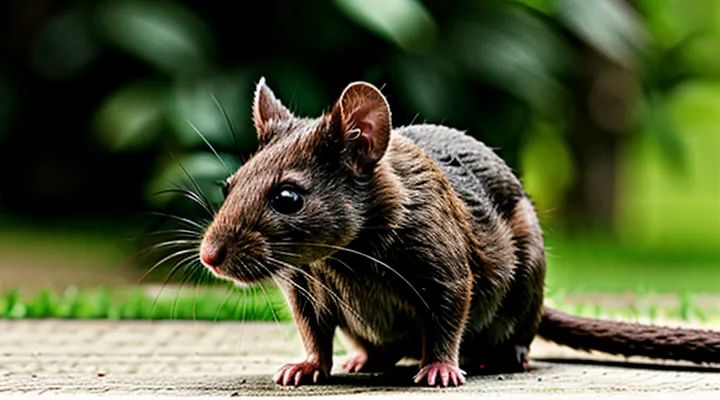
Understanding the Domestic Brown Rat
Natural Habitat and Behavior
Social Structure
Rats kept as pets develop a clear social hierarchy that influences health, behavior, and husbandry requirements. Dominant individuals typically secure preferred nesting sites, control access to food, and exhibit more frequent grooming of conspecifics. Subordinate members often display submissive postures, reduced aggression, and reliance on the dominant rat for protection.
Key aspects of the social structure that affect care:
- Group size – Small groups (2‑4 rats) maintain stable hierarchies, reducing stress‑induced illnesses.
- Sex composition – Mixed‑sex groups may experience breeding pressure; neutering prevents unwanted litters and lowers aggression.
- Environmental enrichment – Multiple levels, tunnels, and hideouts allow lower‑ranking rats to retreat, supporting welfare.
- Feeding strategy – Distributing food across several locations prevents competition and ensures equal nutrition.
- Observation of behavior – Regular monitoring of grooming, play, and aggression identifies shifts in rank that may require intervention.
Maintaining a balanced hierarchy involves providing ample resources, preventing overcrowding, and respecting the natural dominance patterns. Adjustments such as adding additional shelters or separating overly aggressive individuals preserve group cohesion and promote optimal health outcomes.
Nocturnal Habits
The domestic brown rat exhibits a pronounced activity pattern during the night, with peak movements occurring shortly after sunset and diminishing before sunrise. This rhythm influences feeding, social interaction, and environmental enrichment, requiring owners to align husbandry practices with the animal’s natural schedule.
Key considerations for nocturnal care:
- Provide a dimly lit environment during daylight hours; low‑intensity lighting reduces stress and mimics the rat’s preferred conditions.
- Schedule food delivery in the early evening to coincide with heightened foraging behavior, ensuring fresh supplies are available throughout the active period.
- Offer chewable toys and tunnels before the onset of darkness; the rat will engage with these objects during its most active phase, supporting dental health and mental stimulation.
- Conduct health checks and cage cleaning during the late morning or early afternoon, when the rat is typically resting, minimizing disturbance.
Monitoring nocturnal activity can be facilitated by infrared cameras or low‑light sensors, allowing observation without disrupting the animal’s routine. As noted in research, «Nocturnal activity peaks between dusk and midnight», highlighting the necessity of aligning husbandry with this temporal window. Adjusting lighting cycles, feeding times, and enrichment provision to match the rat’s night‑time tendencies promotes welfare and reduces stress‑related behaviors.
Essential Care Requirements
Housing Considerations
Cage Size and Material
A suitable enclosure for a pet brown rat must accommodate the animal’s active nature and provide a safe, hygienic environment.
- Minimum floor area: 0.5 m² for a single rat, increasing by 0.3 m² for each additional individual.
- Height: at least 30 cm to allow climbing and exploration.
- Bar spacing: no more than 12 mm to prevent escape.
- Door size: large enough for easy cleaning and handling without stressing the animal.
Material selection influences durability, temperature regulation, and disease prevention.
- Frame: stainless steel or powder‑coated aluminum resist corrosion and withstand chewing.
- Panels: solid acrylic or polycarbonate offer visibility while protecting against gnawing; avoid untreated wood that can splinter.
- Flooring: removable, non‑porous trays simplify sanitation; avoid wire mesh floors that can cause foot injuries.
- Accessories: chew‑proof toys and hideouts should be made of safe, non‑toxic plastics or untreated natural wood.
Adhering to these specifications ensures a robust habitat that supports the health and well‑being of domesticated brown rats.
Bedding and Substrate
Bedding supplies absorb moisture, control odor, and create a comfortable surface for a pet brown rat. Proper substrate reduces the risk of skin irritation and supports natural nesting behavior.
Recommended materials include:
- Paper‑based products (e.g., shredded paper, recycled paper pellets)
- Aspen shavings
- Coconut husk fibers
- Hemp bedding
Avoid pine and cedar shavings because resinous oils generate respiratory irritation. Choose low‑dust options to minimize airborne particles.
Maintenance protocol:
- Remove wet or soiled portions daily.
- Replace the entire substrate weekly.
- Clean the cage with a mild, unscented detergent; rinse thoroughly and dry before adding fresh bedding.
Practical considerations:
- Provide a layer 2–3 cm deep to allow nesting without excessive bulk.
- Position a separate nesting zone with softer material, such as a small cotton towel, to encourage burrowing.
- Monitor the bedding for clumping or mold; replace immediately if signs appear.
Enrichment and Toys
Enrichment and toys are essential components of a healthy environment for a pet brown rat. Proper stimulation reduces stress, encourages natural foraging behavior, and supports physical development.
Effective enrichment items include:
- Tunnel systems constructed from safe, chew‑resistant materials.
- Climbing structures such as wooden ladders or rope nets.
- Puzzle feeders that dispense treats when the rat manipulates a lever or rolls a ball.
- Textured hideouts made from untreated cardboard or natural fibers.
- Mirrors or reflective surfaces that provide visual stimulation.
Toy selection should prioritize safety and durability. Materials must be non‑toxic, free of sharp edges, and capable of withstanding persistent gnawing. Silicone, untreated wood, and certain plastics meet these criteria. Rotate toys regularly to maintain novelty and prevent habituation.
Interactive activities enhance bonding and mental agility. Hand‑held training sessions using clicker cues can teach simple tasks, such as navigating a maze or retrieving a small object. Consistent short sessions reinforce learning without causing fatigue.
Environmental variety further promotes well‑being. Introduce seasonal changes by swapping bedding types, adding fresh branches, or providing a shallow water dish for bathing. Monitoring the rat’s engagement with each item helps identify preferences and adjust the enrichment plan accordingly.
Nutrition and Diet
Commercial Rat Food
Commercial rat feed provides a balanced source of nutrients essential for the health of pet brown rats. Formulated pellets or mixes replace the unpredictable composition of homemade diets and support consistent growth, reproduction, and immune function.
Nutritional composition must meet specific ratios: protein levels of 18‑20 % sustain muscle development; fat content of 4‑6 % supplies energy without promoting obesity; fiber of 3‑5 % aids digestion; vitamins A, D, E, and B‑complex, along with calcium, phosphorus, and trace minerals, prevent deficiencies. Formulas often include fortified ingredients such as wheat germ, soy protein, and dried vegetables.
Ingredient quality is critical. High‑grade grains, legumes, and seed blends should be free of mold, mycotoxins, and pesticide residues. Additives are limited to natural preservatives; artificial colors, flavors, and excessive sugars are excluded. Products certified by reputable rodent nutrition standards guarantee compliance.
Feeding guidelines depend on body weight. A typical adult brown rat (250‑300 g) requires 15‑20 g of feed daily, divided into two equal portions to mimic natural foraging patterns. Juveniles receive 10‑12 g per day, increasing gradually as they mature. Monitoring body condition prevents under‑ or over‑nutrition.
Proper storage preserves nutrient integrity. Keep feed in airtight containers, protected from moisture, heat, and direct sunlight. Rotate stock to use older batches first; discard any product past its expiration date or showing signs of spoilage.
Key criteria for selecting commercial rat food:
- Manufacturer reputation and compliance with rodent‑specific nutritional standards
- Clear labeling of ingredient list, guaranteed analysis, and expiration date
- Absence of added sugars, artificial colors, and excessive fat
- Inclusion of fortified vitamins and minerals appropriate for brown rats
Adhering to these standards ensures that commercial feed contributes effectively to the overall well‑being of domestic brown rats.
Fresh Foods and Treats
Fresh foods enhance the health and wellbeing of pet brown rats. They provide essential vitamins, minerals, and hydration that complement a balanced pellet or lab‑block diet.
Suitable vegetables include carrots, broccoli, spinach, and cucumber. Fruits such as apple (seedless), banana, berries, and melon offer natural sugars and antioxidants. Protein‑rich options comprise cooked chicken, boiled egg, and plain tofu, each prepared without seasoning or oil. Small portions of unsalted nuts or seeds may be offered occasionally for fatty acids, but quantities should remain limited to prevent excess calories.
Treats should meet the following criteria:
- Freshness: Serve within 24 hours of preparation.
- Simplicity: Avoid added salt, sugar, or spices.
- Size: Cut into bite‑sized pieces to prevent choking.
- Variety: Rotate items weekly to ensure a broad nutrient spectrum.
Introduce new foods gradually, observing the rat for signs of digestive upset such as loose stools or reduced appetite. If adverse reactions occur, discontinue the item and consult a veterinary professional experienced with rodents. Regularly wash all produce to remove pesticide residues, and store leftovers in sealed containers in the refrigerator. Properly managed fresh foods and treats contribute to coat quality, activity levels, and overall vitality.
Dietary Restrictions
Brown rats kept as pets require a diet that excludes several food groups to prevent health complications.
High‑sugar items such as candy, chocolate, and sweetened cereals must be omitted because they can cause obesity and dental disease.
Foods containing toxic compounds are prohibited; these include raw beans (especially kidney beans), raw potatoes, and any product with added salt or artificial sweeteners.
Fatty human snacks—chips, fried foods, and processed meats—should not be offered, as they increase the risk of hepatic lipidosis.
Citrus fruits and acidic beverages are discouraged because excessive acidity can irritate the gastrointestinal lining.
A balanced regimen consists of a commercial rodent pellet base, supplemented with small portions of fresh vegetables (broccoli, carrots, leafy greens) and occasional lean protein (cooked egg, unseasoned chicken).
Water must be available at all times, refreshed daily, and presented in a bottle that prevents contamination.
Adhering to these restrictions supports optimal weight management, organ function, and overall longevity of the pet rat.
Health and Veterinary Care
Common Health Issues
Pet brown rats frequently develop a limited set of medical conditions that require prompt attention. Recognizing early signs can prevent serious complications and reduce the need for intensive treatment.
- « Respiratory infections » – characterized by sneezing, nasal discharge, labored breathing; often triggered by poor ventilation or exposure to drafts.
- « Gastrointestinal disturbances » – manifested by diarrhea, weight loss, reduced appetite; commonly linked to abrupt diet changes or contaminated food.
- « Skin disorders » – include alopecia, crusty lesions, mite infestations; arise from inadequate humidity, harsh bedding, or lack of regular grooming.
- « Dental overgrowth » – results in difficulty chewing, facial swelling; caused by insufficient gnawing material and natural tooth wear imbalance.
- « Tumors and neoplasia » – present as palpable masses, swelling, or abnormal behavior; prevalence increases with age and genetic predisposition.
Routine health monitoring should include daily observation of respiratory sounds, fecal consistency, coat condition, and dental wear. Environmental management—maintaining clean cages, proper humidity, and providing safe chew objects—reduces the incidence of most ailments. Immediate veterinary consultation is advised when any listed symptom persists beyond a few days or worsens rapidly.
Recognizing Illness
Recognizing disease in a domesticated brown rat requires careful observation of behavior, physical condition, and physiological changes. Early detection prevents escalation and facilitates timely veterinary intervention.
Key indicators of health problems include:
- Reduced activity, reluctance to explore or climb
- Loss of appetite or failure to consume familiar foods
- Abnormal respiratory sounds such as wheezing or persistent sneezing
- Discharge from eyes, nose, or mouth, especially if thick or colored
- Changes in stool consistency, presence of blood, or diarrhea
- Unexplained weight loss or a noticeable decline in body mass
- Scratching, biting, or excessive grooming of a specific area
- Swelling, lumps, or skin lesions that do not heal within a few days
Any combination of these signs warrants immediate veterinary assessment. Regular health checks, consistent monitoring of feeding patterns, and maintenance of a clean environment enhance the ability to identify illness promptly.
Finding an Exotic Vet
Domestic brown rats require veterinary attention that addresses species‑specific health concerns. Access to a practitioner experienced with exotic mammals reduces the risk of misdiagnosis and ensures appropriate treatment protocols.
Key criteria for selecting an appropriate veterinarian include:
- Certification in exotic animal medicine or completion of a postgraduate program focused on small mammals.
- Documented experience with rodent patients, confirmed through case histories or client testimonials.
- Availability of diagnostic equipment suitable for small‑body‑size animals, such as micro‑ultrasound and miniature radiography units.
- Commitment to ongoing education, demonstrated by participation in conferences or publications related to rodent health.
Effective methods for locating qualified professionals are:
- Consulting online directories maintained by veterinary associations that list members with exotic‑animal credentials.
- Contacting local university veterinary schools, which often provide referral services or have faculty members offering private consultations.
- Asking animal‑rescue organizations that specialize in small mammals for recommended practitioners.
- Reviewing regional pet‑care forums where owners share experiences with rat‑focused veterinarians.
Before the first appointment, prepare the following items:
- A concise health record detailing vaccination history, recent illnesses, and current diet.
- A portable carrier that allows safe transport while minimizing stress.
- Samples of the animal’s bedding and food for reference during the examination.
Utilizing these steps increases the likelihood of establishing a reliable care partnership for a domestic brown rat, supporting long‑term wellbeing and prompt response to health issues.
Handling and Socialization
Early Socialization
Early socialization establishes the foundation for a domestic brown rat’s ability to interact calmly with humans, other rats, and novel environments. Introducing gentle handling, exposure to varied sounds, and brief periods of supervised free‑range activity during the first weeks of life reduces fear responses and promotes adaptive behavior throughout adulthood.
Key practices for the initial socialization period (up to eight weeks of age) include:
- Daily handling sessions of two to three minutes, beginning at three weeks old; use a calm grip and allow the rat to explore the hand voluntarily.
- Gradual exposure to household noises such as vacuum cleaners, doorbells, and soft music; keep volume low and increase incrementally.
- Short, supervised outings outside the primary cage in a secure playpen; provide tunnels and chew objects to encourage exploration.
- Interaction with conspecifics of similar age; monitor for signs of aggression and separate individuals if necessary.
Indicators of successful early socialization are rapid habituation to handling, willingness to investigate new objects, and minimal stress vocalizations when confronted with unfamiliar stimuli. Consistency in routine and positive reinforcement—offering a small treat immediately after a calm response—strengthen desired behaviors.
Neglecting early socialization often results in heightened anxiety, increased likelihood of biting, and difficulty integrating the rat into a multi‑rat enclosure. Implementing the outlined procedures during the critical developmental window reduces these risks and supports long‑term welfare.
Gentle Handling Techniques
Gentle handling is essential for maintaining the health and well‑being of a pet brown rat. Proper technique minimizes stress, prevents injury, and encourages trust between the animal and its caretaker.
Key elements of a calm approach include:
- Approaching the cage slowly, allowing the rat to observe movement before contact is made.
- Extending a hand with the palm facing upward, offering a scent for the rat to investigate.
- Supporting the body fully when lifting, using both hands to cradle the torso and hindquarters.
- Keeping movements steady, avoiding sudden jerks or rapid direction changes.
- Maintaining a quiet environment, reducing loud noises and abrupt lighting shifts.
When handling, observe the rat’s body language. Signs such as flattened ears, rapid breathing, or attempts to escape indicate discomfort; pause and reassess the approach. Consistent gentle handling reinforces a sense of security, facilitating routine health checks and social interaction.
«Gentle handling reduces stress» and promotes a cooperative relationship, essential for long‑term care of a domestic brown rat.
Training and Interaction
Training domestic brown rats requires consistency, patience, and positive reinforcement. Regular handling sessions build trust and reduce fear. Begin with short, gentle contacts, gradually extending duration as the animal becomes comfortable. Offer treats immediately after successful interaction to reinforce desired behavior.
Key interaction practices include:
- Daily hand‑feeding of small portions of fresh fruits, vegetables, or commercially prepared rat treats.
- Introducing novel objects such as tunnels, climbing structures, or puzzle feeders to stimulate problem‑solving abilities.
- Using a clicker or a distinct sound as a marker for correct actions, followed by an immediate reward.
- Establishing a routine of short training intervals (5–10 minutes) several times a day to maintain attention and prevent fatigue.
Social enrichment extends beyond individual sessions. Pairing compatible rats in a spacious cage encourages natural play and grooming behaviors. Monitoring hierarchy and providing multiple hiding spots prevents stress. Rotating enrichment items weekly maintains interest and prevents habituation.
Safety considerations remain essential. Ensure all toys are free of sharp edges and made from non‑toxic materials. Supervise interactions with children, emphasizing gentle handling and respect for the animal’s boundaries. Consistent positive experiences foster a confident, well‑behaved pet capable of learning tricks, responding to cues, and engaging in mutually rewarding activities.
Advanced Care and Enrichment
Behavioral Enrichment
Puzzle Toys
Puzzle toys stimulate the natural foraging instincts of the brown rat, encouraging problem‑solving and physical activity. Regular interaction with such enrichment reduces boredom‑induced behaviors and supports cognitive health.
Key considerations when selecting puzzle toys:
- Material safety: food‑grade silicone, untreated wood, or sturdy plastic without sharp edges.
- Size appropriateness: openings must accommodate the rat’s head and paws without allowing escape.
- Complexity level: start with simple mechanisms (e.g., treat‑dispensing balls) and progress to multi‑step puzzles as proficiency increases.
- Cleanability: components should be dishwasher‑safe or easily disassembled for thorough washing.
Implementing puzzle toys effectively:
- Introduce one toy at a time to gauge interest and prevent overwhelm.
- Place the toy in the rat’s primary activity area to encourage exploration.
- Hide a small portion of preferred food (e.g., seed mix or vegetable bits) inside the puzzle to motivate engagement.
- Observe for signs of frustration; adjust difficulty or provide assistance if the rat repeatedly fails to access the reward.
- Rotate toys weekly to maintain novelty and prevent habituation.
Maintenance protocols:
- Clean toys after each use with mild, unscented soap and rinse thoroughly.
- Inspect for cracks or wear; replace damaged items promptly to avoid injury.
- Store toys in a dry, ventilated container to inhibit mold growth.
Integrating puzzle toys into a comprehensive care routine enhances mental stimulation, promotes healthy activity patterns, and contributes to overall well‑being of the brown rat.
Foraging Opportunities
Foraging provides essential mental stimulation and supports natural feeding behaviors in pet brown rats. A varied diet that mimics the animal’s instinct to search for food reduces boredom and encourages activity.
Key elements of a foraging program include:
- Hiding small portions of commercial pellets or dried insects in safe, chew‑resistant containers.
- Offering fresh vegetables such as carrots, broccoli, or leafy greens in bite‑size pieces, scattered across the enclosure.
- Introducing whole grains like rolled oats or cooked quinoa, spread on a bedding layer to encourage digging.
- Rotating occasional treats of fruit (e.g., apple slices) or protein sources (e.g., boiled egg) to maintain interest.
Safety considerations demand that all items be free of pesticides, mold, or choking hazards. Food should be introduced gradually to monitor tolerance and prevent digestive upset. Regular cleaning of foraging sites prevents bacterial growth and maintains hygiene.
Monitoring the rat’s interaction with foraging materials helps assess engagement levels. Increased exploration and consistent consumption indicate a well‑balanced foraging regimen, contributing to overall health and behavioral welfare.
Exercise Wheels
Exercise wheels provide essential physical activity for pet brown rats, supporting cardiovascular health, muscle tone, and natural foraging behavior. Regular running sessions reduce the likelihood of obesity and promote mental stimulation, which helps prevent stereotypic behaviors.
When selecting a wheel, consider the following specifications:
- Diameter of 12–14 inches (30–35 cm) to accommodate the rat’s stride without excessive arching of the spine.
- Solid running surface; mesh or wire designs can cause foot injuries and entanglement.
- Silent operation, achieved through rubberized bearings or lubricant‑free mechanisms, to avoid stress from loud noises.
- Secure mounting on a stable cage base to prevent wobbling and potential falls.
Safety checks should be performed weekly. Inspect the rim for cracks, verify that the axle spins freely, and confirm that the wheel remains firmly attached. Replace any component showing wear or damage promptly.
Integrating the wheel into the daily routine involves offering at least 30 minutes of unrestricted access during active periods, typically in the evening. Monitoring the rat’s usage can reveal preferences and detect early signs of fatigue or discomfort.
Proper maintenance extends the wheel’s lifespan. Clean the surface with a mild, unscented detergent, rinse thoroughly, and dry before reassembly. Avoid harsh chemicals that may irritate the animal’s skin or respiratory system.
By adhering to these guidelines, owners ensure that exercise wheels function as reliable, safe tools that contribute to the overall well‑being of domestic brown rats.
Grooming and Hygiene
Self-Grooming
Self‑grooming is a natural behavior that keeps the coat of a domesticated brown rat clean, distributes skin oils, and removes parasites. Regular observation of grooming sessions provides insight into the animal’s health; excessive or absent grooming often signals discomfort or illness.
Key aspects of self‑grooming care include:
- Provide a dust‑free environment; fine sand or dedicated grooming boxes encourage natural cleaning habits.
- Offer chew‑safe grooming tools such as wooden brushes or textured toys to supplement the rat’s own licking and nibbling.
- Monitor coat condition daily; smooth, glossy fur indicates effective grooming, while bald patches or matting require immediate veterinary assessment.
- Ensure balanced nutrition rich in essential fatty acids; dietary support enhances skin integrity and reduces excessive grooming caused by itchiness.
- Maintain optimal humidity (45‑55 % relative humidity) to prevent dry skin, which can trigger over‑grooming.
Signs of grooming problems:
- Persistent hair loss around the face, ears, or tail.
- Redness, swelling, or scabs in frequently groomed areas.
- Unusual licking of the same spot for extended periods.
Intervention steps:
- Inspect the affected area for parasites, wounds, or foreign objects.
- Adjust cage bedding to a softer, low‑dust substrate.
- Enrich the environment with additional hiding places to reduce stress‑induced over‑grooming.
- Consult a veterinarian if lesions persist beyond a few days.
«Effective self‑grooming reflects overall welfare and reduces the need for frequent external grooming interventions».
Occasional Bathing (if necessary)
Pet brown rats generally maintain cleanliness through self‑grooming, making routine bathing unnecessary. Bathing should be reserved for situations where the animal becomes visibly soiled, carries a strong odor, or has been exposed to substances that could harm its skin or respiratory system.
- Use lukewarm water (approximately 30–32 °C). Water that is too hot can cause stress, while cold water may lead to hypothermia.
- Apply a mild, fragrance‑free soap formulated for small mammals. Avoid detergents containing dyes, fragrances, or harsh chemicals.
- Limit immersion to a few seconds. Gently submerge the rat, briefly massage the soap onto the coat, then rinse thoroughly with clean water.
- Dry the animal promptly with a soft towel. Follow with a low‑heat hair dryer set to the lowest setting, keeping the airflow at a safe distance.
- Return the rat to a warm, draft‑free enclosure. Monitor for signs of stress or respiratory difficulty for at least 30 minutes after bathing.
If the rat shows signs of skin irritation, excessive oiliness, or persistent odor despite proper grooming, a veterinary consultation is advised before proceeding with any bathing regimen. Regular observation of coat condition helps determine the necessity of occasional baths.
Breeding Considerations
Responsible Breeding Practices
Responsible breeding of domesticated brown rats demands strict health monitoring, genetic management, and ethical standards. Breeders must conduct regular veterinary examinations to detect hereditary disorders such as respiratory illnesses, dental malformations, and tumor predisposition. Early detection reduces suffering and improves overall colony vitality.
Genetic diversity safeguards against inbreeding depression. Pairings should be planned using pedigree analysis to avoid repeated use of closely related individuals. Introducing unrelated bloodlines at controlled intervals maintains heterozygosity and enhances resistance to disease.
Environmental conditions require consistent temperature, humidity, and ventilation levels that mirror natural habitats. Enclosures must provide ample space, enrichment items, and clean bedding to prevent stress‑induced aggression and behavioral abnormalities.
Record‑keeping supports transparency and accountability. Detailed logs of lineage, health assessments, and breeding outcomes enable traceability and facilitate responsible decision‑making.
Key practices include:
- Mandatory health screenings before breeding approval.
- Pedigree verification to ensure unrelated pairings.
- Controlled introduction of new genetic material every 3–5 generations.
- Maintenance of optimal environmental parameters (temperature 20–24 °C, humidity 45–55 %).
- Comprehensive documentation of all breeding activities.
Adhering to these protocols promotes humane treatment, preserves genetic health, and upholds the welfare standards expected of reputable rat breeders.
Preventing Unwanted Litters
Uncontrolled breeding in captive brown rats can rapidly increase population size, strain resources, and elevate disease risk. Effective prevention relies on systematic control of reproductive cycles and careful environmental management.
- Separate sexes after sexual maturity, typically 8‑10 weeks of age.
- Use physical barriers such as solid‑bottom cages and secure lids to prevent accidental contact.
- Implement a sterilization program: surgical neutering or spaying performed by a qualified veterinarian.
- Limit exposure to estrous cues by removing bedding, food, and toys after each breeding cycle.
- Maintain detailed records of each animal’s age, sex, and reproductive status to identify potential breeding pairs promptly.
Routine health checks should include examination of reproductive organs and monitoring of hormonal indicators. Documentation of all interventions supports traceability and facilitates timely adjustments to the breeding prevention strategy.