
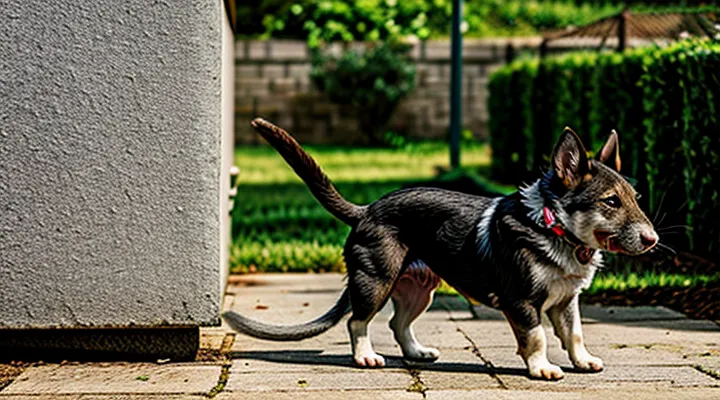
Understanding the Dynamics Between Dogs and Rats
Natural Instincts and Predatory Drives
Canine Predatory Behavior
Canine predatory behavior originates from the wolf ancestry that shaped the domestic dog’s hunting instincts. The drive manifests as a rapid visual and olfactory response to small, moving prey, followed by a chase, capture, and bite sequence.
Movement, high‑frequency sounds, and the scent of rodents activate the predatory circuit in the dog’s brain. When a rat scurries across a yard or appears in a shelter, the dog’s attention shifts from social interaction to a focused pursuit. The typical response includes a low, forward‑leaning posture, rapid acceleration, and a snap bite aimed at the neck or torso.
Several variables influence the intensity of this behavior:
- Breed genetics – terriers and hunting breeds display stronger chase reflexes.
- Training level – obedience and impulse‑control exercises can suppress instinctual attacks.
- Hunger state – fasting or irregular feeding schedules heighten motivation to seize prey.
- Environmental exposure – frequent contact with rodents can either reinforce or diminish the response depending on reinforcement history.
Understanding these determinants enables effective management of dog‑rat encounters. Controlled exposure, consistent feeding, and targeted training reduce the likelihood of aggressive predation while maintaining the animal’s overall well‑being.
Rodent Survival Mechanisms
Rats survive by exploiting a combination of physiological, behavioral, and ecological adaptations that reduce vulnerability to predators such as canines. Their acute auditory and olfactory systems detect approaching threats at distances far beyond those of many other rodents, prompting immediate flight or concealment. Flexible diet allows consumption of plant material, insects, carrion, and human waste, ensuring energy intake even when preferred foods are scarce. Rapid reproductive cycles generate multiple litters per year, compensating for high predation rates and maintaining population stability.
- Burrowing and nesting: Construction of extensive tunnel networks provides escape routes and shelter from surface predators.
- Nocturnal activity: Peak foraging occurs during low-light periods, aligning with reduced canine hunting efficiency.
- Social cohesion: Groups share alarm signals and coordinate defensive behaviors, increasing collective awareness of danger.
- Keen tactile whiskers: Detect vibrations and airflow changes, enabling detection of predators before visual contact.
- High metabolic rate: Supports swift locomotion and quick recovery after escape bursts.
- Learning and memory: Individual rats remember specific predator cues and adapt future avoidance strategies accordingly.
- Disease tolerance: Ability to host parasites and pathogens without severe health decline reduces mortality unrelated to predation.
These mechanisms collectively enhance rat resilience, shaping the dynamics of encounters with dogs and influencing the frequency and outcome of their conflicts.
Environmental Factors Influencing Interactions
Shared Habitats and Urban Environments
In densely populated cities, residential blocks, parks, and alleys provide overlapping territories for domestic canines and commensal rodents. Both species exploit the same waste streams, shelter structures, and open spaces, creating a physical interface where encounters are frequent.
Urban waste disposal methods concentrate food residues in bins, dumpsters, and littered areas. These resources attract rats, while dogs, trained or untrained, respond to moving prey or scent cues. The proximity of these resources reduces the spatial gap that might otherwise separate the two species.
- Accumulated organic waste supplies high‑calorie sustenance for rats, increasing their activity near human dwellings.
- Dog walking routes often pass through the same corridors where rats forage, leading to direct visual and olfactory contact.
- Construction sites generate temporary shelters and debris, offering rats nesting sites adjacent to areas where dogs patrol.
- Nighttime lighting and reduced human presence allow rats to move more freely, while dogs retain vigilance during the same periods.
The convergence of these factors elevates the likelihood of predatory behavior, defensive aggression, and disease transmission. Mitigation strategies focus on waste management, controlled access to potential nesting sites, and responsible canine supervision in high‑risk zones.
Food Sources and Attractants
Food availability drives interaction between canines and rodents, creating direct competition when both species exploit the same resources. Dogs, whether feral or domestic, seek protein from carrion, small mammals, and discarded meat, while rats pursue grains, seeds, and organic waste. Overlap in these diets forces encounters that can turn aggressive, especially when supplies are limited.
Human activity intensifies the overlap. Unsecured trash bins, outdoor pet‑food bowls, and compost piles present high‑calorie attractants that both dogs and rats readily investigate. When a dog detects a scent of food in a garbage container, it may approach, prompting a defensive response from resident rats. Similarly, rats that infiltrate a yard to steal dog food can provoke territorial behavior from the canine.
Seasonal fluctuations affect resource distribution. In colder months, natural prey becomes scarce, increasing reliance on anthropogenic sources. Urban environments, with dense waste generation, amplify the frequency of shared foraging sites, thereby raising the probability of conflict.
Common attractants include:
- Open garbage containers
- Outdoor pet‑food dishes left unattended
- Compost heaps containing food scraps
- Birdseed spillage
- Fallen fruit and vegetable waste
Mitigation strategies focus on eliminating these shared incentives: securing waste containers with tight lids, removing pet food after feeding, maintaining compost in sealed bins, and promptly cleaning up spillage. Reducing the overlap of food sources diminishes the likelihood of confrontations between dogs and rats.
Shelter and Denning Sites
Both species rely on protected locations for rest, reproduction, and food storage. Dogs often claim abandoned structures, garden sheds, or under‑deck spaces, while rats exploit the same environments for nesting and foraging. Overlap creates direct competition for limited shelter, increasing the likelihood of encounters that can become aggressive.
Key factors that intensify competition at shared sites include:
- Limited availability of insulated cavities in colder climates, forcing both animals to occupy the same burrows or crevices.
- Proximity of food caches to shelter, attracting rats to dog‑occupied areas where waste or stored provisions are present.
- Seasonal changes that reduce the number of viable dens, concentrating individuals in a smaller set of sites.
When dogs patrol or defend a chosen refuge, rats respond by seeking alternative shelters, often moving into neighboring yards or structures. This displacement raises the probability of repeated intrusion attempts, leading to heightened tension and conflict between the two populations.
Common Scenarios of Conflict
Direct Confrontations
Hunting and Chasing Behavior
Dogs possess a strong predatory instinct that manifests as hunting and chasing behavior toward small, fast-moving animals. This instinct is driven by a combination of visual acuity, acute hearing, and a scent‑based detection system that quickly identifies potential prey. When a rat moves across a lawn or enters a yard, the dog’s sensory cues trigger a chase sequence: fixation on movement, rapid acceleration, and pursuit until contact is made or the target escapes.
Rats respond to canine pursuit with evasive tactics rooted in their own survival strategies. Their agility, ability to squeeze through narrow openings, and heightened vigilance allow them to avoid capture in many instances. However, repeated exposure to dog attacks can lead to heightened stress responses, reduced foraging efficiency, and increased mortality rates within rat populations.
Key factors influencing the intensity of this interspecies conflict include:
- Breed-specific prey drive – hunting breeds exhibit higher chase frequencies than companion‑oriented breeds.
- Training and socialization – dogs accustomed to restraint or obedience commands are less likely to initiate unprovoked chases.
- Environmental complexity – dense vegetation or cluttered structures provide rats with shelter, reducing successful dog pursuits.
- Human management practices – feeding dogs near rat habitats or allowing unsupervised outdoor access amplifies encounter rates.
Understanding these dynamics assists in developing mitigation strategies, such as selecting low‑prey‑drive dog breeds for areas with dense rodent activity, implementing regular obedience training, and modifying habitats to limit direct visual contact between the species.
Defensive Aggression by Rats
Rats exhibit defensive aggression when they perceive a direct threat to themselves or their nest. This response is mediated by the amygdala and hypothalamic circuits that trigger rapid escalation from avoidance to attack.
Typical triggers include sudden movements, loud noises, and the presence of a predator such as a dog. When a dog approaches a burrow or cornered rat, the rodent often adopts a crouched posture, emits high‑frequency vocalizations, and prepares to bite.
The aggressive behavior manifests as swift lunges, gnawing attempts, and the use of sharp incisors aimed at vulnerable body parts of the attacker. Rats may also release pheromonal signals that heighten alertness in nearby conspecifics, creating a coordinated defensive front.
In encounters with dogs, defensive aggression can provoke bite injuries, cause the dog to retreat, or lead to prolonged fighting that escalates the overall conflict between the species.
Mitigation strategies focus on:
- Securing food sources to reduce attractants.
- Installing barriers that prevent dogs from accessing rat habitats.
- Training dogs to ignore small mammals and avoid chase behavior.
- Employing humane trapping to relocate rats from high‑risk zones.
Indirect Conflicts
Disease Transmission
Disease transmission is a central factor in the antagonism between domestic canines and urban rodents. Pathogens carried by rats can infect dogs through ingestion of contaminated material, contact with urine or feces, or exposure to ectoparasites that move between the species. Conversely, infected dogs can shed organisms that threaten rat populations and pose a risk to humans.
Key zoonotic agents involved include:
- Leptospira interrogans – transmitted via rat urine; dogs acquire infection by drinking contaminated water or grooming contaminated fur.
- Salmonella spp. – present in rat feces; dogs become ill after consuming carrion or scavenging in infested areas.
- Yersinia pestis – the plague bacterium; fleas feeding on infected rats may bite dogs, facilitating spread.
- Hantavirus – shed in rodent excreta; dogs can inhale aerosolized particles, leading to respiratory disease.
- Toxoplasma gondii – rats act as intermediate hosts; dogs ingest infected rodents and develop systemic toxoplasmosis.
Transmission pathways reinforce competition for resources and heighten host‑specific mortality. Dogs that hunt or scavenge rodents increase their exposure risk, while rat colonies suffer predation pressure and indirect pathogen loss. Both species contribute to a feedback loop: higher infection rates reduce animal fitness, prompting aggressive encounters over limited food and shelter.
Mitigation strategies focus on interrupting pathogen flow. Routine canine vaccination against leptospirosis and rabies reduces susceptibility. Regular deworming and flea control lower ectoparasite burden. Urban sanitation programs that limit standing water, secure waste, and control rodent populations diminish environmental contamination. Integrated pest management, combined with responsible pet ownership, curtails disease exchange and lessens the underlying drivers of interspecies conflict.
Property Damage and Nuisance
Dogs and rats frequently clash over shared spaces, creating direct threats to property and persistent disturbances. Canine predation drives rats to seek refuge in walls, attics, and storage areas, where they gnaw structural components, damage insulation, and contaminate food supplies. Rat activity also provokes dogs to chase, bark, and dig, amplifying wear on flooring, carpets, and exterior landscaping.
Common manifestations of damage and nuisance include:
- Chewed wiring and plumbing caused by rats seeking entry points opened by dogs.
- Scratched doors, fences, and furniture resulting from dogs’ pursuit of rodents.
- Accumulated droppings and urine that attract pests and emit foul odors.
- Persistent barking and heightened alertness that disrupt household tranquility.
- Soil erosion and garden destruction from dogs digging after rat burrows.
Effective management requires separating the species and securing vulnerable structures. Install rodent-proof barriers, seal gaps, and use reinforced materials in areas prone to gnawing. Employ training techniques that reduce dogs’ instinctive chase behavior, such as controlled exposure and positive reinforcement. Regular inspections and prompt repair of compromised elements prevent escalation of property loss and maintain a stable living environment.
Mitigation and Management Strategies
Preventing Interactions
Pest Control Measures
Dogs and rats frequently intersect in urban and suburban environments, creating competition for food and shelter that can provoke aggressive encounters with domestic dogs. Effective pest control reduces the likelihood of these interactions by limiting rat populations and minimizing attractants.
Sanitation measures remove the resources that sustain rodent colonies. Regular garbage collection, secure storage of pet food, and prompt removal of fallen fruit or compost diminish food availability. Sealing cracks, gaps, and utility openings prevents rats from entering buildings and adjacent yards.
Physical barriers provide direct exclusion. Installing metal mesh around dog kennels, using concrete or metal lintels under doorways, and fitting rat‑proof lids on trash bins create obstacles that rodents cannot bypass. Low‑profile fencing around garden beds deters both rats and wandering dogs from sharing the same space.
Biological control targets rats without endangering dogs. Encouraging natural predators such as owls and hawks through nesting boxes reduces rodent numbers. Deploying sterile male releases disrupts breeding cycles, leading to gradual population decline.
Chemical interventions must be applied with caution to avoid canine exposure. Rodenticides formulated as tamper‑resistant bait stations limit access to non‑target species. When using anticoagulant baits, select products with low secondary toxicity and place them in locations inaccessible to dogs.
An integrated pest management plan combines these tactics. Routine inspection identifies infestation hotspots; sanitation eliminates attractants; barriers block entry; biological agents suppress breeding; and targeted chemicals address residual pockets. Coordinated implementation lowers rat density, decreasing confrontations with dogs and promoting safer coexistence.
Dog Training and Supervision
Effective dog training reduces the likelihood of predatory encounters with rodents. Controlled obedience commands, such as “stay,” “leave it,” and “recall,” give owners the ability to interrupt a chase before it escalates. Consistent reinforcement of these commands creates a reliable response even when a rat triggers the dog’s instinctual drive.
Key training techniques include:
- Positive reinforcement of calm behavior around rodent activity.
- Desensitization sessions that expose the dog to a rat’s scent and movement at a safe distance, gradually decreasing the gap.
- Impulse‑control exercises, for example, waiting on a cue before accessing a treat or toy.
Supervision practices complement training. Owners should maintain visual contact whenever a dog is in an environment where rats may appear, such as basements, attics, or outdoor sheds. Physical barriers, like sealed entry points and secure storage containers, limit rat access and eliminate accidental encounters. When unsupervised time is unavoidable, confining the dog to a crate or a fenced area prevents spontaneous chases.
Monitoring progress involves recording each interaction with rodents, noting the dog’s response, and adjusting the training plan accordingly. Regular assessment ensures the dog retains control commands and that supervision strategies remain effective.
Addressing Existing Conflicts
Safe Removal Techniques
Effective management of dog‑rat encounters requires methods that protect both animals and humans while minimizing stress. Safe removal begins with assessment of the environment, identification of entry points, and selection of appropriate tools.
- Live traps: Use cage traps sized for rats, baited with high‑fat food. Place traps along walls and near suspected pathways. Check traps at least twice daily to prevent prolonged confinement.
- One‑time capture devices: Employ tube or funnel traps that guide rats into a containment chamber without injury. Ensure the device is secured to prevent escape before removal.
- Exclusion techniques: Seal gaps larger than ¼ inch with metal mesh, concrete, or steel wool. Install flashing around doors and vents to block future access.
- Deterrent applications: Deploy ultrasonic emitters or natural repellents such as peppermint oil in low concentrations. Avoid chemicals that could harm dogs or other pets.
- Professional intervention: When infestations exceed a few individuals or involve aggressive behavior, contact licensed wildlife control services. Professionals can remove rats safely and provide follow‑up exclusion advice.
After capture, transport rats in a secure carrier to a licensed relocation facility or humane euthanasia provider, following local regulations. Clean and disinfect the area with an EPA‑approved sanitizer to eliminate residual scent trails that might attract reinfestation. Regular monitoring and maintenance of exclusion measures sustain a conflict‑free environment for both dogs and rodents.
Veterinary Care for Injuries
In encounters between canines and rodents, injuries frequently include puncture wounds, lacerations, and bite‑induced infections. Prompt veterinary assessment reduces tissue damage and prevents systemic complications.
Initial evaluation involves:
- Visual inspection of wound size, depth, and contamination.
- Palpation to detect underlying foreign material or swelling.
- Assessment of vital signs to identify shock or fever.
- Collection of wound swabs for bacterial culture when infection is suspected.
Treatment protocol includes:
- Thorough irrigation with sterile saline to remove debris.
- Debridement of necrotic tissue to promote healing.
- Administration of broad‑spectrum antibiotics targeting common canine and rodent pathogens, adjusted according to culture results.
- Analgesic therapy to manage pain, using NSAIDs or opioid agents as indicated.
- Tetanus prophylaxis if vaccination status is uncertain.
- Application of appropriate dressings to maintain a moist environment and protect against further contamination.
Follow‑up care requires:
- Re‑examination within 48‑72 hours to monitor healing progress.
- Adjustment of antibiotic regimen based on clinical response.
- Owner instruction on wound cleaning, activity restriction, and signs of worsening infection.
Preventive measures reduce the likelihood of future injuries: