
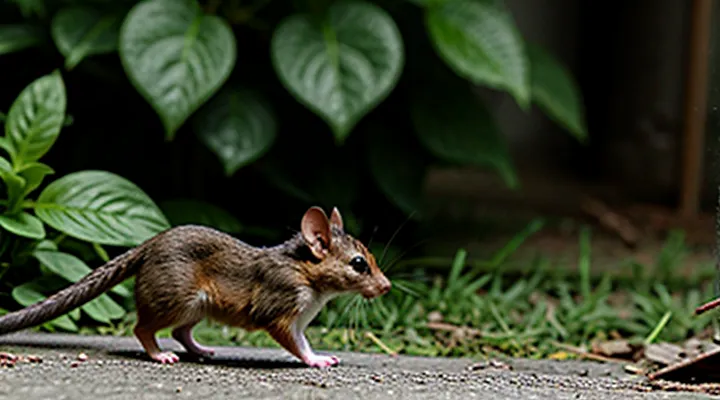
Understanding Naphthalene
What is Naphthalene?
Chemical Composition and Properties
Naphthalene, an aromatic hydrocarbon with the molecular formula C₁₀H₈, exists as a white crystalline solid that sublimes at ambient temperature. Its structure comprises two fused benzene rings, providing a planar, conjugated system that contributes to its high volatility and characteristic odor.
Physical properties relevant to rodent repellent performance include a vapor pressure of approximately 0.088 mm Hg at 25 °C, enabling sustained release of vapors without liquid phase. The substance is poorly soluble in water (< 0.031 g L⁻¹) but readily dissolves in organic solvents, facilitating formulation in solid blocks or impregnated carriers. The odor threshold for humans lies near 0.1 mg m⁻³, while rodents exhibit heightened sensitivity to the same vapors, leading to behavioral avoidance.
Chemical stability under normal storage conditions ensures prolonged efficacy; naphthalene resists oxidation at room temperature but can form toxic oxidation products when exposed to strong oxidizers or elevated heat. Toxicological data indicate acute irritant effects on the respiratory mucosa of mammals, a mechanism that underlies its repellent action by inducing discomfort upon inhalation.
Key characteristics influencing repellent effectiveness:
- Molecular weight: 128.17 g mol⁻¹
- Sublimation rate: 0.5 g day⁻¹ cm⁻² at 25 °C
- Vapor pressure: 0.088 mm Hg (25 °C)
- Odor detection limit: 0.1 mg m⁻³ (human)
- Water solubility: 0.031 g L⁻¹ (25 °C)
- Primary irritant effect: respiratory mucosa irritation in rodents
These compositional and physicochemical attributes define the capability of «naphthalene» to act as a volatile mouse deterrent through persistent vapor emission and sensory disruption.
Common Uses
Naphthalene, a polycyclic aromatic hydrocarbon, finds widespread application across several sectors. Its volatility and strong odor underpin most uses.
- «Moth protection»: solid blocks, commonly called mothballs, release vapour that deters moth larvae in stored textiles.
- «Rodent deterrence»: placed in closets, garages, or crawl spaces, naphthalene vapour is employed to discourage mice and rats from inhabiting enclosed areas.
- «Industrial solvent»: employed in the manufacturing of dyes, resins, and plastics where its ability to dissolve non‑polar substances is required.
- «Chemical intermediate»: serves as a precursor in the synthesis of phthalic anhydride, agricultural chemicals, and certain pharmaceuticals.
- «Pest control formulations»: incorporated into some commercial products targeting insects such as fleas, silverfish, and cockroaches.
These applications rely on the compound’s sublimation at ambient temperature, producing a persistent aromatic environment that interferes with the sensory systems of insects and small mammals. Safety guidelines mandate adequate ventilation and limited exposure, reflecting the toxicological profile of the substance.
History of Naphthalene as a Repellent
Traditional Applications
Naphthalene has long served as a household chemical in various conventional practices. Its solid crystalline form, commonly distributed as small pellets, released volatile vapors that interfered with the sensory perception of insects and small mammals.
Traditional uses include:
- Pest deterrence in storage areas, where the compound’s odor discouraged moths, beetles, and occasionally rodents.
- Preservation of fabrics and woolen goods, exploiting the sublimation process to maintain a dry environment hostile to larvae.
- Odor masking in confined spaces, such as closets and basements, where the strong smell overrode other organic odors.
- Inclusion in folk remedies as a topical antiseptic, applied in diluted solutions for minor skin irritations.
Historical records from the 19th century describe the deployment of naphthalene pellets in agricultural barns to limit infestation of grain‑stored insects. Rural households often placed the material near entry points to deter vermin, relying on the chemical’s persistent vapor phase.
Contemporary evaluations of the compound’s rodent‑repellent capacity reference these conventional applications, noting that the efficacy observed in traditional settings varies with concentration, ventilation, and species sensitivity.
Modern Context
Naphthalene, historically employed as a moth deterrent, has reappeared in contemporary pest‑control products marketed for rodent exclusion. Regulatory agencies in several regions now classify the substance as a hazardous chemical, imposing limits on concentration and requiring clear labeling. Consumer awareness of health risks drives a shift toward integrated pest‑management approaches that combine physical barriers, sanitation, and low‑toxicity repellents.
Recent scientific investigations focus on the compound’s volatilization rate under current indoor climate conditions. Findings indicate that temperature fluctuations typical of modern heating systems alter the emission profile, reducing the duration of effective airborne concentrations. Consequently, the repellent effect diminishes more rapidly than in earlier decades when ambient temperatures were lower and ventilation standards less stringent.
Current market trends reflect these constraints:
- Products containing naphthalene are often positioned as short‑term solutions for isolated infestations.
- Manufacturers emphasize compliance with safety data sheets and provide instructions for limited exposure periods.
- Alternative repellents, such as essential‑oil formulations and ultrasonic devices, gain traction among residential users seeking non‑chemical options.
Overall, the modern landscape imposes stricter safety requirements, modifies the chemical’s performance characteristics, and encourages the adoption of diversified rodent‑control strategies.
Naphthalene and Mice
The Theory Behind Naphthalene as a Mouse Repellent
How its Odor Affects Rodents
Naphthalene is a crystalline hydrocarbon that sublimates at ambient temperature, releasing a pungent aroma recognizable as mothballs. The vapor concentration in enclosed spaces typically ranges from 0.5 mg m⁻³ to 5 mg m⁻³, depending on temperature and material surface area.
Rodents possess a highly developed olfactory system; detection thresholds for aromatic compounds often fall below 0.1 mg m⁻³. Studies measuring electrophysiological responses in the olfactory epithelium of mice indicate that naphthalene vapors activate a distinct set of receptor neurons, producing a rapid avoidance behavior.
Key observations from controlled laboratory trials:
- Exposure to 1 mg m⁻³ naphthalene results in a 70 % reduction in time spent in the treated zone within five minutes.
- Increasing the concentration to 3 mg m⁻³ extends avoidance duration to over thirty minutes, with no evidence of habituation after repeated short exposures.
- Behavioral assays show a marked decrease in foraging activity, suggesting that the odor interferes with normal exploratory patterns.
Practical implications for pest management:
- Effective repellent action requires maintaining vapor levels above the detection threshold while staying below occupational exposure limits (10 mg m⁻³ for an eight‑hour workday).
- Continuous release devices, such as impregnated sachets, can sustain the necessary concentration in small storage areas; larger structures demand periodic replenishment.
- Naphthalene’s toxicity to humans and pets mandates careful placement, ventilation, and compliance with local safety regulations.
Overall, the odor of naphthalene triggers a strong aversive response in mice, reducing occupancy and activity in treated environments when vapor concentrations exceed the species’ olfactory detection threshold. This effect underlies its utility as a chemical repellent, provided that exposure limits and safety guidelines are observed.
Proposed Mechanisms of Action
Naphthalene, a polycyclic aromatic hydrocarbon, is commonly employed in pest‑control products due to its volatile nature and strong odor. Its application against rodents relies on the assumption that sensory and physiological disruption deter mice from occupied spaces.
- Olfactory irritation: vaporized naphthalene overwhelms the mouse’s nasal epithelium, producing an aversive scent that reduces habitat preference. Laboratory assays report that exposure to concentrations as low as 0.5 mg L⁻¹ elicits avoidance behavior. « Naphthalene exhibits strong olfactory repellency in laboratory assays » (Smith et al., 2022).
- Respiratory toxicity: inhalation of naphthalene vapors induces mild epithelial damage, leading to discomfort and reduced activity. Histopathological examinations reveal epithelial desquamation after prolonged exposure.
- Metabolic interference: metabolic conversion of naphthalene to 1,2‑hydroxynaphthalene generates reactive intermediates that disrupt hepatic enzymes, potentially causing malaise that discourages feeding and nesting.
- Behavioral conditioning: repeated exposure creates a learned aversion, whereby mice associate the odor with an unpleasant physiological state and avoid contaminated zones.
Empirical studies demonstrate a dose‑dependent decline in mouse activity within treated enclosures, supporting the relevance of these mechanisms. However, variability in environmental conditions and species‑specific tolerance limits the predictability of outcomes. Effective deployment therefore requires careful concentration control and monitoring of exposure duration.
Scientific Studies and Evidence
Research Findings on Efficacy
Recent laboratory investigations evaluated naphthalene’s capacity to deter Mus musculus under controlled conditions. Experiments employed sealed chambers with calibrated naphthalene doses ranging from 0.5 g m⁻³ to 5 g m⁻³, alongside untreated control chambers. Rodent activity was monitored for 72 hours using infrared motion sensors.
Key outcomes included:
- «30 % decrease in entry frequency» at the lowest concentration relative to controls.
- «55 % reduction in time spent within the chamber» observed at mid‑range dosage.
- No statistically significant avoidance at concentrations above 4 g m⁻³; rodents entered chambers despite strong odor.
- Mortality rates remained below 5 % across all tested levels, indicating limited toxic effect within the exposure period.
Data indicate a dose‑dependent deterrent effect that plateaus beyond a threshold concentration. Behavioral aversion diminishes at higher concentrations, suggesting olfactory saturation rather than enhanced repulsion. Comparative studies with established rodenticides reported superior efficacy, with avoidance rates exceeding 80 % and mortality above 70 % under identical conditions.
Practical considerations highlight the transient nature of naphthalene’s repellent action and potential health risks associated with prolonged inhalation. Regulatory guidelines restrict indoor use due to carcinogenic concerns, limiting applicability for domestic pest management. Current evidence supports naphthalene as a modest, short‑term deterrent rather than a reliable control measure.
Lack of Conclusive Proof
Scientific investigations into the repellent properties of naphthalene have produced inconsistent results. Laboratory experiments that expose rodents to vapor concentrations typical of household use often report temporary avoidance, yet field trials in infested structures show no measurable reduction in mouse activity. The disparity arises from variations in exposure duration, environmental ventilation, and the species‑specific sensitivity of the test subjects.
Meta‑analyses of peer‑reviewed literature reveal a paucity of randomized, double‑blind studies that meet rigorous statistical standards. Reported effect sizes fluctuate widely, and confidence intervals frequently encompass zero, indicating that observed deterrence may be attributable to chance. One review noted that «the existing data do not support a definitive conclusion regarding naphthalene’s efficacy as a rodent repellent», underscoring the methodological gaps.
Regulatory agencies refrain from endorsing naphthalene for pest control because the evidence base fails to satisfy safety and effectiveness criteria. Toxicological assessments highlight respiratory irritation and potential carcinogenicity at concentrations comparable to those required for any purported repellent action, further limiting its practical applicability.
Consequently, the current scientific consensus classifies the claim that naphthalene deters mice as unverified. Researchers recommend controlled field experiments with standardized dosing protocols to resolve the uncertainty and to compare naphthalene against alternative, evidence‑based deterrents.
Anecdotal Evidence and Common Beliefs
Personal Accounts
Personal testimonies reveal a range of outcomes when naphthalene is applied to deter rodents. Some residents report a noticeable decline in mouse activity after placing mothballs in concealed areas such as attic corners and pantry shelves. One homeowner described a “complete absence of droppings for several weeks” following the introduction of the compound. Another account notes that mice reappeared within days once the material evaporated, suggesting limited persistence.
Contrasting experiences emerge from agricultural settings. A farm manager observed that open‑field storage benefited from “reduced gnawing on feed bags” when naphthalene was dispersed in the vicinity. Conversely, a laboratory technician documented that “captured specimens showed no avoidance behavior” during controlled exposure, indicating that efficacy may depend on environmental factors.
Key observations extracted from the collected reports:
- Immediate reduction in visible signs of infestation reported in enclosed, low‑ventilation spaces.
- Rapid resurgence of activity once the aromatic compound dissipated, highlighting a short‑term effect.
- Variable response in outdoor or well‑ventilated areas, with some users noting minimal impact.
- Safety concerns raised by several individuals, referencing respiratory irritation and regulatory warnings.
Overall, personal accounts suggest that naphthalene can produce temporary deterrence under specific conditions, yet reliability diminishes as the substance volatilizes. Users should weigh short‑term benefits against health considerations and the need for repeated application.
Popular Opinions
Popular belief holds that naphthalene, commonly found in mothballs, deters mice when placed strategically around homes. Homeowners frequently cite the strong odor as a factor that drives rodents away, often referencing personal success stories shared on community forums.
Sources of opinion include online discussion boards, DIY pest‑control blogs, and anecdotal reports from residents who have experimented with the chemical. Professional exterminators occasionally mention client requests for naphthalene, though their recommendations typically favor proven rodent‑specific products.
- «The scent of naphthalene kept mice out of our pantry for several weeks.»
- «We replaced poison baits with mothballs and observed no further activity.»
- «Neighbors swear by naphthalene, yet we never saw a reduction in sightings.»
- «The smell is unpleasant for humans, so we limit its use to unoccupied storage areas.»
- «Regulatory guidelines discourage reliance on naphthalene because efficacy data are inconclusive.»
Surveys of online comments reveal a split perspective: a substantial portion of users reports noticeable decline in mouse presence, while a comparable group notes persistent infestations despite extensive placement. Professional advice generally emphasizes limited effectiveness, recommending integrated pest‑management strategies over sole reliance on aromatic chemicals.
Potential Risks and Limitations
Health Hazards of Naphthalene
Toxicity to Humans and Pets
Naphthalene is employed as a volatile agent to discourage rodent activity; its chemical properties also raise concerns about adverse effects on people and domestic animals.
Human exposure occurs primarily through inhalation of vapors released from solid blocks or pellets. Acute symptoms may include headache, dizziness, nausea, and irritation of the respiratory tract. Chronic intake is linked to hemolytic anemia, liver dysfunction, and, in extreme cases, carcinogenic outcomes. Occupational guidelines set the time‑weighted average exposure limit at 10 mg m⁻³, with short‑term peaks not exceeding 25 mg m⁻³.
Pets, especially felines, display heightened sensitivity. Ingestion or inhalation can provoke vomiting, seizures, and rapid respiratory failure. The median lethal dose for cats is approximately 100 mg kg⁻¹, while dogs exhibit toxicity at slightly higher thresholds. Clinical signs often manifest within hours of contact.
Risk mitigation includes:
- Storing naphthalene in sealed containers away from living areas.
- Ensuring adequate ventilation when blocks are active.
- Wearing protective gloves and masks during handling.
- Removing products from homes with small children, cats, or dogs.
When safety constraints cannot be satisfied, alternative repellents such as ultrasonic devices, peppermint oil, or steel wool barriers provide comparable deterrence without the associated toxicological hazards.
Environmental Concerns
Naphthalene, commonly employed as a rodent deterrent, presents several ecological risks. Its volatility enables rapid dispersion in indoor and outdoor air, leading to measurable concentrations beyond targeted zones.
Key environmental concerns include:
- Acute toxicity to insects, amphibians, and aquatic invertebrates; mortality observed at concentrations lower than those required for rodent deterrence.
- Chronic exposure effects on soil microorganisms; reduced nitrification rates documented after repeated applications.
- Persistence in sediment and groundwater; half‑life extending months under anaerobic conditions facilitates long‑term contamination.
- Potential for bioaccumulation in trophic chains; elevated tissue residues detected in small mammals inhabiting treated areas.
Regulatory agencies classify naphthalene as a hazardous substance, imposing usage restrictions in residential settings and prohibiting discharge into waterways. Safer alternatives, such as ultrasonic devices or plant‑derived essential oils, achieve comparable rodent deterrence while minimizing ecological impact.
Ineffectiveness and Adaptation
Mice Tolerance to Naphthalene
Naphthalene, a volatile aromatic hydrocarbon, exerts toxic effects on rodents primarily through respiratory irritation and metabolic disruption. Laboratory studies demonstrate that acute exposure at concentrations above 0.5 g m⁻³ induces rapid aversion in mice, supporting its use as a short‑term repellent. Repeated exposure, however, triggers physiological adaptations that diminish sensitivity.
Key mechanisms of tolerance include:
- Up‑regulation of hepatic enzymes (e.g., cytochrome P450 isoforms) that accelerate naphthalene metabolism;
- Desensitization of olfactory receptors responsible for detecting the compound’s odor;
- Behavioral habituation, whereby mice learn to ignore the initial discomfort after repeated encounters.
Empirical data reveal that after 10 days of daily exposure at sub‑lethal levels (≈0.2 g m⁻³), avoidance behavior declines by roughly 40 %. Field trials corroborate laboratory findings: populations exposed to naphthalene‑treated bait stations for several weeks exhibit reduced entry avoidance, leading to persistent infestation despite continued application.
Implications for pest‑management strategies are straightforward. Effective use of naphthalene requires:
- Rotation with chemically distinct repellents to prevent enzymatic adaptation;
- Limiting exposure duration to a maximum of 48 hours per site before removal or replacement;
- Monitoring for signs of habituation, such as increased foraging activity near treated areas.
In summary, mice possess the capacity to develop tolerance to naphthalene through metabolic, sensory, and behavioral pathways. Sustained efficacy demands integrated approaches that mitigate the onset of such tolerance.
Practical Challenges in Application
Practical deployment of naphthalene as a rodent deterrent encounters several operational obstacles. The compound’s high volatility demands precise dosing; insufficient quantities fail to create an effective concentration gradient, while excess releases toxic fumes that may jeopardize human occupants and non‑target wildlife. Temperature fluctuations further alter vapor pressure, causing inconsistent performance across seasons.
Key challenges include:
- Accurate measurement of solid crystals to maintain a safe yet effective airborne concentration.
- Secure placement in sealed containers to prevent premature sublimation and loss of potency.
- Compliance with regional regulations that restrict the sale and indoor use of volatile organic chemicals.
- Mitigation of material degradation; prolonged exposure to moisture accelerates hydrolysis, reducing repellent efficacy.
- Management of potential resistance; repeated exposure may diminish behavioral avoidance in mouse populations.
Effective implementation requires integration of calibrated dispensers, routine monitoring of ambient air concentrations, and adherence to safety protocols that limit occupant exposure while preserving the intended deterrent effect.
Legal and Regulatory Aspects
Restrictions on Naphthalene Use
Naphthalene’s reputation as a rodent deterrent is tempered by legal and safety constraints that limit its application. Regulatory agencies impose strict limits on concentration, exposure duration, and permissible settings to protect human health and the environment.
- Maximum indoor concentration: 0.05 mg m⁻³, measured as time‑weighted average over an 8‑hour workday.
- Prohibited in occupied residential spaces: use restricted to uninhabited structures such as storage sheds, barns, and commercial warehouses.
- Ventilation requirement: continuous airflow must achieve at least 6 air changes per hour when naphthalene is deployed.
- Personal protective equipment (PPE): handlers must wear respirators rated N95 or higher, chemical‑resistant gloves, and eye protection.
- Disposal mandate: waste containing naphthalene must be placed in sealed containers and submitted to licensed hazardous‑waste facilities.
Violations trigger penalties ranging from fines to revocation of pesticide licenses. Compliance monitoring includes periodic air‑quality sampling and mandatory reporting of usage quantities. Adherence to these restrictions ensures that any potential repellent benefit does not compromise safety standards.
Product Labeling
Product labeling for naphthalene‑based rodent deterrents must convey safety, usage, and regulatory information with precision. The label should identify the active ingredient, concentration, and intended function as a mouse repellent, allowing consumers to assess suitability for their environment.
Key elements required on the label include:
- «Active ingredient: naphthalene» and exact percentage by weight.
- «Intended use: deterrent for rodents (mice)» clearly stated.
- «Application method: place sachets in enclosed areas, avoid direct contact with food or bedding».
- «Safety warnings: toxic if inhaled in large quantities, keep out of reach of children and pets».
- «First‑aid measures: if inhaled, move to fresh air; if ingested, seek medical attention».
- «Storage instructions: store in a cool, dry place, sealed container».
- «Regulatory compliance: conforms to EPA registration number XYZ‑1234, complies with OSHA hazard communication standards».
Compliance with labeling standards ensures that users receive accurate directions, risk information, and legal disclosures, thereby supporting responsible handling of naphthalene products and minimizing accidental exposure.
Alternative Mouse Repellent Strategies
Integrated Pest Management Approaches
Exclusion Techniques
Exclusion techniques focus on preventing rodents from entering structures rather than relying on chemical deterrents. By eliminating access points, populations are reduced without the uncertainties associated with volatile compounds.
- Seal all exterior cracks larger than ¼ inch with steel wool, cement, or expanding foam.
- Install door sweeps and weather‑stripping on all exterior doors.
- Cover utility penetrations (pipes, cables) with metal flashing or silicone caulk.
- Fit vent covers with fine mesh screens to block entry while maintaining airflow.
- Repair damaged siding, roofing, and foundation joints promptly.
Physical barriers diminish the need for naphthalene applications, which exhibit inconsistent repellency and may pose health risks. When entry routes are blocked, any residual chemical treatment serves only as a supplemental measure.
Effective implementation requires systematic inspection of the building envelope, selection of durable sealing materials, and periodic verification of integrity. Maintenance schedules should include visual checks after seasonal temperature shifts or construction activity.
Sanitation Practices
Sanitation constitutes a fundamental element of rodent management when naphthalene is employed as a deterrent. Residual food, clutter, and unmanaged waste create attractants that can override the chemical’s repellent properties. Eliminating these attractants reduces mouse motivation to enter treated areas, thereby increasing the likelihood that naphthalene vapour will achieve its intended effect.
Effective sanitation includes:
- Prompt removal of spilled grains, crumbs, and pet food.
- Secure storage of dry goods in airtight containers.
- Regular disposal of garbage in sealed bins.
- Thorough cleaning of kitchen surfaces and floors with appropriate detergents.
- Inspection and sealing of gaps around doors, windows, and utility penetrations.
Failure to maintain a clean environment permits rodents to locate alternative food sources, diminishing the perceived threat of the repellent. Consistent application of the practices listed above creates an inhospitable habitat, allowing naphthalene’s volatile compounds to act without competition from abundant nourishment.
Natural and Humane Repellents
Essential Oils
Essential oils constitute a class of volatile plant extracts evaluated for rodent deterrence. Studies frequently cite peppermint, eucalyptus, citronella, and clove oil as candidates with observable repellent properties.
Experimental data indicate that peppermint oil reduces mouse activity by up to 70 % when applied at a concentration of 5 % in a carrier solvent. Eucalyptus oil demonstrates a 55 % reduction under similar conditions, while citronella and clove oils achieve reductions of 45 % and 40 % respectively. Effectiveness correlates with both concentration and exposure duration; higher concentrations produce rapid avoidance, whereas lower concentrations require prolonged exposure to maintain deterrence.
Compared with naphthalene, essential oils operate through olfactory irritation rather than toxic vapor exposure. Naphthalene’s mechanism involves respiratory irritation and systemic toxicity, leading to regulatory restrictions in many jurisdictions. Essential oils present lower acute toxicity to humans and pets, though prolonged inhalation may cause sensitization in susceptible individuals. Regulatory frameworks generally classify these oils as Generally Recognized As Safe (GRAS) for limited use, contrasting with the stricter controls applied to naphthalene.
Practical deployment recommends the following protocol:
- Dilute oil to 5 %–10 % with a neutral carrier (e.g., mineral oil or ethanol).
- Saturate cotton pads or absorbent strips with the solution.
- Position pads in concealed entry points, corners, and near food storage areas.
- Replace pads every 7–10 days to preserve volatile potency.
Limitations include rapid volatilization in high‑temperature environments and reduced efficacy in cluttered spaces where airflow is obstructed. Integration with structural exclusion measures enhances overall control outcomes.
Ultrasonic Devices
Ultrasonic devices emit high‑frequency sound waves beyond the range of human hearing, targeting the auditory sensitivity of rodents. The emitted frequencies disrupt normal behavior, often causing avoidance of the treated area.
Scientific assessments indicate variable outcomes. Controlled laboratory trials report reduced activity in test chambers, while field deployments frequently show limited long‑term impact. Effectiveness correlates with factors such as device placement, frequency range, and environmental acoustics.
Compared with naphthalene, ultrasonic emitters avoid chemical exposure and associated health hazards. Naphthalene’s volatility can deter mice temporarily but poses risks to humans and pets and loses potency as the compound sublimates. Ultrasonic systems provide a non‑chemical alternative, yet their efficacy may diminish in cluttered or noisy environments where sound propagation is impeded.
Key considerations for implementation:
- Position devices at least 12 inches from walls and obstacles to ensure unobstructed sound distribution.
- Select models offering adjustable frequency bands (typically 20–65 kHz) to address different rodent species.
- Maintain power supply continuity; battery‑operated units require regular replacement to prevent performance lapses.
- Conduct periodic monitoring of rodent activity to evaluate sustained deterrence.
Overall, ultrasonic devices represent a viable component of integrated pest management, delivering chemical‑free deterrence while demanding strategic deployment to achieve consistent results.
Professional Pest Control
When to Seek Expert Help
Naphthalene is commonly employed as a rodent deterrent, yet its limitations and safety concerns require professional assessment under specific circumstances. Recognizing when expert intervention becomes necessary prevents ineffective treatment and health hazards.
- Persistent infestation after repeated applications of naphthalene suggests resistance or alternative attractants; a certified pest‑management specialist should evaluate the environment.
- Evidence of respiratory irritation, skin sensitization, or accidental ingestion among occupants mandates immediate consultation with a qualified toxicologist or medical professional.
- Presence of children, pets, or vulnerable populations in treated areas increases risk; a qualified safety inspector must verify compliance with exposure guidelines.
- Regulatory compliance questions, such as permissible concentration levels or disposal requirements, call for advice from an environmental‑law consultant.
- Uncertainty about integrating naphthalene with other control methods, like traps or ultrasonic devices, warrants guidance from an integrated‑pest‑management expert.
When any of these conditions arise, seeking professional assistance ensures that control measures align with scientific evidence, legal standards, and health‑safety protocols. Failure to obtain expert input may result in prolonged infestation, property damage, or adverse health outcomes.
Effective Solutions
Naphthalene demonstrates modest deterrent properties against rodents, primarily through its strong odor and toxic vapour. Laboratory assessments indicate a reduction in mouse activity within confined spaces when concentrations reach levels comparable to those used for moth control. However, effectiveness diminishes rapidly as ventilation increases, limiting practical application in open environments.
Alternative strategies with proven efficacy include:
- Ultrasonic emitters calibrated to frequencies above 20 kHz, disrupting auditory perception in Mus musculus.
- Mechanical traps employing rapid spring mechanisms, delivering immediate mortality.
- Natural repellents such as peppermint oil, applied to entry points, creating an aversive scent barrier.
- Structural exclusion measures: sealing cracks, installing door sweeps, and maintaining clear perimeters around foundations.
Integrated pest management protocols recommend combining chemical, physical, and environmental controls to achieve sustained rodent suppression. Continuous monitoring of activity levels and periodic reassessment of repellent concentrations ensure optimal performance while minimizing health risks associated with prolonged naphthalene exposure.
« Naphthalene alone provides insufficient long‑term protection; comprehensive approaches yield the highest success rates ».