
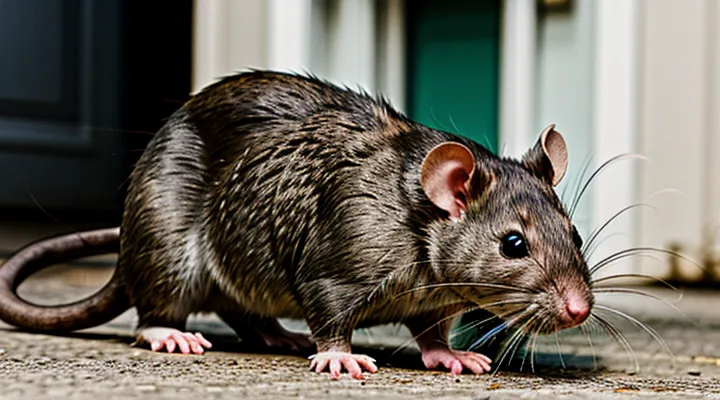
The Nature of Rat Scent
What is a Rat's Natural Smell?
Rats emit a characteristic musky odor that originates from several physiological sources. The scent is produced primarily by secretions from the anal and preputial glands, which release volatile compounds during territorial marking and social interaction. Urine contributes a sharp, ammonia‑like note, while the fur carries a blend of skin oils and bacterial metabolites that enhance the overall smell.
Key chemical constituents of the natural rat odor include:
- 2‑nonenal, a fatty aldehyde responsible for a stale, greasy aroma.
- Isovaleric acid, imparting a sour, cheese‑like scent.
- Phenolic compounds such as phenol and cresol, creating a sharp, pungent impression.
- Short‑chain fatty acids (e.g., butyric acid), adding a rancid nuance.
These compounds are produced continuously, with concentrations increasing during stress, breeding periods, or when rats occupy confined spaces. The combination of glandular secretions, urine, and fur‑borne microbes results in the persistent, recognizable odor associated with the species.
Factors Influencing Normal Rat Scent
Rats possess a characteristic odor that results from a combination of physiological and environmental influences. The scent is detectable under normal conditions and varies according to several measurable factors.
• Genetic makeup determines the baseline composition of skin secretions and urine, which contribute to the overall aroma.
• Dietary intake alters metabolic by‑products; high‑protein or fatty foods can intensify odor, while a balanced diet moderates it.
• Grooming behavior distributes saliva and oil across the fur, affecting scent distribution and intensity.
• Habitat conditions, including bedding material, humidity, and ventilation, modify the persistence of odor molecules.
• Health status influences scent through infection, inflammation, or disease processes that produce distinctive volatile compounds.
• Hormonal fluctuations associated with reproductive cycles or stress hormones can temporarily modify the odor profile.
• Age impacts the maturation of exocrine glands, leading to subtle changes in scent as rats mature.
• Microbial flora on the skin and in the gastrointestinal tract produce metabolites that combine with host secretions, shaping the final odor.
Understanding these determinants clarifies why rat scent remains relatively consistent yet demonstrates measurable variation across individuals and circumstances.
Primary Sources of Rat Odor
Urine and Feces
Rats produce two primary waste products that contribute significantly to their characteristic odor: urine and feces. Both contain volatile compounds that disperse rapidly in confined environments, creating a detectable scent.
Urine consists mainly of water, urea, creatinine, and a range of nitrogenous waste. As urea breaks down, ammonia is released, producing a sharp, pungent smell. Additional metabolites, such as sulfates and indoles, add to the overall odor profile. The concentration of these compounds increases when rats are stressed or confined, intensifying the scent.
Feces are composed of undigested fibers, bacteria, and metabolic by‑products. Fermentation by gut microbes generates short‑chain fatty acids, phenols, and sulfur‑containing compounds. These substances emit a strong, musky odor that persists on surfaces and in bedding. The presence of bile pigments can further darken fecal material, enhancing the olfactory impact.
Key factors influencing the intensity of waste‑related odor include:
- Diet composition: high protein intake raises nitrogenous waste, boosting ammonia production.
- Hydration level: reduced water intake concentrates urine, elevating ammonia concentration.
- Population density: larger groups generate greater cumulative waste, accelerating scent accumulation.
- Ventilation: poor airflow retains volatile compounds, prolonging odor exposure.
Mitigation strategies focus on waste management and environmental control. Frequent removal of soiled bedding, regular cleaning with enzymatic cleaners, and adequate ventilation reduce the concentration of volatile compounds. Providing fresh water and balanced nutrition can moderate waste composition, lowering the overall odor output.
Composition and Persistence of Rat Waste
Rat waste consists primarily of urine, feces, dried droppings, and glandular secretions. Urine contains high concentrations of urea and ammonia, while feces are composed of undigested fibers, proteins, and bacterial biomass. Dried droppings retain residual moisture and organic matter that continue to support microbial activity.
Key chemical constituents of rat excreta include:
- Ammonia (NH₃) released from urea hydrolysis
- Uric acid, a relatively insoluble nitrogenous waste
- Volatile fatty acids produced by gut bacteria
- Sulfur‑containing compounds such as thiols and mercaptans
- Phenolic and indolic compounds generated during protein degradation
Persistence of waste is governed by environmental conditions. Moisture levels above 30 % facilitate bacterial growth and prolong the release of volatile compounds. Warm temperatures (20–30 °C) accelerate enzymatic reactions, increasing odor intensity. Porous substrates, such as insulation or wood, absorb liquids and shield them from ventilation, extending decay periods. Poor airflow reduces dispersal of gases, allowing accumulation of odor‑active molecules.
The breakdown of the listed chemicals yields a complex mixture of volatile organic compounds. Ammonia and thiols dominate the characteristic scent, while phenols and indoles contribute secondary notes. Continuous emission persists until organic material is fully mineralized or removed, making thorough cleaning and environmental control essential for odor mitigation.
Accumulation and Concentration
Accumulation of rodent excretions, glandular secretions, and skin oils creates a reservoir of volatile organic compounds within confined habitats. When waste products are not removed, they persist on nesting material, cage surfaces, and in bedding, allowing odor‑producing molecules to build up over time.
Key factors that promote this buildup include:
- Limited airflow that restricts dispersal of volatile substances.
- High animal density that increases the rate of waste deposition.
- Moisture‑rich environments that enhance microbial conversion of waste into malodorous compounds.
- Absorbent substrates such as shredded paper or cotton that retain secretions.
Concentration describes the measurable amount of these compounds in the surrounding air. Certain odorants, for example «2‑methyl‑2‑butenal» and various phenols, become detectable at concentrations as low as a few parts per billion. As accumulation progresses, the ambient level of these molecules can surpass human detection thresholds, resulting in a noticeable smell.
Effective management of odor relies on reducing both accumulation and concentration. Strategies involve frequent removal of waste, implementation of mechanical ventilation to dilute airborne compounds, and selection of bedding materials that do not retain liquids. By interrupting the cycle of waste buildup and limiting the concentration of volatile agents, the intensity of rodent‑related odor can be substantially lowered.
Glandular Secretions
Rats emit distinct odors primarily through secretions from several specialized glands. These secretions contain volatile compounds that contribute to the characteristic scent of the animal.
- Anal glands produce a mixture of fatty acids, sterols, and sulfide compounds.
- Preputial glands release lipid‑rich fluids containing pheromonal substances.
- Salivary glands secrete enzymes and proteins that, after bacterial metabolism, generate malodorous metabolites.
- Sebaceous glands on the skin excrete waxy substances that, when oxidized, emit a musky aroma.
The chemical composition of these secretions includes short‑chain fatty acids such as butyric and caproic acid, as well as indole and skatole, both known for strong, unpleasant odors. Bacterial action on the secreted material accelerates the production of these volatile molecules, intensifying the scent.
Environmental factors, including humidity and temperature, influence the rate of volatilization. Higher humidity enhances the diffusion of odorants, while elevated temperature increases their vapor pressure, making the odor more perceptible.
Collectively, glandular secretions constitute the principal source of rat odor, providing both species‑specific chemical signals and a noticeable scent detectable by humans.
Scent Glands and Their Purpose
Rats possess several specialized scent glands that contribute directly to their characteristic odor. These glands secrete chemicals used for communication, territory marking, and predator avoidance.
- Mammary (preputial) gland – located near the genital area; releases a fatty secretion rich in volatile compounds that accumulate on the fur and bedding.
- Anal (perianal) gland – situated around the anus; emits a pungent mixture of fatty acids and aldehydes, transferred to the tail and hindquarters during grooming.
- Facial (rhinarium) gland – positioned on the snout; produces a milder scent that coats the whiskers, facilitating close‑range social signaling.
Each gland synthesizes distinct pheromonal profiles. The mammary gland’s secretion contains long‑chain fatty acids that oxidize slowly, creating a persistent, musky odor. The anal gland’s output includes short‑chain aldehydes that evaporate quickly, providing an immediate olfactory cue during aggressive encounters. The facial gland’s output, though less intense, aids in individual recognition during nest building.
The combined activity of these glands shapes the overall olfactory signature of a rat colony. Environmental factors such as diet, stress, and hygiene influence secretion volume and composition, thereby modifying the intensity and quality of the odor. Understanding the specific contributions of each gland clarifies why rats emit a distinctive smell that varies with social and physiological conditions.
Hormonal Influence on Secretions
Hormonal regulation directly alters the composition and volume of secretions that generate rat odor. Elevated testosterone increases activity of the preputial gland, resulting in higher concentrations of volatile fatty acids. Estrogen modulates the sebaceous glands, producing a richer mix of aliphatic compounds. Cortisol surge amplifies sweat gland output, adding nitrogen‑containing volatiles that intensify scent. Thyroid hormones accelerate metabolic turnover, influencing the rate at which pheromonal precursors are synthesized.
The mechanisms involve hormone‑binding receptors on glandular cells that trigger transcription of enzymes responsible for lipid and protein modification. Enhanced enzyme activity transforms neutral precursors into odorant molecules such as 2‑heptanone, phenylacetate, and dimethyl sulfide. These substances are released through urine, feces, and specialized scent glands, creating a detectable olfactory profile.
Consequences for intra‑species communication are measurable. Males with higher androgen‑driven secretions are identified as dominant by peers, while stress‑related cortisol elevation signals physiological disturbance. Female hormonal cycles adjust the relative abundance of estrogen‑linked compounds, influencing mate selection.
Key hormonal factors and their typical effects:
- Testosterone → preputial gland activation, fatty acid‑rich odor.
- Estrogen → sebaceous gland modulation, aliphatic scent profile.
- Cortisol → sweat gland increase, nitrogenous volatiles.
- Thyroid hormones → accelerated pheromone precursor synthesis.
Dead Rats
Dead rats generate a strong, unpleasant scent that originates from the breakdown of organic tissue. After death, cellular structures collapse, releasing fluids that become a breeding ground for bacteria and fungi. These microorganisms metabolize proteins and lipids, producing volatile compounds such as putrescine, cadaverine, hydrogen sulfide, and indole. Each compound contributes to the characteristic foul odor associated with carcasses.
Key factors influencing the intensity of the smell include:
- Temperature – higher ambient heat accelerates bacterial growth, increasing volatile production.
- Moisture – damp environments preserve fluid release, prolonging decomposition.
- Size of the carcass – larger bodies contain more tissue, resulting in greater quantities of odor‑forming substances.
- Ventilation – limited airflow traps gases, intensifying perceived odor.
In enclosed spaces, gases accumulate, causing health concerns. Inhalation of the mentioned compounds may irritate mucous membranes and trigger nausea. Prompt removal of the carcass, thorough cleaning, and disinfection are essential to eliminate the source of the odor and reduce microbial hazards.
Decomposition Process
Decomposition in rodents follows a predictable sequence that directly influences the emergence of malodorous compounds. After death, enzymatic breakdown of tissues releases intracellular fluids, providing a nutrient base for bacterial colonization. Primary aerobic bacteria proliferate, converting proteins into amino acids and generating ammonia, a sharp component of the odor profile. As oxygen becomes depleted, anaerobic microorganisms dominate, producing volatile fatty acids, sulfur‑containing gases and putrescine, each contributing distinct olfactory notes.
Key stages of the process include:
- Autolysis: cellular enzymes degrade structural proteins, increasing substrate availability.
- Aerobic putrefaction: oxygen‑using bacteria generate ammonia and short‑chain acids.
- Anaerobic putrefaction: obligate anaerobes produce indole, skatole, hydrogen sulfide and cadaverine.
- Skeletonization: residual tissues dry, reducing volatile emissions but leaving persistent odor precursors.
Environmental factors such as ambient temperature, humidity and the presence of scavengers accelerate bacterial activity, intensifying the release of odorous metabolites. In confined spaces, accumulation of these volatile compounds raises the perceived intensity of the smell, often attributed to the presence of rodents. Understanding the biochemical pathways of decomposition clarifies the origin of the characteristic odor associated with dead rats.
Release of Gaseous Compounds
Rats emit a range of volatile compounds that directly generate the characteristic odor associated with the species. These compounds arise from metabolic processes, microbial activity, and excretory secretions, each releasing gases detectable by the olfactory system.
Metabolic breakdown of proteins and nucleic acids yields ammonia, hydrogen sulfide, and various short‑chain fatty acids. Ammonia forms through urease‑mediated hydrolysis of urea in urine, while hydrogen sulfide results from cysteine desulfuration in the liver. Short‑chain fatty acids, such as acetic and butyric acid, emerge from intestinal fermentation of carbohydrates.
Microbial colonies residing on the skin and within the gastrointestinal tract further transform organic substrates into odorous gases. Anaerobic bacteria ferment sugars, producing volatile fatty acids and sulfur‑containing molecules. The anal glands secrete a mixture of volatile fatty acids and pheromonal compounds that contribute to the overall scent profile.
Key gaseous odorants released by rats include:
- Ammonia (NH₃)
- Hydrogen sulfide (H₂S)
- Dimethyl sulfide (CH₃SCH₃)
- Acetic acid (CH₃COOH)
- Butyric acid (C₃H₇COOH)
- Indole and skatole (derived from tryptophan degradation)
The cumulative release of these gases establishes a detectable aroma that can influence predator–prey interactions, colony cohesion, and human perception of infestation. Understanding the specific compounds involved aids in developing targeted odor‑control strategies.
Environmental Factors Contributing to Odor
Unsanitary Conditions
Unsanitary conditions provide the primary environment for the development of strong rodent odor. Accumulated waste, standing water, and improperly stored food create abundant sources of bacterial growth. Bacteria decompose organic material, releasing volatile compounds such as ammonia, sulfur‑containing gases, and short‑chain fatty acids. These compounds adhere to the fur and breath of rats, intensifying the smell that permeates nearby areas.
Key contributors to odor‑producing unsanitary settings include:
- Improper disposal of garbage, allowing rotting matter to attract and feed rodents.
- Leaking pipes or damp basements, offering moisture that supports bacterial proliferation.
- Cracked walls or unsealed entry points, enabling rats to nest in hidden, contaminated spaces.
- Lack of regular cleaning in storage facilities, permitting buildup of urine and feces.
Each factor facilitates microbial activity, which directly generates the malodorous substances associated with rodent infestations. Mitigating these conditions—through sealed waste containers, prompt repair of leaks, and routine sanitation—reduces bacterial load and, consequently, the intensity of rat‑related odor.
Food Waste Accumulation
Food waste accumulation creates a nutrient‑rich environment for microbial decomposition. Bacteria and fungi break down organic matter, releasing volatile compounds such as ammonia, sulfides, and short‑chain fatty acids. These substances produce the characteristic foul smell that signals decay.
The odor generated by decomposing waste serves as a potent attractant for rodents. Rats locate food sources through olfactory cues; strong malodorous emissions increase the likelihood of rodent visitation. Once present, rats contribute additional scent markers, including urine, feces, and glandular secretions, which intensify the overall odor profile.
Key processes linking waste buildup to odor:
- Fermentation of carbohydrates and proteins → production of ethanol, acids, and gases.
- Protein breakdown → release of ammonia and amines.
- Lipid oxidation → formation of aldehydes and ketones.
- Rodent activity → deposition of urine and feces, adding nitrogenous compounds.
Mitigation strategies focus on reducing waste volume, controlling moisture, and limiting rodent access. Prompt removal of discarded food, sealed containers, and regular cleaning of collection areas diminish microbial growth and suppress the olfactory signals that draw rats.
Moisture and Mold Growth
Moisture accumulation in burrows, storage areas, and feeding stations creates an environment where fungal colonies can develop rapidly. Elevated humidity levels, especially above 60 % relative humidity, allow spores to germinate on organic debris, insulation, and food residues.
Fungal growth generates volatile organic compounds (VOCs) such as 1‑octen-3‑ol, geosmin, and various aldehydes. These substances possess strong, earthy odors that permeate the surrounding air. When rats inhabit mold‑infested zones, the VOCs bind to their fur and respiratory secretions, intensifying the overall scent profile detected by humans and predators.
Key consequences of moisture‑driven mold proliferation include:
- Persistent musty odor that masks other scent cues.
- Increased attraction of insects that further degrade organic material.
- Elevated risk of respiratory irritation for both rodents and occupants of adjacent spaces.
Effective mitigation focuses on controlling humidity and eliminating fungal sources:
- Install dehumidifiers or improve ventilation to maintain relative humidity below 50 %.
- Repair leaks in plumbing, roofing, and drainage systems promptly.
- Remove standing water, damp bedding, and spoiled food promptly.
- Apply antifungal treatments to surfaces prone to colonization, following safety guidelines.
- Regularly clean and disinfect nesting areas to disrupt spore reservoirs.
By addressing moisture and preventing mold growth, the odor contribution from fungal VOCs diminishes, resulting in a less detectable scent signature from rodent populations.
Poor Ventilation
Rats emit a distinct odor when waste accumulates in confined spaces. Limited airflow prevents the dispersion of volatile compounds, allowing them to concentrate near the source. The result is a persistent, unpleasant smell that can be detected by occupants and neighboring areas.
Key effects of inadequate ventilation:
- Reduced dilution of ammonia, sulfur‑containing gases, and fatty acids released from urine and feces.
- Increased humidity, which enhances microbial growth and amplifies odor production.
- Stagnant air layers that trap scent particles, preventing their removal through natural convection.
- Greater exposure of humans and pets to respiratory irritants associated with rat‑derived emissions.
Mitigation requires mechanical or natural airflow solutions that continuously replace contaminated indoor air with fresh outdoor air. Proper ventilation design lowers the concentration of odor‑causing chemicals, diminishes the perception of rat smell, and improves overall indoor air quality.
Trapped Odors
Trapped odors refer to volatile compounds that accumulate in confined environments where rats reside. The lack of airflow, combined with organic waste, creates a reservoir of scent molecules that persist long after the source material has dried.
In typical infestations, odors become trapped through several mechanisms:
- Moisture‑rich waste absorbs and retains volatile acids.
- Narrow burrows and wall voids limit diffusion of scent particles.
- Accumulated debris provides a substrate for bacterial and fungal metabolism, producing additional malodorous by‑products.
Common contributors to the odor pool include:
- Urine deposits, rich in ammonia and urea breakdown products.
- Fecal matter, containing sulfur‑containing compounds.
- Glandular secretions from the rodent’s anal and facial glands.
- Decomposing carcasses or shed fur, which release putrescine and cadaverine.
The presence of «trapped odors» complicates detection because the scent intensity may remain high even after the rodents have vacated the area. Persistent odor levels can indicate hidden nesting sites, structural damage, or ongoing contamination, and they may pose health risks such as respiratory irritation or allergic reactions. Effective mitigation requires thorough cleaning, ventilation improvement, and, when necessary, professional pest management to eliminate the source and disperse the accumulated volatiles.
Lack of Air Circulation
Lack of air circulation creates an environment where odor‑producing compounds accumulate rather than disperse. Stagnant air prevents volatile molecules from being diluted, leading to heightened scent detection in confined spaces.
Reduced airflow also promotes moisture retention on surfaces, encouraging bacterial and fungal proliferation. Microbial metabolism releases additional malodorous substances, compounding the smell associated with rodent habitation.
Key effects of insufficient ventilation include:
- Elevated concentration of ammonia from urine breakdown.
- Persistent dampness that accelerates decomposition of organic material.
- Increased growth of mold and mildew, each emitting distinct odors.
- Limited removal of scent markers, reinforcing territorial marking behavior.
Addressing ventilation deficiencies by installing exhaust fans, opening vents, or increasing natural airflow can markedly diminish these odor sources.
Identifying Rat Infestation by Smell
Characteristics of Rat Odor
Rats emit a distinctive odor that arises from several biological sources. The scent is most noticeable in confined environments where waste accumulation and grooming habits intensify the perception of smell.
- Sebaceous secretions from the skin contain fatty acids that produce a musky base note.
- Urine and feces release volatile compounds such as ammonia, phenols, and short‑chain fatty acids, contributing to a sharp, acrid component.
- Glandular secretions in the anal and genital regions contain pheromonal substances that add a slightly sweet, animalic nuance.
- Microbial activity on the fur and in the nest breaks down organic material, generating additional malodorous metabolites.
The intensity of rat odor correlates with population density, hygiene conditions, and the presence of damp nesting material. High humidity accelerates microbial growth, amplifying the release of sulfur‑containing compounds. Conversely, regular cleaning and ventilation reduce the concentration of volatile organic compounds, diminishing the overall scent profile.
Musty or Ammonia-like Scent
The odor described as «musty or ammonia-like» frequently signals the presence of rodents in indoor environments. This scent arises from a combination of metabolic by‑products, microbial activity, and environmental factors directly linked to rat habitation.
Rats emit the odor through several mechanisms. Urine, rich in urea, decomposes into ammonia under the influence of bacterial enzymes. Fecal matter contributes volatile organic compounds that produce a stale, earthy smell. Additionally, the breakdown of dead tissue, shed fur, and nesting materials releases sulfur‑containing gases that reinforce the ammonia character.
Key contributors include:
- Urine containing high concentrations of urea and creatinine, which convert to ammonia.
- Feces that harbor bacteria such as Proteus and Pseudomonas, generating volatile amines.
- Decomposing carcasses releasing putrescine and cadaverine, compounds with a strong, musty odor.
- Nesting materials soaked with moisture, fostering mold growth that adds a damp, stale note.
Detection of this scent often precedes visual confirmation of infestation. Early identification allows targeted sanitation, removal of contaminated materials, and implementation of exclusion measures to prevent further odor development.
Distinguishing from Other Pests
Rats emit a distinctive musky odor that differs markedly from the smells associated with insects, cockroaches, or squirrels. The scent originates from urine, glandular secretions, and decomposing food remnants left in burrows or nesting sites. Recognizing this odor helps separate rodent infestations from other pest problems.
Key distinguishing features:
- Musky, ammonia‑like smell persisting in enclosed spaces such as attics, basements, or wall cavities.
- Presence of dark, greasy droppings measuring ¼ to ½ inch, often found near food sources or along travel routes.
- Gnaw marks on wood, wires, or plastic, characterized by clean, parallel cuts.
- Evidence of shredded material, such as insulation or fabric, accumulated in hidden corners.
- Tracks in dust or soft surfaces displaying four‑toed footprints with a blunt toe shape.
In contrast, insects produce pungent, often sweet or oily odors; cockroaches leave a musty, oily scent accompanied by small, cylindrical droppings; squirrels emit a faint, woody scent with larger, oval droppings and visible chewing damage to exterior structures. Identifying the musky rat odor alongside the listed physical signs enables accurate differentiation and targeted control measures.
Locating the Source
Rats emit pungent odors that originate from specific activities and physiological processes. Identifying the precise location of these smells is essential for effective control and sanitation.
Inspection of potential habitats should begin with a systematic survey of areas where rats seek shelter, food, and water. Key indicators include:
- Accumulated droppings, especially in corners, under appliances, and along walls.
- Streaks of urine on surfaces, often visible as darkened lines or discoloration.
- Crumbled nesting material, such as shredded paper, fabric, or insulation.
- Grease or oil residues near feeding stations, where saliva mixes with food.
- Audible scratching or scurrying, which can pinpoint movement pathways.
Advanced detection methods enhance accuracy:
- Thermal imaging cameras reveal warm bodies hidden in walls or ceilings.
- Scent‑detecting dogs trained to follow rodent odor trails locate concealed nests.
- Chemical test kits detect volatile compounds characteristic of rat urine and glandular secretions.
- Motion‑activated video monitors capture activity patterns, confirming source locations.
Once the origin is isolated, remediation actions—seal entry points, remove contaminated material, and apply targeted baits—can be directed precisely, minimizing disruption and preventing recurrence.
Areas of Strongest Scent
Rats produce their most intense odor from a limited set of physiological sources. The secretions of the anal glands contain a pungent fatty acid mixture that is released during marking and stress. Urine, rich in ammonia and metabolic by‑products, creates a sharp, lingering smell especially when concentrated in confined spaces. Saliva, which coats the fur during grooming, spreads bacterial metabolites across the coat, adding a musky note. The respiratory tract emits volatile compounds from the lungs and nasal passages, contributing a faint but detectable scent during exhalation. Skin glands secrete sweat and pheromones that blend with environmental odors, enhancing overall intensity.
- Anal gland secretions – strongest, highly volatile.
- Urine – high ammonia concentration, persistent.
- Saliva‑coated fur – distributed bacterial odor.
- Breath – volatile organic compounds.
- Skin gland excretions – pheromonal component.
Environmental locations where these odors accumulate include nesting chambers, where repeated marking and waste deposition occur; food storage areas, where urine and saliva contaminate supplies; and latrine sites, where concentrated excreta amplify the smell. Proximity to these zones results in the highest detectable scent levels.
Visual Clues
Rats often reveal the presence of malodorous conditions through distinct visual markers. Observers can assess health and hygiene without relying on scent detection alone.
- Dull, matted fur indicates insufficient grooming, a common precursor to bacterial growth that generates unpleasant odors.
- Excessive sebaceous secretions appear as oily patches on the skin, providing a substrate for odor‑producing microbes.
- Visible skin lesions or ulcerations release pus and necrotic tissue, both strong contributors to foul smells.
- Red or inflamed perianal areas suggest anal gland infections, which emit a characteristic pungent odor.
- Accumulated droppings in nesting material create a humid environment that accelerates decomposition and volatile compound release.
Interpreting these signs allows early intervention. Prompt cleaning of fur, treatment of skin infections, and maintenance of dry bedding reduce microbial activity, thereby mitigating the source of the odor. Visual assessment remains a practical tool for caretakers and pest‑control professionals seeking to manage rodent‑related smells.
Mitigating Rat Odor
Eradication of Rats
Rats produce a distinctive smell through a combination of secretions, waste products, and microbial activity. Urine and feces release ammonia and sulfur compounds, while the anal and sebaceous glands emit fatty acids that contribute to the overall odor. These substances attract other rodents and create health hazards for humans.
Effective eradication focuses on eliminating the sources of odor and preventing re‑infestation. The following measures constitute a comprehensive approach:
- Remove food residues, spilled grain, and organic debris that sustain bacterial growth.
- Seal entry points such as gaps around pipes, vents, and foundation cracks to block access.
- Deploy snap traps or electronic devices in high‑activity zones to reduce population quickly.
- Apply anticoagulant baits according to regulatory guidelines, ensuring placement away from non‑target species.
- Introduce natural predators, for example barn owls, in suitable habitats to provide ongoing pressure on rodent numbers.
Monitoring after implementation is essential. Regular inspection of traps, bait stations, and structural integrity confirms that odor sources remain suppressed and that the rodent population does not recover. Continuous sanitation and exclusion sustain the results achieved by the eradication program.
Trapping and Baiting Strategies
Effective control of rodent scent hinges on precise trapping and baiting methods. Selecting devices that minimize disturbance of nesting material reduces the spread of odor. Snap traps constructed of steel provide immediate capture without contaminating the environment. Live‑catch cages equipped with smooth interior surfaces prevent fur and urine from adhering to the trap, limiting secondary odor sources.
Bait formulation influences both attraction and odor management. Protein‑rich baits, such as dried fish or peanut butter, emit strong aromatic cues that draw rodents from distant locations. Incorporating low‑odor additives, for example powdered cornmeal, dilutes the scent intensity while maintaining palatability. Moisture‑rich baits should be stored in airtight containers to avoid premature spoilage and unwanted odor release.
Placement strategies determine the success of any trapping program. Key considerations include:
- Position traps along established runways, identified by gnaw marks or droppings.
- Situate devices near food storage areas, but away from human traffic to reduce disturbance.
- Deploy traps at wall junctions, where rats preferentially travel.
- Rotate trap locations weekly to prevent habituation and to cover new activity zones.
Monitoring protocols ensure rapid response to captures. Inspect traps at intervals no longer than 12 hours; immediate removal of dead rodents prevents decomposition‑related odor. Disinfect trap surfaces with a diluted bleach solution, then rinse thoroughly to eliminate residual smell. Record capture data to identify high‑activity hotspots and adjust placement accordingly.
Safety measures protect both operators and non‑target species. Wear disposable gloves when handling baits and captured rodents. Use bait stations with lockable entrances to restrict access by pets and children. Dispose of carcasses in sealed containers, following local wildlife regulations, to prevent secondary contamination.
Integrating these practices creates a systematic approach that curtails the propagation of rat‑related odor while maintaining a controlled environment.
Professional Pest Control
Rats emit a distinctive odor that originates from urine, feces, and glandular secretions. The scent intensifies in confined spaces where waste accumulates, creating an environment conducive to bacterial growth and mold development. Persistent odor signals infestation severity and guides targeted intervention.
Professional pest control services address rodent odor through a systematic approach. Initial inspection identifies entry points, nesting sites, and waste hotspots. Subsequent actions include sealing structural gaps, deploying bait stations, and installing traps designed for humane capture. Environmental sanitation follows, involving thorough removal of contaminated materials and application of disinfectants that neutralize odor‑causing compounds.
Key components of an effective odor‑mitigation program:
- Structural exclusion: metal mesh, concrete sealants, and weather‑strip installations block access.
- Population reduction: baiting with anticoagulant rodenticides, snap traps, or live‑capture devices.
- Waste management: vacuuming, steam cleaning, and disposal of infested debris in sealed containers.
- Decontamination: enzymatic cleaners, ozone generators, and activated charcoal treatments to absorb residual smells.
Ongoing monitoring ensures early detection of re‑infestation. Service contracts typically include quarterly inspections, trap checks, and documentation of odor levels, enabling rapid response before the problem escalates.
Cleaning and Sanitation
Rats emit strong odors due to urine, feces, and glandular secretions. Effective cleaning and sanitation interrupt the development of these smells and reduce health risks associated with rodent infestation.
Regular removal of waste material eliminates the primary source of odor. Disinfecting surfaces kills bacteria that amplify scent. Proper storage of food and waste prevents rodents from accessing nutrients that encourage population growth.
Key sanitation practices include:
- Immediate collection and disposal of droppings, urine stains, and nesting material.
- Application of an EPA‑approved rodent‑specific disinfectant to floors, walls, and equipment.
- Sealing cracks, gaps, and openings that allow entry, followed by inspection of ventilation ducts.
- Routine laundering of fabric items at high temperatures to eradicate embedded secretions.
- Maintenance of a dry environment; moisture control deters rat activity and limits odor‑producing bacterial growth.
Implementing a schedule for inspection and deep cleaning ensures that any reappearance of scent is detected early, allowing prompt remedial action. Consistent adherence to these measures sustains a low‑odor environment and supports overall pest‑management objectives.
Removing Waste and Debris
Rats produce noticeable odors when waste accumulates in their environment. Decomposing food, urine, and feces release volatile compounds that attract additional rodents and intensify the smell. Prompt elimination of waste and debris interrupts this cycle and reduces the intensity of the odor.
- Remove uneaten food, spilled grains, and fruit residues daily.
- Dispose of droppings and urine‑soaked materials with sealed bags.
- Clean surfaces with enzymatic cleaners that break down organic matter.
- Vacuum or sweep floors and corners to eliminate hidden debris.
- Empty trash containers regularly, sealing lids tightly.
Consistent sanitation prevents the buildup of fermenting material that fuels bacterial growth. Scheduling cleaning tasks at least once per day in high‑risk areas, such as kitchens, storage rooms, and waste disposal zones, maintains low odor levels. Monitoring for signs of accumulation, such as damp spots or lingering smells, enables rapid response before rodents establish a permanent presence.
«Effective waste management eliminates the primary source of rat‑related odor, safeguarding health and comfort».
Disinfection and Deodorization
Effective control of rodent‑related odor requires two complementary actions: eliminating the biological agents that generate the smell and neutralising the volatile compounds that persist after cleaning.
Urine, feces, glandular secretions and the microbial breakdown of these materials release ammonia, sulphur‑containing compounds and volatile fatty acids. These substances not only create a noticeable stench but also attract additional pests and pose health risks.
Disinfection targets the microorganisms responsible for decomposition. Recommended practices include:
- Application of EPA‑approved broad‑spectrum disinfectants to all contaminated surfaces.
- Use of diluted bleach solutions (1 % sodium hypochlorite) for hard, non‑porous areas.
- Mechanical removal of organic matter before chemical treatment to ensure contact efficacy.
Deodorisation addresses the residual odors that survive disinfection. Proven methods comprise:
- Enzymatic cleaners that catalyse the breakdown of organic odor precursors.
- Activated‑carbon filters or powders that adsorb volatile molecules.
- Ozone generators employed in sealed environments to oxidise odorous compounds.
- UV‑C lamps positioned to disrupt odor‑producing bacteria on exposed surfaces.
Regular maintenance schedules, combined with thorough cleaning after any rodent activity, prevent the re‑accumulation of odor sources. Monitoring humidity and ventilation further reduces the stability of odorous compounds, ensuring a consistently fresh environment.
«Disinfection eliminates pathogens; deodorisation neutralises the scent.» This dual approach provides a reliable solution for environments compromised by rodent emissions.
Preventive Measures
Rats emit strong odors due to urine, feces, and secretions from scent glands. Effective prevention focuses on eliminating conditions that attract rodents and on interrupting the formation of malodorous residues.
- Seal entry points: install steel mesh or cement around gaps in foundations, walls, and pipe penetrations.
- Reduce food sources: store grains, pet food, and waste in airtight containers; clean spills immediately.
- Manage waste: use sealed trash bins, remove garbage from premises weekly, and dispose of organic refuse in sealed bags.
- Maintain humidity control: repair leaks, employ dehumidifiers in basements, and ensure proper ventilation to discourage bacterial growth.
- Apply repellents: place rodent‑deterrent devices, such as ultrasonic emitters or natural oil sprays, near known pathways.
- Conduct regular inspections: schedule monthly checks for droppings, gnaw marks, and nesting material; remove any findings promptly.
Cleaning protocols should incorporate enzymatic cleaners that break down protein‑based stains, thereby neutralizing the source of the smell. Disinfect surfaces with solutions containing at least 0.1 % bleach after removal of debris. For persistent odors, consider professional fumigation followed by thorough ventilation.
Implementing these measures creates an environment inhospitable to rodents, thereby preventing the development of characteristic odors associated with rat infestations. «Eliminate food, water, shelter, and access» remains the guiding principle for odor control.
Sealing Entry Points
Sealing entry points is a fundamental measure for preventing rodent‑related odor problems. By eliminating gaps and openings, the likelihood of rats gaining access to indoor spaces, where waste and urine accumulate, is dramatically reduced. This approach addresses the source of the smell rather than merely masking it.
Effective sealing involves several steps:
- Identify all potential ingress locations, including cracks in foundations, gaps around utility pipes, vent openings, and damaged door sweeps.
- Use appropriate materials: steel wool combined with caulk for small holes, metal flashing or hardware cloth for larger openings, and expanding foam for irregular gaps.
- Apply sealants that resist gnawing; rodents can chew through soft substances, so reinforced products are essential.
- Inspect and maintain seals regularly, repairing any damage caused by weather, settlement, or animal activity.
Implementing these actions creates a physical barrier that deters rats from entering, thereby limiting the deposition of odor‑producing substances. Continuous monitoring ensures that the barrier remains effective over time.
Proper Waste Management
Effective waste handling directly influences the presence of rodent‑related odors. When refuse is left exposed, it supplies food, shelter, and moisture, encouraging rats to congregate. Their metabolic waste, urine, and secretions emit volatile compounds that create a noticeable smell in residential and commercial areas.
Improper disposal practices intensify the problem. Open bins allow scavenging, while irregular collection results in accumulation that sustains large populations. Decomposing organic material releases ammonia and sulfur compounds, masking the source of the odor and complicating mitigation efforts.
Key actions for proper waste management include:
- Secure containers with tight‑fitting lids to prevent access.
- Routine collection schedules that remove waste before decomposition progresses.
- Segregation of organic matter from non‑organic refuse to limit nutrient availability.
- Frequent cleaning of disposal areas using disinfectants that neutralize odor‑producing compounds.
- Monitoring for spills and promptly repairing damaged containers.
Implementing these measures reduces the attractant potential of waste, thereby limiting rat activity and the associated malodorous emissions. Consistent application creates an environment where odor sources are minimized, contributing to healthier, more pleasant surroundings.