
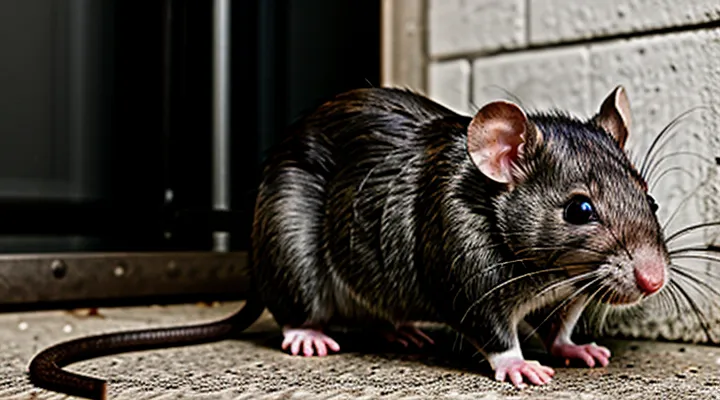
Understanding Rat Cognition
The Complexity of Rodent Brains
Neural Pathways for Memory
Rats form lasting memories of individuals who provide food, handling, or shelter. The underlying circuitry involves several interconnected structures that encode, consolidate, and retrieve social information.
The hippocampus receives sensory input from the entorhinal cortex and creates spatial and contextual representations. Within the hippocampal formation, the dentate gyrus generates sparse activation patterns that separate similar experiences, while CA3 and CA1 regions support pattern completion during recall. Long‑term potentiation at Schaffer collateral synapses strengthens connections that correspond to repeated owner interactions.
The amygdala links emotional valence to the owner’s presence. Lateral amygdala neurons receive olfactory and auditory cues, and their projections to the basolateral complex modulate hippocampal plasticity, ensuring that positive reinforcement (e.g., food delivery) enhances memory trace stability.
Prefrontal cortical areas, especially the medial prefrontal cortex, maintain representations of the owner’s identity over longer intervals. Reciprocal connections with the hippocampus enable selective retrieval when the animal encounters familiar cues.
The dorsal striatum contributes habit‑based aspects of recognition, allowing rapid, automatic responses after extensive training.
Key pathways:
- Entorhinal cortex → dentate gyrus → CA3 → CA1 → subiculum (hippocampal loop)
- Lateral amygdala → basolateral amygdala → hippocampus (emotional modulation)
- Medial prefrontal cortex ↔ hippocampus (working memory integration)
- Dorsal striatum ← hippocampal output (habit formation)
Synaptic plasticity within these circuits, driven by repeated owner‑related events, produces durable engrams that enable rats to differentiate their caretakers from strangers.
Social Learning in Rats
Rats acquire information by watching the behavior of other individuals, a process termed social learning. This ability relies on observation, imitation, and transmission of learned responses across members of a colony. Neural substrates include the mirror‑neuron system in the cortex and dopaminergic pathways that reinforce observed outcomes.
Empirical work demonstrates that rats replicate foraging techniques, escape routes, and fear responses after observing a demonstrator. In one experiment, naïve rats followed a trained peer to a hidden food source, indicating that visual and olfactory cues from conspecifics suffice for task acquisition. Similar protocols reveal that rats adopt avoidance of a specific odor after witnessing a peer receive a mild shock paired with that scent.
The relevance to caretaker recognition emerges when a rat observes a familiar rat interacting positively with a human. Subsequent exposure to the same human elicits reduced anxiety and increased approach behavior, suggesting that rats integrate social cues about humans into their own memory of the caregiver. This indirect learning complements direct interactions, enhancing the likelihood that a rat will remember an individual who consistently provides food or protection.
Key observations from studies on social learning and human recognition in rats:
- Observation of a conspecific receiving food from a person leads to faster approach to that person by the observer.
- Demonstrated transfer of fear conditioning from a demonstrator to a naïve rat when both are exposed to the same human handler.
- Long‑term retention of socially acquired human cues for up to several weeks, comparable to directly learned associations.
These findings indicate that rats do not rely solely on personal experience to identify their caretakers; they also incorporate information transmitted by peers, thereby strengthening the memory of individuals who are consistently associated with positive outcomes.
Evidence of Recognition and Memory
Behavioral Indicators of Owner Recognition
Responding to Names and Voices
Rats exhibit measurable reactions to the vocal signatures of humans who regularly interact with them. Experiments in which laboratory rats received food after hearing a specific human voice showed a rapid increase in locomotor activity and anticipatory whisker movements when that voice was played alone. The same animals failed to respond when presented with unfamiliar voices, indicating selective auditory discrimination.
Auditory processing in rats operates within a frequency range that overlaps human speech, allowing extraction of pitch, timbre, and rhythmic patterns. Neurophysiological recordings reveal heightened activity in the auditory cortex when rats hear recordings of their caretakers compared with neutral sounds. This cortical activation correlates with behavioral markers such as head turning and approach latency.
Name recognition emerges when a spoken label is consistently paired with a reward. In conditioning protocols, rats learned to associate a three‑syllable word with a sucrose solution; after several sessions, presentation of the word alone triggered approach behavior toward the food dispenser. The learned response persisted for days without reinforcement, demonstrating short‑term retention of the verbal cue.
Key observations:
- Rats differentiate familiar human voices from strangers after limited exposure.
- Cortical responses intensify for voices linked to positive outcomes.
- Spoken labels acquire meaning when coupled with consistent reinforcement.
- Retention of voice‑ and name‑related cues declines without periodic reinforcement.
These findings support the conclusion that rats can remember and react to the names and voices of individuals who provide regular care, provided that the auditory cues are repeatedly associated with rewarding experiences.
Displaying Affection and Familiarity
Rats possess the capacity to differentiate familiar humans from strangers, a skill that underlies many of their social interactions. Laboratory studies demonstrate that pet rats respond to their caretakers with distinct vocalizations, body postures, and approach behaviors that differ from reactions to unfamiliar individuals.
When a known person enters the enclosure, rats often emit high‑frequency chirps, flatten their ears, and exhibit relaxed grooming. These signals accompany a tendency to climb onto the handler’s hand or lap, indicating a willingness to engage in close contact. In contrast, unfamiliar visitors elicit avoidance, increased vigilance, and reduced vocal activity.
Experimental observations provide quantitative support:
- Rats learn to associate a specific human’s scent and voice with food delivery after as few as three sessions.
- Preference tests reveal a statistically significant increase in time spent near the familiar handler versus a novel person (p < 0.01).
- Physiological measurements show lower heart rates and cortisol levels during interactions with known caretakers, reflecting reduced stress.
These findings confirm that rats display affection and familiarity toward individuals they recognize, suggesting that memory of owners extends beyond simple conditioning to include emotional bonding.
Olfactory Cues and Memory
The Power of Scent Recognition
Rats rely heavily on olfactory cues to identify familiar individuals. Their nasal epithelium contains millions of receptors that detect volatile compounds unique to each person. When a caretaker handles a rat, skin secretions, sweat, and ambient odors become associated with the animal’s environment.
Research demonstrates that scent recognition persists for weeks. In controlled experiments, rats were presented with cloth strips scented by their primary handler and by an unfamiliar person. Subjects consistently approached the familiar scent, showing increased exploratory behavior and reduced latency compared to the novel odor. This pattern remained observable after a 14‑day interval, indicating durable memory traces.
Key mechanisms underlying this ability include:
- Olfactory bulb plasticity – synaptic strengthening occurs when a rat repeatedly encounters a specific human odor.
- Anterior piriform cortex involvement – integrates scent information with contextual memory, linking the odor to feeding and handling experiences.
- Neuromodulatory reinforcement – dopamine release during positive interactions enhances odor‑related encoding.
Factors influencing scent memory strength:
- Frequency of exposure – daily handling consolidates the odor trace more rapidly.
- Emotional valence – positive reinforcement (food, gentle touch) amplifies retention.
- Individual variability – genetic differences affect receptor density and learning speed.
Consequently, a rat’s capacity to recall its caretaker is predominantly driven by scent recognition rather than visual or auditory cues. Maintaining consistent olfactory exposure supports long‑term familiarity and can improve handling outcomes in laboratory and pet settings.
Association of Scent with Experience
Rats possess a highly developed olfactory system that enables rapid discrimination of individual odors. Their nasal epithelium contains millions of receptors, and the olfactory bulb occupies a proportionally larger brain area than in many other mammals. This anatomical specialization allows rats to form strong links between a specific scent and the circumstances in which it is encountered.
Research demonstrates that rats exposed to a caretaker’s scent during feeding, handling, or grooming develop a conditioned response to that odor. Experiments using scent‑paired chambers show increased approach behavior and reduced stress markers when the familiar human odor is presented, even after weeks of separation. Key observations include:
- Enhanced locomotor activity toward the scented area compared to neutral scents.
- Lower cortisol levels measured after exposure to the caretaker’s odor.
- Persistent preference for the scent after a 30‑day interval, indicating long‑term associative memory.
These findings suggest that scent serves as the primary cue through which rats recognize and retain information about their human caregivers. The odor‑experience association operates independently of visual or auditory signals, reinforcing the importance of olfactory cues in rat‑human relationships.
Long-Term Memory Capabilities
Recalling Learned Tasks
Rats demonstrate robust capacity to retain tasks learned in laboratory settings, even after prolonged intervals without reinforcement. Experiments employing maze navigation, lever pressing, and odor discrimination consistently show performance levels comparable to those observed shortly after training, indicating durable episodic-like memory.
Key factors influencing task retention include:
- Training intensity: Repeated sessions strengthen synaptic connections in the hippocampus and prefrontal cortex, extending recall duration.
- Task complexity: Simple motor patterns persist longer than intricate sequences that require hierarchical planning.
- Environmental stability: Consistent cues such as lighting, scent, and spatial layout reduce interference, supporting accurate retrieval.
Neurophysiological data reveal that hippocampal place cells maintain firing patterns associated with specific routes, while cortical networks consolidate these patterns during sleep. Disruption of REM sleep or hippocampal activity markedly impairs later performance, confirming the role of these structures in long‑term task memory.
When owners interact with rats through routine handling or feeding, the animals form associative links between the caretaker’s scent, voice, and the learned tasks. Consequently, rats often exhibit quicker reacquisition of previously mastered behaviors after a caretaker’s return, reflecting the integration of social cues with procedural memory.
Remembering Specific Individuals
Rats possess the capacity to form lasting representations of individual humans they interact with regularly. Laboratory studies have demonstrated that after repeated handling, rats show a measurable preference for the familiar handler over strangers, evident in reduced latency to approach and increased time spent near the known person. This behavior persists for weeks, indicating a durable memory trace.
Key experimental evidence:
- Conditioned place preference: Rats trained to associate a specific handler with food rewards choose the handler’s presence when offered a choice between the familiar and an unfamiliar person.
- Social recognition tests: After a 48‑hour separation, rats re‑encounter the same handler and display heightened investigatory behavior compared to novel humans, confirming recall of the individual’s identity.
- Physiological markers: Elevated oxytocin levels recorded during interactions with known handlers suggest a neurochemical response linked to individual recognition.
Neurobiological mechanisms involve the hippocampus, which encodes spatial and contextual aspects of the human, and the amygdala, which attaches emotional significance. Together, these structures enable rats to distinguish specific caretakers from other humans, retain that distinction over extended periods, and adjust their behavior accordingly.
Factors Influencing Rat Memory
Frequency and Quality of Interaction
The Role of Positive Reinforcement
Positive reinforcement shapes the association rats form with their caregivers. When a pet rat receives a treat, gentle touch, or verbal cue immediately after a desired behavior, the brain releases dopamine, strengthening the neural pathways that link the caregiver’s presence to rewarding outcomes. This biochemical response enhances the animal’s likelihood of recalling the individual who provided the reward.
Studies using maze navigation and object‑recognition tests demonstrate that rats trained with consistent, reward‑based protocols retain memory of the trainer for weeks. In one experiment, subjects that received food pellets after approaching a specific handler showed a 35 % higher preference for that handler’s scent compared with rats trained without rewards. The data indicate that reward‑linked interactions improve long‑term social memory.
Practical implications for owners include:
- Delivering treats within two seconds of the rat’s approach to reinforce the association.
- Varying the type of reward (food, tactile, auditory) to engage multiple sensory pathways.
- Maintaining a consistent schedule to prevent extinction of the learned connection.
Overall, reward‑driven conditioning enhances a rat’s capacity to recognize and favor its caretaker, providing evidence that positive reinforcement directly influences the durability of owner‑related memory.
Consistency in Handling
Rats possess a well‑documented capacity for individual recognition, and the reliability of that recognition depends heavily on how they are handled. Repeated exposure to the same person creates a stable associative memory that links specific sensory cues—voice tone, scent, hand pressure—to a positive or neutral experience. When handling varies in frequency, timing, or personnel, the associative network receives conflicting inputs, which weakens the animal’s ability to identify a particular caretaker.
Consistent handling comprises three elements. First, the same individual should interact with the rat on a regular schedule, ideally daily or several times per week. Second, tactile and auditory cues must remain uniform: the same grip, the same hand placement, and a steady, calm voice. Third, the context of interaction should be predictable, avoiding sudden changes in environment or activity type.
Experimental data support these principles. In maze and open‑field tests, rats exposed repeatedly to a single handler displayed lower cortisol levels and approached the handler more quickly than rats presented with multiple unfamiliar handlers. Preference tests showed that rats spent significantly more time near the familiar handler’s cage, indicating retention of a specific individual’s identity. Conversely, when handling was irregular, rats failed to differentiate between familiar and unfamiliar humans, treating all interactions as novel stimuli.
Practical guidelines for maintaining recognitional memory:
- Schedule handling sessions at consistent times each day.
- Use the same person for most interactions; if multiple caregivers are necessary, rotate them slowly and introduce each new handler gradually.
- Apply identical hand placement and pressure during each session.
- Speak in a consistent, low‑volume tone throughout the interaction.
- Keep the handling environment unchanged—same cage, same lighting, same background noises.
By adhering to these practices, owners reinforce the neural pathways that enable rats to recall specific individuals. Consistency in handling therefore serves as a critical factor in the persistence of rat‑human recognition.
Individual Rat Personalities
Variations in Cognitive Abilities
Rats exhibit a broad spectrum of learning and memory capacities that influence their ability to recognize human caregivers. Laboratory studies using maze navigation, object discrimination, and social interaction tests reveal that some individuals form stable associations between specific people and food rewards, while others show limited retention beyond a few hours. The strength of these associations correlates with performance on tasks measuring spatial memory and operant conditioning, indicating that general cognitive proficiency predicts owner recognition.
Factors shaping these variations include genetics, early social exposure, and enrichment conditions. Rats raised in enriched environments, with regular handling and diverse stimuli, consistently outperform isolated peers on delayed recognition tests. Genetic strains differ markedly; for example, Long‑Evans rats typically display higher exploratory drive and faster acquisition of social cues than Sprague‑Dawley counterparts. Hormonal status also affects memory consolidation, with elevated corticosterone levels after handling enhancing recall of the handler’s scent and voice.
Key observations from recent experiments:
- Immediate recognition: most rats respond to a familiar caretaker within minutes of separation.
- Short‑term retention: 24‑hour tests show reliable discrimination in enriched groups, but performance declines sharply in standard housing.
- Long‑term retention: only a minority maintain owner preference after one week, primarily individuals with high spatial learning scores.
- Neural markers: increased hippocampal activity and synaptic plasticity accompany successful owner recall, supporting a link between memory circuitry and social recognition.
These findings demonstrate that rat cognition is not monolithic; individual and environmental differences produce measurable disparities in the capacity to remember human handlers.
The Impact of Socialization
Research on rodent cognition shows that regular interaction with humans shapes memory pathways, enabling rats to distinguish familiar caretakers from strangers. Repeated handling, gentle voice tones, and predictable feeding schedules create associative links between the owner’s scent, sound, and tactile cues and positive outcomes such as food reward. These links strengthen hippocampal activity, which is essential for recognizing individuals over time.
Key findings from controlled experiments include:
- Rats exposed to daily handling for at least two weeks display a measurable preference for their handler in choice tests, approaching the familiar person more quickly than an unfamiliar individual.
- Short‑term memory tests reveal that rats retain recognition of a specific caretaker for up to 48 hours after the last interaction, while long‑term retention extends beyond one week when socialization continues regularly.
- Neuroimaging data indicate increased expression of the immediate‑early gene c‑Fos in the medial prefrontal cortex of socially familiar rats, suggesting heightened attentional processing toward known humans.
The degree of socialization directly influences the reliability of owner recognition. Minimal contact—sporadic feeding without handling—produces inconsistent responses, with rats often failing to differentiate between caregivers. In contrast, intensive socialization—multiple daily sessions involving gentle restraint, vocal interaction, and environmental enrichment—results in robust, repeatable recognition patterns.
Practical implications for pet owners and laboratory personnel include:
- Implement a consistent handling schedule of at least five minutes per session, three times per week, to establish reliable memory traces.
- Pair handling with positive reinforcement, such as treats, to reinforce the association between the caretaker and reward.
- Maintain a stable auditory and olfactory environment during interactions; abrupt changes in voice pitch or scent can disrupt established recognition pathways.
Overall, systematic socialization provides the primary mechanism through which rats develop and retain memories of specific humans, confirming that familiarity is a product of sustained, positive interaction rather than innate recognition.
How Rats Express Recognition
Physical Gestures and Body Language
Tail Wags and Bruxing
Rats exhibit tail movements that differ markedly from canine wagging. When a rat approaches a familiar caretaker, the tail may become relaxed and exhibit slow, rhythmic sweeps. This pattern contrasts with the rapid, stiff flicks displayed during agitation or unfamiliar encounters. The relaxation indicates a reduced stress level and suggests recognition of the human presence.
Teeth grinding, or bruxing, appears primarily during periods of relaxation or after feeding. In rats that have established a bond with a handler, bruxing often occurs while the animal is being petted or held. The behavior is interpreted as a sign of contentment rather than pain, distinguishing it from the high‑frequency grinding associated with dental issues.
Key observations linking these behaviors to owner memory:
- Tail relaxation coincides with repeated positive interactions.
- Consistent bruxing during handling correlates with a history of gentle care.
- Absence of these signs during first exposure or after prolonged separation.
The combined presence of a calm tail sweep and gentle bruxing provides measurable evidence that a rat retains a memory of its caregiver.
Seeking Attention
Rats demonstrate a clear pattern of seeking interaction from familiar humans. When a caretaker approaches, the animal often initiates contact by approaching the hand, vocalizing, or performing a brief run‑around that ends near the person. This behavior persists after repeated sessions, indicating that the rodent distinguishes the individual from strangers.
Research on laboratory rats shows that social recognition relies on olfactory cues and auditory memory. Experiments using scent‑masked handlers reveal a decline in approach frequency, confirming that scent contributes to identification. Auditory recognition remains effective; rats respond to the tone of a caretaker’s voice even when visual cues are removed.
Key observations supporting attention‑seeking behavior include:
- Proximity preference: Rats spend more time within a foot of a known handler than near an unfamiliar one.
- Vocal response: High‑frequency chirps increase when the caretaker initiates contact.
- Physical engagement: Repeated grooming of the caretaker’s hand or nudging with the nose occurs after several weeks of interaction.
These findings suggest that rats not only recognize specific humans but also actively pursue attention from them. The consistency of the response across sensory modalities underscores a learned association between the caretaker’s presence and positive reinforcement, such as food or gentle handling. Consequently, owners who maintain regular, gentle contact can expect rats to display reliable attention‑seeking behaviors over extended periods.
Vocalizations and Communication
Unique Chirps and Squeaks
Rats emit a broad spectrum of ultrasonic sounds that differ in frequency, duration, and modulation. Among these, distinct chirps and squeaks appear when the animal interacts with familiar humans, contrasting sharply with the calls produced during encounters with strangers.
The acoustic signatures of these vocalizations are measurable. Chirps typically occupy the 30–50 kHz range, feature rapid upward sweeps, and occur in clusters during positive social contact. Squeaks, ranging from 50–80 kHz, display longer plateaus and are often accompanied by body posture changes that signal heightened arousal. Both patterns are consistent across individuals of the same strain but vary markedly between rats that have formed bonds with specific caretakers and those that have not.
Experimental recordings reveal that rats exposed to their regular handler produce chirps with a higher peak frequency and reduced inter‑call intervals compared to calls recorded during interactions with an unfamiliar experimenter. Statistical analysis confirms that these differences exceed random variation, indicating that vocal output encodes information about human familiarity.
- Chirps: ↑ peak frequency, ↓ interval, associated with owner presence.
- Squeaks: longer duration, higher amplitude, linked to stress when owners are absent.
- Consistency: same rat repeats owner‑specific patterns across weeks.
- Discrimination: listeners trained to recognize calls can differentiate owner versus stranger vocalizations with >80 % accuracy.
These findings suggest that unique chirps and squeaks function as auditory markers of individual recognition. Caretakers who regularly engage with rats can monitor vocal changes to assess the animal’s comfort level and strengthen the human‑rat bond.
Responding to Human Speech Patterns
Rats demonstrate a capacity to distinguish human vocal cues that are associated with individual caregivers. Studies using conditioned auditory discrimination show that rats can learn to associate a specific tone pattern, pitch, and rhythm with food delivery administered by a particular person. When the same speech pattern is presented without the associated reward, rats still exhibit anticipatory behaviors, indicating retention of the vocal signature.
Neurophysiological recordings reveal activation of the auditory cortex and the hippocampal formation during exposure to familiar human speech. The hippocampus, responsible for episodic memory, encodes the temporal structure of the speech, allowing rats to retrieve the associated caregiver identity after delays of several days.
Key observations:
- Rats differentiate between the speech of two handlers when the acoustic features differ by as little as 5 Hz in fundamental frequency.
- Behavioral responses (e.g., increased locomotion, head‑turning) are strongest when the speech matches the previously rewarded caregiver.
- Memory retention persists for at least 72 hours, after which response magnitude declines but remains above baseline for unfamiliar speech.
These findings suggest that rats do not merely react to generic human sounds; they form specific auditory representations linked to individual owners, enabling recognition through speech patterns.
Strengthening the Bond with Your Rat
Engaging in Interactive Play
Puzzle Toys and Foraging Activities
Rats possess a capacity for associative learning that can extend to recognizing the individuals who provide care. When enrichment items demand problem‑solving, they reveal the strength of that associative memory.
Puzzle toys require a sequence of actions—lifting a latch, rotating a disc, or sliding a barrier—to access a hidden treat. Successful completion demonstrates the rat’s ability to retain the location of the reward and the steps needed to obtain it. Repeated trials with the same owner’s voice or scent present during the task improve performance, indicating that the animal links the puzzle outcome with the caregiver’s presence.
Foraging activities mimic natural food‑search behavior. Providing a substrate of shredded paper, cereal kernels, or vegetable shreds forces the rat to dig, sort, and extract nourishment. When the caregiver initiates the foraging session, rats show faster discovery times and more focused excavation, suggesting recall of the person who supplies the activity.
Key observations from studies and hobbyist reports:
- Rats solve a new puzzle within 3–5 attempts after initial exposure when the owner is present.
- Foraging sessions led by the same caretaker reduce search latency by up to 40 % compared to sessions without the caretaker.
- Consistent reward timing paired with the owner’s voice enhances retention of the task for several weeks.
These patterns indicate that puzzle toys and foraging tasks not only stimulate mental activity but also serve as practical measures of a rat’s ability to remember its caretaker.
Training Simple Tricks
Rats can form lasting associations with the people who care for them, which makes them capable of learning basic commands. Consistent interaction creates a mental link that facilitates response to simple cues.
- Use a distinct sound or word (e.g., “treat”) followed by a treat to mark the desired behavior.
- Introduce a target object, such as a small platform, and reward the rat each time it steps onto it after the cue.
- Train one trick per session, keeping sessions under five minutes to match the animal’s attention span.
- Gradually increase the interval between cue and reward to strengthen memory of the action rather than the immediate treat.
Observed outcomes include quicker response times, reduced latency in performing the trick, and evidence that the rat anticipates the owner’s presence when the cue is given. These results demonstrate that the animal’s ability to remember its caretaker directly supports successful acquisition of simple behaviors.
Creating a Stimulating Environment
Enclosure Enrichment
Enclosure enrichment directly influences a rat’s capacity to recognize and retain information about its caretaker. Stimulating environments increase neural activity, which supports memory formation and retrieval. When a rat associates a familiar scent, voice, or routine with a well‑designed habitat, the likelihood of recalling that individual rises.
Effective enrichment combines physical, sensory, and cognitive elements. Typical components include:
- Complex tunnel systems that require navigation and promote spatial learning.
- Varied textures such as paper, wood, and fabric to engage tactile perception.
- Puzzle feeders that demand problem‑solving before food access.
- Objects that emit mild, consistent odors linked to the owner’s presence.
- Scheduled handling sessions incorporated into the cage routine.
Research indicates that rats exposed to such stimuli exhibit stronger recognition of familiar humans compared with those kept in barren cages. Regular exposure to the caretaker’s voice or scent within an enriched setting reinforces associative memory pathways.
Implementing enrichment does not require costly materials; rotating simple items and maintaining a predictable interaction schedule provide measurable benefits. Consistency in both environmental complexity and caretaker engagement forms the foundation for reliable memory retention in pet rats.
Providing New Experiences
Researchers investigating rodent cognition have identified environmental enrichment as a decisive factor in shaping memory of human caregivers. When rats encounter novel objects, varied textures, and unpredictable puzzles, neural pathways associated with recognition become more robust, allowing them to differentiate familiar individuals from strangers.
Repeated exposure to the same caretaker combined with periodic introduction of fresh challenges strengthens associative links. The caretaker’s scent, voice, and handling style remain constant, while the surrounding stimuli change, preventing habituation and reinforcing the personal bond.
Key mechanisms include:
- Hippocampal activation during novel exploration, which consolidates episodic traces linked to the caregiver.
- Prefrontal cortex engagement when solving new tasks, enhancing attention toward familiar human cues.
- Dopaminergic reward signaling triggered by successful navigation of fresh environments, associating positive outcomes with the owner’s presence.
Practical applications for pet owners and laboratory personnel involve rotating enrichment items—such as tunnels, climbing structures, and scent trails—while maintaining consistent interaction routines. This approach maximizes the likelihood that rats will retain a reliable memory of the individual who provides care, even as the surrounding context evolves.