
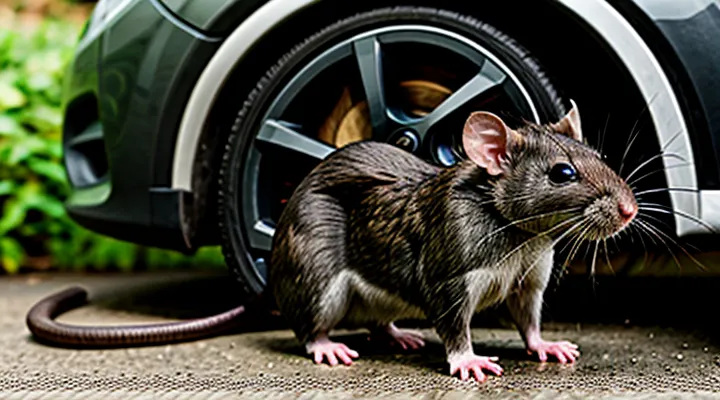
«The Natural Behavior of Rats»
«Activity Levels in the Wild»
Wild rodents exhibit high locomotor output during nocturnal foraging. Field observations record average nightly displacement of 150–300 m for Norway rats (Rattus norvegicus) and 200–400 m for black rats (Rattus rattus). Movement consists of rapid bursts interspersed with brief pauses for scent marking, social interaction, and nest maintenance. Activity peaks occur within the first three hours after sunset, then decline gradually toward dawn.
Key parameters measured in natural habitats include:
- Total distance traveled per night: 150–400 m, depending on species and habitat density.
- Active time proportion: 30–45 % of the night, with bursts lasting 5–20 seconds followed by 10–30 seconds of rest.
- Vertical locomotion: climbing on vegetation and structures accounts for 10–15 % of total movement, reflecting a need for three‑dimensional exploration.
- Social locomotion: group foraging leads to coordinated runs along shared pathways, increasing overall speed by 10–20 % compared to solitary movement.
These metrics demonstrate that wild rats sustain moderate to high levels of aerobic activity, driven by food acquisition, predator avoidance, and territorial patrol. In captivity, environmental constraints limit spontaneous travel to a few meters per day, insufficient to meet innate locomotor drive. Providing a rotating device that allows continuous running can approximate the distance and intensity observed in the wild, thereby supporting physiological health and behavioral expression consistent with natural activity patterns.
«Instinctive Drive to Forage and Explore»
Rats are natural foragers whose survival depends on continual movement through complex environments. Their brain circuitry rewards locomotion linked to locating food, and the absence of such stimuli can trigger stress responses. Providing a running wheel offers a controlled avenue for this innate behavior, allowing the animal to engage in repetitive, purposeful activity that mimics outdoor exploration.
The exploratory drive manifests in several observable patterns:
- Persistent nose‑twitching and whisker probing when presented with new objects.
- Rapid transitions between tunnels, burrows, and elevated platforms.
- Increased grooming and scent‑marking after extended periods of locomotion.
When a wheel is unavailable, rats often redirect their energy toward destructive chewing, repetitive pacing, or heightened aggression toward cage mates. These compensatory actions indicate that the wheel satisfies a physiological need rather than serving merely as entertainment.
Research on laboratory rodents demonstrates that wheel access improves spatial memory performance, reduces corticosterone levels, and stabilizes circadian rhythms. These outcomes align with the species‑specific requirement for sustained foraging and exploratory activity, confirming that a running wheel is a practical substitute for natural habitat challenges.
«The Role of Exercise in Rat Health»
«Physical Benefits of Activity»
«Maintaining a Healthy Weight»
Pet rats benefit from regular aerobic activity to support a stable body condition. A wheel designed for rodents offers a reliable source of continuous movement, allowing the animal to expend calories that would otherwise be stored as fat. Without such an outlet, indoor rats often exhibit reduced activity levels, leading to weight gain and associated health concerns such as fatty liver disease and reduced lifespan.
To keep a rat’s weight within a healthy range, consider the following measures:
- Provide a wheel sized appropriately for the rat’s body length; insufficient space can cause injury and discourage use.
- Monitor daily food intake, adjusting portions based on the rat’s activity level and body condition score.
- Offer a variety of enrichment items (tunnels, chew toys, climbing structures) that encourage additional movement beyond the wheel.
- Schedule regular weigh‑ins, recording data to detect trends early and modify diet or exercise accordingly.
Consistent access to a properly sized running wheel, combined with balanced nutrition and environmental enrichment, creates the conditions necessary for rats to maintain optimal weight and overall health.
«Cardiovascular Health»
Running wheels provide rats with aerobic exercise that directly influences heart function. Regular activity increases stroke volume, improves myocardial efficiency, and reduces resting heart rate. These physiological changes lower the risk of arrhythmias and enhance overall circulatory resilience.
Exercise induced by a wheel also stimulates endothelial nitric oxide production, which promotes vessel dilation and improves blood flow. Enhanced nitric oxide availability contributes to lower peripheral resistance and better tissue perfusion during both rest and activity.
Key cardiovascular outcomes observed in laboratory rats with wheel access include:
- Elevated cardiac output measured by echocardiography;
- Reduced left ventricular wall thickness, indicating decreased hypertrophic remodeling;
- Higher capillary density in skeletal muscle, supporting oxygen delivery;
- Lower plasma cholesterol and triglyceride levels, correlating with reduced atherosclerotic risk.
Absence of a wheel limits spontaneous locomotion, leading to sedentary behavior that accelerates cardiac deconditioning. In studies, rats without exercise devices exhibited elevated systolic pressure, increased myocardial fibrosis, and impaired glucose tolerance, all of which compromise cardiovascular health.
Providing a running wheel therefore serves as a practical method to maintain rat cardiovascular physiology within normal parameters, aligning laboratory conditions with the species’ natural propensity for activity.
«Muscle Tone and Agility»
Rats possess a high proportion of fast‑twitch muscle fibers, which support rapid, explosive movements. Regular voluntary running on a wheel engages these fibers, maintaining baseline muscle tone and preventing atrophy. When muscle tone declines, rats exhibit reduced grip strength, slower reaction times, and diminished ability to navigate complex environments.
Agility depends on coordinated limb control, balance, and proprioceptive feedback. A rotating wheel provides continuous, low‑impact locomotion that challenges stride length, cadence, and directional changes. Over time, this stimulus enhances neuromuscular coordination, allowing rats to:
- negotiate obstacles with greater precision,
- execute swift turns without loss of stability,
- recover more quickly from perturbations.
Studies comparing wheel‑enabled rats with sedentary controls show measurable improvements in grip‑strength tests and maze‑navigation speed, indicating that wheel access directly supports both muscle integrity and agile behavior.
«Mental and Emotional Well-being»
«Reducing Stress and Boredom»
A running wheel offers rats a reliable outlet for natural locomotor activity, which directly mitigates stress responses. Continuous access to a wheel lowers cortisol levels measured in urine samples, indicating reduced physiological arousal. The repetitive motion also stimulates dopamine release, supporting emotional stability.
When environmental enrichment is limited, a wheel prevents boredom by providing a self‑directed task. Rats engage with the wheel for several hours each day, filling idle periods that would otherwise lead to stereotypic behaviors such as repetitive grooming or gnawing. This engagement preserves neural plasticity and maintains exploratory drive.
Key effects of wheel provision:
- Decreased cortisol and adrenaline concentrations.
- Increased dopamine and serotonin activity.
- Reduction in stereotypies and self‑injurious actions.
- Sustained curiosity and problem‑solving behavior.
Implementing a wheel does not replace other enrichment items but complements them, ensuring a balanced habitat that addresses both physical and psychological needs. Regular monitoring of wheel usage can guide adjustments to cage size, wheel diameter, and rotation resistance, optimizing stress reduction and boredom prevention for laboratory and pet rats alike.
«Providing Enrichment Opportunities»
Rats thrive when their environment offers diverse stimuli that mirror natural behaviors. A running wheel supplies sustained aerobic activity, but it represents only one facet of a comprehensive enrichment strategy.
Physical health benefits arise from regular locomotion. Continuous movement strengthens cardiovascular function, maintains muscle tone, and reduces the risk of obesity. A wheel encourages voluntary exercise, yet supplementing it with climbing structures, tunnels, and hammocks promotes varied muscle groups and improves agility.
Cognitive stimulation depends on problem‑solving opportunities. Puzzle feeders, foraging toys, and detachable objects require manipulation, fostering neural development and decreasing stereotypic actions. Rotating these items prevents habituation and sustains interest.
Social enrichment remains critical. Pairing rats or providing communal spaces enables grooming, hierarchy establishment, and communication, all of which mitigate stress.
Key enrichment components include:
- Running wheel (continuous aerobic outlet)
- Climbing apparatus (ladders, ropes, branches)
- Burrowing substrates (deep bedding, paper nests)
- Foraging devices (maze feeders, hidden treats)
- Interactive toys (chew blocks, detachable puzzles)
- Social housing (compatible companions)
Balancing these elements creates an environment where a wheel contributes to overall well‑being without becoming the sole source of activity. Regular assessment of individual preferences ensures that each rat receives a tailored combination of physical, mental, and social enrichment.
«Running Wheels: Are They Necessary?»
«Pros of Providing a Running Wheel»
«Supplementing Exercise»
Rats are naturally active creatures, and regular movement is essential for their musculoskeletal health, cardiovascular function, and mental well‑being. When a running wheel is unavailable or insufficient, owners should provide additional opportunities for locomotion and exploration.
A comprehensive supplementation plan includes the following elements:
- Climbing structures – ropes, ladders, and vertical mesh panels encourage vertical movement, strengthen forelimbs, and mimic natural foraging behavior.
- Tunnel networks – PVC or fabric tubes create a maze‑like environment that promotes sprinting, turning, and spatial learning.
- Play arenas – detachable platforms, hollow toys, and hollow cardboard boxes allow brief bursts of activity and hide‑and‑seek play.
- Foraging challenges – scatter food pellets in bedding, use treat‑dispensing toys, or hide morsels inside paper rolls to stimulate digging and rapid movement.
- Scheduled free‑run periods – supervised time outside the cage on a safe, non‑slippery surface provides unrestricted locomotion and reduces sedentary habits.
When integrating these options, follow these guidelines:
- Rotate stimuli every few days to prevent habituation and maintain engagement.
- Monitor intensity; avoid overly steep ladders or excessively long tunnels that could cause fatigue or injury.
- Ensure safety; all materials must be chew‑resistant, free of sharp edges, and cleaned regularly to prevent disease transmission.
- Balance activity with rest; provide quiet nesting areas where rats can recover after bouts of exercise.
Implementing a varied set of exercise supplements compensates for the absence of a wheel, supports physiological health, and promotes natural behaviors without relying on a single apparatus.
«Behavioral Outlet»
Rats exhibit high levels of spontaneous locomotion in the wild, constantly traversing tunnels and foraging over extensive distances. In captivity, the confinement of a cage removes these opportunities, creating a deficit in natural motor activity. A running wheel provides a dedicated channel for this innate drive, allowing the animal to engage in repetitive, self‑initiated movement without external prompting.
When a wheel is available, rats typically increase their daily distance traveled, which correlates with improved cardiovascular function, muscle tone, and reduced stereotypic behaviors. Access to such an outlet also lowers corticosterone levels, indicating diminished stress, and promotes more consistent sleep–wake cycles.
Key factors for effective implementation:
- Diameter of at least 30 cm to prevent spinal curvature.
- Solid running surface to avoid foot injuries.
- Quiet bearings to minimize auditory stress.
- Placement away from food and water sources to prevent contamination.
- Regular inspection for wear or entanglement hazards.
Providing a properly designed wheel satisfies the rat’s intrinsic need for sustained locomotion, supporting physiological health and behavioral stability. In environments lacking alternative space for extensive movement, the wheel functions as an essential enrichment tool rather than a luxury accessory.
«Enrichment for Indoor Rats»
Indoor rats thrive when their environment offers a variety of stimuli that encourage natural behaviors. A spacious cage with multiple levels, sturdy platforms, and secure tunnels provides opportunities for climbing, exploration, and concealment, all of which reduce stress and promote physical health.
A rotating wheel can satisfy the species‑specific drive to run, but its design must prevent foot injuries. Minimum diameter of 12 inches, solid running surface, and a quiet bearing are standard safety criteria. When a wheel is unavailable, alternatives such as rolling tubes, hammock swings, or angled ramps deliver comparable locomotor exercise.
Mental enrichment relies on problem‑solving tasks and foraging challenges. Items that require manipulation—puzzle feeders, treat‑filled PVC pipes, and crumpled paper balls—stimulate curiosity and prevent repetitive behaviors. Regular rotation of toys and rearrangement of cage accessories maintains novelty.
Social interaction remains a core component of well‑being. Housing compatible individuals together, providing supervised out‑of‑cage playtime, and offering gentle handling reinforce bonding and reduce isolation. Consistent routine, clean bedding, and fresh water complete a comprehensive enrichment program for indoor rats.
«Cons and Considerations»
«Wheel Size and Type Matters»
Rats exhibit natural running behavior, and a well‑designed wheel can satisfy this instinct while providing exercise and mental stimulation. The effectiveness of a wheel depends primarily on its dimensions and construction.
A wheel that is too small forces the animal to arch its back, leading to spinal stress and reduced willingness to use the apparatus. For adult rats, a minimum diameter of 12 inches (30 cm) is recommended; larger specimens may require 14–16 inches (35–40 cm). The width of the running surface should accommodate the rat’s body without causing the limbs to hang off the edge—typically at least 2 inches (5 cm). Proper sizing eliminates the need for the rat to curl excessively and encourages consistent activity.
The type of wheel also influences safety and durability. Solid‑sided wheels prevent paws from slipping through gaps and reduce the risk of injury. Plastic or metal frames with smooth, noise‑dampening bearings minimize stress on the animal’s ears and encourage longer sessions. Mesh wheels, while lightweight, often contain openings large enough for a rat’s tail or foot, which can cause entanglement. Preference should be given to models with sealed bearings and a quiet rotation mechanism.
Key considerations for selecting an appropriate wheel:
- Diameter: ≥12 inches for standard adult rats; larger for oversized individuals.
- Width: ≥2 inches to support full body contact.
- Material: Rigid, non‑chewable plastics or stainless steel.
- Bearings: Closed, low‑noise units to reduce auditory stress.
- Surface: Solid, textured tread to prevent slipping.
Choosing a wheel that meets these specifications ensures that rats receive safe, effective exercise, reducing the likelihood of obesity, boredom, and related health issues.
«Potential for Injury»
Running wheels provide essential exercise for pet rodents, yet their design and use present specific injury risks. Improperly sized wheels can cause spinal strain when a rat’s back arches to maintain balance. Wheels lacking a solid running surface may develop gaps that trap paws, leading to abrasions, puncture wounds, or broken digits. Excessive speed or uncontrolled momentum can result in tail or hind‑leg hyperextension, especially in younger or musculoskeletal‑weak individuals.
Common injury mechanisms include:
- Pinch points at axle housings or spokes, where fur and skin become caught.
- Over‑rotation that forces the animal into an unnatural posture, stressing vertebrae and intervertebral discs.
- Surface wear that creates rough edges, causing skin lacerations or callus formation.
- Insufficient ventilation within enclosed wheels, promoting moisture buildup and fungal infections on the paws.
Preventive measures involve selecting wheels with a minimum diameter of 12 inches for adult rats, ensuring a solid, seamless running surface, and inspecting all moving parts for sharp edges before each use. Regular monitoring of gait and posture will reveal early signs of discomfort, allowing timely removal of the wheel or veterinary evaluation.
«Not a Substitute for Other Enrichment»
A running wheel provides rats with a means to increase locomotor activity, yet it does not replace the variety of stimuli required for optimal welfare. Physical exercise alone cannot satisfy the species’ natural tendencies for exploration, foraging, and social interaction.
Rats display complex behaviors that emerge only when the environment offers multiple sensory and cognitive challenges. A solitary wheel fails to engage olfactory, tactile, and problem‑solving faculties, leaving gaps in mental stimulation.
Key enrichment categories that a wheel does not address:
- Social enrichment: housing with compatible conspecifics, opportunities for grooming and hierarchy establishment.
- Cognitive enrichment: puzzle feeders, tunnels, and manipulable objects that require investigation and decision‑making.
- Sensory enrichment: scented bedding, textured surfaces, and varied lighting that mimic natural habitats.
- Foraging enrichment: hiding food items, scatter feeding, or using chewable substrates to promote natural search behavior.
Integrating a wheel with these additional elements creates a balanced environment. The wheel should be viewed as one component of a comprehensive enrichment program, not as a standalone solution.
«Alternatives to Running Wheels»
«Out-of-Cage Playtime»
Out‑of‑cage playtime offers rats opportunities that a running wheel cannot provide. Free‑range sessions allow for three‑dimensional movement, enabling climbing, jumping, and exploring vertical space, which are essential for natural locomotor patterns.
Key advantages of supervised floor time include:
- Development of hind‑limb strength through varied terrain such as tunnels, ramps, and platforms.
- Stimulation of problem‑solving abilities when rats navigate obstacles or manipulate objects.
- Social interaction with cage mates in a larger area, reducing aggression and promoting bonding.
- Exposure to diverse textures that enhance tactile perception and grooming behavior.
While a wheel delivers continuous aerobic exercise, it restricts motion to a single plane and does not replicate the complex environments rats encounter in the wild. Complementing wheel use with regular out‑of‑cage sessions creates a more balanced physical regimen, supporting musculoskeletal health and cognitive enrichment.
Implementing daily supervised playtime of 15–30 minutes, adjusted for the individual’s age and health status, maximizes benefits without increasing stress. This practice aligns with best‑practice guidelines for laboratory and pet rat care, ensuring comprehensive welfare beyond the limitations of a solitary wheel.
«Enrichment Toys and Mazes»
Rats exhibit natural foraging and exploratory behaviors that are difficult to satisfy with a solitary running wheel. Enrichment toys and mazes provide alternative stimuli that engage both cognition and locomotion.
- Puzzle feeders force problem‑solving and mimic food‑searching in the wild.
- Chewable blocks encourage dental health while offering tactile variation.
- Tubular mazes create a network of pathways, prompting spatial learning and decision‑making.
- Interactive tunnels with interchangeable sections allow owners to reconfigure layouts, sustaining novelty.
Research indicates that varied enrichment reduces stereotypic circling on wheels, improves weight management, and enhances social interaction when multiple rats share a maze. Incorporating a rotation of toys and maze configurations ensures continuous mental challenge without reliance on a single apparatus.
«Social Interaction»
Rats are inherently social mammals; their well‑being depends on regular interaction with conspecifics. A running wheel, while beneficial for individual exercise, does not replace the need for contact, grooming, and hierarchy establishment that occur within a group setting.
Social interaction provides several measurable outcomes:
- Reduced stress hormone levels, demonstrated by lower corticosterone concentrations.
- Enhanced cognitive performance in maze and object‑recognition tasks.
- Increased lifespan and lower incidence of disease, as observed in colony‑based studies.
When a wheel is introduced, its placement influences social dynamics. If positioned centrally, dominant individuals may monopolize access, leading to aggression and exclusion of subordinates. Rotating the wheel’s location or providing multiple wheels can mitigate competition, but the core requirement for peer contact remains unchanged.
Environmental enrichment strategies that combine physical activity with social opportunities yield the most robust health indicators. Effective protocols include:
- Housing rats in groups of three to five per cage.
- Supplying at least one wheel per two animals to prevent monopolization.
- Incorporating nesting material and tunnels to encourage cooperative behaviors.
In summary, a running wheel addresses locomotor needs but does not fulfill the essential social component of rat welfare. Optimal care integrates both exercise equipment and sustained peer interaction.
«Creating an Enriched Environment for Rats»
«Cage Size and Setup»
Rats thrive in enclosures that provide ample floor space, vertical structures, and secure nesting areas. Minimum dimensions for a single adult rat should be 24 × 12 inches (61 × 30 cm), with larger cages recommended for multiple occupants. Adding a second level expands usable area without increasing the footprint; each level must include at least 12 inches (30 cm) of clearance between floors.
Key elements of an appropriate setup include:
- Solid base material (e.g., wood shavings, paper bedding) that absorbs moisture and allows burrowing.
- Multiple enrichment objects such as tunnels, chew blocks, and climbing ropes to stimulate natural foraging and climbing behaviors.
- A secure lid with fine mesh to prevent escape while ensuring ventilation.
- Easy‑access doors for cleaning and handling, positioned opposite the feeding station to reduce stress.
When evaluating the necessity of a running wheel, consider that a well‑equipped cage can satisfy a rat’s need for locomotion. A wheel offers continuous aerobic activity, but comparable exercise can be achieved through:
- Long, unobstructed floor space for sprinting.
- Elevated runways and ramps that encourage repeated climbing.
- Rotating platforms or rolling tubes that mimic wheel motion without the same risk of injury.
If a wheel is introduced, choose a solid‑surface model at least 11 inches (28 cm) in diameter and 6 inches (15 cm) wide, ensuring the rat’s body can clear the rim without slipping. Secure the wheel to the cage frame to prevent wobbling, and inspect it weekly for wear.
Overall, a spacious, multi‑level cage populated with diverse enrichment items reduces reliance on a wheel while still supporting the physical and mental health of pet rats.
«Variety of Stimuli»
Rats thrive when their environment offers more than a single exercise device. A running wheel supplies locomotor stimulation, yet rats naturally explore tactile, olfactory, auditory, visual, and proprioceptive cues. Providing a range of stimuli reduces stereotypic behavior, supports cognitive function, and mirrors conditions found in the wild.
Typical enrichment categories include:
- Textured tunnels and PVC pipes for tactile exploration
- Scented bedding, herbs, and small food items for olfactory investigation
- Soft music or recorded natural sounds for auditory variation
- Mirrors or low‑contrast patterns for visual interest
- Climbing structures and chewable branches for proprioceptive challenges
Studies comparing rats with only a wheel to those with multiple enrichment items show lower incidence of repetitive circling, higher maze performance, and increased social interaction when diverse stimuli are present. The presence of several sensory options appears to satisfy innate curiosity more effectively than a solitary running apparatus.
For caretakers, the practical approach is to rotate enrichment items weekly, maintain a clean yet scented substrate, and ensure safe, chew‑resistant materials. Combining a wheel with at least three additional stimulus types creates a balanced environment that promotes physical health and mental well‑being.
«Importance of Daily Interaction»
Daily interaction provides rats with mental stimulation that cannot be replaced by a solitary exercise device. Regular handling, social play, and environmental enrichment expose them to varied sensory cues, reducing the likelihood of repetitive behaviors often seen when only a wheel is available.
- Interaction with caregivers improves problem‑solving abilities, as rats learn to anticipate and respond to human cues.
- Social contact with conspecifics promotes natural foraging and nesting instincts, which a wheel does not address.
- Varied tactile experiences, such as tunnels and chewable items, enhance fine‑motor coordination and prevent muscle overuse that can result from constant wheel running.
When rats receive consistent human and peer engagement, stress markers decline, and overall health metrics—weight stability, immune response, and lifespan—show measurable improvement. Consequently, while a wheel offers aerobic exercise, it cannot substitute the comprehensive benefits derived from daily, purposeful interaction.
«Understanding Your Rat's Individual Needs»
«Observing Activity Levels»
Observing activity levels provides direct evidence for the necessity of a running wheel in laboratory and pet rats. Continuous monitoring records the frequency, duration, and intensity of spontaneous movement, revealing patterns that differ between wheel-equipped and wheel-free environments. High-resolution video or infrared motion sensors capture nocturnal bursts, while accelerometer‑based collars quantify locomotion on a minute‑by‑minute basis. Comparative data sets illustrate whether the absence of a wheel leads to reduced overall activity, increased sedentary periods, or compensatory behaviors such as climbing or digging.
Key metrics for evaluation include:
- Total distance traveled per 24 hours
- Number of bouts of vigorous movement (defined by speed thresholds)
- Average bout length and inter‑bout interval
- Proportion of activity occurring during the dark phase
When these indicators consistently fall below established baselines for healthy rats, the introduction of a running wheel may be justified to restore natural exercise levels. Conversely, if activity remains within normal ranges, a wheel may offer limited additional benefit.
«Tailoring Enrichment to Personality»
Rats exhibit distinct personality traits that shape their interaction with environmental stimuli. Recognizing these traits enables caretakers to provide enrichment that aligns with each animal’s behavioral profile, thereby enhancing welfare without imposing unnecessary stress.
Active, exploratory individuals often display high locomotor drive and seek opportunities for sustained movement. For such rats, a running wheel offers a predictable outlet for energy expenditure and can prevent stereotypic behaviors. Conversely, more sedentary or cautious rats may find the wheel intimidating or irrelevant; excessive exposure may lead to avoidance or injury. Assessing a rat’s baseline activity level, response to novel objects, and preference for social versus solitary play informs whether a wheel constitutes beneficial enrichment.
Guidelines for tailoring enrichment to personality:
- Evaluate activity patterns: Record frequency and duration of spontaneous running, climbing, and foraging over several days.
- Introduce the wheel gradually: Place an unpowered wheel in the cage, observe approach latency and interaction time; proceed to a powered wheel only if engagement is positive.
- Offer alternative stimuli: For low‑activity rats, provide tunnels, chew toys, and puzzle feeders that encourage mental engagement without demanding extensive locomotion.
- Monitor health indicators: Track body condition, limb health, and stress markers; discontinue wheel use if adverse effects emerge.
- Adjust based on feedback: Reassess preferences periodically, rotating enrichment items to maintain novelty and accommodate personality shifts.
Consistent observation and flexible enrichment planning ensure that each rat receives stimuli that support physical health, cognitive development, and emotional stability, irrespective of whether a running wheel is ultimately employed.
«Consulting with a Veterinarian»
Consulting a veterinarian provides objective assessment of a rat’s suitability for a running wheel. A professional can evaluate physical condition, identify orthopedic issues, and determine whether additional exercise aligns with the animal’s health status.
A veterinarian will consider:
- Current weight and body condition score
- Presence of joint or spine abnormalities
- History of respiratory or cardiovascular problems
- Age‑related activity tolerance
These factors influence the risk‑benefit balance of wheel use and guide safe equipment selection.
Before the appointment, owners should gather relevant data and prepare specific inquiries, such as:
- Does my rat’s size and breed affect wheel compatibility?
- What wheel dimensions and materials minimize injury risk?
- How often should the wheel be offered, and for what duration?
- Are there alternative enrichment options if a wheel is contraindicated?
Providing the vet with the rat’s age, diet, recent health records, and observed activity patterns enables a focused discussion.
After receiving the veterinarian’s recommendation, owners must implement the guidance promptly: install the prescribed wheel, monitor the rat for signs of strain or stress, and adjust usage according to observed behavior. Regular follow‑up appointments ensure the enrichment remains appropriate as the rat ages or its health changes.