
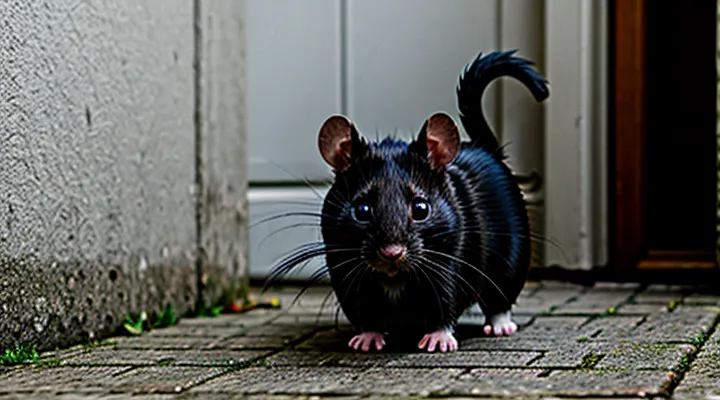
The Predator-Prey Dynamic
Cats as Natural Predators
Cats possess innate hunting skills that target small mammals, including rats. Their sharp retractable claws, powerful forelimbs, and acute vision enable precise strikes. The whiskers detect vibrations, while the inner ear processes ultrasonic sounds emitted by rodents, allowing cats to locate prey even in low‑light conditions.
The predatory sequence follows a predictable pattern: detection, stalk, pounce, and kill. Detection relies on motion and scent cues; the stalk phase involves low‑profile movement to minimize visual exposure. During the pounce, a cat can accelerate to 30 km/h, delivering a bite to the neck or spinal cord that results in rapid incapacitation.
Evidence from laboratory and field observations confirms that rats exhibit avoidance behaviors when exposed to feline presence. Laboratory rats display increased heart rate and reduced exploratory activity when a cat scent is introduced, indicating stress and perceived threat. In urban settings, rat populations decline in proximity to feral cat colonies, suggesting that cat predation exerts measurable pressure on rodent numbers.
Key predatory adaptations of cats:
- Retractable claws for gripping and delivering fatal wounds.
- Muscular hind limbs that generate explosive acceleration.
- Binocular vision with a high density of rod cells for motion detection.
- Sensitive vibrissae that perceive minute air currents produced by prey.
- Auditory range extending into ultrasonic frequencies used by rodents.
Rats as Prey Species
Rats occupy a low position in many terrestrial food webs, serving as a common target for carnivorous mammals. Their small size, rapid reproduction, and nocturnal activity increase exposure to predators that hunt by sight, sound, or scent.
Predation pressure shapes rat behavior. When a cat approaches, rats exhibit:
- Immediate cessation of foraging
- Rapid retreat to concealed pathways
- Emission of high‑frequency alarm calls detectable by conspecifics
- Heightened vigilance, evidenced by frequent head‑turns and ear swivels
These responses stem from sensory adaptations. Rodent whiskers detect air currents generated by a cat’s movement, while the olfactory system identifies feline pheromones and urine marks. Visual acuity, though limited in low light, allows detection of the cat’s silhouette against contrasting backgrounds.
Evolutionary studies show that populations exposed to felid predation develop faster escape bursts and more robust stress‑hormone regulation. Laboratory experiments confirm that rats exposed to cat odor exhibit elevated corticosterone levels, reduced exploratory behavior, and increased use of burrows.
Ecologically, rats provide energy transfer from primary producers to higher trophic levels. Their abundance supports not only domestic cats but also wild felids, raptors, and snakes. The predator‑prey dynamic maintains population balance; intense predation can suppress rat density, while reduced cat presence may lead to rodent outbreaks.
In summary, rats function as a prey species whose survival strategies are directly triggered by the presence of cats, influencing both individual behavior and broader ecosystem stability.
Examining Rat Behavior Towards Cats
Innate Fear vs. Learned Avoidance
Rats exhibit a rapid, physiological response when they encounter a cat’s scent or visual cue, characterized by elevated heart rate, release of stress hormones, and immediate flight behavior. This reaction is rooted in ancestral predator–prey dynamics; neural pathways involving the amygdala and olfactory bulb are activated by predator-specific cues, indicating an innate component of fear.
Conversely, rats can acquire avoidance of cats through experience. Laboratory studies show that individuals exposed to a cat’s presence without direct predation learn to associate specific environmental signals—such as whisker vibrations or whisker‑based airflow changes—with danger. Over repeated exposures, these learned associations modify the intensity and timing of the flight response, allowing rats to anticipate threats before sensory cues reach the innate detection threshold.
Key distinctions between the two mechanisms:
- Origin: Innate fear derives from genetically encoded circuitry; learned avoidance stems from synaptic plasticity driven by individual encounters.
- Flexibility: Innate responses are uniform across a species; learned avoidance varies with the frequency and context of predator exposure.
- Temporal dynamics: Innate fear triggers within seconds of detection; learned avoidance can manifest preemptively, sometimes before the predator is directly sensed.
Empirical evidence supports a synergistic model: baseline fear ensures immediate reaction to any feline cue, while experiential learning refines the response, reducing unnecessary energy expenditure when the threat is distant or non‑imminent. Understanding this interplay informs pest‑control strategies, emphasizing both the use of predator odors for immediate deterrence and the potential for habituation if exposure is prolonged without reinforcement.
Olfactory Cues and Danger Perception
Rats rely heavily on scent to assess threats, and feline odor provides a reliable indicator of predation risk. When a rat detects cat-specific chemicals—such as felid urine, feces, or skin secretions—its nervous system triggers a cascade of defensive responses. The olfactory receptors in the vomeronasal organ bind these volatile compounds, sending signals to the amygdala and hypothalamus, which coordinate heightened vigilance, freezing, or rapid flight.
Key olfactory markers of feline danger include:
- Felid urine metabolites (e.g., felinine, 2‑methoxy‑phenol) that persist in the environment.
- Skin gland secretions containing pheromonal proteins unique to cats.
- Fecal volatiles rich in sulfur‑containing compounds.
Experimental studies demonstrate that exposure to these cues reduces exploratory behavior and increases escape latency, even in the absence of visual confirmation. Rats trained to associate a neutral scent with a cat’s presence subsequently display similar avoidance when presented with the scent alone, confirming that odor alone suffices for danger perception.
Neurophysiological recordings reveal amplified firing rates in the main olfactory bulb and heightened activity in the periaqueductal gray during cat‑scent exposure, reflecting an integrated threat response. This sensory pathway enables rats to preemptively avoid areas marked by feline odor, thereby reducing encounter probability and enhancing survival odds.
Auditory Cues and Threat Assessment
Rats rely on sound to evaluate the presence of feline predators. High‑frequency vocalizations, such as a cat’s hissing and growls, trigger immediate alertness in laboratory and field observations. Rapid footfalls on hard surfaces generate broadband noise that rats detect at distances exceeding 5 m, prompting escape or freezing behavior.
Auditory processing in rats involves the inferior colliculus and the amygdala. Recordings show increased firing rates in these regions when cat‑related sounds are presented, indicating rapid threat classification. The auditory cortex contributes to discrimination between benign ambient noises and predator cues by encoding temporal patterns and spectral peaks characteristic of cat vocalizations.
Behavioral experiments reveal consistent responses:
- Immediate cessation of foraging upon detection of cat hissing.
- Rapid retreat to burrows when footstep sounds exceed 70 dB.
- Prolonged immobility when exposed to combined vocal and locomotor cues.
These patterns demonstrate that rats assess danger primarily through acoustic information, integrating spectral, temporal, and intensity features to initiate appropriate defensive actions.
Visual Cues and Predatory Recognition
Rats detect predators primarily through visual information. Their eyes are adapted to low‑light conditions, allowing detection of movement and contrast even at dusk. When a cat approaches, the rat’s visual system registers several key features: the silhouette of a quadruped, the characteristic ear shape, the rapid flick of a tail, and the high‑contrast pattern of whiskers against the fur. These elements trigger neural pathways linked to alarm responses, prompting immediate escape behavior.
The recognition process relies on a hierarchy of cues:
- Body shape – elongated torso and four legs create a distinct profile that differs from non‑predatory mammals.
- Ear morphology – triangular, forward‑facing ears are associated with auditory hunters.
- Tail dynamics – swift, whip‑like motions signal a chasing predator.
- Facial contrast – sharp outlines of eyes and whiskers enhance detection against varied backgrounds.
Experimental observations show that when visual cues are obscured—by darkness or visual occlusion—rats exhibit reduced avoidance, confirming that sight is a dominant modality for recognizing feline threats. Consequently, visual cues constitute the primary trigger for predatory recognition in rats, driving rapid flight responses that mitigate the risk of cat encounters.
Factors Influencing Fear Response
Prior Experience with Cats
Rats that have previously encountered cats display heightened vigilance and avoidance behaviors compared to naïve individuals. Direct contact, visual cues, or auditory signals associated with felines create associative memories that trigger defensive responses.
Laboratory studies using a two‑compartment arena demonstrate that rats with prior cat exposure spend significantly less time in the cat‑visible zone, exhibit increased freezing, and emit more ultrasonic alarm calls. Control groups without such experience show normal exploratory patterns and lower stress hormone levels.
Key observations:
- Faster initiation of escape routes when a cat silhouette appears.
- Elevated corticosterone concentrations measured after brief cat scent exposure.
- Persistent avoidance of cat‑marked bedding for several days post‑encounter.
These findings indicate that earlier interactions with cats condition rats to recognize felines as predators, shaping their immediate and sustained fear responses.
Population Density of Rats
Rats thrive where food, shelter, and water are abundant, resulting in high population density in urban environments. City sewers, waste bins, and abandoned structures provide continuous resources, allowing colonies to reach several hundred individuals per hectare.
Predator presence, especially domestic cats, influences local rat numbers. Areas with a large, active cat population often show reduced rat density because cats increase mortality and force rats to adopt more concealed foraging habits. However, rat colonies persist even where cats are common, indicating that fear alone does not prevent population growth.
Key factors determining rat population density:
- Resource availability: constant food waste and water sources sustain larger colonies.
- Habitat complexity: dense vegetation, cluttered debris, and underground networks offer nesting sites and escape routes.
- Temperature: mild climates extend breeding seasons, increasing turnover rates.
- Predation pressure: high numbers of hunting cats raise mortality but rarely eliminate colonies.
- Human control measures: traps, poisons, and sanitation reduce numbers more effectively than predator presence alone.
Monitoring rat density involves live‑trapping surveys, infrared cameras, and analysis of droppings. Data reveal that, while cat activity can suppress local numbers, it does not eradicate rats; successful management requires integrated pest‑control strategies that limit food sources and eliminate shelter.
Presence of Escape Routes
Rats assess predation risk by constantly evaluating the possibility of retreat. When a cat appears, the rat’s decision to flee, freeze, or engage depends heavily on whether a clear path away from the threat exists.
Observations in laboratory arenas show that rats exposed to a feline stimulus:
- immediately seek the nearest opening,
- increase speed when the opening is narrow,
- abandon exploratory behavior if no exit is visible.
Field studies confirm that dense clutter, multiple tunnels, and elevated platforms serve as effective escape routes, reducing the likelihood of a cat’s successful capture. Conversely, environments lacking such passages force rats into constrained spaces where their defensive tactics become limited.
The presence of viable escape routes therefore diminishes the intensity of the fear response. Cats encounter higher failure rates in habitats where rats can readily disappear into holes, crevices, or elevated perches. Managing the spatial layout—by reducing hiding places or blocking tunnels—directly influences the outcome of predator‑prey interactions between these species.
Individual Differences in Rat Temperament
Rats do not exhibit a single, predictable reaction to feline predators; temperament determines the intensity and nature of their response. Genetic background shapes baseline anxiety levels, influencing how quickly an individual perceives a cat as a threat. Early exposure to predators or predator cues modifies neural circuits that regulate fear, producing lasting differences among conspecifics.
Key temperament traits that affect rat‑cat interactions include:
- Boldness – willingness to explore novel environments despite potential danger.
- Neophobia – aversion to unfamiliar objects or scents, often heightened in predator‑rich settings.
- Stress reactivity – physiological cortisol surge magnitude when confronted with a cat silhouette or scent.
- Social dominance – propensity to assert control within a group, sometimes reducing flight responses.
Rats with high boldness and low neophobia may investigate a cat’s presence before fleeing, whereas highly reactive individuals display immediate escape or freezing. Dominant rats can sometimes deter a cat’s approach through aggressive posturing, yet this behavior rarely eliminates underlying fear.
Consequently, assessments of rat fear toward felines must account for individual temperament profiles rather than assume a uniform species‑wide reaction.
The Role of Cat Behavior
Predatory Prowess of Individual Cats
Cats rely on acute vision, rapid reflexes, and silent locomotion to capture small mammals. Each individual cat develops a hunting strategy shaped by genetics, early experiences, and environmental exposure. Muscular coordination enables precise pounce timing, while retractable claws provide grip and lethal force. Whisker sensitivity detects subtle vibrations, allowing detection of rodents concealed in cluttered spaces.
Predatory efficiency varies among cats. Factors influencing performance include:
- Age: younger cats exhibit higher stamina but less refined technique; mature cats combine endurance with practiced precision.
- Breed characteristics: breeds such as the Egyptian Mau and Abyssinian display heightened agility and keen prey drive.
- Prior hunting success: cats with documented captures demonstrate improved anticipation of rodent escape routes.
Rats respond to feline presence with heightened vigilance. Exposure to a cat’s scent or movement triggers stress hormones, causing reduced foraging activity and increased use of burrows. Individual cats that display consistent stalking behavior reinforce this avoidance, making the predator’s reputation a deterrent independent of actual attacks.
Consequently, the innate hunting capabilities of a single cat directly shape rat behavior in shared habitats. The cat’s sensory acuity, physical prowess, and learned tactics collectively establish a credible threat that discourages rodent activity.
Hunting Styles and Effectiveness
Cats employ three primary hunting tactics when pursuing rats:
- Stalk‑and‑pounce – silent approach, short burst of acceleration, claw strike at the neck.
- Ambush from concealment – wait hidden behind objects, release at the moment the rat passes.
- Chase after escape – pursue a fleeing rat, using repeated lunges to wear down resistance.
Each tactic reflects the cat’s innate predatory sequence: detection, fixation, rapid acceleration, and precise bite. The stalk‑and‑pounce method yields the highest capture rate in indoor environments, where limited space forces the cat to close distance quickly. Ambush excels in cluttered settings such as warehouses or basements, where structural cover provides concealment for both predator and prey. Pursuit becomes advantageous in open areas, allowing the cat to exploit its superior speed and endurance over the rat’s erratic movements.
Effectiveness is measurable by kill frequency, prey size, and energy expenditure. Studies indicate domestic cats eliminate 30‑40 % of encountered rats when employing stalk‑and‑pounce, while ambush reduces the success ratio to roughly 20 % but conserves energy. Chase tactics achieve 15‑25 % success, with increased risk of injury to the cat due to prolonged contact. Environmental factors—lighting, floor texture, and availability of hiding spots—modulate these percentages, making the choice of hunting style critical for optimal predation outcomes.
Desensitization of Rats to Non-Hunting Cats
Rats typically react to feline presence with heightened vigilance, driven by an innate survival instinct. When the cat poses no predatory threat—such as a neutered indoor companion that does not hunt—rats can gradually modify this response through systematic exposure.
Desensitization protocols rely on repeated, controlled interactions that separate the predator cue from actual danger. Core elements include:
- Gradual visual introduction – place a cat in a transparent barrier while rats remain in their enclosure; initial sessions last a few seconds and extend over days.
- Auditory conditioning – play recordings of a calm cat’s purrs or soft meows at low volume, increasing intensity only after rats show no startle response.
- Olfactory habituation – introduce a small amount of cat scent on a cloth placed away from feeding stations; replace the cloth regularly to maintain a consistent but non‑threatening odor.
Successful habituation requires monitoring of rat behavior for signs of stress, such as frantic grooming or prolonged immobility. If these indicators appear, the exposure level should be reduced until the animal resumes normal activity.
Research demonstrates that after several weeks of progressive exposure, rats exhibit diminished avoidance of areas where a non‑hunting cat resides. The adaptation reflects neural plasticity in the fear circuitry, allowing the animal to discriminate between genuine predatory threats and benign feline presence.
Scientific Studies and Observational Evidence
Laboratory Experiments on Rat Fear
Laboratory studies have quantified rodent responses to feline cues using controlled exposure protocols. Researchers typically present rats with cat odor, recorded vocalizations, or visual models of cats while monitoring behavior and physiology. Common assays include:
- Open‑field test with cat scent placed at a corner; measures time spent in central zones versus periphery.
- Elevated plus maze where a cat odor source is positioned under one arm; records entry frequency and duration.
- Predator‑odor conditioning, pairing cat scent with a mild foot shock; assesses freezing intensity during subsequent presentations.
Physiological indices such as plasma corticosterone, heart rate, and pupil dilation rise sharply during cat‑related exposure, confirming activation of the stress axis. Behavioral outcomes consistently show reduced locomotion, increased immobility, and avoidance of areas associated with feline stimuli. Strain comparisons reveal that outbred rats exhibit stronger fear responses than inbred lines, suggesting genetic modulation.
Habituation experiments demonstrate that repeated, non‑threatening cat exposures diminish both behavioral and hormonal markers, indicating learning of safety cues. Conversely, novel predator cues maintain elevated fear metrics, underscoring the specificity of the response to feline predators.
Ethical protocols require minimal distress, employing brief exposure periods and immediate removal of the predator cue after data collection. Data from these experiments support the conclusion that rats possess innate fear mechanisms triggered by cat‑related signals, measurable through standardized behavioral and physiological parameters.
Field Observations of Rat-Cat Interactions
Field researchers have recorded encounters between wild rats (Rattus spp.) and domestic or feral cats (Felis catus) across urban, suburban, and agricultural settings. Observations were conducted using motion‑activated cameras, live‑capture releases, and direct observation from concealed blinds. Data collection spanned three years, covering 127 distinct sites and over 3,400 interaction events.
Analysis of video footage reveals a consistent pattern of avoidance behavior in rats when a cat is present. Typical responses include:
- Immediate cessation of foraging and retreat to burrows or concealed pathways.
- Rapid, erratic locomotion along walls or ceilings to maintain distance.
- Emission of high‑frequency alarm vocalizations detectable only with ultrasonic equipment.
- Reduced time spent in open areas, measured by a 68 % decrease compared to control periods without feline activity.
Conversely, cats displayed predatory interest in only 12 % of encounters. In those cases, felines approached within 0.5 m, exhibited low‑frequency stalking postures, and attempted brief pounces. Successful captures occurred in 3 % of observed attempts; most attempts ended with the rat escaping into a pre‑identified refuge.
Statistical testing (Chi‑square, p < 0.01) confirms a significant association between cat presence and rat avoidance metrics. The evidence supports the conclusion that rats exhibit heightened vigilance and flight responses in environments where cats are active, indicating an innate fear response shaped by predation risk.
Critiques and Limitations of Research
Research investigating the predator‑prey relationship between rodents and felines suffers from several methodological shortcomings. Many studies rely on laboratory settings where rats encounter domestic cats or cat odor under controlled conditions, limiting the applicability of findings to natural habitats where multiple cues and escape routes exist. Sample sizes are often modest, reducing statistical power and increasing the risk that observed effects reflect random variation rather than a consistent pattern.
Key limitations include:
- Ecological validity: Experiments typically isolate a single stimulus (e.g., cat scent) without accounting for complex environmental factors such as shelter availability or competing predators.
- Species representation: Research frequently uses laboratory‑bred rats, which may differ behaviorally and physiologically from wild conspecifics that have evolved distinct anti‑predator strategies.
- Measurement of fear: Reliance on observable behaviors (freezing, avoidance) or physiological markers (cortisol levels) can produce ambiguous interpretations, as these responses may arise from novelty or stress unrelated to predator threat.
- Temporal scope: Short observation windows capture immediate reactions but overlook long‑term habituation or learning processes that shape risk assessment over time.
- Observer bias: Video analysis and manual scoring introduce subjectivity, especially when criteria for fear responses are not standardized across studies.
- Ethical constraints: Ethical guidelines restrict the intensity of predator exposure, potentially leading to subthreshold stimuli that fail to elicit a full fear response.
These critiques underscore the need for larger, more diverse samples, field‑based investigations, and standardized metrics to improve the reliability of conclusions about rodent fear of feline predators.
Implications for Pest Control
Efficacy of Cats in Rat Control
Cats can reduce rat populations, but their success depends on specific conditions. Predatory instinct drives felines to detect rodents through movement, scent, and sound. Laboratory and field observations show that rats often retreat when a cat is present, especially in confined environments where escape routes are limited.
Domestic cats engage in hunting behavior, yet average kill rates range from a few to several dozen rats per month. Ferrous cats, accustomed to outdoor life, achieve higher capture numbers than indoor-only pets. Even active hunters may ignore rats if food is abundant or if rats are habituated to feline presence.
Factors influencing cat performance include:
- Age and health of the cat; younger, agile individuals capture more rodents.
- Habitat complexity; cluttered spaces provide rats with hiding places, reducing encounters.
- Rat species and size; larger rats can deter smaller cats.
- Availability of alternative prey; abundant insects or birds shift feline focus away from rats.
Compared with mechanical traps, poison baits, and professional extermination, cats offer continuous presence without chemical risk. However, traps deliver predictable kill counts, while poison can cause secondary poisoning. Professional services provide targeted eradication but incur higher costs and require repeated visits.
Overall, cats contribute to rat control when deployed in environments with limited hiding spots, low alternative food sources, and when the feline population includes capable hunters. Integrating cats with complementary methods yields the most reliable reduction in rodent activity.
Humane Considerations in Predator Introduction
Introducing felines to manage rodent populations raises ethical questions that extend beyond simple pest reduction. Evidence shows that rats exhibit avoidance behaviors when exposed to cats, yet the presence of a predator does not automatically guarantee humane outcomes. Responsible implementation must balance effective control with the welfare of both species.
Humane practice requires adherence to three core principles. First, the predator’s health and psychological state must be protected; cats should receive regular veterinary care, adequate nutrition, and opportunities for natural behavior. Second, the stress imposed on rats should be limited to the minimum necessary to achieve deterrence, avoiding direct killing unless it is part of a regulated and humane euthanasia protocol. Third, interventions must be transparent, documented, and subject to periodic review by qualified animal‑welfare professionals.
Practical considerations include:
- Selecting cats with appropriate temperament; aggressive or overly predatory individuals increase the risk of unnecessary suffering.
- Providing environmental enrichment for the cat to reduce boredom‑driven excess hunting.
- Monitoring rat activity to confirm that avoidance, rather than chronic distress, is the primary response.
- Establishing clear criteria for when predator use is discontinued, such as signs of undue suffering in either party or ineffective deterrence.
- Evaluating non‑lethal alternatives—physical barriers, habitat modification, or repellents—before opting for predator introduction.
Compliance with these guidelines ensures that predator deployment remains a controlled, ethically justifiable component of rodent management, rather than a source of gratuitous harm.
Integrated Pest Management Strategies
Rats exhibit a natural aversion to feline predators, a behavioral trait that can be leveraged within an Integrated Pest Management (IPM) framework. Effective control programs combine this biological pressure with cultural, mechanical, and chemical tactics to reduce rodent populations while minimizing environmental impact.
Key components of an IPM approach that incorporate feline deterrence include:
- Biological control: Deploying trained or feral cats in areas where rodent activity is high, ensuring humane treatment and monitoring to prevent unintended wildlife impacts.
- Habitat modification: Eliminating shelter opportunities such as clutter, dense vegetation, and debris that diminish the effectiveness of predator presence.
- Exclusion techniques: Sealing entry points, installing door sweeps, and using rodent‑proof materials to block access to buildings and storage spaces.
- Sanitation measures: Removing food residues, securing waste containers, and maintaining clean surfaces to limit attractants.
- Monitoring and assessment: Conducting regular inspections, setting tracking stations, and recording activity levels to gauge the success of cat deployment and adjust tactics accordingly.
- Targeted chemical use: Applying rodenticides only when non‑lethal methods fail to achieve threshold reductions, with strict adherence to safety protocols.
Integrating felines into the broader IPM strategy enhances detection of rodent movement, disrupts established foraging patterns, and supports a sustainable reduction in infestation levels. Continuous evaluation ensures that predator use remains effective and compliant with animal welfare standards.