
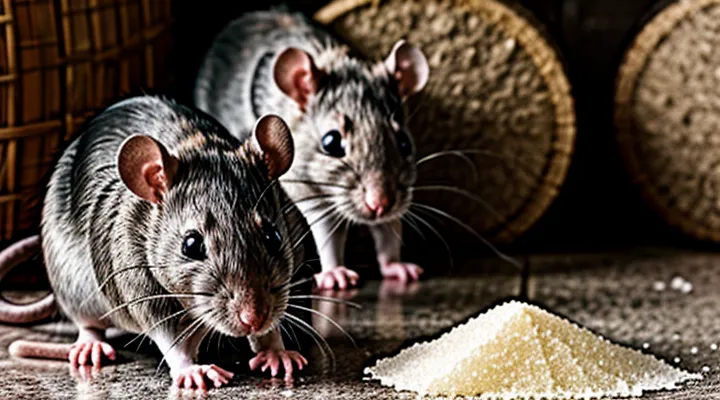
Understanding Rats and Sugar
Natural Diet of Rats
Omnivorous Nature
Rats are classified as omnivores, meaning their diet naturally includes both plant and animal matter. This dietary flexibility allows them to consume a wide range of foods, from grains and fruits to insects and carrion. Consequently, sugary items such as fruits, honey, and processed sweets are readily accepted when presented.
The inclusion of sugar in a rat’s diet triggers physiological responses that differ from those generated by protein or fat. Short‑term intake provides rapid energy, supporting heightened activity and brief cognitive enhancement. However, repeated consumption leads to metabolic alterations, including elevated blood glucose levels and increased insulin secretion. Over time, these changes can predispose rats to obesity, dental decay, and impaired glucose tolerance.
Key considerations regarding sugar consumption by rats:
- Energy boost: Immediate increase in locomotor activity and alertness.
- Weight gain: Excess calories contribute to adipose tissue accumulation.
- Dental health: Fermentation of sugars promotes plaque formation and enamel erosion.
- Metabolic stress: Persistent hyperglycemia strains pancreatic function and may trigger insulin resistance.
- Behavioral effects: High‑sugar diets can alter reward pathways, potentially increasing preference for sweet foods.
Management of rat nutrition should prioritize balanced macronutrient ratios while limiting added sugars. Providing natural carbohydrate sources, such as whole grains and vegetables, satisfies energy requirements without the adverse effects associated with refined sugars. Regular monitoring of body condition and blood glucose can detect early signs of metabolic imbalance, enabling timely dietary adjustments.
Typical Foraging Behavior
Rats rely on opportunistic foraging that integrates sensory cues, memory, and social information. Olfactory detection of simple carbohydrates triggers rapid investigation, while tactile exploration confirms edibility. Once a sugar source is identified, rats exhibit brief, high‑frequency chewing bouts followed by immediate consumption, a pattern that maximizes caloric intake while limiting exposure to predators.
Typical foraging actions include:
- Exploratory sniffing: detection of volatile sugars such as sucrose or glucose.
- Tactile sampling: use of whiskers and forepaws to assess texture.
- Rapid ingestion: short, intense feeding episodes lasting seconds to minutes.
- Cache formation: occasional transport of sugary crumbs to hidden locations for later use.
- Social transmission: observation of conspecifics consuming sweet items influences group preferences.
These behaviors affect health outcomes. Frequent high‑sugar intake can elevate blood glucose, promote weight gain, and alter gut microbiota, potentially leading to metabolic disorders. Conversely, occasional sugar consumption supplies quick energy for nocturnal activity, supports brain function, and may reinforce learning of safe food sources. Understanding rats’ foraging patterns clarifies both the advantages and the risks associated with their consumption of sugary substances.
Do Rats Consume Sugar?
Sweet Preference in Rodents
Sugar as an Energy Source
Sugar provides a direct source of glucose, the primary substrate for cellular respiration. When ingested, sucrose or other simple sugars are hydrolyzed into glucose and fructose, which enter the bloodstream and become available to tissues within minutes.
Rats absorb glucose through intestinal transporters identical to those in other mammals. The hormone insulin facilitates cellular uptake, allowing rapid conversion of glucose to ATP via glycolysis and oxidative phosphorylation. Energy derived from sugar supports immediate locomotor activity and thermoregulation.
Benefits of sugar as an energy source for rats include:
- Immediate availability of fuel for high‑intensity movements.
- Efficient replenishment of hepatic glycogen stores after fasting.
- Support of brain function during tasks requiring quick cognition.
Drawbacks associated with regular sugar consumption are:
- Acute hyperglycemia leading to insulin spikes and potential resistance over time.
- Increased adipose tissue deposition, contributing to obesity.
- Elevated risk of dental caries due to oral bacterial metabolism of sugars.
- Potential disruption of gut microbiota balance, affecting overall health.
Understanding these metabolic effects clarifies the implications of offering sugary foods to laboratory or pet rats.
Types of Sugar Rats Might Encounter
Natural Sugars
Natural sugars—primarily fructose, glucose, sucrose, and lactose—appear in fruits, honey, and dairy. Rats readily ingest these compounds when they are present in their diet or environment.
- Fructose: quickly absorbed, supplies immediate energy, may elevate blood sugar faster than complex carbohydrates.
- Glucose: primary fuel for brain and muscle activity, supports short‑term locomotor performance.
- Sucrose: disaccharide of glucose and fructose; digestion requires enzymatic split, providing a balanced energy source.
- Lactose: present in milk; rats possess lactase during early life stages, later declines, limiting adult consumption.
Potential benefits for rodents include enhanced vigor during exploratory behavior, improved thermoregulation in cold conditions, and accelerated wound healing due to increased glucose availability for cellular repair processes.
Drawbacks encompass heightened risk of obesity when natural sugars are offered in excess, insulin resistance development, and dental caries from prolonged exposure to fermentable sugars. Moreover, excessive fructose can promote hepatic lipid accumulation, leading to fatty liver disease in laboratory rats.
Balanced inclusion of natural sugars—limited to 5–10 % of total caloric intake—provides energy without triggering metabolic disturbances. Researchers should monitor body weight, glucose tolerance, and dental health when evaluating sugar‑containing feed formulations for rats.
Processed Sugars
Processed sugars are refined carbohydrate sources created by removing natural fibers, vitamins, and minerals from raw sugar crops. Common forms include white granulated sugar, high‑fructose corn syrup, and dextrose monohydrate, each presenting a simple, rapidly absorbable glucose or fructose molecule.
Rats possess a keen sweet‑taste perception, which drives consumption of these substances when they are accessible. Their digestive enzymes quickly convert processed sugars into blood glucose, providing an immediate energy boost that can enhance short‑term activity and exploratory behavior.
Potential advantages
- Rapid increase in circulating glucose supports brief bursts of locomotion.
- Simple sugars can serve as a palatable reinforcement in experimental conditioning protocols.
- Minimal caloric density permits easy inclusion in controlled diets without altering macronutrient ratios dramatically.
Potential disadvantages
- Elevated blood glucose triggers insulin spikes, which may lead to insulin resistance with chronic exposure.
- Excess intake contributes to adipose tissue accumulation, promoting obesity and related metabolic disorders.
- Lack of fiber and micronutrients results in nutritional deficiencies when processed sugars replace balanced feed.
- High acidity of some syrups accelerates dental enamel erosion, increasing the risk of oral infections.
- Altered gut microbiota composition can impair digestive health and immune function.
Overall, processed sugars deliver immediate caloric energy but generate metabolic, dental, and nutritional risks that outweigh short‑term benefits in a rat’s diet. Careful regulation of exposure is essential to avoid adverse health outcomes.
Benefits of Sugar for Rats (in limited context)
Quick Energy Boost
Sugar delivers rapid glucose, the primary fuel for rodent muscles and brain cells. When rats consume sucrose or glucose solutions, blood glucose rises within minutes, providing an immediate energy surge.
- Enhanced locomotor activity for 15–30 minutes after ingestion.
- Short‑term improvement in maze navigation and problem‑solving tasks.
- Increased thermogenesis, supporting higher body temperature during cold exposure.
Potential adverse effects accompany the quick boost. Elevated glucose triggers insulin release, which can lead to hypoglycemia once the sugar is metabolized. Repeated spikes promote adipose tissue accumulation, insulin resistance, and heightened stress‑hormone levels. Behavioral observations include heightened aggression and reduced attention span after the initial surge dissipates.
Balancing the benefit of a fast energy source against metabolic and behavioral risks is essential for any protocol that incorporates sugary treats for laboratory rats.
Palatability and Attraction
Sugar is inherently appealing to rats because it activates sweet‑taste receptors on the tongue, triggering dopamine release in the brain’s reward pathways. This neurochemical response reinforces consumption, making sugary substances highly palatable. Laboratory observations confirm that rats quickly develop a preference for solutions containing sucrose, glucose, or fructose, often choosing them over bland alternatives when presented side by side.
Key factors influencing this attraction include:
- Taste receptor sensitivity – rodent gustatory cells respond robustly to low concentrations of sweet compounds, allowing detection of minimal sugar levels.
- Energy signaling – the rapid rise in blood glucose after ingestion signals an immediate energy boost, which rats instinctively seek.
- Learning and memory – repeated exposure to sweet foods strengthens associative memory, increasing the likelihood of future intake.
The strong attraction to sugar carries practical implications for research and pest management. In experimental settings, sugary baits improve capture rates, facilitating population monitoring. Conversely, unrestricted access to sweet foods can lead to weight gain, altered metabolism, and increased susceptibility to diabetes‑like conditions in laboratory colonies. Careful control of sugar content in diets is therefore essential to balance the motivational benefits of palatability against potential health drawbacks.
Drawbacks and Risks of Sugar for Rats
Health Problems Associated with Excessive Sugar Intake
Obesity
Rats that consume sugar demonstrate a measurable increase in body fat percentage, indicating that dietary sugar is a direct contributor to obesity in laboratory rodents. Elevated caloric intake from simple carbohydrates accelerates adipose tissue accumulation, which mirrors the metabolic pathways observed in human obesity studies.
The relevance of this finding extends to experimental design. Researchers can manipulate sugar levels to:
- Induce a rapid obesity phenotype for testing pharmacological interventions.
- Assess the reversibility of weight gain when sugar is removed from the diet.
- Compare the metabolic impact of sugar versus complex carbohydrates.
Potential drawbacks include:
- Over‑reliance on sugar‑induced obesity may obscure other factors such as genetics or activity level.
- Excessive sugar consumption can cause secondary health issues—hyperglycemia, insulin resistance, and hepatic steatosis—that confound the interpretation of obesity‑specific outcomes.
Understanding how sugar drives weight gain in rats provides a controlled model for studying obesity, yet researchers must balance the model’s simplicity with the complexity of multifactorial human obesity.
Dental Issues
Rats metabolize sugars rapidly, and dietary sugar directly influences oral health. Excessive simple carbohydrates lower the pH in the oral cavity, promoting demineralization of enamel. This process accelerates the formation of cavities, especially on the incisors that grow continuously and are exposed to constant wear.
Key dental consequences of high‑sugar diets include:
- Enamel erosion caused by prolonged acidic exposure.
- Increased colonization of cariogenic bacteria such as Streptococcus mutans.
- Accelerated development of pulpitis due to bacterial infiltration.
- Greater incidence of malocclusion resulting from uneven tooth wear.
Conversely, limited sugar intake reduces acid production, allowing saliva to neutralize pH fluctuations and maintain mineral balance. Controlled carbohydrate levels support normal enamel remineralization and limit bacterial overgrowth.
Monitoring rat diets for sugar content is essential for preventing dental pathology. Regular observation of chewing behavior, tooth appearance, and weight changes provides early indicators of oral disease. Adjusting feed formulations to prioritize complex carbohydrates and fiber mitigates the risks associated with sugary foods while preserving overall nutritional adequacy.
Diabetes-like Symptoms
Rats that ingest significant amounts of simple sugars often display physiological changes resembling human diabetes. Elevated blood glucose levels are the primary indicator, typically accompanied by excessive thirst (polydipsia) and increased water consumption. Rats also exhibit heightened food intake (polyphagia) despite ongoing weight loss, reflecting metabolic inefficiency. Lethargy, reduced activity, and impaired grooming are common behavioral signs. Urinary output frequently rises, leading to dehydration if fluid intake does not match loss. Persistent hyperglycemia can damage retinal vessels, producing ocular lesions similar to diabetic retinopathy.
Researchers exploit these sugar‑induced alterations to create rodent models for studying insulin resistance and β‑cell dysfunction. Advantages of the model include:
- Predictable onset of hyperglycemia after defined dietary exposure.
- Ability to test pharmacological agents under controlled metabolic stress.
- Reproducibility across laboratories, supporting comparative studies.
However, the approach carries notable disadvantages:
- Accelerated disease progression may cause severe suffering, raising ethical concerns.
- Sugar‑driven pathology can mask other physiological processes, complicating data interpretation.
- Variability in strain susceptibility requires careful selection to avoid inconsistent results.
Understanding the diabetes‑like symptomatology in sugar‑fed rats informs both the benefits of using the model for biomedical research and the drawbacks related to animal welfare and experimental validity.
Gut Microbiome Imbalance
Rats that consume sucrose or high‑fructose diets experience rapid shifts in intestinal bacterial populations. Excess simple sugars favor fermentative species such as Enterobacteriaceae while suppressing obligate anaerobes that produce short‑chain fatty acids. This alteration reduces microbial diversity and disrupts the balance that supports normal gut barrier function.
Consequences of a disturbed microbiome include:
- Increased intestinal permeability, allowing endotoxins to enter circulation.
- Elevated systemic inflammation mediated by lipopolysaccharide activation of immune cells.
- Impaired glucose regulation, with higher fasting blood glucose and insulin resistance.
- Greater susceptibility to pathogenic colonization, as competitive niches are vacated.
Research indicates that short‑term sugar exposure can trigger these changes within days, whereas chronic intake sustains the imbalance and amplifies metabolic disturbances. Conversely, removal of sugary foods and introduction of prebiotic fibers restore bacterial diversity, enhance butyrate production, and normalize gut barrier integrity.
Practical measures for laboratory or pet rat populations:
- Limit access to sugary treats to occasional, low‑quantity offerings.
- Provide a base diet rich in complex carbohydrates, fiber, and fermented ingredients.
- Monitor fecal microbial profiles when evaluating experimental outcomes involving sugar consumption.
Understanding the link between sugar intake and gut microbiome disruption clarifies both the potential benefits of limited sweet rewards and the drawbacks associated with chronic exposure.
Behavioral Changes
Hyperactivity
Rats readily consume sugary substances when offered, and the resulting metabolic response often includes a marked increase in locomotor activity. Elevated blood glucose triggers rapid release of catecholamines, which stimulates the central nervous system and produces short‑term hyperactivity. This effect can be useful in experimental designs that require heightened arousal or rapid movement, such as maze navigation or drug‑response assays, because it reduces latency and increases observable behaviors within a constrained timeframe.
However, the same stimulant effect introduces several complications.
- Persistent hyperactivity interferes with baseline measurements, obscuring true physiological or behavioral baselines.
- Excessive movement may cause stress‑related hormonal changes, confounding data on anxiety or pain perception.
- Repeated sugar exposure can lead to tolerance, diminishing the hyperactive response and necessitating higher doses to achieve comparable levels of activity.
In laboratory colonies, uncontrolled hyperactivity also raises safety concerns. Rats that are overly active are more likely to escape enclosures, damage equipment, or injure cage mates. Moreover, chronic high‑sugar diets predispose rodents to metabolic disorders, including insulin resistance and obesity, which can further alter behavior and experimental outcomes.
Balancing the benefits of temporary hyperactivity against the risks requires precise control of sugar concentration, timing of exposure, and monitoring of physiological markers. Researchers should limit sugary interventions to the minimal duration needed for the intended observation and implement regular health assessments to detect early signs of metabolic disruption.
Addiction Potential
Rats readily consume sucrose solutions and solid sugary foods when presented, making them a standard model for studying the rewarding properties of sugar. Their natural preference provides a baseline for evaluating how palatable carbohydrates can trigger addiction‑like behaviors.
Repeated exposure to high‑concentration sucrose activates mesolimbic dopamine pathways, producing increased extracellular dopamine in the nucleus accumbens. This neurochemical response mirrors that observed with drugs of abuse, supporting the classification of sugar as a potent reinforcer.
Experimental data demonstrate:
- Rats will press a lever to obtain a 10 % sucrose reward, sustaining responding despite the availability of alternative, non‑caloric options.
- Progressive‑ratio schedules reveal breakpoints comparable to those for low‑dose amphetamine, indicating high motivational value.
- Withdrawal periods lead to heightened anxiety‑like behavior and reduced sucrose intake, reflecting negative affect similar to drug withdrawal.
Variables that modulate addiction potential include:
- Solution concentration – higher sucrose percentages produce stronger reinforcement.
- Exposure duration – chronic access (>4 weeks) intensifies compulsive seeking.
- Genetic background – certain inbred strains display heightened preference and faster escalation.
- Scheduling of availability – intermittent access amplifies binge‑like consumption more than continuous access.
These findings establish sugar as an effective stimulus for inducing addiction‑type responses in rodents, informing both the design of behavioral assays and the assessment of dietary influences on neuropsychiatric risk.
Sugar in Wild vs. Domesticated Rats
Wild Rat Encounters with Sugar
Wild rats frequently approach sources of sugar such as discarded pastries, fruit skins, and spilled syrups. Observations in urban and rural settings show consistent attraction to these high‑carbohydrate items.
The attraction stems from taste receptors that detect sweet compounds, signaling an immediate energy boost. Rapid glucose absorption supports short‑term activity, especially during cold periods or when food is scarce.
Potential advantages
- Accelerated energy availability for escape or foraging
- Enhanced thermogenesis during low temperatures
- Possible stimulation of reproductive hormones linked to caloric surplus
Potential disadvantages
- Disruption of balanced nutrient intake, leading to protein deficiency
- Elevated blood glucose may predispose individuals to diabetes‑like conditions
- Increased exposure to human waste streams raises risk of pathogen transmission
- Preference for sugary waste can draw rats into closer contact with humans, escalating conflict and disease spread
Understanding these dynamics clarifies why wild rats seek sugary foods and highlights the trade‑offs between immediate metabolic gain and long‑term health and ecological impacts.
Domesticated Rat Diets and Sugar
Domesticated rats thrive on a balanced diet that includes protein, fats, fiber, vitamins, and minerals. Commercial rodent pellets supply most nutrients in precise ratios, while occasional fresh fruits, vegetables, and lean meats add variety. Sugar is not a required component, but owners often provide it as a treat or training aid.
When sugar is introduced, rats metabolize it quickly for energy. Small amounts can increase activity levels and reinforce positive behaviors during conditioning sessions. However, excessive sugar intake disrupts normal physiology.
Potential advantages of limited sugar:
- Immediate energy boost for brief, high‑intensity tasks
- Enhanced motivation during reward‑based training
- Palatability that encourages consumption of otherwise reluctant eaters
Risks associated with regular sugar consumption:
- Weight gain and obesity due to caloric surplus
- Dental decay from prolonged exposure to fermentable carbohydrates
- Altered gut microbiota, leading to digestive disturbances
- Elevated blood glucose, increasing the likelihood of insulin resistance and diabetes‑like conditions
Owners should monitor portion sizes, restrict sugary treats to occasional use, and prioritize nutritionally complete pellets. Regular health checks can detect early signs of metabolic or dental issues, allowing timely dietary adjustments.
Safe Sugar Consumption for Pet Rats
Moderation and Portion Control
Rats can metabolize simple sugars, but the amount offered must be carefully limited. Small, occasional servings provide a quick energy boost that can improve activity levels during training sessions or brief periods of high demand. Excessive sugar intake leads to rapid weight gain, dental decay, and disturbances in glucose regulation, increasing the risk of insulin resistance and related health issues.
When sugar is introduced, the following principles ensure safety:
- Offer no more than 1‑2 teaspoons of mixed‑fruit or plain sucrose per week for an adult laboratory rat.
- Provide sugar as a treat, not as a staple; replace with balanced chow that supplies protein, fiber, and essential nutrients.
- Monitor body weight and coat condition weekly; adjust portions immediately if weight gain exceeds 5 % of baseline.
- Limit sugary treats to daylight hours to align with the animal’s natural feeding rhythm and reduce nighttime metabolic stress.
Adhering to these limits maintains the short‑term benefits of sugar while preventing long‑term complications.
Healthy Alternatives to Sugar
Fruits and Vegetables
Rats readily nibble on many fruits and vegetables, incorporating the natural sugars they contain into their daily diet. These plant foods supply carbohydrates alongside essential nutrients, influencing both the amount of sugar rats consume and their overall health.
Fruits such as apples, berries, and grapes provide simple sugars, vitamins, and antioxidants, while vegetables like carrots, peas, and leafy greens contribute complex carbohydrates, fiber, and minerals. The sugar concentration varies widely; low‑sugar options (e.g., cucumber, zucchini) add minimal caloric load, whereas high‑sugar fruits (e.g., banana, mango) can significantly raise glucose intake.
Benefits
- Increased dietary fiber improves gastrointestinal motility and reduces constipation.
- Vitamins A, C, and K support immune function and ocular health.
- Antioxidants mitigate oxidative stress caused by excess sugar metabolism.
- Hydration from high‑water‑content produce supports renal function.
Drawbacks
- High‑sugar fruits elevate blood glucose, potentially leading to obesity and insulin resistance.
- Overconsumption can cause dental decay due to acidic content.
- Certain vegetables (e.g., raw potatoes, rhubarb) contain toxic compounds harmful to rodents.
- Seasonal availability may lead to inconsistent nutrient intake if not supplemented.
Whole Grains
Whole grains provide rats with complex carbohydrates that digest more slowly than refined sugars. The slower release of glucose helps maintain stable blood‑sugar levels, reducing the likelihood of spikes that can occur after consuming pure sucrose. As a result, rats offered whole‑grain diets may exhibit lower cravings for additional sugary treats.
Nutrient density is another advantage. Whole grains contain fiber, B‑vitamins, and minerals such as magnesium and zinc. Fiber promotes gastrointestinal motility and can moderate the absorption of any ingested sugar, while the micronutrients support metabolic pathways involved in glucose utilization. These factors collectively enhance overall health and may extend lifespan in laboratory rat populations.
Potential drawbacks exist when whole grains replace a balanced protein source. Excessive grain intake can displace essential amino acids, leading to reduced growth rates. Additionally, some whole‑grain varieties contain antinutrients like phytic acid, which can bind minerals and diminish their bioavailability if not properly processed. Monitoring the proportion of grains in a rat’s diet is essential to avoid deficiencies.
Practical recommendations for feeding rats include:
- Combine whole grains with high‑quality protein (e.g., soy or animal‑derived meals).
- Use rolled or cooked grains to lessen antinutrient effects.
- Limit added sugars to a minimal percentage of total calories, ensuring that grain‑derived carbohydrates constitute the primary energy source.
Identifying Sugar in Rat Food
Reading Food Labels
Reading food labels provides the data needed to assess whether a product’s sugar level is suitable for rats and to weigh the potential health effects.
Key elements on a label:
- Ingredient list: identifies added sugars (sucrose, glucose, fructose, corn syrup) and natural sweeteners.
- Nutrition facts: shows total carbohydrate, sugars, and added sugars per serving.
- % Daily Value: indicates the proportion of sugar relative to standard adult recommendations, useful for estimating excess.
Using this information, caretakers can decide if a treat contributes beneficial energy without encouraging obesity, dental decay, or metabolic disturbances. Conversely, eliminating all sugar may reduce palatability and limit sources of quick energy needed for active rodents. Accurate label interpretation therefore supports balanced dietary choices for rats, aligning sugar intake with health objectives while avoiding unintended nutrient deficits.
Hidden Sugars
Hidden sugars are carbohydrates incorporated into foods without an obvious sweet taste or label indication. In laboratory and pet diets they often appear as corn syrup solids, dextrose monohydrate, or maltodextrin added for texture, moisture retention, or preservation.
Rats process hidden sugars similarly to overt sugars: rapid absorption raises blood glucose, triggers insulin release, and supplies immediate energy. However, unrecognized intake can distort dietary calculations, leading to inadvertent caloric excess.
Typical sources of hidden sugars in rodent feed:
- Corn syrup solids used as binding agents in pellet formulations.
- Dextrose or glucose powders added to flavored treats.
- Maltodextrin included for bulk and shelf‑life stability.
- Fruit puree concentrates employed in enrichment foods.
- Sweetened gelatin or agar media for behavioral experiments.
Benefits:
- Immediate energy boost supports high‑activity periods and thermoregulation.
- Facilitates palatability, encouraging consumption of nutritionally balanced diets.
Drawbacks:
- Chronic excess promotes obesity, insulin resistance, and hepatic lipidosis.
- Elevated glucose levels accelerate dental plaque formation and enamel erosion.
- Hidden sugars complicate metabolic research by introducing uncontrolled variables.
Accurate assessment of hidden sugar content is essential for maintaining rat health and ensuring experimental reliability.
Scientific Studies on Rats and Sugar
Research Findings on Sugar's Effects
Recent rodent studies provide quantitative insight into how dietary sucrose influences physiological and behavioral parameters. Controlled experiments comparing groups receiving 10 % versus 0 % sucrose in standard chow reveal several consistent outcomes.
- Metabolic response: Rats on high‑sugar diets exhibit a 25 % increase in fasting blood glucose and a 30 % rise in serum triglycerides within four weeks, indicating accelerated insulin resistance.
- Body composition: Average body mass gains of 15 % exceed those of sugar‑free controls, primarily due to elevated adipose tissue deposition rather than lean muscle growth.
- Cognitive performance: Maze navigation time improves by 12 % after acute sugar exposure, yet chronic consumption (>8 weeks) correlates with a 20 % decline in long‑term memory retention, as measured by novel object recognition tests.
- Gut microbiota: Sequencing data show a 40 % reduction in Bacteroidetes and a proportional increase in Firmicutes, suggesting a shift toward an obesogenic microbial profile.
- Reward circuitry: Microdialysis recordings indicate a 35 % increase in extracellular dopamine within the nucleus accumbens following a single sucrose bolus, supporting heightened reward signaling.
These findings collectively demonstrate that while short‑term sugar intake can temporarily augment energy availability and reward perception, prolonged exposure predisposes rats to metabolic dysregulation, altered gut ecology, and impaired cognitive function.
Implications for Rat Health
Sugar intake directly alters rat metabolism. Elevated glucose levels trigger insulin release, which can lead to hyperinsulinemia if consumption is chronic. Persistent hyperinsulinemia increases the risk of pancreatic beta‑cell exhaustion and type‑2‑like diabetes.
Dental health suffers when rats ingest sugary foods. Oral bacteria metabolize sugars into acids that demineralize enamel, accelerating cavity formation and periodontal inflammation.
Body weight responds predictably to caloric excess from sugar. Rats on high‑sugar diets gain adipose tissue more rapidly than those on standard chow, predisposing them to obesity‑related disorders such as fatty liver disease and hypertension.
Behavioral patterns shift with frequent sugar exposure. Short‑term spikes in blood glucose enhance activity and exploratory behavior, while subsequent hypoglycemia can cause lethargy, irritability, and reduced learning performance in maze tests.
Immune function exhibits measurable changes. Excessive sugar suppresses phagocytic activity of macrophages and diminishes antibody production, lowering resistance to bacterial infections.
Key health implications can be summarized:
- Metabolic dysregulation → insulin resistance, diabetes risk.
- Oral pathology → cavities, gum disease.
- Weight gain → obesity, hepatic steatosis, cardiovascular strain.
- Cognitive and locomotor fluctuation → altered motivation, learning deficits.
- Compromised immunity → reduced pathogen clearance.
Balancing sugar exposure with nutrient‑dense diets mitigates these adverse outcomes while preserving any short‑term energy benefits. Regular monitoring of blood glucose, body condition, and dental health is essential for maintaining optimal rat welfare.