
The Dietary Habits of Rats
Omnivorous Nature of Rats
Rats are classified as omnivores, meaning they obtain nutrients from both animal and plant sources. Their natural diet includes seeds, fruits, insects, and small vertebrates, allowing them to adapt to a wide range of environments.
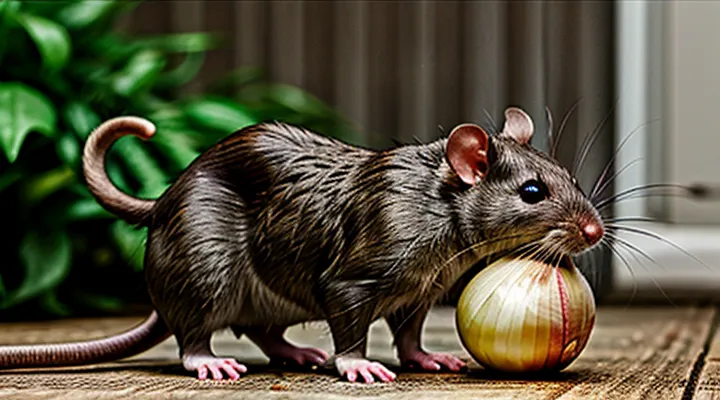
When presented with onion material, rats may sample it, but several factors limit regular consumption. Onions contain sulfur‑based compounds such as thiosulphate, which can cause hemolytic anemia in many mammals if ingested in sufficient quantities. Laboratory studies show that rats develop mild gastrointestinal irritation after ingesting raw onion pieces, and chronic exposure leads to reduced weight gain.
Typical components of a rat’s diet are:
- Grains and cereals (wheat, corn, rice)
- Legumes and beans
- Fresh fruits and vegetables (apples, carrots, leafy greens)
- Insects and small arthropods
- Protein supplements (egg, meat scraps)
Plant foods that are safe and nutritionally beneficial for rats are listed above; onions are excluded due to their potential toxicity. In controlled feeding trials, rats voluntarily avoid large amounts of raw onion, preferring sweeter or less pungent vegetables. Consequently, while occasional accidental ingestion may occur, onions do not constitute a regular or advisable part of a rat’s diet.
Typical Food Sources in Wild and Urban Environments
Rats encounter a wide range of edible materials in natural habitats. Their diet includes:
- Seeds from grasses and wild cereals
- Fruits such as berries, apples, and cherries
- Insects, larvae, and other arthropods
- Small vertebrates, eggs, and carrion
- Roots, tubers, and occasional herbaceous foliage
In urban settings, food availability shifts toward human-derived sources. Typical items are:
- Grain products: bread crumbs, cereal, rice
- Processed waste: discarded meat, cheese, and pet food
- Organic refuse: vegetable peelings, fruit skins, and garden compost
- Stored pantry items: nuts, dried legumes, and packaged snacks
Both environments provide plant matter that may contain sulfur compounds, including onions. Laboratory observations confirm that rats will ingest onion tissue when it is present among other food items, though they do not seek it as a primary component. The presence of onions in a rat’s diet therefore depends on availability rather than preference.
Onions and Rodents: A Complex Relationship
Are Onions Attractive to Rats?
Rats show limited interest in onions. Their natural diet favors grains, fruits, and high‑calorie items; strong, pungent odors generally reduce attraction.
Onion chemistry contributes to avoidance. Sulfur‑containing compounds (e.g., thiosulfinates) produce a sharp smell and irritate the nasal mucosa of rodents. These substances also have mild toxic effects, discouraging repeated ingestion.
Experimental observations support low acceptance:
- Laboratory choice tests: rats offered onions alongside standard chow chose the latter in >80 % of trials.
- Field reports: occasional nibbling occurs when alternative food is scarce, but consumption remains minimal.
- Toxicity assessments: ingestion of large onion quantities leads to hemolytic anemia in rodents, reinforcing aversion.
Practical outcomes:
- Storing onions in sealed containers effectively prevents rodent damage.
- Using onion‑derived extracts as repellent aligns with observed deterrent properties.
- If rats are forced to feed on onions due to extreme scarcity, health risks increase, potentially limiting population growth.
The Chemical Composition of Onions
Onions (Allium cepa) consist primarily of water, carbohydrates, sulfur‑containing compounds, phenolic substances, vitamins, and minerals. The dry matter contains roughly 10 % sugars (glucose, fructose, sucrose), 5 % proteins, and 2 % lipids. The distinctive odor and flavor derive from organosulfur compounds formed when the plant tissue is damaged.
- Sulfur compounds: isoalliin, alliin, and the enzymatic product allicin; these convert to thiosulfinates, sulfides, and polysulfides during crushing.
- Phenolic compounds: quercetin, kaempferol, and related flavonoids; provide antioxidant activity.
- Vitamins: vitamin C (ascorbic acid), vitamin B6 (pyridoxine), and trace amounts of vitamin A precursors.
- Minerals: potassium, calcium, magnesium, phosphorus, and small quantities of iron and zinc.
- Fiber: soluble pectin and insoluble cellulose, contributing to gastrointestinal bulk.
The high concentration of thiosulfinates and related irritants stimulates sensory receptors in rodents, often producing aversive behavior. Quercetin and other flavonoids may exert mild sedative effects, but the overall pungent profile outweighs potential nutritional benefits for rats. Carbohydrate content offers energy, yet the presence of compounds that can cause gastrointestinal irritation limits acceptance.
When formulating diets for laboratory or pet rats, inclusion of onion material should remain below thresholds that trigger sensory rejection or digestive upset. Chemical analysis confirms that even small quantities introduce sufficient irritants to reduce palatability, making onions an unsuitable regular feed component for rats.
Organosulfur Compounds
Organosulfur compounds dominate the flavor and biological activity of Allium vegetables. In onions, the primary constituents are isoalliin, propiin, and the lachrymatory factor syn-propanethial‑S‑oxide, which arise from the enzymatic conversion of S‑alk(en)yl‑L‑cysteine sulfoxides when tissue is damaged. Additional metabolites include diallyl sulfide, diallyl disulfide, and S‑methyl‑L‑cysteine sulfoxide, each contributing to the characteristic pungency and antimicrobial properties of the crop.
Rodent studies indicate that these sulfur‑rich molecules affect feeding behavior and physiological response. Acute exposure to high concentrations of syn‑propanethial‑S‑oxide produces irritation of the nasal mucosa and may trigger aversion. Sub‑lethal doses of diallyl disulfide have been shown to modulate hepatic enzyme activity, altering the metabolism of xenobiotics. Chronic ingestion of moderate onion levels can lead to mild hemolytic anemia in susceptible strains due to oxidative stress imposed by organosulfur metabolites.
Key points regarding rat interaction with onion organosulfur chemistry:
- Isoalliin conversion generates irritant compounds that deter consumption.
- Diallyl sulfide and related volatiles exhibit antimicrobial effects that may influence gut microbiota.
- Hepatic enzyme induction by diallyl disulfide can affect drug clearance in laboratory rats.
- Hemolytic risk appears strain‑specific and correlates with the dose of sulfur metabolites.
These facts clarify how the chemical profile of onions determines the likelihood and consequences of rodent ingestion.
Their Impact on Mammals
Rats that ingest onions encounter organosulfur compounds such as thiosulphates, which can cause hemolytic anemia in rodents. The resulting physiological stress reduces rat vigor, shortens lifespan, and may alter reproductive output.
Reduced rat vigor influences mammalian predators and scavengers. Species that rely on rats for food—foxes, owls, and feral cats—receive prey with diminished nutrient content and possible residual toxins. Consumption of compromised rats can lead to mild gastrointestinal irritation or, in extreme cases, hemolytic effects in secondary consumers.
Ecological consequences extend beyond direct predation. Lowered rat populations decrease competition for shared resources, allowing other small mammals, such as voles and shrews, to expand. This shift reshapes community dynamics and may affect disease transmission patterns among mammals.
Key implications:
- Toxicology: Onion-derived thiosulphates persist in rat tissues; predators ingesting these tissues are exposed to low-level toxins.
- Nutrition: Hemolysis reduces blood protein levels in rats, decreasing the caloric value of the prey.
- Population dynamics: Dietary stress on rats can suppress their numbers, indirectly benefiting competing rodent species.
- Disease ecology: Changes in rat abundance influence the prevalence of rodent-borne pathogens that affect mammals, including humans.
Management strategies that incorporate onion-based deterrents must consider the downstream effects on non-target mammals. Monitoring predator health and population trends is essential when employing such dietary interventions.
Potential Toxicity of Onions for Rats
Rats may ingest onions when presented as food, but the plant contains compounds that can be harmful.
Onion tissue is rich in thiosulfates and sulfur‑containing disulfides. In the rat’s digestive system these substances are metabolized into oxidative agents that damage erythrocyte membranes, leading to hemolysis.
Observed toxic effects include:
- Hemolytic anemia (reduced red‑blood‑cell count, pallor)
- Jaundice and bilirubin elevation
- Gastrointestinal irritation (vomiting, diarrhea)
- Weakness and lethargy
Experimental feeding trials indicate that diets containing 5 %–10 % fresh onion weight produce measurable hemolysis within 48 hours. Lower concentrations (<1 % of total diet) may be tolerated short‑term, but cumulative exposure still poses risk.
For pet and laboratory rats, the safest practice is to exclude onions from all feed and treat formulations. If accidental ingestion occurs, monitor for the symptoms listed above and seek veterinary care promptly. Alternative flavoring agents (e.g., carrot, apple) provide safe enrichment without the toxic risk associated with onion compounds.
Symptoms of Onion Poisoning
Onion ingestion introduces organosulfur compounds that can damage red blood cells in rodents. Toxic exposure manifests quickly and may progress to life‑threatening anemia.
- Weakness and lethargy
- Pale or yellowish mucous membranes
- Rapid breathing or panting
- Dark, reddish urine (hemoglobinuria)
- Elevated heart rate
- Diarrhea or vomiting (less common in rats)
- Unsteady gait or loss of coordination
Symptoms typically appear within 12–48 hours after consumption and can worsen over several days. Hemolysis reduces oxygen transport, leading to hypoxia and organ dysfunction. Prompt veterinary intervention, including supportive fluid therapy and, if indicated, blood transfusion, improves survival chances. Preventive measures—removing onions from environments where rats have access—eliminate the risk of poisoning.
Long-Term Health Effects
Rats may ingest onions when foraging in human‑derived waste or when offered as experimental food. Onion tissue contains organosulfur compounds, primarily thiosulphates, which interfere with red blood cell integrity and metabolic processes.
Repeated exposure to thiosulphates produces chronic hemolytic anemia. Persistent hemolysis forces compensatory erythropoiesis, leading to splenomegaly and reduced lifespan. Renal filtration of hemoglobin breakdown products can cause tubular degeneration and progressive kidney insufficiency. Continuous gastrointestinal irritation may result in mucosal ulceration, altered nutrient absorption, and weight loss.
Key long‑term health effects:
- Chronic anemia with lowered hematocrit and hemoglobin levels.
- Enlarged spleen and increased demand on marrow hematopoiesis.
- Progressive renal damage, manifested by proteinuria and reduced creatinine clearance.
- Persistent gastric and intestinal inflammation, potentially leading to ulcerative lesions.
- Overall reduction in growth rate and reproductive capacity.
Laboratory colonies, pet owners, and wildlife managers should exclude onion material from rat diets to prevent cumulative toxicity. Monitoring blood parameters and renal function in exposed populations provides early detection of adverse outcomes.
Scientific and Anecdotal Evidence
Studies on Rodent Response to Onions
Recent research has examined the dietary response of laboratory rats when presented with Allium cepa material. Experiments typically offered fresh onion slices, powdered onion, and control chow in separate groups, measuring intake over 24‑hour periods. Physiological parameters such as weight change, gastrointestinal irritation, and blood glucose were recorded.
Findings across multiple studies indicate:
- Voluntary consumption of raw onion is minimal; rats ingest less than 5 % of offered weight compared with control feed.
- Powdered onion incorporated into pellet diets reduces overall feed intake by 12‑18 % and induces mild gastric mucosal inflammation in histological analyses.
- Chronic exposure (30‑day feeding trials) leads to reduced body weight gain and altered liver enzyme activity, suggesting metabolic stress.
- Preference tests reveal avoidance behavior when onion odor is presented alongside neutral scents.
Conclusions drawn from the data suggest that onions act as a deterrent rather than a nutritive component for rats. The aversive response is attributed to sulfur‑containing compounds that trigger sensory irritation and metabolic disruption. These results have implications for pest‑control strategies and for designing rodent diets that exclude Allium species to prevent adverse health effects.
Observations from Pest Control Professionals
Pest‑control specialists report that rodents rarely select onions as a food source. Field surveys across residential, commercial, and agricultural settings consistently show avoidance behavior when onion odor is present.
Observations indicate:
- Strong sulfur compounds in onions trigger a sensory aversion in rats, reducing feeding attempts.
- Traps baited with onion fragments capture significantly fewer rats than those with grain, peanut butter, or fruit.
- In environments where onions are the only available plant material, rats may gnaw on stems or roots but seldom ingest the bulb itself.
- Laboratory trials confirm a marked decrease in consumption when onion extract is mixed with preferred foods.
Professional consensus attributes the low acceptance to both the pungent odor and the irritant effect on the gastrointestinal tract. Consequently, onions are not reliable attractants for rodent control programs.
Safe Alternatives and Deterrents
What Rats Should and Should Not Eat
Rats need a balanced diet that supplies protein, fiber, vitamins, and minerals. Commercial rodent pellets provide a reliable nutritional base; they should form the majority of daily intake. Fresh vegetables and fruits can supplement pellets, but only those proven safe for rodents.
Safe additions
- Leafy greens such as romaine lettuce, kale, and spinach
- Carrots, bell peppers, and zucchini
- Apples (seedless), blueberries, and strawberries
Prohibited items
- All members of the Allium family: onions, garlic, leeks, shallots, and chives
- Citrus fruits, especially raw lemon and orange peel
- High‑fat snacks: nuts, seeds, and oily foods
- Processed human foods containing salt, sugar, or artificial additives
Onions contain compounds that damage red blood cells in rats, leading to hemolytic anemia. Even small amounts can cause gastrointestinal irritation and systemic toxicity. Therefore, onions must never be offered, directly or as part of a mixed dish.
Protein sources suitable for rats include cooked chicken, boiled egg white, and low‑fat dairy products such as plain yogurt. These should be given in moderation, no more than a teaspoon per day for an adult rat.
Hydration is essential; fresh water must be available at all times. If a rat shows signs of distress after consuming a new food, discontinue the item immediately and consult a veterinarian.
Natural Repellents Against Rats
Rats avoid strong aromatic compounds, making certain vegetables and herbs effective deterrents. Onion layers emit sulfur‑based volatiles that irritate rodent olfactory receptors, reducing the likelihood of intrusion in storage areas.
Other natural agents with comparable repellent properties include:
- Peppermint oil – high concentration of menthol disrupts scent trails.
- Citronella – volatile oils mask food odors and create an unpleasant environment.
- Clove oil – eugenol acts as a sensory irritant.
- Garlic – allicin generates a pungent vapor similar to onion.
- Neem oil – contains azadirachtin, which interferes with feeding behavior.
Application methods involve soaking cotton balls, spraying diluted extracts, or scattering fresh plant material near entry points. Reapplication every 48–72 hours maintains efficacy as volatiles dissipate.
Integrating these botanicals with proper sanitation and sealing of potential entryways provides a comprehensive, chemical‑free strategy for minimizing rat activity.
Essential Oils
Rats are known to sample a wide range of plant materials, including allium vegetables. Their willingness to ingest onions depends on taste receptors, digestive tolerance, and exposure to deterrents. Research indicates that the strong aromatic compounds in onion cells can be unappealing, but the presence of certain volatile substances may alter this behavior.
Essential oils provide a practical method to influence rat feeding choices. Their high concentration of terpenes and phenolics interacts with rodent olfactory systems, often reducing interest in foods that would otherwise be acceptable.
- Peppermint oil: contains menthol, creates a cooling sensation that discourages nibbling on onion slices.
- Eucalyptus oil: rich in eucalyptol, masks the natural odor of onions, making them less recognizable.
- Clove oil: high in eugenol, produces a pungent scent that repels rodents from foraging areas.
- Citronella oil: offers a citrusy profile that interferes with the detection of sulfur compounds in onions.
Application of these oils as sprays or impregnated pads around storage containers can lower the likelihood that rats will sample onions. Consistent use, combined with proper sanitation, results in measurable declines in rodent activity and onion damage.
Other Plant-Based Solutions
Rats can tolerate a variety of vegetables, but onions often provoke digestive upset due to sulfur compounds. When seeking alternative plant-derived foods that are safe and nutritionally beneficial, consider the following options:
- Leafy greens – kale, spinach, and romaine lettuce provide vitamins A, C, and K with minimal risk of toxicity.
- Root vegetables – carrots, sweet potatoes, and beets supply carbohydrates and beta‑carotene; cooking softens fibers and improves digestibility.
- Cruciferous sprouts – broccoli and cauliflower buds contain glucosinolates at lower concentrations than mature onions, offering antioxidants without severe irritation.
- Fruit pieces – apples (core removed), blueberries, and pears deliver natural sugars and fiber; limit portions to prevent obesity.
- Legume pods – green peas and edamame furnish protein and essential amino acids, suitable as occasional treats.
In addition to dietary variety, plant-based repellents such as peppermint oil, dried lavender, or crushed mint leaves can deter rats from accessing onion‑containing waste without harming the animals. Implementing a balanced mix of the listed vegetables and fruits ensures adequate nutrition while avoiding the adverse effects associated with allium consumption.
Protecting Your Home and Garden from Rodents
Food Storage Best Practices
Rats are attracted to the strong aroma and moisture of onions, making proper storage essential to prevent contamination and loss. Store onions in a cool, dry environment where temperature remains below 50 °F (10 °C) and humidity does not exceed 65 %. These conditions inhibit sprouting and reduce the scent that draws rodents.
Use sealed containers made of metal, heavy‑duty plastic, or glass with airtight lids. Place containers on shelves away from walls and floor, allowing a clear gap for ventilation and inspection. Regularly rotate stock, discarding any bulbs that show signs of soft spots, mold, or rodent damage.
- Keep storage area clean; sweep crumbs and debris daily.
- Install rodent‑proof screens on vents and openings.
- Set traps or bait stations along perimeter, not directly on food surfaces.
- Inspect packaging for tears before placing onions in storage.
- Maintain a minimum distance of 3 feet between onion bins and waste containers.
By limiting access, controlling environmental factors, and monitoring inventory, the risk of rodents feeding on onions diminishes, preserving quality and safety.
Garden Pest Management Strategies
Rats are attracted to garden crops that provide moisture and energy, and onions can be part of their diet when other food sources are scarce. Understanding this behavior informs effective pest management.
Control measures focus on habitat modification, exclusion, and population reduction.
- Remove debris, tall grass, and compost piles that shelter rodents.
- Install tight‑fitting hardware cloth around raised beds and storage containers.
- Use bait stations with anticoagulant rodenticides, positioned away from non‑target wildlife and pets, following label instructions.
- Deploy live traps in high‑activity zones, release captured animals at a distance of at least 5 km.
Preventive practices reduce the likelihood of rats consuming onions.
- Rotate crops seasonally to disrupt rodent foraging patterns.
- Plant deterrent species such as mint, garlic, or marigold around onion rows.
- Apply mulches that are less attractive to rodents, like gravel or coarse bark chips.
Monitoring includes regular inspection of damage signs, tracking stations, and motion‑activated cameras. Data from these sources guide adjustments to the management plan, ensuring sustained protection of onion crops and overall garden health.