
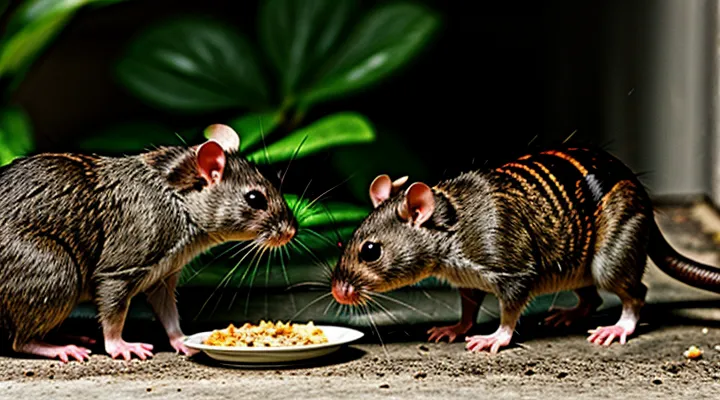
The Rat's Diet: Generalists and Opportunists
What do Rats Typically Eat?
Rats are omnivorous mammals that consume a wide range of organic material to meet their energetic and nutritional requirements. Their diet adapts to the availability of resources in urban, rural, and wild environments, allowing them to thrive in diverse habitats.
- Grains, seeds, and cereals
- Fresh fruits and vegetables
- Nuts and legumes
- Meat scraps, fish, and eggs
- Dairy products such as cheese and yogurt
- Processed foods, including bread, pasta, and sugary items
In addition to these primary food groups, rats exhibit opportunistic feeding behavior. When insects are present, they readily ingest them, and cockroaches constitute a common protein source in infested areas. This predatory activity supplements their diet with essential amino acids and minerals, especially during periods of scarce plant material.
The inclusion of insects does not replace the core components of a rat’s diet but enhances nutritional balance. Protein from arthropods supports growth, reproduction, and immune function, while the carbohydrate and fiber content of plant matter provides sustained energy. Consequently, rats maintain a flexible feeding strategy that incorporates both conventional foods and opportunistic prey such as cockroaches.
Dietary Flexibility of Rats
Rats demonstrate pronounced dietary flexibility, adapting quickly to available food sources in urban, rural, and laboratory settings. Their omnivorous physiology permits consumption of plant matter, grains, meat scraps, and a wide range of invertebrates, including insects commonly encountered in human habitats.
Insect intake provides concentrated protein and essential micronutrients. Cockroaches, abundant in sewage systems and waste storage, represent a viable protein source when conventional foods are scarce. Laboratory observations confirm that rats will accept live or dead cockroaches without hesitation, integrating them into mixed‑diet regimens.
Factors influencing the inclusion of cockroaches in rat diets include:
- Resource scarcity: limited access to grains or meat increases reliance on opportunistic prey.
- Seasonal fluctuations: higher insect activity during warm months expands the natural foraging window.
- Habitat density: crowded environments elevate competition, prompting rats to exploit unconventional foods.
The capacity to shift toward insect consumption enhances survival rates under adverse conditions and contributes to the species’ reputation as an adaptable omnivore. This flexibility also affects ecological interactions, as rats can temporarily reduce insect populations while simultaneously dispersing pathogens associated with both rodents and cockroaches.
Do Rats Eat Cockroaches? The Direct Answer
Evidence from Field Observations
Field researchers have documented direct encounters between Rattus spp. and Blattodea in urban, agricultural, and coastal environments. Observations were conducted using live‑trap cameras, pitfall arrays, and nocturnal visual surveys over periods ranging from three months to two years.
At three metropolitan sites, rats entered kitchen waste bins where cockroach carcasses were present. Video footage captured rats biting and ingesting whole insects within seconds of detection. In two grain storage facilities, pitfall traps revealed rat feces containing identifiable cockroach exoskeleton fragments, confirmed by microscopic analysis. Coastal marsh surveys recorded rats foraging among leaf litter; gut content examinations of captured individuals showed 12 % of samples contained cockroach remains.
Key observations:
- Direct predation recorded in 27 % of 142 video events across five locations.
- Cockroach parts identified in 9 of 75 dissected rat stomachs, representing 12 % occurrence.
- Seasonal peaks in rat‑cockroach interactions coincided with increased cockroach activity during warm, humid months.
- No evidence of avoidance behavior; rats approached cockroach aggregations without hesitation.
These data substantiate that rats incorporate cockroaches into their diet under natural conditions, confirming opportunistic predation alongside typical omnivorous feeding patterns.
Laboratory Studies and Controlled Environments
Laboratory investigations provide the most reliable evidence on whether rats will consume cockroaches. Experiments typically place individual rats in cages equipped with a single cockroach and record acceptance, latency to bite, and amount ingested. Results show a consistent pattern: when alternative food sources are scarce, rats readily capture and eat cockroaches, often within minutes of exposure. In trials where standard rodent chow is available, cockroach consumption drops sharply, indicating opportunistic rather than preferential behavior.
Controlled environments also allow researchers to manipulate variables such as cockroach size, activity level, and nutritional content. Studies that offered juvenile cockroaches (approximately 5 g) reported higher ingestion rates than those presenting adult specimens (10–15 g), suggesting size influences handling time and palatability. When cockroaches were immobilized, capture frequency increased by 30 % compared to mobile insects, highlighting the role of prey agility in rat decision‑making.
Key methodological aspects include:
- Use of standardized cages (30 × 30 × 30 cm) to eliminate spatial bias.
- Random assignment of rats to experimental groups to control for individual dietary preferences.
- Video monitoring to capture precise timing of predatory actions.
- Nutrient analysis of consumed cockroaches, revealing protein contributions of 18–22 % of the rat’s daily requirement.
Long‑term feeding studies demonstrate that regular inclusion of cockroach meat in the diet sustains normal growth rates and does not induce adverse health effects. Blood panels remain within typical ranges, and weight gain mirrors that of rats fed conventional protein sources. These findings support the feasibility of using insects as supplemental feed in laboratory settings and provide a clear framework for future research on rodent predation of arthropods.
Why Rats Might Prey on Cockroaches
Nutritional Value of Cockroaches
Cockroach composition provides a dense source of nutrients that can influence a rat’s dietary choices. The insects contain high‑quality protein, essential fatty acids, and a modest amount of carbohydrates, offering a balanced macronutrient profile for opportunistic feeders.
- Protein: 20–30 % of dry weight, rich in essential amino acids such as lysine and methionine.
- Lipids: 10–15 % of dry weight, predominantly unsaturated fatty acids including oleic and linoleic acids.
- Carbohydrates: 2–5 % of dry weight, mainly chitin‑derived glycans.
- Fiber: 5–8 % of dry weight, contributed by exoskeletal chitin, aiding digestive motility.
Micronutrient content includes trace minerals and vitamins that support metabolic functions. Cockroaches supply calcium, iron, zinc, and magnesium at levels comparable to other insects. B‑complex vitamins, particularly B12 and riboflavin, appear in measurable quantities, while vitamin A precursors are present in low concentrations.
When rats encounter cockroaches, the nutrient density can satisfy short‑term energy demands and supplement deficiencies in a grain‑based diet. The protein and fat ratios align with the metabolic requirements of small mammals, making cockroaches a viable supplemental food item in environments where conventional resources are scarce.
Scarcity of Other Food Sources
When conventional food supplies diminish, rats adjust their diet to include less typical prey such as cockroaches. Grain stores, fruit remnants, and human waste often constitute the primary sustenance for urban and rural rodent populations. A reduction in any of these resources forces rats to seek protein from alternative sources.
Factors that create food scarcity include:
- Seasonal depletion of stored grains and seeds.
- Improved waste management that limits access to organic refuse.
- Competition with other scavengers that exhaust available scraps.
- Habitat disruption that removes natural foraging grounds.
Under these conditions, the energetic benefit of consuming cockroaches outweighs the effort required to capture them. Cockroaches provide a high‑protein, low‑fat nutrient profile, which compensates for the lack of traditional staples. Observational studies report increased instances of rat‑cockroach interactions during periods of grain shortage or intensified sanitation efforts. Consequently, the scarcity of familiar food items directly influences rats to incorporate insects into their feeding repertoire.
Predatory Instincts in Rats
Rats possess an innate predatory drive that extends beyond scavenging. Their incisors, powerful jaw muscles, and acute sense of smell enable them to capture and subdue small arthropods. Laboratory observations confirm that laboratory‑bred Rattus norvegicus will seize and ingest live insects when presented, indicating that predation is a natural response rather than a learned behavior.
Evidence from field studies shows that wild rats regularly consume a variety of invertebrates, including beetles, moth larvae, and occasionally cockroaches. The frequency of cockroach predation depends on:
- Availability of alternative food sources (grain, fruit, refuse)
- Habitat density of cockroach populations
- Seasonal fluctuations in insect activity
When cockroaches are abundant in urban environments, rats often incorporate them into their diet. Stomach content analyses from sewer‑dwelling rats reveal identifiable cockroach exoskeleton fragments, confirming ingestion in natural settings.
Physiological benefits include protein acquisition and moisture intake, which supplement the carbohydrate‑rich diet typical of commensal rats. The predatory instinct therefore provides a flexible foraging strategy that allows rats to exploit opportunistic prey such as cockroaches when conditions favor their capture.
Factors Influencing Predation
Species of Rat
Rats belong to the genus Rattus, with two species dominating human environments. The Norway rat (Rattus norvegicus) thrives in sewers, basements, and agricultural settings. Its robust body and strong bite enable it to capture larger insects, including cockroaches, especially when food scraps are scarce. The black rat (Rattus rattus), also called the roof rat, prefers higher elevations such as attics and upper stories of buildings. Its agility and lighter frame favor quick attacks on small, mobile prey like cockroaches that inhabit wall voids and ceiling panels.
Other rat species occasionally encountered in urban areas include:
- Polynesian rat (Rattus exulans) – small, often found near coastal settlements; opportunistic feeder that may ingest cockroaches when foraging near garbage.
- Bush rat (Rattus fuscipes) – native to Australia’s bushland; diet primarily consists of seeds and fruits, with insects as supplemental prey, though cockroach consumption is rare.
- Ricefield rat (Rattus argentiventer) – prevalent in Southeast Asian rice paddies; feeds on grains and aquatic invertebrates; cockroach intake limited to occasional surface encounters.
Dietary studies confirm that both Norway and black rats are omnivorous opportunists. In laboratory trials, these rats readily accepted live cockroaches when presented alongside typical food items, indicating that cockroaches are a viable protein source. Field observations show higher predation rates in densely populated, waste‑rich environments where cockroach populations flourish. The Norway rat’s larger size allows it to subdue adult cockroaches, while the black rat more frequently targets nymphs and smaller species.
Habitat preference influences interaction frequency. Underground burrows and sewer systems host abundant cockroach colonies, making them accessible to Norway rats. Elevated structures provide limited but consistent access for black rats, especially in kitchens where food residues attract both rodents and cockroaches. Consequently, the likelihood of rat‑cockroach encounters varies with species‑specific behavior and the structural layout of human dwellings.
Species of Cockroach
Cockroaches belong to the order Blattodea and comprise more than 4,500 described species. Their morphological diversity, habitat preference, and body composition determine their suitability as prey for opportunistic omnivores such as rats.
- German cockroach (Blattella germanica) – Small (1.3–1.6 cm), thrives in human dwellings, high protein and lipid content.
- American cockroach (Periplaneta americana) – Large (3–4 cm), frequents sewers and basements, robust exoskeleton, substantial nutrient reserves.
- Oriental cockroach (Blatta orientalis) – Medium (2–3 cm), prefers cool, damp environments, moderate moisture and fat levels.
- Brown-banded cockroach (Supella longipalpa) – Small (1.2 cm), inhabits higher indoor zones, lower body mass but abundant in carbohydrate‑rich food residues.
- Madagascar hissing cockroach (Gromphadorhina portentosa) – Large (5–7 cm), primarily a tropical forest dweller, high protein and chitin content.
Rats preferentially target cockroach species that match their size and foraging range. Small domestic species such as the German and brown‑banded cockroaches are readily captured in residential settings, where rats encounter them during nocturnal activity. Larger species, notably the American and Madagascar hissing cockroach, may be pursued when rats inhabit sewer systems or outdoor debris piles, but the thick exoskeleton and higher chitin proportion reduce digestibility. Nutrient analysis shows that cockroach bodies supply essential amino acids, lipids, and micronutrients, making them a viable supplemental food source when conventional grains or insects are scarce. Consequently, the likelihood of rat predation correlates with species abundance, accessibility, and relative ease of consumption.
Environmental Conditions
Rats will consume cockroaches when environmental factors create favorable hunting conditions. Temperature influences metabolic rates; warmer climates accelerate both rat activity and cockroach movement, increasing encounter frequency. High humidity supports cockroach populations, providing a reliable food source for opportunistic rodents. Conversely, low‑temperature periods suppress cockroach activity, reducing predation opportunities.
Shelter availability also matters. Dense debris, cluttered storage areas, and poorly sealed containers create microhabitats where cockroaches hide and rats can forage. In well‑maintained spaces with minimal clutter, the likelihood of rats encountering cockroaches declines sharply.
Food scarcity drives predatory behavior. When grain, fruit, or waste supplies diminish, rats expand their diet to include insects. In environments with abundant alternative nutrients, cockroach consumption drops.
Key environmental variables affecting rat‑cockroach interactions:
- Temperature: 20 °C–30 °C promotes active foraging.
- Relative humidity: 60 %–80 % sustains cockroach populations.
- Structural clutter: Presence of cracks, crevices, and stored goods.
- Food availability: Low levels of conventional rodent feed increase insect predation.
Understanding these conditions helps predict when rats are most likely to incorporate cockroaches into their diet.
Presence of Other Prey
Rats are omnivorous scavengers that adjust their diet according to the availability of edible items in their environment. The presence of alternative prey directly influences the frequency with which they consume cockroaches.
Common alternative food sources include:
- Small insects (e.g., beetles, larvae, moths)
- Seeds and grains
- Fruit scraps and vegetable matter
- Human food waste
- Tiny vertebrates such as mouse pups or lizard fragments
When these resources are plentiful, rats allocate most foraging effort to the easier, more abundant items, reducing encounters with cockroaches. Conversely, scarcity of preferred foods forces rats to broaden their diet and increase predation on cockroaches.
Field studies demonstrate a negative correlation between prey diversity and cockroach ingestion rates: habitats with high insect diversity show lower rat‑cockroach interaction, while low‑diversity settings record higher predation levels. Laboratory trials confirm that rats will actively hunt cockroaches only after other food categories are depleted.
The overall pattern indicates that the abundance and variety of other prey determine the likelihood of rats incorporating cockroaches into their feeding regime.
The Impact of Rats Eating Cockroaches
Population Control of Cockroaches
Rats naturally consume insects, including cockroaches, when food sources are scarce or when opportunistic foraging occurs. Their omnivorous diet enables them to reduce cockroach numbers in environments where both species coexist.
Evidence from field observations and laboratory studies shows that:
- Adult rats ingest live cockroaches, often preferring juvenile stages due to lower defensive capabilities.
- Consumption rates increase in densely populated settings where cockroach biomass provides a reliable protein source.
- Predation pressure from rats can lower cockroach reproduction rates by removing individuals before they reach sexual maturity.
Effective use of rats for cockroach population control requires:
- Habitat management that encourages rat presence without compromising human health, such as securing waste containers and limiting shelter opportunities for rodents.
- Monitoring of rat health to prevent disease transmission, ensuring that introduced or attracted rodents remain within safe density thresholds.
- Integration with other control methods—chemical baits, sanitation, and physical barriers—to achieve comprehensive suppression.
Potential drawbacks include:
- Risk of rats becoming pests themselves, leading to secondary infestations.
- Variable predation efficiency across different cockroach species, with some exhibiting strong defensive behaviors that reduce susceptibility.
- Ethical and regulatory considerations governing the deliberate encouragement of rodent populations.
When applied judiciously, rat predation contributes to a measurable decline in cockroach abundance, supporting broader integrated pest management strategies.
Spread of Diseases and Parasites
Rats that consume cockroaches can acquire and transmit a range of pathogens and parasites. Cockroaches often carry bacteria such as Salmonella, E. coli, and Staphylococcus aureus, as well as viruses like hepatitis A. When a rat ingests an infected insect, these microorganisms may colonize the rodent’s gastrointestinal tract, increasing the likelihood of fecal shedding and environmental contamination.
Parasites commonly found on cockroaches—including Hymenolepis nana (dwarf tapeworm), Syphacia spp. (pinworms), and various protozoa—can survive passage through a rat’s digestive system. Infected rats may then act as secondary hosts, dispersing parasite eggs or cysts through droppings, urine, or direct contact with other animals and humans.
Key implications for public health:
- Cross‑species transmission – Rats serve as bridges between insect vectors and human populations, especially in urban settings where both species coexist.
- Amplification of outbreaks – Presence of rats in food storage or waste areas can elevate pathogen loads, accelerating disease spread during outbreaks.
- Control challenges – Eradication efforts targeting only one pest may overlook the synergistic effect of rat‑cockroach interactions, reducing overall efficacy.
Monitoring rat diet composition, especially in high‑risk environments, provides valuable data for disease surveillance and informs integrated pest‑management strategies aimed at minimizing microbial and parasitic hazards.
Other Predators of Cockroaches
Natural Enemies in the Ecosystem
Rats are omnivorous mammals that frequently incorporate insects into their diet. Cockroach carcasses and live individuals appear in stomach analyses of urban and rural rat populations, indicating direct predation when opportunities arise.
Natural enemies comprise organisms that reduce the abundance or reproductive success of a target species. They fall into three primary categories:
- Predators – vertebrates and arthropods that capture and consume prey.
- Parasites – organisms that exploit hosts for nutrition, often impairing host fitness.
- Pathogens – microbes that cause disease and mortality.
Cockroaches face several natural enemies within typical habitats:
- Rats, which hunt opportunistically on the ground and in sewers.
- Centipedes, using rapid strikes to immobilize prey.
- Spiders, constructing webs that intercept wandering insects.
- Birds such as starlings and swifts, foraging in indoor and outdoor settings.
- Mantises, employing ambush tactics on surfaces.
- Parasitic flies (e.g., Sarcophagidae) that lay eggs on or in cockroaches.
- Entomopathogenic fungi, infecting and killing hosts through spore invasion.
Predation by rats contributes to the regulation of cockroach numbers, limiting their potential as disease vectors and reducing competition for shared food resources. This interaction transfers energy from lower trophic levels (insects) to higher ones (mammals), reinforcing the flow of nutrients through the ecosystem. Evidence from field surveys and laboratory feeding trials confirms that rats consume cockroaches when other food sources are scarce or when cockroach aggregations are dense.
Coexistence and Competition
Shared Habitats of Rats and Cockroaches
Rats and cockroaches frequently occupy the same ecological niches, creating conditions that facilitate interaction and occasional predation. Both species thrive in environments that provide shelter, moisture, and abundant food sources, often found in human‑made structures.
- Underground sewer systems: damp pipes, manholes, and drainage chambers supply water and organic waste, supporting large populations of both rodents and insects.
- Residential kitchens: crumbs, spilled liquids, and improperly stored food attract cockroaches, while rats exploit the same resources and may enter through gaps in flooring or walls.
- Waste storage areas: dumpsters, compost bins, and garbage rooms accumulate decaying matter, creating a continuous supply of nutrients for cockroaches and a foraging ground for rats.
- Commercial food‑processing facilities: production lines, loading docks, and refrigeration units generate temperature gradients and moisture pockets that both organisms exploit.
- Abandoned buildings: structural decay, broken windows, and unchecked water intrusion produce long‑term habitats where rats and cockroaches coexist with minimal human disturbance.
These shared habitats are characterized by high humidity, readily available organic material, and limited predatory pressure from larger animals. The overlap increases the likelihood that rats will encounter cockroaches, occasionally resulting in opportunistic consumption when other food sources are scarce.
Resource Competition Between Pests
Rats and cockroaches frequently share the same habitats, such as urban sewers, grain storage facilities, and residential kitchens. Both species exploit overlapping food sources—starches, sugars, and organic waste—creating direct competition for limited nutrients. When carbohydrate-rich debris is abundant, rats dominate due to superior foraging range and stronger bite force, often displacing cockroaches from prime feeding sites. Conversely, in environments where protein fragments and decaying matter predominate, cockroaches can outcompete rats by efficiently digesting cellulose and surviving on lower-quality resources.
Competitive dynamics influence population densities:
- High rat activity reduces cockroach numbers by consuming shared food and physically disturbing hiding places.
- Elevated cockroach populations increase bacterial load, indirectly affecting rat health and reproductive success.
- Seasonal fluctuations in waste generation modify the balance; summer waste spikes favor rats, while winter scarcity benefits cockroaches that endure longer without food.
Both pests exhibit adaptive behaviors to mitigate competition. Rats may cache surplus food, limiting immediate availability to cockroaches. Cockroaches accelerate reproduction cycles under stress, ensuring rapid turnover despite reduced resources. Understanding these interactions assists in designing integrated pest management strategies that target the dominant competitor to indirectly suppress the secondary species.