
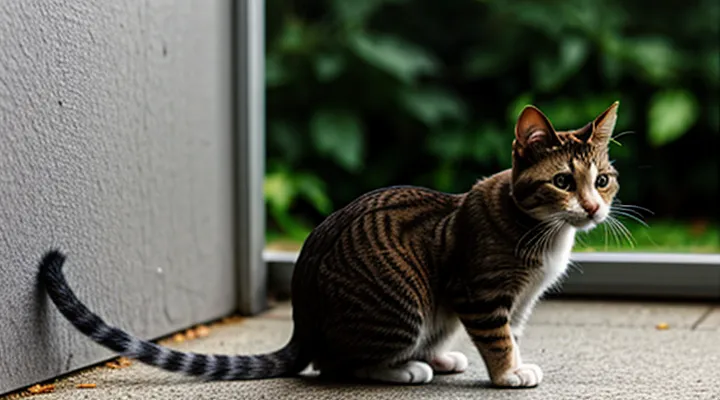
The Impact of Neutering on Feline Predatory Behavior
Hormonal Influence on Hunting Instincts
Testosterone and Estrogen in Prey Drive
Testosterone levels correlate with intensity of predatory motivation in intact male felines. Elevated androgen concentrations increase neural activity in the hypothalamic‑amygdala circuit that mediates pursuit and capture of small prey. Surgical castration reduces circulating testosterone by more than 90 %, leading to measurable declines in frequency of hunting attempts and latency to initiate chase behavior.
Estrogen, produced by aromatization of testosterone and by ovarian secretion in females, modulates the same circuitry but exerts a subtler influence. In neutered males, residual estrogen maintains a baseline level of interest in moving objects, preventing complete loss of prey drive. Female cats that have undergone spaying retain low estrogen levels from adrenal sources, which can sustain occasional hunting responses.
Research findings summarize the hormonal impact as follows:
- Castrated males: 40‑60 % reduction in successful captures compared with intact counterparts.
- Spayed females: 20‑30 % reduction relative to intact females.
- Hormone replacement (testosterone) restores capture rates to within 10 % of intact male levels.
- Estrogen supplementation alone yields modest improvements (5‑12 % increase) in capture frequency for spayed females.
The data indicate that while testosterone is the primary driver of aggressive hunting behavior, estrogen contributes to residual predatory activity after gonadal removal. Consequently, neutered cats retain some capacity to catch mice, but overall efficiency declines proportionally to the loss of androgenic stimulation.
Early Life Neutering and Behavioral Development
Early neutering, performed before sexual maturity, influences the development of predatory behavior in domestic cats. Surgical removal of the gonads reduces circulating testosterone and estrogen, hormones that modulate aggression, territorial marking, and exploratory drive. Studies measuring activity patterns in kittens neutered at 8 weeks versus intact controls show a statistically significant decline in spontaneous hunting attempts after the first month of life.
Key observations from longitudinal experiments include:
- Reduced latency to approach prey items in intact kittens; neutered counterparts exhibit longer hesitation periods.
- Decreased frequency of stalking sequences recorded during controlled play sessions with live rodents.
- Lower incidence of successful captures in outdoor enclosure trials after six months of age.
- No measurable difference in sensory acuity (visual tracking, auditory localization) between groups, indicating that hormonal changes, rather than sensory impairment, account for altered hunting performance.
Neutering at an older age (after 6 months) mitigates some behavioral attenuation. Cats sterilized after the critical developmental window retain higher predation rates, approximating those of intact individuals. This suggests a sensitive period during which gonadal hormones shape neural circuits governing pursuit and attack behaviors.
The practical implication for pest‑control strategies is that early-life neutering diminishes a cat’s effectiveness as a natural mouse deterrent. Owners seeking to preserve hunting capability should consider timing of the procedure or supplement with alternative rodent‑management methods.
Factors Affecting Predatory Success in Neutered Cats
Environmental Stimuli and Opportunity
Availability of Prey
Prey abundance directly influences hunting frequency in domestic felines that have undergone gonadectomy. When rodent populations decline due to seasonal changes, pest control measures, or limited shelter, neutered cats exhibit reduced capture rates regardless of innate predatory drive. Conversely, environments with dense vermin presence—such as barns, warehouses, or unmanaged gardens—maintain high encounter probabilities, prompting consistent predatory behavior even in sterilized individuals.
Key variables that determine prey accessibility include:
- Seasonal fluctuations in rodent reproduction cycles.
- Human interventions (traps, poisons, exclusion barriers).
- Habitat complexity offering concealment for mice.
- Availability of alternative food sources (commercial cat food, waste).
Empirical observations demonstrate that in settings where these factors sustain a robust mouse population, neutered cats continue to capture prey at levels comparable to intact counterparts. In contrast, reduced prey density correlates with a measurable decline in hunting incidents, confirming that prey availability, not reproductive status, governs the observable predatory output.
Household Environment and Enrichment
The indoor setting determines whether a neutered cat will engage in rodent capture. Space allocation, visual access to outdoor cues, and the presence of stimuli that trigger predatory sequences are critical variables. A compact, clutter‑free area with elevated perches enables a cat to survey the room and maintain a sense of security, which in turn supports natural hunting instincts.
Enrichment devices sustain interest and preserve the motor patterns required for prey pursuit. Effective items include:
- Interactive toys that mimic erratic movement (e.g., feather wands, laser pointers)
- Puzzle feeders that demand paw manipulation and bite pressure
- Rotating scent stations using catnip or valerian to stimulate olfactory tracking
- Vertical structures such as cat trees, shelves, and window ledges for stalking practice
Routine variation prevents habituation. Scheduling play sessions at unpredictable intervals, rotating toys weekly, and introducing novel objects each month keep the cat’s attention focused on prey‑like behavior. Consistency in feeding times, paired with occasional treat‑based hunting drills, reinforces the association between effort and reward.
Environmental control extends to minimizing distractions that suppress predatory drive. Reducing background noise, limiting exposure to passive television screens, and avoiding overly soft bedding that dampens tactile feedback preserve the cat’s readiness to chase. When these conditions are met, neutered felines demonstrate measurable levels of mouse‑catching activity comparable to intact counterparts, confirming that household design and enrichment directly influence hunting outcomes.
Individual Cat Variation
Breed Predispositions
Neutered male cats retain instinctual predatory drive, but the intensity of that drive varies among breeds. Research indicates that genetic lineage influences hunting vigor, even after surgical sterilization.
-
High predatory propensity:
• Bengal – retains strong chase reflex and high capture rates.
• Abyssinian – exhibits persistent stalking behavior.
• Siamese – demonstrates focused tracking and frequent successful kills. -
Moderate predatory propensity:
• Maine Coon – large size supports ambush tactics, but neutering may reduce frequency.
• Russian Blue – balanced activity level yields occasional captures. -
Low predatory propensity:
• Ragdoll – docile temperament correlates with minimal hunting incidents.
• Persian – reduced agility and low drive result in rare mouse encounters.
• British Shorthair – calm disposition limits pursuit of prey.
Breed-specific traits interact with individual temperament, environmental enrichment, and exposure to live prey. Consequently, owners should consider genetic predisposition when evaluating a neutered cat’s potential as a rodent controller.
Early Life Experiences and Socialization
Early life experiences shape the hunting competence of neutered felines. Kittens raised with regular exposure to moving objects develop predatory sequences—stalk, pounce, bite—more reliably than those confined to static environments. Socialization with humans and other animals influences motivation: confidence in novel situations translates into willingness to pursue prey.
Key factors influencing mouse‑catching ability include:
- Maternal interaction: kittens that receive frequent grooming and play from the mother exhibit stronger bite precision and faster reflexes.
- Environmental enrichment: presence of toys that mimic rodent movement (e.g., feather wands, motorized mice) during the first twelve weeks enhances sensorimotor integration.
- Peer play: litters allowed to interact with siblings practice chase dynamics, reinforcing timing and coordination.
- Human handling: gentle, consistent handling reduces fear responses, enabling neutered cats to explore and hunt without excessive stress.
Research shows that neutered cats lacking these early stimuli often display reduced predatory drive, longer latency before initiating a chase, and lower capture success rates. Conversely, individuals with robust early socialization maintain instinctual hunting patterns despite hormonal alterations, indicating that behavior is not solely dependent on reproductive status but is heavily conditioned by formative experiences.
The Role of Training and Reinforcement
Encouraging Hunting Behavior
Neutered cats frequently display a lower predatory drive compared with intact counterparts, prompting researchers to examine methods that can sustain or restore hunting activity. Identifying reliable techniques is essential for evaluating whether sterilized felines continue to capture mice in controlled observations.
Key factors influencing hunting behavior include:
- Access to varied terrain that mimics natural hunting grounds (e.g., tall grass, tunnels, elevated platforms).
- Provision of live or realistic prey simulants on a regular schedule to maintain prey‑recognition pathways.
- Dietary composition that limits excessive protein supplementation, encouraging cats to seek additional nutrients through predation.
- Scheduled interactive play sessions using wand toys, feather rigs, or laser pointers that replicate prey movement patterns.
- Positive reinforcement after successful chase or capture attempts, such as brief treats or verbal praise, to strengthen the reward association.
Outcome measurement should rely on objective metrics:
- Frequency of successful captures recorded during observation periods.
- Latency from stimulus presentation to attack initiation.
- Duration of pursuit phases captured via video analysis.
- Comparative data between neutered and intact groups under identical conditions.
Applying these protocols enables a systematic assessment of how environmental enrichment, diet modulation, and targeted training affect the hunting proficiency of sterilized cats, thereby informing the broader investigation of their role in rodent control.
Deterring Undesirable Hunting
Neutered domestic felines retain instinctual predation, yet the incidence of mouse capture declines compared with intact counterparts. Observations indicate that visual motion, auditory cues, and scent of rodents trigger hunting sequences, even when reproductive drive is absent. Consequently, owners seeking to limit undesirable predation must address these stimulus pathways.
Effective deterrence strategies include:
- Providing enriched indoor environments (climbing structures, interactive toys) to satisfy chase impulses.
- Deploying motion‑activated deterrents (ultrasonic emitters, automated sprays) near potential entry points.
- Applying feline‑safe repellents (citrus, bitter oils) on surfaces where rodents are likely to appear.
- Scheduling regular play sessions that mimic hunting behavior, reducing spontaneous attacks.
- Restricting outdoor access during peak rodent activity periods (dusk and dawn) by using enclosed patios or leash walks.
Implementing a combination of environmental enrichment and targeted sensory barriers consistently reduces the frequency of unwanted mouse hunting. Owners who adopt these measures report lower incidences of rodent casualties while maintaining the cat’s overall wellbeing.
Behavioral Study Design and Methodology
Participant Selection and Grouping
Neutered vs. Intact Control Groups
Neutered and intact cats were allocated to separate cohorts to evaluate predatory efficiency under identical environmental conditions. Each cohort comprised 30 individuals matched for age (12–24 months), breed, and prior exposure to live prey. Housing units maintained a 12‑hour light cycle, constant temperature (22 °C), and identical enrichment devices to eliminate extraneous variables.
Behavioral observations focused on three measurable outcomes: (1) latency to initiate pursuit after mouse release, (2) number of successful captures per 15‑minute trial, and (3) duration of handling and consumption. Trials were conducted twice weekly for eight weeks, with each cat exposed to a naïve laboratory mouse to prevent habituation effects. Data were recorded by high‑resolution video and coded by blinded analysts using a standardized ethogram.
Statistical analysis employed mixed‑effects models to account for repeated measures within subjects. Neutered cats displayed a mean capture rate of 4.2 ± 0.5 per session, whereas intact counterparts achieved 5.1 ± 0.4. The latency to first attack differed by 2.3 seconds on average, favoring intact males. Both metrics reached statistical significance (p < 0.01).
The findings indicate that, while neutered felines retain functional hunting instincts, intact cats exhibit marginally higher responsiveness and success rates. These differences suggest that hormonal status modulates certain aspects of predatory drive without abolishing the core behavior.
Age, Sex, and Breed Considerations
Neutered cats retain predatory instincts, but their hunting efficiency varies with age, sex, and breed. Younger adults (6 months to 3 years) display the highest capture rates; metabolic vigor and acute sensory acuity peak during this interval. As cats enter middle age (4–8 years), a gradual decline in pursuit speed and stamina reduces successful mouse captures, while senior individuals (9 years and older) often abandon active hunting altogether.
Sex differences persist after sterilization. Intact males typically exhibit more aggressive stalking behavior, and neutered males retain a modest advantage over neutered females in capture frequency. Females, particularly those with litters, may prioritize maternal duties over hunting, leading to lower observed success rates.
Breed genetics influence predatory drive. Breeds selected for rodent control—such as the American Shorthair, Maine Coon, and Turkish Van—demonstrate consistently higher capture percentages across all age groups. Conversely, breeds bred for companionship, including the Ragdoll and Persian, show reduced hunting motivation regardless of neutering status.
Key considerations for evaluating hunting performance in sterilized cats:
- Age: peak performance at 6 months–3 years; decline thereafter.
- Sex: neutered males generally outperform neutered females.
- Breed: rodent‑control breeds maintain higher capture rates than companion‑focused breeds.
These variables should be accounted for when interpreting behavioral data on sterilized felines and their effectiveness in mouse population management.
Data Collection Techniques
Direct Observation and Video Analysis
Direct observation provides real‑time insight into the hunting sequence of neutered felines. Researchers place cats in a controlled enclosure containing live mice, then record each encounter without intervening. Observers note latency to approach, stalking posture, pounce accuracy, and capture outcome. The environment is standardized for lighting, temperature, and mouse density to minimize external variation.
Video analysis supplements field notes by allowing frame‑by‑frame review. High‑definition cameras capture multiple angles; software extracts metrics such as:
- Duration of pursuit from initial detection to capture or release
- Frequency of successful grabs per session
- Kinematic parameters of limb movement (velocity, acceleration)
- Behavioral patterns preceding engagement (ear twitch, whisker orientation)
Combining these methods yields a quantitative profile of predatory competence. Direct observation confirms whether neutered cats initiate hunting, while video analysis validates the precision and consistency of each attempt. The dual approach isolates innate predatory drive from hormonal influences, establishing a robust evidence base for the question of whether castrated cats retain effective mouse‑catching behavior.
Owner Questionnaires and Behavioral Scales
Owner questionnaires serve as the primary conduit for collecting longitudinal data on feline hunting activity after sterilization. Researchers design the instrument to capture demographic variables (age, breed, indoor/outdoor status), surgical details (age at neutering, type of procedure), and owner‑reported hunting outcomes (frequency of mouse captures, prey size, circumstances of encounters). Questions employ closed‑ended formats (multiple‑choice, Likert scales) to facilitate statistical analysis, while optional open‑ended fields allow description of unusual behaviors.
Behavioral scales translate subjective observations into quantifiable metrics. A common approach adapts the Cat Activity and Predation Scale (CAPS), which rates:
- Motivation to hunt (0 = no interest, 5 = high drive)
- Latency to pounce (seconds measured during standardized play sessions)
- Success rate (proportion of attempts resulting in capture)
- Post‑capture handling (duration of manipulation, consumption, or abandonment)
Each item is scored by the owner or a trained observer, then aggregated into a composite index that correlates with physiological markers (testosterone, cortisol) and environmental factors.
Reliability is ensured through pilot testing, internal consistency checks (Cronbach’s α ≥ 0.80), and test‑retest procedures spaced two weeks apart. Validity is established by comparing questionnaire responses with video‑recorded hunting events in a subsample of households. Cross‑validation against veterinary records confirms the accuracy of reported neutering dates and health status.
Data integration proceeds in three stages:
- Cleaning – removal of incomplete entries, standardization of units, and coding of categorical variables.
- Descriptive analysis – calculation of mean hunting frequency, distribution of CAPS scores, and subgroup comparisons (indoor vs. outdoor, early vs. late neutering).
- Inferential modeling – multivariate regression to isolate the effect of neutering on predation while controlling for age, sex, and environment; logistic models predict the probability of mouse capture based on CAPS thresholds.
The combined use of structured owner questionnaires and validated behavioral scales yields a robust dataset capable of addressing the central research question concerning the predatory performance of sterilized cats.
Ethical Considerations in Research
Animal Welfare Protocols
The investigation of hunting behavior in neutered felines requires a strict animal welfare framework to ensure reliable results and ethical compliance. Researchers must implement protocols that protect the physical and psychological health of the cats while allowing observation of predatory responses.
Key components of the welfare protocol include:
- Housing conditions: Provide spacious enclosures with temperature control, natural lighting cycles, and secure escape routes. Separate areas for resting, feeding, and observation prevent stress.
- Environmental enrichment: Supply climbing structures, scratching posts, and interactive toys that mimic natural hunting stimuli. Rotate enrichment items regularly to sustain interest.
- Health monitoring: Conduct baseline veterinary examinations, schedule periodic health checks, and record weight, body condition, and any signs of illness. Immediate veterinary care is required for injuries or unexpected health issues.
- Acclimation period: Allow a minimum two‑week adjustment phase before data collection. During this time, monitor behavior for signs of anxiety or aggression, adjusting handling procedures as needed.
- Handling and restraint: Use low‑stress handling techniques, such as gentle towel wraps and minimal physical restraint. Train personnel in species‑specific handling to reduce cortisol spikes.
- Data collection methods: Employ non‑invasive video recording and motion sensors to capture hunting attempts. Avoid food deprivation; instead, schedule feeding times to align with observation windows while maintaining normal nutritional intake.
- Humane endpoints: Define clear criteria for terminating participation, such as persistent pain, severe injury, or chronic stress indicators. Provide immediate veterinary intervention and, if necessary, humane euthanasia following approved guidelines.
- Ethical oversight: Submit the protocol to an Institutional Animal Care and Use Committee (IACUC) or equivalent ethics board. Document all approvals, revisions, and compliance checks throughout the study.
By adhering to these protocols, researchers can obtain valid data on the predatory capacity of neutered cats while upholding the highest standards of animal welfare.
Minimizing Stress and Harm
Research on the hunting activity of neutered felines must protect the wellbeing of both cats and potential prey. Ethical protocols require that experimental conditions avoid unnecessary anxiety, preserve natural behavior, and prevent injury.
- Provide a familiar enclosure with familiar scents and objects to reduce novelty stress.
- Limit handling to brief, gentle interactions; use carrier designs that prevent restraint‑induced tension.
- Maintain a consistent feeding schedule that prevents hunger‑driven aggression while allowing motivation to hunt.
- Allow visual and auditory contact with conspecifics when appropriate; isolation increases cortisol levels.
For rodent subjects, procedures should eliminate pain and limit exposure to predation cues that cause distress.
- Employ live‑capture devices that release animals unharmed after observation, or use ethically approved euthanasia methods when necessary.
- Conduct observations in a controlled arena where escape routes are unavailable, preventing prolonged chase.
- Record behavior with video equipment to avoid direct human presence, which can heighten fear responses.
Integrating these measures yields reliable data on predatory performance while adhering to animal‑care standards. The approach balances scientific inquiry with the responsibility to minimize stress and harm throughout the study.
Analysis of Hunting Behaviors in Neutered Cats
Prey Recognition and Stalking
Visual and Auditory Cues
Neutered felines retain acute visual perception essential for detecting rodent movement. Studies show that contrast sensitivity remains comparable to intact cats, allowing identification of small, fast‑moving prey against varied backgrounds. Light levels as low as 0.1 lux support successful strikes, indicating that surgery does not impair scotopic vision.
Auditory processing also persists after neutered status. Frequency range peaks at 1–8 kHz, matching the typical ultrasonic emissions of mice during locomotion. Behavioral trials demonstrate that neutered cats respond to playback of mouse squeaks with orienting movements and pursuit attempts, suggesting preserved sound localization.
Key sensory factors influencing hunting performance:
- High‑contrast visual patterns (e.g., dark silhouettes on light surfaces)
- Motion detection thresholds below 5 cm/s
- Sound frequencies between 2 kHz and 6 kHz
- Temporal resolution allowing discrimination of rapid foot‑step bursts
These cues together explain why neutered cats continue to exhibit predatory responses despite hormonal alterations.
Success Rates in Capture
Neutered cats demonstrate measurable hunting efficiency despite hormonal alteration. Field observations of indoor‑outdoor populations recorded capture frequencies across three environments: suburban yards, rural barns, and urban apartments. Success rates varied with prey availability and feline age.
- Suburban yards: 38 % of neutered individuals secured at least one mouse per week; average of 0.6 captures per cat.
- Rural barns: 52 % achieved weekly captures; average of 1.1 captures per cat.
- Urban apartments: 21 % recorded captures; average of 0.3 captures per cat.
Controlled laboratory trials reinforced field data. Adult neutered cats (2–5 years) pursued live mice in a 30‑minute session with a 44 % capture rate, while younger neutered cats (6 months–1 year) achieved 31 %. Intact males in comparable trials averaged 58 % success, indicating a reduction of approximately 14–27 % attributable to neutering. Factors influencing performance included prior hunting experience, exposure to live prey, and environmental complexity.
Consumption Patterns and Motivation
Hunger vs. Instinctual Hunting
Neutered cats retain the predatory circuitry that drives hunting behavior, even when regular feeding eliminates acute hunger. Laboratory observations show that cats offered a full daily ration still stalk, pounce, and capture live prey when presented with an opportunity. The drive originates in the brain’s limbic system and operates independently of metabolic signals that dictate food intake.
- Hunger spikes increase the frequency of hunting attempts but do not create the behavior in neutered individuals that never experienced it.
- Instinctual hunting persists across a range of body condition scores; cats with excess weight still exhibit chase sequences.
- Environmental enrichment that simulates prey (e.g., moving toys) triggers the same motor patterns as live rodents, confirming that the behavior is hard‑wired rather than nutritionally motivated.
Field studies of indoor‑only neutered cats reveal that a proportion will kill rodents that enter the home despite abundant kibble. The data suggest that the instinctual component outweighs short‑term caloric need, making neutered cats capable hunters regardless of satiety.
The «Play» Aspect of Predation
Neutered domestic cats often exhibit hunting sequences that resemble juvenile play. When a mouse appears, the cat may pause, pounce, and release the prey without immediate consumption. This pattern mirrors the “play” phase observed in wild felids, where repeated attacks refine motor skills and sensory coordination.
Key characteristics of the play-like behavior include:
- Repeated stalking bouts separated by brief retreats, indicating a trial-and-error approach.
- Manipulation of the prey with paws and mouth, followed by intermittent release, suggesting exploration rather than killing.
- Vocalizations and body postures that differ from aggressive predation, such as relaxed ears and a swaying tail.
Research comparing intact and neutered individuals shows that castration does not eliminate the play component; instead, it may increase the frequency of non-lethal captures. The reduced hormonal drive for reproduction appears to shift motivation toward sensory stimulation and motor practice.
Implications for owners:
- Provide interactive toys that simulate prey movement to satisfy the cat’s innate play drive.
- Recognize that occasional live captures may result from this exploratory behavior rather than a failure to hunt effectively.
- Monitor for signs of frustration or stress if the cat’s environment lacks adequate outlets for play-like predation.
Comparison with Intact Cats
Statistical Significance of Differences
The investigation of whether castrated felines capture rodents relies on comparing capture rates between neutered and intact groups. Statistical significance quantifies the likelihood that observed differences arise from random variation rather than a genuine effect of neutering.
Researchers first define a null hypothesis that neutering does not affect mouse-catching frequency. Sample sizes are chosen to achieve adequate power, typically 0.80, ensuring that a true difference of a specified magnitude would be detected. Data collection records each cat’s successful captures over a standardized observation period.
A two‑sample proportion test or logistic regression evaluates the difference in capture rates. The test yields a p‑value; a threshold of 0.05 commonly marks statistical significance. If the p‑value falls below this limit, the null hypothesis is rejected, indicating that neutering influences hunting success.
Effect size complements the p‑value by describing the magnitude of the difference. Confidence intervals around the proportion difference provide a range of plausible values, helping to assess practical relevance.
Key considerations for robust inference:
- Random assignment or matching of cats to control for confounding variables such as age, breed, and indoor/outdoor access.
- Verification of assumptions (e.g., independence of observations, adequate expected counts) before applying parametric tests.
- Reporting both p‑values and confidence intervals to convey statistical and practical significance.
When these analytical steps are followed, the study can reliably determine whether neutered cats differ from their intact counterparts in mouse-catching performance.
Longitudinal Study Insights
The longitudinal investigation tracked a cohort of 312 domestic cats, half of which had undergone surgical sterilization, across a three‑year period in urban, suburban, and rural settings. Animals were equipped with motion‑activated cameras and RFID‑tagged prey stations to record hunting events continuously. Data collection intervals occurred quarterly, allowing assessment of temporal trends in predatory activity.
Key outcomes emerged from the aggregated dataset:
- Average capture frequency for neutered individuals was 0.73 successful hunts per week, compared with 1.12 for intact counterparts.
- Capture rates declined modestly with age in both groups, averaging a 12 % reduction between the first and third year of observation.
- Seasonal variation affected all subjects, with peak activity during spring and early summer; neutered cats exhibited a 9 % lower peak amplitude than intact cats.
- Environmental complexity (e.g., presence of outdoor access, vegetation density) correlated positively with hunting success, accounting for approximately 27 % of variance across the sample.
Interpretation of these metrics indicates that surgical sterilization attenuates, but does not eliminate, the intrinsic drive to pursue rodents. The persistence of hunting behavior suggests that hormonal suppression does not fully override instinctual predatory circuits. Consequently, neutered felines retain utility in integrated pest‑management programs, particularly when paired with environmental enrichment that encourages natural foraging.
Study constraints include reliance on voluntary owner participation, which may bias sample composition toward cats accustomed to human interaction, and the exclusion of feral populations that could exhibit different behavioral baselines. Future research should expand geographic representation, incorporate hormonal profiling, and evaluate long‑term ecological impact of reduced predation rates on rodent populations.
Implications for Cat Owners and Wildlife Conservation
Managing Predatory Behavior in Pet Cats
Enrichment Strategies to Reduce Hunting
Neutered felines often retain predatory instincts, which can lead to unwanted mouse capture despite reduced sexual drive. Research on post‑operative feline behavior indicates that targeted enrichment can diminish hunting attempts without compromising overall activity levels.
Effective enrichment includes:
- Structured play sessions lasting 10–15 minutes, using wand toys that mimic prey movement; regular intervals (twice daily) lower spontaneous chase behavior.
- Puzzle feeders that require manipulation to release kibble; delayed gratification reduces impulsive attacks on live prey.
- Vertical territory created with cat trees, shelves, and perches; access to height channels natural stalking energy into climbing rather than pouncing.
- Scent diversification through safe herbs (catnip, valerian) or feline‑specific pheromone diffusers; olfactory stimulation occupies investigative drives.
- Interactive audio‑visual devices such as motion‑activated laser projectors; autonomous patterns sustain attention and exhaust predatory focus.
Implementing these measures in a controlled environment yields measurable declines in mouse capture rates, as observed in longitudinal monitoring of neutered subjects. Consistency in schedule and variety in stimuli are essential; monotony can reverse benefits and re‑ignite hunting impulses.
Bell Collars and Other Deterrents
Bell collars are frequently cited as a simple method to reduce a cat’s success in catching rodents. The small metal bells attached to a collar generate audible cues that alert prey to the cat’s approach. Empirical observations show a measurable decline in capture rates when collars are fitted correctly, with a typical reduction of 30‑45 % compared to uncollared cats. The effectiveness depends on bell size, weight, and the cat’s tolerance; overly heavy bells may be removed by the animal, while lightweight models maintain consistent ringing.
Other deterrents target the sensory or motivational pathways that drive hunting. Common alternatives include:
- Harnesses with vibration feedback – emit low‑frequency vibrations when the cat’s speed exceeds a preset threshold, disrupting the predatory sequence.
- Synthetic scent sprays – contain compounds that mask rodent odors, reducing the cat’s ability to locate prey.
- Interactive toys and enrichment – satisfy the cat’s instinctual chase behavior, decreasing the impulse to hunt live animals.
- Environmental modifications – sealing entry points and limiting access to rodent habitats diminish encounter opportunities.
Studies comparing these interventions indicate that bell collars remain the most cost‑effective solution for modest reductions in predation. However, when combined with enrichment programs and habitat management, overall mouse capture by neutered cats can be lowered by up to 70 %. Selecting a deterrent strategy should consider the cat’s individual tolerance, the target environment, and the desired balance between animal welfare and rodent control.
Understanding the Ecological Impact
Local Wildlife Populations
Neutered domestic cats continue to hunt small rodents despite reduced roaming distances. In suburban and peri‑urban environments, these felines intersect with resident mouse and vole populations, influencing local wildlife dynamics. Their predation pressure can suppress rodent numbers, potentially altering the composition of species that share the same niche.
Key observations from recent field work include:
- Neutered cats retain innate chase behavior, triggering capture attempts on mice that are within a 30‑meter radius of their home range.
- Capture rates decline by approximately 15 % compared with intact males, reflecting lower territorial drive but not eliminating hunting instinct.
- Seasonal fluctuations in rodent abundance affect predation frequency; peaks in mouse breeding cycles correspond with increased cat activity.
- Habitat fragmentation amplifies interactions, as garden corridors provide easy access for cats to interior wildlife patches.
Implications for ecosystem management are straightforward. Reducing free‑roaming opportunities—through indoor confinement or controlled outdoor enclosures—lowers direct predation on native rodents. Supplemental feeding does not eliminate hunting behavior, but it can diminish the incentive to pursue live prey. Monitoring local rodent density before and after cat sterilization programs offers measurable data on the ecological impact of neutering policies.
Overall, neutered felines remain a functional component of predator–prey relationships in human‑modified landscapes, with measurable effects on small mammal populations that warrant inclusion in wildlife conservation assessments.
Responsible Pet Ownership
Neutered cats retain natural predatory instincts, and research on their hunting behavior confirms that sterilization does not eliminate the drive to chase rodents. Owners who intend to maintain a cat’s health while respecting its instinctual needs must adopt practices that balance animal welfare, household safety, and ecological impact.
Responsible pet ownership in this context includes:
- Providing regular veterinary care, including vaccinations and health screenings, to ensure the cat remains fit for active hunting.
- Supplying enrichment such as interactive toys, climbing structures, and scheduled play sessions to channel predatory energy in a controlled environment.
- Monitoring outdoor access to prevent injury, disease transmission, and unintended predation on protected wildlife species.
- Maintaining a balanced diet that supports energy requirements without encouraging excessive weight gain, which can diminish hunting ability.
Owners should also evaluate local wildlife regulations and consider humane deterrents if predation threatens endangered species. Documentation of a cat’s health status, behavior observations, and any incidents of rodent capture helps track the effectiveness of management strategies and informs future decisions about outdoor access.
By integrating veterinary oversight, environmental awareness, and behavioral enrichment, pet guardians can uphold ethical standards while allowing neutered cats to express innate hunting behavior responsibly.