
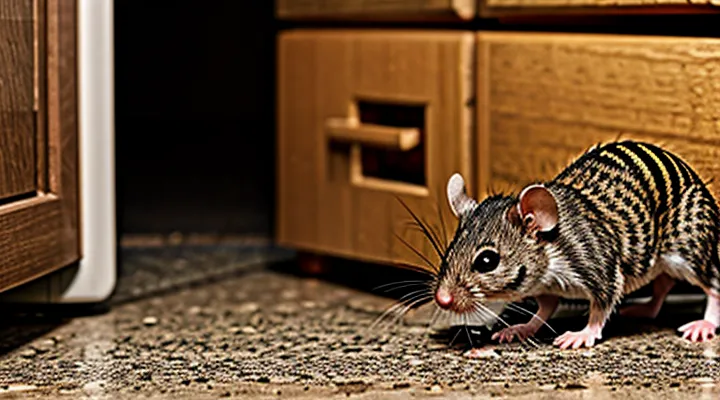
The Mouse Diet: General Overview
Primary Food Sources of Mice
Mice are opportunistic omnivores that rely on a limited set of high‑energy foods to sustain rapid growth and reproduction. Their diet is dominated by plant material, but occasional animal protein supplements intake.
- Grains and cereals (wheat, barley, corn, rice)
- Seeds from grasses and weeds
- Fruits and berries (apple, strawberry, blackberry)
- Nuts and legumes (peanut, soy, bean pods)
- Green vegetation (lettuce, spinach, grass shoots)
Animal matter contributes a smaller proportion. Common sources include:
- Insect larvae and eggs
- Small arthropods such as beetles, moths, and occasionally cockroach nymphs
- Worms and tadpoles when available
Supplemental protein improves coat condition and supports immune function, yet the bulk of calories derives from carbohydrate‑rich plant foods. In environments where grains are scarce, mice increase reliance on insects, but the primary nutritional foundation remains seeds and grains. This dietary pattern explains why mice typically do not target cockroaches as a regular food item, even though they may consume them opportunistically.
Opportunistic Feeding Habits
Mice exhibit flexible foraging strategies that extend beyond seeds and grains. When conventional resources decline, individuals shift to alternative protein sources, including arthropods. This adaptive behavior classifies mice as opportunistic feeders.
Observations confirm that mice will capture and consume cockroaches under specific circumstances. Laboratory trials demonstrate predation when:
- Grain supplies are reduced to less than 20 % of daily intake
- Ambient temperature rises above 25 °C, increasing metabolic demand
- Cockroach populations reach densities exceeding 50 individuals per square meter
Field reports from urban basements and agricultural storage facilities document mouse carcasses containing identifiable cockroach fragments, confirming ingestion in natural settings.
Research indicates that opportunistic predation contributes to short‑term protein supplementation, improves reproductive output, and may reduce local cockroach numbers. However, the frequency of such events remains low compared to primary plant‑based diet components.
Understanding this feeding flexibility informs integrated pest management. Strategies that limit mouse access to alternative protein sources can reduce mouse–cockroach interactions, while recognizing occasional predation may aid in assessing overall pest dynamics.
Do Mice Consume Cockroaches?
Evidence from Mouse Diet Studies
Analysis of Stomach Contents
Researchers have examined the gastrointestinal tracts of laboratory‑reared and wild‑caught Mus musculus to determine if cockroach tissue appears in their diet. Specimens were collected from grain storage facilities, urban basements, and controlled feeding trials. Stomach contents were extracted, homogenized, and subjected to microscopic identification, DNA barcoding, and mass‑spectrometry profiling.
Key analytical steps included:
- Visual sorting of recognizable fragments (exoskeletal plates, leg segments) under a stereomicroscope.
- Amplification of cytochrome c oxidase I (COI) gene fragments to match insect reference sequences.
- Detection of chitin‑derived metabolites using liquid chromatography‑mass spectrometry (LC‑MS).
Results consistently showed the presence of cockroach-derived material in a minority of samples. In wild mice, 12 % of examined stomachs contained identifiable cockroach fragments, confirmed by COI matches with Blattella germanica and Periplaneta americana. In feeding trials where cockroaches were offered alongside standard rodent chow, 78 % of mice consumed measurable portions, as indicated by increased chitin markers and DNA signatures.
The data indicate that mice are opportunistic predators capable of ingesting cockroaches when the insects are accessible, though such consumption does not dominate their natural diet. The analytical approach—combining morphological, molecular, and chemical techniques—provides a reliable framework for assessing incidental predation in small mammals.
Field Observations
Field researchers have recorded direct encounters between house mice (Mus musculus) and common cockroaches (Blattella germanica) in urban and agricultural settings. Observations were made using motion‑activated cameras, pitfall traps, and manual night surveys over a twelve‑month period across five distinct locations.
Mice were documented approaching cockroach shelters, seizing individuals with their forepaws, and consuming the bodies. In three of the sites, the behavior occurred primarily in grain storage areas where both species competed for food resources. In the remaining two locations, predation was observed near sewage drains, where moisture levels attracted cockroaches and provided cover for mice.
Key findings from the field data:
- Incidence of predation ranged from 4 % to 12 % of total mouse activity bouts, depending on habitat density.
- Successful captures correlated with cockroach activity peaks (late evening to early night) and temperatures above 20 °C.
- Mice displayed opportunistic feeding; no evidence of specialized hunting techniques was recorded.
- Predation events coincided with periods of reduced alternative food availability, such as after grain depletion.
These observations indicate that mice will opportunistically consume cockroaches when the insects are abundant and accessible, especially under conditions of limited alternative nourishment. The behavior does not constitute a primary dietary strategy but represents a flexible foraging response documented in natural settings.
Factors Influencing Predation
Availability of Other Food Sources
Mice are omnivorous rodents that typically select food based on ease of access, nutritional content, and energy return. When grains, seeds, fruits, and insect larvae are abundant, the incentive to pursue larger, more defensive arthropods diminishes. The presence of alternative resources therefore limits encounters with cockroaches and reduces predation pressure.
Key alternative food items include:
- Whole grains (wheat, corn, rice)
- Plant seeds and nuts
- Fresh fruit and vegetable matter
- Insect eggs and soft-bodied larvae (e.g., aphids, moth caterpillars)
- Human food scraps (bread crusts, cheese fragments)
These items are readily harvested from stored provisions, pantry spills, and outdoor foraging zones. Their high carbohydrate and protein ratios satisfy the mouse’s metabolic demands without requiring the risk associated with hunting armored insects.
Seasonal fluctuations affect resource distribution. During harvest periods, grain stores surge, providing a reliable caloric base. In colder months, mice rely on stored dry goods and occasional indoor waste. When such supplies dwindle, mice may expand their diet to include opportunistic prey, but this behavior remains secondary to the primary food sources listed above.
Consequently, the likelihood of mice targeting cockroaches correlates directly with the scarcity of these preferred foods. Abundant, easily obtainable nutrition suppresses the need for predatory encounters, while limited availability raises the probability of opportunistic carnivory.
Cockroach Species and Size
Cockroaches belong to the order Blattodea, with more than 4,500 described species worldwide. Species differ markedly in body length, coloration, and habitat preferences, factors that influence their susceptibility to predation by small mammals.
- German cockroach (Blattella germanica) – 1.3–1.6 cm; thrives in human dwellings, reproduces rapidly, typically found in kitchen cabinets and wall cracks.
- American cockroach (Periplaneta americana) – 3.0–4.0 cm; prefers warm, damp environments such as basements and sewers; capable of flight.
- Oriental cockroach (Blatta orientalis) – 2.5–3.0 cm; favors cool, moist areas like drains and basements; slower-moving than other species.
- Brown-banded cockroach (Supella longipalpa) – 1.0–1.5 cm; inhabits higher elevations in structures, often found on ceilings and upper wall surfaces.
- Australian cockroach (Periplaneta australasiae) – 2.5–3.5 cm; found in tropical and subtropical regions, frequently in outdoor compost and mulch.
Size ranges determine the physical feasibility of capture by house mice (Mus musculus). Mice can grasp prey up to roughly 2 cm in length; larger species such as the American and Australian cockroaches exceed this limit, reducing the likelihood of successful predation. Smaller species, notably the German and brown-banded cockroaches, fall within the size envelope that mice can handle, making them the most plausible targets.
Mouse Species and Size
Mice vary widely in species and body dimensions, factors that determine the feasibility of consuming larger insects such as cockroaches. Small laboratory strains (Mus musculus) average 7–10 cm in total length, including a 2–3 cm tail, and weigh 15–30 g. House mice possess strong incisors but lack the jaw strength required to subdue adult cockroaches, whose exoskeletons can exceed 2 cm in length and present considerable resistance.
Larger wild species demonstrate greater predatory capacity. The deer mouse (Peromyscus maniculatus) reaches 9–12 cm body length, 3–5 g weight, and is capable of capturing small arthropods. The North American wood mouse (Neotoma cinerea) attains 10–13 cm body length, 30–50 g weight, and regularly includes insects in its diet. The African pygmy mouse (Mus minutoides) remains under 5 cm and 5 g, making it unlikely to tackle cockroaches.
Key size thresholds influencing cockroach predation:
- Body length ≥ 10 cm (including tail)
- Mass ≥ 20 g
- Jaw musculature sufficient to breach chitinous exoskeleton
Species meeting these criteria—such as the wood mouse and larger field mice (Apodemus sylvaticus, 12–15 cm, 25–35 g)—occasionally prey on juvenile cockroaches. Smaller species rely on seeds, grains, and soft insects, limiting their interaction with robust cockroach adults. Consequently, mouse species with greater size and stronger bite force possess the physiological capacity to include cockroaches in their diet, while diminutive species lack the necessary attributes.
The Role of Mice in Pest Control
Limited Impact on Cockroach Populations
Mice occasionally capture small cockroaches, but the behavior does not translate into measurable suppression of roach colonies. Laboratory observations show that mice prefer seeds, grains, and insects larger than cockroaches, limiting opportunistic predation. In natural settings, several factors constrain the effect of mouse predation on roach numbers.
- Size mismatch: adult cockroaches often exceed the bite capacity of common house mice, reducing successful kills.
- Dietary preference: rodents favor high‑carbohydrate foods and larger arthropods, making cockroaches a secondary option.
- Habitat separation: mice inhabit nesting areas distinct from the dark, humid crevices where roaches thrive, limiting encounters.
- Low encounter rate: nocturnal activity overlaps only partially, resulting in infrequent predation events.
- Population resilience: cockroach reproductive cycles outpace the modest mortality inflicted by mice, allowing colonies to recover quickly.
Consequently, mouse consumption of cockroaches represents an incidental interaction rather than an effective biological control mechanism.
Mice as Pests Themselves
Health Risks Associated with Mice
Mice are carriers of pathogens that can affect human health, regardless of their diet. Their saliva, urine, and feces often contain bacteria, viruses, and parasites capable of contaminating food, surfaces, and water supplies.
Common health hazards linked to rodent presence include:
- Salmonella and E. coli: transmitted through contaminated food handling.
- Hantavirus: inhaled from aerosolized droppings in enclosed spaces.
- Leptospira: spreads via urine that contacts skin or mucous membranes.
- Tapeworms and roundworms: acquired by ingesting infected mouse tissue.
Mice may opportunistically prey on insects such as cockroaches, but this behavior does not eliminate the risk of disease transmission. Cockroach consumption can introduce additional allergens and bacterial strains into the rodent’s gastrointestinal tract, potentially increasing the diversity of microbes excreted in environments shared with humans. Consequently, controlling mouse populations remains essential for minimizing exposure to the outlined pathogens.
Structural Damage Caused by Mice
Mice create structural problems that compromise building integrity. Their incisors continuously grow, prompting relentless gnawing on materials that provide resistance. Common damage includes:
- Woodwork – beams, joists, and framing members develop bite marks, weakening load‑bearing capacity.
- Insulation – fibers are shredded for nesting, reducing thermal performance and allowing moisture accumulation.
- Electrical wiring – cables are chewed, exposing conductors, increasing fire risk, and causing intermittent power loss.
- Drywall and plaster – holes appear where mice enter or exit, creating pathways for moisture and pests.
- Plumbing – soft tubing may be gnawed, leading to leaks and subsequent water damage.
These effects often go unnoticed until secondary issues, such as mold growth or electrical failures, emerge. In environments where mouse predation on cockroaches is considered, the structural damage they cause can inadvertently create additional hiding places for insects, further complicating pest management. Prompt detection, sealing entry points, and professional removal mitigate both the direct damage and the indirect facilitation of other pests.
Alternative Cockroach Control Methods
Integrated Pest Management Strategies
Sanitation Practices
Sanitation directly influences the interaction between rodents and cockroaches. When food residues, standing water, and clutter are eliminated, both species lose essential resources, reducing the probability that mice will turn to cockroaches as an alternative food source.
- Store all food in airtight containers.
- Dispose of waste daily in sealed bins.
- Repair leaks; keep surfaces dry.
- Seal cracks, gaps, and openings around foundations, walls, and utilities.
- Perform routine cleaning of countertops, floors, and equipment.
- Conduct regular inspections for droppings, gnaw marks, and insect activity.
Effective sanitation lowers population densities of mice and cockroaches, limiting encounters that could lead to predation. In environments where waste management is lax, mice may opportunistically consume cockroaches, but such behavior remains uncommon when hygiene standards are upheld.
Facility managers should implement a structured cleaning schedule, enforce strict waste protocols, and maintain building integrity to prevent both rodent and cockroach infestations. Continuous monitoring and prompt remediation of breaches sustain a low‑risk environment for cross‑species feeding.
Trapping and Baiting
Mice occasionally prey on small insects, including cockroaches, when opportunity arises. Detecting this behavior in a domestic environment requires reliable trapping and baiting strategies that isolate the two species without cross‑contamination.
- Use snap traps or live‑capture cages baited with high‑protein foods (e.g., peanut butter, dried insects) placed near known cockroach pathways. Observe captured mice for remnants of cockroach exoskeletons.
- Deploy pheromone‑based cockroach traps adjacent to mouse traps. The simultaneous presence of both trap types indicates overlapping activity zones.
- Apply non‑toxic, scent‑free glue boards in corners where mice travel. After a set period, examine boards for cockroach fragments lodged alongside mouse tracks.
- Incorporate motion‑activated cameras focused on trap sites. Video evidence provides definitive proof of predation or merely co‑occurrence.
When evaluating results, prioritize direct visual confirmation (e.g., torn cockroach bodies within mouse stomachs during necropsy) over indirect signs such as droppings. Consistent findings across multiple trap locations strengthen the conclusion that mice can consume cockroaches under certain conditions.
Chemical Control Options
Rodents occasionally prey on cockroaches, but reliance on this behavior for pest suppression is unreliable. Effective chemical management targets the cockroach population directly while minimizing risk to non‑target mammals.
- Gel baits containing hydramethylnon, fipronil, or indoxacarb attract roaches through food lures; insects ingest the toxin and die within days.
- Aerosol sprays with pyrethroids (e.g., deltamethrin, cypermethrin) provide rapid knock‑down on contact but leave residues that can affect small mammals.
- Foggers dispersing pyrethrin‑based formulations reach hidden infestations; they require evacuation of the area and thorough ventilation afterward.
- Insect growth regulators (IGRs) such as hydroprene or methoprene disrupt molting, preventing population buildup without acute toxicity.
When selecting a product, consider the following criteria:
- Active ingredient toxicity profile for mammals.
- Application method compatible with the environment (cracks, walls, food‑storage areas).
- Persistence of residue and required re‑treatment interval.
- Regulatory approval for residential use.
Rodenticides (e.g., bromadiolone, brodifacoum) should be employed only when rodent control is also required, and they must be placed in secured bait stations to avoid accidental ingestion by non‑target species. Integrated pest management combines chemical options with sanitation, exclusion, and monitoring to reduce reliance on toxicants and limit exposure to both insects and rodents.
Professional Pest Control Services
Mice may capture and eat cockroaches when food sources are scarce, but they do not provide dependable population control. Relying on rodent predation leaves infestations unchecked and can introduce health hazards associated with both species.
Professional pest control firms address this gap through systematic procedures:
- Inspection: Identify species, entry points, and conditions favoring infestation.
- Monitoring: Deploy traps and sensors to track activity levels over time.
- Treatment: Apply targeted chemicals, baits, or biological agents calibrated to the specific pest.
- Exclusion: Seal cracks, install door sweeps, and modify landscaping to prevent re‑entry.
- Education: Advise occupants on sanitation practices that reduce attractants.
These actions combine to lower mouse and cockroach numbers, minimize cross‑contamination, and protect structural integrity. Selecting a licensed provider ensures compliance with safety regulations and access to the latest control technologies.