
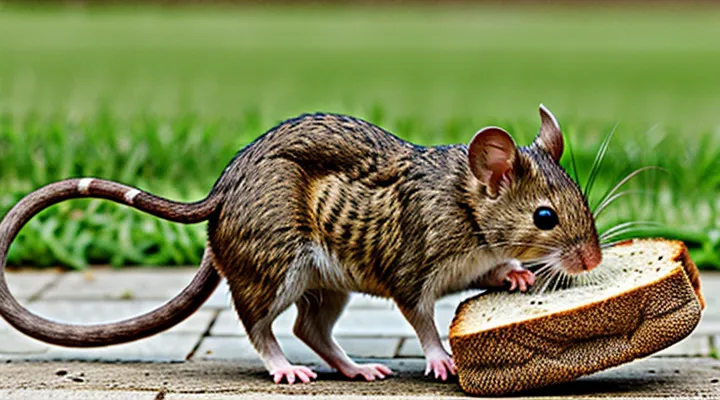
«Understanding Rodent Dietary Habits»
«Mice and Human Food: A General Overview»
«Why Mice are Attracted to Human Food»
Mice are drawn to human food because it offers high‑energy nutrients that are scarce in their natural diet. Crumbs, discarded leftovers, and pantry items present concentrated sources of carbohydrates, fats, and proteins, which mice readily detect through olfactory and gustatory receptors tuned to sweet and fatty compounds.
The attraction stems from several biological and behavioral factors:
- Olfactory cues – volatile aromas from cooked or processed foods activate mouse scent receptors more strongly than plant material.
- Taste preference – receptors for sugars and fats trigger rewarding neural pathways, reinforcing consumption.
- Nutrient density – human food supplies calories per gram far exceeding seeds or grains found in the wild, supporting rapid growth and reproduction.
- Availability – human habitats provide constant, protected access to food residues, reducing foraging effort and exposure to predators.
- Learned association – mice quickly associate specific locations, such as kitchen counters or trash bins, with reliable food sources after a few successful foraging events.
These drivers align with the broader pattern of rodent dietary preferences, where opportunistic species exploit anthropogenic resources that meet their energetic demands. Consequently, mouse populations thrive in environments where human food waste is abundant and poorly managed.
«Common Misconceptions About Mouse Diets»
Mice are frequently portrayed as omnivorous scavengers that readily consume human foods such as bread, cheese, and sweets. Scientific observation shows that their natural diet consists primarily of seeds, grains, insects, and plant material, with occasional opportunistic intake of processed foods when available. This distinction underlies several persistent misconceptions.
Common misconceptions about mouse diets include:
- Bread as a staple – Bread provides little nutritional value for mice; it is high in simple carbohydrates and low in protein and fiber, which are essential for their growth.
- Cheese as a preferred food – While mice may nibble cheese in laboratory settings, it is not a natural or regular component of their diet and can cause digestive issues.
- All human leftovers are safe – Processed foods often contain salts, sugars, and additives that can be harmful to rodents, leading to dehydration or metabolic imbalance.
- Mice thrive on any grain – Certain grains, such as rye or wheat, contain gluten and anti-nutrients that can irritate the gastrointestinal tract; balanced intake of diverse seeds is more appropriate.
- Insects are rarely eaten – In the wild, insects supply crucial protein and micronutrients; captive mice deprived of insects may exhibit deficiencies.
Accurate knowledge of mouse nutritional requirements emphasizes a diet rich in high‑quality seeds, occasional insects, and limited exposure to human‑processed foods. This approach supports healthy growth, reproductive success, and reduces the risk of disease associated with inappropriate feeding practices.
«The Truth About Mice and Bread»
«Nutritional Value of Bread for Mice»
«Carbohydrates and Energy»
Mice obtain most of their caloric intake from carbohydrates, which are hydrolyzed into glucose and funneled into glycolysis. Glucose enters the bloodstream, stimulates insulin release, and fuels cellular respiration via the tricarboxylic acid cycle and oxidative phosphorylation. The efficiency of this pathway yields approximately 4 kcal per gram of carbohydrate, providing a rapid source of energy for locomotion and thermoregulation.
Bread consists primarily of starch, a polysaccharide composed of amylose and amylopectin. Enzymes in the mouse salivary glands and small intestine break starch into maltose and glucose, which are absorbed without extensive modification. Consequently, bread delivers a high‑glycemic load that can elevate blood glucose levels within minutes of ingestion.
Empirical observations of laboratory and field populations reveal consistent patterns:
- Mice readily ingest small pieces of bread when presented alongside standard chow.
- Preference scores increase when bread is moist, reflecting enhanced palatability and easier mastication.
- Excessive consumption leads to transient hyperglycemia, followed by a compensatory rise in insulin secretion.
- Chronic access to high‑starch foods can shift gut microbiota composition toward fermentative species, potentially affecting nutrient absorption efficiency.
These points indicate that carbohydrates in bread satisfy the immediate energetic demands of mice, but sustained intake may alter metabolic regulation and microbial ecology.
«Lack of Essential Nutrients»
Mice readily accept soft, carbohydrate‑rich foods, and plain bread often appears in laboratory and household settings as an accessible option. The crumb’s texture and sweetness stimulate short‑term intake, yet the product’s nutritional profile diverges sharply from the species’ physiological requirements.
Bread consists primarily of refined flour and added sugars, providing calories without the protein, lipids, vitamins, and minerals that support growth, reproduction, and immune competence. When bread replaces a balanced diet, mice encounter several deficits:
- Protein – insufficient supply of essential amino acids for tissue synthesis.
- Calcium and phosphorus – inadequate mineral content for skeletal development and metabolic signaling.
- Vitamin B complex (thiamine, riboflavin, niacin, pyridoxine) – low levels impair energy metabolism and neural function.
- Vitamin D – minimal presence reduces calcium absorption efficiency.
- Essential fatty acids – lack of omega‑3 and omega‑6 fatty acids compromises cell membrane integrity and inflammatory regulation.
These omissions manifest as reduced weight gain, delayed puberty, weakened bone density, and heightened susceptibility to infections. Experimental protocols that rely on bread as a primary feed risk confounding results, while pet owners offering bread as a treat should supplement the animal’s diet with protein‑rich pellets, fortified greens, and appropriate mineral blocks.
Understanding the nutrient gap inherent in bread consumption clarifies why mice, despite occasional enthusiasm for the food, do not thrive when it dominates their intake.
«The Dangers of Feeding Bread to Mice»
«Health Issues and Digestive Problems»
Bread provides carbohydrates that mice can digest, but regular consumption introduces several health risks. High starch content elevates blood glucose, predisposing mice to hyperglycemia and insulin resistance. Persistent hyperglycemia can progress to type 2‑like diabetes, impairing kidney function and reducing lifespan.
Excessive carbohydrate intake disturbs gut microbiota. Fermentation of undigested starch promotes overgrowth of opportunistic bacteria, leading to bloating, gas, and diarrhea. Dysbiosis weakens the intestinal barrier, increasing susceptibility to pathogenic invasion and systemic inflammation.
Dental health suffers when mice chew dense, processed grain products. Hard textures accelerate enamel wear, while sugary residues foster plaque formation and periodontal disease. Chronic oral infections can spread to adjacent tissues, compromising overall health.
Obesity emerges from caloric surplus associated with frequent bread feeding. Fat accumulation in abdominal cavities impairs cardiovascular function, raises blood pressure, and elevates the risk of fatty liver disease. Weight gain also reduces mobility, heightening the chance of injury.
Key concerns linked to bread consumption include:
- Hyperglycemia and insulin resistance
- Microbial imbalance causing gastrointestinal distress
- Dental enamel erosion and periodontal infection
- Obesity‑related metabolic disorders
- Cardiovascular strain and hepatic fatty infiltration
Mitigation strategies involve limiting bread to occasional treats, providing balanced diets rich in protein, fiber, and low‑glycemic carbohydrates, and monitoring body weight and glucose levels regularly.
«Promoting Dependence on Human Food Sources»
Mice readily exploit food offered by humans, and repeated exposure to bakery products accelerates this behavior. When bread is left accessible, mice associate the environment with a reliable energy source, reducing their natural foraging range and increasing site fidelity.
The shift toward anthropogenic nourishment produces several measurable effects:
- Elevated body mass due to high carbohydrate intake, which can impair locomotor efficiency.
- Altered gut microbiota, reflecting a diet richer in processed starches than typical seed or insect meals.
- Increased reproductive output, as caloric surplus shortens gestation intervals and boosts litter size.
- Diminished wariness of human presence, leading to higher encounter rates and greater pest pressure in residential and commercial settings.
Dependence on human-derived sustenance also reshapes population dynamics. Colonies near food storage facilities expand more rapidly than those confined to natural habitats, creating hotspots of infestation that strain control measures. Moreover, reliance on a single nutrient source reduces dietary diversity, making mice more vulnerable to sudden shortages or changes in food availability.
Effective mitigation requires limiting access to edible waste, securing storage containers, and removing crumbs promptly. By eliminating the incentive for rodents to associate human structures with a dependable food supply, their natural foraging patterns are restored, reducing both population pressure and the risk of disease transmission.
«Preferred Natural Food Sources for Mice»
«Grains, Seeds, and Nuts»
Mice regularly consume plant-derived foods, and grains, seeds, and nuts constitute a substantial portion of their natural intake. These items supply carbohydrates, proteins, fats, and essential micronutrients that support growth, reproduction, and thermoregulation.
Grains such as wheat, barley, and oats are readily broken down by the mouse’s incisors and digestive enzymes. Laboratory observations show a preference for softer, freshly milled grains over whole kernels, reflecting the ease of access to starches. Field studies report that stored grain supplies attract mouse populations, leading to measurable damage in agricultural settings.
Seeds provide concentrated energy and are favored when available in mixed foraging environments. Species like sunflower, millet, and canary seed are frequently selected over other plant parts because of their high lipid content and protective husks that facilitate handling. Experimental data indicate that mice will prioritize seeds over comparable amounts of leafy material when both are offered simultaneously.
Nuts, including peanuts, hazelnuts, and almonds, are rich in fats and proteins. Mice possess the ability to gnaw through hard shells, granting access to nutrient-dense kernels. Consumption rates rise sharply when nuts are presented alongside lower-calorie alternatives, suggesting a physiological drive to acquire high-energy resources.
- Grains: primary carbohydrate source, high palatability when milled.
- Seeds: dense in lipids, preferred in mixed diets, easy to handle.
- Nuts: richest in fats and proteins, require incisors to breach shells.
Overall, the inclusion of these three food groups enhances the caloric efficiency of mouse foraging behavior and sustains populations in both wild and domestic environments.
«Insects and Other Protein Sources»
Mice that encounter bread in laboratory or domestic settings often supplement the carbohydrate intake with protein obtained from arthropods and alternative animal matter. In natural habitats, insects constitute a primary source of essential amino acids, vitamins, and minerals, compensating for the low protein content of seed or grain residues. Consumption of insects also provides lipids and chitin, which influence gut microbiota and digestive efficiency.
Typical protein options incorporated by mice include:
- Beetles, especially darkling and ground species
- Larvae of flies and moths
- Crickets and grasshoppers
- Small annelids such as earthworms
- Processed animal by‑products (e.g., dried fish, meat meal)
These items appear in the diet alongside occasional bakery crumbs, ensuring a balanced nutrient profile that supports growth, reproduction, and immune function.
«Effective Rodent Control and Prevention»
«Securing Food Sources in Your Home»
«Proper Storage Techniques»
Storing bread securely is essential to limit access by rodents that may be attracted to its carbohydrate content. Effective storage reduces waste, prevents contamination, and protects health.
- Use airtight containers made of hard plastic or metal with sealed lids; these materials resist gnawing and maintain freshness.
- Place containers on elevated surfaces, such as shelves or countertops, to keep them out of reach of ground‑level foraging.
- Keep storage areas clean; remove crumbs and spills promptly, as residual particles draw mice to the vicinity.
- Implement regular inspection schedules; examine seals, lids, and surrounding areas for signs of damage or rodent activity.
- Employ natural deterrents, such as peppermint oil–infused cotton balls placed near storage points, which rodents find unpleasant without affecting bread quality.
In environments where bread is a common feed source for mice, combining physical barriers with rigorous hygiene offers the most reliable protection. Proper storage not only preserves the product but also disrupts the dietary incentive that draws rodents to the food supply.
«Cleaning Up Crumb and Spills»
Keeping surfaces free of crumbs and liquid residues directly reduces the likelihood that mice will encounter and consume bread or other carbohydrate sources. When food particles are visible, they act as attractants, signaling an accessible energy supply and encouraging foraging behavior. Eliminating these cues removes a primary motivator for rodents to enter kitchens, pantries, or storage areas.
Effective sanitation measures include:
- Immediate removal of spilled liquids with absorbent cloths, followed by thorough drying to prevent moisture‑driven scent trails.
- Sweeping or vacuuming crumbs after each meal, focusing on corners, under appliances, and floor joints where particles accumulate.
- Disinfecting countertops and tables with non‑toxic cleaners to eliminate residual odors that mice can detect.
- Storing bread and grain products in sealed containers; any open packaging should be discarded promptly.
Consistent application of these practices creates an environment lacking the sensory triggers that drive mouse dietary interest in starch‑rich foods, thereby supporting broader pest‑management objectives.
«Alternative Methods of Rodent Deterrence»
«Traps and Baits»
Mice readily sample carbohydrate sources, making bread a common lure in control programs. Effective management requires matching bait appeal with trap reliability.
Bait selection focuses on palatability, moisture content, and durability. Freshly baked or lightly toasted bread retains scent and texture that attract foraging rodents, but alternatives can enhance efficacy when bread alone proves insufficient. Typical options include:
- Small cubes of soft bread or crackers
- Peanut butter mixed with oats
- Commercial rodent attractants containing grain and cheese extracts
- Fruit puree or apple slices for added sweetness
Trap choice determines capture speed and humane considerations. Common devices are:
- Snap traps – steel jaws deliver instantaneous kill; suitable for rapid reduction.
- Live‑catch traps – enclosed chambers allow relocation; require prompt release to prevent stress.
- Glue boards – adhesive surfaces immobilize; best for monitoring rather than large‑scale control.
- Electronic traps – high‑voltage discharge kills quickly; reusable and low‑maintenance.
Placement guidelines maximize contact between mouse pathways and baited traps. Position devices within 1–2 cm of walls, where rodents travel, and set them perpendicular to the baseboard. Deploy in concealed areas such as behind appliances, under cabinets, and near known droppings. Check traps daily; replace stale bait to maintain scent strength.
Safety protocols mandate gloves during handling, secure disposal of captured specimens, and proper storage of toxic baits away from children and pets. Cleaning surfaces after trap removal prevents secondary attraction and limits disease transmission.
«Exclusion Techniques»
Exclusion techniques are essential for isolating specific food items when assessing mouse consumption patterns. By preventing access to alternative nutrients, researchers obtain reliable data on the willingness of rodents to ingest particular substrates such as bakery products.
Common methods include:
- Physical barriers: sealed feeding chambers equipped with single‑entry ports restrict exposure to only the test food.
- Dietary isolation: removal of all other edible materials from the cage for a defined period ensures that the test item is the sole source of nutrition.
- Scheduled feeding: timed delivery of the test food limits the window of opportunity, reducing the likelihood of opportunistic eating.
- Selective palatability testing: presentation of the test item alongside inert control objects, with visual or olfactory cues minimized, isolates taste preference.
- Nutrient substitution: replacing standard chow with a nutritionally balanced formula that lacks the test ingredient forces reliance on the experimental food.
Implementation of these strategies minimizes confounding variables, enabling accurate determination of mouse willingness to consume bread-like substances.