
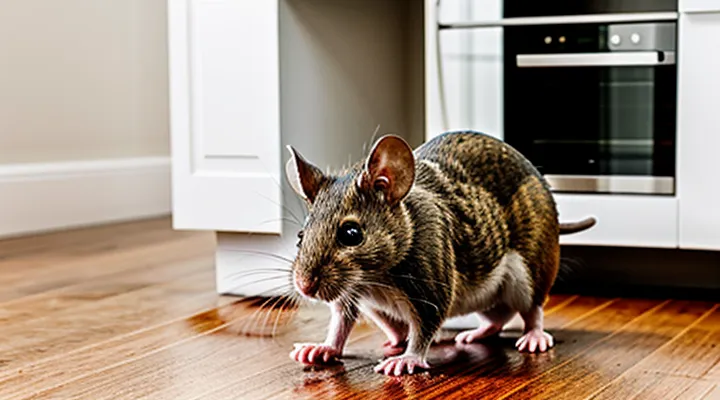
Understanding Domestic Mice Behavior
The Nature of Mice
Mice are small rodents with a body length of 6–10 cm, a tail of similar length, and a weight of 15–30 g. Their anatomy includes sharp incisors that grow continuously and require constant gnawing to prevent overgrowth. The dentition is adapted for cutting plant material, seeds, and soft animal tissue.
Behaviorally, mice are crepuscular, showing peak activity at dawn and dusk. They establish hierarchical groups, where dominant individuals control access to food and nesting sites. Social interaction relies on scent marking, vocalizations, and tactile contact. Aggression manifests as chasing, wrestling, or biting, primarily when resources are scarce or territory is threatened.
Biting incidents with pet mice occur under specific conditions:
- handling that restricts movement or applies pressure to the neck or tail
- sudden environmental changes that induce stress
- presence of unfamiliar scents or other aggressive rodents
In the absence of stressors, domestic mice rarely bite humans. Their bite force is limited by jaw size, producing a brief puncture that seldom breaks skin. Proper handling techniques—supporting the body, avoiding restraint of the head, and allowing the animal to explore—minimize the risk of a bite.
Common Misconceptions
Many pet owners assume that a mouse will bite as soon as it is handled. The belief persists despite scientific observations of mouse behavior in controlled environments.
- All mice are aggressive and prone to biting.
- A mouse will bite only when it feels threatened.
- Bite risk increases with the mouse’s age.
- Wild‑caught mice bite more often than those bred in captivity.
- A bite always indicates disease transmission.
These statements overlook key factors. Aggression varies among individuals, not species. Stress, hunger, or sudden movements trigger bites more reliably than age alone. Captive breeding reduces fear of humans, but does not eliminate the possibility of a bite if the animal experiences discomfort. Disease transmission through a bite is rare; most pathogens are transmitted via saliva or excreta, not through occasional nips.
Domestic mice bite infrequently. Studies show that less than 5 % of pet mice exhibit biting behavior when accustomed to gentle handling. Biting typically occurs during:
- Inadequate habituation to human contact.
- Rough or abrupt handling.
- Overcrowded or unsanitary cages.
- Lack of enrichment leading to frustration.
Minimizing bites requires consistent, calm interaction and proper husbandry. Introduce the mouse to the hand gradually, allow it to explore the palm before grasping, and maintain a clean, spacious enclosure with nesting material and chew toys. Monitoring health and stress indicators further reduces the likelihood of nipping incidents.
Reasons Why a Domestic Mouse Might Bite
Fear and Self-Preservation
Trapped or Cornered Situations
Domestic mice rarely bite under normal conditions, but confinement or being forced into a corner can provoke a defensive response. When a mouse perceives no escape route, its instinct is to protect itself, which may involve a quick nip to the hand or skin that contacts it.
Key factors influencing bite risk in trapped or cornered situations:
- Perceived threat level – sudden capture, loud noises, or rapid movements increase stress.
- Physical proximity – direct contact with the mouse’s mouth or whiskers raises the chance of a bite.
- Health status – sick or injured mice may be more aggressive than healthy individuals.
- Previous handling experience – mice accustomed to human interaction are less likely to bite when restrained.
Typical bite characteristics:
- Small, punctate wounds, often <2 mm in diameter.
- Usually painless at the moment of contact, but may bleed slightly.
- Low risk of infection if the wound is cleaned promptly; however, wild‑type pathogens can be present.
Preventive measures for handling trapped mice:
- Wear thick gloves or use a soft cloth to cover the animal.
- Approach slowly, allowing the mouse to orient itself before applying gentle pressure.
- Use a well‑ventilated trap that provides a clear escape route once the mouse is released.
- Avoid direct hand‑to‑mouth contact; use tweezers or a small cup to transfer the animal.
If a bite occurs, wash the area with soap and water, apply an antiseptic, and monitor for signs of infection. In cases of severe pain, swelling, or prolonged bleeding, seek medical attention.
Startle Response
Domestic mice rarely bite as a defensive action; most incidents stem from a sudden startle response. When a mouse perceives an unexpected stimulus—rapid movement, loud noise, or abrupt shadow—its innate startle reflex activates. This reflex triggers a cascade of physiological and behavioral changes:
- Rapid contraction of hind‑limb muscles prepares the animal for escape.
- Release of adrenaline heightens sensory acuity and sharpens motor coordination.
- Facial muscles and whiskers orient toward the source of the threat, scanning for further danger.
If the perceived threat persists or the mouse feels trapped, the startle response may transition into a bite. The bite serves as a last‑resort deterrent rather than a primary means of interaction. Several factors influence the likelihood of this escalation:
- Handling technique – slow, predictable motions reduce surprise; sudden grabs increase startle intensity.
- Environmental context – bright, quiet settings lessen abrupt stimuli; dim lighting or sudden noises amplify startle probability.
- Individual temperament – genetically shy strains exhibit stronger startle reflexes, while more docile lines show muted responses.
- Prior experience – mice accustomed to gentle handling develop reduced startle thresholds, decreasing bite incidence.
Understanding the startle response clarifies why domestic mice seldom bite under calm conditions. Minimizing unexpected stimuli and employing consistent, gentle handling effectively suppress the reflex, keeping interactions bite‑free.
Pain or Injury
Domestic mice can bite when they feel threatened, cornered, or overstimulated. Their incisors are sharp enough to puncture skin, producing a sting that may range from mild to severe depending on bite depth and location.
Typical consequences include:
- Immediate sharp pain lasting seconds to minutes.
- Small puncture wounds that may bleed slightly.
- Localized swelling and redness developing within an hour.
- Potential tearing of tissue if the mouse clamps with both jaws.
In some cases, the bite can introduce bacteria from the mouse’s oral flora, leading to infection. Signs of infection are increasing redness, warmth, pus, and escalating pain. Prompt cleaning with soap and water, followed by antiseptic application, reduces the risk of complications. If swelling spreads, fever appears, or the wound does not improve within 24‑48 hours, medical evaluation is advisable.
Risk of serious injury remains low for healthy adults, but infants, immunocompromised individuals, and those with allergies to rodent saliva may experience amplified reactions, including exaggerated inflammation or systemic symptoms such as fever and chills.
Protecting Offspring
Domestic mice may bite when they perceive a threat to their young. Females guard nests vigorously; any sudden movement, unfamiliar scent, or handling near the nest can elicit a defensive bite. Males, although less involved in direct care, will also attack if they sense intrusion that could jeopardize the litter’s safety.
Key factors that increase the likelihood of a bite during offspring protection:
- Presence of pups in a confined area (nest box, bedding pile)
- Handling of the mother or pups without gradual acclimation
- Loud noises or vibrations near the nest
- Introduction of unfamiliar objects or animals into the enclosure
Mitigation strategies focus on minimizing perceived danger:
- Allow the female several days to settle after giving birth before initiating any contact.
- Approach the nest slowly, keeping hands low and motionless until the mouse becomes accustomed to the scent.
- Use a transparent cover to observe pups without direct interference.
- Keep the enclosure in a quiet, low‑traffic location to reduce stress triggers.
When these precautions are observed, the incidence of biting linked to offspring protection drops sharply, and normal social interactions resume.
Aggression due to Illness or Stress
Domestic mice may bite when physiological or psychological conditions trigger aggression. Illness often alters pain perception, reduces tolerance for handling, and can cause irritability. Infected or injured mice may interpret human contact as a threat, prompting a defensive bite.
Stressors such as overcrowding, abrupt changes in environment, or inconsistent feeding schedules elevate cortisol levels. Elevated cortisol suppresses normal social behavior and increases territoriality, making bites more likely. Rapid temperature fluctuations or excessive noise also contribute to heightened stress responses.
Typical indicators that a mouse is predisposed to bite include:
- Reduced grooming or a ragged coat, suggesting discomfort or disease.
- Frequent vocalizations or rapid breathing, reflecting anxiety.
- Aggressive posturing: raised fur, thumping hind limbs, or lunging toward the handler.
Management strategies focus on health monitoring and stress reduction. Routine veterinary checks identify infections or injuries early. Providing a stable cage layout, adequate enrichment, and consistent routine minimizes environmental stressors. Gentle habituation, allowing the mouse to explore hands without forced restraint, lowers defensive reactions.
When a bite occurs, immediate cleaning with antiseptic solution and observation for signs of infection are essential. Persistent aggression despite environmental adjustments warrants professional assessment to rule out underlying medical conditions.
Accidental Bites
Handling Mishaps
Domestic mice occasionally bite when handling errors trigger defensive responses. Biting typically follows sudden movements, excessive pressure on the neck or tail, and failure to recognize stress signals such as flattened ears, rapid breathing, or aggressive vocalizations.
Common handling mishaps include:
- Grasping the mouse by the tail instead of gently supporting its body.
- Applying forceful restraint that restricts normal posture.
- Ignoring the animal’s attempts to escape, leading to panic.
- Using unfamiliar equipment that startles the mouse.
Preventive measures rely on consistent technique. Approach the cage calmly, allow the mouse to climb onto a gloved hand, and support the torso with the opposite hand. Maintain a stable, low‑profile grip; release the animal promptly if resistance increases. Regularly assess the mouse’s behavior to adjust handling pressure before aggression escalates.
When a bite occurs, disinfect the wound, monitor for infection, and evaluate the handling process that preceded the incident. Adjust methods accordingly to reduce future risk and maintain a safe environment for both caretaker and animal.
Confusing Fingers for Food
Domestic mice rarely bite unless they perceive a threat or an opportunity for food. Their incisors are adapted for gnawing, not for aggressive attacks, so most interactions end without a nip.
When a mouse encounters a human hand, it may mistake the finger for a morsel if the skin carries food odors, sugary residues, or a texture reminiscent of soft prey. The animal’s keen sense of smell and tactile exploration drive this confusion, leading to a brief nibble that can be mistaken for a bite.
Preventing such incidents involves eliminating food cues and limiting direct contact. Effective measures include:
- Washing hands thoroughly after handling food or cleaning dishes.
- Storing snacks in sealed containers to avoid lingering aromas.
- Keeping mouse habitats free of accessible crumbs and spills.
- Using gloves when reaching into areas where mice are known to roam.
Understanding that the misidentification of fingers as edible material is the primary trigger for nipping helps owners reduce the likelihood of bites and maintain a safe coexistence with household rodents.
Characteristics of a Mouse Bite
Appearance of the Bite
A bite from a house mouse typically presents as a small puncture, often 1‑2 mm in diameter. The entry point may be surrounded by a faint erythema that can spread a few millimeters outward. In many cases the surrounding skin remains flat; occasional mild swelling may develop within the first hour. The wound surface is usually smooth, without the raised central core characteristic of many arthropod bites. Occasionally, a tiny crust forms as the puncture heals, leaving a faint scar.
Key visual cues include:
- Single, isolated puncture rather than a cluster of marks.
- Light pink to reddish halo that may darken to a bruise‑like hue if inflammation increases.
- Minimal or absent itching compared with flea or mosquito bites.
- Absence of a central white or yellow spot that typifies spider or tick lesions.
If the bite becomes infected, the area may turn purulent, develop a raised edge, and exhibit increased warmth. Prompt cleaning with mild soap and antiseptic reduces the risk of secondary infection.
Immediate Sensations
When a house mouse makes contact with human skin, the bite is usually brief and shallow. The initial sensation is a sharp, pinpoint pressure that can be felt within a fraction of a second. Immediately after the pressure, a brief sting or prick may be perceived, often followed by a mild, localized sting‑like pain.
Typical immediate responses include:
- A quick, stinging sensation lasting one to two seconds.
- A faint tingling or pins‑and‑needles feeling around the entry point.
- A slight warmth as blood flow increases at the site.
The skin may redden within minutes, indicating a mild inflammatory reaction. In most cases, the discomfort subsides rapidly, leaving only a small, often unnoticed puncture mark.
Potential for Infection
Domestic mice may bite when they feel threatened, experience pain, or are mishandled. Bites are typically brief and involve the incisors, leaving puncture wounds that can be superficial or penetrate deeper tissue.
Bite wounds carry a risk of bacterial and viral infection. Documented agents include:
- Streptobacillus moniliformis – causative organism of rat‑bite fever, potentially leading to fever, rash, and arthritis.
- Hantavirus – transmitted through saliva; can cause hemorrhagic fever with renal syndrome or hantavirus pulmonary syndrome.
- Leptospira spp. – spirochetes that may cause leptospirosis, presenting with fever, jaundice, and renal impairment.
- Staphylococcus aureus and Streptococcus pyogenes – common skin flora that can cause cellulitis or abscess formation.
- Pasteurella multocida – opportunistic pathogen associated with rapid onset of soft‑tissue infection.
Immediate wound care reduces infection probability. Recommended steps:
- Irrigate the bite with copious clean water and mild antiseptic solution.
- Apply pressure to control bleeding, then cover with a sterile dressing.
- Seek medical evaluation within 24 hours, especially if the wound is deep, shows signs of redness, swelling, or drainage, or if the mouse’s health status is unknown.
- Follow prescribed antibiotic regimens; prophylactic therapy may be indicated for high‑risk exposures.
Prompt attention to mouse bites mitigates the likelihood of serious infection and supports faster recovery.
Preventing Mouse Bites
Proper Handling Techniques
Approaching a Mouse Safely
Approaching a mouse without provoking a bite requires understanding its defensive triggers and applying controlled techniques. Mice react to sudden movements, bright lights, and strong scents. Minimizing these stimuli reduces the likelihood of a defensive bite.
Maintain a calm posture, keep hands low and open, and move slowly. Avoid direct eye contact, which can be perceived as a threat. Allow the mouse to sniff your fingers before any physical contact.
Key steps for safe handling:
- Wash hands thoroughly; residual food odors attract aggression.
- Approach from the side, not head‑on, to stay out of the animal’s field of vision.
- Extend a fingertip slowly; let the mouse investigate at its own pace.
- Use a gentle, firm grip around the mouse’s torso, supporting the hind legs with the other hand.
- Release the mouse promptly if signs of stress appear, such as rapid breathing or tail flicking.
After each interaction, clean the cage and equipment to remove scent markers that could increase future aggression. Consistent, gentle handling trains the mouse to associate human contact with safety rather than threat.
Holding a Mouse Correctly
Holding a mouse correctly reduces the likelihood of a bite and minimizes stress for both animal and handler. Secure grip, gentle support, and awareness of the mouse’s natural reflexes are essential.
First, wash hands and dry them thoroughly to eliminate scents that could alarm the mouse. Approach the cage calmly, avoid sudden movements, and speak in a low, steady tone.
Second, use a two‑hand technique:
- Thumb and index finger form a small cradle on the mouse’s back, just behind the forepaws.
- Remaining fingers support the hindquarters, allowing the animal to rest on a stable surface.
- Keep the mouse’s body horizontal; do not lift by the tail or limbs.
Third, monitor the mouse’s behavior. Signs of discomfort—flattened ears, rapid breathing, or attempts to escape—indicate the need to release the animal immediately. Maintaining a relaxed posture and steady pressure prevents defensive biting.
Finally, practice regularly with short handling sessions. Consistent, gentle handling conditions the mouse to accept human contact, thereby decreasing the incidence of aggressive bites.
Creating a Safe Environment
Adequate Cage Size
A cramped enclosure can elevate stress levels, which often manifests as biting when a mouse feels threatened or confined. Providing sufficient floor area allows natural locomotion, reduces territorial disputes, and diminishes the likelihood of defensive aggression.
- Minimum floor space: 200 cm² per adult mouse (approximately 30 × 30 cm).
- Height: at least 30 cm to accommodate climbing and vertical activity.
- Group housing: add 100 cm² per additional mouse to the total floor area.
Adequate space distributes activity zones, preventing crowding around food, water, and nesting sites. When resources are evenly accessible, competition declines, and mice are less inclined to bite during interactions.
Incorporating multiple levels, tunnels, and chewable objects further disperses movement and satisfies exploratory instincts. Positioning these elements away from each other creates distinct territories, reducing direct confrontations.
Regular assessment of cage dimensions—especially after adding new occupants or enrichment—maintains an environment where stress‑induced biting remains minimal.
Enrichment and Stimulation
Providing appropriate enrichment reduces stress‑induced aggression in pet mice. A varied environment satisfies natural foraging, climbing, and nesting instincts, thereby lowering the likelihood of bite attempts.
Effective enrichment includes:
- Nesting material such as shredded paper or tissue.
- Chewable objects like untreated wood blocks or cardboard tubes.
- Vertical space provided by cages with multiple levels or ladders.
- Foraging opportunities created by scattering seed mixes or hiding treats in PVC pipes.
- Regular rotation of toys to prevent habituation.
Consistent stimulation maintains mental engagement. Daily handling sessions that allow the mouse to explore a gloved hand reinforce trust and diminish defensive biting. Introducing novel objects gradually prevents sudden fear responses.
Monitoring behavior identifies when enrichment is insufficient. Repeated lunging, rapid vocalizations, or attempts to nip during feeding indicate the need for additional complexity or increased social interaction. Adjusting the environment promptly curtails the development of habitual bite patterns.
Recognizing Warning Signs of Aggression
Body Language Cues
Domestic mice communicate intent through a series of observable signals; recognizing these cues helps predict biting behavior. A flattened or trembling body indicates fear or stress, conditions that often precede an aggressive bite. Rapid, irregular whisker movements signal heightened alertness, while ears pinned backward against the head suggest defensive posturing.
Tail posture provides additional information. A tail held rigidly upright or flicking sharply reflects agitation, whereas a relaxed, loosely hanging tail denotes calm. Mouth tension is another reliable indicator: tightly clenched incisors or a visible drool line usually precede a bite attempt.
Key body‑language cues:
- Rigid, elevated tail
- Ears flattened or turned backward
- Whiskers splayed outward
- Trembling or crouched stance
- Teeth bared or excessive gum exposure
Monitoring these signals enables caretakers to intervene before a bite occurs, ensuring safer interactions with pet mice.
Vocalizations
Domestic mice rarely use biting as a primary means of communication. Their vocal repertoire provides more reliable cues about potential aggression. High‑frequency ultrasonic squeaks, emitted at 30–100 kHz, often accompany defensive postures and precede a bite. When a mouse feels threatened, the ultrasonic call intensifies in amplitude and duration, serving as an alarm signal to conspecifics and a warning to the perceived aggressor.
Lower‑frequency audible chirps (4–8 kHz) indicate social greeting or mild agitation. These sounds are not linked to biting behavior; instead, they accompany sniffing and gentle grooming. A mouse that produces a rapid series of audible chirps while approaching a handler typically signals curiosity rather than hostility.
The presence of specific vocal patterns can help predict bite risk:
- Ultrasonic alarm squeal – sustained, high‑pitch tone; associated with defensive lunging and possible bite.
- Rapid ultrasonic chatter – short bursts during territorial disputes; may precede aggressive contact.
- Audible chirp – brief, low‑frequency notes; correlated with non‑aggressive interaction.
Observing these vocalizations allows caretakers to differentiate between normal exploratory behavior and genuine threat. Reducing stressors that trigger ultrasonic alarm calls—such as sudden movements, loud noises, or overcrowding—lowers the likelihood of a bite incident.
What to Do if Bitten
First Aid for Mouse Bites
Cleaning the Wound
Domestic mice may bite, leaving puncture wounds that require prompt care to reduce infection risk. Immediate action limits bacterial entry and promotes healing.
- Wash hands thoroughly before touching the wound.
- Rinse the bite with clean running water for at least 30 seconds to remove debris.
- Apply mild soap around the area; avoid forcing soap into the puncture.
- Pat the skin dry with a sterile gauze pad.
- Cover the wound with an antiseptic solution such as povidone‑iodine or chlorhexidine.
- Place a sterile dressing over the site; secure without constriction.
- Change the dressing daily or whenever it becomes wet or contaminated.
Monitor the area for redness, swelling, or pus. If any signs of infection appear, seek medical evaluation promptly. A tetanus booster may be indicated if the patient’s immunization status is outdated.
Applying Antiseptic
When a house mouse bites, immediate wound care reduces infection risk. First, rinse the puncture with clean running water for at least 30 seconds to flush out debris and saliva. Apply pressure with a sterile gauze pad to control bleeding.
Select an antiseptic that is effective against common skin bacteria and safe for open wounds. Recommended options include:
- 70 % isopropyl alcohol – rapid bactericidal action, may cause slight sting.
- Diluted povidone‑iodine (1 % solution) – broad‑spectrum coverage, low tissue toxicity.
- Chlorhexidine gluconate (0.5 %–2 %) – persistent activity, minimal irritation.
Apply the chosen antiseptic using a sterile cotton swab or gauze pad, covering the entire bite area. Allow the solution to air‑dry; do not cover with a tight bandage unless instructed by a veterinarian or medical professional.
After antiseptic treatment, monitor the wound for signs of infection: increasing redness, swelling, pus, or fever. Seek medical attention if any of these symptoms develop, or if the mouse’s bite was deep, prolonged, or the animal’s health status is unknown.
For individuals with known allergies to iodine or alcohol, substitute chlorhexidine or a medically approved antiseptic cream. Store all antiseptic agents in a cool, dry place, and replace them according to manufacturer expiration dates.
When to Seek Medical Attention
Signs of Infection
Bite incidents from household mice are uncommon, but when they occur the wound can become infected. Prompt recognition of infection reduces the risk of complications.
Typical indicators of infection include:
- Redness spreading beyond the bite margins
- Swelling that increases in size
- Warmth to the touch
- Pain that intensifies rather than fades
- Pus or other fluid discharge
- Fever or chills accompanying the wound
If any of these signs appear, seek veterinary or medical evaluation without delay. Early antimicrobial therapy and proper wound care are essential to prevent tissue damage and systemic spread.
Risk of Rabies
Pet mice occasionally bite when handled aggressively or when they feel threatened. Bites are usually superficial, producing a small puncture wound that may bleed slightly. The primary health concern associated with any animal bite is the potential transmission of infectious agents, most notably the rabies virus.
Rabies in rodents is extremely rare. Surveillance data from North America and Europe show that documented cases of rabies in mice and other small rodents are virtually nonexistent. The virus is maintained in wildlife reservoirs such as bats, raccoons, skunks, and foxes; transmission to a mouse requires a direct, high‑dose exposure, which seldom occurs in domestic settings.
Risk assessment:
- Probability of a mouse being infected with rabies: <0.001 % (practically negligible).
- Probability of virus transmission through a bite from an infected mouse: very low, because the virus load in rodent saliva is insufficient for infection.
- Situations that increase risk: exposure to a mouse that has been attacked by a rabid wildlife animal, or a mouse found dead under suspicious circumstances.
Management guidelines:
- Clean the wound immediately with soap and running water for at least 15 seconds.
- Apply an antiseptic solution and cover with a sterile dressing.
- Seek medical evaluation if the bite is deep, bleeding heavily, or shows signs of infection.
- Consider rabies post‑exposure prophylaxis only when the mouse’s exposure to a proven rabid animal is documented or highly suspected; otherwise, routine prophylaxis is unnecessary.
In summary, domestic mice present a minimal rabies threat. Proper wound care and a brief medical review are sufficient to address the occasional bite.
Tetanus Concerns
Mouse bites are uncommon but can introduce pathogens into the skin. The primary tetanus concern stems from the anaerobic bacterium Clostridium tetani, which thrives in deep, contaminated wounds. Although rodent oral flora rarely contains this organism, any puncture that creates a low‑oxygen environment poses a theoretical risk.
Key points for managing tetanus risk after a mouse bite:
- Clean the wound immediately with soap and running water; irrigate to remove debris.
- Apply an antiseptic solution (e.g., povidone‑iodine) after cleaning.
- Assess tetanus immunization status: receive a booster if the last dose was administered more than 10 years ago, or if the individual has never been vaccinated.
- Seek medical attention for bites that are deep, involve tissue loss, or show signs of infection (redness, swelling, pus).
- Follow prescribed antibiotic therapy when indicated to prevent secondary bacterial infection.
Professional guidance emphasizes prompt wound care and verification of immunization history as the most effective measures to mitigate tetanus complications from mouse bites.
Coexistence with Domestic Mice
Building Trust with Your Pet Mouse
Domestic mice are naturally cautious; gaining their confidence requires consistent, low‑stress interaction. Begin each session by approaching the cage calmly, allowing the mouse to observe your movements without sudden gestures. Maintain a quiet voice and avoid direct eye contact, which can be perceived as threatening.
Establish a predictable routine. Offer food treats at the same time each day, using the same hand to present the reward. Over several weeks the mouse will associate your presence with a reliable source of nutrition, reducing defensive behavior.
Practical steps for building trust:
- Hand‑feeding: Place a small piece of seed or soft fruit directly into the mouse’s mouth, then gently stroke its back with the same hand.
- Gentle handling: Scoop the mouse from beneath, supporting its body with both hands. Keep handling sessions brief (1–2 minutes) and increase duration gradually.
- Environmental enrichment: Provide tunnels, nesting material, and climbing structures to lower stress levels, making the mouse more receptive to interaction.
- Observation: Watch for signs of relaxation such as flattened ears, quiet breathing, and a relaxed posture. Pause interaction if the mouse exhibits rapid breathing, raised fur, or attempts to flee.
Consistency, patience, and respect for the mouse’s natural timidity create a foundation of trust. Once the animal feels secure, the likelihood of biting diminishes markedly, allowing for more extensive handling and a mutually rewarding relationship.
Understanding Their Needs
Domestic mice rarely bite when their basic requirements are met. Understanding those requirements clarifies why aggression may appear and how to prevent it.
A mouse’s comfort depends on several factors. When any of them is lacking, the animal may respond with a nip as a defensive signal.
- Balanced nutrition: fresh water, protein‑rich food, and occasional fiber reduce hunger‑driven stress.
- Environmental enrichment: tunnels, climbing structures, and chewable objects satisfy exploratory instincts and prevent boredom.
- Regular, gentle handling: short, calm sessions build trust and teach the mouse that human contact is safe.
- Health monitoring: prompt treatment of pain, illness, or parasites eliminates sources of discomfort that trigger defensive biting.
Providing these elements consistently creates a stable environment. In such conditions, the likelihood of a bite diminishes markedly, and the mouse exhibits more sociable behavior.
Promoting a Positive Relationship
Domestic mice rarely bite when they feel secure. Understanding the factors that encourage calm behavior helps owners build trust and reduce the likelihood of nipping.
A secure environment begins with proper housing. Provide a spacious cage, ample bedding, and multiple hiding spots. Consistent temperature and low noise levels prevent stress, which is a common trigger for defensive bites.
Gentle handling accelerates habituation. Follow these steps:
- Approach the cage slowly, allowing the mouse to see your hand before reaching in.
- Offer a treat from your fingertips to associate your presence with positive rewards.
- Support the mouse’s body fully when lifting, avoiding dangling or sudden movements.
- Limit handling sessions to five‑minute intervals until the animal shows relaxed posture.
Nutrition also influences temperament. A balanced diet rich in protein, fresh vegetables, and occasional seeds supports health and reduces irritability. Fresh water should be available at all times.
Enrichment prevents boredom, another bite catalyst. Rotate chew toys, tunnels, and climbing structures weekly. Interactive activities such as foraging puzzles stimulate natural behaviors and reinforce a cooperative bond.
Regular observation identifies early signs of discomfort. Flattened ears, rapid breathing, or a stiff tail indicate the mouse is uneasy. Adjust handling technique or provide additional shelter before aggression escalates.
By maintaining a stable habitat, employing patient handling, supplying appropriate nutrition, and offering continual enrichment, owners create conditions where domestic mice are unlikely to bite and are more inclined to interact positively.