
Physical Characteristics
Size and Weight
Mice
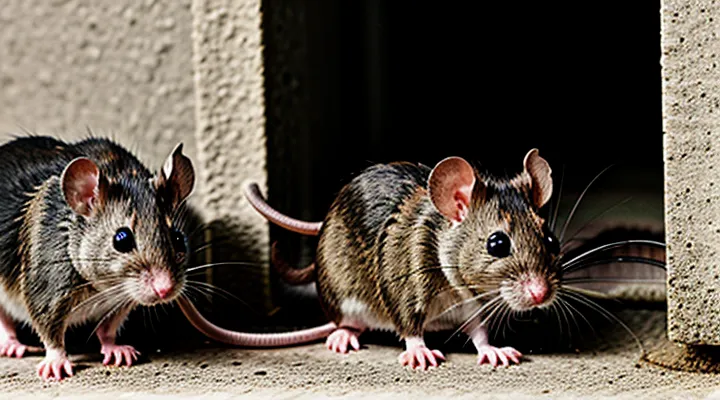
Mice are small rodents characterized by a compact body, a pointed snout, and relatively large ears. Adult house mice (Mus musculus) typically measure 6–10 cm in body length, with a tail of similar length, while the tail is slender and hairless.
Key physical distinctions from rats include:
- Body size: mice are markedly smaller than most rat species.
- Tail: mouse tails are thin and lack the thick, scaly appearance of rat tails.
- Ears: mouse ears are proportionally larger, extending close to the head’s width.
- Feet: mouse hind feet are shorter, affecting their ability to climb vertically.
Behavioral traits set mice apart as well. They prefer indoor environments, exploit narrow openings, and are highly agile climbers. Mice establish extensive burrow networks in confined spaces, whereas rats favor larger, open burrows or sewers. Social structures differ; mice form smaller, more fluid groups, while rats often maintain hierarchical colonies.
Reproductive capacity is notable. A female mouse can produce up to ten litters per year, each containing 5–8 offspring, with a gestation period of about 19–21 days. Lifespan averages 12–24 months under natural conditions, shorter than the typical 2–3 year lifespan of common rats.
These biological and ecological characteristics influence control strategies and scientific use. Rapid breeding and small size demand frequent monitoring in urban settings, while the mouse’s genetic similarity to humans makes it a preferred model organism in biomedical research.
Rats
Rats belong to the genus Rattus and are among the largest common rodents. Adult individuals typically measure 20–25 cm in body length, with tails of comparable size, and weigh 200–500 g, far exceeding the dimensions of most mice.
Physical traits that separate rats from mice include:
- Robust skulls with pronounced zygomatic arches.
- Larger incisors with a straighter curvature.
- Coarser, thicker fur that varies from brown to black, while mice often display finer, lighter pelage.
- Longer, thicker tails that lack the hair-covered texture common to mouse tails.
Rats exhibit highly adaptable behavior. They thrive in urban, agricultural, and natural environments, constructing extensive burrow systems or occupying sewers, attics, and grain storage facilities. Social structures are hierarchical; dominant individuals control access to resources and nesting sites. Activity peaks at night, with occasional crepuscular foraging.
Reproductive capacity is notable. Females reach sexual maturity at 5–6 weeks, produce litters of 6–12 pups after a gestation of 21–23 days, and can breed year‑round in favorable climates. Lifespan averages 2–3 years in the wild, extending to 4 years under laboratory conditions.
Dietary habits are omnivorous. Rats consume grains, fruits, insects, carrion, and human waste, enabling survival in diverse settings. Their strong gnawing ability damages infrastructure and contaminates food supplies. Additionally, rats serve as vectors for pathogens such as Leptospira spp., hantavirus, and Salmonella, posing public‑health risks.
Tail Length and Appearance
Mice
Mice (genus Mus) are among the smallest members of the order Rodentia, typically measuring 6–10 cm in body length with proportionally long, hairless tails. Their ears are large relative to head size, and fur coloration ranges from light brown to gray, providing camouflage in varied environments.
Key physical distinctions from rats include:
- Body size: mice are markedly smaller, often less than half the weight of a typical rat.
- Tail: mouse tails are slender, scaly, and lack the thick fur seen on many rat tails.
- Skull morphology: mice possess a higher, more rounded cranial profile, whereas rats have a broader, flatter skull.
- Dental pattern: both species share continuously growing incisors, but mouse incisors are finer and exhibit a sharper curvature.
Reproductive capacity in mice exceeds that of rats; a single female can produce up to ten litters per year, each containing 5–8 offspring. Gestation lasts 19–21 days, enabling rapid population expansion under favorable conditions. Mice display strong exploratory behavior, preferring densely vegetated or cluttered habitats where they can construct intricate burrow systems.
Dietary habits are omnivorous but skew toward seeds, grains, and soft plant material. Mice readily exploit human food stores, contaminating grain supplies and laboratory specimens. Their small size and agility facilitate entry through minute openings, making them effective indoor pests.
Ecologically, mice serve as prey for a wide range of predators, including owls, snakes, and small mammals. Their role as disease vectors is limited compared to rats, yet they can transmit pathogens such as Hantavirus and Salmonella through droppings and urine. Control measures therefore emphasize exclusion, sanitation, and targeted trapping.
Rats
Rats belong to the genus Rattus and are among the largest common rodents. Adult individuals typically measure 20–25 cm in body length, with tails of comparable size, and weigh 250–500 g, far exceeding the dimensions of house mice. Their fur ranges from brown to black, and they possess robust skulls, strong incisors, and a highly developed sense of smell and hearing. Rats thrive in diverse environments, from urban sewers to rural fields, and display omnivorous feeding habits that include grains, fruit, insects, and carrion.
Key distinctions between rats and mice are evident across several biological and behavioral categories:
- Size: Rats are at least twice the length and three to five times heavier than mice.
- Tail morphology: Rat tails are thick, scaly, and proportionally shorter; mouse tails are slender, hair‑covered, and longer relative to body size.
- Reproductive rate: Mice reach sexual maturity at 5–6 weeks and can produce up to 10 litters per year; rats mature at 8–10 weeks and typically have 5–6 litters annually.
- Lifespan: In captivity, rats live 2–3 years, while mice average 1–2 years.
- Cognitive ability: Rats demonstrate superior problem‑solving skills and memory retention in maze and operant conditioning tests.
- Social structure: Rats form hierarchical colonies with defined burrow systems; mice tend to live in smaller, loosely organized groups.
- Disease vector potential: Rats are primary reservoirs for pathogens such as Leptospira and hantavirus, whereas mice are more commonly associated with Hantavirus and certain bacterial infections.
These characteristics influence human interaction strategies. Pest management programs prioritize rat control in sewage and food‑storage facilities due to their larger foraging range and higher disease transmission risk. In biomedical research, rats serve as preferred models for studies requiring extensive behavioral testing, cardiovascular physiology, and toxicology, while mice are favored for genetic manipulation and rapid breeding cycles.
Ear and Eye Proportions
Mice
Mice are small rodents that differ markedly from their larger relatives in several biological and ecological aspects. Their bodies typically measure 6–10 cm in length, excluding a slender, hairless tail that averages 5–9 cm. Ears are proportionally large, often exceeding the size of the eyes, and the fur is fine and uniformly colored, ranging from gray to brown or white.
Reproductive capacity is high; a single female can produce up to 10 litters annually, each containing 5–8 offspring. Gestation lasts about 19–21 days, and weaning occurs at three weeks. Lifespan in the wild rarely exceeds one year, whereas captive individuals may live up to two years.
Behavioral patterns emphasize agility and nocturnal activity. Mice prefer concealed nesting sites such as cracks, burrows, or stored food containers. They exhibit rapid breeding cycles, strong exploratory instincts, and a propensity for gnawing on soft materials, which facilitates entry into confined spaces.
Key distinctions from rats can be summarized:
- Size: Mice are significantly smaller, with lighter body mass.
- Tail: Thin, hairless, and proportionally longer relative to body length.
- Ears: Larger relative to head size, providing enhanced auditory sensitivity.
- Reproduction: Shorter gestation, more frequent litters, larger litter sizes.
- Habitat preference: Favor indoor environments and small crevices; rats occupy broader outdoor territories.
- Lifespan: Shorter natural lifespan, reflecting faster life cycle.
Rats
Rats belong to the genus Rattus and are considerably larger than their mouse relatives, typically measuring 20–25 cm in body length with a tail of similar size and weighing 200–500 g.
Their anatomy includes coarse fur, relatively short ears, and a robust skull. Unlike mice, rat tails are thick, scaly, and proportionally shorter to the body, while their incisors exhibit a more pronounced curvature.
Rats thrive in diverse environments such as sewers, basements, agricultural fields, and urban parks. They form hierarchical colonies, display nocturnal activity, and possess strong swimming abilities that enable colonization of flooded areas.
Reproductive parameters differ markedly: gestation lasts 21–23 days, each litter contains 6–12 offspring, and sexual maturity is reached at 5–6 weeks, allowing rapid population growth under favorable conditions.
Dietary habits are omnivorous; rats consume grains, fruits, insects, carrion, and human waste. Their strong jaws allow them to gnaw through hard materials, including plastics and wood, which contributes to structural damage.
Health considerations include transmission of pathogens such as hantavirus, leptospirosis, and salmonella. Bites can cause infection, and their presence often necessitates professional pest‑management interventions.
Key distinctions that identify rats among rodents:
- Body length exceeds 20 cm; tail length approximates body length.
- Tail surface is thick and scaly rather than thin and hairless.
- Ear size is proportionally smaller relative to head.
- Colony structure is hierarchical with dominant individuals.
- Litter size averages 8–10, larger than typical mouse litters.
- Gestation period is roughly three weeks, longer than that of mice.
- Capable of swimming long distances and surviving in flooded habitats.
- Ability to gnaw through tougher materials, contributing to structural damage.
Fur Color and Texture
Mice
Mice are small rodents typically measuring 2–4 inches (5–10 cm) in body length, with a proportionally long, hairless tail. Their weight ranges from 0.5 to 1 ounce (15–30 g), considerably less than that of most rats. Fur coloration varies from gray and brown to white, depending on breed and environment.
Reproductive capacity is high; a female mouse can produce up to ten litters per year, each containing 4–12 pups. Gestation lasts 19–21 days, and sexual maturity is reached at 5–6 weeks. This rapid turnover contributes to population growth in confined spaces.
Dietary habits are omnivorous. Mice readily consume grains, seeds, fruits, insects, and human food waste. Their incisors grow continuously, necessitating constant gnawing to maintain proper length.
Behavioral traits include nocturnal activity, high curiosity, and strong climbing ability. Mice prefer tight burrows or concealed nests, often constructing complex tunnel systems in walls, basements, and field vegetation. They communicate through ultrasonic vocalizations that are inaudible to humans.
Key physiological differences from rats:
- Size: Mice are markedly smaller, with shorter tails and finer skeletal structure.
- Ear shape: Mice have large, round ears relative to head size; rats possess larger, more triangular ears.
- Snout: Mice exhibit a pointed snout; rats display a blunter, broader muzzle.
- Lifespan: Average mouse lifespan in captivity is 1–2 years; rats live 2–3 years.
- Cognitive ability: Rats demonstrate higher problem‑solving performance in maze tests, while mice excel in rapid learning of simple tasks.
Health considerations: Mice are vectors for pathogens such as Hantavirus, Salmonella, and Lymphocytic choriomeningitis virus. Their small size enables infiltration into minute openings, making them effective carriers of contaminants in residential and laboratory settings.
Control measures focus on sealing entry points smaller than ¼ inch (6 mm), maintaining rigorous sanitation to eliminate food sources, and employing snap traps or bait stations calibrated for mouse-sized rodents. Regular monitoring of droppings and gnaw marks assists in early detection and prevention of infestations.
Rats
Rats belong to the genus Rattus and are among the largest common rodents. Adult brown rats (Rattus norvegicus) typically measure 20–25 cm in body length, with tails of similar length, and weigh 250–500 g. Black rats (Rattus rattus) are slightly smaller, averaging 15–20 cm in body length and 150–250 g in weight.
Physical traits distinguish rats from smaller rodents:
- Robust skull with pronounced incisors.
- Larger ears and eyes relative to head size.
- Coarse, scaly fur that varies from brown to black.
- Tail covered with scales, not hair.
Rats exhibit nocturnal activity, preferring sheltered environments such as sewers, basements, grain storage, and outdoor burrows. Their adaptability enables survival in urban, agricultural, and wild settings.
Dietary habits are omnivorous. Rats consume grains, fruits, meat scraps, and insects, often storing excess food in cheek pouches for later consumption. Their strong gnawing ability allows them to breach plastic, wood, and soft metals.
Reproduction is rapid. Females reach sexual maturity at 5–6 weeks, produce litters of 6–12 offspring after a 21‑day gestation, and can breed year‑round under favorable conditions. A single pair may generate over 2,000 descendants within three years if unchecked.
Health implications include transmission of pathogens such as Leptospira, hantavirus, and Salmonella. Rat urine and droppings contaminate surfaces, posing risks to humans and livestock.
Control strategies focus on exclusion, sanitation, and population reduction:
- Seal entry points larger than 1 cm.
- Remove food sources and water access.
- Deploy snap traps or electronic devices in high‑traffic zones.
- Apply authorized rodenticides following integrated pest‑management guidelines.
Understanding these characteristics clarifies how rats differ from smaller rodent species and informs effective management practices.
Behavioral Differences
Habitat and Nesting
Mice
Mice (genus Mus) are small, omnivorous rodents with adult body lengths of 6–10 cm and tails of comparable length. Their ears are proportionally large, and the fur is fine and often gray or brown. These physical traits contrast sharply with the larger, more robust body of rats, whose tails are shorter relative to body size and whose ears are modest.
- Body length: mice 6–10 cm; rats 15–30 cm
- Tail proportion: mouse tail ≈ body length; rat tail ≈ 0.7 × body length
- Ear size: mouse ears 1.5–2 cm; rat ears ≤1 cm
- Fur texture: mouse fur fine; rat fur coarser
Mice preferentially inhabit indoor environments, exploiting cracks, walls, and stored food sources. They thrive in warm, dry conditions and can establish colonies with minimal space. Rats favor outdoor burrows, sewers, and larger shelter sites, tolerating broader temperature ranges.
Reproductive cycles differ markedly. Female mice reach sexual maturity at 5–6 weeks, produce litters of 4–12 pups every three weeks, and can generate up to ten generations annually. Rats mature at 8–10 weeks, bear 6–12 pups per litter, and have a longer inter‑litter interval of four to five weeks, resulting in fewer generations per year.
Lifespan reflects these biological patterns: mice average 1–2 years, whereas rats live 2–3 years under comparable conditions. These disparities influence their roles in scientific research, where mice dominate genetic studies due to rapid breeding, while rats are chosen for physiological experiments requiring larger size.
Understanding mouse-specific traits—size, habitat preference, reproductive speed, and lifespan—provides essential context for distinguishing them from rats in pest management, laboratory settings, and ecological assessments.
Rats
Rats are large rodents belonging to the genus Rattus, most commonly represented by the brown rat (Rattus norvegicus) and the black rat (Rattus rattus). Adults typically measure 20–25 cm in body length, with tails of comparable size, and weigh between 200 and 500 g, far exceeding the dimensions of most mouse species.
Physiologically, rats possess a robust skull, pronounced incisors, and a well‑developed sense of smell. Their hind feet are larger relative to body size, facilitating strong digging and climbing abilities. Unlike mice, rats exhibit a longer gestation period of 21–23 days and produce litters of 6–12 offspring, reflecting a slower reproductive turnover.
Habitat preferences differ markedly. Rats thrive in sewers, basements, agricultural fields, and urban dumpsters, where abundant food waste supports large colonies. Mice favor cracks in walls, grain stores, and indoor niches with minimal disturbance. This ecological separation influences human–rodent interactions and pest‑control strategies.
Dietary habits are omnivorous and opportunistic. Rats consume grains, fruits, insects, carrion, and refuse, displaying a capacity to store food in nests. Their stronger jaws enable consumption of tougher materials, such as wood and plastic, which mice typically avoid.
Health considerations are significant. Rats are vectors for pathogens including Leptospira spp., hantavirus, and Salmonella. Their larger size permits greater flea and mite loads, increasing the risk of zoonotic disease transmission to humans and domestic animals.
Key distinctions between rats and mice:
- Size: Rats 200–500 g; mice 15–30 g.
- Tail length: Rats’ tails equal body length; mice’s tails proportionally longer.
- Reproductive rate: Rats 6–12 pups per litter; mice up to 12–14.
- Habitat: Rats occupy larger, outdoor environments; mice favor indoor crevices.
- Diet: Rats handle tougher, broader food sources; mice prefer grains and seeds.
- Disease vectors: Rats carry a wider range of zoonotic agents.
Understanding these attributes clarifies the biological and ecological separation between the two rodent groups.
Diet and Feeding Habits
Mice
Mice (genus Mus) are among the smallest members of the order Rodentia, typically measuring 6–10 cm in body length and weighing 10–30 g. Their tails are roughly equal to body length, slender, and sparsely haired, unlike the thicker, hair‑covered tails of many larger rodents. Ears are proportionally large, and fur is soft, ranging from gray to brown, with occasional white or albino varieties.
Physical dimensions set mice apart from rats. Mice exhibit a head‑to‑body ratio that is more compact, with a pointed snout and a higher cranial capacity relative to size. Coat coloration is generally uniform, whereas rats often display patchy or dorsal‑ventral shading.
Social organization in mice favors small, loosely structured groups that form temporary hierarchies. Breeding cycles are rapid: females can produce a litter of 4–8 pups every three weeks under optimal conditions. Rats tend to establish more stable colonies with defined dominance hierarchies and longer gestation periods.
Habitat preference leans toward indoor environments, grain stores, and fields with dense vegetation. Diet consists primarily of seeds, grains, and occasional insects. Rats are more adaptable to aquatic or sewer settings and consume a broader spectrum of organic waste.
Key distinctions between mice and rats
- Body size: mice 6–10 cm; rats 15–25 cm
- Tail: slender, hairless in mice; thick, furred in rats
- Ear size: proportionally larger in mice
- Social structure: transient groups for mice; stable colonies for rats
- Reproductive rate: mice produce litters every ~21 days; rats approximately every 25 days
- Habitat: indoor/field for mice; sewer, aquatic, and outdoor for rats
- Diet: primarily seeds and grains for mice; omnivorous waste for rats
These characteristics provide a concise framework for distinguishing mice from their larger rodent relatives.
Rats
Rats are larger rodents, typically measuring 20–30 cm in body length, with tails equal to or slightly longer than the torso. Their weight ranges from 200 g to over 500 g, contrasting sharply with the 15–30 g mass of most mouse species.
Physical traits distinguishing rats include:
- Robust skulls and powerful jaws capable of gnawing through thicker materials.
- Coarser, longer fur that often varies in color from brown to black, whereas mice display finer, lighter coats.
- Prominent, hairless ears and a more elongated, tapered snout.
Behavioral differences are evident in habitat use and social structure:
- Rats favor burrows, sewers, and underground tunnels; mice commonly inhabit surface-level crevices and open fields.
- Rat colonies form hierarchical groups with defined dominance, while mouse populations tend to be more loosely organized.
- Rats exhibit higher problem‑solving abilities, demonstrated by superior maze performance and adaptability to complex environments.
Reproductive characteristics:
- Female rats reach sexual maturity at 5–6 weeks and produce litters of 6–12 offspring, with a gestation period of about 21 days.
- Mice mature slightly earlier, at 4–5 weeks, and typically bear 4–8 young after a 19‑day gestation.
Lifespan and health:
- In captivity, rats live 2–3 years on average, occasionally reaching 4 years; mice usually survive 1–2 years.
- Rats are more prone to developing tumors and respiratory diseases, while mice show higher susceptibility to viral infections.
These attributes collectively define rats within the broader comparative study of mouse and rat species, highlighting the principal anatomical, behavioral, and reproductive divergences.
Social Structure
Mice
Mice are small rodents belonging to the genus Mus, most commonly represented by the house mouse (Mus musculus). Adult body length typically ranges from 6 to 10 cm, with a tail of comparable length, making them markedly smaller than most rat species. Their weight seldom exceeds 30 g, whereas rats often weigh 200 g or more.
Physiologically, mice possess a higher metabolic rate, resulting in rapid heartbeats (600–800 beats per minute) and a body temperature of approximately 37 °C. Their dental formula includes a single pair of continuously growing incisors per jaw, identical to rats, but the enamel pattern on mouse incisors differs in curvature and pigmentation.
Reproductive capacity is pronounced: females can produce a litter of 4–12 offspring every 21 days, with sexual maturity reached at 5–6 weeks. This turnover rate exceeds that of most rats, which typically have longer gestation periods (21–23 days) and larger but fewer litters.
Behavioral traits include strong nocturnal activity, preference for confined spaces, and a tendency to explore via scent marking rather than aggressive territorial defense. Mice exhibit exceptional climbing ability, often navigating vertical surfaces using their small, dexterous paws.
Ecologically, mice thrive in human‑associated environments such as homes, grain stores, and laboratories. Their diet is omnivorous, favoring seeds, grains, and insects, but they readily consume a wide range of processed foods. Rats display broader foraging ranges and are more likely to scavenge larger carcasses.
Key distinctions summarised:
- Size: 6–10 cm body, ≤30 g weight vs. rats 20–30 cm, ≥200 g.
- Reproduction: 21‑day gestation, up to 12 pups per litter, rapid sexual maturity.
- Metabolism: Higher heart rate, faster energy consumption.
- Behavior: More timid, greater reliance on scent marking, superior climbing.
- Habitat preference: Stronger association with indoor human habitats.
Understanding these characteristics clarifies why mice and rats occupy different ecological niches despite sharing many rodent traits.
Rats
Rats belong to the genus Rattus, with the brown rat (Rattus norvegicus) and the black rat (Rattus rattus) representing the most widespread species. They are among the largest common rodents, reaching body lengths of 20–30 cm and tail lengths of similar magnitude, while mice typically measure less than half this size.
Physical traits include robust skulls, relatively large incisors, and a tail that is proportionally thick, hairless, and often longer than the body. Ears are proportionally small compared to the head, and fur ranges from coarse brown to sleek black, contrasting with the finer, lighter pelage of mice.
Rats exhibit pronounced social hierarchies, forming colonies with defined dominance structures. They are primarily nocturnal, though they display flexibility in activity patterns when food sources are abundant. Mice tend to be more solitary and display higher reproductive rates under comparable conditions.
Habitat preference centers on sewers, basements, agricultural fields, and urban waste sites. Their omnivorous diet accepts grains, fruits, insects, and carrion, enabling survival in diverse environments. Mice favor grain stores and indoor corners, often avoiding the larger, wetter habitats preferred by rats.
Reproduction involves gestation periods of 21–23 days, producing litters of 6–12 offspring. Sexual maturity is reached at 5–6 weeks, and average lifespan in the wild ranges from 1 to 2 years, extending to 3 years under captive conditions. Mice mature earlier and generate larger litters relative to body size.
Rats serve as vectors for numerous pathogens, including hantavirus, leptospirosis, and salmonella. Their gnawing behavior damages infrastructure, electrical wiring, and stored food. Control measures focus on exclusion, sanitation, and targeted trapping.
Key distinctions between rats and mice
- Body length: rats 20–30 cm; mice ≤10 cm
- Tail: thick, hairless, longer than body; mice thin, covered with hair
- Ear size: relatively small in rats; proportionally larger in mice
- Social structure: hierarchical colonies in rats; more solitary or loosely grouped in mice
- Reproductive output: fewer, larger litters in rats; more frequent, smaller litters in mice
- Habitat range: broader, including sewer systems and outdoor burrows for rats; indoor corners and grain stores for mice.
Activity Patterns
Mice
Mice are small rodents typically measuring 2–4 inches in body length, with proportionally large ears and a pointed snout. Their fur varies from light brown to gray, and the tail is slender, often covered with fine hair and slightly shorter than the body.
Physiologically, mice possess a high metabolic rate, requiring frequent feeding and constant activity. They reproduce rapidly; a single litter may contain 4–12 offspring, and gestation lasts about 19–21 days. Sexual maturity is reached at 6–8 weeks, enabling multiple generations within a year.
In terms of habitat, mice favor indoor environments, grain stores, and fields with abundant cover. They construct shallow burrows or nest in concealed spaces, using shredded material for insulation. Adaptability to human structures makes them common in residential and commercial settings.
Dietary preferences include seeds, grains, fruits, and small insects. Mice exhibit opportunistic foraging, often exploiting food waste and stored products. Their incisors continuously grow, necessitating constant gnawing on hard substances.
Key distinctions from rats can be summarized:
- Size: mice are markedly smaller; rats exceed 7 inches in body length.
- Tail: mouse tail is thin and hair‑covered; rat tail is thicker and mostly hairless.
- Ear size: mouse ears are proportionally larger relative to head size.
- Social behavior: mice form smaller, less hierarchical groups; rats display complex social structures.
- Lifespan: mice live 1–2 years in the wild; rats typically reach 2–3 years.
Understanding these characteristics provides a clear basis for differentiating mice from their larger relatives.
Rats
Rats belong to the genus Rattus and include species such as the brown rat (Rattus norvegicus) and the black rat (Rattus rattus). Adult brown rats typically weigh 300–500 g and measure 20–25 cm in body length, whereas mice rarely exceed 30 g and 10 cm. This size disparity influences predator avoidance, burrowing depth, and food intake.
Rats reach sexual maturity at 5–6 weeks, produce litters of 6–12 offspring, and can breed year‑round in temperate climates. Mice mature slightly earlier and generate larger litters relative to body size, but their overall reproductive output remains lower due to shorter gestation periods.
Habitat preferences diverge markedly. Rats favor sewers, basements, and outdoor structures with abundant water sources; they construct extensive tunnel systems and display strong swimming ability. Mice occupy cracks in walls, attic spaces, and agricultural fields, relying on minimal shelter and showing limited aquatic competence.
Dietary breadth reflects ecological adaptability. Rats consume grains, fruits, meat, and refuse, often scavenging from human waste. Their dentition permits processing of tougher materials. Mice primarily ingest seeds, insects, and soft plant matter, with less emphasis on carrion.
Disease transmission potential differs. Rats are confirmed reservoirs for pathogens such as Leptospira spp., hantaviruses, and plague‑causing Yersinia pestis. Their larger body mass supports higher pathogen loads and longer survival of microbes. Mice also carry hantaviruses and Salmonella, yet overall zoonotic risk per individual is reduced.
Key distinctions summarized:
- Size: Rats 300–500 g; mice ≤30 g.
- Reproductive capacity: Rats 6–12 pups per litter; mice 5–8.
- Habitat: Rats prefer water‑rich, subterranean environments; mice occupy dry, confined spaces.
- Diet: Rats exhibit omnivorous versatility, including carrion; mice favor plant‑based foods.
- Disease vectors: Rats host a broader range of high‑impact zoonoses.
Understanding these attributes clarifies why rats and mice occupy separate ecological niches despite superficial similarity.
Reproduction and Life Cycle
Gestation Period
Mice
Mice (Mus musculus and related species) are small, nocturnal rodents widely distributed across temperate regions. Adults typically weigh 10–30 g and measure 6–10 cm in body length, excluding a tail that is proportionally long and sparsely haired.
Physical traits that set mice apart from rats include:
- Body size: mice are markedly smaller than most rat species.
- Tail: mouse tails are thin, hair‑sparse, and often longer than the body; rat tails are thicker and heavily furred.
- Ears: mouse ears are large relative to head size, while rat ears are proportionally smaller.
- Skull: mouse skulls feature a higher, more pointed snout; rat skulls are broader with a blunt rostrum.
Behaviorally, mice form loose colonies and exhibit rapid, erratic movements. They are primarily opportunistic foragers, exploiting crumbs, seeds, and insects. Rats tend to establish more hierarchical groups and display stronger territoriality.
Mice occupy diverse habitats: fields, forests, and human dwellings. In urban settings they favor concealed spaces such as wall voids, attics, and storage areas. Rats are more commonly associated with sewers, basements, and open ground burrows.
Reproductive capacity is high: gestation lasts about 19‑21 days; a female can produce 5‑10 litters per year, each containing 5‑8 pups. Rats have longer gestation (≈22 days) and fewer, larger litters.
Dietary preferences focus on grains, fruits, and protein sources, with mice capable of surviving on minimal nutrition. Rats accept a broader range of foods, including carrion and larger prey items.
Mice serve as vectors for pathogens such as hantavirus, Salmonella, and Leptospira. Their close proximity to human food stores elevates contamination risk, necessitating rigorous sanitation and exclusion measures.
Rats
Rats are large, adaptable rodents commonly found in urban and rural environments. Adult brown rats (Rattus norvegicus) typically measure 20–25 cm in body length, with tails of similar length, and can weigh up to 500 g. Black rats (Rattus rattus) are slightly smaller, reaching 15–20 cm in body length and 300 g in weight. Their robust skulls and strong incisors enable gnawing through hard materials such as plastic, wood, and concrete.
Physical traits include coarse fur, a pointed snout, and relatively small ears compared with mice. Vision is limited; rats rely heavily on whisker tactile sensing and acute olfactory abilities. Social structure centers on hierarchical colonies, where dominant individuals control access to food and nesting sites. Breeding cycles are rapid: a female can produce 5–7 litters per year, each containing 6–12 pups, with gestation lasting about 21 days.
Key aspects of rat biology:
- Diet: Omnivorous; consumes grains, fruits, insects, carrion, and human waste.
- Habitat: Prefers sewers, basements, attics, and outdoor burrows; capable of swimming and climbing.
- Disease vector: Carries pathogens such as Leptospira, hantavirus, and Salmonella; can contaminate food and surfaces.
- Pest management: Effective control relies on integrated methods—sanitation, exclusion, trapping, and, when necessary, rodenticides applied according to regulatory guidelines.
Rats exhibit higher cognitive abilities than many other rodents, demonstrated by problem‑solving tasks and the capacity to learn complex mazes. Their intelligence contributes to effective foraging and evasion of traps, making them challenging targets for eradication programs. Understanding these biological and behavioral characteristics is essential for accurate identification, risk assessment, and implementation of appropriate control measures.
Litter Size
Mice
Mice are diminutive members of the family Muridae, typically measuring 6–10 cm in body length, with tails of comparable length. Their compact size, high surface‑to‑volume ratio, and fine fur enable rapid heat loss, which drives a preference for sheltered, warm microhabitats such as building interiors, grain stores, and dense vegetation.
Key biological traits include:
- Reproductive capacity: Females reach sexual maturity at 6–8 weeks, producing 5–10 litters per year, each containing 3–14 offspring. Gestation lasts 19–21 days, allowing swift population expansion under favorable conditions.
- Dietary range: Omnivorous, mice consume seeds, grains, insects, and occasional carrion. Their incisors continuously grow, necessitating constant gnawing on hard materials.
- Lifespan: In the wild, average survival is 12–18 months; laboratory strains may live 2–3 years with controlled environments.
- Sensory adaptations: Acute whisker (vibrissae) mechanoreception and keen olfactory abilities compensate for limited visual acuity, facilitating navigation in low‑light settings.
Behaviorally, mice exhibit pronounced neophobia, quickly adapting to novel food sources while avoiding unfamiliar objects. Social structures are hierarchical, with dominant individuals controlling access to nesting sites and resources. Communication relies on ultrasonic vocalizations, pheromonal cues, and tactile signals.
Contrasting with rats, mice possess:
- Smaller body and skull dimensions.
- Proportionally longer tails relative to body length.
- Higher reproductive turnover.
- Greater agility in confined spaces due to slender build.
These distinctions influence control strategies: bait stations and exclusion methods must accommodate the mouse’s smaller size and heightened reproductive rate, while monitoring focuses on early detection to prevent exponential growth.
Rats
Rats belong to the genus Rattus, comprising several species that thrive in urban, agricultural, and wild environments. They are among the largest common rodents, with adult body lengths ranging from 20 cm to 30 cm and tails of comparable length.
Physical characteristics distinguish rats from smaller rodents. Their bodies are robust, skulls broader, and incisors larger. Tail scales are coarse, while ears are proportionally smaller relative to head size. Fur coloration varies from brown to black, often with a lighter ventral side.
Reproductive capacity is high. Gestation lasts 21–23 days; a single female can produce five to ten litters annually, each containing six to twelve offspring. Sexual maturity is reached at 5–6 weeks, enabling rapid population growth under favorable conditions.
Habitat preferences include sewers, basements, grain stores, and open fields. Rats are primarily nocturnal, exhibit strong social hierarchies, and construct extensive burrow systems. Their foraging behavior is opportunistic, allowing adaptation to diverse food sources.
Dietary habits are omnivorous. Rats consume grains, fruits, insects, and carrion, often hoarding surplus food. Their saliva carries pathogens; several zoonotic diseases, such as leptospirosis and hantavirus, are linked to rat populations.
Key distinctions between rats and mice:
- Size: rats exceed 20 cm in body length; mice average 7–10 cm.
- Tail: rats have thick, scaly tails; mice possess thin, hair‑covered tails.
- Ear proportion: rat ears are modest; mouse ears are large relative to head.
- Reproduction: rats produce larger litters with shorter intervals; mice have slightly smaller litters but comparable breeding frequency.
- Social structure: rats form complex dominance hierarchies; mice display more fluid groupings.
- Habitat range: rats dominate larger, wetter environments; mice thrive in drier, smaller niches.
Lifespan
Mice
Mice are small rodents belonging to the genus Mus, most commonly represented by the house mouse (Mus musculus). Adult individuals typically measure 6–10 cm in body length, with a tail of comparable length. Their fur is fine, ranging from gray to brown, and their ears are proportionally large relative to head size.
Physiological traits include a rapid metabolic rate, a high reproductive capacity, and a gestation period of approximately 19–21 days. A single female can produce 5–10 litters per year, each containing 4–12 offspring. These characteristics enable swift population growth under favorable conditions.
Behavioral patterns are primarily nocturnal; mice favor sheltered environments such as walls, basements, and stored grain. They exhibit excellent climbing ability and can navigate narrow openings due to their flexible skeletal structure. Social organization is hierarchical, with dominant individuals establishing territories marked by scent glands.
Diet consists of seeds, grains, fruits, and occasional insects. Mice possess continuously growing incisors that require constant gnawing to prevent overgrowth. Their dentition allows efficient processing of hard plant material.
Health considerations for humans include the potential transmission of pathogens such as hantavirus, Salmonella, and Leptospira. Control measures focus on exclusion, sanitation, and, when necessary, targeted baiting.
Key distinctions from larger rodent relatives include:
- Size: body and tail shorter than those of typical rats.
- Tail: hairless, slender, and longer relative to body.
- Ears: noticeably larger in proportion to head.
- Footprints: smaller pads and more delicate tracks.
- Reproductive rate: higher litter frequency and larger litter size.
Rats
Rats are the larger of the two common rodent species, typically measuring 20–25 cm in body length with a tail of equal or greater length. Their robust bodies, coarse fur, and relatively short ears distinguish them from the more diminutive, slender mice.
- Body mass: 150–500 g for rats, 15–30 g for mice.
- Tail: thick, hairless, often longer than the body in rats; slender, covered with hair in mice.
- Ears: proportionally smaller in rats; proportionally larger in mice.
- Skull: broader and more heavily built in rats, supporting stronger jaws.
Reproductive capacity also diverges. Rats reach sexual maturity at 5–6 weeks and can produce 5–10 litters per year, each containing 6–12 offspring. Mice mature slightly earlier, at 4–5 weeks, with up to 10 litters annually, but each litter averages 5–8 pups. The longer gestation period in rats (21–23 days) results in larger newborns.
Behavioral patterns differ markedly. Rats exhibit strong social hierarchies, typically forming colonies with defined dominance structures. They are primarily nocturnal, displaying cautious foraging behavior and a preference for burrows or concealed nesting sites. Mice are more exploratory, often inhabiting open spaces and showing less pronounced social stratification.
Habitat preferences reflect these traits. Rats favor sewers, basements, and agricultural settings where water and abundant food sources exist. Mice thrive in grain stores, domestic interiors, and field margins. Both species are omnivorous, yet rats consume a broader range of organic matter, including larger insects and small vertebrates.
Health implications underscore the need for accurate identification. Rats are vectors for pathogens such as Leptospira, hantavirus, and Yersinia pestis, while mice more commonly transmit hantavirus and certain arenaviruses. Their larger size and stronger bite force increase the risk of physical injury during encounters.
Understanding these distinctions enables targeted pest management, accurate scientific reporting, and effective public health interventions.
Impact and Control
Damage Caused
Mice
Mice are small rodents, typically measuring 2‑4 inches in body length, with a tail roughly equal to or slightly longer than the body. Their ears are proportionally large, and their fur ranges from light brown to gray, often with a lighter underside.
Physical traits that separate mice from larger rodent relatives include a slender skull, a pointed snout, and a high reproductive rate. A single female can produce 5‑10 litters per year, each containing 4‑12 offspring, enabling rapid population growth in favorable environments.
Behavioral patterns emphasize agility and nocturnal activity. Mice favor tight spaces for nesting, constructing concealed burrows or using crevices in structures. They exhibit strong exploratory instincts, leaving scent trails via urinary markings to communicate territory and reproductive status.
Diet consists primarily of grains, seeds, and soft plant material, but mice are opportunistic feeders. They readily consume human‑derived foods, contaminating stored products and posing a risk to food safety.
Health considerations focus on disease transmission and infestation control. Mice can carry pathogens such as hantavirus and Salmonella, and their droppings may trigger allergic reactions. Effective management combines sanitation, exclusion of entry points, and, when necessary, targeted traps or baits.
Key distinctions from rats can be summarized:
- Size: mice are markedly smaller, with shorter bodies and lighter weight.
- Tail: mouse tails are hairless, thin, and often longer relative to body length; rat tails are thicker and scaly.
- Head shape: mice have a triangular head and pointed nose; rats display a blunter snout and broader skull.
- Reproductive output: mice reach sexual maturity sooner and produce slightly larger litters.
- Habitat preference: mice favor indoor environments and fine cracks; rats prefer sewers, basements, and larger burrows.
Understanding these characteristics enables precise identification and appropriate response when addressing rodent issues.
Rats
Rats are larger, more robust rodents than their smaller counterparts, typically measuring 20–25 cm in body length with a proportionally long tail. Their bodies are covered with coarse, dense fur that varies from brown to black, and they possess strong, continuously growing incisors adapted for gnawing hard materials. Muscular hind limbs enable rapid, sustained running and climbing, while their keen sense of smell and acute hearing support nocturnal foraging.
Key physiological and behavioral traits of rats include:
- High reproductive capacity: females can produce up to 12 litters per year, each containing 6–12 offspring.
- Advanced social structures: colonies establish hierarchies, communicate through ultrasonic vocalizations, and exhibit cooperative grooming.
- Adaptability to diverse habitats: rats thrive in urban sewers, agricultural fields, and wild ecosystems, exploiting a wide range of food sources.
- Disease vector potential: they can transmit pathogens such as Leptospira, hantavirus, and Salmonella through urine, feces, and bites.
When contrasted with smaller rodents, rats demonstrate superior problem‑solving abilities, navigating complex mazes and manipulating objects to obtain rewards. Their larger brain-to-body ratio underpins this cognitive edge, making them frequent subjects in laboratory research on learning, memory, and neuropharmacology.
Common Infestation Signs
Mice
Mice are small rodent species typically measuring 2–4 inches (5–10 cm) in body length, with proportionally long tails. Their adult weight ranges from 0.2 to 0.5 ounces (5–15 g). Fur coloration varies from light brown to gray, often with a white belly. Distinctive features include sharp incisors that grow continuously and a high metabolic rate, requiring frequent feeding.
Reproductive capacity is high; a female can produce a litter of 4–12 offspring every three weeks under optimal conditions. Gestation lasts 19–21 days, and weaning occurs at three weeks. This rapid turnover contributes to population resilience in diverse environments.
Diet consists primarily of seeds, grains, fruits, and insects. Mice possess a keen sense of smell and whisker‑based tactile perception, enabling them to locate food in confined spaces. Their nocturnal activity pattern reduces exposure to predators and competition.
Behaviorally, mice display strong exploratory tendencies and form complex tunnel networks when housed in groups. They communicate through ultrasonic vocalizations and pheromonal cues, which regulate social hierarchy and breeding.
Habitat preference includes fields, forests, and human dwellings. In domestic settings, mice exploit gaps as small as ¼ inch (6 mm) to gain entry, favoring warm, dry areas near food stores. Their ability to adapt to varied climates makes them one of the most widespread rodent taxa.
Key physiological distinctions from larger rodent relatives include:
- Smaller body size and lighter skeletal structure
- Faster heart rate (approximately 600–700 beats per minute)
- Higher surface‑to‑volume ratio, influencing thermoregulation
- Shorter lifespan, typically 1–2 years in the wild
These characteristics define mice as a distinct group within the broader rodent family, shaping their ecological role and interactions with humans.
Rats
Rats are sizable, omnivorous rodents that thrive in a wide range of environments, from sewers to agricultural fields. Their robust bodies, blunt snouts, and coarse fur distinguish them from smaller relatives.
- Average body length: 20–25 cm, tail length equal to or slightly shorter than the body.
- Tail: thick, scaly, often hairless.
- Ears: relatively small, hidden beneath fur.
- Skull: broader, with more pronounced incisors.
Rats exhibit strong social hierarchies, forming colonies with defined dominance structures. They are predominantly nocturnal, travel greater distances in search of food, and display higher adaptability to human-altered habitats.
Reproductive cycles are rapid; females can produce up to 12 litters per year, each containing 6–12 offspring. Lifespan in the wild averages 1–2 years, extending to 3–4 years under captive conditions.
Interaction with humans includes transmission of pathogens such as leptospirosis and hantavirus, contamination of stored goods, and structural damage through gnawing. Effective management relies on integrated pest‑control strategies, including sanitation, exclusion, and targeted baiting.
Effective Control Methods
Mice
Mice are small, nocturnal rodents that occupy a niche distinct from larger species. Their body length typically ranges from 6 to 10 cm, with proportionally long, hairless tails and oversized ears that exceed half the head width. Fur coloration varies from gray to brown, and the skull exhibits a narrow rostrum compared with that of larger relatives.
Social organization centers on modest colonies, often limited to a few individuals. Activity peaks during the night, with rapid foraging bursts and brief periods of rest. Nest construction relies on shredded material, creating compact, concealed chambers near food sources.
Natural habitats include fields, forests, and human‑occupied structures such as basements and attics. Adaptability to diverse environments stems from a high reproductive rate and minimal territorial requirements.
Females reach sexual maturity at 6–8 weeks, producing litters of 4–12 offspring every 3–4 weeks. Average lifespan in the wild spans 12–18 months, extending to 2 years under laboratory conditions.
Diet consists primarily of seeds, grains, and insects, supplemented by occasional plant matter. Efficient chewing incisors enable processing of hard kernels and fibrous material.
Human interaction manifests in two primary ways: as pests that contaminate stored goods and as model organisms for biomedical research. Their small size, rapid breeding, and genetic tractability make them indispensable in laboratory settings.
Key distinguishing traits of mice relative to larger rodents:
- Body length under 10 cm; tail proportionally long and hairless.
- Ear size exceeding 50 % of head width.
- Colony size limited to a few individuals; less hierarchical than larger species.
- Reproductive cycle of 3–4 weeks, with high litter frequency.
- Predominantly seed‑based diet, minimal scavenging.
These characteristics define mice as a distinct group within the broader rodent population, providing a clear basis for comparison with their larger counterparts.
Rats
Rats belong to the genus Rattus, encompassing several species that thrive in urban, agricultural, and wild environments. Adult individuals typically weigh between 200 g and 500 g, considerably larger than the 15 g–30 g range of most mice. Their bodies exhibit a robust build, a blunt snout, and a tail roughly equal in length to the head‑body distance, whereas mouse tails are proportionally longer and thinner.
Key physical differences include:
- Body length: rats 20–30 cm; mice 6–10 cm.
- Tail: rats thick, hairless, same length as body; mice slender, often furred, longer than body.
- Ears: rats small, rounded; mice large, prominent relative to head.
- Teeth: both possess continuously growing incisors, but rat incisors are larger and curve more sharply.
Behaviorally, rats display omnivorous feeding habits, consuming grains, meat, waste, and insects. They construct burrows or occupy sewers, and their social groups form hierarchical colonies with defined dominance structures. Mice are more opportunistic feeders, often preferring seeds and grains, and tend to form smaller, less structured groups.
Reproductive parameters differ markedly. Rats reach sexual maturity at 5–6 weeks, produce 5–12 offspring per litter, and can breed throughout the year. Mice mature slightly earlier, at 4–5 weeks, generate 4–8 pups per litter, and also breed year‑round. Gestation periods are 21–23 days for rats and 19–21 days for mice, influencing population growth rates.
Human interactions with rats involve pest control, disease transmission, and scientific research. Rats serve as vectors for pathogens such as leptospira and hantavirus, prompting extensive urban management programs. In laboratory settings, rats provide models for cardiovascular, neurological, and toxicological studies due to their physiological similarity to humans. Mice, while also valuable research subjects, are preferred for genetic manipulation because of their shorter life cycles and smaller size.