
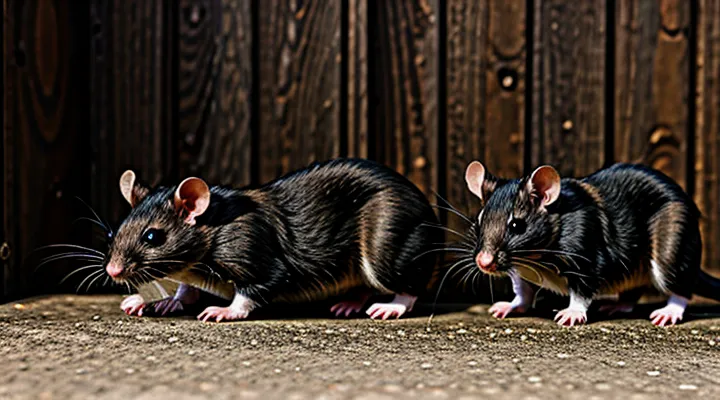
Understanding Decorative Rats
What Makes a Rat «Decorative»?
History of Domesticated Rats
Domestication of rats began in the late 19th century when European breeders selected wild brown rats for temperament and coat coloration. Early experiments focused on tameness, leading to the first pet rats exhibited at animal shows in the United Kingdom and Germany. By the 1920s, specialized breeding programs produced distinct coat patterns—albino, hooded, and sable—establishing the foundation for modern ornamental varieties.
Key developments in the domesticated rat lineage include:
- 1880s: Introduction of wild Rattus norvegicus to laboratory settings; first systematic selection for docility.
- 1900‑1910: Formation of rat clubs in Britain; establishment of breed standards for coat color and body shape.
- 1930s: Expansion of breeding into the United States; development of the “Fancy” designation for show-quality rats.
- 1950s: Emergence of photographic documentation; widespread dissemination of breed images through hobbyist magazines.
- 1970s‑present: International registries cataloguing names and lineage; integration of genetic testing to preserve rare color morphs.
The transition from laboratory subjects to decorative companions created a market for high‑quality photographs, enabling enthusiasts to compare phenotypes and verify lineage. Names assigned to each variety often reflect visual traits (e.g., “Siamese” for pointed coloration) or the breeder’s origin, providing a standardized nomenclature across the community.
Contemporary ornamental rat breeding relies on controlled pairings, careful record‑keeping, and selective culling to maintain desired characteristics. Genetic research supports the preservation of rare patterns while minimizing health issues associated with inbreeding. The historical trajectory from rudimentary tameness experiments to sophisticated breed registries illustrates the evolution of rats from functional animals to celebrated decorative pets.
Temperament and Intelligence
Decorative rats, bred for visual appeal, exhibit distinct behavioral patterns that influence suitability as companion animals. Their temperament ranges from highly sociable to selectively reserved, depending on lineage and early socialization. Breeds emphasizing vivid coloration often retain the same baseline docility found in standard laboratory strains, while lines selected for unique coat mutations may display heightened curiosity and exploratory drive.
Key temperament traits include:
- Sociability – frequent seeking of human interaction, willingness to be held, and responsiveness to gentle vocal cues.
- Calmness – low reactivity to sudden noises, steady activity levels during daylight hours.
- Playfulness – engagement with tunnels, chew toys, and puzzle devices, indicating a preference for mental stimulation.
- Territoriality – occasional defensive posturing when introduced to unfamiliar conspecifics, mitigated by gradual exposure.
Intelligence manifests through problem‑solving, memory retention, and trainability. Rats possess a well‑documented capacity for maze navigation, pattern recognition, and operant conditioning. Observable indicators of cognitive ability comprise:
- Rapid adaptation to novel environments, demonstrated by swift exploration of new enclosures.
- Learning speed in tasks such as lever pressing for food rewards, often achieved within a few repetitions.
- Retention of learned routes for up to several weeks, suggesting robust spatial memory.
- Vocal and body‑language cues used to communicate needs, reflecting an understanding of cause‑effect relationships.
Effective enrichment—rotating tunnels, foraging puzzles, and interactive toys—leverages both temperament and intelligence, promoting health and reducing stress. Selective breeding that balances aesthetic traits with stable behavioral profiles ensures that ornamental rats remain engaging, trainable companions.
Popular Decorative Rat Breeds
Standard Rat Varieties
Top Ear
The Top Ear is a distinctive variety among ornamental rats, recognized for its unusually large, upright ear folds that extend beyond the head’s normal contour. Breeders achieve this trait through selective pairing of individuals displaying pronounced ear cartilage, resulting in offspring whose ears stand erect and often measure twice the height of standard ears. The pronounced ear shape contributes to a striking silhouette, making the Top Ear a popular choice for exhibition and photography.
Physically, the Top Ear retains the typical size and body proportions of a domestic rat, with a sleek coat that can appear in any color pattern accepted in decorative breeding programs. The ear cartilage is dense and resilient, requiring careful handling to prevent damage. Grooming routines remain identical to those for other varieties: regular brushing, nail trimming, and dental checks. However, owners should inspect the ears weekly for signs of infection or debris accumulation, as the enlarged surface area can trap moisture.
When photographing Top Ears, lighting that highlights the ear’s curvature enhances visual impact. Side lighting at a 30‑degree angle emphasizes the three‑dimensional structure, while a shallow depth of field isolates the head against a neutral background. Consistent exposure prevents the fur from appearing washed out, preserving the true coloration of the subject.
Naming conventions for Top Ear rats often reflect the ear’s prominence or evoke imagery of height and elegance. Examples include:
- Apex
- Crown
- Loft
- Summit
- Skyline
- Zenith
These names reinforce the breed’s characteristic upward orientation while remaining concise and memorable.
Dumbo Ear
The Dumbo Ear is a distinctive variety of ornamental rat prized for its unusually large, low‑set ears that cover the sides of the head. These ears give the animal a rounded silhouette and a gentle expression, making it a popular choice among hobbyists who focus on visual appeal.
Physical traits include:
- Ear size: ears extend to the cheeks, often covering the eyes when viewed from the front.
- Head shape: broad, rounded skull that supports the ear mass.
- Fur types: compatible with standard, rex, satin, or hairless coats, allowing diverse color combinations.
- Size: comparable to standard fancy rats, typically 20–25 cm in length, 150–250 g in weight.
Temperament is generally calm; the breed’s anatomy does not impede movement, and individuals adapt well to handling. Health considerations focus on ear hygiene: regular cleaning prevents wax buildup and reduces the risk of infection. Monitoring for signs of otitis or skin irritation is essential, especially in humid environments.
When photographing a Dumbo Ear, emphasize the ear profile by using side lighting and shallow depth of field. Backgrounds of neutral color enhance contrast, while close‑up shots capture the texture of the fur and the sheen of the ear surface.
Naming conventions often reference the ear’s appearance. Common choices include:
- “Echo” – evokes the echo‑like shape of the ears.
- “Muffin” – suggests softness and roundness.
- “Saturn” – alludes to the ringed, expansive look.
- “Poppy” – reflects bright, eye‑catching coloration.
Breeders recommend pairing Dumbo Ear rats with other decorative varieties to maintain genetic diversity while preserving the ear trait. Proper socialization, a balanced diet, and a spacious cage ensure the breed thrives and continues to attract enthusiasts.
Coat Types
Standard
Standard decorative rats represent the most widely recognized form within the hobby. Breeders maintain a consistent set of physical criteria: medium‑sized body, smooth coat, balanced head‑to‑body proportion, and a neutral temperament suitable for handling. The breed’s definition emphasizes uniformity rather than extreme coloration or specialized markings, allowing owners to focus on overall health and behavior.
Key characteristics include:
- Body length of 9–12 inches, weight between 300–500 g.
- Coat types range from short, smooth hair to slightly longer, dense fur, but must lack the exaggerated texture of novelty varieties.
- Color palette covers solid shades (black, white, chocolate) and standard patterns (agouti, brindle) without extensive piebald or roan modifications.
- Temperament described as calm, inquisitive, and adaptable to routine interaction.
Care guidelines for this category stress regular health monitoring, balanced diet, and environmental enrichment. Routine checks for dental wear, respiratory health, and coat condition are essential. Enclosures should provide vertical space, chewable materials, and hiding spots to satisfy natural exploratory behavior.
Naming conventions often reflect the breed’s classic status. Common choices include straightforward, single‑word names—such as “Ace,” “Nova,” or “Milo”—or traditional animal names that convey steadiness, for example “Harold” or “Eleanor.” When selecting a name, owners typically avoid overly ornate or thematic titles, favoring clarity and ease of recall.
Photographic documentation benefits from neutral backgrounds, consistent lighting, and multiple angles that display the rat’s full silhouette, coat texture, and facial features. A series of three to five images—front, side, and top view—provides a comprehensive visual record suitable for breed registries and online presentations.
Rex
Rex rats belong to the decorative rodent category, distinguished by a dense, wavy coat that differs from the smooth fur of standard laboratory strains. The coat results from a genetic mutation affecting hair structure, producing a plush texture that appeals to hobbyists seeking visual variety.
Typical physical characteristics include a compact body length of 20–25 cm, a weight range of 300–500 g, and a pronounced curl that covers the head, back, and tail. Coloration follows the standard rat palette—agouti, black, blue, chocolate, and albino—each displaying the signature curl. Whiskers remain straight, providing a clear contrast against the curved fur.
Maintenance requires weekly gentle brushing to prevent matting; the coat does not shed as heavily as smooth varieties, reducing allergen load. Nutrition aligns with standard rodent diets: high‑quality pellets, occasional fresh vegetables, and limited protein treats. Enclosures should offer solid flooring, ample climbing structures, and a nesting area protected from moisture, which can affect fur condition.
Effective photography emphasizes soft, diffused lighting to highlight the curl without harsh shadows. Side‑profile shots capture the silhouette of the coat, while close‑up macro images reveal individual hair texture. Neutral backgrounds prevent color distortion and keep focus on the animal’s distinctive fur.
Suggested names for Rex rats, organized for quick reference:
- Curly
- Velvet
- Nimbus
- Pompom
- Tangle
- Fuzzball
- Wisp
- Cloud
- Fluff
- Sprout
Double Rex
The Double Rex is a distinct variety of ornamental rat prized for its exceptionally soft, plush coat that results from a double-layered fur structure. The outer guard hairs are short, while a dense undercoat creates a velvety texture reminiscent of a rabbit’s fur. Coat colors range from solid shades such as black, white, and chocolate to patterned varieties including agouti, sable, and tortoiseshell. The breed’s striking appearance makes it a frequent subject of photographic collections that emphasize texture and color contrast.
Physically, Double Rex rats possess a medium-sized body, a rounded head, and compact limbs. Their ears are proportionally small, and eyes appear bright and alert. The breed’s temperament aligns with standard fancy rats: social, curious, and easily habituated to handling. Breeders note a propensity for calm behavior, which facilitates training and interaction with owners.
Key considerations for successful breeding and care include:
- Maintaining a humidity level of 45‑55 % to prevent coat matting.
- Providing a diet rich in protein and essential fatty acids to support fur health.
- Scheduling regular grooming sessions with a soft brush to remove loose undercoat and reduce shedding.
- Monitoring for skin irritations, as the dense fur can trap moisture and debris.
When photographing Double Rex specimens, optimal lighting emphasizes the coat’s texture. Soft, diffused light reduces glare on the fur, while a shallow depth of field isolates the subject from the background, highlighting color detail. Backgrounds in neutral tones prevent distraction from the rat’s coloration.
Naming conventions often draw from the breed’s luxurious coat. Common options include:
- Velvet
- Plush
- Silky
- Cloud
- Nimbus
These names reflect the tactile qualities that distinguish the Double Rex within the broader category of decorative rat breeds.
Hairless
Hairless rats are a distinct variety within the ornamental rodent community, recognized for their lack of fur and smooth skin. Their exposed dermis reveals vivid coloration, vascular patterns, and delicate whisker structures, making them popular subjects for close‑up photography and specialized breeding programs.
Physical traits include a thin, pliable epidermis that requires regular moisturization to prevent dryness. Skin pigmentation ranges from pink to deep brown, often accentuated by genetic markers that produce striking eye and ear hues. Body size aligns with standard domestic rats, averaging 250‑300 g, while skeletal structure remains robust, supporting agile movement despite the absence of protective fur.
Health considerations demand vigilant monitoring. Common issues involve dermal irritation, temperature sensitivity, and increased susceptibility to parasites. Preventive measures consist of:
- Daily application of veterinarian‑approved emollient.
- Controlled ambient temperature, ideally 68‑74 °F (20‑23 °C).
- Routine skin examinations for lesions or discoloration.
- Use of breathable, lint‑free bedding to reduce friction.
Photographic guidance emphasizes lighting and background selection to highlight the rat’s skin texture. Soft, diffused illumination reduces glare, while neutral‑colored backdrops enhance contrast without overwhelming the subject. Macro lenses with a minimum focal length of 90 mm capture fine details such as whisker curvature and vascular patterns.
Naming conventions often reflect the breed’s unique appearance. Suggested names include:
- Silk
- Nimbus
- Quartz
- Echo
- Sable
These names draw from visual qualities and atmospheric themes, providing owners with memorable identifiers that complement the rat’s aesthetic.
Satin
Satin is a weave characterized by a smooth, glossy surface and a dull back. The fabric achieves its sheen through a high number of warp yarns that float over the weft, creating long uninterrupted threads visible on the face. Fiber composition varies; silk, polyester, and nylon are common, each imparting distinct tactile and durability qualities.
In the decorative rat community, satin serves as a material for accessories that enhance visual appeal and comfort. Its softness makes it suitable for hammock-style bedding, while the reflective finish adds aesthetic contrast to cage interiors. Satin ribbons and bows are frequently used to adorn collars, harnesses, and grooming tools, providing a polished look that complements the vibrant coat colors of ornamental rat breeds.
Key considerations when selecting satin for rat environments include:
- Fiber type: Silk offers natural breathability but may degrade faster under frequent washing; polyester provides higher resistance to moisture and wear.
- Thread count: Higher counts yield smoother surfaces, reducing the risk of skin irritation.
- Attachment method: Velcro or snap fasteners secure satin items without requiring knots that could be chewed or swallowed.
- Cleaning protocol: Machine‑washable polyester satin tolerates temperatures up to 40 °C; silk should be hand‑washed with mild detergent and air‑dried.
Maintenance practices ensure longevity and hygiene. Remove satin pieces weekly for inspection; discard any with frayed edges or signs of mold. Spot‑clean stains promptly using a damp cloth, then launder according to the fiber’s recommended settings. Store unused satin components in a dry, dust‑free container to prevent fiber degradation.
By integrating satin thoughtfully, caretakers can combine functional comfort with decorative elegance, aligning material choice with the visual standards prized within the ornamental rat hobby.
Markings and Patterns
Self
I am a professional curator specializing in ornamental rodents, with a focus on the diversity of decorative rat varieties, visual documentation, and systematic naming. My work combines field observation, selective breeding, and high‑resolution photography to produce a comprehensive reference for enthusiasts and researchers.
Over the past decade I have identified and maintained more than thirty distinct breeds, each characterized by unique coat patterns, body conformation, and temperament. The most frequently encountered types include:
- Satin‑coated rats with a glossy, reflective fur surface.
- Rex‑type rats featuring a velvety, curly coat.
- Hairless rats distinguished by a smooth, hair‑free skin.
My photographic archive contains thousands of images, organized by breed, color morph, and developmental stage. I employ controlled lighting, macro lenses, and color‑calibrated backdrops to ensure accurate representation of fur texture and hue, facilitating reliable visual comparison across the collection.
Naming conventions follow a standardized taxonomy that aligns with breed heritage, color descriptors, and lineage identifiers. I assign each specimen a unique alphanumeric code, supplemented by a descriptive name that reflects its most salient traits—for example, “Silk‑Blue Rex‑01” for a blue‑colored Rex rat with an exceptionally soft coat.
Through meticulous documentation and consistent methodology, I provide a definitive resource that supports breeding programs, educational outreach, and scientific study of decorative rat phenotypes.
Capped
The “Capped” variety represents a distinct color pattern among ornamental rats, characterized by a sharply defined, contrasting cap of darker fur that covers the head and often extends onto the ears. This cap typically sits atop a lighter‑toned body, creating a striking two‑tone appearance that appeals to hobbyists seeking visual diversity.
Genetic origin traces to a recessive allele that modifies melanin distribution, resulting in the localized dark pigmentation. Breeders achieve the pattern by selecting individuals that consistently express the cap across generations, ensuring stability of the trait in litters.
Key attributes of the Capped type include:
- Head and ear region: deep brown, black, or slate coloration forming a well‑defined cap.
- Body coat: cream, white, or pale gray, providing high contrast.
- Tail: often matches the body hue, though occasional darkening may occur near the base.
- Eyes: typical rat eye color, unaffected by the cap gene.
Photographic presentation benefits from lighting that emphasizes the contrast between cap and body. Soft, diffused light reduces glare on the glossy fur, while a neutral background prevents color bleed. Close‑up shots of the head highlight the cap’s geometry; side profiles reveal the transition line between colors.
When naming a Capped rat, owners frequently draw on themes of hats, crowns, or geological formations that echo the visual split. Examples include:
- Fedora
- Monarch
- Slate
- Eclipse
- Piebald
Proper care does not differ from that of other decorative breeds. Provide a balanced diet, regular cage cleaning, and enrichment items to promote activity. Monitor the coat for signs of matting in the cap area, as the denser fur may trap debris more readily than the smoother body sections.
In summary, the Capped pattern offers a visually compelling option for enthusiasts of ornamental rats, combining a clear genetic basis with straightforward husbandry requirements and ample opportunities for creative naming.
Hooded
The hooded pattern is one of the most recognizable markings among ornamental rats. It features a dark mask covering the eyes, ears, and a stripe extending from the nose across the back, while the remainder of the body remains a contrasting lighter color. This striking contrast makes hooded individuals popular in exhibitions and photographic collections.
Genetically, the hooded pattern results from a dominant allele that suppresses pigment production on the ventral side and on areas not covered by the mask. Breeders often pair hooded rats with solid-colored partners to produce offspring that display a range of intermediate patterns, such as half-hooded or split-hooded variations.
Photographers seeking to capture the hooded design should use lighting that emphasizes the contrast between dark and light fur. Soft, diffused light reduces glare on the glossy coat, while a slight side illumination highlights the mask’s edges. Backgrounds in neutral tones prevent visual competition with the rat’s coloration.
Common naming conventions for hooded rats draw on the mask motif and the notion of secrecy. Examples include:
- Shadow
- Bandit
- Mask
- Eclipse
- Noir
These names reinforce the visual identity while remaining concise and memorable.
Berkshire
Berkshire rats are a distinct variety prized for their striking coat pattern and compact body shape. Originating from the United Kingdom, the breed was developed in the early 20th century by crossing domestic rats with wild field mice to achieve a sleek, glossy fur that displays a characteristic dark dorsal stripe against a lighter background. The coat typically features a deep brown or black base with a pronounced white blaze extending from the nose across the forehead and down the back, creating a natural “mask” that enhances visual appeal.
Physically, Berkshires weigh between 250 g and 350 g, with a muscular build that supports steady movement and a confident posture. Their ears are proportionally small, and the tail is short, thick, and well‑curved, contributing to an overall balanced silhouette. Eyes are bright and alert, ranging from amber to reddish‑brown, which adds to their expressive appearance.
Temperament is generally calm and inquisitive. Berkshires interact well with humans, responding to gentle handling and showing curiosity toward novel objects. They thrive in environments that provide ample enrichment, such as tunnels, climbing structures, and chew‑safe toys, which stimulate natural foraging behavior and prevent boredom.
Care guidelines include:
- Cage size: minimum 0.5 m² floor space, with multiple levels to accommodate climbing.
- Bedding: dust‑free wood shavings or paper‑based substrate to protect respiratory health.
- Diet: balanced commercial rat pellets supplemented with fresh vegetables, fruits, and occasional protein treats.
- Health monitoring: regular checks for respiratory signs, skin condition, and dental wear; Berkshires’ dense fur may conceal parasites if not inspected closely.
When documenting a Berkshire for a visual collection, consider the following photographic techniques:
- Use soft, diffused lighting to highlight the contrast between the dark stripe and light blaze without creating harsh shadows.
- Capture side‑profile shots to emphasize the distinctive mask and tail curvature.
- Include close‑up macro images of the eyes and whiskers to showcase texture and detail.
- Provide a neutral background that does not compete with the coat’s pattern.
Suggested names that reflect the breed’s heritage and appearance include:
- Duchess
- Brindle
- Ashby
- Ember
- Sable
These identifiers complement the breed’s elegant demeanor and help owners personalize their decorative rat’s identity.
Irish
Irish decorative rats trace their lineage to the native Irish dwarf varieties, prized for compact bodies and striking coat patterns. Breeders emphasize a smooth, glossy fur texture and a calm temperament that suits display environments.
Physical traits include a head‑to‑body ratio of roughly 1:3, a rounded skull, and a short, dense coat. Coloration often features solid black, ivory, or brindle, with occasional white‑tipped ears that enhance visual contrast. Weight typically ranges from 150 to 200 grams, allowing easy handling during exhibitions.
Suggested names reflecting Irish heritage:
- Finn
- Saoirse
- Niamh
- Cormac
- Brigid
- Eira
- Declan
- Siobhan
- Aiden
- Maeve
Photographic guidelines for optimal presentation:
- Use a shallow depth of field to isolate the subject from background clutter.
- Position lighting at a 45‑degree angle to reveal fur texture without creating harsh shadows.
- Capture the rat from a low angle to emphasize its compact stature and facial features.
- Include a plain, neutral backdrop to focus attention on coat coloration.
Dalmatian
Dalmatian rats are a distinct decorative breed recognized for their striking spotted coat, reminiscent of the classic dog pattern. Their fur displays a white base overlaid with black or brown spots of varying size, creating a high‑contrast appearance that appeals to hobbyists seeking visual novelty.
The breed’s temperament is generally calm and sociable, allowing easy handling and interaction with owners. They adapt well to group housing, provided space and enrichment are sufficient to prevent stress. Regular grooming removes loose hair and highlights the spot pattern, contributing to overall health.
Key care considerations include:
- Diet: balanced rodent pellets supplemented with fresh vegetables and occasional protein treats;
- Habitat: multi‑level cage with solid flooring, ample bedding, and chewable accessories;
- Health monitoring: weekly inspection for skin irritation around spots and routine veterinary checks.
Naming conventions for Dalmatian rats often draw from canine references, famous spotted figures, or color‑based themes. Examples include “Spot,” “Dal,” “Freckles,” and “Pongo,” each reflecting the breed’s visual identity.
Photographic presentation benefits from high‑contrast lighting that accentuates the spots. Positioning the rat against a dark or neutral background, using a shallow depth of field, and capturing the animal at eye level produce clear, compelling images suitable for galleries or breed registries.
Roan
Roan refers to a distinctive coat pattern in ornamental rats where each hair contains both pigmented and unpigmented sections, producing a speckled, blended appearance. The effect results from the interaction of the roan allele with other color genes, yielding a mixture of base color and white that remains uniform across the body while allowing underlying hues to show through.
Key characteristics of roan rats include:
- Even distribution of pigmented and white hairs across the entire coat.
- Retention of the original color’s intensity, such that a black roan appears as a dark, mottled shade rather than a diluted tone.
- Stable expression throughout the animal’s life; the pattern does not fade with age or seasonal changes.
- Compatibility with most standard color varieties, allowing breeders to produce roan versions of agouti, black, cinnamon, or chocolate rats.
When photographing roan specimens, the speckled texture benefits from diffused lighting that highlights the contrast between pigmented and white fibers. Close‑up shots at a shallow depth of field emphasize the intricate pattern, while broader angles showcase the overall balance of coloration.
Naming conventions for roan individuals often incorporate terms that reflect the mixed appearance. Common prefixes include “Speck”, “Mottle”, or “Blend”, paired with the animal’s primary hue (e.g., “Specked Ebony”, “Mottled Cinnamon”).
Breeders should monitor the roan gene for any associated health considerations. Although the allele itself is benign, it can mask early signs of skin conditions; regular skin examinations are recommended to ensure the animal’s welfare.
Eye Colors
Black Eyes
Black eyes refer to the deep, uniform pigmentation that covers the entire ocular surface of a decorative rat, giving the eye a solid, glossy appearance. This trait results from a concentration of melanin in the iris and surrounding tissues, eliminating the usual lighter flecks or rings seen in many standard varieties. The effect is striking in photographs, providing a dramatic contrast against the fur and background.
Genetically, black eyes are linked to the e (eyed) allele, which is recessive to the wild‑type allele that produces typical brown or pink irises. Breeding two carriers (heterozygous E/e) yields a 25 % probability of black‑eyed offspring, while mating two black‑eyed rats produces 100 % black‑eyed litters. Careful record‑keeping of parent genotypes is essential to predict outcomes reliably.
Photographic presentation benefits from lighting that emphasizes the eye’s sheen. Soft, diffused light reduces reflections on the cornea, while a slight backlight accentuates the dark silhouette of the eye. Position the rat so that the eye faces the camera directly; a shallow depth of field isolates the eye and draws viewer attention.
Suggested names that highlight the black‑eye characteristic:
- Midnight
- Onyx
- Eclipse
- Noir
- Shadow
- Jet
- Raven
- Coal
These names reinforce the visual impact and aid owners in cataloguing their decorative rats.
Ruby Eyes
Ruby‑eyed rats captivate enthusiasts with a striking, deep‑red iris that stands out among common coat colors. The phenotype results from a specific melanin mutation that concentrates pigment in the eye, producing a hue comparable to a polished ruby. Breeders select for this trait by pairing carriers with clear‑eyed partners, monitoring offspring for consistent coloration across generations.
Photographic presentation of ruby eyes demands precise lighting. Soft, diffused light reduces glare on the reflective surface, while a shallow depth of field isolates the eye against a neutral background. Macro lenses or close‑up adapters allow the viewer to appreciate the fine vascular pattern that gives the ruby its depth.
Naming conventions often draw on gemstone terminology to highlight the visual impact. Popular choices include “Carmine,” “Garnet,” “Crimson,” and “Scarlet.” Such names reinforce the association with precious stones and aid in cataloguing within collections.
- Provide a balanced diet rich in vitamin A to support ocular health.
- Monitor for signs of eye irritation; excessive brightness can cause discomfort.
- Keep cage enrichment simple to prevent accidental eye injury.
- Record eye color at weaning; changes after maturity are rare.
Pink Eyes
Pink‑eyed decorative rats are a distinct visual variant prized by enthusiasts for their striking appearance. The pink hue results from a lack of pigment in the iris, exposing the underlying blood vessels. This condition, known as albinism when combined with white fur, can also appear in rats with colored coats that carry the same iris mutation.
Genetically, the pink eye trait is linked to the recessive allele c, which must be inherited from both parents for the phenotype to manifest. Breeders confirm the presence of the allele through pedigree analysis and, when necessary, DNA testing. Because the allele is recessive, breeding two pink‑eyed individuals guarantees pink eyes in all offspring, while pairing a pink‑eyed rat with a normal‑eyed partner produces a 50 % chance of pink‑eyed pups if the normal‑eyed parent is a carrier.
Key considerations for owners of pink‑eyed rats include:
- Health monitoring: Lack of melanin can increase sensitivity to bright light; provide shaded areas and avoid direct glare.
- Vision assessment: Some pink‑eyed rats exhibit reduced visual acuity; regular observation for disorientation or collision with obstacles is advisable.
- Breeding ethics: Preserve genetic diversity by avoiding excessive inbreeding, which may amplify other recessive defects.
Photographic documentation often highlights the contrast between the pink iris and the surrounding fur patterns. High‑resolution images captured under diffused lighting reveal the subtle vascular network and help differentiate true pink eyes from pale brown or hazel irises that may appear similar under certain conditions. Accurate visual records support both scientific study and hobbyist cataloging of this aesthetic trait.
Caring for Decorative Rats
Housing Requirements
Cage Size and Type
When keeping ornamental rats, the enclosure must accommodate their activity level and size. A minimum floor area of 2 sq ft per adult rat ensures sufficient space for exploration and exercise. For a pair, increase the floor to at least 4 sq ft; each additional rat adds 1 sq ft. Height should not be less than 12 in, allowing vertical climbing and the placement of platforms.
Cage construction influences durability, cleaning ease, and ventilation. Preferred options include:
- Wire cages with a solid base – Provide excellent airflow; choose bars no wider than ½ in to prevent escape.
- Acrylic or glass terrariums – Offer clear visibility; equip with a mesh top or ventilation slots to avoid humidity buildup.
- Modular plastic systems – Allow reconfiguration; select units with smooth, chew‑resistant surfaces and removable trays for hygiene.
Key structural features:
- Secure latch mechanisms to prevent accidental openings.
- Rounded corners and smooth edges to avoid injuries.
- Removable bottom trays for waste removal without disturbing the interior.
- Compatibility with enrichment items such as ramps, tunnels, and hammocks.
Regular inspection of the cage for wear, rust, or broken components is essential to maintain a safe environment for decorative rats.
Bedding and Substrates
Choosing appropriate bedding and substrate is essential for the health and comfort of ornamental rats. The material must provide absorbency, odor control, and a safe environment for chewing and nesting.
Ideal options include:
- Paper‑based bedding – highly absorbent, dust‑free, and biodegradable; suitable for regular cleaning cycles.
- Aspen shavings – low in aromatic oils, soft enough for burrowing, and readily available.
- Coconut fiber – offers natural texture for nesting, moderate absorbency, and minimal dust.
- Hemp bedding – strong absorbency, low allergen potential, and resilient under repeated use.
Materials to avoid:
- Pine or cedar shavings – contain phenols that can irritate respiratory tracts.
- Dusty or scented litters – increase the risk of respiratory infections and discourage natural grooming behavior.
- Silica‑gel crystals – non‑edible, may cause gastrointestinal blockage if ingested.
Key considerations when selecting substrate:
- Absorbency rate – higher absorbency reduces the frequency of full‑cage changes.
- Dust production – low‑dust products protect delicate respiratory systems.
- Chewability – safe, non‑toxic fibers prevent dental problems and satisfy instinctual gnawing.
- Ease of cleaning – materials that separate cleanly from waste simplify maintenance and minimize stress on the animals.
Regular monitoring of bedding condition, replacing soiled sections promptly, and rotating substrate types periodically prevent mold growth and maintain optimal hygiene. Proper substrate selection supports the aesthetic appeal of decorative rats by promoting vibrant coats, active behavior, and a clean enclosure.
Diet and Nutrition
Commercial Rat Food
Commercial rat diets are formulated to meet the high metabolic demands of ornamental rodents, providing balanced protein, fat, fiber, vitamins, and minerals. Consistency in nutrient ratios supports coat health, skeletal development, and reproductive performance.
Key nutritional elements in reputable products:
- Protein ≥ 18 % (animal‑derived sources such as soy, fish, or meat meals)
- Fat ≈ 5–7 % (essential fatty acids for skin and fur condition)
- Fiber ≥ 5 % (celery, beet pulp, or wheat bran for gut motility)
- Calcium‑phosphorus ratio ≈ 1.2:1 (prevents metabolic bone disease)
- Added vitamin E, B‑complex, and trace minerals (zinc, selenium, iodine)
When selecting a commercial feed, consider:
- Ingredient transparency: full disclosure of protein sources and absence of artificial colors or flavors.
- Shelf life: airtight packaging and a best‑by date within 12 months.
- Palatability: tested acceptance rates above 85 % in trial groups of decorative rats.
- Cost efficiency: price per kilogram relative to nutritional density.
Storage recommendations include keeping the product in a cool, dry environment, sealed against moisture and rodents. Portion control should align with body weight, typically 10–12 g per 100 g of live weight per day, divided into two meals to prevent over‑eating and maintain steady blood glucose. Regular monitoring of body condition and fecal consistency ensures the diet remains appropriate, allowing adjustments to supplement fresh vegetables or occasional treats without compromising overall balance.
Fresh Foods and Treats
Fresh foods enhance the coat sheen, vitality, and scent of ornamental rodents, making them more appealing in visual presentations. Nutrient‑dense options should be introduced gradually to avoid digestive upset.
Suitable fresh items include:
- Thinly sliced carrots – high in beta‑carotene, supports skin health.
- Small apple wedges – provide natural sugars and fiber; remove seeds.
- Leafy greens such as kale, romaine, and dandelion leaves – supply calcium and vitamins.
- Fresh blueberries – rich in antioxidants, serve as occasional treats.
- Cooked sweet potato cubes – source of complex carbohydrates and vitamin A.
Treats must meet safety standards:
- Wash all produce thoroughly to eliminate pesticide residues.
- Offer portions no larger than a quarter of the rat’s daily intake.
- Remove any uneaten pieces within two hours to prevent spoilage.
- Avoid citrus, onions, garlic, and high‑acid fruits that can irritate the gastrointestinal tract.
Incorporating these foods alongside a balanced pellet base contributes to the visual vigor of show‑grade rats, supporting both health and aesthetic objectives. Regular observation of weight and stool consistency ensures that fresh additions complement, rather than compromise, overall condition.
Health and Wellness
Common Ailments
Decorative rats, often kept for their aesthetic appeal and distinct breed characteristics, require regular health monitoring to ensure longevity and visual quality.
Common health issues include:
- Respiratory infections: symptoms such as sneezing, nasal discharge, and labored breathing; caused by bacterial or viral agents.
- Skin parasites: mites and lice produce itching, hair loss, and scaly patches; infestations spread through close contact.
- Dental malocclusion: overgrown incisors lead to difficulty eating, weight loss, and facial deformities; improper diet or genetics are typical triggers.
- Gastrointestinal stasis: reduced intestinal motility results in decreased appetite, abdominal distension, and lethargy; stress and sudden diet changes contribute.
- Wet tail (streptococcal enteritis): watery diarrhea, dehydration, and rapid deterioration; prevalent in young or stressed individuals.
Preventive measures focus on environmental hygiene, balanced nutrition, and routine veterinary examinations. Clean cages weekly, provide chewable objects to promote dental wear, and introduce new foods gradually. Early detection relies on observing behavior, coat condition, and waste patterns; prompt veterinary intervention improves outcomes and maintains the visual standards expected of ornamental rodents.
Veterinary Care
Veterinary care for ornamental rats requires systematic health monitoring, precise nutrition, and prompt treatment of common conditions. Regular examinations by a qualified small‑animal veterinarian should include weight measurement, dental evaluation, and inspection of fur, skin, and respiratory system. Record each visit to track trends and identify early signs of disease.
A balanced diet supports immune function and dental health. Provide a commercial rodent pellet formulated for rats, supplemented with fresh vegetables such as carrots, broccoli, and leafy greens. Limit sugary treats; excessive sugars increase the risk of dental overgrowth and metabolic disorders. Fresh water must be available at all times, and water bottles should be cleaned daily to prevent bacterial contamination.
Typical health issues in decorative rats include respiratory infections, skin parasites, and gastrointestinal disturbances. Preventive measures consist of:
- Weekly cage cleaning and disinfection with a rodent‑safe solution.
- Monthly ectoparasite checks and treatment with approved topical agents.
- Quarantine of new arrivals for at least two weeks, observing for signs of illness before integration.
In emergencies, maintain a contact list of an emergency‑trained veterinarian and a supply of basic first‑aid items such as sterile saline, gauze, and a temperature‑controlled transport box. Immediate attention to symptoms like nasal discharge, labored breathing, or sudden weight loss can prevent progression to severe disease.
Enrichment and Socialization
Toys and Activities
When showcasing ornamental rats, appropriate toys and activities enhance visual appeal and support well‑being. Durable chew items, such as natural wood blocks, prevent dental overgrowth and add texture to display settings. Puzzle feeders encourage problem‑solving, produce engaging photographs, and reinforce positive associations with the animal’s name. Climbing structures—rope ladders, woven tunnels, and low‑profile platforms—provide vertical space, highlight breed‑specific size differences, and create dynamic composition for images.
Key considerations for selecting accessories include material safety, size compatibility, and ease of cleaning. Avoid plastics that may splinter; prioritize untreated hardwood, untreated sisal, and stainless‑steel components. Ensure each item fits comfortably within the cage dimensions, allowing the rat to move without restriction. Regular rotation of toys maintains novelty, reduces habituation, and generates fresh visual content.
Practical activity list:
- Hide treats in cardboard tubes to stimulate foraging.
- Introduce scent trails using safe essential‑oil dilutions for scent‑tracking exercises.
- Conduct short, supervised hand‑out sessions to reinforce name recognition.
- Arrange mirror panels for visual stimulation and self‑awareness observation.
- Schedule brief, supervised outdoor exploration in a secure playpen to capture natural behavior on camera.
Implementing these toys and activities yields healthier, more expressive rats, enriches photographic material, and reinforces the distinct identities assigned to each animal.
Interaction with Owners
Interactions between ornamental rats and their caretakers shape the animals’ wellbeing and the owners’ satisfaction. Regular, gentle handling conditions rats to accept human contact, reduces stress during routine procedures, and encourages cooperative behavior during grooming or health checks.
Consistent routines reinforce predictability, which rats perceive as safety. Offering the same feeding schedule, playtime, and enclosure cleaning times allows the animal to anticipate activities, leading to smoother exchanges.
Key practices for effective owner‑rat interaction include:
- Hand‑feeding treats to strengthen trust and associate the caregiver with positive experiences.
- Using a soft, quiet voice while approaching the cage to avoid startling the animal.
- Introducing new objects or toys gradually, observing the rat’s reaction before expanding exposure.
- Monitoring body language: relaxed posture, whisker forward movement, and exploratory sniffing indicate comfort, while rapid breathing or freezing suggests anxiety.
Training simple cues—such as “come” or “stay”—leverages rats’ natural curiosity and intelligence. Repetition of a cue paired with a reward within a short, focused session (5‑10 minutes) yields reliable responses without overwhelming the animal.
Overall, deliberate, patient engagement fosters mutual confidence, enhances the aesthetic appeal of these pets, and supports long‑term health.
Group Housing Considerations
When keeping ornamental rats together, several factors determine health, behavior, and visual appeal. Compatibility among individuals is essential; observe social hierarchy and intervene if aggression escalates. Space must accommodate the full size of the breed, allowing each animal to retreat and explore without crowding. Provide multiple enrichment items—climbing structures, tunnels, and chew toys—to reduce competition for resources.
Key considerations for communal enclosures include:
- Minimum floor area of 2 sq ft per rat, with additional vertical space for climbing.
- Separate feeding stations to prevent dominant rats from monopolizing food.
- Multiple water dispensers positioned away from high‑traffic zones.
- Adequate ventilation while maintaining stable temperature (18‑22 °C) and humidity (45‑55 %).
- Regular cleaning schedule to control odor and disease vectors.
Monitoring health indicators—coat condition, weight, and activity level—allows early detection of stress‑related issues. Adjust group composition promptly if an individual shows signs of injury or chronic anxiety. Proper group housing enhances the aesthetic presentation of decorative rats, supporting both their welfare and the visual goals of enthusiasts.
Naming Your Decorative Rat
Creative Naming Strategies
Themed Names
The practice of assigning themed names to ornamental rats adds personality and aids identification within collections. Names often reflect visual traits, cultural references, or narrative concepts, creating a cohesive presentation that appeals to enthusiasts and viewers alike.
Effective themed naming follows three principles: relevance to the rat’s appearance, consistency across a set, and memorability. Relevance ensures the name echoes coloration, markings, or breed characteristics. Consistency maintains a uniform motif when multiple rats are displayed together. Memorability facilitates recall and discussion, especially in photographic archives or breeding records.
Common thematic categories include:
- Literary references – names such as Gatsby, Hemingway, Poe.
- Mythological figures – Athena, Thor, Anubis.
- Culinary terms – Saffron, Miso, Biscotti.
- Geographic locations – Sahara, Kyoto, Alpine.
- Color-inspired titles – Ivory, Onyx, Crimson.
Applying these categories consistently across a collection produces a recognizable naming system that enhances both documentation and visual storytelling.
Names Based on Appearance
When ornamental rodents are given names that reflect their visual traits, owners create instant recognition and reinforce the animal’s unique character. Selecting a name from coat color, pattern, or distinctive physical markers yields clear, memorable identifiers.
Coat color often drives the first choice. Dark fur may inspire names such as “Midnight,” “Onyx,” or “Ebony.” Light or cream fur suggests “Ivory,” “Snowball,” or “Butter.” Red or orange hues lead to “Rusty,” “Copper,” or “Ginger.” Gray or silver coats fit “Ash,” “Sterling,” or “Fog.”
Patterned pelage offers additional options. Striped rats can be called “Tiger,” “Zebra,” or “Baron.” Spotted individuals suit “Freckles,” “Polka,” or “Speck.” Swirl or marbled markings align with “Marble,” “Swirl,” or “Mosaic.”
Physical features beyond fur also generate names. Large ears merit “Flap,” “Echo,” or “Radar.” Long whiskers translate to “Quill,” “Fiber,” or “Stubble.” Compact, rounded bodies inspire “Puff,” “Button,” or “Ball.”
A concise list of appearance‑based names:
- Midnight – dark coat
- Ivory – cream coat
- Rusty – reddish fur
- Tiger – striped pattern
- Freckles – spotted pattern
- Marble – marbled pattern
- Flap – prominent ears
- Quill – long whiskers
- Puff – round body
Choosing names directly from visual traits enhances communication among breeders, hobbyists, and veterinarians, and supports consistent record‑keeping for ornamental rat collections.
Personality-Inspired Names
When selecting a name for a decorative rat, owners often draw from the animal’s observable temperament. Matching a name to a personality trait reinforces the bond and highlights the pet’s unique character.
Common personality-driven naming patterns include:
- Bold – for rats that explore new environments without hesitation.
- Gentle – for individuals that prefer calm interaction and soft handling.
- Curious – for those that investigate every object and puzzle.
- Playful – for energetic rats that engage in frequent games and chases.
- Shy – for timid specimens that retreat when approached.
- Mischievous – for clever rats that find unconventional ways to access food or escape enclosures.
Owners may also combine traits with descriptive adjectives to create memorable names, such as “Silent Shadow” for a quiet, stealthy rat or “Sunny Spark” for an exuberant, bright‑minded animal. Selecting a personality‑inspired name requires observation of consistent behaviors, ensuring the chosen label accurately reflects the rat’s typical demeanor.
Popular Rat Names
Male Rat Names
Choosing a name for a male decorative rat influences the animal’s identity within a hobby that values appearance, lineage, and personality. Owners often prefer names that reflect breed traits, visual characteristics, or personal interests, while remaining easy to pronounce during handling and record‑keeping.
Popular name categories
- Classic male names – Max, Oliver, Charlie, Milo, Jasper
- Literary references – Darcy, Sherlock, Atticus, Gatsby, Holden
- Mythological figures – Zeus, Apollo, Thor, Loki, Odin
- Color‑based names – Ash, Coal, Onyx, Slate, Pepper
- Breed‑inspired names – Silky, Rex, Angora, Satin, Velvet
Naming guidelines
- Limit names to one or two syllables for quick vocal cues.
- Avoid homophones of commands (e.g., “Stay,” “Come”) to prevent confusion during training.
- Record the chosen name alongside the rat’s registration number, breed, and photo for accurate documentation.
- Consider cultural or thematic consistency if multiple rats share a household; matching names enhance visual presentation in exhibitions.
Applying these principles yields names that are memorable, functional, and complementary to the aesthetic focus of decorative rodent keeping.
Female Rat Names
Choosing a name for a female decorative rat involves aligning the name with the animal’s breed traits, coat pattern, and temperament. Breeds such as the Satin, the Rex, or the Standard provide distinct visual cues that can inspire appropriate naming choices. Color variations—white, black, chocolate, or agouti—add another layer for selection, while personality traits such as curiosity, gentleness, or boldness further refine the decision.
Practical guidelines include:
- Prefer names that are easy to pronounce and distinct from commands.
- Match the name’s tone to the rat’s appearance; sleek coats suit elegant names, while rugged fur patterns suit robust names.
- Avoid overly long or complex strings that may confuse the animal during handling.
Below is a curated list of female rat names, organized by thematic inspiration:
Classic Elegance
- Bella
- Luna
- Pearl
- Stella
Nature‑Inspired
- Willow
- Ivy
- Juniper
- Hazel
Artistic Flair
- Muse
- Lyric
- Aria
- Sonata
Exotic Edge
- Sable
- Onyx
- Zuri
- Nala
Playful Charm
- Pip
- Nibbles
- Tinker
- Sprout
Selecting from these options ensures the name complements the rat’s decorative purpose while remaining functional for daily interaction.
Unisex Rat Names
Choosing a name for a decorative rat that works for any gender enhances the animal’s appeal and simplifies interaction. Unisex names avoid the need for later changes and suit the playful, intelligent nature of these pets.
Consider names that are short, easy to pronounce, and memorable. Examples include:
- Pixel – evokes a modern, tech‑savvy vibe.
- Milo – classic, friendly sound.
- River – natural, fluid feel.
- Echo – reflects a curious personality.
- Scout – suggests exploration and alertness.
- Nimbus – light, airy connotation.
- Cedar – earthy, sturdy impression.
- Quill – ties to the animal’s whiskers.
- Juno – timeless, mythic reference.
- Sage – implies wisdom and calm.
When selecting a name, prioritize clarity for verbal commands and consistency across caretakers. Avoid overly complex spellings that could cause confusion during training or documentation. A well‑chosen unisex name supports the decorative rat’s role as a visually striking, personable companion.
Where to Find Decorative Rats
Reputable Breeders
What to Look For in a Breeder
When acquiring decorative rats, the breeder’s practices directly affect animal health, temperament, and the quality of color patterns.
- Proven experience with the specific ornamental strains you seek.
- Transparent pedigree records showing lineage, genetic testing, and any known health issues.
- Clean, well‑ventilated facilities that separate different litters and provide enrichment.
- Documentation of vaccination, deworming, and regular veterinary check‑ups.
- Clear policies on quarantine, return, and ongoing support for new owners.
- Availability of high‑resolution photographs of current breeding stock and recent litters.
Before committing, request a site visit or a virtual tour to verify conditions. Ask for references from recent customers and confirm that the breeder follows reputable standards for breeding decorative rats. A breeder that meets these criteria reduces the risk of genetic defects, behavioral problems, and unexpected expenses.
Questions to Ask
When evaluating ornamental rats, the most effective approach is to ask precise, practical questions that clarify the animal’s characteristics, care requirements, and suitability for display or companionship.
Key inquiries include:
- What breed or lineage does the rat belong to, and what distinguishing physical traits define it?
- How was the animal photographed, and are high‑resolution images available that show coloration, pattern, and size accurately?
- Which name has been assigned, and does it reflect the rat’s temperament, appearance, or a recognized naming convention within the hobby?
- What health history accompanies the specimen, including any genetic conditions common to its breed?
- What specific husbandry guidelines apply, such as enclosure dimensions, diet, enrichment, and handling protocols?
- Are there documented breeding records that verify purity or hybrid status?
- What sources or breeders provided the rat, and do they offer guarantees or support for post‑purchase care?
By systematically addressing these points, collectors and enthusiasts can make informed decisions, ensure ethical acquisition, and maintain high standards for presentation and welfare.
Rat Rescues and Shelters
Advantages of Adoption
Adopting decorative rats provides immediate access to a curated selection of aesthetically distinctive breeds, eliminating the uncertainty of sourcing from multiple vendors. The adoption process often includes health screenings, guaranteeing that the animals meet established standards for temperament and appearance before entering a new environment.
Benefits of adoption include:
- Reduced cost compared to purchasing from specialized breeders; adoption fees cover basic veterinary care and initial supplies.
- Immediate integration into a community of experienced keepers who can offer guidance on enrichment, diet, and grooming specific to ornamental varieties.
- Assurance of ethical acquisition, as adoption centers prioritize responsible rehoming over commercial profit.
- Opportunity to support conservation of rare color morphs and pattern lines that might otherwise be neglected in breeding programs.
Adopted rats typically arrive with a documented history, facilitating accurate record‑keeping of lineage and health status. This information streamlines breeding decisions for enthusiasts aiming to expand the visual diversity within the hobby.
Long‑term ownership advantages stem from the established bond formed during the adoption transition. Rats accustomed to human handling exhibit lower stress responses, resulting in more consistent display of their decorative traits and a higher likelihood of successful breeding outcomes.
The Adoption Process
Adopting a decorative rat requires clear, documented steps to ensure the animal’s health and the owner’s preparedness. Shelters and breeders typically request the following information and actions before releasing a pet rat into a new home.
- Complete an adoption application that includes personal contact details, living arrangements, and experience with small mammals.
- Provide proof of adequate housing, such as a cage that meets size, ventilation, and safety standards.
- Submit a veterinary health check report or agree to a pre‑adoption health examination conducted by a qualified practitioner.
- Sign an adoption contract outlining responsibilities, including regular veterinary visits, proper diet, and humane treatment.
- Pay any applicable adoption fees, which often cover initial veterinary care, spaying/neutering, and basic supplies.
After the rat is transferred, the new caretaker must:
- Establish a quarantine period of at least seven days to monitor for signs of illness.
- Introduce the rat to its environment gradually, allowing time to explore and adjust to bedding, enrichment items, and feeding routines.
- Maintain a consistent schedule for feeding, cleaning, and social interaction to promote well‑being and reduce stress.
Following these procedures ensures a smooth transition for ornamental rodents and supports responsible ownership.