
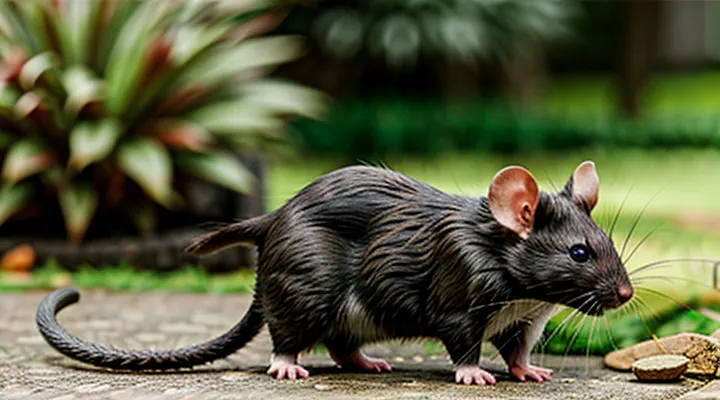
Understanding Decorative Rats
What Makes a Rat «Decorative»?
Aesthetics and Temperament
The aesthetic appeal of ornamental rat varieties stems from distinct coat textures, color patterns, and body conformations. Smooth‑coated strains display glossy fur in solid hues such as black, white, or agouti, while textured lines include the plush, wavy coat of the Rex and the hair‑free skin of the Hairless. Ear morphology also contributes, with Dumbo rats featuring enlarged, low‑set ears that enhance visual softness. Body shape varies from the compact, rounded silhouette of the Standard to the elongated, slender frame of the Manx, which lacks a tail.
Temperament correlates closely with these physical traits, influencing suitability for handling and interaction. Smooth‑coated and Rex rats typically exhibit high curiosity and rapid learning, responding well to enrichment and training. Dumbo rats, due to their larger ears, often display heightened auditory sensitivity, resulting in calm, observant behavior. Hairless individuals tend to be more sociable, seeking constant contact to regulate body temperature. Manx rats, lacking a tail, frequently demonstrate greater balance confidence, translating into bold exploration of vertical spaces.
Key decorative breeds, together with their primary aesthetic and behavioral characteristics, include:
- Standard – glossy coat, balanced temperament; adaptable to novice owners.
- Dumbo – oversized ears, gentle demeanor; excels in quiet environments.
- Rex – velvety fur, inquisitive nature; thrives on puzzle toys.
- Manx – tailless, agile posture; confident explorer.
- Hairless – smooth skin, highly social; requires frequent handling.
Selecting a breed aligns visual preferences with desired interaction style, ensuring that aesthetic enjoyment accompanies predictable, manageable behavior.
Differences from Wild Rats
Decorative rat breeds differ markedly from their wild counterparts in appearance, behavior, and care requirements.
Physical traits set the two groups apart. Domestic varieties often display a wide range of coat colors and patterns, including solid, brindle, and spotted forms. Fur may be short, long, or curly, a characteristic absent in wild rats, which possess uniform brown or gray short hair. Body size varies among ornamental strains, with some reaching lengths of 12 inches, whereas wild individuals typically remain under 9 inches. Ear and tail morphology also diverge; selective breeding yields rounded ears and thick, well‑furred tails, while wild rats have thin, sparsely haired tails and proportionally larger ears.
Behavioral distinctions arise from generations of human interaction. Decorative rats exhibit reduced fear of handling, increased sociability with conspecifics, and a propensity for tameness. Wild rats retain strong flight responses, aggressive territoriality, and limited adaptability to confined environments.
Health considerations reflect the divergent genetics and living conditions. Domestic breeds are prone to hereditary coat disorders, dental overgrowth, and respiratory sensitivities linked to selective traits. They require regular grooming, balanced nutrition, and environmental enrichment. Wild rats face parasite loads, disease exposure, and nutritional deficiencies driven by unpredictable food sources.
These contrasts underscore the necessity for specialized husbandry practices when keeping ornamental rats, distinguishing them fundamentally from the ecological niche occupied by their wild relatives.
Popular Decorative Rat Breeds
Standard Rats
Coat Type: Smooth
Smooth‑coated rats are distinguished by a short, glossy fur that lies flat against the skin. The texture results from a dominant gene that suppresses the development of longer guard hairs, producing a sleek appearance favored by many hobbyists for its ease of grooming and clear coloration.
The smooth coat influences several practical aspects:
- Grooming: Requires minimal brushing; weekly spot checks prevent matting.
- Health: Reduces risk of skin infections associated with dense or wiry fur; however, skin should still be examined for parasites.
- Show standards: Judges evaluate coat uniformity, shine, and absence of patches or roughness.
Popular ornamental rat varieties that consistently exhibit a smooth coat include:
- Standard (the classic breed, often used as a baseline for color mutations)
- Himalayan (black point coloration with a smooth body coat)
- Blue (solid blue-gray fur, uniform texture)
- Agouti (wild‑type coloration, sleek surface)
- Beige (light brown shade, smooth finish)
Breeders select for the smooth‑coat allele by pairing individuals that display the desired fur quality, confirming inheritance through successive litters. Maintaining genetic diversity while preserving coat characteristics involves rotating breeding lines and avoiding excessive inbreeding, which can introduce hidden defects.
Overall, the smooth coat contributes to the aesthetic appeal, manageability, and health profile of decorative rat breeds, making it a central trait in the development of popular ornamental varieties.
Ear Type: Top Ear
Top‑ear rats display ears that sit high on the skull, with the outer rim positioned above the eye line. This ear placement gives the animal a distinctive silhouette and is a recognized feature in many ornamental rat varieties.
The top‑ear trait influences several aspects of appearance and handling. The ears are typically more exposed, making them prone to minor injuries if the rat is housed in cramped environments. Owners should provide ample space, smooth cage furnishings, and avoid sharp objects that could snag the delicate cartilage. Regular inspection for abrasions or inflammation helps maintain ear health.
Breeds commonly exhibiting top ears include:
- Rex – smooth, velvety coat; ears positioned high, often paired with a short, plush fur texture.
- Manx – tailless or short‑tailed; top ears complement the streamlined body shape.
- Hairless – lack of fur highlights ear placement; top ears remain a defining visual element.
- Dumbo – although primarily known for low‑set, large ears, selective breeding lines produce top‑ear variants for contrast.
Standard show criteria typically require the ears to be symmetrical, well‑formed, and free of deformities. Judges assess ear height relative to the skull, cartilage firmness, and the absence of excessive hair that could obscure the ear margin. Deviations such as folded or low‑set ears disqualify a specimen from top‑ear categories.
Nutritional support contributes to ear integrity. Adequate protein and essential fatty acids promote cartilage strength and skin elasticity. A balanced diet, complemented by occasional omega‑3 supplementation, reduces the risk of ear dermatitis and supports overall vitality.
In breeding programs, top‑ear phenotype follows an autosomal dominant inheritance pattern. Pairing a top‑ear parent with a non‑top‑ear mate yields approximately a 50 % probability of offspring inheriting the trait, assuming heterozygosity. Breeders often track lineage charts to predict outcomes and maintain genetic diversity.
Overall, top‑ear rats combine visual appeal with specific husbandry requirements. Proper cage design, health monitoring, and informed breeding practices ensure the trait remains prominent and the animals thrive.
Rex Rats
Coat Type: Curly or Wavy
Curly and wavy coats distinguish several decorative rat varieties, offering a distinct texture compared to the standard smooth fur. The curl results from a genetic mutation that alters hair structure, producing tight spirals or loose waves depending on the specific line.
-
Common breeds with curly or wavy fur
• Himalayan Curly – tight curls covering the entire body, often paired with a color-point pattern.
• Standard Wavy – soft, undulating hair that lies closer to the skin, providing a plush appearance.
• Rex Curly – combination of a curly coat and the short, dense fur typical of Rex rats, creating a dense, cushion‑like texture. -
Physical characteristics
• Hair shafts bend at regular intervals, creating the visible curl or wave.
• Skin may appear slightly more exposed, especially in areas where hair density is lower.
• Body temperature regulation remains comparable to smooth‑fur counterparts, as the coat still provides insulation. -
Grooming requirements
• Daily inspection for tangles prevents mat formation, particularly in dense curls.
• Gentle brushing with a soft‑bristle brush removes loose hairs without damaging the delicate structure.
• Regular bathing is unnecessary; occasional spot cleaning maintains coat health. -
Health considerations
• Skin irritation can develop if debris accumulates in curls; prompt cleaning reduces risk.
• Hair loss or thinning may indicate underlying dermatological issues; veterinary assessment is advised if observed.
• Nutritional support, including adequate protein and essential fatty acids, promotes coat integrity.
Understanding these attributes assists breeders and owners in selecting appropriate care protocols, ensuring that rats with curly or wavy fur thrive within decorative breeding programs.
Whiskers: Crinkled
Crinkled whiskers are a distinct tactile feature observed in several ornamental rat varieties. The hairs form tight, wavy coils rather than the smooth, straight filaments typical of standard rodents. This texture results from a mutation affecting keratin structure, producing a denser, more flexible fiber that retains a curled shape throughout the rat’s life.
The trait appears most frequently in the following popular decorative breeds:
- Crested – whiskers curl alongside the feathered crest on the head.
- Rex – combined with a velvety coat, the whiskers add a plush appearance.
- Brittany – long, flowing fur is complemented by pronounced crinkled whiskers.
- Manx – tail‑less form often includes this whisker type, enhancing the overall novelty.
Breeders monitor the crinkled whisker gene to maintain consistency across litters. The mutation does not impact health; however, the altered hair texture can trap debris, requiring regular grooming of the facial area. Feeding a balanced diet supports normal whisker growth, while excessive humidity may cause the curls to loosen.
Hairless Rats
Coat Type: None
Hairless rats represent a distinct coat type within the spectrum of ornamental rodent varieties. These animals lack the dense fur typical of most decorative breeds, exposing a smooth, delicate skin that reveals the underlying musculature and vascular network. The absence of fur simplifies visual assessment of health, allowing owners to detect skin lesions, parasites, or dehydration more readily than with heavily coated counterparts.
Care requirements differ markedly from those of furred specimens. Temperature regulation becomes critical; hairless rats lose heat rapidly and thrive in environments maintained between 68 °F and 75 °F (20 °C–24 °C). Supplemental heating, such as a low-wattage heat pad placed beneath bedding, prevents hypothermia without creating hot spots. Humidity should remain within a moderate range (45‑55 %) to avoid skin drying. Regular, gentle cleaning of the skin with a damp, lint‑free cloth removes excess oils and prevents buildup that could lead to irritation.
Nutritional needs align with standard rat diets, yet the lack of fur reduces the demand for certain fatty acids that support coat health. A balanced mix of commercially formulated pellets, occasional fresh vegetables, and limited protein sources supplies essential nutrients without overburdening the skin. Water should be offered in a shallow, stainless‑steel dish to minimize splashing, which can increase moisture loss from the exposed surface.
Health monitoring focuses on dermatological signs. Common concerns include:
- Dry, cracked skin
- Ulcerative lesions on pressure points (e.g., ears, tail base)
- Parasite infestations (mites, fleas) that are more visible
- Heat stress during warm periods
Prompt veterinary consultation is advised if any of these symptoms appear, as hairless rats are more susceptible to rapid dehydration and infection.
Breeders often select hairless individuals for their unique aesthetic and the novelty they bring to exhibitions. Their striking appearance, combined with the challenges of specialized husbandry, makes them a niche but recognizable segment of the decorative rat community.
Skin: Pink or Pigmented
The skin of ornamental rats appears in two primary categories: natural pink and pigmented tones. Pink skin results from the lack of melanin, producing a uniform, translucent appearance that reveals underlying blood vessels. Pigmented skin includes shades such as black, brown, chocolate, blue, and various patterned forms like agouti or brindle, each generated by specific genetic alleles.
Pink-skinned varieties, often referred to as “albinos,” exhibit heightened sensitivity to ultraviolet light. Owners should limit direct sunlight exposure and provide shaded habitats to prevent skin irritation. These rats typically display red eyes, a characteristic linked to the same melanin deficiency.
Pigmented rats possess melanin that protects against UV radiation and contributes to robust coat coloration. Different pigment genes interact to produce distinct patterns; for example, the “dilute” allele lightens black to blue, while the “seal” allele creates deep brown tones. Breeds such as the Satin, Rex, and Standard commonly display pigmented skins, each with a recognizable texture that complements the color.
Key considerations for both skin types include:
- Regular health checks for skin lesions or discoloration.
- Balanced diet rich in vitamin A to support epidermal integrity.
- Clean bedding to reduce the risk of bacterial growth, especially for pink-skinned individuals with thinner skin barriers.
- Monitoring for temperature fluctuations; pink-skinned rats may experience faster heat loss due to reduced melanin protection.
Understanding the genetic basis of skin coloration allows breeders to predict outcomes and maintain the aesthetic standards expected in decorative rat populations.
Dumbo Rats
Ear Type: Low-Set and Rounded
Low‑set, rounded ears sit close to the skull and form a smooth, dome‑shaped outline. The ear cartilage is compact, giving the pinna a short, broad appearance that blends with the head’s contour. This ear type contributes to a compact facial profile, reduces the risk of ear trauma, and aligns with many breed standards for ornamental rats.
Breeds commonly exhibiting low‑set, rounded ears include:
- Dutch‑type rats with a pronounced head‑to‑ear ratio;
- Blaze rats selected for a sleek, rounded ear silhouette;
- Maltese rats where the ear shape complements the fluffy coat;
- Rex rats that often display a short, rounded pinna as part of the breed’s overall texture.
When breeding for this ear type, maintain genetic lines that emphasize cartilage strength to avoid ear deformities. Provide a cage environment free of sharp objects to protect the delicate, close‑set ears. Regular health checks should focus on ear cleanliness and the absence of inflammation, as the reduced ear length can limit airflow and increase moisture retention.
Head Shape: Broader
Broad‑headed rats are a distinct morphological trait prized among ornamental rodent enthusiasts. The trait manifests as a widened cranial vault, increased skull width, and a more expansive facial plane. These dimensions influence the animal’s silhouette, giving the head a pronounced, robust appearance that contrasts with the slender profiles of standard laboratory strains.
Breeders select for broader heads to enhance visual impact in show settings. The trait is heritable; offspring of two broad‑headed parents typically inherit the characteristic with high probability. Genetic markers linked to cranial development, such as variations in the FGFR2 and MSX2 genes, correlate with the phenotype. Controlled matings and pedigree analysis help maintain consistency across litters.
Common ornamental varieties that frequently exhibit a broad head include:
- French Lop – notable for a massive, blocky skull and short muzzle.
- Manx – combines a compact body with a wide, rounded cranium.
- Himalayan – displays a broad, flat forehead that accentuates its color pattern.
- Rex – possesses a plush coat and a widened head that complements its texture.
When evaluating a rat for this trait, assess the following criteria:
- Skull width measured at the widest point of the zygomatic arches.
- Proportional balance between head breadth and overall body size.
- Symmetry of facial features, ensuring no distortion that could affect health.
- Absence of respiratory complications; excessive widening may impede nasal passages.
Health considerations are paramount. Over‑emphasis on head breadth can predispose individuals to obstructive airway issues and dental misalignment. Regular veterinary examinations, including radiographic imaging of the skull, mitigate these risks. Nutritional support with calcium‑rich diets promotes proper bone development during rapid growth phases.
In summary, a broader head defines a key aesthetic dimension in popular decorative rat breeds. Its presence enhances visual appeal, supports breed standards, and requires careful genetic management and health monitoring to sustain both beauty and wellbeing.
Satin Rats
Coat Type: Glossy and Soft
Glossy and soft coats distinguish the most sought‑after ornamental rat varieties. A glossy coat reflects light uniformly, indicating a dense, fine hair structure that lies flat against the skin. A soft coat presents a plush, velvety texture, resulting from slightly longer, loosely arranged fibers that create a gentle tactile surface. Both coat types require specific care to maintain their visual appeal and health.
Key characteristics of glossy coats include:
- High sheen due to tightly packed hair shafts.
- Minimal static, reducing the risk of hair breakage.
- Ease of cleaning; debris slides off the smooth surface.
Key characteristics of soft coats include:
- Dense undercoat providing a cushion-like feel.
- Slightly higher propensity for matting, demanding regular combing.
- Enhanced insulation, beneficial in cooler environments.
Representative breeds exhibiting these traits are:
- Satin rats – exemplify glossy coats with a mirror‑like finish.
- Rex rats – display a soft, velvety coat resembling fine suede.
- English Satin – combines the sheen of Satin with a slightly thicker hair layer.
- Himalayan – offers a glossy body coat with soft, contrasting facial fur.
Maintenance protocols:
- Brush glossy‑coated rats weekly using a soft brush to remove loose hair and distribute natural oils.
- Comb soft‑coated rats several times a week with a fine‑toothed comb to prevent tangles.
- Bathe sparingly; a brief, lukewarm soak once a month preserves coat integrity while avoiding excessive moisture loss.
- Provide a balanced diet rich in omega‑3 fatty acids to support hair health and sheen.
Health implications:
- Glossy coats often signal optimal skin condition; dullness may indicate nutritional deficiency or dermatological issues.
- Soft coats can conceal skin irritations; regular inspection is necessary to detect parasites or sores early.
Overall, understanding the distinctions between glossy and soft fur allows breeders and owners to apply targeted grooming practices, thereby preserving the aesthetic standards that define decorative rat varieties.
Hair Shafts: Hollow
Hair texture significantly influences the visual appeal of ornamental rats, and the presence of hollow hair shafts distinguishes several popular varieties.
Hollow hair shafts consist of a central canal surrounded by keratinized walls. The canal reduces overall fiber density, creating a lighter, more airy appearance. The structure also increases flexibility, allowing strands to curl or wave with minimal tension.
Reduced mass improves coat insulation while facilitating easier grooming. However, the open lumen can trap debris, requiring regular cleaning to prevent irritation or infection. Breeders often select for hollow shafts to enhance ornamental value, balancing aesthetic benefits against maintenance demands.
Breeds commonly exhibiting hollow hair shafts include:
- Rex – soft, plush coat with noticeable air pockets.
- Silk – fine, flowing fur that drapes elegantly.
- Satin – glossy, semi-transparent strands that reflect light.
- Coronet – dense mane where hollow fibers contribute to a voluminous look.
Manx Rats (Tailless)
Tail: Absent or Stumpy
The absence or reduction of the tail distinguishes several ornamental rat varieties and influences handling, health monitoring, and breeding decisions.
Rats lacking a tail completely, such as the Manx, possess a genetic mutation that truncates spinal development. The mutation results in a vertebral column that ends shortly after the pelvis, eliminating the external tail. These rats display a compact silhouette, reduced balance requirements, and a heightened reliance on forelimb coordination. Owners should observe gait for signs of spinal discomfort, as the mutation can predispose individuals to scoliosis or vertebral fusion.
Short‑tailed forms, commonly referred to as “stumpy,” include the Dwarf and Miniature breeds. Their tails typically measure less than two centimeters and consist of a few vertebrae. The reduced length offers a cleaner appearance without compromising overall mobility. Nonetheless, the shortened tail still serves as a sensory organ; careful inspection of the tail base is necessary to detect dermatitis or injury, which can progress rapidly due to limited tissue.
Key considerations for tail‑deficient rats:
- Genetic management – breeding pairs should be screened for the tail‑mutation allele to avoid excessive homozygosity, which may increase skeletal anomalies.
- Environmental adaptation – provide low‑height climbing structures; the lack of a tail diminishes natural balance, making steep ramps or tall platforms hazardous.
- Health surveillance – conduct weekly visual checks of the tail region for swelling, discoloration, or abnormal posture; report findings to a veterinarian familiar with rodent orthopedics.
Understanding the functional implications of an absent or stumpy tail enables responsible care and informed selection within the spectrum of decorative rat varieties.
Genetics: Recessive Trait
Recessive traits in decorative rat breeding appear only when an individual inherits two identical alleles, one from each parent. If a rat carries a single dominant allele, the recessive characteristic remains hidden, but it can be passed to offspring. Breeders must identify carriers through pedigree analysis or genetic testing to predict the emergence of desired features.
Common recessive phenotypes among ornamental rats include:
- Dilute coat – lighter version of the standard color, expressed when both alleles code for reduced pigment production.
- Blaze pattern – a white stripe on the head, requiring two copies of the blaze allele.
- Spotted coat – distinct dark spots on a lighter background, visible only in homozygous individuals.
- Rex fur – curly texture, produced when both parents contribute the rex allele.
Effective breeding programs pair known carriers or homozygous recessive individuals to achieve a 25 % probability of producing recessive offspring from heterozygous matings, and a 100 % probability when both parents are homozygous recessive. Maintaining accurate records of each rat’s genotype prevents accidental loss of recessive lines and ensures consistent production of the targeted decorative traits.
Health implications of recessive traits are generally minimal, but some alleles may be linked to sensory or metabolic variations. Monitoring litter vitality and conducting routine health assessments safeguard against inadvertent propagation of deleterious recessive mutations while preserving aesthetic diversity.
Care and Considerations for Decorative Rats
Housing and Environment
Cage Size and Enrichment
Decorative rat varieties require ample space to accommodate their active nature and prevent stress‑induced health issues. An appropriately sized enclosure supports natural foraging, climbing, and social behaviors, which differ among breeds with longer hair or larger body frames.
- Minimum floor area: 2 sq ft per adult rat; larger breeds benefit from 3 sq ft.
- Height: at least 18 in to allow vertical exploration.
- Multi‑level cages: optional for breeds that enjoy climbing, provided each level maintains the minimum floor space per rat.
- Material: sturdy wire mesh with a secure, chew‑ resistant base; avoid thin plastic that can deform under weight.
Enrichment items enhance mental stimulation and physical exercise, reducing boredom and aggression.
- Hideaways: wooden houses, ceramic tunnels, or fabric hammocks.
- Chew objects: untreated pine blocks, mineral chews, or safe hardwood branches.
- Foraging opportunities: scatter small seed mixes, hide treats in paper rolls, or use puzzle feeders.
- Climbing structures: rope ladders, branch perches, or stacked platforms.
- Social interaction: pair compatible individuals and rotate toys to maintain novelty.
Matching cage dimensions with a varied enrichment program aligns with the specific needs of ornamental rat breeds, promoting longevity and optimal welfare.
Substrate and Bedding
Choosing an appropriate substrate is essential for the welfare of ornamental rats. The material must absorb moisture, control odor, and allow natural digging behavior without posing ingestion hazards. Avoid loose wood shavings such as pine or cedar, which contain aromatic oils that can irritate the respiratory tract. Instead, opt for paper‑based bedding, shredded aspen, or coconut fiber, each providing a balance of absorbency and safety.
Key characteristics of effective bedding include:
- High absorbency to keep the enclosure dry and limit bacterial growth.
- Low dust production to protect the delicate respiratory system.
- Non‑toxic composition, free of chemicals, essential oils, or heavy fragrances.
- Ease of cleaning; materials that can be spot‑cleaned or fully replaced without excessive labor.
Maintenance routines reinforce substrate performance. Remove soiled sections daily, replace the entire layer weekly, and wash the enclosure with a mild, non‑antimicrobial solution to prevent residue buildup. Monitor humidity levels; excessive moisture accelerates mold formation, compromising both substrate integrity and animal health.
When selecting a substrate, consider the breed’s activity level and coat type. Long‑haired varieties may benefit from a softer, fluffier bedding that reduces matting, while active, short‑haired rats thrive on a firmer material that supports vigorous burrowing. Matching substrate properties to these physical traits enhances comfort, encourages natural behavior, and promotes overall health.
Diet and Nutrition
Commercial Rat Pellets
Commercial rat pellets are a standardized feed formulated for laboratory and pet rodents, providing a consistent nutrient profile that supports the health of ornamental rat varieties. The product typically contains a blend of grains, plant proteins, vitamins, and minerals, balanced to meet the dietary requirements established by rodent nutrition guidelines.
Key components of a typical pellet formulation include:
- Carbohydrate source: milled corn, wheat or oats, supplying energy for active breeds.
- Protein fraction: soy, casein or fish meal, delivering 14–18 % crude protein.
- Fiber: cellulose or beet pulp, aiding digestive motility.
- Essential vitamins: A, D3, E, K, B‑complex, and trace minerals such as zinc, copper, and selenium.
- Additives: occasional prebiotic fibers or omega‑3 fatty acids to enhance coat condition.
For decorative rat owners, pellets offer several practical advantages. The uniform shape reduces waste and spillage, allowing precise portion control. The balanced nutrient mix minimizes the risk of deficiencies that can affect fur quality, skin health, and breeding performance. Because pellets are shelf‑stable, they simplify inventory management and eliminate the need for frequent ingredient sourcing.
When selecting a commercial pellet for ornamental rats, consider the following criteria:
- Protein level: choose a formula with at least 14 % protein to support muscle development and coat sheen.
- Fat content: moderate levels (3–5 %) prevent obesity while supplying essential fatty acids.
- Absence of artificial colors or flavors: these additives can cause gastrointestinal irritation or alter natural coloration.
- Certification: products approved by recognized veterinary or animal‑nutrition authorities ensure quality and safety.
- Batch consistency: reputable manufacturers provide certificates of analysis for each production lot.
Feeding guidelines recommend offering 15–20 grams of dry pellets per 100 g of body weight daily, divided into two equal meals. Fresh water must be available at all times, and occasional supplemental treats—such as fresh fruits, vegetables, or protein‑rich insects—can be introduced to enrich diet diversity without exceeding caloric limits.
In practice, transitioning ornamental rats from a mixed diet of seeds and fresh produce to a pellet‑based regimen should be gradual, increasing pellet proportion by 10 % each day over a week. Monitoring body condition scores and coat appearance during this period helps identify any adjustments needed to maintain optimal health.
Fresh Foods and Treats
Fresh foods and treats constitute a vital component of the diet for ornamental rat varieties, supporting coat quality, coloration, and overall vitality. Nutrient-dense produce supplies vitamins and minerals that complement standard grain‑based feeds, while occasional treats reinforce bonding and encourage natural foraging behavior.
Suitable fresh items include leafy greens rich in calcium and antioxidants, such as kale, romaine lettuce, and spinach. Low‑sugar fruits—blueberries, raspberries, and small apple slices—provide quick energy without excess glycemic load. Protein‑rich vegetables like broccoli florets and cooked, unseasoned chicken breast enhance muscle development, particularly in larger decorative breeds with pronounced body frames.
Safe treat options are limited to items free from pesticides, additives, and high fat content. Recommended choices are:
- Small pieces of cooked sweet potato
- Unsalted, unflavored pumpkin seeds (in moderation)
- Hard‑boiled egg yolk, finely chopped
- Commercially formulated rat treats that list natural ingredients as the primary component
Feeding guidelines advise introducing new foods gradually, monitoring for digestive upset, and maintaining a balanced ratio: approximately 80 % staple pellets, 15 % fresh produce, and 5 % treats. Consistent provision of clean water and regular cleaning of feeding areas prevent bacterial growth, preserving the health of visually striking rat breeds.
Health and Common Ailments
Respiratory Issues
Respiratory disorders are a frequent health concern among ornamental rat varieties, especially those selected for distinct coat types and facial features. The morphology of these breeds predisposes them to airway obstruction, reduced mucociliary clearance, and heightened sensitivity to environmental irritants.
Common respiratory conditions include:
- Mycoplasma pulmonis infection – chronic upper and lower airway inflammation, nasal discharge, and wheezing.
- Bacterial pneumonia – secondary infection following viral or mycoplasmal damage, characterized by rapid breathing and lethargy.
- Allergic rhinitis – triggered by dust, bedding, or scented products, presenting as sneezing and serous nasal exudate.
- Obstructive airway syndrome – exacerbated by brachycephalic skull shapes, leading to increased effort during inhalation.
Key risk factors:
- Dense bedding or high‑humidity housing that promotes pathogen growth.
- Inadequate ventilation, resulting in accumulation of ammonia from urine.
- Genetic predisposition linked to facial conformation and coat density.
- Stressful handling or abrupt temperature changes that suppress immune function.
Preventive measures:
- Maintain a clean enclosure with low‑dust, absorbent substrate; replace bedding weekly.
- Ensure airflow of at least 15 air changes per hour; use filtered ventilation if possible.
- Keep ambient temperature between 18 °C and 24 °C; avoid drafts.
- Perform routine health examinations, focusing on nasal patency and respiratory rate.
- Limit exposure to aerosolized fragrances and strong cleaning agents.
Treatment protocol for confirmed infection:
- Obtain a veterinary diagnosis through culture or PCR testing.
- Initiate targeted antibiotic therapy (e.g., doxycycline for Mycoplasma) for a minimum of 10 days.
- Provide supportive care: humidified environment, fluid supplementation, and nutritional support.
- Re‑evaluate after treatment course; adjust medication based on clinical response.
Early identification of respiratory signs and strict environmental control are essential to maintain the health of decorative rat breeds and reduce morbidity associated with airway disease.
Tumors and Abscesses
Tumorous growths and pus‑filled cavities represent the most frequent serious conditions observed in ornamental rat varieties. Early identification relies on visual inspection of swelling, ulceration, or abnormal discharge, followed by veterinary confirmation.
Common neoplasms include:
- Mammary adenomas, typically appearing as firm, movable masses near the ventral abdomen.
- Fibrosarcomas, characterized by rapidly enlarging, firm nodules on the limbs or trunk.
- Lipomas, soft, subcutaneous deposits that rarely impair function but may indicate underlying hormonal imbalance.
Typical abscesses arise from:
- Skin lacerations or bite wounds that become infected, producing localized swelling and heat.
- Dental infections that extend into surrounding tissues, forming facial or mandibular pus pockets.
- Intra‑abdominal infections following gastrointestinal perforation, leading to peritoneal fluid accumulation.
Management protocol:
- Perform regular health checks to detect irregularities promptly.
- Obtain diagnostic imaging (ultrasound or radiography) to assess depth and involvement.
- Pursue surgical excision for tumors with clear margins; verify histopathology to determine malignancy.
- Administer culture‑guided antibiotics for abscesses, combined with drainage or debridement when necessary.
- Monitor post‑treatment recovery, adjusting care based on wound healing and recurrence signs.
Socialization and Handling
Importance of Companionship
Companion animals enhance the well‑being of ornamental rat varieties, offering mutual benefits that extend beyond simple pet ownership. Regular interaction with humans reduces stress indicators in rats, leading to steadier weight gain, improved coat condition, and lower incidence of respiratory problems. Human presence also encourages natural exploratory behavior, preventing the development of stereotypic movements that arise from isolation.
Key advantages of a consistent companionship routine include:
- Behavioral stability – Rats that receive daily handling exhibit fewer aggression episodes and a more balanced hierarchy within multi‑rat enclosures.
- Physiological health – Studies show a correlation between tactile contact and elevated levels of oxytocin, which supports immune function and accelerates wound healing.
- Enrichment reinforcement – When owners introduce novel toys or puzzles, rats quickly engage, sharpening problem‑solving skills and reducing boredom‑related chewing.
- Owner awareness – Close observation enables early detection of health issues such as nasal discharge or reduced activity, facilitating prompt veterinary intervention.
Implementing structured companionship—brief handling sessions, gentle grooming, and interactive play—maximizes these outcomes. Consistency in schedule reinforces trust, allowing decorative rat breeds to thrive both physically and socially.
Gentle Handling Techniques
Gentle handling is essential for maintaining the health and temperament of ornamental rat varieties, which are prized for their unique coat patterns and colors. Consistent, calm interaction reduces stress, supports coat condition, and encourages trust, allowing owners to showcase the animals without compromising welfare.
- Approach each rat slowly, allowing it to sniff your hand before contact.
- Support the body with both hands: one hand cradles the chest, the other stabilizes the hindquarters.
- Keep movements smooth; avoid sudden jerks or rapid shifts in direction.
- Use a soft, quiet voice to reassure the animal during handling sessions.
- Limit each session to 5–10 minutes for inexperienced rats, extending duration as confidence grows.
- Provide a secure, padded surface for the rat to rest while being examined, preventing accidental falls.
Regular practice of these methods leads to reduced cortisol levels, improved grooming behavior, and a more cooperative demeanor during health checks and exhibitions. Proper technique enhances both the visual appeal of decorative rats and the owner's ability to manage them safely.