
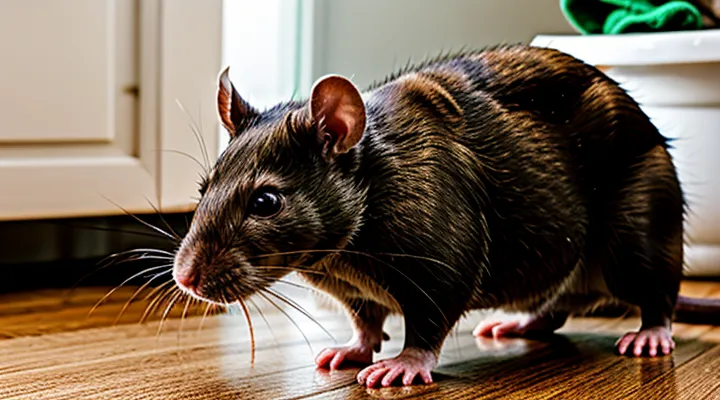
Understanding Constipation in Rats
What is Constipation?
Normal Rat Digestion
Rats possess a short gastrointestinal tract adapted for rapid processing of solid and liquid feed. Ingestion is followed by immediate gastric mixing, where gastric acid (pH ≈ 2–4) and pepsin initiate protein denaturation. The partially digested chyme enters the duodenum, where pancreatic enzymes (amylase, lipase, proteases) and biliary secretions emulsify fats and continue carbohydrate and protein breakdown. Absorption occurs primarily in the jejunum and ileum; glucose, amino acids, and short‑chain fatty acids are transported via active and facilitated mechanisms, while water and electrolytes follow osmotic gradients.
Key features of normal rat digestion:
- Transit time: 4–6 hours from stomach to cecum; total gut passage completes within 12–14 hours.
- Cecal fermentation: The cecum harbors a dense microbial community that ferments undigested fibers, producing volatile fatty acids that contribute to energy supply.
- Water reabsorption: The colon reclaims up to 80 % of luminal water, maintaining stool consistency and preventing dehydration.
- Hormonal regulation: Cholecystokinin, secretin, and motilin modulate pancreatic secretion and intestinal motility, ensuring coordinated propulsion.
Disruption of any of these processes—such as reduced motilin release, altered microbial balance, or impaired water reabsorption—can predispose rats to delayed fecal transit, a condition commonly examined when investigating bowel dysfunction and therapeutic interventions.
Clinical Definition in Rodents
Constipation in laboratory rats is defined clinically by a measurable decline in fecal output accompanied by the passage of dry, hard pellets and an increase in the interval between defecations. Objective parameters include:
- Average number of pellets per 24 hours falling below the species‑specific baseline (typically < 5 g/day for adult Sprague‑Dawley rats).
- Pellet water content reduced to less than 30 % of normal values.
- Colonic transit time exceeding 12 hours, as determined by non‑absorbable marker progression.
Diagnosis relies on quantitative assessment rather than visual observation alone. Common procedures are:
- Daily collection and weighing of feces to establish output trends.
- Measurement of stool moisture by drying a known weight of pellets at 105 °C and calculating water loss.
- Administration of a radiopaque marker or colored dye, followed by radiographic imaging or visual inspection of the gastrointestinal tract to calculate transit distance.
These criteria provide a reproducible framework for identifying constipation in rodents, facilitating the evaluation of underlying causes and the efficacy of therapeutic interventions.
Causes of Constipation in Rats
Dietary Factors
Insufficient Fiber
Insufficient dietary fiber is a primary factor that predisposes laboratory rats to reduced fecal bulk and delayed colonic transit, leading to bowel stasis. Low‑fiber diets diminish the water‑binding capacity of the intestinal contents, resulting in harder stools that resist expulsion.
Fiber deficiency impairs the gastrocolic reflex by limiting mechanical stimulation of the mucosa. The lack of fermentable substrates also reduces short‑chain fatty acid production, which weakens smooth‑muscle contractility and slows peristaltic waves.
Numerous studies demonstrate that rats fed purified diets containing less than 2 % cellulose exhibit a significant increase in stool retention time compared with animals receiving standard chow with 5 % fiber. Histological analysis shows thinner mucosal layers and reduced goblet‑cell density in the low‑fiber group, confirming compromised secretory function.
Effective management of fiber‑related constipation involves restoring adequate bulk and fermentable substrates. Practical measures include:
- Incorporating cellulose or lignocellulosic material to reach a minimum of 4–5 % of the diet.
- Adding soluble fibers such as inulin or pectin to promote fermentation and short‑chain fatty acid synthesis.
- Providing access to fresh vegetable matter rich in both insoluble and soluble fibers.
- Monitoring fecal output and consistency daily to adjust fiber levels promptly.
These interventions restore normal stool consistency, accelerate transit, and prevent secondary complications associated with chronic colonic stasis in rats.
Dehydration
Dehydration significantly reduces water availability in the gastrointestinal lumen, which directly impairs stool hydration and softening. When rats consume insufficient fluid, the colon absorbs a larger proportion of luminal water, resulting in drier, harder feces that are more difficult to expel. This physiological shift accelerates transit time slowdown and increases the likelihood of fecal retention.
Key physiological consequences of inadequate hydration include:
- Elevated fecal bulk density, leading to increased friction against the colonic wall.
- Enhanced sodium and chloride reabsorption, further decreasing stool moisture.
- Diminished mucosal secretion of electrolytes and mucus, weakening lubrication.
- Activation of enteric nervous system pathways that favor sphincter contraction.
Effective mitigation strategies focus on restoring fluid balance. Oral rehydration solutions containing electrolytes, isotonic saline, or low‑dose polyethylene glycol formulations improve luminal water content and promote regular bowel movements. Controlled provision of drinking water, supplemented with moisture‑rich feed, prevents the onset of dehydration‑related constipation and supports normal colonic function in experimental rat models.
Inappropriate Foods
Dietary composition is a primary determinant of gastrointestinal transit in laboratory rats; certain feed components can precipitate hard, infrequent stools.
- Low‑fiber pellets
- High‑fat commercial chow
- Excessively protein‑rich meals (e.g., meat‑based supplements)
- Dry, grain‑only formulations
- Processed snacks containing preservatives and artificial flavors
These items reduce luminal bulk, increase water reabsorption, and disrupt microbial populations that normally stimulate peristalsis. The resulting slowdown of colonic motility produces compact feces that are difficult to evacuate.
Mitigation requires substitution with fiber‑rich, moisture‑bearing ingredients such as shredded carrots, beet pulp, or specially formulated high‑fiber rodent diets. Adequate hydration, achieved through water‑gel supplements or fresh produce, further supports stool softness.
Therapeutic interventions focus on rapid restoration of transit. Options include:
- Immediate dietary shift to high‑fiber feed.
- Administration of osmotic laxatives (e.g., lactulose) at dosages calibrated to body weight.
- Short‑term use of mineral oil to lubricate the colon.
- Probiotic supplementation to re‑establish beneficial microbiota.
Consistent monitoring of fecal output and body weight ensures that corrective measures maintain normal bowel function without compromising overall health.
Environmental Factors
Stress
Stress exerts a measurable influence on bowel motility in laboratory rats, frequently manifesting as reduced transit speed and fecal retention. Acute psychological stress activates the hypothalamic‑pituitary‑adrenal axis, elevating corticosterone levels that suppress smooth‑muscle contractility in the colon. Chronic stress produces sustained alterations in enteric neuronal circuitry, diminishing excitatory neurotransmitter release and enhancing inhibitory signaling, which together impede peristaltic activity.
Experimental models demonstrate that rats subjected to restraint, social defeat, or unpredictable environmental changes develop measurable signs of constipation within days. Key observations include:
- Decreased frequency of defecation events.
- Increased dry fecal mass and water content reduction.
- Elevated colonic intraluminal pressure required to initiate propulsion.
Intervention strategies target the stress component directly. Pharmacological agents such as adrenergic antagonists and glucocorticoid receptor blockers restore contractile responses in stressed animals. Behavioral approaches—environmental enrichment, habituation protocols, and limited handling—lower corticosterone output and improve stool output without additional medication.
Integrating stress mitigation with conventional laxatives yields synergistic benefits. Combining a fiber‑based diet with anxiolytic treatment accelerates normalization of transit time, reduces fecal hardness, and prevents relapse under repeated stress exposure. This dual‑focus regimen addresses both the physiological trigger and the symptomatic manifestation of bowel sluggishness in rats.
Lack of Exercise
Reduced physical activity in laboratory rats is consistently linked with slower gastrointestinal transit and increased fecal retention. When animals are housed without access to running wheels or other locomotor opportunities, stool frequency declines and water content drops, creating a reliable model of constipation.
The underlying mechanisms involve several physiological changes. Lack of movement diminishes smooth‑muscle contractility in the colon, reduces sympathetic tone that normally promotes peristalsis, and alters the composition of the intestinal microbiota toward species associated with reduced motility. These factors collectively lower the propulsion force required to move digesta through the large intestine.
Experimental data support the connection. Studies that compare sedentary groups with rats provided voluntary wheel access report:
- A 30‑40 % reduction in daily pellet output in the sedentary cohort.
- Fecal dry weight increases of 15‑20 % relative to active controls.
- Delayed transit time measured by charcoal or dye markers, extending by 2‑3 hours in inactive subjects.
Therapeutic strategies focus on restoring locomotor activity and, when necessary, supplementing with pharmacologic agents. Effective interventions include:
- Reintroduction of running wheels or treadmill sessions lasting 30‑60 minutes daily.
- Environmental enrichment that encourages spontaneous movement, such as nesting material and climbing structures.
- Administration of pro‑kinetic drugs (e.g., cisapride, prucalopride) alongside exercise to accelerate colonic contractions.
- Dietary adjustments that increase fiber and fluid intake, enhancing stool bulk and softness while exercise is re‑established.
Implementing regular exercise in rat colonies mitigates constipation by normalizing motility patterns, stabilizing autonomic regulation, and promoting a healthier microbial environment. Consequently, activity‑based protocols are essential components of both preventive care and therapeutic regimens for rodent models of bowel dysfunction.
Unclean Environment
A dirty cage environment directly influences the gastrointestinal transit of laboratory rats, increasing the incidence of fecal retention. Accumulated urine, feces, and bedding debris create high levels of ammonia and pathogenic microbes, which irritate the intestinal mucosa and disrupt the enteric nervous system. The resulting inflammation reduces peristaltic activity and promotes hard, dry stools.
Specific contaminants that exacerbate constipation include:
- Elevated ammonia concentrations that alter electrolyte balance in the colon.
- Overgrowth of opportunistic bacteria that produce toxins interfering with smooth‑muscle contraction.
- Poor‑quality bedding that retains moisture, fostering fungal proliferation and mechanical obstruction.
Mitigation strategies focus on environmental sanitation and supportive care:
- Replace soiled bedding daily; use absorbent, low‑dust materials.
- Clean cages with mild disinfectants, ensuring thorough rinsing to avoid residual chemicals.
- Maintain ambient temperature and humidity within optimal ranges to limit microbial growth.
- Provide fresh, high‑fiber chow and constant access to clean water to encourage regular defecation.
- Consider prophylactic probiotic supplementation to restore a balanced gut microbiota after cleaning cycles.
Implementing rigorous hygiene protocols reduces the physiological stress that leads to constipation, thereby improving overall health and experimental reliability in rat colonies.
Health-Related Causes
Gastrointestinal Obstructions
Gastrointestinal obstructions represent a primary factor in the development of constipation among laboratory rats. Mechanical blockage, tumor growth, adhesions, and foreign material ingestion interrupt normal transit, leading to fecal accumulation and increased colonic pressure. Obstructions can be partial, allowing limited passage, or complete, resulting in rapid onset of abdominal distension and reduced appetite.
Diagnostic indicators include:
- Decreased fecal output over 24–48 hours.
- Palpable abdominal mass or rigidity.
- Radiographic evidence of gas accumulation proximal to the blockage.
- Elevated plasma levels of endotoxin and inflammatory cytokines.
Therapeutic interventions focus on restoring patency and mitigating secondary effects:
- Surgical removal of the obstructive lesion under aseptic conditions.
- Endoscopic dilation for strictures when feasible.
- Administration of prokinetic agents (e.g., cisapride, metoclopramide) to stimulate residual motility.
- Intravenous fluid therapy to correct dehydration and electrolyte imbalance.
- Post‑operative analgesia and anti‑inflammatory medication to reduce stress‑induced motility suppression.
Preventive measures emphasize diet management to limit ingestion of indigestible particles, routine monitoring for early signs of abdominal discomfort, and environmental enrichment to reduce compulsive eating behaviors that predispose to blockage.
Neurological Issues
Neurological dysfunctions are a primary factor in the development of reduced intestinal motility in laboratory rats. Disruption of the enteric nervous system, impaired vagal signaling, and altered spinal reflexes decrease peristaltic activity, leading to fecal retention. Experimental models often induce neuropathy through neurotoxic agents, spinal cord injury, or genetic manipulation of neurotransmitter receptors to reproduce constipation phenotypes.
Key mechanisms include:
- Decreased acetylcholine release from excitatory motor neurons, reducing smooth‑muscle contraction.
- Overactivation of inhibitory nitric oxide synthase, causing excessive relaxation of the intestinal wall.
- Impaired serotonin signaling in the gut, diminishing the coordination of rhythmic contractions.
- Dysregulated autonomic balance, with heightened sympathetic tone suppressing motility.
Therapeutic interventions targeting these neural pathways show efficacy. Pharmacologic agents such as cholinergic agonists, selective serotonin reuptake enhancers, and nitric oxide synthase inhibitors restore contractile activity. Electrical stimulation of the vagus nerve or sacral nerves reestablishes proper reflex arcs and improves transit time. Rehabilitation protocols that combine neural modulators with dietary fiber supplementation accelerate recovery of normal defecation patterns in affected rodents.
Pain and Discomfort
Pain and discomfort are direct consequences of bowel stasis in laboratory rats. Distension of the colon elevates intra‑luminal pressure, activates mechanoreceptors, and generates visceral nociception. Rats display reduced locomotion, huddling behavior, and a lowered grooming frequency, which serve as observable indicators of suffering.
Key contributors to this nociceptive state include:
- Low‑fiber or high‑fat diets that diminish bulk formation.
- Insufficient water intake leading to hardened fecal pellets.
- Pharmacological agents such as opioid analgesics that depress gastrointestinal motility.
- Environmental stressors that alter autonomic regulation of the gut.
Quantifying discomfort relies on validated tools. The Rat Grimace Scale records facial action units correlated with pain intensity. Elevated fecal output latency and increased abdominal pressure measurements provide objective physiological data.
Therapeutic interventions aim to alleviate nociception while restoring normal transit:
- Fiber enrichment (e.g., cellulose or psyllium) to increase fecal bulk and reduce pressure.
- Controlled rehydration protocols that adjust water availability without inducing electrolyte imbalance.
- Prokinetic agents (e.g., cisapride, metoclopramide) that stimulate smooth‑muscle contraction.
- Non‑opioid analgesics (e.g., meloxicam) administered at doses that do not further impair motility.
- Environmental enrichment that reduces stress‑induced dysmotility.
Effective management of pain and discomfort requires integrating dietary modification, pharmacological support, and welfare monitoring. Continuous assessment of behavioral and physiological markers ensures that interventions mitigate suffering while addressing the underlying constipation.
Medication Side Effects
Medication used to alleviate rat constipation frequently produces physiological changes that interfere with experimental interpretation. Side effects arise from the pharmacodynamic actions of laxatives, prokinetic agents, and analgesics commonly employed in gastrointestinal studies.
Commonly applied compounds and their adverse profiles include:
- Opioid analgesics (e.g., morphine, buprenorphine): reduced gastrointestinal motility, increased fecal water reabsorption, respiratory depression, sedation.
- Anticholinergic agents (e.g., atropine, scopolamine): diminished smooth‑muscle contractility, dry mucous membranes, tachycardia, blurred vision.
- Osmotic laxatives (e.g., lactulose, polyethylene glycol): electrolyte imbalance, abdominal distension, diarrhea, potential dehydration.
- Stimulant laxatives (e.g., bisacodyl, senna): cramping, mucosal irritation, risk of habituation leading to dependence.
- Prokinetic drugs (e.g., cisapride, metoclopramide): cardiac arrhythmias, extrapyramidal symptoms, hepatic enzyme induction.
These effects alter baseline bowel transit times, fecal composition, and systemic health parameters. Researchers must distinguish drug‑induced alterations from primary constipation mechanisms to avoid confounding conclusions.
Effective management involves:
- Selecting the lowest effective dose verified by pilot titration.
- Implementing regular monitoring of body weight, hydration status, and vital signs.
- Recording gastrointestinal output parameters (frequency, consistency, water content) before and after treatment.
- Employing control groups receiving identical drug regimens without the experimental constipation trigger.
By integrating side‑effect surveillance into study design, investigators preserve data integrity while evaluating therapeutic interventions for rat constipation.
Underlying Diseases
Underlying diseases significantly influence the incidence and severity of fecal retention in laboratory rodents. Pathological conditions that impair intestinal motility, alter fluid balance, or disrupt neural regulation frequently manifest as reduced stool passage.
Common contributors include:
- Metabolic disorders – diabetes mellitus and hypothyroidism decrease smooth‑muscle activity and reduce water absorption, leading to hard, infrequent feces.
- Neurological impairments – spinal cord injuries, peripheral neuropathies, and central nervous system lesions interrupt autonomic signals that coordinate peristalsis.
- Inflammatory gastrointestinal diseases – chronic colitis, enteritis, and ulcerative lesions cause edema and pain, which suppress normal propulsion.
- Renal insufficiency – impaired electrolyte handling and dehydration decrease luminal moisture, resulting in dry, compacted stool.
- Endocrine abnormalities – hypercalcemia and hyperparathyroidism increase muscular tone, reducing bowel movements.
Diagnostic evaluation should prioritize laboratory analyses (blood glucose, thyroid hormones, electrolyte panels), imaging (radiography, MRI for spinal lesions), and histopathology of intestinal tissue. Identifying the primary disease enables targeted therapy, such as insulin administration for diabetes, thyroid hormone replacement, analgesics for inflammatory conditions, or fluid therapy for renal dehydration.
Therapeutic strategies must address both the underlying pathology and the mechanical aspects of constipation. Pharmacological agents that stimulate motility (e.g., bethanechol, metoclopramide) are effective when combined with disease‑specific treatments. Dietary modifications—high‑fiber chow, increased water availability—support recovery but cannot replace correction of the primary disorder.
In experimental settings, controlling for these comorbidities is essential to isolate the direct effects of interventions on fecal transit. Failure to recognize underlying diseases may confound results and compromise animal welfare.
Recognizing Constipation in Rats
Behavioral Symptoms
Straining During Defecation
Straining during defecation reflects increased intra‑abdominal pressure generated by the animal to expel feces that are difficult to pass. In laboratory rats, this behavior signals impaired colonic motility, altered stool consistency, or obstruction of the distal colon. Researchers quantify straining by observing the duration and frequency of abdominal contractions, noting the presence of tail‑raised postures, and measuring rectal pressure with miniature transducers.
Common factors that provoke excessive straining include:
- Low dietary fiber content, reducing stool bulk and water retention.
- Inadequate fluid intake, leading to dehydrated feces.
- High‑fat or high‑protein diets that slow gastrointestinal transit.
- Stressful housing conditions, which activate sympathetic pathways that inhibit peristalsis.
- Neurological impairment from experimental lesions or pharmacological agents.
- Mechanical blockage caused by foreign bodies or neoplastic growth.
Effective interventions target the underlying mechanisms:
- Supplementation with cellulose, beet pulp, or inulin to increase fecal bulk and moisture.
- Provision of water gels or electrolyte solutions to enhance hydration.
- Administration of osmotic laxatives such as polyethylene glycol or lactulose to soften stool.
- Use of prokinetic drugs (e.g., cisapride, metoclopramide) to stimulate colonic smooth‑muscle activity.
- Environmental enrichment that reduces stress‑induced sympathetic inhibition.
- Analgesic regimens (e.g., low‑dose buprenorphine) to alleviate discomfort that may exacerbate straining.
Monitoring straining frequency and intensity provides a reliable indicator of therapeutic efficacy and animal welfare status. Reducing excessive straining improves fecal output, minimizes colonic trauma, and supports the validity of experimental outcomes.
Lethargy and Reduced Activity
Lethargy and reduced activity commonly accompany bowel stasis in laboratory rats. The condition results from prolonged retention of fecal material, which increases abdominal pressure and triggers discomfort. Elevated visceral pain reduces motivation for exploration, leading to diminished locomotion and prolonged periods of inactivity.
Physiological mechanisms include:
- Stretching of the colon wall, activating afferent pathways that suppress central arousal circuits.
- Altered electrolyte balance caused by excessive water reabsorption in the distal intestine, producing mild dehydration that impairs muscular performance.
- Release of inflammatory mediators from the compromised mucosa, which can depress central nervous system activity.
Observation of these behavioral changes provides a practical indicator for early detection. Researchers should record activity levels using automated tracking systems or manual scoring, comparing data to baseline locomotor patterns established for each strain.
Therapeutic strategies focus on restoring normal bowel function and reversing the associated hypoactivity:
- Hydration enhancement – providing isotonic electrolyte solutions to correct fluid deficits and promote softer stools.
- Dietary fiber supplementation – incorporating cellulose or oat bran at 5–10 % of the diet to increase fecal bulk and stimulate peristalsis.
- Prokinetic agents – administering low‑dose metoclopramide or cisapride under veterinary supervision to accelerate intestinal transit.
- Gentle physical stimulation – applying brief, low‑intensity treadmill sessions to encourage muscle activity and improve gastrointestinal motility.
Successful resolution of constipation typically normalizes activity metrics within 24–48 hours. Continuous monitoring ensures that lethargy does not mask secondary complications such as ileus or systemic infection.
Appetite Loss
Appetite loss frequently accompanies rat constipation, reflecting the disruption of normal gastrointestinal signaling. When fecal transit slows, accumulated waste releases inflammatory mediators that act on the hypothalamus and vagal afferents, diminishing feeding drive. Additionally, reduced motility limits nutrient absorption, creating a feedback loop that further suppresses food intake.
The underlying mechanisms include:
- Elevated levels of serotonin and substance P in the distal colon, which inhibit orexigenic pathways.
- Increased plasma cortisol resulting from stress associated with abdominal distension, leading to anorexia.
- Impaired gastric emptying caused by reflex inhibition from the distal intestine, reducing meal size.
Therapeutic approaches that address both constipation and appetite loss involve:
- Prokinetic agents (e.g., metoclopramide, cisapride) to restore motility and reduce visceral discomfort.
- Fiber supplementation (e.g., psyllium, oat bran) to increase fecal bulk, lower intraluminal pressure, and improve satiety signals.
- Low‑dose opioid antagonists (e.g., naloxone) to counteract opioid‑induced bowel slowing without precipitating withdrawal.
- Controlled hydration and electrolyte balance to support mucosal health and prevent secondary anorexia.
- Environmental enrichment and scheduled feeding to normalize circadian feeding patterns disrupted by constipation‑related stress.
Effective management requires simultaneous correction of motility deficits and modulation of neurohormonal pathways that suppress appetite, thereby restoring normal feeding behavior in affected rodents.
Hunching or Abdominal Discomfort
Hunching posture and abdominal discomfort constitute a primary clinical indicator of impaired gastrointestinal transit in laboratory rats. The animal adopts a crouched stance, often accompanied by reduced activity and a palpable tension in the ventral abdomen, reflecting heightened visceral sensitivity and intestinal distension.
The underlying mechanisms involve accumulation of fecal mass, increased intraluminal pressure, and activation of nociceptive pathways within the enteric nervous system. Gas production and fluid retention exacerbate the sensation of fullness, prompting the characteristic curvature of the spine.
Assessment relies on direct observation and quantitative measures. Researchers record the frequency and duration of the crouched posture, perform gentle abdominal palpation to detect tension, and measure abdominal girth with a flexible tape. Scoring systems assign numerical values to each parameter, allowing comparison across experimental groups.
Therapeutic interventions target both motility and discomfort. Effective measures include:
- Administration of prokinetic agents (e.g., metoclopramide, cisapride) to stimulate peristalsis.
- Provision of soluble fiber (e.g., oat bran) and increased water availability to soften stool.
- Use of analgesic compounds (e.g., low‑dose buprenorphine) to alleviate visceral pain.
- Environmental enrichment that encourages natural foraging behavior, reducing stress‑related constipation.
Implementation of these strategies reduces hunching frequency and restores normal abdominal contour, confirming the symptom’s utility as a responsive marker for evaluating constipation remedies in rodent models.
Physical Symptoms
Reduced or Absent Fecal Pellets
Reduced or absent fecal pellets constitute a primary indicator of severe intestinal stasis in laboratory rats. The observation of fewer than three pellets per 24 h, or a complete lack of pellets, signals impaired colonic motility and warrants immediate investigation.
Common factors that diminish pellet output include:
- Low‑fiber or high‑fat diets that decrease bulk formation.
- Dehydration or limited access to water, reducing stool moisture.
- Stressors such as overcrowding, inadequate bedding, or frequent handling.
- Pharmacological agents with anticholinergic, opioid, or calcium channel‑blocking properties.
- Metabolic disorders, e.g., hypothyroidism or hypercalcemia, that slow gastrointestinal transit.
Assessment relies on quantitative recording of pellet number, weight, and consistency. Comparison with baseline values for the specific strain and age group provides a reference for severity. Additional measurements—colonic transit time using non‑absorbable markers and abdominal palpation for fecal impaction—enhance diagnostic accuracy.
Therapeutic interventions focus on restoring normal defecation:
- Introduce a high‑fiber supplement (e.g., cellulose or oat bran) at 5–10 % of diet.
- Ensure free access to fresh water; consider adding electrolytes to promote hydration.
- Administer osmotic laxatives such as lactulose (2 mL/100 g body weight) or polyethylene glycol (1–2 g/kg) for short‑term relief.
- Use prokinetic agents (e.g., metoclopramide 0.5 mg/kg) when motility deficits are evident.
- Adjust or discontinue medications known to impair colonic function.
- Reduce environmental stress by providing adequate space, nesting material, and consistent handling routines.
Monitoring after treatment should continue for at least 48 h, recording pellet frequency and morphology to confirm resolution and prevent recurrence.
Small, Hard Feces
Small, hard feces represent the primary observable sign of reduced gastrointestinal motility in laboratory rats. Their formation results from prolonged colonic transit, excessive water reabsorption, and altered stool composition. Researchers identify this phenotype through visual inspection and weight measurement, often correlating fecal dimensions with transit time assays.
Common contributors to the appearance of compact pellets include:
- Low dietary fiber intake, which diminishes bulk and slows peristalsis.
- Dehydration, leading to increased colonic water absorption.
- High-fat or protein‑rich diets that alter gut microbiota and motility.
- Pharmacological agents such as opioids, anticholinergics, or certain antihistamines that suppress smooth‑muscle activity.
- Environmental stressors, including temperature fluctuations and limited cage enrichment, which affect autonomic regulation of the gut.
Effective interventions focus on restoring fecal consistency and promoting transit:
- Increase soluble and insoluble fiber sources (e.g., cellulose, oat bran) to add bulk and retain moisture.
- Provide free access to fresh water and consider electrolyte‑enhanced solutions for mildly dehydrated animals.
- Incorporate probiotic strains (Lactobacillus, Bifidobacterium) to rebalance microbiota and improve motility.
- Administer laxatives such as lactulose, polyethylene glycol, or mineral oil at doses validated for rodent use.
- Adjust or discontinue constipation‑inducing drugs when possible, substituting with alternatives that have minimal impact on gastrointestinal function.
Monitoring fecal output after each intervention enables rapid assessment of therapeutic efficacy and guides further adjustments to diet, hydration, or medication protocols.
Abdominal Distention
Abdominal distention frequently accompanies severe colonic transit delay in laboratory rats. The condition results from accumulation of fecal mass, gas, and fluid within the intestinal lumen, producing visible abdominal enlargement and increased girth.
Key physiological mechanisms contributing to distention include:
- Impaired smooth‑muscle contractility reducing propulsive force.
- Disrupted enteric nervous signaling that lowers peristaltic frequency.
- Altered electrolyte and water absorption leading to luminal fluid retention.
- Microbial overgrowth generating excess gas production.
Assessment relies on objective measurements. Caliper or digital imaging can quantify abdominal circumference, while radiography or ultrasonography confirms fecal load and gas distribution. Elevated intra‑abdominal pressure may compromise respiratory mechanics and reduce feed intake, exacerbating the underlying constipation.
Therapeutic interventions target both the primary motility deficit and the secondary distention:
- Prokinetic agents (e.g., cisapride, metoclopramide) to restore peristaltic activity.
- Osmotic laxatives (e.g., polyethylene glycol) to increase luminal water content and soften stool.
- Gas‑reducing strategies such as dietary fiber adjustment or probiotic supplementation to modify microbial fermentation.
- Manual evacuation or enemas for acute decompression when pharmacologic measures are insufficient.
Monitoring should include daily abdominal measurements, stool output records, and behavioral observations to verify reduction of distention and improvement in bowel function. Prompt correction of abdominal swelling prevents secondary complications and supports the overall experimental validity of constipation models in rats.
Treatment and Management of Constipation in Rats
Home Care Approaches
Increasing Hydration
Adequate fluid intake is a primary factor in normalizing fecal output in laboratory rats experiencing reduced intestinal motility. Water availability directly influences stool water content, which determines ease of passage through the colon. When rats consume insufficient volumes, luminal water is reabsorbed excessively, producing hard, dry pellets that exacerbate constipation.
Experimental protocols typically increase hydration by:
- Providing ad libitum access to fresh tap water, refreshed at least twice daily to prevent contamination.
- Supplementing drinking water with isotonic solutions (e.g., 0.9 % saline) at concentrations that do not alter electrolyte balance.
- Adding non‑caloric humectants such as glycerol (0.5–1 % v/v) to the water supply to enhance fluid retention in the gut lumen.
- Offering moist feed or gelled diets that contain 70–80 % moisture, ensuring total daily fluid intake meets 80–120 ml per 100 g body weight.
Monitoring parameters includes daily measurement of water consumption, stool consistency scoring, and body weight tracking. Studies demonstrate that a 20–30 % increase in total fluid intake reduces stool hardness scores by 40–60 % within 48 hours, without inducing diarrhea or electrolyte disturbances.
When implementing hydration strategies, consider the following controls: maintain constant ambient temperature to prevent evaporative loss, avoid abrupt changes in water composition that could stress the animals, and ensure that any added solutes are compatible with the rats’ dietary regimen. Properly calibrated hydration interventions thus constitute an effective, low‑risk component of therapeutic regimes for constipation in rodent models.
Dietary Adjustments
Dietary fiber constitutes the primary lever for regulating bowel motility in laboratory rats. Inclusion of bulk‑forming ingredients such as cellulose, oat bran, or beet pulp elevates fecal mass and accelerates transit. A minimum of 5 % crude fiber in the standard chow is recommended; higher levels (8–10 %) are effective for animals with established sluggish peristalsis.
Water intake directly influences stool consistency. Providing unrestricted access to fresh, clean water and, when appropriate, supplementing with electrolyte solutions prevents dehydration‑induced hardening of feces. Adding modest amounts of moist feed (e.g., fruit purees or vegetable mash) raises overall fluid consumption without compromising diet balance.
Fat content modulates gastrointestinal motility. Diets high in saturated fats tend to slow transit, whereas moderate inclusion of unsaturated fatty acids (e.g., fish oil, flaxseed oil) supports smoother passage. Limit total fat to 4–5 % of caloric intake to avoid exacerbating constipation.
Mineral balance affects muscular activity of the colon. Adequate magnesium (0.2–0.3 % of diet) and calcium (0.8–1.0 %) support smooth‑muscle contraction. Excessive phosphorus may counteract these effects and should be kept below 0.5 % of the feed.
Practical feeding protocol:
- Replace 20 % of standard pellet with a high‑fiber supplement.
- Ensure daily water consumption exceeds 30 ml per 100 g body weight.
- Offer a small portion (5 % of daily ration) of fresh, moist vegetables such as carrot or cucumber.
- Add 0.1 % magnesium oxide to the diet for persistent cases.
- Monitor fecal output; adjust fiber level incrementally until stool softness and frequency normalize.
Consistent application of these adjustments reduces incidence of impaction and facilitates recovery in affected rodents. Regular assessment of body weight and hydration status confirms the efficacy of the nutritional regimen.
Encouraging Movement
Encouraging locomotor activity is a primary strategy for mitigating intestinal sluggishness in laboratory rodents. Increased movement stimulates gastrointestinal motility through enhanced autonomic signaling and mechanical stimulation of the gut wall.
Practical methods to promote activity include:
- Providing running wheels with adjustable resistance to match the animal’s size and health status.
- Introducing climbing structures such as ropes, ladders, or textured platforms that require vertical locomotion.
- Implementing scheduled enrichment sessions where rats explore novel objects or maze configurations for short periods.
- Adjusting cage density to prevent overcrowding while allowing sufficient space for free movement.
Physiological benefits of these interventions are documented by elevated levels of catecholamines and acetylcholine, which correlate with accelerated transit time. Regular monitoring of fecal output and consistency confirms the effectiveness of activity‑based protocols.
When designing experiments, integrate movement‑encouraging elements early in the study timeline to establish baseline motility before applying pharmacological or dietary treatments. This approach reduces the need for excessive drug administration and supports animal welfare while addressing the underlying cause of constipation.
Warm Baths
Warm baths are employed as a non‑pharmacological intervention to alleviate fecal retention in laboratory rats. Elevated water temperature (approximately 38–40 °C) promotes smooth‑muscle relaxation in the distal colon, enhances peristaltic activity, and facilitates water absorption through the intestinal wall. The thermal stimulus also activates cutaneous thermoreceptors, which trigger autonomic pathways that increase parasympathetic outflow to the gastrointestinal tract.
Experimental protocols typically include:
- Pre‑treatment acclimation: rats housed in temperature‑controlled cages for 48 h before exposure.
- Bath duration: 10–15 minutes per session, repeated once daily for up to three consecutive days.
- Monitoring: body weight, core temperature, and fecal output recorded before and after each session.
- Post‑treatment assessment: stool consistency scored on a standardized scale; colonic transit time measured with a charcoal marker.
Data indicate that warm‑water immersion reduces the latency to first defecation by 20–30 % compared to untreated controls. Histological analysis shows decreased thickness of the muscularis externa, reflecting reduced contractile tone. The method avoids systemic drug exposure, limiting side‑effects such as electrolyte imbalance.
Limitations include the requirement for precise temperature regulation and the potential for stress‑induced hyperthermia if sessions exceed recommended duration. Warm baths are best integrated with dietary fiber enrichment and mild laxatives to achieve synergistic improvement in bowel function.
Veterinary Interventions
Laxatives and Stool Softeners
Laxatives and stool softeners are essential tools for managing reduced gastrointestinal motility in laboratory rats. They are classified according to their primary mechanism of action:
- Stimulant laxatives (e.g., bisacodyl, senna): increase intestinal peristalsis by stimulating enteric nerves.
- Osmotic agents (e.g., polyethylene glycol, lactulose, magnesium sulfate): draw water into the lumen, enhancing stool volume and softness.
- Bulk‑forming agents (e.g., psyllium, methylcellulose): add fermentable fiber that expands after water absorption, promoting regular transit.
- Lubricant laxatives (e.g., mineral oil): coat the stool surface, reducing friction and facilitating passage.
- Stool softeners (e.g., docusate sodium): lower surface tension of fecal particles, allowing water to penetrate more readily.
Selection of a specific agent depends on the experimental model, severity of constipation, and the desired duration of effect. Acute studies often employ stimulant laxatives at doses ranging from 0.5 to 2 mg kg⁻¹ administered orally, producing a rapid increase in fecal output within 30–60 minutes. Osmotic agents are preferred for chronic protocols; polyethylene glycol, administered at 2–5 g kg⁻¹ in drinking water, maintains consistent stool hydration over several days without inducing electrolyte imbalance.
Safety considerations include monitoring for dehydration, electrolyte shifts, and potential mucosal irritation. Repeated dosing of stimulant laxatives may lead to desensitization of enteric receptors, necessitating rotation with osmotic or bulk‑forming agents. Blood chemistry and body weight should be recorded before, during, and after treatment to detect adverse effects.
In experimental design, control groups receive vehicle solution matched for volume and composition. Data collection typically involves daily measurement of stool weight, water content, and frequency, complemented by histological examination of the colon to assess mucosal integrity. Proper documentation of laxative type, dosage, administration route, and timing ensures reproducibility across studies investigating rat models of reduced bowel motility.
Enemas
Constipation in laboratory rats frequently results from low-fiber diets, dehydration, stress, or pharmacological agents that reduce gastrointestinal motility. Enema administration provides a rapid mechanical stimulus that evacuates the distal colon and restores normal transit.
Enemas introduce fluid directly into the rectum, expanding the lumen, softening fecal pellets, and activating stretch receptors that trigger peristaltic waves. The approach bypasses oral absorption, making it suitable when systemic drugs are ineffective or contraindicated.
Common enema solutions for rodents include:
- Isotonic saline (0.9 % NaCl) – low irritancy, suitable for routine use.
- Phosphate‑buffered saline – maintains pH, useful for prolonged retention.
- Mineral oil – lubricates hard pellets, employed when feces are particularly dry.
Standard procedure:
- Restrain the animal gently to prevent injury.
- Lubricate a flexible catheter (2–3 mm diameter) with sterile gel.
- Insert the catheter 1–2 cm into the rectum, avoiding perforation.
- Deliver 0.5–1.0 ml of solution per 100 g body weight over 30–60 seconds.
- Hold the rat in a supine position for 2–3 minutes to allow fluid distribution.
- Observe defecation and record stool consistency.
Safety measures require monitoring for rectal trauma, electrolyte imbalance, and respiratory distress. Repeated enemas should not exceed once daily; excessive volume can lead to mucosal damage. Animals with severe inflammatory bowel disease or rectal obstruction should receive alternative therapies.
Experimental data indicate that properly performed enemas reduce fecal retention time by 30–50 % and improve weight gain in affected cohorts. Integration of enema therapy into constipation management protocols enhances overall experimental reliability.
Manual Disimpaction
Manual disimpaction provides immediate relief for rats suffering from obstructive fecal accumulation when pharmacological measures fail or are contraindicated. The technique involves physical removal of hardened stool from the distal colon and rectum, preventing tissue damage and systemic complications.
Indications include palpable abdominal distension, lack of fecal output for 24 hours, and observable discomfort despite dietary fiber enrichment or laxative administration. Disimpaction is contraindicated in animals with severe anorexia, systemic infection, or perforation risk identified by imaging.
Procedure:
- Restrain the rat gently but securely to limit movement.
- Lubricate a blunt, sterile rectal probe (e.g., a small Foley catheter) with veterinary-grade gel.
- Insert the probe a few centimeters beyond the anal verge, maintaining a straight trajectory.
- Apply steady, controlled pressure to advance the probe until resistance indicates solid fecal mass.
- Rotate the probe clockwise while withdrawing to fragment and extract the impaction.
- Collect expelled material for laboratory analysis if needed.
- Clean the anal area with warm saline and apply a mild antiseptic ointment.
Precautions:
- Limit force to prevent mucosal laceration; excessive pressure may cause hemorrhage.
- Monitor heart rate and respiratory pattern throughout; stop if distress escalates.
- Use analgesia (e.g., buprenorphine) pre‑emptively to minimize pain.
- Schedule follow‑up examinations to assess bowel function and adjust dietary fiber or prokinetic therapy accordingly.
Manual disimpaction, when performed correctly, restores normal defecation within minutes and reduces mortality associated with severe constipation. It complements dietary modification, hydration optimization, and pharmacologic agents, forming a comprehensive management plan for rodent gastrointestinal stasis.
Addressing Underlying Conditions
Effective management of rat constipation requires identification and correction of primary disorders that disrupt normal gastrointestinal motility. Treating the symptom without addressing the root cause often results in recurrence and compromises experimental reliability.
Common contributors include:
- Inadequate fiber or excessive protein intake
- Insufficient fluid availability
- Chronic stress from handling or housing conditions
- Metabolic abnormalities such as hyperglycemia or hypothyroidism
- Neurological impairments affecting enteric nerves
- Pharmacological agents that reduce intestinal peristalsis
A systematic diagnostic protocol improves outcome. Initial steps involve visual inspection of stool consistency and frequency, followed by measurement of body weight, hydration status, and abdominal palpation. Laboratory analyses—complete blood count, serum electrolytes, thyroid hormone levels—detect metabolic disturbances. Imaging techniques, such as abdominal radiography or ultrasonography, reveal structural obstructions.
Therapeutic actions correspond to identified etiologies:
- Modify diet to achieve a fiber content of 5–7 % of total calories, incorporate cellulose or beet pulp, and balance protein levels.
- Provide continuous access to fresh water; consider electrolyte‑enriched solutions for dehydrated subjects.
- Implement environmental enrichment, limit handling frequency, and maintain stable lighting cycles to reduce stress‑related motility suppression.
- Treat metabolic disorders with insulin therapy for hyperglycemia or levothyroxine for hypothyroidism, monitoring serum markers regularly.
- For neurological deficits, employ agents that enhance cholinergic transmission, such as bethanechol, under veterinary supervision.
- Review medication regimens; replace constipating drugs with alternatives or add prokinetic agents like metoclopramide when necessary.
Continuous observation of defecation patterns, body condition, and laboratory parameters ensures early detection of relapse. Preventive measures—consistent diet, adequate hydration, low‑stress environment, and routine health screening—maintain normal bowel function and support the validity of experimental data.
Preventing Recurrence
Optimal Diet
An optimal diet for managing rat constipation must provide sufficient fiber, adequate hydration, balanced macronutrients, and minimal indigestible residues. High‑quality fiber sources such as oat bran, wheat bran, and finely shredded cellulose increase fecal bulk and stimulate peristalsis. Inclusion of soluble fibers—psyllium husk or inulin—enhances water retention within the intestinal lumen, softening stools and facilitating passage.
Adequate fluid intake is essential. Providing fresh water ad libitum and incorporating moisture‑rich foods (e.g., fresh vegetables, cucumber slices) prevents dehydration‑induced hard stools. Electrolyte balance supports muscle contraction; modest amounts of potassium‑rich items (banana, sweet potato) contribute to normal colonic motility.
Protein and fat levels should remain within standard laboratory rat requirements (approximately 18–20 % protein, 5–7 % fat). Excessive protein or fat can alter gut microbiota and slow transit time, exacerbating constipation. Avoid high‑sugar or highly processed feed components that may disrupt microbial fermentation.
A practical feeding regimen includes:
- Base pellet formulated for laboratory rodents, meeting nutrient specifications.
- Daily supplement of 2–3 g fiber blend (equal parts oat bran, wheat bran, cellulose).
- Fresh water available at all times; replace daily.
- Fresh vegetable portion (≈10 % of diet by weight) supplied each morning.
- Weekly inclusion of a small fruit piece (banana or apple) for potassium.
Monitoring stool consistency and frequency allows rapid adjustment of fiber or fluid provisions. Consistent application of this dietary framework reduces the incidence of constipation and supports effective therapeutic interventions in experimental rat models.
Adequate Hydration
Adequate hydration directly influences fecal moisture and transit speed in laboratory rats. Reduced water intake lowers colonic water absorption, producing hard, dry stools that resist peristalsis. Maintaining sufficient fluid levels prevents this cascade and supports the efficacy of therapeutic interventions aimed at relieving intestinal sluggishness.
Key aspects of hydration management:
- Provide unrestricted access to clean, fresh water; daily replacement minimizes bacterial growth.
- Supplement drinking water with low‑concentration electrolyte solutions (0.5 % NaCl, 0.2 % potassium gluconate) during periods of increased laxative administration.
- Incorporate moisture‑rich diets such as pelleted feed containing 10–12 % moisture or fresh vegetables (e.g., cucumber, lettuce) to augment intake.
- Monitor body weight and urine specific gravity; a rise in specific gravity above 1.030 indicates dehydration risk.
- Adjust water volume to approximately 50 ml/kg body weight per day; deviations of more than 20 % from this target warrant corrective measures.
Experimental protocols that neglect fluid balance often report elevated stool hardness scores and prolonged latency to first defecation after drug administration. By standardizing hydration parameters, researchers achieve reproducible outcomes and reduce variability attributable to secondary constipation factors.
Enriched Environment
Enriched housing provides rats with increased sensory, cognitive, and motor stimulation through objects such as tunnels, nesting material, and running wheels. This setting alters physiological parameters that influence bowel function.
Studies indicate that rats kept in enriched cages exhibit higher fecal output and reduced transit time compared with standard‑housed counterparts. The improvement correlates with lower plasma corticosterone levels and enhanced vagal tone, both factors that promote intestinal motility.
Mechanistic pathways include:
- Augmented serotonergic signaling in the gut wall, which stimulates peristalsis.
- Increased expression of neurotrophic factors that support enteric neuronal health.
- Diminished stress‑induced inhibition of colonic smooth‑muscle activity.
Experimental data support these effects:
- Rats exposed to a three‑week enrichment protocol showed a 25 % rise in stool frequency and a 15 % decrease in stool hardness.
- Enrichment combined with low‑dose osmotic laxatives normalized bowel patterns in a model of opioid‑induced constipation.
- Removal of enrichment objects reversed the benefits within ten days, confirming the necessity of continual stimulation.
Implementation guidelines for research and therapeutic use:
- Provide at least three novel items per cage, rotated weekly to sustain novelty.
- Maintain a minimum of 30 min of voluntary wheel access daily.
- Combine enrichment with dietary fiber supplementation for synergistic effects.
Incorporating an enriched environment into experimental designs offers a non‑pharmacological strategy to mitigate constipation in rats, complementing conventional treatments and enhancing overall animal welfare.
Regular Health Checks
Regular health examinations are essential for identifying early signs of gastrointestinal dysfunction in laboratory rodents. Systematic assessment of body weight, stool consistency, and abdominal palpation provides immediate indicators of impaired motility. Monitoring these parameters at consistent intervals enables researchers to distinguish transient disturbances from progressive constipation, thereby informing timely therapeutic intervention.
Key components of a routine check include:
- Body weight measurement – deviations of more than 5 % from baseline suggest reduced nutrient absorption or fluid loss.
- Fecal output analysis – recording frequency, volume, and texture; hard, dry pellets indicate decreased bowel transit.
- Abdominal examination – gentle palpation to detect distension or palpable fecal masses.
- Hydration status – evaluating skin turgor and mucous membrane moisture to assess fluid balance, a factor influencing stool hardness.
- Behavioral observation – noting reduced activity, grooming deficits, or signs of discomfort that may accompany constipation.
Implementing checks at least twice weekly during experimental phases ensures that emerging problems are captured before they compromise data integrity. Recorded trends should be compared against control groups, and any abnormal findings must trigger diagnostic follow‑up, such as radiographic imaging or dietary modification, as part of an integrated approach to managing rodent constipation.