
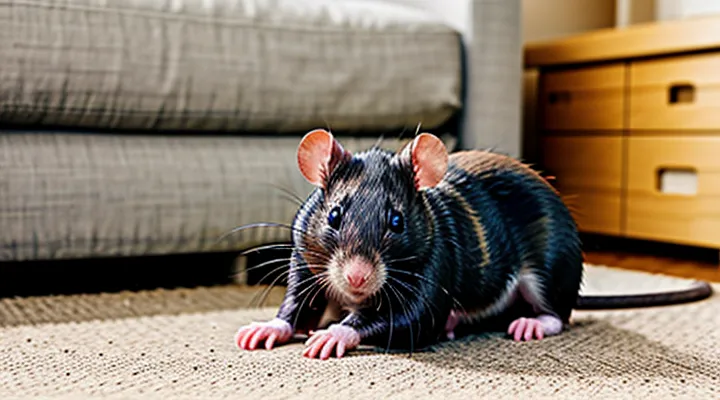
Understanding the Ideal Temperature Range for Pet Rats
Why Temperature Matters for Rat Health
The Dangers of Extreme Cold
Extreme cold poses serious risks to domestic rats. Temperatures below the lower comfort range can trigger rapid heat loss, leading to hypothermia and metabolic disruption.
Cold stress reduces peripheral circulation, causing vasoconstriction that limits oxygen delivery to tissues. Prolonged exposure may result in organ failure, impaired immune function, and increased susceptibility to respiratory infections.
Observable signs include shivering, lethargy, curled posture, and diminished grooming. Rats may seek enclosed spaces, cluster together, or display reduced activity levels.
Preventive actions:
- Maintain ambient temperature within the species‑specific comfort band, typically between 18 °C and 24 °C.
- Use insulated cages or heating pads designed for small mammals, ensuring a temperature gradient to allow self‑regulation.
- Monitor enclosure temperature with a calibrated thermometer; adjust heating sources promptly if readings fall below recommended levels.
- Provide bedding that retains warmth, such as shredded paper or specialized rodent bedding, while avoiding moisture accumulation.
Rapid response to cold‑related symptoms, combined with consistent environmental control, minimizes health complications and supports overall well‑being.
The Dangers of Extreme Heat
Extreme heat presents immediate health risks for domesticated rats. Elevated ambient temperatures accelerate fluid loss, leading to dehydration that quickly compromises kidney function. Heatstroke can develop within minutes when body temperature exceeds the animal’s regulatory capacity, causing seizures, loss of consciousness, and potentially fatal organ failure. Respiratory distress arises as warm, stagnant air reduces oxygen exchange and promotes bacterial growth in the enclosure. Behavioral signs—such as lethargy, reduced grooming, and erratic movement—indicate thermal stress before more severe conditions appear.
Key hazards of high temperatures include:
- Dehydration and electrolyte imbalance
- Heatstroke with neurological impairment
- Respiratory infections due to poor air quality
- Suppressed immune response, increasing susceptibility to disease
- Accelerated mortality rates in prolonged exposure
Mitigation requires maintaining ambient conditions within the range regarded as optimal for pet rats, ensuring adequate ventilation, and providing fresh water at all times. Continuous monitoring of enclosure temperature prevents the onset of these critical health threats.
Identifying the Comfortable Temperature Zone
Optimal Ambient Temperature Range
The optimal ambient temperature range for pet rats is a narrow band that supports normal metabolic activity, immune function, and reproductive health. Maintaining this range reduces the risk of hypothermia, hyperthermia, and associated stress responses.
«Optimal ambient temperature range»:
- 18 °C – 22 °C (64 °F – 72 °F) for adult rats.
- 20 °C – 24 °C (68 °F – 75 °F) for juveniles and breeding colonies.
Temperatures below the lower limit can lead to decreased body temperature, sluggish behavior, and increased susceptibility to respiratory infections. Temperatures above the upper limit may cause dehydration, heat stress, and reduced fertility.
Effective temperature control strategies include:
- Installing a reliable thermostat to regulate room heating or cooling.
- Positioning cages away from direct drafts, sunlight, and radiators.
- Using insulated bedding and, when necessary, a low‑wattage heating pad with a thermostatic safety feature.
- Monitoring cage temperature with a digital thermometer and adjusting environmental controls promptly.
Recognizing Signs of Discomfort
Signs of Overheating
Maintaining an optimal ambient temperature is essential for the health of domestic rats. Temperatures that exceed the species’ comfort range can quickly lead to physiological stress.
Typical indicators of overheating include:
- Rapid, shallow breathing;
- Excessive panting or open‑mouth breathing;
- Reddened or flushed skin, especially on the ears and tail;
- Lethargy or sudden loss of activity;
- Drooling or increased salivation;
- Disorientation or unsteady gait;
- Elevated body temperature measured with a rectal thermometer above 39 °C (102 °F).
Additional observations may involve a refusal to eat or drink and an increased heart rate detectable by a stethoscope. Immediate corrective action—such as relocating the animal to a cooler area, providing fresh water, and monitoring vitals—prevents escalation to heatstroke. Regular temperature checks and proper ventilation reduce the likelihood of these symptoms appearing.
Signs of Being Too Cold
Pet rats exposed to temperatures below their thermal comfort zone exhibit clear physiological and behavioral indicators. Recognizing these signs allows caretakers to adjust environmental conditions promptly and prevent stress‑related health issues.
Typical manifestations of excessive cold include:
- Hunched posture with the tail tucked close to the body, reducing exposed surface area.
- Reduced activity levels; the animal may remain motionless for extended periods.
- Shivering or rapid, shallow breathing, reflecting increased metabolic effort to generate heat.
- Preference for nesting material, often resulting in the construction of dense, layered nests.
- Pale or bluish skin around the ears and tail, indicating peripheral vasoconstriction.
- Diminished grooming behavior, leading to a rough or unkempt coat.
Additional observations may involve a noticeable decline in food and water intake, as the rat conserves energy. Weight loss over several days can also signal chronic exposure to low temperatures. Monitoring these parameters provides an objective basis for maintaining an optimal ambient environment that supports the well‑being of pet rats.
Maintaining an Optimal Environment
Heating Solutions for Cold Climates
Safe Space Heaters
Pet rats thrive when ambient temperature remains within a narrow band, usually 65 °F to 75 °F (18 °C to 24 °C). When room temperature falls below this range, supplemental warmth becomes necessary to prevent hypothermia and maintain metabolic efficiency.
Selecting a space heater for a rodent habitat requires attention to safety features. Ideal models incorporate a built‑in thermostat that automatically regulates heat output, preventing temperature spikes. Low‑wattage units reduce fire risk while delivering sufficient warmth for a small enclosure. Tip‑over switches disengage power if the device tilts, and protective grills shield the animal from direct contact with heating elements. Devices certified by recognized safety standards provide additional assurance.
Practical guidelines for integrating a heater into a rat cage:
- Place the heater outside the cage, directing warm air through a ventilation opening; direct contact with bedding or the animal is prohibited.
- Use a thermostat or a separate temperature controller to maintain the target range; verify readings with a reliable digital thermometer.
- Secure the heater on a stable, non‑flammable surface, ensuring at least a six‑inch clearance from cage walls and accessories.
- Inspect cords regularly for wear; replace damaged units immediately.
- Provide alternative nesting material that allows rats to retreat from the heat source if desired.
Adhering to these precautions enables reliable temperature control while minimizing hazards associated with electric heating devices.
Providing Warm Hides
Providing warm hides is essential for maintaining a stable microclimate that supports the health of pet rats. A well‑heated shelter reduces the risk of hypothermia, especially during nocturnal periods when ambient temperatures drop.
Key considerations for effective warm hides:
- Material: Use fleece, high‑density cotton, or commercially available rodent hammocks that retain heat without retaining moisture. Avoid porous fabrics that allow drafts.
- Insulation: Place the hide inside a sealed corner of the cage, away from ventilation openings. Adding a thin layer of non‑toxic insulation board behind the hide enhances thermal retention.
- Size: Ensure the hide is large enough for a rat to curl comfortably, typically 10 × 10 cm for a single animal. Overcrowding can trap heat and increase humidity.
- Monitoring: Employ a digital thermometer to verify that the hide’s interior temperature remains 2–3 °C above the cage’s ambient level. Adjust placement or supplemental heating if readings fall outside this range.
Supplementary measures:
- Provide a low‑wattage heat pad designed for small animals, positioned beneath the hide and covered with a removable, washable liner.
- Rotate hides periodically to prevent localized cold spots and to allow cleaning without disrupting the rats’ routine.
Consistent use of properly insulated warm hides contributes to a balanced thermal environment, supporting normal metabolism, activity levels, and overall wellbeing. «Warm hides» should be inspected weekly for wear and replaced when fabric integrity diminishes.
Cooling Solutions for Warm Climates
Ventilation and Airflow
Ventilation and airflow directly affect the thermal environment of pet rats. Fresh air exchange removes excess heat generated by the animals and by ambient sources such as lighting or heating devices. When warm, stagnant air accumulates, the temperature inside the enclosure rises above the optimal range, leading to stress and potential health issues.
Effective airflow can be achieved through several practical measures:
- Install a small, low‑speed fan positioned to circulate air without creating drafts that could chill the rats.
- Provide a vent or grille near the top of the cage to allow warm air to rise and escape naturally.
- Use a breathable cage substrate (e.g., wire mesh) rather than solid plastic, facilitating passive ventilation.
- Maintain a gap of at least 2 cm between the cage and surrounding walls to prevent heat buildup.
Monitoring indicators helps identify ventilation problems:
- Elevated surface temperature of cage walls or bedding.
- Increased humidity levels, which often accompany poor air movement.
- Rats exhibiting lethargy or rapid breathing in the absence of other stressors.
Adjustments should be made promptly when any of these signs appear. Regular cleaning of fans and vents prevents dust accumulation that could obstruct airflow. The combination of active and passive ventilation ensures the enclosure stays within the ideal thermal conditions for pet rats, supporting their comfort and well‑being. «Proper airflow prevents overheating».
Cooling Accessories and Enrichment
Rats maintain physiological balance only when ambient temperature stays within a narrow range; excessive heat can cause stress, reduced activity, and health complications. Effective thermal regulation relies on dedicated cooling solutions integrated into the habitat.
«Cooling accessories» include:
- Ceramic or marble tiles positioned on the cage floor to absorb and dissipate heat.
- Frozen water bottles or gel packs placed in corners, providing a chilled surface without direct contact.
- Low‑voltage fans secured above the enclosure, circulating air while preventing drafts.
- Evaporative misting devices that release fine droplets, lowering temperature through latent heat.
- Thermally conductive pads designed for small‑animal cages, offering a cool resting area.
Enrichment items that simultaneously support temperature control:
- Chewable toys made from moisture‑retaining materials, keeping paws cool during gnawing sessions.
- Multi‑level hideouts with perforated walls, enhancing airflow and creating shaded microclimates.
- Water bottles containing frozen cubes, encouraging hydration while delivering localized cooling.
Implementation guidelines:
- Position cooling devices away from food and bedding to avoid contamination.
- Monitor cage temperature with a reliable digital thermometer; adjust accessories as ambient conditions change.
- Clean reusable cooling elements regularly to prevent mold growth.
- Rotate enrichment pieces weekly to maintain novelty and prevent overheating of specific areas.
Combining these cooling accessories with temperature‑friendly enrichment ensures a stable environment, promotes natural behaviors, and supports overall health of pet rats.
Hydration Strategies
Maintaining adequate hydration is essential when rats are housed in an environment with optimal ambient temperature. Warm conditions increase metabolic rate, leading to higher water turnover; therefore, reliable water access must match the elevated demand.
Effective hydration measures include:
- Continuous supply of fresh water in a leak‑proof bottle equipped with a stainless‑steel sipper tube to prevent contamination.
- Placement of the bottle at a height that allows easy reach for the animal while avoiding obstruction by bedding.
- Water temperature close to room level (approximately 20 °C) to encourage drinking without causing thermal shock.
- Addition of a pinch of unflavored electrolyte powder during periods of heat stress, following veterinary guidelines.
- Daily inspection of water volume and bottle integrity; immediate replacement if residue or blockage is observed.
- Regular cleaning of the bottle and tubing with mild, non‑residual detergent to inhibit bacterial growth.
Monitoring intake involves weighing the rats each morning and recording water consumption; a sudden decline may indicate illness or inadequate environmental conditions and should prompt veterinary evaluation.
Factors Influencing Rat Temperature Comfort
Cage Placement Considerations
Cage placement directly influences the ability to maintain an optimal ambient temperature for pet rats. Selecting a location shielded from drafts eliminates rapid heat loss, while avoiding direct sunlight prevents overheating during daylight hours. Positioning the enclosure on a stable, insulated surface reduces temperature fluctuations caused by cold flooring.
Key considerations for placement include:
- Distance from windows or doors that expose the cage to external temperature changes.
- Separation from heating, cooling, or ventilation vents that create localized hot or cold spots.
- Placement on a solid, non‑metallic platform to minimize conductive heat transfer.
- Proximity to a quiet area that limits stress‑induced metabolic changes affecting body temperature.
Regular monitoring of ambient conditions in the chosen spot ensures that the enclosure remains within the recommended temperature range for healthy rat physiology. Adjustments, such as adding a thermal mat or relocating the cage, should be made promptly if measurements deviate from the target range.
Bedding and Nesting Material Choices
Selecting appropriate bedding and nesting material directly influences the thermal stability of a rat enclosure. Materials with low thermal conductivity retain heat, helping maintain a consistent ambient range suitable for small rodents. Conversely, highly absorbent substrates can become damp, lowering temperature and increasing the risk of hypothermia.
Key considerations for bedding include:
- Aspen shavings – non‑aromatic, moderate insulation, excellent moisture control.
- Paper‑based bedding – shredded or pelletized, high absorbency, limited heat retention; replace frequently to prevent cooling.
- Fleece liners – minimal heat loss, reusable, requires regular cleaning to avoid mold.
- Corn cob – good insulation, low dust, may become brittle when dry, reducing comfort.
Nesting material should complement the primary substrate by providing a localized warm zone. Effective options are:
- Cotton strips – soft, breathable, easy to manipulate into nests; does not retain excessive heat.
- Fleece blankets – superior insulation, lightweight, can be layered for added warmth.
- Paper tubes or tunnels – create micro‑climates within the cage, trapping body heat while allowing ventilation.
When combining materials, ensure that the overall bedding depth is sufficient to cover the cage floor (approximately 2–3 cm) and that nesting supplies are readily accessible. Regular monitoring of substrate temperature, especially during seasonal changes, confirms that the enclosure remains within the optimal range for pet rats.
The Impact of Humidity Levels
Humidity directly influences the health and comfort of captive rats. Excess moisture raises the risk of respiratory infections by fostering mold and bacterial growth, while overly dry air can irritate nasal passages and cause skin dehydration. Maintaining a balanced humidity level supports the animal’s natural thermoregulation and skin integrity.
Ideal relative humidity for a rat enclosure falls between 45 % and 55 %. Within this range, the environment remains sufficiently moist to prevent excessive drying of the skin and mucous membranes, yet dry enough to inhibit fungal proliferation. Deviations beyond 60 % increase the likelihood of mold spores, whereas levels below 40 % accelerate water loss from the animal’s body.
Practical measures to achieve stable humidity:
- Use a hygrometer to monitor daily fluctuations.
- Place a shallow water dish with clean water, replenished regularly.
- Ensure proper ventilation without creating drafts; adjustable vents can fine‑tune airflow.
- Introduce absorbent substrate such as paper‑based bedding, which regulates moisture without retaining excess water.
- Avoid placing the cage near humidifiers, showers, or open windows that introduce uncontrolled moisture.
Regular assessment of humidity, combined with the recommended temperature range, creates an environment that minimizes health risks and promotes normal activity levels in pet rats.
Monitoring and Adjustment
Tools for Temperature Monitoring
Maintaining a stable ambient temperature is essential for the health of pet rats. Accurate monitoring prevents sudden fluctuations that can cause stress or illness.
Key devices for temperature observation include:
- Digital thermometers with high‑resolution displays; provide real‑time readings and often feature alarm thresholds.
- Hygro‑thermometers that combine humidity and temperature measurement; useful because moisture levels influence perceived warmth.
- Data loggers capable of recording temperature at set intervals; enable trend analysis and long‑term assessment.
- Wireless sensor kits; allow placement in multiple cage locations while transmitting data to a central monitor or smartphone.
- Thermostatic controllers; automatically adjust heating elements to maintain a preset temperature range.
Effective deployment requires positioning sensors away from direct heat sources, drafts, and bedding piles. Calibration against a known reference instrument should be performed periodically to ensure accuracy. Alarm settings must be configured to trigger at temperatures that deviate from the optimal range for pet rats, typically between 18 °C and 24 °C. Regular review of logged data supports early detection of environmental issues and informs adjustments to heating equipment.
Regular Environmental Checks
Maintaining an optimal temperature range for pet rats requires systematic monitoring of the living environment. Regular environmental checks detect deviations before they affect the animals’ health.
A practical schedule includes:
- Daily visual inspection of heating devices for damage or misalignment.
- Twice‑weekly measurement of ambient temperature with a calibrated thermometer, recorded at the cage level and at the room’s central point.
- Weekly verification of humidity levels, ensuring they stay within the 40‑60 % range to prevent heat loss or excess moisture.
- Monthly assessment of ventilation pathways to confirm unobstructed airflow and consistent temperature distribution.
During each inspection, note any fluctuations greater than 2 °C from the target range of 20‑24 °C. Immediate corrective actions—adjusting thermostats, repositioning heat sources, or repairing insulation—prevent prolonged exposure to unsuitable conditions.
Documenting results in a log facilitates trend analysis, enabling early identification of recurring issues and supporting evidence‑based adjustments to the habitat’s climate control system.
When to Seek Veterinary Advice
Maintaining an appropriate ambient temperature is essential for the health of pet rats. When the thermal environment deviates from the optimal range, specific clinical signs may indicate the need for professional veterinary evaluation.
Signs that warrant immediate veterinary consultation include:
- Persistent lethargy or inability to move normally
- Rapid, shallow breathing or audible respiratory distress
- Unexplained weight loss or failure to gain weight despite adequate nutrition
- Visible dehydration, such as sunken eyes or dry skin
- Skin discoloration, especially pallor or cyanosis around the extremities
- Uncontrolled shaking or tremors that do not subside with warming measures
- Diarrhea or abnormal stool consistency accompanied by a drop in body temperature
- Sudden changes in behavior, such as aggression or withdrawal, linked to temperature stress
Additional considerations:
- If a rat exhibits a fever (body temperature above the normal range) that does not respond to environmental adjustments, veterinary assessment is required.
- Recurrent episodes of hypothermia, even after corrective heating, suggest an underlying health issue.
- Any signs of infection, such as nasal discharge or ocular swelling, combined with temperature irregularities, should be evaluated promptly.
Early intervention by a qualified veterinarian can prevent complications and ensure the well‑being of the animal.