
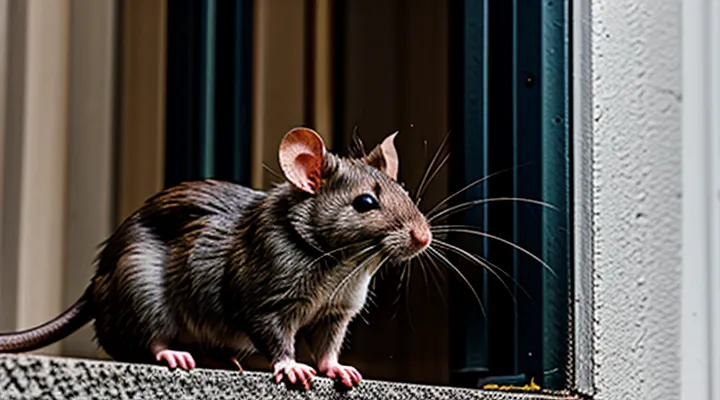
Understanding the Rat Problem in Multi-Apartment Buildings
Why Rats are Attracted to Multi-Apartment Buildings
Food Sources
Rats in multi‑unit residential buildings survive by exploiting any readily available nourishment. When food is left unsecured, it creates a reliable supply that supports breeding and encourages infestation expansion.
Typical nourishment sources include:
- Household waste left in open containers or not removed promptly
- Pet food placed on floors or in uncovered dishes
- Unsealed pantry items such as cereals, grains, and snacks
- Spilled food residues on countertops, floors, and kitchen appliances
- Compost or organic material stored in building basements or utility rooms
Eliminating these resources requires coordinated action. Waste bins must feature tight‑closing lids and be emptied regularly. Residents should store dry goods in airtight containers and clean spills immediately. Pet feeders should be removed after each meal, and any leftover food should be discarded. Common areas, including laundry rooms and hallways, need routine cleaning to remove crumbs and debris. Management should enforce building‑wide policies that mandate proper waste handling and provide the necessary infrastructure, such as additional sealed trash receptacles.
Sustained reduction of rat populations depends on consistent compliance by occupants and diligent oversight by property managers. When food sources are systematically denied, rat activity declines, and the risk of disease transmission and structural damage diminishes.
Shelter and Breeding Grounds
Rats establish shelter and breeding grounds wherever food, water, and protection coexist, making these sites the core of any infestation in multi‑family residences. Recognizing and disrupting these habitats directly reduces population growth and limits spread.
Typical shelter and breeding locations include:
- Wall voids and ceiling spaces
- Utility shafts, electrical conduits, and plumbing chases
- Underfloor crawl spaces and suspended ceilings
- Storage rooms, basements, and garbage rooms
- Exterior building features such as eaves, soffits, and roof vents
- Buried debris or dense vegetation near foundations
Effective management begins with systematic inspection. Inspectors should use flashlights and mirrors to examine concealed areas, record evidence of gnaw marks, droppings, and urine stains, and map active zones. Documentation supports targeted interventions and ongoing monitoring.
Control measures focus on habitat modification:
- Seal entry points larger than ¼ inch with steel wool, cement, or metal flashing.
- Install rodent‑proof lids on trash containers and maintain daily waste removal.
- Eliminate standing water by repairing leaks, installing drip‑free fixtures, and ensuring proper drainage.
- Store building supplies and personal items off the floor, using sealed containers.
- Trim vegetation within 2 feet of the structure, remove debris piles, and keep landscaping tidy.
- Apply integrated pest management principles, combining physical barriers, sanitation, and, when necessary, professional baiting or trapping.
Continuous monitoring, combined with prompt repair of new vulnerabilities, prevents re‑establishment of shelter and breeding sites, sustaining long‑term rat control in apartment complexes.
Entry Points and Pathways
Rats exploit any opening that connects the exterior to the interior of a multi‑unit dwelling. Identifying and eliminating these access points is the most reliable method to prevent infestation.
- Gaps around plumbing stacks, sewer lines, and utility conduits
- Unsealed cracks in foundation walls, slab edges, and load‑bearing columns
- Openings around electrical boxes, cable entries, and HVAC ducts
- Unscreened vent caps, chimney flues, and exhaust fans
- Doorways lacking sweeps or weather stripping, especially service doors and trash chutes
- Damaged or missing window screens, balcony railings, and roof eaves
Once the building envelope is sealed, rats travel through internal routes that link apartments and service areas. Common pathways include:
- Wall cavities and stud bays that run vertically between floors
- Utility shafts, elevator shafts, and service risers that provide continuous voids
- Stairwell handrails, railing brackets, and ceiling joists that create horizontal connections
- Garbage rooms, laundry rooms, and shared storage closets where food residues accumulate
- Kitchen and bathroom voids beneath cabinets, under sinks, and behind appliances
Mitigation requires a systematic approach: conduct a thorough inspection of the exterior envelope, apply stainless‑steel mesh or cement‑based sealants to all identified gaps, install door sweeps and self‑closing mechanisms, and maintain regular housekeeping in communal areas. Reinforce interior barriers by sealing wall and floor penetrations, installing rodent‑proof vent covers, and ensuring that waste containers are fitted with tight‑locking lids. Continuous monitoring and prompt repair of any new openings sustain long‑term protection against rat ingress.
Health Risks and Damage Caused by Rats
Disease Transmission
Rats inhabiting high‑density residential blocks serve as reservoirs for numerous pathogens that can affect occupants through direct contact, contaminated food, water, or air. Their presence increases the probability of disease outbreaks, especially where waste management and structural integrity are compromised.
Common rat‑associated microorganisms include:
- Leptospira spp. – spirochetes causing leptospirosis, transmitted via urine‑contaminated water.
- Salmonella enterica – bacteria responsible for salmonellosis, spread through fecal matter.
- Hantavirus – virus causing hemorrhagic fever with renal syndrome, released in aerosolized rodent excreta.
- Yersinia pestis – bacterium behind plague, historically linked to flea bites from infected rats.
- Streptobacillus moniliformis – agent of rat‑bite fever, introduced through skin punctures.
Transmission pathways in multi‑family dwellings are:
- Fecal and urinary contamination of surfaces, food storage areas, and communal water sources.
- Aerosolization of dried droppings and urine particles during cleaning or ventilation.
- Bite injuries inflicted during direct encounters with aggressive rodents.
- Flea vectors that migrate from rodents to humans, especially in poorly sealed units.
Effective disease control relies on integrated pest management combined with public‑health practices:
- Seal entry points, repair cracks, and install rodent‑proof screens on utility openings.
- Implement routine waste removal, maintain clean waste containers, and eliminate food sources.
- Conduct regular inspections, set traps or bait stations, and monitor rodent activity levels.
- Educate residents on safe handling of waste, proper storage of food, and reporting signs of infestation.
- Coordinate with health authorities to perform environmental testing and, when necessary, administer prophylactic treatments for exposed individuals.
Structural Damage
Rats inhabiting multi‑unit residential buildings compromise structural integrity through direct and indirect actions. Their gnawing behavior weakens load‑bearing components, while nesting materials accelerate moisture accumulation and corrosion.
Common forms of structural damage include:
- Chewed wooden joists, floorboards, and support beams, reducing shear strength and increasing the risk of collapse.
- Damaged plaster, drywall, and insulation, creating gaps that allow further infiltration and reduce fire‑rating compliance.
- Corroded metal conduits, pipe sleeves, and reinforcement bars, caused by urine and fecal deposits that act as electrolytes.
- Compromised concrete slabs and masonry where rats excavate tunnels, leading to voids and reduced compressive capacity.
These impairments elevate repair costs, shorten building lifespan, and may violate local safety regulations. Effective rodent management programs must incorporate regular inspections, sealing of entry points, and prompt remediation of identified damage to preserve the structural soundness of high‑rise dwellings.
Contamination of Food and Property
Rats in multi‑unit residential buildings introduce foodborne pathogens and structural damage that jeopardize resident safety and property value. Their droppings, urine, and saliva contaminate stored groceries, kitchen surfaces, and shared pantry areas, creating breeding grounds for bacteria such as Salmonella, E. coli, and Leptospira. Direct contact with contaminated food leads to gastrointestinal illness, while inhalation of aerosolized particles can cause respiratory problems.
Physical damage results from gnawing on wiring, insulation, and plumbing. Exposed wires increase fire risk; compromised pipes cause leaks and mold growth. Structural components, including drywall and flooring, become weakened by burrowing activity, raising repair costs and lowering building integrity.
Typical contamination indicators include:
- Dark, pellet‑shaped droppings near food storage or garbage areas
- Grease marks and rub signs along walls and cabinets
- Strong, musky odor indicating urine accumulation
- Visible gnaw marks on packaging, cables, and furniture
Immediate actions to limit contamination involve:
- Securing all food in sealed containers made of metal or thick plastic.
- Removing waste daily and using covered bins with tight‑fitting lids.
- Conducting thorough cleaning of kitchens, pantry shelves, and common areas with disinfectants effective against rodent‑borne pathogens.
- Inspecting electrical and plumbing systems for chew damage and repairing any breaches promptly.
Long‑term mitigation requires integrated pest‑management programs that combine regular monitoring, exclusion techniques (sealed entry points, reinforced door sweeps), and professional baiting or trapping. Documentation of inspections and maintenance activities supports accountability and facilitates rapid response when new contamination signs appear.
Integrated Pest Management (IPM) Strategies
Prevention: Blocking Entry and Removing Attractants
Sealing Entry Points
Sealing entry points is the most effective barrier against rodent intrusion in multi‑unit residential structures.
Inspection begins with a systematic walk‑through of each floor, focusing on gaps larger than ¼ inch. Typical openings include:
- Gaps around utility penetrations (pipes, cables, conduit)
- Openings at the base of walls, floors, and ceilings
- Unsealed vents, exhaust fans, and dryer ducts
- Cracks in foundation walls and slab joints
- Spaces around window frames, door thresholds, and balcony railings
Materials selected for closure must resist gnawing and weathering. Recommended options are:
- Stainless‑steel mesh (½ mm) for vent and duct openings
- Cement‑based sealant or epoxy for concrete cracks
- Expandable polyurethane foam, reinforced with steel wool, for irregular gaps
- Copper or metal flashing for perimeter cracks and foundation seams
Application procedures follow a strict sequence: clean the area, remove loose debris, apply a primer when required, install the chosen barrier, and finish with a durable sealant. All seams should overlap by at least 2 inches to prevent re‑entry.
Maintenance includes quarterly visual checks, especially after construction work or severe weather. Any new openings discovered must be repaired within 48 hours. Documentation of all sealed points, material specifications, and repair dates should be kept in the building’s maintenance log for audit purposes.
Coordinating with residents minimizes resistance and ensures access to concealed spaces. Written notices describing the schedule, expected disruptions, and safety precautions improve compliance and reduce the likelihood of re‑opening sealed areas.
Adhering to local building codes and health regulations guarantees that sealing methods meet legal standards and do not compromise structural integrity. Regular verification by a licensed pest‑control professional validates the effectiveness of the barrier system.
Proper Waste Management
Proper waste management eliminates food sources that attract rats, thereby lowering infestation risk in high‑rise residential complexes.
- Store refuse in containers with tight‑fitting lids.
- Empty bins at least twice daily in buildings with high occupancy.
- Separate organic waste from dry waste; keep compostable material in sealed, ventilated bags.
- Place collection points away from building entrances and ventilation shafts.
- Conduct weekly inspections of waste rooms for spills, damaged liners, or overflowing containers.
Building managers must enforce compliance through written policies, regular staff training, and documented inspections. Non‑compliant tenants receive written warnings followed by penalties if violations persist.
Consistent application of these measures reduces rat activity, limits disease transmission, and improves overall hygiene for residents.
Food Storage Guidelines
Proper food storage is a critical component of rodent management in multi‑unit residential buildings. Secure containment eliminates easy food sources, discouraging rats from entering apartments and common areas.
- Keep all food in airtight containers made of metal, heavy‑wall plastic, or glass.
- Store dry goods, pet food, and bulk items on shelves away from walls and floor level.
- Label containers with purchase dates and rotate stock to use older items first.
- Seal bags and packages after each use; avoid leaving crumbs or spills on countertops and floors.
- Place perishable items in refrigerators or freezers promptly; set temperatures at or below 40 °F (4 °C) for refrigeration and –18 °C (0 °F) for freezing.
Maintain cleanliness in food preparation zones. Clean countertops, stovetops, and floors after each meal preparation. Dispose of food waste in containers with tight‑fitting lids and remove them from the building weekly. Inspect storage areas regularly for signs of gnawing, droppings, or damaged packaging, and replace compromised containers immediately.
Integrating these practices with regular waste‑management protocols and building‑wide inspections creates an environment where rats find no accessible nourishment, supporting long‑term pest‑free living conditions.
Landscaping and Exterior Maintenance
Effective rat mitigation in multifamily housing begins with proper landscaping and exterior upkeep. Vegetation that provides shelter or food sources creates pathways for rodents to enter building perimeters. Regular trimming of shrubs, removal of overgrown vines, and pruning of tree branches that touch walls eliminate access points and reduce concealment areas.
Ground‑level maintenance further limits rodent activity. Implement the following practices:
- Keep grass at a height of 2‑4 inches; short turf discourages nesting.
- Clear leaf litter, fallen fruit, and compost piles from sidewalks and fire‑escaped zones.
- Install solid, impermeable edging around building foundations to prevent soil erosion and burrow formation.
- Seal gaps around utility penetrations, drainage pipes, and vent openings with metal flashing or cement‑based sealants.
- Store trash in sealed containers away from building walls; schedule frequent collection to prevent accumulation.
Exterior building elements require periodic inspection. Identify and repair cracks in foundations, deteriorated mortar, and damaged siding. Ensure that drainage systems function correctly; standing water attracts insects that sustain rodent populations. Replace damaged screens on vents and exhaust fans with rodent‑proof meshes.
Landscaping design should prioritize materials that deter gnawing. Use concrete or metal planters instead of wooden boxes, and select ground covers with low growth habit. Avoid planting fruit‑bearing trees or berry bushes within ten feet of the structure, as they provide seasonal food sources.
Consistent application of these landscaping and maintenance measures creates a physical barrier that limits rodent ingress, supports broader pest‑control programs, and sustains a sanitary environment for residents.
Eradication: Trapping and Baiting
Types of Traps
Effective rat control in multi‑unit residences relies on selecting appropriate trapping methods. Understanding each trap’s operation, placement considerations, and safety profile enables property managers to reduce infestations while complying with building regulations.
- Snap traps – spring‑loaded devices that deliver a rapid kill. Ideal for concealed locations such as wall voids and crawl spaces. Require regular checking to prevent odor buildup; non‑target capture possible if not properly positioned.
- Live‑catch traps – cage‑style enclosures that immobilize rodents without injury. Suitable for humane programs and for tenants who prefer release. Must be emptied frequently; captured rats may re‑enter if released nearby, so relocation to a distant, uninhabited area is necessary.
- Electronic traps – battery‑powered units that emit a high‑voltage shock, causing instantaneous death. Offer clean disposal of carcasses and reduce odor. Higher upfront cost; placement must avoid water sources and electrical hazards.
- Glue boards – adhesive sheets that immobilize rats upon contact. Useful for monitoring activity levels in hard‑to‑reach spots. Considered inhumane by many; disposal of dead rodents can be difficult and may attract other pests.
- Bait stations with mechanical traps – sealed containers that house a snap mechanism triggered by baited entry. Provide controlled access, limiting exposure to children and pets. Must be serviced regularly to replace bait and remove dead animals.
Integrating multiple trap types enhances coverage across varied habitats within a building. Routine inspection, proper sanitation, and sealing of entry points complement trapping efforts, establishing a comprehensive strategy for rat management in apartment complexes.
Strategic Bait Placement
Strategic bait placement is a cornerstone of effective rodent management in high‑rise residential complexes. Properly positioned bait stations intercept rats along established travel routes, reduce exposure to occupants, and maximize the likelihood of lethal contact.
Selection of bait should align with the building’s layout, resident safety requirements, and local regulations. Preferred options include anticoagulant blocks for long‑term control, fast‑acting acute toxins for immediate impact, and non‑chemical attractants when monitoring is the primary goal. All products must be certified for indoor use and secured to prevent accidental ingestion.
Key placement principles:
- Locate stations behind wall voids, beneath cabinets, and within utility shafts where rats seek shelter.
- Install bait at a height of 6–12 inches above the floor to match the species’ preferred travel zone.
- Space stations no more than 20 ft apart along identified runways; increase density in high‑traffic zones such as stairwells and garbage chutes.
- Use tamper‑resistant containers to protect children and pets, and position them out of sight to avoid disturbance.
- Avoid placement near food preparation areas, open windows, or ventilation ducts that could spread contaminants.
Continuous monitoring ensures sustained efficacy. Inspect stations weekly, record consumption rates, and rotate bait types to counter resistance. Replace depleted units promptly and adjust locations based on observed activity patterns. Coordination with a licensed pest‑control professional reinforces compliance and enhances overall success.
Safety Precautions for Bait Use
When rodent control in multi‑unit dwellings involves poisonous bait, strict safety measures protect residents, pets, and maintenance staff.
- Verify that the product is approved for indoor use and matches the target species.
- Keep the label accessible; follow dosage and placement instructions exactly.
- Use tamper‑resistant bait stations; position them behind appliances, in wall voids, or inside sealed containers.
- Install stations at least 1 meter from food preparation surfaces, garbage areas, and children's play zones.
- Wear disposable gloves and, if required, eye protection while handling bait.
- Train all personnel on proper bait handling, station inspection, and emergency procedures.
- Record the location, type, and quantity of bait placed; review the log during each inspection.
- Remove and destroy unused bait promptly after the control period ends, following local hazardous‑waste regulations.
Implementing these precautions minimizes accidental exposure and ensures effective rodent management in high‑density housing.
Monitoring and Follow-Up
Regular Inspections
Regular inspections form the backbone of any effective rat‑control program in multi‑unit residential buildings. Inspections identify entry points, assess sanitation conditions, and detect early signs of infestation before populations expand.
Key components of a systematic inspection routine include:
- Frequency – Conduct comprehensive surveys at least quarterly; increase to monthly in high‑risk zones such as basements, garbage rooms, and utility shafts.
- Scope – Examine exterior walls, roof eaves, vent covers, pipe penetrations, and all service openings. Inside units, check kitchen cabinets, pantry shelves, and behind appliances for droppings, gnaw marks, or burrows.
- Documentation – Record location, type of evidence, and severity on standardized forms. Photographic evidence supports trend analysis and informs remediation priorities.
- Responsibility – Assign trained personnel or certified pest‑management professionals to perform inspections. Building managers must verify completion and follow‑up actions.
Effective inspection practices rely on clear criteria for escalation. When evidence exceeds predefined thresholds—such as more than three active signs in a single area—immediate treatment and sealing of openings are mandated. Regular reporting to property owners and tenants reinforces accountability and ensures timely corrective measures.
Integrating inspections with preventive maintenance, waste‑management policies, and resident education creates a closed loop that curtails rodent activity and protects health and property values.
Identifying Signs of Infestation
Early detection of a rodent problem in multi‑unit dwellings prevents structural damage, health risks, and costly remediation. Recognizing the first indications of a rat presence allows property managers to intervene before populations expand.
Typical evidence of infestation includes:
- Fresh droppings, dark and rod‑shaped, found near food sources, along baseboards, or in hidden corners.
- Gnaw marks on wood, plastic, wiring, and insulation, often characterized by clean, parallel cuts.
- Grease or urine stains that appear as dark, glossy patches on walls, flooring, or appliances.
- Presence of nests constructed from shredded paper, fabric, or insulation, usually located in concealed areas such as wall voids, attics, or behind appliances.
- Audible activity, especially scratching or scurrying sounds during nighttime hours.
- Tracks or footprints in dusty surfaces, often accompanied by a distinct musky odor.
When any of these signs are observed, document the location, quantity, and date of discovery. Immediate reporting to the building’s maintenance team or pest‑control provider initiates targeted inspection and treatment, minimizing the likelihood of a full‑scale outbreak.
Post-Treatment Evaluation
Effective post‑treatment evaluation verifies the success of rodent control measures in multi‑unit residential buildings and guides any necessary follow‑up actions. The process must be systematic, measurable, and documented.
- Verify bait and trap placement records against actual site conditions.
- Conduct visual inspections of all common areas, utility shafts, and individual units for fresh gnaw marks, droppings, or live rodents.
- Deploy monitoring devices (e.g., passive infrared counters, chew cards) for a minimum of 72 hours to capture residual activity.
- Collect environmental data such as humidity, temperature, and food source availability that could affect rodent behavior.
- Compare pre‑treatment baseline data with post‑treatment findings to calculate reduction percentages for each indicator.
Document findings in a standardized report that includes dates, locations, observed signs, and quantitative results. Use the report to determine whether eradication thresholds—commonly a 90 % reduction in activity indicators—have been met. If thresholds are not achieved, adjust the control strategy, increase treatment frequency, or target identified hot spots with additional baits or traps.
Schedule follow‑up evaluations at 1‑week, 1‑month, and 3‑month intervals after the initial treatment. Consistent re‑assessment ensures early detection of reinfestation and maintains long‑term rodent suppression across the building complex.
Role of Building Management and Residents
Responsibilities of Building Management
Implementing and Overseeing IPM Programs
Effective rat control in high‑rise residential complexes begins with a structured Integrated Pest Management (IPM) program. The program must start with a comprehensive site assessment that identifies infestation hotspots, structural vulnerabilities, and resident behaviors that encourage rodent activity. Data collection includes visual inspections, trap counts, and waste management audits, all recorded in a centralized database for ongoing reference.
The next phase establishes preventive measures designed to eliminate access points and reduce food sources. Actions typically involve sealing gaps larger than ¼ inch, installing door sweeps, repairing damaged plumbing, and enforcing strict waste‑handling protocols. These physical barriers form the core of a long‑term reduction strategy and reduce reliance on chemical interventions.
Implementation of control tactics follows a tiered approach:
- Monitoring – Deploy bait stations and live‑capture traps in identified zones; record capture rates weekly.
- Mechanical control – Use snap traps or electronic devices where baiting is insufficient; replace or reposition devices based on monitoring data.
- Chemical control – Apply rodenticides only when monitoring indicates persistent activity; select products approved for residential use and follow label instructions precisely.
- Biological options – Consider approved predatory agents in applicable areas, acknowledging limited applicability in dense housing.
Oversight responsibilities rest with a designated pest‑management coordinator who maintains documentation, reviews trap data, adjusts tactics, and reports outcomes to property management. The coordinator conducts quarterly training sessions for maintenance staff and residents, emphasizing proper waste disposal, prompt repair reporting, and safe handling of control devices. Performance metrics—such as reductions in trap captures and fewer complaints—are evaluated quarterly to determine program efficacy and guide continuous improvement.
Communication with Residents
Effective communication with occupants is a prerequisite for successful rat control in multi‑family housing. Clear, consistent messages reduce misinformation, encourage cooperation, and accelerate remediation actions.
Key components of a resident communication plan include:
- Initial notification – A written notice delivered to each unit before treatment outlines the identified problem, proposed interventions, and expected timelines. Include contact information for a designated liaison.
- Treatment schedule – Provide a calendar indicating dates, times, and areas to be serviced. Highlight any required resident actions, such as securing food storage or vacating rooms temporarily.
- Safety instructions – Detail precautions related to chemicals, traps, or equipment. Specify protective measures for pets and children, and explain disposal procedures for waste generated during the operation.
- Progress updates – Send brief follow‑up messages after each phase, summarizing completed work, observed results, and next steps. Use multiple channels (email, SMS, posted flyers) to reach all demographics.
- Feedback mechanism – Offer a hotline or online form for residents to report sightings, concerns, or adverse effects. Record all inputs, assign response responsibilities, and close each case with a documented resolution.
Documentation of all communications supports accountability and enables analysis of response rates. Retain copies of notices, logs of resident contacts, and summaries of feedback in a central repository accessible to property managers and pest‑control contractors.
When residents understand the rationale, timeline, and required cooperation, participation rises, and the likelihood of sustained rat eradication increases. Continuous engagement, rather than one‑off alerts, ensures that preventive measures remain active and that any resurgence is detected early.
Professional Pest Control Services
Professional pest control services provide the expertise required to eliminate rat populations from multi‑unit residential structures. Trained technicians assess building layouts, identify entry points, and evaluate sanitation practices that attract rodents.
Typical service workflow includes:
- Comprehensive inspection of common areas, utility rooms, and individual units.
- Precise identification of species and activity hotspots.
- Development of a targeted eradication plan that combines baiting, trapping, and exclusion techniques.
- Execution of control measures with certified products approved for indoor use.
- Ongoing monitoring and verification visits to ensure long‑term suppression.
The impact of professional intervention extends beyond immediate removal. Effective control reduces disease transmission, protects structural components such as wiring and insulation, and supports compliance with health and safety regulations that govern residential complexes.
When selecting a provider, prioritize firms that hold valid pest‑control licenses, employ integrated pest management (IPM) principles, guarantee rapid response times, and offer documented performance warranties. These criteria ensure reliable, science‑based solutions that maintain a rat‑free environment for residents.
Resident Participation
Reporting Sightings
Effective reporting of rodent observations is a critical component of any integrated pest‑management program in multi‑unit residences. Prompt, accurate communication enables building managers and pest‑control professionals to locate infestations, assess severity, and deploy targeted interventions before populations spread.
When a resident encounters a rat, the report should contain the following details:
- Exact location: floor, unit number, hallway, stairwell, or common area where the sighting occurred.
- Time and date: precise timestamp to identify activity patterns.
- Description of the animal: size, color, behavior (e.g., foraging, nesting, aggressive).
- Evidence: photographs, video clips, or physical traces such as droppings, gnaw marks, or nesting material.
- Environmental conditions: presence of food sources, water leaks, debris, or structural gaps that may attract rodents.
Residents must submit reports through the designated channel established by the property management—typically an online maintenance portal, dedicated email address, or a printed logbook placed in communal spaces. The submission should be concise, factual, and free of speculation.
Building management should acknowledge each report within 24 hours, assign a tracking number, and forward the information to the contracted exterminator. The pest‑control team then schedules an inspection, prioritizing sites with multiple or recent reports. After treatment, the manager updates the reporting system to reflect actions taken and monitors the area for recurring signs.
Consistent documentation creates a searchable database that reveals hotspots, trends, and the effectiveness of control measures. Over time, this data supports strategic decisions such as sealing entry points, improving waste management, and adjusting treatment schedules, ultimately reducing rodent activity across the entire complex.
Maintaining Cleanliness
Cleanliness directly reduces the availability of food, water, and shelter that attract rodents to multi‑unit residential complexes. Regular removal of food waste prevents rats from establishing foraging routes. Garbage containers must be sealed, emptied daily, and placed away from building entrances. Floors, countertops, and communal kitchens should be swept and mopped after each use; any spilled food must be wiped immediately.
Effective sanitation also includes:
- Prompt repair of leaks in plumbing, kitchens, and bathrooms to eliminate water sources.
- Routine inspection and cleaning of ventilation ducts, crawl spaces, and utility rooms where debris can accumulate.
- Enforcement of a no‑feeding policy in hallways, stairwells, and outdoor areas surrounding the building.
- Use of sealed, rodent‑proof trash bins with tight‑fitting lids in all waste collection points.
Resident cooperation reinforces these measures. Clear instructions posted in common areas outline proper waste disposal, spill cleanup, and reporting of water leaks. Management should schedule monthly audits of housekeeping practices, documenting violations and corrective actions.
By maintaining a consistently clean environment, the conditions that support rat populations are removed, thereby lowering infestation risk and supporting long‑term pest‑free living spaces.
Adhering to Waste Disposal Guidelines
Proper waste handling directly reduces food sources that attract rodents in residential complexes. Residents must place refuse in sealed containers, keep lids closed, and store bins away from building entrances. Regular collection schedules prevent accumulation that could sustain infestations.
- Use only approved trash bags; avoid overfilling.
- Secure containers with tight-fitting lids after each use.
- Store bins in designated areas, not on balconies or in hallways.
- Separate organic waste and dispose of it according to municipal rules.
- Report damaged or leaking containers to building management immediately.
Management should conduct weekly inspections of disposal zones, verify that containers remain intact, and replace any compromised units. Signage that clearly outlines the disposal protocol reinforces compliance and provides a reference point for occupants.
Failure to follow these procedures results in increased rodent activity, higher sanitation costs, and potential health violations. Consistent adherence eliminates attractants, supporting long‑term rodent control across the property.
Long-Term Rat Control and Community Engagement
Educating the Community
Workshops and Informational Materials
Effective training sessions and printed resources form the core of a coordinated effort to reduce rodent activity in multi‑unit dwellings. Delivering practical knowledge to residents, building managers, and maintenance staff creates uniform understanding of prevention, detection, and response procedures.
Workshops should follow a structured agenda:
- Introduction to rodent biology and behavior relevant to apartment complexes.
- Identification of common entry points, such as gaps around utility penetrations and deteriorated seals.
- Demonstration of sanitation practices that eliminate food and water sources.
- Review of integrated pest management (IPM) techniques, including trap placement, bait selection, and safe chemical use.
- Guidelines for reporting infestations and coordinating with professional exterminators.
- Question‑and‑answer segment addressing site‑specific concerns.
Informational materials complement classroom instruction. Essential elements include:
- Fact sheets summarizing entry‑point inspection checklists.
- Illustrated posters placed in hallways and laundry rooms, highlighting proper waste disposal and food storage.
- Quick‑reference cards for maintenance crews detailing trap‑setting protocols and safety precautions.
- Digital newsletters delivering updates on seasonal rodent activity trends and reminder notices for scheduled inspections.
Distribution channels must reach all occupants efficiently. Options comprise:
- Physical handouts delivered with lease agreements and renewal packets.
- Email bulletins linked to the building’s tenant portal.
- QR‑coded signs directing users to downloadable PDFs and instructional videos.
- On‑site kiosks offering printable guides during maintenance visits.
Program effectiveness relies on measurable outcomes. Track attendance records, pre‑ and post‑session knowledge assessments, and incident reports to evaluate reductions in sightings and complaints. Adjust curriculum and materials based on data trends, ensuring continuous improvement of the rodent‑control strategy.
Promoting Best Practices
Effective rodent management in multi‑unit residential complexes relies on consistent, evidence‑based procedures. Property managers must coordinate actions across all floors and units to eliminate conditions that attract rats and to maintain long‑term suppression.
- Conduct a comprehensive inspection to identify entry points, food sources, and nesting sites. Document findings and prioritize repairs.
- Seal gaps larger than ¼ inch with steel wool, metal flashing, or concrete. Pay special attention to utility penetrations, pipe sleeves, and foundation cracks.
- Implement a scheduled waste‑handling protocol: provide sealed containers, enforce regular collection, and prohibit storage of food waste in hallways or stairwells.
- Install bait stations and snap traps in accordance with local health regulations. Position devices along walls, behind appliances, and in utility rooms; monitor and replace them weekly.
- Train maintenance staff and residents on proper sanitation, trap placement, and reporting procedures. Use clear signage and written instructions to reinforce compliance.
- Establish a quarterly review cycle to assess trap performance, bait efficacy, and structural integrity. Adjust the action plan based on data collected during each assessment.
Consistent execution of these measures reduces infestation risk, protects public health, and preserves property value. Property owners who adopt this systematic approach achieve measurable declines in rodent activity across the entire building.
Collaborative Efforts with Local Authorities
Reporting Persistent Problems
Effective reporting of ongoing rodent issues is essential for maintaining healthy living conditions in multi‑unit residences. Residents must document each incident with precise details to facilitate swift and coordinated action by property management and pest‑control professionals.
Key elements of a comprehensive report include:
- Date and time of observation.
- Exact location (building, floor, apartment number, and specific area such as kitchen, basement, or waste chute).
- Description of evidence (droppings, gnaw marks, sightings, damage to food containers, or audible activity).
- Photographic or video documentation, clearly showing the evidence and surrounding environment.
- Any recent changes that could have attracted rodents (new trash collection schedule, construction work, or alterations to building maintenance).
When submitting the report, follow these procedural steps:
- Use the building’s designated reporting platform or written form; avoid informal channels that lack official record‑keeping.
- Attach all supporting media files in the requested format and ensure they are timestamped.
- Include contact information for follow‑up, but limit personal details to what is required by the management policy.
- Request a written acknowledgment of receipt and a timeline for investigation and remediation.
Repeated submissions that follow the same structured format allow management to identify patterns, allocate resources efficiently, and verify that corrective measures are implemented. Accurate, consistent documentation also provides a legal record should disputes arise regarding health‑code compliance or tenant rights.
By adhering to these reporting standards, residents contribute to a systematic, evidence‑based approach that reduces rodent populations and safeguards the overall integrity of the housing complex.
Community-Wide Clean-Up Initiatives
Effective rat control in multi‑unit housing begins with organized, community‑wide clean‑up actions. Residents must coordinate waste disposal, eliminate food sources, and maintain common areas to reduce rodent habitats. Regular removal of garbage, sealed containers, and prompt repair of leaks create an environment hostile to rats.
Key components of a successful clean‑up program include:
- Scheduled trash collection with sealed bins placed away from building entrances.
- Routine inspection of stairwells, basements, and storage rooms for debris, spilled food, or standing water.
- Immediate repair of cracks, holes, and pipe leaks that provide shelter or water.
- Distribution of clear guidelines on proper food storage and waste handling for all occupants.
Implementation relies on a structured framework: a resident committee establishes a calendar, communicates responsibilities, and tracks compliance. The committee works with property managers to enforce building codes and with pest‑control professionals to assess risk zones and plan follow‑up treatments. Documentation of inspections and corrective actions ensures accountability and enables data‑driven adjustments.
Sustained success requires periodic education sessions, distribution of visual reminders, and reinforcement of penalties for non‑compliance. By maintaining a collective focus on cleanliness, the community reduces attractants, limits breeding sites, and supports long‑term reduction of rat activity across the entire building complex.
Adapting to Changing Conditions
Monitoring New Threats
Effective surveillance of emerging rodent challenges is essential for maintaining safe, sanitary living environments in multi‑unit residential blocks. Continuous data collection identifies shifts in rat behavior, resistance patterns, and novel entry routes before infestations become widespread.
Key components of a monitoring program include:
- Installation of motion‑activated cameras in utility shafts, waste rooms, and building exteriors to capture activity peaks and species identification.
- Deployment of digital bait stations equipped with sensors that record consumption rates, time of day, and bait preference, enabling early detection of bait aversion.
- Regular inspection of plumbing, ventilation, and structural joints using infrared thermography to reveal concealed pathways and hidden nests.
- Integration of a centralized database that aggregates findings from all units, applies statistical models, and generates risk alerts for property managers.
Data analysis should focus on trends such as increased nocturnal movement, changes in population density, and emerging resistance to common rodenticides. When anomalies appear, immediate corrective actions—adjusting bait formulations, sealing identified gaps, or enhancing sanitation protocols—prevent escalation.
Periodic reporting to stakeholders, accompanied by visual dashboards, ensures transparent communication of threat levels and validates the effectiveness of preventive measures. By prioritizing real‑time monitoring, building operators can adapt swiftly to new rodent threats and sustain long‑term control outcomes.
Updating Strategies
Effective rodent control in multi‑unit residential blocks requires periodic revision of tactics. Outdated methods lose efficacy as rats adapt to common traps, baits, and structural barriers. Updating the approach restores population suppression and reduces health risks for occupants.
Key components of a revised program include:
- Conducting a comprehensive inspection each year to locate new entry points, nesting sites, and food sources.
- Replacing traditional snap traps with multi‑catch models that reduce handling time and increase capture rates.
- Rotating anticoagulant baits every six months to prevent resistance development; integrate non‑chemical stations in concealed locations.
- Installing self‑closing door sweeps and mesh screens on utility openings to block ingress.
- Implementing a digital reporting platform that logs sightings, trap counts, and service dates, enabling data‑driven adjustments.
Execution demands coordination among property managers, pest‑control contractors, and residents. Managers must schedule inspections during low‑occupancy periods to minimize disruption. Contractors should document all interventions and provide monthly performance summaries. Residents receive clear instructions on waste management, food storage, and immediate reporting of rodent activity. Consistent enforcement of these updated measures sustains long‑term control and protects building integrity.