
Understanding the Ground Rat Threat
Identifying Ground Rats
Physical Characteristics
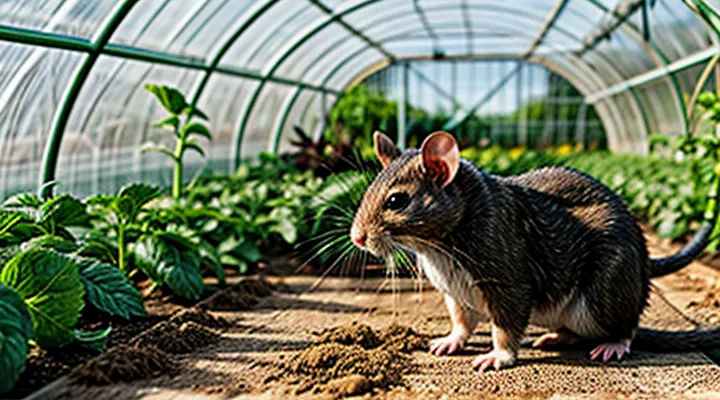
Ground rats that damage cultivated areas typically measure 20–25 cm in body length, with an additional 15–20 cm tail. Adult weight ranges from 150 g to 300 g, varying with sex and food availability. Coat coloration spans from brownish‑gray on the dorsal side to lighter, almost white, ventral fur; tail skin is sparsely haired and often pinkish.
Body structure includes a robust skull, strong incisors that continuously grow, and a compact torso. Limbs are short but muscular, equipped with claws that facilitate rapid digging and burrowing. Ears are proportionally large, providing acute auditory perception. Whiskers extend several centimeters forward, serving as tactile sensors for navigation in low‑light environments.
Key physical traits that influence control measures:
- Tail length approximates body length, aiding balance during swift movements.
- Hind feet possess elongated metatarsals, enhancing climbing ability on vertical stems and greenhouse frames.
- Muscular forelimbs generate excavation forces sufficient to create tunnels up to 30 cm deep in loose soil.
- Vision adapted to dim conditions, with a high density of rod cells, allowing activity during night hours.
These characteristics determine the species’ capacity to infiltrate garden beds, penetrate greenhouse structures, and exploit hidden crevices, informing the selection of barriers, traps, and habitat‑modification strategies.
Signs of Infestation
Ground rats leave distinct evidence that signals an active infestation. Recognizing these indicators enables timely intervention and prevents damage to cultivated plants.
Typical signs include:
- Presence of droppings, small dark pellets measuring 3‑5 mm, found near seedbeds, irrigation lines, or beneath plant debris;
- Gnaw marks on stems, roots, and wooden structures such as trellises and greenhouse frames;
- Burrow entrances, often shallow, funnel‑shaped holes surrounded by loose soil or mulch;
- Tracks in damp soil or on smooth surfaces, displaying four‑toed footprints with a characteristic tail drag;
- Unexplained wilting or stunted growth of seedlings, resulting from root consumption.
Additional observations may reveal audible scurrying during twilight hours and occasional nests constructed from shredded leaves, straw, or compost material. Consistent monitoring of these factors provides a reliable basis for deploying proven control strategies.
Damage Caused by Ground Rats
To Plants and Crops
Ground rats cause extensive damage to garden and greenhouse vegetation by gnawing roots, consuming seedlings, and contaminating soil with droppings that foster disease. Their activity reduces yield quality, accelerates plant stress, and increases the need for chemical interventions.
Effective control measures protect plants directly and preserve crop productivity. Proven techniques include:
- Trapping with snap or live‑capture devices placed near burrow entrances; immediate removal limits feeding and breeding cycles.
- Bait stations containing anticoagulant or non‑anticoagulant rodenticides; placement at ground level ensures ingestion while reducing exposure to non‑target species.
- Habitat modification such as removing debris, pruning low foliage, and installing metal or concrete barriers; these actions eliminate shelter and hinder movement.
- Biological control using predatory birds or feral cats; natural predation reduces rat populations without chemical residues.
- Soil treatment with repellents containing capsaicin or predator urine extracts; repeated application creates an inhospitable environment for foraging.
Implementing these strategies in an integrated pest‑management program yields healthier plants, higher marketable yields, and reduced reliance on broad‑spectrum pesticides. Continuous monitoring of rodent activity and prompt adjustment of control methods sustain long‑term protection for garden and greenhouse crops.
To Structures
Ground rats frequently exploit gaps, weak joints, and porous materials in garden beds and greenhouse frames, causing structural damage and creating pathways for further infestation. Reinforcing these elements eliminates entry points and reduces the likelihood of burrow formation.
Effective structural interventions include:
- Installing metal mesh or hardware cloth with openings no larger than 6 mm around the perimeter of raised beds and greenhouse walls.
- Sealing cracks and holes in concrete slabs, wooden planks, and plastic sheeting using cement-based filler, silicone sealant, or expanding foam.
- Adding a continuous concrete or stone base at least 15 cm deep around the foundation of greenhouse structures to deter tunneling.
- Replacing wooden support posts with treated steel or galvanized piping to prevent gnawing and collapse.
- Mounting flashing strips made of copper or stainless steel along roof eaves and door thresholds to block climbing and chewing.
Regular inspection of structural components, combined with prompt repair of any compromised area, sustains the integrity of the growing environment and limits rat activity. Implementing these measures integrates physical barriers directly into the garden and greenhouse architecture, providing long‑term protection without reliance on chemical controls.
Prevention Strategies
Garden and Greenhouse Maintenance
Eliminating Food Sources
Eliminating food sources deprives ground rats of the sustenance needed to thrive in garden and greenhouse environments. Removing or securing edible material reduces the likelihood of population growth and limits damage to plants.
Key actions include:
- Harvest ripe fruit promptly and dispose of it in sealed containers.
- Store vegetable produce in airtight bins or refrigerated units.
- Clean up fallen leaves, dead plant matter, and compost that is not fully decomposed.
- Use rodent‑proof feeders for birdseed and pet food, and place them on elevated platforms.
- Seal cracks, gaps, and holes in structures to prevent access to stored feed.
Regular inspection of the area ensures that new sources are identified before they become attractive to rodents. Consistent application of these measures forms a fundamental component of an integrated pest‑management strategy.
Reducing Shelter and Hiding Spots
Reducing shelter and hiding spots deprives ground rats of the conditions needed to establish colonies. Eliminate dense ground cover by cutting back grass, weeds, and low‑lying foliage to a height of no more than 5 cm. Remove piles of leaf litter, wood chips, and garden debris that provide concealment. Replace thick organic mulches with coarse gravel or sand, limiting depth to 2–3 cm to discourage burrowing.
Seal all potential entry points in greenhouse structures and garden beds. Apply stainless‑steel mesh or hardware cloth to gaps around doors, vents, and window frames, ensuring mesh openings are no larger than 6 mm. Inspect irrigation lines, pipe sleeves, and utility conduits, filling voids with expanding foam or cement. Install concrete or metal edging around raised beds to block rats from slipping underneath.
Maintain clean composting areas. Store organic waste in sealed containers with tight‑fitting lids. Avoid over‑watering soil beds, which creates soft, moist zones favorable for tunneling. Regularly turn compost piles to accelerate decomposition and expose any hidden rodents.
Implement a schedule of routine inspections. Walk the perimeter of each garden and greenhouse weekly, looking for fresh burrow entrances, gnaw marks, or droppings. Promptly fill newly discovered holes with a mixture of sand and cement, compacting the fill to prevent re‑excavation.
By systematically removing protective habitats, limiting access routes, and enforcing strict sanitation, the environment becomes inhospitable to ground rats, thereby reducing population pressure and protecting cultivated plants.
Securing Entry Points
Securing entry points prevents ground rats from accessing garden beds and greenhouse structures, reducing damage and disease transmission.
Identify typical openings: gaps beneath foundation walls, cracks in concrete, damaged vent screens, unsealed doors, and openings around utility pipes.
Apply durable barriers to each location. Use hardware cloth (minimum ¼‑inch mesh) to cover vents and drainage holes, fastening it with stainless‑steel staples. Install metal flashing or cement‑based sealant around foundation cracks, ensuring a smooth, watertight surface. Fit self‑closing hinges on greenhouse doors and attach magnetic sweeps to lower thresholds. Wrap pipe penetrations with metal conduit sleeves and seal joints with silicone caulk.
Maintain integrity through regular inspection. Schedule monthly checks after heavy rain or frost, focusing on previously sealed areas. Replace corroded hardware promptly, and reinforce any new gaps discovered during plant growth or structural adjustments.
By systematically locating, sealing, and monitoring all potential ingress routes, garden and greenhouse environments become inhospitable to ground rats, supporting long‑term pest‑free cultivation.
Natural Deterrents
Companion Planting
Companion planting creates a hostile environment for ground rats by integrating species that emit strong scents, produce dense foliage, or attract natural predators. The method reduces rat activity without chemical interventions and fits seamlessly into garden and greenhouse management.
Recommended plant pairings include:
- Marigold alongside lettuce – marigold’s pungent aroma deters rodents while lettuce remains unharmed.
- Garlic interplanted with tomatoes – garlic releases sulfur compounds that repel rats; tomatoes benefit from improved pest resistance.
- Mint surrounding cucumber rows – mint’s invasive growth forms a physical barrier and its volatile oils discourage burrowing.
- Basil adjacent to peppers – basil’s essential oils act as a repellent, and peppers gain enhanced growth vigor.
Strategic placement enhances effectiveness. Low‑lying herbs should border vegetable beds, forming a perimeter that limits entry points. Tall, aromatic plants positioned in the center create a vertical gradient of scent, disrupting rat navigation. Mulch composed of shredded rosemary or lavender chips adds an additional olfactory layer while improving soil moisture retention.
Maintenance practices sustain the deterrent effect. Rotate companion species annually to prevent habituation. Prune aggressively to maintain dense coverage and prevent gaps. Monitor plant health; stressed companions lose repellent potency and may become alternative food sources for rats. Regularly remove fallen fruit and debris to eliminate attractants.
Integrating these companion planting tactics into routine garden and greenhouse care establishes a biologically based barrier that curtails ground rat populations while supporting overall plant health.
Scent-Based Repellents
Scent‑based repellents provide a non‑chemical option for reducing ground rat activity in cultivated spaces. Their efficacy relies on the rodents’ acute sense of smell, which can be exploited to create an environment perceived as hostile.
Commonly employed odorous agents include:
- Predator urine or glandular secretions, which trigger innate avoidance responses.
- Essential oils such as peppermint, clove, rosemary, and citronella, applied in diluted form.
- Ammonia solutions, delivering a sharp, irritating vapor.
- Capsaicin extracts, producing a burning sensation upon inhalation.
These substances function by overstimulating olfactory receptors, disrupting navigation, and provoking stress‑induced withdrawal from treated zones. The aversive effect persists while the scent remains detectable above the sensory threshold of the target species.
Effective deployment follows several practical guidelines:
- Prepare a solution at the manufacturer‑recommended concentration, typically 5–10 % essential oil mixed with water and a surfactant.
- Distribute the mixture on cotton pads, absorbent sponges, or low‑volume sprayers placed along known runways, burrow entrances, and perimeters.
- Reapply every 3–5 days, or after heavy rainfall, to maintain volatile potency.
- Rotate scent types weekly to prevent habituation.
Empirical observations indicate a reduction of rodent signs—track marks, gnawing, and droppings—by 30–60 % in treated areas. Results vary with species density, habitat complexity, and environmental conditions; scent alone rarely eradicates established populations.
Safety considerations include:
- Avoiding direct contact with foliage of sensitive crops, as certain oils may cause phytotoxicity.
- Ensuring ventilation in enclosed greenhouse structures to prevent respiratory irritation in workers.
- Keeping repellents out of reach of domestic animals, particularly pets prone to ingesting treated substrates.
Integrating olfactory deterrents with physical barriers, habitat modification, and, when necessary, targeted trapping maximizes overall control outcomes while minimizing reliance on rodenticides.
Active Control Methods
Trapping
Types of Traps
Effective control of ground‑dwelling rodents in horticultural settings relies on selecting appropriate trapping devices. Understanding the functional principles of each trap type enables targeted deployment and maximises capture rates.
• Snap traps – mechanical devices that deliver a rapid, lethal strike when a rodent activates a pressure plate. Constructed from hardened steel, they provide instant mortality and are reusable after cleaning.
• Live‑catch cages – enclosure traps equipped with a trigger lever and a one‑way door. Animals enter seeking bait and are confined without injury, allowing relocation or humane euthanasia in accordance with local regulations.
• Electronic traps – battery‑powered units that emit a high‑voltage pulse upon contact with the rodent’s body. The pulse induces immediate death, and the transparent housing facilitates inspection and disposal.
• Glue boards – adhesive sheets mounted on a rigid backing. Rodents become immobilised upon contact, after which they must be removed and disposed of. Suitable for monitoring low‑level infestations but limited by non‑selectivity.
• Bait stations with trigger mechanisms – sealed containers that release a toxic pellet when a rodent manipulates a sensitive trigger. The design prevents access by non‑target species and reduces environmental contamination.
Each trap category presents distinct advantages and constraints. Snap traps excel in rapid kill and low cost but require careful placement to avoid accidental activation. Live‑catch cages support non‑lethal management but demand regular checking. Electronic traps offer high efficacy and clean operation, yet initial investment is greater. Glue boards provide discreet monitoring but may cause suffering if not promptly addressed. Bait stations combine toxicity with safety features, though resistance to anticoagulant poisons can diminish effectiveness.
Strategic use of multiple trap types, positioned along established runways and near burrow entrances, creates a comprehensive control network. Regular inspection, proper sanitation, and adherence to local wildlife legislation ensure sustained reduction of rodent populations in gardens and greenhouse environments.
Placement and Baiting Techniques
Effective control of ground rats in garden and greenhouse environments relies on precise placement of bait stations and selection of appropriate attractants. Bait stations must be positioned where rodent activity is highest while remaining inaccessible to non‑target species. Ideal locations include:
- Along established runways near the base of plants, especially where fresh soil is disturbed.
- Adjacent to irrigation lines, where moisture attracts foraging rodents.
- Within concealed gaps under decking, pots, or greenhouse benches to exploit natural shelter preferences.
Stations should be set at ground level, flush with the substrate, and anchored to prevent displacement by wind or rain. Use weather‑resistant containers with secure lids that open only under the weight of a rodent.
Bait selection influences success. Preferred attractants contain high‑energy ingredients such as wheat germ, peanut butter, or cornmeal, combined with anticoagulant or lethal agents approved for use in horticultural settings. When employing non‑lethal baits, incorporate a palatable carrier like dried fruit to encourage repeated visits.
Timing of bait deployment affects efficacy. Begin placement early in the breeding season, typically in early spring, to intercept population growth. Refresh bait every 3–5 days to maintain potency and replace any compromised stations.
Monitoring protocols include:
- Inspecting stations daily for signs of consumption or tampering.
- Recording removal rates to gauge activity levels.
- Adjusting station density based on observed hotspots, increasing coverage to one station per 10 m² in high‑traffic zones.
Consistent application of these placement and baiting techniques reduces ground rat presence while minimizing impact on beneficial insects and garden fauna. «Properly positioned and regularly maintained bait stations provide a reliable foundation for integrated rodent management».
Humane Considerations
Humane considerations are integral to any strategy aimed at reducing ground‑rat populations in cultivated spaces. Ethical practice requires that control measures minimize suffering, avoid indiscriminate killing, and respect the welfare of non‑target organisms.
Legal frameworks in many jurisdictions classify certain rodent‑control methods as unacceptable if they cause undue pain. Compliance with animal‑protection statutes reduces liability and supports public trust in horticultural operations.
Effective humane techniques include:
- Live‑capture traps designed for rapid release, constructed from stainless steel or durable plastic, equipped with trigger mechanisms that prevent injury.
- Physical barriers such as fine‑mesh fencing, sealed entry points, and underground skirts that exclude rodents without harming them.
- Habitat modification that removes shelter and food sources, thereby discouraging settlement without lethal intervention.
- Biodegradable repellents derived from natural predators’ scents, applied according to manufacturer guidelines to deter activity.
Monitoring and documentation of trap captures, release locations, and environmental changes provide data for ongoing adjustment of control programs while ensuring accountability to humane standards.
Baits and Rodenticides
Types of Baits
Effective baiting forms a central component of rodent control programs in garden beds and greenhouse structures. Proper selection and deployment of baits reduce population levels while limiting non‑target exposure.
- Anticoagulant rodenticides (first‑generation: warfarin, chlorophacinone; second‑generation: brodifacoum, difethialone) disrupt blood clotting, leading to fatal hemorrhage after ingestion.
- Bromethalin blocks neuronal ATP production, causing rapid paralysis and death without anticoagulant resistance concerns.
- Cholecalciferol (vitamin D₃) induces hypercalcemia, resulting in renal failure; effective against populations tolerant to anticoagulants.
- Zinc phosphide releases phosphine gas in the stomach, producing acute toxicity; suitable for outdoor bait stations where moisture is present.
- Natural attractants such as grain‑based pellets combined with peanut butter or oilseed meals appeal to omnivorous feeding habits; often used in organic‑certified operations.
- Protein‑rich baits (e.g., dried fish, meat emulsions) target carnivorous tendencies, especially in cooler climates where rodents seek higher‑energy food sources.
Placement strategies prioritize concealed stations along walls, near burrow entrances, and within vegetation cover. Dosage calculations follow label recommendations, ensuring lethal dose per individual while preventing secondary poisoning. Rotating active ingredients mitigates resistance development; alternating anticoagulant and non‑anticoagulant formulations disrupts genetic adaptation. Protective measures—including tamper‑proof boxes and signage—guard against accidental contact by children, pets, and beneficial insects.
Safe Application and Disposal
Effective rodent control in horticultural environments requires strict adherence to safety protocols during application and disposal.
When using chemical baits, follow these steps:
- Measure the exact amount recommended by the product label; overdosing increases risk to non‑target organisms.
- Position baits in tamper‑resistant stations, out of reach of children, pets, and beneficial insects.
- Wear disposable gloves, protective eyewear, and a mask to prevent direct contact with toxic substances.
- Apply baits during dry weather to reduce runoff into soil and water sources.
Mechanical traps must be handled with care to avoid injury and contamination.
- Install snap or live‑capture devices along established runways, near burrow entrances, and close to food sources.
- Inspect traps at least once daily; remove captured rodents promptly to prevent decay and disease spread.
- Use thick‑walled, sealable containers for transport of captured animals; label containers with the date and location of capture.
Disposal of dead rodents and contaminated materials follows a defined sequence.
- Place carcasses in double‑layered, puncture‑proof bags; seal each bag securely.
- Transfer sealed bags to a licensed rendering facility or incineration service within 24 hours.
- Decontaminate reusable equipment with a solution of 10 % bleach, rinse with clean water, and allow to air‑dry before storage.
Documentation supports regulatory compliance and future risk assessment.
- Record product name, batch number, application date, and exact dosage in a logbook.
- Note trap locations, inspection times, and disposal actions for each captured rodent.
- Retain records for a minimum of three years, as required by local agricultural and environmental authorities.
Adhering to these procedures minimizes health hazards, protects beneficial wildlife, and ensures responsible stewardship of garden and greenhouse ecosystems.
Risks to Non-Target Animals
Ground‑rat control measures in horticultural settings frequently involve chemical baits, traps, and biological agents. These interventions can unintentionally affect wildlife that shares the same habitat, leading to ecological imbalances and animal welfare concerns.
Potential impacts on non‑target species include:
- Secondary poisoning of predatory mammals, such as foxes or feral cats, after consuming poisoned rats.
- Ingestion of bait by birds, particularly ground‑feeding species like quail, pheasant, and sparrows, resulting in acute toxicity.
- Disruption of beneficial insect populations when rodenticides contaminate soil and water, harming pollinators and natural pest regulators.
- Accidental capture of small mammals (e.g., voles, shrews) in snap or live traps designed for larger rodents.
Mitigation strategies involve selecting rodenticides with low toxicity to mammals and birds, employing bait stations that restrict access to target rodents, using species‑specific traps, and applying integrated pest‑management principles that prioritize habitat modification and biological control. Continuous monitoring of wildlife health and prompt reporting of incidental deaths help refine control programs and reduce collateral damage.
Biological Control
Natural Predators
Natural predators provide an effective, environmentally sound alternative for reducing ground rat populations in cultivated and protected plant environments. By encouraging species that hunt rodents, growers can limit damage without resorting to chemical interventions.
- Barn owls (Tyto alba) – nocturnal hunters that capture rats with silent flight.
- Common kestrels (Falco tinnunculus) – diurnal raptors that seize rodents from the ground.
- Red foxes (Vulpes vulpes) – opportunistic predators that patrol garden borders.
- European polecats (Mustela putorius) – agile hunters that enter burrows and chase prey.
- Domestic cats (Felis catus) – controlled presence can deter rat activity, provided cats are managed to avoid wildlife predation.
Successful integration of these predators requires habitat modification. Install nesting boxes for owls at a height of at least three meters, ensuring clear flight paths. Provide perches and open hunting areas for kestrels and foxes, avoiding dense shrubbery that impedes movement. Maintain ground cover with tall grasses and leaf litter to support polecat foraging. Regulate cat access to prevent excessive predation on non‑target species.
Ecological advantages include sustained rodent suppression, preservation of soil health, and reduction of pesticide residues. Natural predation aligns with integrated pest management principles, promoting long‑term resilience of garden and greenhouse ecosystems.
Introducing Beneficial Organisms
Introducing beneficial organisms offers a biological alternative to chemical measures for rodent suppression in horticultural environments. Predatory species reduce rat populations through direct predation, competition for shelter, and disruption of breeding cycles.
- «Barn owl» – nocturnal raptor attracted by nesting boxes; consumes up to 300 g of rodent biomass per night.
- «Ferret» – agile carnivore capable of hunting rats in dense ground cover; requires secure enclosures to prevent escape.
- «Domestic cat» – effective in open garden areas; benefits from regular feeding schedules to maintain hunting instincts.
- «Snake» (e.g., rat snake) – natural rat predator; thrives in warm, humid greenhouse conditions when provided with hiding sites.
- «Raptor perches» – simple wooden structures that encourage hawks and kestrels to patrol garden borders, deterring rodent activity.
Successful establishment of these organisms depends on habitat enhancement and legal compliance. Install nesting boxes at heights of 2–3 m for owls, place stone piles or log piles for snakes, and create brush shelters for ferrets. Ensure that all introductions respect local wildlife regulations and that animals receive appropriate veterinary care.
Biological agents decrease reliance on rodenticides, lower the risk of secondary poisoning, and contribute to long‑term ecological balance. Integrating predatory fauna into garden and greenhouse management creates a self‑sustaining barrier against ground rats while preserving plant health.
Post-Eradication Measures
Sanitation and Cleanup
Removing Carcasses
Removing dead rodents promptly eliminates a source of disease, reduces attraction of scavengers, and prevents secondary infestations. Carcasses left in soil or on surfaces release pathogens that can contaminate plants, irrigation water, and beneficial insects. Immediate disposal also discourages other rats from congregating around the site.
Effective removal follows a strict protocol:
- Wear disposable gloves and a mask rated for particulate protection.
- Use a dedicated tool, such as a small shovel or tongs, to lift the carcass without direct contact.
- Place the animal in a sealed, puncture‑resistant bag; double‑bag for added safety.
- Dispose of the sealed bag according to local regulations—typically via household waste collection or a licensed rendering facility.
- Disinfect the area with a solution containing at least 1 % sodium hypochlorite or a commercial disinfectant approved for agricultural use. Apply the solution to soil surfaces, containers, and any equipment that contacted the carcass.
- Allow the treated surface to dry completely before resuming planting or cultivation activities.
Regular monitoring of trap and bait stations identifies mortalities early, facilitating swift action. Integrating carcass removal with other control measures—such as habitat modification, exclusion barriers, and population reduction—strengthens overall rat management in garden and greenhouse environments.
Disinfecting Contaminated Areas
Disinfection of areas contaminated by ground‑dwelling rodents is a critical component of any integrated pest‑management program in gardens and greenhouse environments. Residues left by rats, including urine, feces, and saliva, harbor pathogens that can spread to plants and humans. Prompt and thorough decontamination reduces the risk of disease transmission and discourages re‑infestation.
Effective disinfectants include:
- Sodium hypochlorite solutions (5‑10 % concentration) applied to hard surfaces.
- Quaternary ammonium compounds formulated for agricultural use.
- Hydrogen peroxide (3‑6 % concentration) for sensitive equipment.
- Commercially approved rodent‑specific sanitizers meeting EPA registration.
Procedural steps:
- Remove organic debris and loose soil from the affected zone.
- Sweep or vacuum to eliminate visible droppings; dispose of waste in sealed containers.
- Pre‑wet the area with water to prevent aerosolisation of pathogens.
- Apply the chosen disinfectant uniformly, ensuring contact time of at least 10 minutes.
- Rinse with clean water if the product requires removal before plant contact.
- Allow the surface to dry completely before re‑introducing seedlings or crops.
Safety measures:
- Wear protective gloves, goggles, and respiratory protection when handling chemicals.
- Ventilate enclosed structures to disperse fumes.
- Store disinfectants away from food‑grade produce and follow label instructions for dilution.
- Record the date, location, and product used for future reference and compliance audits.
Long-Term Monitoring
Regular Inspections
Regular inspections form the backbone of an effective rodent‑management program in cultivated areas and protected structures. Systematic surveys reveal early signs of activity, allowing swift intervention before populations expand.
Key elements of a reliable inspection routine include:
- Visual checks of soil surfaces, mulch, and compost for droppings, gnaw marks, and burrow entrances.
- Examination of irrigation lines, drainage channels, and plant bases for chew damage or nesting material.
- Use of motion‑activated cameras or trail‑mix stations to confirm presence and identify species.
- Recording of findings in a standardized log, noting date, location, and type of evidence.
Frequency should correspond to seasonal risk patterns. During warm months, inspections every 3–5 days reduce the window for unchecked breeding. In cooler periods, a weekly schedule maintains vigilance while conserving resources.
Inspection tools must be clean, durable, and suitable for confined spaces. Handheld flashlights, magnifying lenses, and disposable gloves prevent cross‑contamination and protect personnel.
Consistent documentation creates a data set that informs targeted bait placement, trap deployment, and habitat modification. Trends extracted from logs guide adjustments to inspection intervals and focus areas, ensuring sustained control of ground‑dwelling rodents.
Early Detection Systems
Early detection systems provide immediate information on ground‑rat presence, allowing rapid response before infestations spread. Sensors placed at strategic points—such as near compost piles, irrigation lines, and greenhouse ventilation openings—record activity continuously.
Common technologies include:
- Motion‑activated infrared detectors that trigger visual alerts when a rodent crosses a defined zone.
- Bait stations equipped with electronic counters that log each visit and send real‑time notifications via cellular or Wi‑Fi networks.
- Acoustic monitors that analyze squeaks and rustling sounds, distinguishing rodent signatures from background noise.
Data from these devices integrate into centralized dashboards, presenting trends on population peaks, movement patterns, and hotspot locations. Alerts can be configured for email, SMS, or push notifications, ensuring that the gardener or greenhouse manager receives actionable information without delay.
Effective placement follows three principles: proximity to food sources, alignment with known travel corridors, and coverage of both ground level and elevated platforms. Regular calibration—checking sensor sensitivity, battery status, and firmware updates—maintains reliability.
Cost analysis shows that early detection reduces the need for extensive trapping campaigns and chemical controls, lowering overall expenditure while preserving plant health. By identifying activity early, interventions target only affected zones, minimizing disruption to beneficial insects and pollinators.
Implementing a network of detection devices creates a proactive management framework, converting passive monitoring into an integral component of rodent control strategies for gardens and greenhouse environments.
Best Practices and Safety
Integrated Pest Management (IPM) Approach
Combining Multiple Methods
Effective rodent management in garden and greenhouse environments relies on the strategic integration of several control techniques. Individual measures often achieve limited success because ground rats exploit multiple resources; combining approaches creates overlapping barriers that reduce population resilience.
- Physical barriers such as fine‑mesh wire, hardware cloth, and sealed entry points prevent underground access.
- Trapping systems, including snap traps and live‑capture cages, provide immediate removal of active individuals.
- Habitat modification eliminates shelter and food sources by clearing debris, storing compost in sealed containers, and maintaining regular irrigation schedules to discourage burrowing.
- Biological agents, for example owls, hawks, or predatory insects, increase natural predation pressure.
- Chemical baits, applied according to label instructions and placed in tamper‑proof stations, target residual individuals after other measures have reduced numbers.
Coordinating these tactics follows a logical sequence. First, install barriers to block entry; second, deploy traps in high‑activity zones while habitat adjustments reduce attractants; third, introduce biological predators to sustain pressure; finally, apply baits only after observable decline to prevent bait avoidance. Monitoring should occur weekly, recording trap catches, sign of activity, and bait consumption. Data guide adjustments, such as reinforcing barriers where breaches reappear or increasing trap density during peak breeding periods.
Continuous evaluation ensures that the integrated program remains effective. When monitoring indicates stagnation, reassess individual components, replace underperforming traps, or rotate bait formulations to mitigate resistance. This adaptive cycle maintains low rodent presence while preserving plant health and crop yield.
Sustainable Solutions
Sustainable approaches to reducing ground rat populations in garden and greenhouse environments prioritize ecological balance while maintaining crop productivity.
Biological control relies on natural predators and competitors. Introducing barn owls, hedgehogs, or feral cats creates predation pressure that limits rodent reproduction. Encouraging insectivorous birds through nesting boxes and perches enhances this effect without chemical intervention.
Habitat modification reduces shelter availability. Removing dense ground cover, trimming weeds, and maintaining clean compost piles eliminate hiding places. Incorporating coarse mulch layers that are difficult for rodents to burrow through further discourages settlement.
Physical barriers prevent access to planting zones. Installing fine‑mesh fencing, underground wire screens, and sealed greenhouse doors blocks entry points. Regular inspection of gaps and repair of damaged sections ensures barrier integrity.
Organic repellents provide non‑toxic deterrence. Applying aqueous extracts of peppermint, garlic, or chili pepper to perimeter soils creates an unfavorable scent environment. Planting aromatic herbs such as rosemary and lavender around the perimeter reinforces repellent action.
Key sustainable methods include:
- Predator attraction through habitat enhancement
- Ground cover reduction and mulch optimization
- Fine‑mesh and underground barrier installation
- Application of plant‑based repellent solutions
Implementing these measures together creates a comprehensive, environmentally responsible strategy for managing ground rat activity in horticultural settings.
Safety Precautions
Protecting Pets and Children
Effective rodent control in garden and greenhouse settings must incorporate measures that safeguard both pets and children. Traps, baits, and exclusion techniques can pose hazards if not managed correctly; therefore, safety protocols are essential.
- Select snap traps with protective shields to prevent accidental activation by curious animals or youngsters.
- Use bait stations that lock securely, allowing only target rodents to enter. Place them at least 1.5 m above ground level or inside sealed containers inaccessible to pets and children.
- Apply rodenticides exclusively in tamper‑proof boxes, following manufacturer dosage guidelines. Store all toxic products in locked cabinets out of reach.
- Install physical barriers such as fine‑mesh hardware cloth around garden beds and greenhouse vents. Ensure gaps are no larger than 6 mm to block rodent entry while allowing airflow.
- Maintain a clean environment by promptly removing fallen fruit, vegetable waste, and standing water, which attract rodents and increase the likelihood of accidental exposure for non‑target species.
Regular inspection of control devices detects damage or displacement before hazards arise. Document the location of each trap or bait station, and schedule weekly checks. If a device shows signs of tampering or misuse, replace it with a safer alternative immediately.
Educating household members about the purpose and proper handling of rodent‑control tools reduces the risk of unintended contact. Display concise, visible instructions near each device, emphasizing that only trained adults should manipulate traps or baits.
By integrating secure trapping methods, locked bait stations, robust exclusion barriers, and diligent monitoring, gardens and greenhouses can remain productive while protecting the health and safety of pets and children.
Personal Protective Equipment
Effective control of subterranean rodents in cultivated plots and protected structures demands appropriate Personal Protective Equipment. Proper gear shields operators from disease vectors, chemical residues, and mechanical injuries while handling traps, baits, and cleaning debris.
Recommended equipment includes:
- Heavy‑duty nitrile gloves to prevent skin contact with rodent excreta and toxic substances.
- Disposable coveralls or waterproof overalls that seal at the wrists, ankles, and neck, limiting contamination of personal clothing.
- Full‑face respirators equipped with particulate filters (P100) for protection against dust, aerosolized pathogens, and pesticide fumes.
- Safety goggles or face shields that provide impact resistance and seal against splashes.
- Sturdy, slip‑resistant boots with steel toe caps to guard against punctures and heavy objects.
- Hearing protection when operating loud equipment such as electric traps or mechanical diggers.
Maintenance procedures require regular inspection for tears, compromised seals, or filter degradation. Decontamination protocols mandate washing reusable garments in hot water, disinfecting reusable masks, and disposing of single‑use items in sealed containers. Training sessions should emphasize correct donning and doffing techniques to avoid cross‑contamination.
Adherence to these standards reduces occupational risk, ensures compliance with health regulations, and supports sustained effectiveness of rodent management programs.