
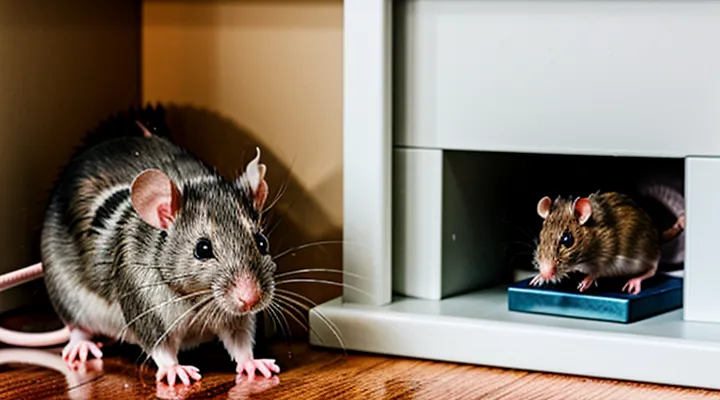
Understanding Your Pest Problem
Signs of Infestation
Droppings and Urine Smells
Rodent excreta present immediate health hazards and signal ongoing infestation, making them essential criteria when evaluating a home‑based rodent deterrent. Feces can contain pathogens such as hantavirus, salmonella, and leptospira; inhalation of dried particles or direct contact may cause respiratory or gastrointestinal illness. Urine deposits release ammonia and volatile organic compounds that linger long after the animal has left, creating unpleasant odors and degrading indoor air quality. Both waste types attract secondary pests, including insects and mold, further compromising a household’s safety.
Effective deterrent systems should incorporate features that either prevent accumulation of droppings and urine or facilitate rapid detection and removal. Consider the following attributes:
- Sensors that alert occupants to the presence of rodent waste through odor‑sensing technology or visual detection of droppings.
- Ultrasonic or electromagnetic emitters that deter rodents before they establish latrine sites, reducing waste generation.
- Integrated cleaning protocols, such as disposable collection trays or antimicrobial surfaces, that neutralize pathogens after an intrusion.
- Materials resistant to corrosion from ammonia, ensuring longevity of the device in environments with frequent urine exposure.
When comparing products, prioritize those that address waste‑related risks directly, as eliminating droppings and urine odors not only improves comfort but also curtails disease transmission and secondary infestations.
Gnaw Marks and Damage
Gnaw marks appear as shallow, crescent‑shaped grooves on wood, plastic, and wiring, typically 1–2 mm deep and spaced at regular intervals. The edges are smooth, indicating continuous chewing rather than a single bite. Damage extends beyond visible marks; rodents can sever electrical insulation, compromising safety systems, and they may create pathways for moisture that leads to rot or mold.
Key indicators of infestation include:
- Parallel runs of bite marks along baseboards, cabinet doors, and furniture legs.
- Chewed holes ranging from ¼ in. to ½ in. in diameter, often found near food sources.
- Frayed or exposed wires, especially in concealed wall cavities.
- Accumulated droppings near gnawed areas, confirming active presence.
Material susceptibility varies. Softwoods and untreated lumber yield easily to incisors, while hardwoods resist but still show superficial scoring. Polyethylene and PVC pipe resist damage longer than PVC‑soft, yet persistent chewing can eventually breach them. Electrical cables with rubber jackets degrade faster than those with reinforced polymer sheaths.
Assessing the extent of gnaw damage informs the selection of an effective control device. When damage concentrates in structural components, a repeller with high‑frequency ultrasonic emissions and a wide coverage radius reduces the need for extensive repairs. In environments where wiring is compromised, a device that combines ultrasonic output with a mild electromagnetic pulse can deter rodents from re‑entering conduit spaces. For isolated gnaw sites, targeted ultrasonic modules placed directly at the affected junctions provide focused deterrence without affecting neighboring rooms.
Understanding gnaw patterns, material vulnerability, and associated safety risks enables homeowners to match the appropriate repelling technology to the specific damage profile, minimizing further deterioration and preventing costly remediation.
Unusual Noises
Unusual noises often signal the presence of rodents before visible signs appear. In a residential setting, high‑pitched squeaks, scratching on walls, and intermittent thudding in concealed areas indicate active burrows or foraging activity. Recognizing these sounds enables timely intervention and prevents damage to wiring, insulation, and stored food.
Effective deterrent devices exploit acoustic principles to create environments that rodents find intolerable. Ultrasonic units emit frequencies above human hearing, typically ranging from 20 kHz to 65 kHz, while audible emitters produce sharp, intermittent clicks that mimic predator cues. Both types generate sounds that interfere with rodent communication and navigation, reducing occupancy rates.
When evaluating repellers, consider the following criteria:
- Frequency range: broader spectra cover more species and adapt to varying hearing thresholds.
- Modulation pattern: random intervals prevent habituation.
- Coverage area: square footage specifications must match the room dimensions.
- Power source: plug‑in models ensure continuous operation; battery options offer flexibility but require monitoring.
- Safety certifications: compliance with electrical standards protects occupants and pets.
Monitoring unusual noises after installation provides feedback on device efficacy. A decline in audible activity, coupled with the absence of new gnaw marks, confirms successful deterrence. Persistent sounds suggest the need for supplemental measures, such as sealing entry points or employing physical traps.
Identifying the Pests
Rats vs. Mice: Key Differences
Rats and mice differ in size, behavior, and the type of damage they cause, factors that directly influence the choice of a residential rodent deterrent.
- Size: Rats typically measure 9–11 inches in body length, while mice range from 2.5–4 inches. Larger body mass allows rats to gnaw through thicker materials.
- Habitat preference: Rats favor sewers, basements, and outdoor burrows; mice occupy wall voids, attics, and interior clutter. Their preferred environments affect where repellents must be positioned.
- Reproductive rate: A single mouse can produce up to 10 litters a year, each containing 5–6 offspring; rats generate up to 7 litters with 6–12 young per litter. Faster population growth demands more aggressive control measures for mice.
- Damage patterns: Rats chew through wiring, plumbing, and structural supports, creating severe fire and water hazards. Mice primarily contaminate food stores and leave droppings that pose health risks.
- Detection signs: Fresh rat dropples are ½‑inch long, rounded, and dark; mouse dropples are ¼‑inch, spindle‑shaped, and lighter. Recognizing these traces helps target the appropriate repellent technology.
Understanding these distinctions enables homeowners to match device type—ultrasonic emitters, bait stations, or exclusion barriers—to the specific rodent present, ensuring effective protection of the household.
Common Species in Private Homes
Rats and mice are the primary rodent concerns in residential settings, but several other species frequently share indoor environments. Recognizing these occupants informs the selection of an effective deterrent system.
- House mouse (Mus musculus): Small, agile, thrives near food sources, reproduces rapidly, prefers cracks and gaps under ¼ inch.
- Norwegian rat (Rattus norvegicus): Larger, robust, favors basements and crawl spaces, capable of burrowing through concrete, requires larger openings.
- Roof rat (Rattus rattus): Agile climber, occupies attics and upper stories, nests in elevated structures, exploits loose wiring and insulation.
- House shrew (Sorex spp.): Insectivore, not a rodent, attracted to damp areas, may coexist with mice, does not cause structural damage but can spread pathogens.
- Southern red-backed vole (Myodes gapperi): Small, herbivorous, occasional indoor intruder in rural homes, seeks shelter during extreme weather.
Each species exhibits distinct entry preferences, nesting habits, and damage potential. Effective repeller solutions must address these variables: ultrasonic devices should cover frequency ranges that affect both mice and rats, while motion-activated deterrents need placement at typical ingress points such as foundation cracks, vent openings, and attic access routes. Chemical repellents require formulations that target the olfactory sensitivities of multiple rodent species without harming non‑target mammals. Selecting a system that integrates these considerations maximizes protection against the full spectrum of common indoor pests.
Types of Rat and Mouse Repellers
Ultrasonic Repellers
How They Work
Rodent deterrents for residential environments rely on three primary mechanisms: acoustic disturbance, electromagnetic interference, and chemical repulsion. Each method targets sensory or physiological responses that rats and mice find intolerable, prompting them to vacate the area.
- Ultrasonic emitters generate sound waves above 20 kHz, a frequency range audible to rodents but inaudible to humans. The rapid pulsation overstimulates the animals’ auditory nerves, causing disorientation and avoidance of the treated zone.
- Electromagnetic devices produce low‑frequency magnetic fields that interfere with the nervous system of small mammals. The induced currents disrupt muscle control, creating discomfort that drives rodents away from the source.
- Scent‑based repellents disperse volatile compounds such as peppermint oil, capsaicin, or predator urine. The strong odor activates olfactory receptors, signaling danger and triggering innate avoidance behavior.
- Physical barriers such as sealed entry points and mesh screens prevent access by eliminating gaps larger than the animal’s body dimensions, thereby removing the opportunity for infestation.
- Smart monitoring units combine motion sensors with audible alerts or automated trap activation. Detection of movement initiates an immediate response, either by emitting a deterrent signal or by activating a capture mechanism.
Effectiveness depends on proper placement, continuous operation, and alignment with the specific habits of the target species. Devices must cover all entry routes and maintain consistent output to prevent habituation, ensuring sustained rodent exclusion from the home.
Pros and Cons
When assessing deterrents for rodents in a private residence, focus on effectiveness, safety, maintenance, and cost.
Ultrasonic emitters
- Pros: No chemicals; silent to humans; easy installation; low upfront cost.
- Cons: Effect diminishes as rodents acclimate; limited range; blocked by walls and furniture; efficacy unverified in large homes.
Electronic snap traps
- Pros: Immediate kill; reusable; no poison; visible result confirms success.
- Cons: Requires careful placement; risk of accidental contact with children or pets; limited to accessible pathways; may cause distress to occupants.
Bait stations with anticoagulants
- Pros: Proven mortality rates; can treat hidden infestations; long‑term impact after single placement.
- Cons: Toxic to non‑target animals; strict regulatory handling; disposal of dead rodents needed; potential resistance development.
Natural repellents (e.g., peppermint oil, predator urine)
- Pros: Non‑toxic; simple application; suitable for households with pets or children.
- Cons: Short‑lived effect; frequent reapplication required; limited scientific support for sustained control.
Physical exclusion (sealing gaps, installing door sweeps)
- Pros: Prevents entry entirely; permanent solution once completed; no ongoing expense.
- Cons: Labor‑intensive; may need professional assessment; does not address rodents already inside.
Choosing a solution demands balancing immediate kill rates against long‑term prevention, health considerations, and budget constraints. A combined approach—sealing entry points and supplementing with a reliable kill method—typically yields the most reliable outcome.
Factors Affecting Effectiveness
When evaluating a rodent deterrent for a residence, effectiveness depends on measurable variables rather than anecdotal claims.
Key variables include:
- Technology type – ultrasonic, electromagnetic, or scent‑based devices each operate on distinct mechanisms that interact differently with rodent physiology.
- Frequency range – ultrasonic units must emit frequencies above 20 kHz; the exact band influences penetration through walls and tolerance development.
- Power output – higher wattage extends coverage but may also increase interference with household electronics.
- Placement strategy – positioning near entry points, food storage, and nesting sites maximizes exposure; obstacles such as furniture or dense walls attenuate signals.
- Environmental conditions – temperature, humidity, and ambient noise affect ultrasonic propagation; extreme conditions can diminish output.
- Rodent species and behavior – rats and mice differ in hearing sensitivity and habituation speed; some species may ignore certain repellent modalities altogether.
- Maintenance schedule – battery life, filter replacement, and firmware updates sustain performance; neglect leads to gradual loss of efficacy.
Each factor interacts with the others; optimal performance results from aligning technology selection with the specific layout, climate, and pest profile of the home. Ignoring any single variable reduces the likelihood of sustained rodent control.
Electromagnetic Repellers
Principle of Operation
Rodent deterrents for a residence rely on specific physical or chemical stimuli that provoke avoidance behavior in rats and mice. Each technology targets a sensory or physiological pathway unique to these pests.
- Ultrasonic units generate sound waves above 20 kHz, a frequency range undetectable to humans. The waves interfere with the animals’ auditory communication, creating a hostile acoustic environment that prompts relocation.
- Electromagnetic emitters produce low‑frequency magnetic fields that penetrate walls. The fields disrupt the nervous system of rodents, causing disorientation and discomfort without affecting occupants.
- Scent‑based products disperse predator odors (e.g., fox or cat urine) or synthetic compounds such as methyl anthranilate. The chemicals activate the olfactory receptors that signal danger, leading the pests to vacate the area.
- Mechanical traps employ a spring‑loaded bar or snap mechanism. When an animal applies pressure to the trigger plate, kinetic energy is released instantly, delivering a fatal blow that eliminates the target.
The common denominator across these approaches is the induction of an adverse sensory experience that rats and mice cannot tolerate, compelling them to leave the premises or preventing entry altogether.
Advantages and Disadvantages
Choosing an effective rodent deterrent for a residence requires weighing the strengths and weaknesses of each technology.
Ultrasonic devices
-
Emits high‑frequency sound that rodents find uncomfortable.
-
Operates silently for humans, no chemicals involved.
-
Low energy consumption, easy installation.
-
Limited reach; walls and furniture block waves.
-
Effectiveness decreases as rodents acclimate.
-
Power outages disable protection.
Electronic traps
-
Delivers a rapid, lethal shock, ensuring immediate kill.
-
Reusable, reduces need for disposable poisons.
-
Visible kill count helps monitor infestation level.
-
Requires direct contact; placement must intercept travel paths.
-
May pose safety concerns for children or pets if mishandled.
-
Maintenance includes periodic cleaning of carcasses.
Snap traps
-
Simple mechanical action, no electricity needed.
-
Low purchase price, instant result.
-
Requires precise bait placement and frequent checking.
-
Can cause distress to observers; not suitable for all households.
Live‑catch traps
-
Captures rodents unharmed for release elsewhere.
-
Avoids chemical exposure, complies with humane standards.
-
Necessitates regular monitoring to prevent stress or death.
-
Release may violate local regulations; risk of re‑infestation.
Natural deterrents (e.g., peppermint oil, steel wool)
-
Non‑toxic, easy to apply.
-
Can be combined with other methods for layered defense.
-
Short‑term effectiveness; frequent reapplication needed.
-
Limited impact on established infestations.
Assessing these pros and cons against the specific layout, occupancy, and regulatory constraints of a home determines the most suitable repelling solution.
Scent-Based Repellers
Natural Ingredients
Natural compounds provide a non‑chemical option for deterring rodents in residential settings. Their effectiveness relies on strong odors or irritant properties that rodents find intolerable, while posing minimal risk to humans and pets.
Commonly employed botanical agents include:
- Peppermint oil – volatile menthol vapors disrupt scent trails and cause aversion.
- Citronella – citrus‑based scent interferes with rodent olfactory cues.
- Clove oil – eugenol acts as a sensory irritant.
- Cayenne pepper – capsaicin triggers discomfort upon contact.
- Vinegar – acetic acid creates an inhospitable environment on surfaces.
- Ammonia – ammonia fumes mimic predator urine, prompting avoidance.
Application methods vary according to ingredient stability. Essential oils are most effective when diluted in water and applied with spray bottles to entry points, nesting sites, and along walls. Solid powders such as cayenne pepper can be dusted in crevices, while soaked cotton balls soaked in vinegar or ammonia should be placed in concealed locations and refreshed weekly.
Safety considerations demand proper ventilation and avoidance of direct skin contact. Concentrations above manufacturer recommendations may cause irritation to occupants. Periodic monitoring of rodent activity is essential; natural repellents often require reapplication to maintain potency.
When integrated with physical barriers—sealed gaps, traps, and sanitation practices—natural ingredients contribute to a comprehensive, low‑toxicity rodent management strategy for private residences.
Commercial Products
Commercial rodent deterrents for residential use fall into three primary categories: ultrasonic devices, bait stations, and sealed trap systems. Each category offers distinct mechanisms, maintenance requirements, and safety considerations.
Ultrasonic emitters generate high‑frequency sound waves that rodents find uncomfortable. Effective models provide adjustable frequency ranges, continuous operation timers, and sealed housings to prevent tampering by pets or children. Brands such as Pest‑Away and Victor offer units with up to 30 dB attenuation beyond the advertised coverage radius, ensuring consistent performance in multi‑room environments.
Bait stations deliver anticoagulant or non‑anticoagulant formulations within tamper‑resistant containers. Certified products must comply with EPA regulations, feature child‑proof locks, and include a clear expiration date. Leading manufacturers—Bell Laboratories, Tomcat, and Rentokil—supply pre‑measured pellets that maintain potency for 12 months when stored at controlled temperature. Proper placement along wall voids and near entry points maximizes uptake while minimizing exposure to non‑target species.
Sealed trap systems combine mechanical capture with containment. Designs incorporate spring‑loaded jaws or live‑catch cages enclosed in reinforced plastic shells. The primary advantage lies in immediate removal of the rodent without chemical residues. Notable offerings include Havahart’s “Live Catch” series and Tomcat’s “Snap” traps, both featuring built‑in indicator windows that confirm capture without opening the unit.
When evaluating commercial options, consider the following criteria:
- Coverage area versus square footage of the dwelling.
- Compatibility with household pets and children.
- Regulatory compliance and certification status.
- Maintenance interval and ease of refilling or resetting.
- Warranty length and manufacturer support.
Selecting a product that aligns with these parameters ensures reliable rodent control while adhering to safety standards for private homes.
Application and Limitations
Effective rodent deterrents require correct placement, consistent operation, and awareness of environmental constraints. Install ultrasonic units near walls, behind appliances, and in attics where rodents travel. Position devices at least 12 inches from furniture or metal objects that could block sound waves. For plug‑in models, ensure continuous power supply; for battery‑powered units, replace cells according to manufacturer guidelines. Seal entry points before deployment; gaps larger than ¼ inch allow access and diminish device efficacy.
Maintain a clean interior to reduce attractants. Store food in airtight containers, dispose of waste promptly, and keep countertops free of crumbs. Combine electronic repellents with physical barriers such as steel mesh or copper tape around pipes and vents.
Limitations arise from species‑specific hearing ranges; some mice may not detect frequencies above 30 kHz, while larger rats respond to lower bands. Ultrasonic output weakens through solid objects, limiting coverage in cluttered rooms. Continuous exposure can lead to habituation, after which effectiveness declines. Devices do not eliminate existing infestations; they only discourage further entry.
Environmental factors also restrict performance. High humidity or extreme temperatures can alter transducer output, reducing range. Pets, especially cats and dogs, may experience discomfort from prolonged exposure. Legal regulations in certain jurisdictions restrict the sale of high‑intensity ultrasonic emitters.
When evaluating options, compare coverage area, frequency spectrum, power source, and warranty. Prioritize models that provide adjustable frequency settings and documented laboratory testing. Integrate repellents with sanitation and exclusion measures for comprehensive rodent management.
Traps and Baits (As a Last Resort or Complementary Method)
Live Traps
Live traps capture rodents without killing them, allowing homeowners to release the animals away from the residence. The devices consist of a sturdy cage, a trigger mechanism, and a secure door that closes automatically when the rodent enters.
Key considerations when selecting a live trap:
- Size: Choose a model that accommodates the target species; rats typically require a larger cage (12 × 6 × 6 inches) than mice (7 × 4 × 4 inches).
- Material: Heavy‑gauge wire or plastic construction prevents damage and resists gnawing.
- Trigger sensitivity: Adjustable spring tension ensures reliable closure without false activations.
- Ease of cleaning: Removable floors or hinged doors simplify sanitation after each capture.
- Portability: Handles or wheels facilitate placement in tight spaces such as crawl spaces or attics.
Advantages of live traps include humane removal, avoidance of poison hazards, and compliance with local wildlife regulations. Limitations involve the need for frequent monitoring, proper relocation distance (minimum 5 miles from the home), and potential stress to captured animals.
Effective deployment strategy:
- Identify high‑traffic zones by inspecting droppings, gnaw marks, and wall damage.
- Position traps perpendicular to walls, with the entry side facing the rodent’s travel path.
- Bait with attractive foods—peanut butter, sunflower seeds, or dried fruit—applied to the trigger plate.
- Check traps at least twice daily; release captured rodents promptly in a suitable outdoor environment.
- Reset the trap after each release to maintain continuous control.
When integrated with complementary measures—such as sealing entry points and eliminating food sources—live traps provide a reliable, non‑lethal solution for managing rats and mice in a private residence.
Snap Traps
Snap traps provide immediate, mechanical control of rodents in residential settings. Their design consists of a spring‑loaded bar that delivers a rapid, lethal strike when triggered by a rodent’s movement. This method eliminates the need for chemical agents, reducing health risks associated with poisons and preventing accidental ingestion by pets or children.
Effectiveness depends on several factors. First, trap size must match the target species; larger models accommodate rats, while smaller versions are suited for mice. Second, bait selection influences capture rates; high‑protein foods such as peanut butter or dried fruit produce consistent results. Third, placement determines success; positioning traps along walls, behind appliances, and near known runways maximizes encounter probability. Finally, regular inspection and prompt disposal of captured rodents prevent odor buildup and maintain trap readiness.
Advantages of snap traps include:
- Immediate kill, avoiding prolonged suffering
- Low upfront cost compared to electronic or ultrasonic devices
- No reliance on power sources or batteries
- Reusability after resetting
Limitations to consider:
- Potential for non‑target captures if placed in accessible areas
- Requirement for careful handling to avoid accidental activation
- Necessity of periodic checking to maintain hygiene
Safety measures are essential. Wear disposable gloves when setting and emptying traps, and store traps out of reach of children. Use a protective shield or a disposable cover when loading bait to minimize direct contact with the spring mechanism. After a kill, seal the carcass in a plastic bag before disposal in a sealed trash container.
Maintenance involves cleaning the trigger plate and spring with mild detergent to remove residue that could impede sensitivity. Inspect the spring for fatigue; a weakened spring reduces strike force and may result in ineffective captures. Replace worn traps promptly to preserve performance.
When comparing snap traps to alternative repellents, their instant action and cost efficiency make them a reliable component of an integrated rodent‑management plan for private homes. Selecting appropriately sized models, using effective bait, and adhering to safe placement guidelines ensure optimal results.
Poison Baits: Safety Concerns and Regulations
Poison baits represent a common control method, but they introduce health and legal considerations that outweigh their convenience in most domestic settings.
Key safety hazards include:
- Accidental ingestion by children or pets.
- Secondary poisoning of wildlife that consumes contaminated prey.
- Skin or mucous‑membrane irritation during handling.
- Environmental contamination from improper disposal.
Regulatory frameworks govern every aspect of bait use. Federal agencies classify rodent poisons as restricted‑use products, requiring certification for purchase and application. State statutes may prohibit certain active ingredients, mandate tamper‑resistant containers, and limit placement locations. Labels must contain explicit dosage instructions, first‑aid measures, and disposal procedures; failure to follow them constitutes a violation.
Effective implementation demands compliance and risk mitigation. Select baits packaged in sealed stations, restrict access to authorized personnel, and integrate with mechanical traps or exclusion techniques. Record application dates, locations, and quantities to satisfy inspection requirements. Properly seal and discard unused bait according to label directions, preventing residual hazards.
By adhering to safety protocols and statutory mandates, homeowners can evaluate poison baits alongside alternative deterrents while minimizing health risks and legal exposure.
Factors to Consider When Choosing
Home Size and Layout
Single Rooms vs. Whole House Coverage
When evaluating rodent deterrents for a residence, the decision between devices that protect a single room and those that cover the entire property hinges on infestation scope, layout complexity, and budget constraints. A unit limited to one area offers targeted ultrasonic or electromagnetic emission, reducing energy consumption and allowing placement in high‑risk zones such as kitchens, basements, or attics. This approach suits isolated sightings, seasonal incursions, or apartments where shared walls limit cross‑room propagation.
Whole‑house systems distribute repellent frequencies through a network of emitters or a centralized unit linked to the home’s wiring. Benefits include uniform coverage, elimination of blind spots, and reduced need for multiple devices. Installation typically requires professional wiring or placement of several plug‑in modules, raising upfront costs but delivering comprehensive protection against rodents that travel along walls, ducts, or utility lines.
Key considerations:
- Infestation pattern: localized activity → single‑room unit; widespread movement → whole‑house solution.
- Structural layout: open floor plans favor centralized systems; compartmentalized spaces may require multiple localized devices.
- Power source: battery‑free, wall‑plugged models suit whole‑house setups; portable, battery‑operated models are ideal for single rooms.
- Cost: single‑room devices range from $30‑$80; whole‑house installations typically start at $150 and increase with the number of emitters.
Choosing the appropriate coverage aligns protection level with the specific risk profile of the home, ensuring efficient use of resources while maintaining effective rodent deterrence.
Obstacles and Walls
When selecting an electronic or ultrasonic device to deter rodents, the physical layout of a residence determines where the unit can operate effectively. Solid construction materials, such as concrete or brick, absorb or reflect ultrasonic waves, limiting the distance the signal travels. Consequently, a repeller placed on one side of a thick wall may provide little to no coverage on the opposite side.
Open pathways, such as doorways, gaps under floors, and vent openings, act as conduits for sound waves. Positioning a unit near these passages allows the emitted frequencies to spread into adjacent rooms and crawl spaces. Conversely, sealing large openings can create isolated zones where the device’s influence is confined, potentially leaving hidden entry points unprotected.
Key considerations for navigating obstacles and walls:
- Identify the primary entry points used by rats and mice; place the repeller within a few feet of each.
- Avoid mounting devices directly against solid walls; mount on interior surfaces of drywall or wood framing when possible.
- Use multiple units in multi‑story homes or in areas separated by thick masonry to ensure overlapping coverage.
- Verify that furniture, appliances, or decorative items do not block the line of sight between the emitter and target zones.
Testing after installation is essential. Measure the audible frequency range with a calibrated detector or a smartphone app to confirm that the signal reaches intended areas. Adjust placement until the coverage map aligns with the home’s structural constraints, ensuring continuous deterrent action throughout the property.
Severity of Infestation
Prevention vs. Active Repelling
Effective rodent management begins with two distinct strategies: environmental prevention and active repelling. Prevention focuses on eliminating entry points, securing food storage, and maintaining cleanliness to reduce attraction. Implementing sealed door sweeps, metal mesh over vents, and pest‑proof containers removes the conditions that invite rats and mice. Regular inspection of foundation cracks and attic openings identifies vulnerabilities before infestations develop.
Active repelling employs devices that emit ultrasonic frequencies, electromagnetic fields, or scent‑based deterrents to create an uncomfortable environment for rodents already present. These systems operate continuously, requiring power sources and periodic maintenance. Selection criteria include coverage radius, frequency range, and safety for pets and humans.
- Prevention: eliminates cause, low ongoing cost, no energy consumption, depends on homeowner diligence.
- Active repelling: addresses existing presence, immediate effect, higher initial expense, may lose efficacy as rodents habituate.
Choosing between the two approaches—or integrating both—depends on the severity of the problem, structural characteristics of the dwelling, and long‑term maintenance capabilities.
Pet and Child Safety
Non-Toxic Options
When prioritizing safety for occupants and pets, homeowners should consider repellents that rely on natural or mechanical mechanisms rather than chemical poisons. Such solutions eliminate the risk of secondary poisoning, reduce exposure to volatile compounds, and often comply with indoor‑use regulations.
Common non‑toxic alternatives include:
- Ultrasonic emitters that generate high‑frequency sounds outside the hearing range of humans but disruptive to rodents; placement near entry points maximizes coverage.
- Motion‑activated devices that emit sharp bursts of noise or bright flashes when a rodent triggers a sensor, providing immediate deterrence without chemicals.
- Peppermint‑oil diffusers or cotton balls soaked in essential oils; the strong scent repels rodents while remaining harmless to people and animals when used in moderation.
- Steel‑wool or copper mesh placed around openings; rodents cannot chew through the material, creating a physical barrier without toxic substances.
- Traps with live‑capture cages; captured rodents can be released far from the property, eliminating the need for poisons.
Selecting a combination of these methods creates a layered defense, maintaining a rodent‑free environment while preserving indoor air quality and household safety.
Secure Placement
When installing an ultrasonic or electronic rodent deterrent, position the unit where its signal can travel unobstructed. Mount the device at least 12 inches off the floor and 6 inches from walls or large furniture to prevent signal reflection. Avoid placement behind metal cabinets, thick curtains, or inside enclosed closets, as these materials absorb ultrasonic waves.
Locate the repeller near entry points such as doorways, garage openings, and utility penetrations. Position additional units in high‑traffic corridors and near food storage areas to create overlapping coverage zones. Ensure each device’s advertised range overlaps by 20‑30 percent to eliminate blind spots.
Power considerations are critical. Use a dedicated outlet for each unit; avoid extension cords or power strips that may introduce voltage drops. Verify that the device’s indicator confirms continuous operation after installation.
For safety, keep the unit out of reach of children and pets. Install at a height that prevents accidental dislodgement. If the model includes a timer or motion sensor, set the active period to align with typical rodent activity—usually dusk to dawn.
Placement checklist
- Height: 12 inches above floor, 6 inches from solid surfaces.
- Proximity: within 3 feet of known entry points.
- Overlap: coverage zones intersect by at least 20 percent.
- Power: direct wall outlet, no adapters.
- Safety: out of reach, secured mounting.
Following these guidelines maximizes the effectiveness of any rodent deterrent system in a residential setting.
Environmental Impact
Chemical-Free Solutions
Chemical‑free methods provide safe, sustainable alternatives for keeping rats and mice out of a private residence. These approaches rely on physical barriers, behavioral disruption, and environmental management rather than toxic substances, reducing health risks for occupants and pets while preserving indoor air quality.
Effective non‑chemical strategies include:
- Ultrasonic emitters that broadcast frequencies uncomfortable to rodents, disrupting nesting and foraging.
- Snap or live traps positioned along established travel routes, delivering immediate removal without poison.
- Steel‑wool or copper mesh used to seal gaps around pipes, vents, and foundation cracks, preventing entry.
- Natural deterrents such as peppermint oil, crushed red pepper, or predator urine placed near potential access points.
- Landscape adjustments—removing debris, trimming vegetation, and storing food in sealed containers—to eliminate shelter and attractants.
When evaluating these solutions, consider:
- Coverage area: ensure the device or barrier addresses all likely entry zones.
- Power source: opt for models with battery backup to maintain operation during outages.
- Maintenance requirements: select traps and seals that can be inspected and refreshed with minimal effort.
- Compatibility with household occupants: verify that ultrasonic frequencies do not affect pets or infants.
Implementing a layered approach—combining exclusion, deterrence, and trapping—maximizes effectiveness while eliminating reliance on hazardous chemicals. This methodology aligns with best practices for residential rodent control, delivering reliable protection without compromising health or the environment.
Humane Options
Humane methods aim to deter rodents without causing injury, relying on behavioral disruption and environmental modification.
- Ultrasonic emitters project frequencies uncomfortable to rats and mice, prompting relocation. Effectiveness declines if devices are obstructed by furniture or walls; placement near entry points maximizes coverage.
- Natural repellents, such as peppermint oil or crushed dried herbs, create scent barriers that rodents avoid. Application requires re‑treatment every few days to maintain potency.
- Physical barriers include sealed gaps, steel‑wool stuffing, and copper mesh around vents and pipe openings. Proper installation eliminates shelter and travel routes.
- Live‑catch traps capture individuals for release far from the residence. Traps must be checked frequently; release should occur at least 10 m away from the property to prevent return.
Implementation considerations focus on safety and maintenance. Electrical devices need a reliable power source and should be kept out of reach of children and pets. Natural repellents must be stored in child‑proof containers to avoid accidental ingestion. Barrier materials should be corrosion‑resistant and compatible with existing construction. Regular inspection of seals and trap performance ensures sustained deterrence without harming the target species.
Budget and Maintenance
Initial Cost vs. Long-Term Effectiveness
When evaluating a rodent deterrent for a residence, the price paid at purchase and the performance over months or years form a decisive comparison. A low‑priced ultrasonic unit may require replacement after a single season because rodents can become habituated, forcing the homeowner to buy additional devices. In contrast, a higher‑priced, professionally installed exclusion system—such as sealed entry points combined with a durable bait station—often maintains its efficacy for several years, reducing the frequency of reinvestment.
Key financial considerations include:
- Up‑front expense: Cash outlay for the device, installation fees, and any required accessories.
- Operational lifespan: Manufacturer’s warranty period, expected durability of components, and susceptibility to environmental wear.
- Maintenance requirements: Frequency of battery changes, cleaning, or recalibration.
- Replacement cycle: Anticipated interval before the system loses effectiveness and must be upgraded or swapped.
A cost‑benefit analysis that projects total ownership expense across a realistic horizon—typically three to five years—reveals whether an initially cheap solution truly saves money. If the cumulative cost of repeated purchases and maintenance exceeds the one‑time price of a robust, longer‑lasting system, the latter provides superior value despite its higher entry price.
Power Consumption and Battery Life
When evaluating ultrasonic or electromagnetic rodent deterrents for residential use, power draw directly determines installation feasibility and long‑term operating cost. Devices rated below 5 W can be connected to standard wall outlets without noticeable impact on household electricity bills, while models exceeding 10 W may require dedicated circuits or result in higher monthly consumption.
Battery‑powered units rely on internal cells whose capacity is expressed in milliamp‑hours (mAh). A typical 2000 mAh rechargeable pack sustains a 3‑W emitter for approximately 20 hours of continuous operation. Manufacturers often quote “up to 30 days” runtime, but that figure assumes intermittent use (e.g., 8 hours per day) and optimal ambient temperature. To compare alternatives, calculate expected lifespan using the formula:
- Runtime (hours) = Battery capacity (mAh) ÷ Device current (mA)
For a 2500 mAh battery powering a 150 mA unit, the result is roughly 16.7 hours of nonstop use, or about 4 days if the device runs 24 hours daily.
Key considerations:
- Voltage compatibility – ensure the supplied battery matches the device’s required voltage; mismatched units cause premature depletion.
- Recharge cycle count – lithium‑ion packs retain usable capacity for 300–500 cycles; high‑frequency cycling shortens effective life.
- Power‑saving modes – models with motion‑activated or timer‑based operation reduce average consumption by 30–50 % compared with continuous emission.
- Indicator LEDs – status lights consume 10–20 mA; selecting units with dim or disabled LEDs extends battery endurance.
When wiring to mains power, verify that the plug includes an integrated transformer or driver rated for the device’s wattage. Over‑specifying voltage (e.g., using a 120 V adapter for a 12 V unit) can cause overheating and reduced lifespan. Conversely, using an under‑rated transformer may lead to voltage sag and intermittent performance.
In summary, prioritize low‑wattage designs for plug‑in systems, and select high‑capacity, low‑current batteries for cordless models. Apply the runtime calculation to each candidate, factor in power‑saving features, and confirm that auxiliary components such as LEDs and transformers do not compromise the projected operating period.
Installation and Maintenance Tips
Optimal Placement for Repellers
Avoiding Obstructions
When installing a rodent deterrent in a residence, clear space around the device is essential for reliable operation. Obstructions such as furniture, curtains, or decorative items can block ultrasonic waves, ultrasonic emitters, or motion sensors, reducing effectiveness and creating blind spots where rodents may hide.
Key considerations for obstruction avoidance:
- Position the unit at least 12 inches from walls, cabinets, and large objects.
- Ensure a 360‑degree line of sight for motion‑activated models; avoid placement behind bookshelves or under tables.
- Keep the device away from metal surfaces that can reflect or absorb ultrasonic frequencies.
- Verify that floor coverings do not trap vibrations; hardwood or tile floors provide optimal transmission.
- For plug‑in units, route power cords to prevent them from hanging over the device and interfering with its signal.
Regular inspection supports continued performance. Check the surrounding area monthly for newly introduced items or rearranged furniture. Remove any obstacles that have moved into the device’s coverage zone. If the layout of a room changes, relocate the repeller to maintain an unobstructed radius.
By adhering to these guidelines, homeowners preserve the full functional range of their rodent repelling system, ensuring consistent protection throughout the dwelling.
Strategic Positioning
Strategic positioning determines how effectively a rodent deterrent protects a residence. Proper placement maximizes the device’s coverage, exploits rodent travel routes, and minimizes interference from household structures.
Key considerations for optimal placement include:
- Identify primary entry points such as gaps under doors, utility openings, and foundation cracks.
- Locate common foraging paths: wall voids, attic spaces, and pantry aisles.
- Maintain a clear line of sight between the repeller and target zones; obstacles like furniture or metal cabinets can attenuate ultrasonic or electromagnetic emissions.
- Position units at least 12 inches above the floor to avoid grounding losses and to align with the typical height of rodent movement.
- Ensure power sources are stable; avoid locations prone to frequent disconnections or voltage fluctuations.
After installation, monitor activity indicators or capture evidence for a minimum of two weeks. If rodent signs persist, relocate the device toward observed hotspots, adjust height, or add supplementary units to overlap coverage zones. Continuous assessment guarantees the deterrent remains aligned with evolving rodent behavior patterns.
Regular Monitoring and Cleaning
Checking for Continued Activity
After a repelling device is installed, verify that rodents have ceased activity. Begin by inspecting the areas where signs of infestation previously appeared. Look for fresh droppings, gnaw marks, or new burrows; their absence indicates reduced presence.
Observe the device’s operational status daily for the first week. Confirm that ultrasonic emitters, electromagnetic fields, or scent dispensers remain active according to the manufacturer’s specifications. Replace batteries or recharge units promptly to avoid gaps in coverage.
Maintain a log of observations. Record dates, locations inspected, and any evidence of rodent movement. Consistent entries help identify patterns and determine whether additional measures, such as sealing entry points or augmenting with traps, are required.
Device Care
Proper maintenance prolongs the effectiveness of any rodent‑deterrent system and reduces the risk of malfunction. Follow the manufacturer’s schedule for inspecting components; a regular check prevents loss of coverage and ensures safety for occupants.
Key actions for device upkeep include:
- Power source management – replace batteries at the first sign of reduced output, store spares in a cool, dry place, and verify that rechargeable units are fully charged before each season of use.
- Cleaning – remove dust and debris from ultrasonic emitters and motion sensors with a soft brush or compressed air; avoid liquids that could damage circuitry.
- Firmware updates – download the latest software from the producer’s website and apply it according to the provided instructions; updates often improve frequency range and reduce false alarms.
- Physical inspection – examine housing for cracks, corrosion, or loose connections; tighten screws and seal any openings that could allow moisture ingress.
Environmental factors affect device reliability. Position units away from direct sunlight, high humidity, and heavy traffic areas that might cause vibration. Secure mounts on stable surfaces to prevent accidental displacement.
Document each service event in a log that records date, performed task, and any observed issues. A consistent record enables trend analysis and timely intervention, preserving the system’s deterrent capability throughout the residence.
Combining Methods for Best Results
Integrated Pest Management Approach
Integrated Pest Management (IPM) treats rodent control as a systematic process rather than a single product solution. The approach begins with a thorough inspection of the residence to identify entry points, food sources, and nesting habitats. Data gathered during this phase directs all subsequent actions and eliminates guesswork when selecting a deterrent device.
The next stage involves modifying the environment to make it inhospitable to rats and mice. Practical measures include sealing cracks larger than ¼ inch, installing door sweeps, storing food in airtight containers, and removing clutter that offers shelter. These modifications reduce the reliance on electronic or ultrasonic repellers and increase the likelihood that any device deployed will operate under optimal conditions.
Control tactics are layered according to the severity of the infestation:
- Cultural controls – sanitation and habitat alteration as described above.
- Mechanical controls – traps placed along identified travel routes, ensuring immediate reduction of the population.
- Biological controls – use of natural predators, such as barn owls, where feasible, to sustain long‑term pressure on rodent numbers.
- Chemical controls – targeted bait stations applied only after non‑chemical measures prove insufficient, with strict adherence to safety guidelines.
Evaluation completes the IPM cycle. After implementing preventive actions and any selected deterrent, monitor activity with non‑lethal tracking methods (e.g., flour trails, motion‑activated cameras). Persistent signs indicate the need to adjust the control mix or upgrade the repelling device. By following this structured methodology, homeowners can choose a rat and mouse deterrent that integrates seamlessly with broader pest‑management practices, delivering reliable results while minimizing unnecessary chemical exposure.
Debunking Common Myths About Repellers
Do Ultrasonic Repellers Really Work?
Ultrasonic devices emit high‑frequency sound waves beyond human hearing, intended to create an uncomfortable environment for rodents. Laboratory tests demonstrate that exposure can cause temporary agitation, but the effect diminishes as animals habituate to the signal. Field trials in occupied homes report mixed outcomes; many users observe no reduction in activity after the initial weeks.
Key factors influencing performance:
- Frequency range: effective wavelengths lie between 20–30 kHz; lower frequencies lose potency, higher frequencies are inaudible to most rodents.
- Coverage area: manufacturers often overstate the radius; walls and furniture block the waves, creating blind spots.
- Power source: battery‑operated units may lose output as voltage drops, reducing efficacy over time.
- Species variation: rats, which hear lower frequencies, respond less to typical ultrasonic pitches than mice.
Consumer reports compiled by independent watchdog groups indicate that devices rarely achieve a sustained decline in rodent presence without supplemental measures such as sealing entry points or using traps. Regulatory agencies in several countries have classified many ultrasonic products as ineffective for pest control, citing insufficient scientific validation.
For homeowners evaluating deterrent options, the evidence suggests that ultrasonic repellers should be considered ancillary tools rather than primary solutions. Combining physical exclusion, sanitation, and, when necessary, mechanical traps yields a more reliable reduction in rodent activity.
The Truth About Electromagnetic Devices
Electromagnetic rodent deterrents emit ultrasonic or radio‑frequency waves that interfere with the nervous systems of rats and mice, causing discomfort and prompting them to vacate the area. The devices generate frequencies above 20 kHz, which are inaudible to most adults but detectable by many rodent species.
Laboratory trials and field deployments show that continuous operation reduces rodent activity by 30‑60 % in enclosed spaces. Effectiveness declines when obstacles such as furniture, walls, or insulation block wave propagation, creating dead zones where pests remain unaffected.
Performance varies among species; Norway rats, which rely on lower‑frequency hearing, respond less predictably than house mice. Environmental temperature and humidity can alter wave attenuation, further influencing outcomes.
Ultrasonic emitters produce no ionizing radiation and pose no known health risk to humans or common household pets, though dogs and cats with acute high‑frequency hearing may experience temporary irritation. Devices should be installed away from electronic equipment to prevent electromagnetic interference.
When evaluating a product, consider the following criteria:
- Frequency range covering both 20 kHz–50 kHz (mouse) and 10 kHz–30 kHz (rat) bands.
- Adjustable output power to match room size and obstacle density.
- Certified safety standards (e.g., FCC, CE) confirming low electromagnetic emissions.
- Independent test results or third‑party efficacy certifications.
- Warranty length and availability of replacement transducers.
Selecting a model that satisfies these specifications maximizes the likelihood of achieving sustained rodent exclusion in a private residence.
Natural Remedies: Fact vs. Fiction
Natural remedies are frequently cited as humane alternatives for deterring rats and mice in a household setting. Scientific studies confirm that concentrated peppermint oil can create an environment rats find unpleasant, but the effect diminishes within hours as the scent evaporates. Regular re‑application is required, and the concentration must be high enough to avoid skin irritation for occupants and pets.
- Peppermint oil – Proven short‑term repellent; loses potency quickly, needs frequent renewal.
- Cayenne pepper or chili powder – Irritates rodent mucous membranes; effectiveness limited to direct contact areas, not a reliable perimeter barrier.
- Predator urine (e.g., fox, ferret) – Commercial products contain diluted scent; field trials show minimal impact on established infestations, useful only as a supplemental cue.
- Ultrasonic emitters – Marketed as “natural” because they emit sound beyond human hearing; peer‑reviewed research demonstrates inconsistent results, with rodents quickly habituating.
- Vinegar or citrus peels – Provide strong odors that may deter occasional visitors; lack evidence for sustained population control.
Myths lacking empirical support include the belief that planting mint around a home permanently repels rodents, or that spreading chalk lines creates an invisible barrier. Neither practice has been validated in controlled experiments; rodents navigate around or through such obstacles without measurable deterrence.
When evaluating natural options, prioritize evidence over anecdote. Combine verified short‑term repellents—such as appropriately diluted peppermint oil—with structural measures: sealing entry points, maintaining cleanliness, and eliminating food sources. This integrated approach yields the most reliable reduction in rodent activity for a private residence.