
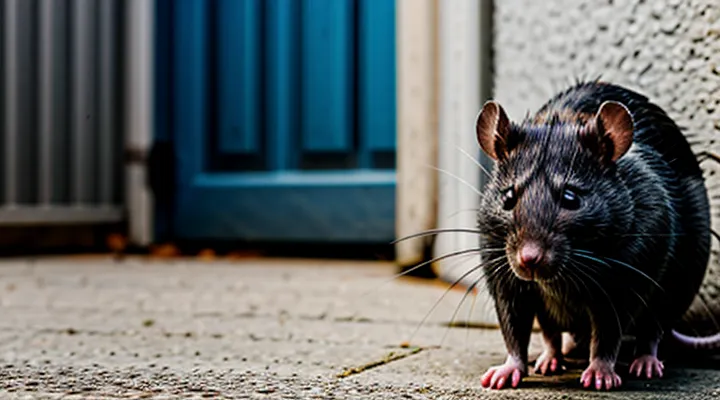
Understanding Rat Behavior and Response to Sound
Rat Auditory Perception
Frequency Range of Rat Hearing
Rats detect sounds from roughly 200 Hz up to 80 kHz, a span that exceeds human hearing (20 Hz–20 kHz). Sensitivity peaks between 8 kHz and 12 kHz, where the auditory system responds most efficiently. Below 500 Hz, detection declines sharply, while frequencies above 40 kHz are perceived but with reduced acuity.
Key points for acoustic deterrent design:
- Target the 8–12 kHz band to maximize behavioral disruption.
- Include ultrasonic components (≥20 kHz) to supplement deterrence without causing discomfort to humans.
- Avoid reliance on very low frequencies (<500 Hz) because rats are less responsive.
Effective devices align their output with the rat’s optimal hearing range, delivering consistent coverage across the specified spectrum while maintaining safe sound pressure levels for occupants.
Sensitivity to Ultrasonic Sounds
Rats possess a well‑developed auditory system that detects frequencies far beyond the human hearing range. Their cochlear hair cells respond to ultrasonic tones from approximately 20 kHz up to 80 kHz, with peak sensitivity centered around 30–40 kHz. Auditory thresholds decline sharply above 50 kHz, indicating reduced perception at very high ultrasonic levels.
Sensitivity varies with physiological and environmental factors. Younger individuals exhibit lower detection thresholds, while older rats show diminished responsiveness. Health conditions that affect the middle ear, such as otitis, can impair ultrasonic perception. Repeated exposure to a specific ultrasonic signal leads to habituation, decreasing the deterrent’s effectiveness over time.
Designing an acoustic repellent requires alignment with the rat’s auditory profile. Effective devices should:
- Emit frequencies within the 30–45 kHz window where detection is strongest.
- Maintain sound pressure levels between 70 and 90 dB SPL at the source to ensure audibility without causing distress to non‑target species.
- Incorporate frequency modulation or random patterning to prevent habituation.
- Provide continuous coverage or periodic reactivation to address gaps in exposure.
Selecting a frequency outside the rat’s peak sensitivity reduces the likelihood of eliciting an avoidance response. Likewise, insufficient intensity fails to trigger the startle reflex, while excessive intensity may produce acoustic interference with other wildlife. Balancing these parameters yields a sound deterrent that reliably exploits rat ultrasonic sensitivity.
Natural Rat Repellents
Natural rat repellents offer a chemical-free approach that can complement acoustic deterrents. Their efficacy relies on strong odors or irritants that rats find unpleasant, prompting avoidance of treated areas.
Common natural agents include:
- Peppermint oil – volatile menthol compounds overwhelm rodent olfactory receptors; apply diluted solution to entry points and perimeter surfaces.
- Eucalyptus oil – high terpene content creates a hostile scent environment; use similarly to peppermint.
- Cayenne pepper – capsaicin irritates mucous membranes; sprinkle a thin layer around nesting sites, reapply after rain.
- Ammonia – strong ammonia vapors mimic predator urine; place open containers in concealed locations, ensuring ventilation.
- Garlic and onion extracts – sulfur compounds deter foraging; soak cloth strips and hang near food storage.
Application guidelines:
- Dilute essential oils (5–10 % v/v) in water or carrier oil to prevent surface damage.
- Reapply every 2–3 days, or after cleaning, to maintain potency.
- Combine multiple agents for broader spectrum coverage, avoiding excessive concentrations that may harm pets or humans.
Advantages: biodegradable, low toxicity, minimal equipment, easy integration with existing sound systems. Limitations: short residual activity, variable results based on rodent habituation, potential need for frequent renewal.
When selecting a natural repellent, prioritize agents with documented olfactory aversion, verify safety for household occupants, and align deployment frequency with the acoustic schedule to sustain a multi‑modal deterrent strategy.
The Science Behind Sound Deterrents
How Ultrasonic Devices Work
Mechanism of Action
Sound deterrents target the rat’s auditory system, triggering physiological and behavioral responses that reduce activity in treated areas. Ultrasonic emitters generate frequencies above 20 kHz, beyond human hearing but within the rat’s sensitivity range (approximately 20 kHz–80 kHz). Exposure activates the cochlear hair cells, producing a rapid influx of calcium ions that overstimulates neural pathways in the brainstem. The resulting auditory overload induces stress hormones such as corticosterone, leading to avoidance behavior and diminished foraging.
Audible deterrents operate at lower frequencies (2 kHz–10 kHz) that overlap with rat communication calls. Playback of predator vocalizations or distress chirps exploits innate alarm signaling. When rats hear these signals, the amygdala processes them as threats, prompting freeze or flee responses. Continuous exposure reinforces the association between the sound and an unsafe environment, encouraging relocation.
Key aspects of the mechanism include:
- Frequency selection matched to rat hearing thresholds.
- Intensity calibrated to exceed the discomfort threshold without causing permanent hearing damage.
- Temporal patterning (intermittent bursts) that prevents habituation.
- Integration with environmental cues (e.g., darkness, limited shelter) that amplify perceived risk.
Effective implementation relies on maintaining signal integrity, positioning emitters to cover target zones, and monitoring for reduced rat activity through direct observation or tracking devices.
Frequency Levels Used in Deterrents
Effective sound deterrents rely on frequencies that exceed the auditory sensitivity of rats while remaining tolerable for humans and domestic animals. Research identifies three primary frequency bands used in commercial and custom devices:
- Ultrasonic range (20 kHz–70 kHz): Rats detect sounds up to 80 kHz; frequencies above 20 kHz cause discomfort without audible disturbance for most humans. Devices operating near 30 kHz produce the strongest aversive response, prompting rapid avoidance behavior.
- High‑frequency audible range (8 kHz–12 kHz): Within the upper limit of human hearing, these tones are audible but perceived as sharp, irritating noises. Continuous emission at 10 kHz can sustain a deterrent effect while allowing occupants to recognize the presence of an active system.
- Broadband intermittent bursts (15 kHz–50 kHz): Pulsed emissions alternating between ultrasonic and high‑frequency audible tones prevent habituation. Burst durations of 0.5–2 seconds, spaced by 5–10 seconds, maximize disruption of rodent activity cycles.
Selection criteria focus on matching the frequency band to the target environment. Indoor settings favor ultrasonic units to avoid human annoyance; outdoor or agricultural areas benefit from broadband bursts that cover a wider spectral range, increasing the likelihood of reaching concealed burrows. Calibration of intensity (typically 80–100 dB SPL at 1 meter) ensures the signal penetrates nesting material without exceeding safety thresholds for non‑target species.
Types of Sound Deterrents
Ultrasonic Repellents
Ultrasonic repellents emit high‑frequency sound waves that are inaudible to humans but disturb rodent nervous systems. Devices typically operate between 20 kHz and 65 kHz, a range that rats perceive as irritating, prompting avoidance of treated areas.
Effectiveness depends on several variables.
- Frequency stability: Consistent output within the target band prevents habituation.
- Coverage area: Manufacturer specifications for square footage must match the size of the infestation zone; overlapping units are required for larger spaces.
- Placement: Units should be positioned at least 12 inches off the floor, away from solid surfaces that can reflect sound and create dead zones.
- Power source: Continuous mains power ensures uninterrupted emission; battery‑operated models risk intermittent coverage.
Limitations include reduced efficacy in cluttered environments where furniture and walls absorb ultrasonic energy, and diminished impact on mature rat populations that may adapt over time. Laboratory studies indicate a 30‑50 % reduction in activity within the first week of deployment, followed by a plateau unless devices are rotated or combined with additional control methods.
Safety considerations are minimal for humans and pets, provided the frequency remains above 20 kHz. Some small mammals, such as hamsters and guinea pigs, can detect lower ultrasonic ranges and may experience stress; exclude these species from the treated area.
When selecting a model, verify compliance with relevant safety standards (e.g., FCC, CE), review independent efficacy data, and confirm warranty terms that cover component failure. Regular cleaning of the speaker grille maintains output integrity, and periodic replacement of units—typically every 12–18 months—prevents performance degradation.
Sonic Repellents
Sonic repellents emit ultrasonic or high‑frequency sounds that rodents cannot tolerate. The devices generate tones typically between 20 kHz and 65 kHz, a range beyond human hearing but within the auditory sensitivity of rats. Continuous emission creates an environment of perceived threat, prompting the animals to vacate the area.
Key performance factors include:
- Frequency spectrum: broader ranges cover more of the rat’s hearing sensitivity.
- Sound pressure level: sufficient intensity is required to be disruptive without causing structural damage.
- Coverage area: device placement must ensure overlapping zones to avoid silent gaps.
- Power source: battery‑operated units allow placement in remote locations; mains‑powered models provide consistent output.
- Durability: housing resistant to dust, moisture, and rodent chewing extends service life.
Effectiveness depends on proper installation and environmental conditions. Open spaces diminish sound concentration, while cluttered interiors enhance propagation. Studies show that rats may habituate to a single frequency; rotating or multi‑tone emitters reduce adaptation. Integration with other control methods—such as trapping or sanitation—improves overall results.
Safety considerations focus on non‑target species. Ultrasonic emissions do not affect humans but can disturb pets, particularly cats and dogs with sensitive hearing. Selecting models with adjustable frequency settings or motion‑activated activation mitigates unintended exposure. Regular maintenance, including cleaning transducers and verifying output levels, ensures sustained performance.
Effectiveness and Limitations of Sound Deterrents
Research Findings on Ultrasonic Deterrents
Controlled Studies and Field Tests
Controlled experiments provide the foundation for evaluating acoustic repellents against rats. Researchers isolate variables by using sealed chambers, standardized rat populations, and calibrated sound generators. Each trial records the following metrics:
- Frequency range emitted (kHz)
- Decibel level at the source and at the cage periphery
- Exposure duration per session
- Behavioral response (avoidance distance, activity reduction)
- Physiological stress indicators (cortisol levels, heart rate)
Statistical analysis compares treated groups with silent controls, revealing dose‑response curves that identify the minimum effective frequency and intensity. Reproducibility across multiple laboratories confirms reliability of the findings.
Field tests extend laboratory results to real‑world environments. Teams deploy portable sound devices in warehouses, grain storage facilities, and sewer systems, then monitor rat activity using motion sensors and bait stations. Key observations include:
- Persistence of deterrent effect over weeks
- Influence of ambient noise on efficacy
- Power source requirements for continuous operation
- Non‑target species impact assessment
Data from field deployments demonstrate that devices delivering ultrasonic tones between 30 and 50 kHz at 85–95 dB maintain low rat presence when positioned at intervals of 3–5 m. Adjustments for acoustic reflections in metal structures improve coverage without increasing output levels.
Combining controlled study outcomes with field performance metrics enables practitioners to select an acoustic solution that meets regulatory standards, minimizes energy consumption, and delivers consistent rodent suppression across diverse settings.
Varying Results and Contributing Factors
The effectiveness of ultrasonic rat deterrents shows considerable variability across trials. Reported outcomes range from complete cessation of activity to negligible impact, reflecting the influence of multiple interacting factors.
Key contributors to divergent results include:
- Frequency selection – Rats respond differently to frequencies below 30 kHz versus those above 40 kHz; optimal ranges differ among populations.
- Sound pressure level – Insufficient amplitude fails to penetrate dense materials, while excessive levels may cause rapid habituation.
- Device placement – Proximity to nesting sites, line‑of‑sight obstructions, and ceiling height affect coverage.
- Environmental acoustics – Echoes, absorption by furnishings, and ambient noise levels alter the perceived intensity.
- Habituation rate – Continuous exposure without variation leads to desensitization within days.
- Rat demographics – Age, sex, and health status modify auditory sensitivity and behavioral response.
- Species and strain differences – Wild‑caught individuals often display stronger avoidance than laboratory‑bred strains.
- Power source stability – Voltage fluctuations reduce output consistency, impacting efficacy.
- Measurement methodology – Variations in monitoring techniques (camera traps, live‑capture counts, activity sensors) produce disparate data sets.
Experimental designs that control for these variables tend to yield reproducible outcomes. Studies lacking precise frequency calibration, adequate placement guidelines, or accounting for habituation report lower success rates. Consequently, selecting a sound deterrent requires assessment of the target environment, rat population characteristics, and maintenance protocols to align device performance with the identified contributing factors.
Factors Affecting Deterrent Efficacy
Obstacles and Sound Absorption
When selecting an acoustic device to repel rodents, physical barriers and the acoustic environment determine effectiveness. Solid walls, insulation, and furniture absorb and reflect sound, altering the intensity that reaches target areas. Gaps in construction allow sound to escape, reducing pressure levels inside concealed spaces where rats hide. Ambient noises from appliances, traffic, or HVAC systems create background levels that mask deterrent frequencies, diminishing the signal‑to‑noise ratio. Distance between the emitter and the infestation site causes exponential attenuation; each meter reduces pressure by roughly 6 dB, requiring higher output or strategic placement. Frequency‑dependent absorption means low‑frequency tones travel farther but are less attenuated by soft materials, while high‑frequency tones are quickly dampened by carpet, curtains, and acoustic panels.
Effective mitigation includes:
- Identifying and sealing openings that permit sound leakage.
- Positioning emitters near entry points or nesting zones to minimize travel distance.
- Using materials with known absorption coefficients (e.g., fiberglass, mineral wool) to shape the acoustic field, directing energy toward target zones while limiting reflection that creates standing waves.
- Selecting frequencies that balance penetration depth and susceptibility to environmental absorption; mid‑range tones (2–5 kHz) often achieve optimal coverage in typical residential structures.
- Calibrating output levels to exceed ambient background by at least 10 dB, ensuring the deterrent signal remains perceptible to rodents.
By accounting for structural obstacles and the acoustic absorption characteristics of the environment, practitioners can configure sound deterrents that maintain sufficient intensity at the infestation site, thereby increasing the likelihood of successful rodent control.
Rat Acclimation and Habituation
Rats quickly adjust to new environments; this adjustment, known as acclimation, involves physiological and behavioral changes that stabilize activity levels after exposure to novel conditions. Habituation follows, describing the gradual decline in response to a repeatedly presented, non‑threatening stimulus. Both processes shape how rodents perceive and react to auditory signals.
When evaluating acoustic repellents, the degree of acclimation determines the baseline sensitivity of a population, while habituation predicts whether repeated emissions will lose deterrent value. A device that initially startles rats may become ineffective if the animals learn that the sound carries no harmful consequence.
- Measure baseline hearing thresholds before deployment to establish the minimal effective frequency and amplitude.
- Introduce the sound at variable intervals during the acclimation phase to prevent pattern recognition.
- Combine frequencies (e.g., ultrasonic mixed with audible tones) to reduce the likelihood of habituation to a single spectrum.
- Rotate sound patterns or modulate pulse duration every few days to maintain novelty.
- Monitor behavioral indicators (e.g., foraging suppression, avoidance routes) to assess real‑time efficacy.
Understanding rat acclimation and habituation informs the selection of a sound deterrent that remains disruptive over time, ensuring that the repellent retains its impact without being dismissed as background noise.
When Sound Deterrents May Not Be Enough
Sound deterrents rely on frequencies that rodents find uncomfortable, yet several conditions render them ineffective. Dense building materials, such as concrete walls or insulated panels, absorb or block ultrasonic waves, preventing the signal from reaching hidden nesting sites. Open‑air environments dilute the sound, allowing rats to move beyond the effective radius of the device. Continuous exposure also leads to habituation; after a short adjustment period, the animals no longer react to the noise.
- Structural barriers (walls, flooring, ceiling) limit propagation.
- Large, cluttered spaces reduce signal concentration.
- Prolonged use promotes auditory desensitization.
- Ambient noise (machinery, traffic) masks deterrent frequencies.
- Species variation: some rat populations exhibit lower sensitivity to ultrasonic ranges.
When these factors are present, relying solely on acoustic methods fails to achieve control. Integrating physical barriers, such as sealed entry points and chew‑resistant materials, reduces access routes. Traps—mechanical, snap, or live‑capture—target individuals that ignore sound. Chemical repellents or bait stations complement acoustic devices by exploiting olfactory cues. Regular monitoring of activity patterns informs adjustments to device placement, frequency settings, and supplementary tactics. Combining multiple approaches restores efficacy where sound alone cannot sustain a rat‑free environment.
Choosing the Right Sound Deterrent
Evaluating Your Specific Infestation
Size of the Area
When selecting a sonic repellent for rodent control, the dimensions of the target space dictate the device’s effectiveness. A unit must generate sound levels that reach all corners of the area without attenuation below the threshold that deters rats.
- Coverage radius: Manufacturers specify a maximum effective radius, typically measured in meters. Choose a model whose radius exceeds half the longest dimension of the space, ensuring overlapping fields if multiple units are required.
- Power output: Larger areas demand higher decibel output to compensate for distance‑related loss. Verify that the device’s output remains within safe human exposure limits while maintaining sufficient intensity at the farthest point.
- Placement strategy: In rectangular rooms, position the emitter centrally to maximize uniform distribution. For irregular or multi‑room layouts, install additional units at junctions or hallways to bridge gaps.
- Obstacle considerations: Walls, furniture, and building materials absorb ultrasonic energy. Account for these barriers by increasing the number of devices or selecting models with beam‑forming technology that can direct sound around obstacles.
Calculating the total square footage or cubic volume provides a baseline for determining the number of units needed. For example, a 200 m² open warehouse may be adequately served by a single high‑power emitter, whereas a 200 m² office split into several smaller rooms typically requires two or three strategically placed devices.
Ensuring that the sound deterrent’s coverage matches the area’s size prevents pockets of silence where rats can remain undisturbed, thereby enhancing overall control success.
Severity of the Infestation
Assessing infestation severity provides the baseline for selecting an acoustic repellent. High-density colonies generate constant activity, produce louder noises, and require devices with broader frequency coverage and sustained output. Moderate populations exhibit intermittent movement, allowing use of intermittent‑signal models that conserve power. Low‑level sightings indicate that short‑burst emitters may suffice.
Key assessment criteria:
- Population count: traps, visual inspections, or infrared monitoring reveal approximate numbers.
- Activity pattern: nocturnal peaks demand deterrents operating during night hours; diurnal activity permits timed operation.
- Structural penetration: infestations within wall voids or crawl spaces necessitate low‑frequency, high‑amplitude sound that travels through solid materials.
- Damage extent: evidence of gnawing, contamination, or structural compromise signals the need for higher intensity and continuous operation.
Matching severity to device specifications prevents under‑performance and reduces unnecessary energy consumption. For severe infestations, select units delivering ≥100 dB SPL across 2–8 kHz, equipped with automatic timers. Moderate cases can use 80–100 dB devices with programmable cycles. Minimal presence may be addressed by portable, battery‑powered emitters delivering short bursts of 70–80 dB.
Key Features to Look For
Adjustable Frequency Settings
Adjustable frequency settings determine whether an ultrasonic device can target rats effectively while minimizing impact on non‑target species. Rats hear best between 2 kHz and 80 kHz; frequencies outside this range either lose deterrent power or become audible to pets and humans. Devices that allow precise frequency selection enable users to match the most disruptive band for rats, typically 30–50 kHz, and to shift slightly if local rodents exhibit habituation.
Key considerations for frequency adjustment include:
- Species hearing range: Verify that the chosen band falls within the rat auditory spectrum and avoids frequencies audible to household pets (e.g., dogs 40–60 kHz, cats 45–65 kHz).
- Environmental noise: In noisy settings, raise the frequency above background interference to preserve signal clarity.
- Habituation prevention: Rotate frequencies at regular intervals (e.g., every 2–4 weeks) to prevent rats from acclimating to a constant tone.
- Device calibration: Use a built‑in meter or external analyzer to confirm the emitted frequency matches the selected setting.
Properly calibrated, adjustable‑frequency devices deliver a focused acoustic pressure that overwhelms rat hearing without causing collateral disturbance. Selecting a unit with a wide, finely tunable range and reliable frequency stability maximizes deterrent efficacy and reduces the risk of unintended exposure.
Coverage Area
When selecting an ultrasonic or audible device to repel rodents, the size of the area that each unit can effectively influence is a primary determinant of overall system performance. Coverage is measured in linear feet or meters from the emitter and varies with frequency, power output, and environmental conditions.
Key variables that affect the effective radius include:
- Frequency band: Higher frequencies attenuate more rapidly in air, reducing range; lower frequencies travel farther but may be less irritating to rats.
- Transducer power: Greater wattage extends the audible or ultrasonic field, but excessive power can cause interference with other electronics.
- Obstructions: Walls, furniture, and insulation absorb or reflect sound waves, creating dead zones that diminish coverage.
- Ambient noise level: Background sounds compete with the deterrent signal, shortening the usable radius.
Manufacturers typically state a nominal coverage figure, such as “30‑ft radius” for a single unit. Real‑world testing often reveals a smaller effective zone, especially in cluttered rooms. To achieve comprehensive protection in a typical residential setting, calculate the total square footage, then divide by the verified coverage area of the chosen device. If the result exceeds one, deploy additional units with overlapping fields to eliminate gaps.
For multi‑room environments, place emitters near entry points and along walls where sound can propagate unobstructed. Verify effectiveness by observing rodent activity after installation; a sudden decline indicates adequate coverage, while persistent sightings suggest insufficient reach or shielding.
In practice, a well‑designed layout that accounts for the stated coverage radius, adjusts for structural barriers, and incorporates redundancy will maximize the deterrent’s impact and reduce the likelihood of rats adapting to localized gaps.
Power Source and Durability
When selecting a sound deterrent for rodents, the power source determines installation flexibility and long‑term reliability.
- Battery‑operated units: Offer placement without wiring, suitable for areas without nearby outlets. Choose models with high‑capacity alkaline or lithium cells; expect 6‑12 months of operation before replacement. Battery life drops sharply in cold environments, requiring more frequent checks.
- Mains‑powered devices: Provide continuous output as long as electricity is available. Ensure the unit includes a fused plug and voltage protection to prevent damage from power surges. Continuous use eliminates the need for periodic battery swaps, but installation demands proximity to a socket or the use of extension cords that meet safety standards.
- Solar‑assisted systems: Combine a small photovoltaic panel with a rechargeable battery. Effective in locations with consistent sunlight; performance degrades on overcast days, so a backup battery with at least 48 hours of reserve capacity is advisable.
Durability considerations focus on environmental exposure and mechanical wear.
- Weather sealing: Look for IP‑rated enclosures (minimum IP‑65) to guard against rain, dust, and humidity. Units lacking proper sealing suffer premature corrosion and loss of acoustic output.
- Temperature tolerance: Devices should operate reliably between –20 °C and +50 °C. Components such as speakers and circuit boards may shift frequency response or fail outside this range.
- Material robustness: Housing made from UV‑stabilized polycarbonate or stainless steel resists cracking and rust, extending service life beyond five years under typical outdoor conditions.
- Maintenance schedule: Define a quarterly inspection routine to verify power integrity, clean debris from vents, and test sound emission levels. Early detection of battery depletion or connector corrosion prevents gaps in deterrent coverage.
Balancing power availability with protective construction ensures that the deterrent remains functional throughout the pest‑control season and reduces the need for costly replacements.
Proper Placement and Installation
Strategic Positioning
Strategic positioning determines how effectively an acoustic repellent reaches the areas where rats travel, nest, and feed. Proper placement concentrates sound energy on target zones while minimizing exposure to non‑target spaces, thereby increasing deterrent efficiency and reducing power consumption.
Key factors influencing placement include:
- Proximity to known entry points such as gaps under doors, utility openings, and vent shafts.
- Alignment with typical rat pathways, often along walls, behind appliances, and within concealed crawl spaces.
- Height of the device, typically 6–12 inches above the floor, which matches the average rat’s hearing zone.
- Coverage radius of the emitter, ensuring overlapping fields when multiple units are used.
- Availability of a reliable power source, favoring locations near outlets or where battery packs can be safely concealed.
Practical implementation follows a systematic process:
- Conduct a visual inspection and set up motion‑sensing cameras to identify active routes and nesting sites.
- Sketch a floor plan marking entry points, high‑traffic corridors, and obstruction zones (e.g., furniture, insulation).
- Select emitter locations that intersect the greatest number of identified routes, maintaining the recommended height and distance from walls to avoid acoustic dead zones.
- Install devices at intervals not exceeding the emitter’s effective radius, creating a continuous sound field.
- Verify sound propagation with a decibel meter, adjusting positions to eliminate gaps or excessive overlap.
Regular maintenance involves testing each unit weekly, recording any changes in rat activity, and repositioning emitters if infestations shift. Documenting adjustments ensures consistent performance and facilitates future scaling of the acoustic deterrent system.
Avoiding Obstructions
Effective sound deterrents rely on unobstructed transmission of ultrasonic or audible frequencies. Any material that absorbs, reflects, or diffuses the signal reduces the area of influence and allows rats to occupy safe zones.
- Position devices at ceiling height or on wall mounts to maximize line‑of‑sight across open floor space.
- Keep a minimum clearance of 12 inches from furniture, cabinets, and shelving; dense wood, metal, and thick curtains attenuate sound.
- Avoid placing units behind doors or inside enclosed cabinets; direct exposure to the target area is required.
- Ensure vents, ducts, and gaps are not sealed around the emitter, as restricted airflow can trap sound waves and create dead zones.
- Remove clutter such as piles of boxes, bags, or stored items that can block the acoustic field.
Regularly inspect the deployment zone for new obstacles. Rearrange or remove interfering objects promptly to preserve consistent coverage. Maintaining a clear acoustic path ensures the deterrent reaches the intended rodent population without loss of efficacy.
Alternative and Complementary Rat Control Methods
Integrated Pest Management (IPM) Approach
Combining Methods for Optimal Results
Effective rodent management rarely succeeds with a single technique. Pairing acoustic deterrents with complementary measures increases the likelihood of lasting population reduction.
Sound devices target the auditory sensitivity of rats, typically emitting frequencies between 20 kHz and 50 kHz. Rats quickly habituate when exposure is continuous; intermittent patterns and variable pitch disrupt this adaptation. Combining acoustic deterrents with physical barriers prevents re‑entry, while sanitation removes food sources that attract rodents.
- Install ultrasonic emitters in high‑traffic zones, schedule operation in alternating 15‑minute intervals, and rotate frequency bands weekly.
- Seal entry points with steel mesh or cement, focusing on gaps under ¼ inch.
- Deploy snap or electronic traps near emitter zones to capture individuals that ignore the sound.
- Maintain a clean environment: store waste in sealed containers, remove standing water, and eliminate clutter that provides shelter.
- Conduct regular inspections to adjust emitter placement, replace malfunctioning units, and verify barrier integrity.
Integrating these actions creates a multi‑layered defense. Acoustic deterrents deter initial intrusion, barriers block subsequent attempts, traps eliminate survivors, and sanitation removes incentives. The synergy reduces the chance of rats developing tolerance to any single method, leading to more reliable control outcomes.
Traditional Trapping Methods
Snap Traps
Snap traps provide a rapid, physical response to rodent intrusion and can complement acoustic strategies aimed at deterring rats. The device relies on a spring‑loaded bar that releases upon pressure, delivering an immediate lethal outcome. When positioned near a speaker system emitting ultrasonic or broadband noise, the trap exploits the heightened activity of rats drawn to the sound source, increasing encounter rates.
The effectiveness of snap traps depends on several factors:
- Trigger sensitivity – calibrated to respond to the weight of a rat without false activations from debris.
- Bait selection – high‑protein or oily attractants improve capture probability.
- Placement – locations along walls, near entry points, or within the acoustic field maximize exposure.
- Maintenance – regular inspection prevents rust, ensures spring tension, and removes dead rodents promptly.
Integration with sound deterrents requires synchronization of timing and positioning. Emitting a continuous tone encourages rats to explore the treated zone; placing snap traps at the periphery of this zone captures individuals that investigate the source. The combination yields a two‑stage approach: auditory aversion reduces overall activity, while mechanical capture eliminates any individuals that persist.
Safety considerations include securing traps out of reach of children and pets, using protective gloves during handling, and disposing of captured rodents according to local regulations. Cost analysis shows snap traps are inexpensive per unit, and their reusability after resetting lowers long‑term expenses compared with disposable options.
In practice, a balanced deployment of snap traps alongside a calibrated sound system provides a comprehensive solution for reducing rat populations while minimizing reliance on chemical poisons.
Live Traps
Live traps capture rats without killing them, allowing relocation or humane release. The device typically consists of a cage with a trigger mechanism that closes a door when the animal enters, preventing escape. Construction materials range from plastic to metal, and sizes vary to accommodate single or multiple occupants.
When integrating live traps with an acoustic repellent system, consider the following factors:
- Trigger compatibility – Ensure the trap’s activation method does not interfere with sound emitters; mechanical levers work best with ultrasonic speakers placed nearby.
- Placement synergy – Position traps along walls or near known runways where sound deterrents create a high‑intensity zone, increasing the likelihood of entry.
- Noise tolerance – Select traps built from sound‑insulating materials if the deterrent emits frequencies that could spook the target before capture.
- Capacity and turnover – Choose models with sufficient interior volume to hold captured rats until removal, reducing stress that could be amplified by continuous noise.
- Cleaning and durability – Opt for traps with smooth interiors and corrosion‑resistant components to withstand repeated exposure to ultrasonic or audible devices.
Effective deployment requires regular monitoring, prompt removal of captured rats, and periodic calibration of the sound source to maintain optimal frequency and volume. Combining live trapping with a calibrated acoustic deterrent creates a dual‑action strategy that limits population growth while adhering to humane control standards.
Baits and Poisons
Safety Considerations
When selecting an ultrasonic or audible device to repel rodents, safety considerations dominate the decision‑making process.
Human exposure limits are defined by occupational health standards. Devices must emit frequencies and intensities below the thresholds that cause hearing damage. Verify that the product’s specifications include compliance with OSHA or equivalent regulations for continuous use.
Pets and non‑target wildlife can be affected by the same sound waves. Choose a model that targets the frequency range specific to rats while remaining outside the hearing range of common household animals such as cats, dogs, and birds. Manufacturers often provide data on species‑specific sensitivity; review these details before purchase.
Electrical safety is essential. Ensure the unit features insulated wiring, a grounded plug, and an automatic shut‑off in case of overheating. Look for certifications such as UL, CE, or ETL, which indicate adherence to recognized safety standards.
Placement influences both efficacy and risk. Install the deterrent away from areas where people spend extended time, such as sleeping quarters or workstations. Avoid mounting near open windows or vents that could allow sound to escape into neighboring spaces.
Maintenance practices reduce hazard potential. Regularly inspect the device for cracked casings, loose connections, or degraded seals. Follow the manufacturer’s cleaning instructions, using only approved solvents to prevent electrical damage.
A concise safety checklist:
- Confirm compliance with hearing‑exposure limits (e.g., <85 dB SPL for continuous use).
- Verify pet‑friendly frequency range.
- Check for UL/CE/ETL certification.
- Ensure insulated, grounded power cord.
- Install in non‑occupied zones, away from windows.
- Perform routine visual inspection and cleaning.
Adhering to these guidelines minimizes health risks while maintaining the deterrent’s intended effect on rodent populations.
Environmental Impact
Sound-based repellents affect ecosystems primarily through acoustic pollution, non‑target species exposure, and energy consumption. High‑frequency pulses intended for rodents can propagate beyond the target area, potentially disrupting communication, foraging, or breeding behaviors of birds, insects, and small mammals. Continuous operation amplifies these effects, especially in densely populated or wildlife‑rich environments.
Key environmental considerations include:
- Frequency range: Ultrasonic emissions above 20 kHz reduce visibility to most mammals but may still be audible to certain bat species and insects.
- Sound pressure level: Intensities exceeding 90 dB SPL increase the likelihood of stress responses in nearby fauna.
- Duration of use: Prolonged exposure correlates with habituation in rodents and cumulative stress in non‑target organisms.
- Power source: Battery‑operated units generate waste; mains‑connected devices draw electricity, contributing to carbon emissions.
Mitigation strategies involve selecting devices with adjustable frequency and volume settings, employing motion‑activated operation to limit unnecessary emissions, and positioning units away from habitats of sensitive species. Regular monitoring of local wildlife responses ensures that acoustic deterrents remain effective for rats while minimizing adverse ecological outcomes.
Exclusion Techniques
Sealing Entry Points
Sealing entry points directly reduces the likelihood that rats will encounter a sound deterrent, thereby increasing the device’s overall effectiveness. Without a barrier, rodents can bypass acoustic signals by moving through gaps in walls, foundations, or utility openings.
Identify all potential ingress locations before applying any sealant. Common sites include:
- Gaps around pipe penetrations, typically ¼‑inch or larger.
- Cracks in foundation walls, especially near the ground line.
- Openings around doors, windows, and ventilation ducts.
- Holes in siding, soffits, and eaves.
- Gaps beneath appliances such as refrigerators and stoves.
Select sealing materials appropriate to the substrate and expected stress. Options include:
- Expanding polyurethane foam for irregular cavities.
- Steel wool or copper mesh backed by silicone caulk for larger holes.
- Cement‑based mortar for concrete cracks.
- Weather‑resistant sealant for exterior joints.
Apply sealants in dry conditions, ensuring full coverage of the opening. Press the material into the gap, smooth the surface, and allow the product to cure according to manufacturer specifications. After curing, inspect for any residual openings and reinforce as needed.
Regular maintenance checks prevent re‑entry. Schedule inspections quarterly, focusing on high‑traffic areas and locations exposed to moisture or temperature fluctuations. Promptly repair any new cracks or gaps to maintain a continuous barrier.
By systematically locating, sealing, and monitoring entry points, the acoustic deterrent operates in an environment where rats have limited access, maximizing the deterrent’s impact and reducing the need for higher sound levels.
Maintaining a Clean Environment
A clean environment reduces the likelihood that rats will remain in an area, thereby increasing the reliability of acoustic deterrents. When food particles, waste, or clutter are eliminated, rats lose the incentives that encourage them to ignore sound warnings.
Excess debris creates hiding spots that shield rodents from the frequency range of emitted sounds. Open containers and spilled grain provide a constant food source, allowing rats to tolerate temporary discomfort caused by ultrasonic pulses. By removing these attractants, the auditory stimulus becomes the primary factor influencing rat behavior.
- Store food in sealed containers.
- Dispose of garbage daily in sealed bins.
- Sweep floors and vacuum carpets regularly.
- Eliminate standing water and fix leaks.
- Keep storage areas organized and free of clutter.
Regular maintenance of the sound device itself is also critical. Clean speaker grills to prevent dust buildup, verify that the unit operates at the intended frequency, and replace batteries or power supplies according to the manufacturer’s schedule. Consistent upkeep ensures the deterrent functions at peak performance, complementing the sanitation measures that deter rats from returning.