
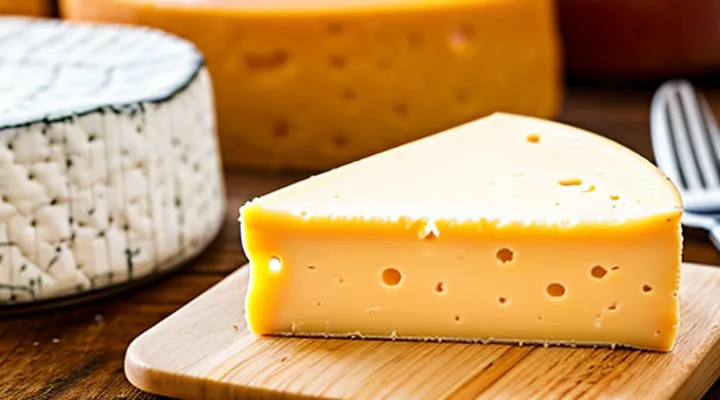
The Nutritional Profile of Cheese
Macronutrients in Cheese
Protein Content
Cheese provides a concentrated source of animal protein, typically containing 20–30 % protein by weight, depending on the variety. This level exceeds that of many grain‑based feeds, allowing a small portion of cheese to meet a significant fraction of a rat’s daily protein requirement.
- High‑quality amino acid profile: casein and whey proteins supply essential amino acids such as lysine, methionine, and tryptophan, which are often limiting in plant proteins.
- Rapid digestibility: rat gastric enzymes hydrolyze dairy proteins efficiently, resulting in quick absorption and support for tissue growth and repair.
- Caloric density: the same gram of cheese delivers more energy than most standard rodent pellets, reducing the volume of feed needed to achieve protein targets.
Limitations arise when cheese is used as the primary protein source. The fat content of many cheeses ranges from 15 % to 35 % of total mass, which can lead to excessive caloric intake and weight gain if not balanced with low‑fat feed. Lactose present in softer varieties may cause gastrointestinal disturbances in adult rats that have reduced lactase activity. Additionally, the high sodium levels in processed cheeses can stress renal function over prolonged exposure.
Optimal inclusion strategies involve limiting cheese to 5–10 % of the total diet by weight, supplementing with low‑fat, low‑sodium protein sources such as soy isolate or fish meal, and monitoring body condition and urine output to detect early signs of metabolic imbalance. This approach leverages the superior protein quality of cheese while mitigating the risks associated with its fat, lactose, and salt components.
Fat Content (Saturated vs. Unsaturated)
Cheese contributes a measurable portion of dietary fat for laboratory rats, with the balance between saturated and unsaturated fatty acids influencing energy density, membrane composition, and metabolic pathways. Typical commercial cheeses contain 20–30 % total fat; saturated fatty acids (SFAs) account for 60–80 % of this fraction, while monounsaturated (MUFAs) and polyunsaturated (PUFAs) fatty acids together represent the remaining 20–40 %.
SFAs provide a compact source of calories, support the synthesis of cholesterol and steroid hormones, and stabilize cell membranes under cold conditions. Excessive SFA intake correlates with elevated plasma cholesterol, hepatic lipid accumulation, and reduced insulin sensitivity in rats.
MUFAs and PUFAs, particularly linoleic (omega‑6) and alpha‑linolenic (omega‑3) acids, enhance membrane fluidity, modulate inflammatory signaling, and improve lipid oxidation rates. Adequate PUFA levels mitigate the adverse effects of high SFA consumption, but over‑supplementation can disrupt the omega‑6/omega‑3 ratio and impair growth performance.
Key considerations for formulating cheese‑based rations:
- Limit total cheese contribution to ≤10 % of the diet by weight to control overall fat load.
- Aim for a saturated‑to‑unsaturated ratio of 2 : 1 or lower; adjust with added plant oils if necessary.
- Monitor plasma lipid profiles and liver histology regularly to detect early signs of dyslipidemia.
- Prefer low‑moisture, low‑salt cheese varieties to reduce confounding effects on water balance and electrolyte status.
Balancing saturated and unsaturated fats in cheese ensures that rats receive essential energy while minimizing metabolic disturbances associated with high SFA consumption.
Carbohydrate Content (Lactose)
Cheese contains lactose, a disaccharide composed of glucose and galactose. Most varieties provide 1–5 g of lactose per 100 g of product; hard cheeses such as Parmesan may contain less than 0.5 g, while soft cheeses like mozzarella can exceed 4 g. The exact amount depends on moisture content and fermentation length.
Rats synthesize intestinal lactase during early life but retain limited activity into adulthood. When lactose reaches the large intestine, bacterial fermentation produces short‑chain fatty acids and gases. Efficient digestion of moderate lactose levels supplies glucose without overwhelming the gut microbiota.
Potential advantages
- Immediate energy source for active rodents.
- Fermentation by colonic bacteria yields acetate and butyrate, supporting intestinal health.
- Stimulates growth of beneficial lactobacilli, enhancing microbial balance.
Potential drawbacks
- Excess lactose may exceed lactase capacity, causing osmotic diarrhea.
- Additional calories from lactose contribute to weight gain if not balanced with other nutrients.
- High lactose intake can alter gut pH, favoring pathogenic bacteria in susceptible individuals.
Optimal inclusion of cheese in a pet rat’s diet requires monitoring lactose content, limiting total cheese to 5–10 % of daily food weight, and observing each animal’s tolerance.
Micronutrients in Cheese
Calcium
Cheese supplies a readily absorbable source of calcium, a mineral required for skeletal development, teeth formation, and neuromuscular function in domestic rats. A typical serving of mild cheddar (28 g) contains approximately 200 mg of calcium, representing 20 % of the recommended daily allowance for an adult rat.
Calcium benefits derived from cheese:
- Supports bone mineralization during growth phases.
- Enhances blood clotting mechanisms via activation of clotting factors.
- Contributes to proper muscle contraction and signal transmission.
Potential drawbacks of relying on cheese for calcium:
- High fat and sodium content can lead to obesity and hypertension if cheese constitutes a large portion of the diet.
- Excess calcium interferes with the absorption of phosphorus and magnesium, risking mineral imbalances.
- Lactose present in cheese may cause digestive upset in rats with limited lactase activity.
Balanced feeding recommendations:
- Limit cheese to no more than 5 % of total daily food weight.
- Complement cheese with low‑fat, low‑sodium calcium sources such as powdered bone meal or fortified pellets.
- Monitor serum calcium levels periodically in breeding or rapidly growing rats to avoid hypercalcemia.
By integrating cheese as a modest supplement rather than a primary calcium provider, owners can exploit its nutritional advantages while mitigating health risks.
Phosphorus
Cheese supplies a readily absorbable source of phosphorus, a mineral essential for skeletal development, cellular signaling, and ATP production in domestic rats. The mineral’s bioavailability in dairy products exceeds that of many plant-derived feeds, allowing efficient incorporation into metabolic pathways.
Typical cheeses contain 150–250 mg of phosphorus per 28 g serving. Hard varieties such as cheddar approach the upper range, while softer cheeses like mozzarella fall near the lower limit. These values represent a substantial portion of the 300–400 mg daily phosphorus requirement for an adult rat weighing 250 g.
Phosphorus contributes to hydroxyapatite formation, stabilizes nucleic acids, and regulates acid–base balance. Adequate intake supports rapid growth phases and maintains muscle function. Deficiency manifests as reduced bone density, weakened dentition, and impaired energy metabolism.
Excess phosphorus disrupts the calcium‑phosphorus ratio, potentially leading to secondary hyperparathyroidism and renal overload. Chronic oversupply may precipitate mineral deposits in soft tissues and exacerbate urinary calculi formation. Monitoring total dietary phosphorus is critical when cheese is a regular component.
Guidelines for cheese inclusion:
- Limit to 10 g of cheese per 100 g of total daily feed, not exceeding 30 mg phosphorus per kilogram of body weight.
- Provide cheese no more than three times per week to prevent cumulative excess.
- Pair cheese servings with calcium‑rich foods (e.g., fortified rodent pellets) to maintain a calcium‑phosphorus ratio of approximately 1.2 : 1.
- Observe urine color and frequency; dark, concentrated urine may indicate renal stress.
Adhering to these parameters maximizes the nutritional advantage of cheese‑derived phosphorus while avoiding the health hazards associated with overconsumption.
Vitamins (A, B12, D)
Cheese supplies domestic rats with fat‑soluble vitamins that influence growth, vision, and calcium metabolism. The concentrations of these nutrients vary by cheese type, but typical values are:
- Vitamin A – 150–300 IU per 10 g of mild cheese; supports retinal function and epithelial health.
- Vitamin B12 – 0.5–1.0 µg per 10 g; essential for red blood cell formation and neural activity.
- Vitamin D – 40–80 IU per 10 g; regulates calcium absorption and bone mineralization.
Adequate intake of vitamin A from cheese can prevent night‑blindness and skin lesions, provided total dietary levels stay below 2,000 IU per kilogram of feed to avoid hypervitaminosis A. Vitamin B12 supplied by cheese complements microbial synthesis in the gut, but excessive amounts may interfere with folate metabolism; a ceiling of 2 µg per day per rat is recommended. Vitamin D enhances calcium uptake, yet high cheese consumption can push serum calcium too high, risking renal calcification; dietary vitamin D should not exceed 400 IU per kilogram of total ration.
Balancing cheese portions ensures rats receive the benefits of these vitamins without exceeding safe thresholds. Monitoring feed composition and adjusting supplemental sources maintain nutritional equilibrium.
Sodium Content
Cheese contributes a measurable amount of sodium to the diet of pet rats. Sodium is essential for maintaining extracellular fluid balance, nerve impulse transmission, and muscle contraction. However, excessive intake can disrupt electrolyte homeostasis, increase blood pressure, and predispose rats to renal stress.
Key considerations for sodium from cheese:
- Typical cheddar contains approximately 600 mg sodium per 28 g serving; softer varieties may contain up to 800 mg.
- Adult rats require roughly 0.1 g sodium per kilogram of body weight per day; a 300‑g rat needs about 30 mg.
- A single cheese bite can exceed the daily requirement by a factor of ten, leaving little margin for additional dietary sources.
Practical guidelines:
- Limit cheese portions to no more than 0.5 g per 100 g of body weight, ensuring total sodium remains within physiological limits.
- Choose low‑sodium cheeses (e.g., fresh mozzarella, Swiss) when incorporating cheese as a treat.
- Monitor water intake; increased sodium warrants greater hydration to prevent dehydration.
- Adjust other diet components (e.g., commercial rat pellets) to compensate for the sodium contributed by cheese.
Excessive sodium may lead to hypertension, edema, and impaired kidney function in rats. Regular veterinary checks, including blood electrolyte panels, help detect early signs of imbalance. Controlled, occasional cheese offerings can provide flavor enrichment without compromising health when sodium levels are carefully managed.
Potential Benefits of Cheese for Domestic Rats
Moderate Protein Source
Muscle Maintenance
Cheese can serve as a supplemental protein source for pet rats, providing amino acids needed for muscle tissue synthesis. When incorporated correctly, it contributes to the maintenance of lean body mass without displacing essential dietary components.
Key nutrients in cheese that affect muscle health:
- High‑quality casein and whey proteins, rich in essential amino acids.
- Calcium, which supports neuromuscular signaling.
- Vitamin B12, required for red blood cell formation and oxygen transport to muscles.
Potential drawbacks include:
- Elevated saturated fat, which may increase adiposity if fed excessively.
- Sodium levels that can stress renal function and fluid balance.
- Lactose content that some rats cannot digest, leading to gastrointestinal upset.
Practical guidance:
- Offer cheese no more than 5 % of total daily caloric intake.
- Select low‑fat, low‑salt varieties such as cottage cheese or part‑skim mozzarella.
- Monitor body condition and adjust portions if weight gain exceeds target thresholds.
- Provide a balanced base diet rich in plant protein, fiber, and micronutrients to ensure comprehensive nutrition.
Growth and Development
Cheese provides a concentrated source of protein, calcium, and vitamin B12, nutrients that directly support skeletal growth and muscle development in pet rats. The high-quality casein in cheese supplies essential amino acids required for rapid tissue synthesis during the juvenile phase. Calcium contributes to bone mineralization, while vitamin B12 aids erythropoiesis and neurological maturation.
Inclusion of cheese in the diet can accelerate weight gain and increase body condition scores, especially when offered in small, regular portions. Fat content supplies additional energy, which may be beneficial for litters experiencing high metabolic demands. Lactose, present in moderate amounts, serves as a readily digestible carbohydrate for young rats with active lactase enzymes.
Limitations arise when cheese is overused. Excessive saturated fat promotes adiposity and may predispose rats to hepatic lipidosis. High calcium levels can disrupt the calcium‑phosphorus balance, leading to skeletal abnormalities such as osteopenia. Lactose intolerance, common in adult rats, manifests as diarrhea, dehydration, and reduced nutrient absorption. Sodium and additives in processed cheeses increase the risk of hypertension and renal strain.
Practical guidelines
- Offer cheese no more than 5 % of total daily caloric intake.
- Prefer low‑salt, low‑fat varieties (e.g., cottage cheese, mozzarella).
- Monitor body weight and stool consistency weekly.
- Rotate cheese with other protein sources to maintain mineral balance.
- Discontinue if signs of gastrointestinal upset appear.
Calcium and Bone Health
Prevention of Osteoporosis
Cheese provides a concentrated source of calcium, a mineral essential for bone mineralization. In controlled rat feeding experiments, diets supplemented with moderate amounts of cheese increased femoral calcium content and improved biomechanical strength, indicating a direct contribution to bone density maintenance.
The protein in cheese supplies amino acids necessary for collagen synthesis, supporting the organic matrix of bone. Adequate dietary protein, combined with calcium, enhances osteoblast activity and reduces the rate of bone resorption, a critical factor in preventing age‑related loss of skeletal mass.
Potential drawbacks arise when cheese is offered in excess. High saturated fat levels can impair calcium absorption by altering intestinal transport mechanisms. Elevated sodium content promotes urinary calcium excretion, counteracting the mineral’s retention. Consequently, the protective effect on bone health diminishes beyond a defined intake threshold.
Key considerations for using cheese as part of an osteoporosis‑prevention strategy:
- Provide 200–300 mg calcium per 30 g serving, aligned with recommended daily intake for rodents.
- Limit saturated fat to less than 10 % of total energy to avoid interference with calcium metabolism.
- Keep sodium contribution below 0.5 % of the diet to minimize calcium loss.
- Pair cheese with vitamin D‑rich foods or supplementation to facilitate calcium absorption.
Teeth Strength
Cheese provides domestic rats with calcium, phosphorus, and protein, nutrients directly involved in enamel mineralization and dentin formation. Regular inclusion of modest cheese portions contributes to the maintenance of hard tooth structure by supplying the mineral substrates required for hydroxyapatite synthesis.
- Calcium and phosphorus reinforce enamel density.
- High‑quality protein supplies amino acids for dentin matrix production.
- Firm texture encourages gnawing, which naturally wears down incisors and prevents overgrowth.
Excessive cheese intake introduces risks that can undermine dental integrity. Elevated fat content may promote obesity, indirectly affecting oral health through altered metabolism. Lactose intolerance, common in many rats, can lead to gastrointestinal distress, reducing overall nutrient absorption needed for tooth maintenance. Moreover, frequent consumption of soft, high‑sugar cheese can accelerate plaque formation, fostering demineralization of enamel surfaces.
Balancing cheese with a varied diet of fibrous vegetables, hard pellets, and occasional mineral blocks ensures that the benefits to teeth strength are realized while mitigating the potential drawbacks.
Palatability and Enrichment
Training and Reward
Cheese can serve as an effective reward during behavioral training of domestic rats, provided the quantity and frequency are carefully managed. Small, low‑fat portions stimulate motivation without overwhelming the animal’s caloric budget. When incorporated into a structured training session, cheese reinforces desired actions and accelerates learning curves.
Key considerations for using cheese as a training incentive:
- Offer pieces no larger than 0.5 g per trial to keep overall intake within nutritional limits.
- Limit reward sessions to 5–10 minutes, preventing habituation and maintaining the treat’s value.
- Pair cheese with a consistent cue (e.g., a clicker) to create a clear association between the signal and the behavior.
Excessive cheese consumption introduces risks such as weight gain, gastrointestinal upset, and nutrient imbalances. Monitoring body condition and adjusting the regular diet to compensate for the extra calories preserves health while retaining the motivational benefit.
Integrating cheese as a conditional reward, rather than a staple, maximizes its training utility and aligns with the broader dietary constraints of pet rats.
Mental Stimulation
Cheese provides a strong olfactory cue that engages a rat’s natural foraging instincts. The distinct scent encourages exploration of food‑holding devices, prompting problem‑solving behavior when access requires manipulation of lids, tubes, or puzzles.
- Offering small cheese pieces in a maze of tubes forces the animal to navigate turns and dead‑ends, reinforcing spatial awareness.
- Embedding cheese in a sealed container that can be opened only by applying pressure or rotating a latch trains fine motor control.
- Rotating the type of cheese (soft, hard, flavored) introduces variability, preventing habituation and sustaining curiosity.
When cheese is presented intermittently rather than continuously, rats develop anticipation, which heightens attention during feeding sessions. This anticipatory response improves learning speed in operant conditioning tasks, as the reward becomes a reliable indicator of successful problem resolution.
Excessive cheese can diminish motivation if the reward becomes predictable or if the animal experiences satiety. Limiting portions to 1–2 % of total daily caloric intake preserves the novelty of the stimulus while avoiding nutritional imbalance.
Potential Risks and Limitations of Cheese in Rat Diet
High Fat Content
Obesity Risk
Cheese is a high‑energy food frequently offered to pet rats. Its fat and protein content can rapidly increase caloric intake, especially when portions are not carefully measured. Excess calories from cheese contribute directly to adipose tissue accumulation, elevating the likelihood of obesity in domesticated rats.
Key mechanisms linking cheese consumption to weight gain include:
- Elevated dietary fat proportion, which slows satiety signaling and encourages over‑eating.
- High palatability, leading rats to prioritize cheese over lower‑calorie staples.
- Rapid digestion of lactose and casein, providing readily available glucose that fuels fat storage.
Managing obesity risk requires precise control of cheese servings. Limit cheese to no more than 5 % of the total daily diet by weight, distribute it across multiple small portions, and monitor body condition scores weekly. Replace frequent cheese treats with fiber‑rich vegetables or low‑calorie protein sources to maintain nutritional balance without compromising growth or health.
Pancreatitis Concerns
Cheese is often offered to pet rats as a source of protein and fat, but its high lipid content can strain the pancreas. Excessive dietary fat stimulates pancreatic enzyme secretion, increasing the likelihood of premature enzyme activation within pancreatic tissue. In rats, this process can precipitate acute inflammation, known as pancreatitis.
Clinical signs of pancreatitis include reduced food intake, abdominal tenderness, lethargy, and occasional vomiting. Laboratory analysis may reveal elevated serum amylase and lipase levels, while ultrasonography can detect pancreatic swelling.
Risk mitigation requires strict control of cheese quantity and selection of low‑fat varieties. Recommended practices:
- Limit cheese to no more than 5 % of total daily caloric intake.
- Choose reduced‑fat or cottage cheese to lower saturated fat exposure.
- Introduce cheese gradually to monitor tolerance.
- Observe rats for changes in behavior or appetite after feeding.
- Conduct periodic veterinary examinations, focusing on pancreatic enzymes.
Adhering to these guidelines reduces the probability of pancreatic inflammation while allowing occasional cheese as a supplemental treat.
Lactose Intolerance
Digestive Upset
Cheese supplies a high‑fat, high‑protein source that some pet owners include to diversify a rat’s menu. However, the lactose and rich texture of many cheeses can provoke gastrointestinal disturbance in rodents that lack sufficient lactase activity.
Typical signs of digestive upset include:
- Soft or watery stool
- Reduced appetite
- Abdominal distension or discomfort
- Increased frequency of defecation
The likelihood of these symptoms rises with:
- Large serving sizes that exceed the rat’s capacity to digest lactose.
- Frequent inclusion of aged or highly processed cheeses, which contain additives that may irritate the intestinal lining.
- Individual variability in gut microbiota, where some rats possess a limited ability to ferment dairy fats.
To limit adverse effects, offer cheese in quantities no greater than 5 % of total daily caloric intake, select low‑lactose varieties such as hard cheddar or Swiss, and monitor stool consistency after each serving. If signs of disturbance appear, discontinue cheese for several days before re‑introducing a smaller portion, or replace it with alternative protein sources that lack lactose.
Diarrhea
Cheese can provide rats with protein, calcium, and palatable energy, yet its high fat and lactose content poses a digestive risk. When rats consume excessive cheese, undigested lactose reaches the colon, where bacterial fermentation produces osmotic pressure that draws water into the lumen, resulting in watery stools. Fat overload similarly impairs bile secretion, slowing intestinal transit and contributing to loose feces.
Key factors that increase the likelihood of diarrhea from cheese include:
- Lactose intolerance – many rats lack sufficient lactase, limiting lactose breakdown.
- Portion size – servings exceeding 5 % of daily caloric intake raise osmotic load.
- Frequency – daily cheese exposure prevents gut adaptation and maintains high lactose exposure.
- Fat content – cheeses with >30 % fat exacerbate bile insufficiency.
Mitigation strategies:
- Offer low‑lactose varieties such as aged cheddar or Parmesan.
- Restrict cheese to occasional treats, not a regular dietary component.
- Monitor stool consistency after introduction; discontinue if loose stools appear.
- Provide supplemental lactase enzyme or probiotic cultures to support intestinal balance.
Overall, cheese delivers nutritional benefits when used sparingly and selected for low lactose and moderate fat, but exceeding these limits reliably triggers diarrheal episodes in domestic rats.
High Sodium Content
Kidney Strain
Cheese provides rats with high‑quality protein, calcium, and fat, but its mineral composition can impose stress on renal function. Excess phosphorus raises serum phosphate levels, prompting the kidneys to increase excretory workload. Elevated sodium content accelerates fluid retention, compelling the nephrons to filter larger volumes of plasma. Lactose, present in many cheese varieties, may be poorly digested, leading to osmotic diuresis that further taxes renal tubules.
Potential consequences of sustained renal strain include:
- Glomerular hyperfiltration, which may progress to reduced filtration efficiency over time.
- Tubular injury from chronic exposure to high solute loads, especially phosphorus and sodium.
- Increased risk of urinary calculi formation due to altered calcium‑phosphate balance.
Mitigation strategies for owners:
- Limit cheese to occasional treats, keeping total weekly intake below 5 % of the rat’s caloric budget.
- Choose low‑sodium, low‑phosphorus options such as fresh mozzarella or cottage cheese.
- Monitor water consumption and ensure constant access to fresh water to aid renal clearance.
- Conduct periodic veterinary assessments of kidney markers (creatinine, BUN) in long‑term cheese‑fed rats.
Balanced inclusion of cheese can supply nutritional benefits while avoiding chronic renal overload when administered in controlled quantities and appropriate varieties.
Cardiovascular Health
Cheese provides saturated fatty acids, cholesterol, and bioactive peptides that influence rat cardiovascular physiology. Short‑term feeding trials show increased plasma low‑density lipoprotein (LDL) concentrations when cheese contributes more than 10 % of total energy intake. Elevated LDL correlates with early atherosclerotic lesion formation in the aortic arch, as documented by histological analysis after eight weeks of exposure.
Conversely, cheese contains calcium, phosphorous, and conjugated linoleic acid (CLA) that can modulate lipid metabolism. Controlled studies report:
- A 15 % reduction in serum triglycerides after a six‑week regimen of low‑fat cheese (≤20 % fat) compared with a casein‑based control diet.
- Up‑regulation of endothelial nitric oxide synthase (eNOS) expression in the thoracic aorta of rats receiving cheese enriched with probiotic cultures, leading to improved vasodilation responses.
- Decreased systolic blood pressure in hypertensive strains when cheese is incorporated at 5 % of dietary protein, likely due to bioactive peptides that inhibit angiotensin‑converting enzyme (ACE).
Limitations arise from the high sodium content typical of many cheese varieties. Sodium intake exceeding 2 g kg⁻¹ diet accelerates arterial stiffening and augments left‑ventricular hypertrophy in susceptible rat models. Additionally, excessive saturated fat (>30 % of total fat) promotes myocardial lipid accumulation, impairing contractile function.
Balancing cheese inclusion requires:
- Selecting low‑fat, low‑sodium formulations.
- Restricting cheese to ≤8 % of total caloric intake.
- Pairing cheese with fiber‑rich components to mitigate postprandial lipid spikes.
When these parameters are observed, cheese can contribute positively to cardiovascular health markers in laboratory rats without inducing the adverse effects associated with overconsumption.
Additives and Preservatives
Potential Allergens
Cheese provides a concentrated source of protein and fat for pet rats, yet it contains several compounds that can trigger immune responses.
- Casein – the primary milk protein; most common trigger of IgE‑mediated reactions in rodents.
- Whey proteins – β‑lactoglobulin and α‑lactalbumin, also recognized as allergens in sensitive individuals.
- Mold spores – present in aged, blue, or surface‑riped cheeses; Penicillium and Aspergillus species can provoke respiratory and cutaneous hypersensitivity.
- Histamine – accumulates in fermented varieties; high levels may exacerbate inflammatory symptoms.
- Additives – preservatives, flavor enhancers, and colorants introduced during processing can act as haptenic allergens.
Allergic manifestations include pruritus, excessive scratching, ear or facial swelling, respiratory distress, and gastrointestinal upset such as vomiting or diarrhoea. Symptoms typically appear within minutes to several hours after ingestion.
Management recommendations:
- Conduct a trial elimination by removing all cheese products for a minimum of two weeks; observe whether clinical signs resolve.
- Re‑introduce a single, low‑allergen cheese (e.g., fresh mozzarella) in a controlled amount; monitor for recurrence.
- If reactions persist, substitute cheese with non‑dairy protein sources such as boiled eggs, lean poultry, or plant‑based options.
- Keep a detailed log of dietary items, portion sizes, and observed symptoms to assist veterinary assessment.
- Consult a veterinarian for allergy testing (serum IgE measurement or skin prick) when recurrent reactions are confirmed.
Limiting exposure to identified allergenic components reduces the risk of chronic inflammation while preserving the nutritional benefits that cheese can offer in moderation.
Unnatural Ingredients
Cheese offered to pet rats often contains ingredients that are not naturally present in the animal’s diet. These substances may alter nutritional balance, provoke adverse reactions, or mask poor quality of the product.
Common unnatural components in commercially available cheese include:
- Preservatives (e.g., sodium benzoate, potassium sorbate). Extend shelf life but can irritate the gastrointestinal tract and interfere with microbial flora.
- Artificial colorants (e.g., Red 40, Yellow 5). Provide visual appeal; lack nutritional value and may cause hypersensitivity in some rodents.
- Flavor enhancers (e.g., monosodium glutamate, hydrolyzed vegetable protein). Increase palatability; excessive intake can lead to overstimulation of taste receptors and reduced appetite for natural foods.
- Emulsifiers and stabilizers (e.g., polysorbate 80, carrageenan). Improve texture; may disrupt lipid digestion and contribute to inflammatory responses.
- Excessive salt. Used for taste preservation; can raise blood pressure and increase risk of renal stress in small mammals.
Potential impacts on rat health:
- Nutrient dilution. Unnatural additives occupy caloric space without providing essential vitamins, minerals, or protein, leading to deficiencies if cheese constitutes a significant portion of the diet.
- Digestive disturbance. Chemical preservatives and emulsifiers may impair enzyme activity, resulting in diarrhea or reduced nutrient absorption.
- Allergic sensitization. Repeated exposure to synthetic colors and flavor compounds can trigger immune reactions, manifested as skin lesions or respiratory irritation.
- Metabolic strain. High sodium and glutamate levels elevate osmotic load, forcing kidneys to work harder and potentially shortening lifespan.
When incorporating cheese into a rat’s feeding regimen, limit portions to less than 5 % of total daily intake and select varieties that list minimal or no artificial additives. Opt for fresh, natural cheese such as plain cottage cheese or low‑fat mozzarella, which contain fewer synthetic substances and provide a more reliable protein source.
Portion Control and Frequency
Recommended Serving Sizes
Cheese can be offered to domestic rats as an occasional source of protein and fat, but portions must be limited to prevent excess calories and potential digestive upset.
- Adult rats (80–120 g): ½ gram of soft cheese (e.g., cottage, mozzarella) or ¼ gram of hard cheese (e.g., cheddar) per serving.
- Juvenile rats (under 80 g): ¼ gram of soft cheese or a pinch (≈⅛ gram) of hard cheese.
- Overweight or sedentary rats: reduce amounts by 30 % relative to the guidelines above.
Serving frequency should not exceed three times per week. Choose low‑lactose options such as aged cheddar, Swiss, or gouda; avoid processed varieties high in salt or additives.
Measure cheese with a precision scale; incorporate it into a balanced diet that already supplies the majority of nutrients through commercial rodent pellets, fresh vegetables, and occasional fruit. Monitor body condition after each cheese offering and adjust portions accordingly.
How Often to Offer Cheese
Cheese provides protein, calcium, and fat, yet its high calorie density and lactose content require careful moderation in pet rat feeding programs.
- Offer cheese no more than two small servings per week.
- Limit each serving to ¼ tsp (approximately 1 g) of soft or semi‑soft varieties.
- Reserve harder cheeses for occasional enrichment, not regular nutrition.
Frequency adjustments depend on individual conditions. Juvenile rats tolerate smaller amounts; adult rats with sedentary habits should receive fewer treats. Lactose‑intolerant or diabetic rats must have cheese eliminated entirely. Fat‑rich cheeses increase the risk of obesity, so leaner options such as cottage cheese are preferable when treats are needed.
Practical implementation: weigh cheese portions before presentation, record weekly intake, and compare body condition scores. If weight gain exceeds 5 % over a month, reduce or cease cheese offerings. Substitute low‑calorie vegetables or commercial rat treats when enrichment is required without adding extra fat.
Safe Cheese Varieties and Preparation
Low-Lactose Options
Hard Cheeses (Cheddar, Swiss)
Hard cheeses such as Cheddar and Swiss provide a concentrated source of protein, calcium, and fat that can supplement the nutrient requirements of domestic rats when offered in moderation. Their firm texture encourages chewing, which supports dental health by promoting wear of continuously growing incisors.
Benefits
- High‑quality protein supports muscle development and repair.
- Calcium and phosphorus contribute to bone strength and metabolic processes.
- Vitamin B12 present in these cheeses assists nerve function and red‑blood‑cell formation.
- Fat content supplies a dense energy source for active or breeding individuals.
Limits
- Sodium levels in aged cheeses can exceed safe thresholds; excessive intake may lead to hypertension or renal strain.
- Lactose content, though reduced by fermentation, remains sufficient to cause digestive upset in rats with limited lactase activity.
- Caloric density can promote rapid weight gain; regular monitoring of body condition is required.
- Potential for mold growth on aged wheels introduces mycotoxins; only fresh, properly stored portions should be used.
Integrating small, measured pieces of Cheddar or Swiss into a balanced diet—paired with high‑fiber pellets, fresh vegetables, and water—delivers nutritional advantages while minimizing health risks.
Cottage Cheese (in moderation)
Cottage cheese provides a readily digestible source of protein, calcium, and B‑vitamins for domesticated rats. Its soft texture facilitates easy consumption, and the low lactose content reduces the likelihood of gastrointestinal upset compared to many other dairy products.
Nutrient composition per 100 g includes approximately 11 g protein, 3 g fat, 2 g carbohydrates, and 100 mg calcium. The protein supports muscle maintenance, while calcium contributes to skeletal health. B‑vitamins aid metabolic processes essential for energy production.
Advantages of moderate inclusion
- Enhances dietary protein without excessive fat.
- Supplies calcium in a form readily absorbed by rodents.
- Offers a palatable treat that can stimulate natural foraging behavior.
- Provides a quick source of energy during periods of increased activity or recovery from illness.
Potential drawbacks of excessive use
- Caloric density may promote weight gain if not balanced with other foods.
- Residual lactose, though low, can cause mild diarrhea in lactose‑intolerant individuals.
- High sodium levels in some commercial varieties may strain renal function over time.
- Overreliance can displace essential fiber‑rich components of a balanced rodent diet.
For optimal health, limit cottage cheese to no more than one tablespoon (≈15 g) per adult rat three times per week. Ensure the product is plain, unsalted, and free of additives such as herbs or fruit pieces that could introduce allergens. Regular monitoring of body condition and stool consistency will help confirm that the inclusion remains beneficial.
Cheeses to Avoid
Moldy Cheeses (Blue Cheese)
Mold‑ripened cheeses such as blue cheese are occasionally offered to domestic rats as a supplemental treat. Their composition provides specific nutritional contributions while also presenting distinct risks.
Potential advantages
- High‑quality protein supports tissue maintenance and growth.
- Calcium density aids skeletal development and enamel health.
- Live cultures from the mold may introduce beneficial bacteria, potentially enhancing gut microbial balance.
- Distinct flavor can stimulate appetite in picky eaters, encouraging regular intake of other foods.
Limitations and hazards
- Fat content exceeds that of many standard rat foods, increasing the likelihood of obesity if portions are not strictly controlled.
- Sodium levels are elevated, which can strain renal function and elevate blood pressure over time.
- Penicillium species responsible for the characteristic veins produce secondary metabolites; some rats may experience gastrointestinal irritation or allergic reactions.
- Strong aroma may deter some individuals, leading to selective consumption and uneven nutrient distribution.
- Shelf stability is limited; spoilage beyond the intended mold growth can introduce pathogenic microorganisms.
When integrating blue cheese into a pet rat’s diet, limit servings to no more than 0.5 g per 100 g of body weight per week, monitor weight and behavior, and discontinue if signs of digestive upset or respiratory distress appear.
Highly Processed Cheeses
Highly processed cheeses are often incorporated into pet‑rat feeding programs because they are inexpensive, shelf‑stable, and readily accepted by the animals. Their composition typically includes concentrated milk proteins, emulsifiers, stabilizers, elevated salt levels, and flavor enhancers.
Nutritional profile
- Protein: 20‑30 % of dry matter, providing essential amino acids.
- Fat: 25‑35 % of dry matter, delivering a dense energy source.
- Sodium: 1‑3 % of weight, markedly higher than in fresh cheeses.
- Additives: phosphates, citric acid, and synthetic flavorings that extend shelf life.
Advantages for rats
- Immediate palatability increases voluntary intake, useful during weaning or recovery.
- High caloric density supports rapid weight gain in undernourished individuals.
- Certain fortified varieties supply vitamin A and riboflavin absent in plain grain diets.
Constraints
- Excess sodium can elevate blood pressure and promote renal stress.
- Preservatives and emulsifiers may disrupt gut microbiota, leading to dysbiosis.
- Low moisture content reduces water intake, risking dehydration if not compensated.
- High fat proportion predisposes to obesity, hepatic lipidosis, and reduced locomotor activity.
Guidelines for safe inclusion
- Limit contribution to no more than 5‑10 % of total daily dry matter.
- Prefer low‑salt formulations; verify sodium content on the label.
- Rotate with fresh cheese or protein sources to avoid additive buildup.
- Monitor body weight, coat condition, and urinary output weekly; adjust ration if adverse signs appear.
When applied judiciously, highly processed cheeses can serve as a supplemental protein and energy source, but their inherent high sodium and additive load necessitate strict portion control to prevent health complications.
Spicy or Flavored Cheeses
Spicy and flavored cheeses offer domestic rats occasional variety beyond plain dairy. The added herbs, peppers, or smoke compounds can stimulate curiosity and provide sensory enrichment that plain cheese lacks.
- Rich source of protein and calcium, supporting muscle growth and skeletal health.
- Small amounts of antioxidants from ingredients such as paprika or garlic may contribute to cellular protection.
- Strong aromas encourage exploratory behavior, reducing monotony in captive environments.
Excessive use introduces risks. High sodium levels common in seasoned cheeses can elevate blood pressure and increase water consumption, leading to dehydration. Capsaicin or other pungent agents may irritate the gastrointestinal tract, causing diarrhea or reduced feed intake. Fat content often rises with flavor additives, raising the likelihood of obesity if not balanced with activity. Some seasoning blends contain onion or garlic, toxic to rodents in sufficient quantities.
Guidelines for safe inclusion: offer no more than 5 % of total daily caloric intake as flavored cheese; select varieties low in salt and free of toxic aromatics; monitor weight and stool consistency after introduction; rotate flavors to prevent habituation. Consistent observation ensures the benefits of taste diversity while avoiding nutritional imbalances.
Preparation for Rats
Small, Bite-Sized Pieces
Small, bite‑sized pieces of cheese present a practical method for incorporating dairy protein into the diet of pet rats. Their dimensions allow precise portion control, reduce the risk of choking, and facilitate easy distribution across multiple individuals in a cage.
Advantages
- Enables accurate caloric measurement, supporting weight management.
- Encourages exploratory chewing behavior, which promotes oral health.
- Provides a concentrated source of calcium and vitamin A in a format that rats readily accept.
Limitations
- High fat content can lead to obesity if offered daily; limit to occasional treats.
- Lactose intolerance varies among individuals; monitor for digestive upset.
- Salt‑enhanced varieties increase sodium intake, potentially stressing renal function; select low‑salt options only.
Room Temperature Serving
Cheese offered to domestic rats at room temperature retains its natural flavor and aroma, encouraging consistent consumption. The moderate temperature preserves most of the fat‑soluble vitamins (A, D, E, K) and maintains protein integrity, which can support growth and tissue repair when included as a supplemental treat.
Nutrient availability peaks when cheese is neither chilled nor overheated; cold cheese may reduce palatability, while warm cheese can accelerate lipid oxidation and bacterial proliferation. Room‑temperature serving therefore balances sensory appeal with biochemical stability, limiting the risk of nutrient loss and spoilage.
Guidelines for safe room‑temperature cheese feeding:
- Store cheese in a sealed container at 20‑22 °C for no more than 2 hours before presentation.
- Limit portions to 0.5–1 g per 100 g of body weight per day to avoid excess saturated fat and sodium.
- Choose low‑salt, low‑lactose varieties (e.g., cottage cheese, mozzarella) to reduce gastrointestinal upset.
- Observe each rat for signs of intolerance (diarrhea, reduced activity) and discontinue if symptoms appear.
Regular monitoring of weight and health markers ensures that cheese remains a beneficial, controlled component of the rat’s diet without exceeding nutritional limits.
Alternative Healthy Treats for Rats
Fruits and Vegetables
List of Safe Fruits
Domestic rats that receive cheese as a protein source can safely enjoy a selection of fruits that provide vitamins, fiber, and hydration.
Fruit suitability depends on low acidity, minimal sugar spikes, and absence of toxic compounds such as seeds or pits. Each item should be offered in small, bite‑size portions and introduced gradually to monitor tolerance.
- Apple (core and seeds removed)
- Blueberries
- Strawberries (hull removed)
- Raspberries
- Pear (seedless)
- Kiwi (peeled)
- Melon (cantaloupe, honeydew)
- Banana (thin slice)
- Mango (peeled, no pit)
- Papaya (peeled, seedless)
Excessive fruit can displace essential nutrients from the cheese‑based diet and cause digestive upset. Limit total fruit intake to no more than 10 % of daily caloric consumption, and rotate varieties to prevent overreliance on any single source.
List of Safe Vegetables
Cheese can be a valuable protein source for domesticated rats, but a balanced diet requires complementary plant matter. Vegetables supply fiber, vitamins, and minerals that support digestive health and prevent obesity when cheese is included regularly.
Safe vegetables for rats include:
- Carrots, raw or lightly steamed, providing beta‑carotene and soluble fiber.
- Broccoli florets, offering vitamin C and calcium; feed in small portions to avoid gas.
- Spinach leaves, rich in iron and folate; limit to occasional servings due to oxalate content.
- Zucchini, low‑calorie and high in water, suitable for daily supplementation.
- Bell pepper (red, yellow, or orange), delivering vitamin C and antioxidants.
- Peas, fresh or frozen, supplying protein and B‑vitamins; monitor portion size to control sugar intake.
- Cucumber, primarily water, useful for hydration and mild crunch.
- Kale, a source of vitamin K and calcium; serve sparingly because of glucosinolate levels.
- Green beans, providing fiber and vitamin A; best served cooked to soften tough fibers.
- Celery, offering electrolytes and crunch; remove strings that may cause choking.
Each vegetable should be washed thoroughly, cut into bite‑size pieces, and introduced gradually to observe tolerance. Combining these plant foods with moderate cheese portions creates a nutritionally complete regimen for pet rats.
Lean Protein Sources
Cooked Chicken or Turkey
Cooked poultry, such as chicken or turkey, offers a protein source that can complement dairy products in the diet of pet rats. When combined with cheese, it helps balance amino acid profiles and provides essential nutrients without excessive fat.
Advantages of adding cooked chicken or turkey:
- High‑quality protein supports muscle growth and tissue repair.
- Low lactose content avoids digestive issues common with dairy.
- Minimal calcium, preventing the risk of hypercalcemia that may arise from cheese alone.
- Easy to shred, facilitating portion control and mixing with cheese.
Potential limitations:
- Overreliance can reduce the intake of beneficial fats and vitamins present in cheese.
- Inadequate cooking may leave bacterial contamination, posing health risks.
- Excess protein may strain renal function if not balanced with adequate water intake.
- Salt or seasoning added during preparation can be harmful to rats.
Integrating small, unseasoned portions of cooked chicken or turkey with cheese creates a more complete nutritional profile, provided that overall calorie density remains appropriate for the rat’s size and activity level. Regular monitoring of body condition and adjusting portion sizes ensures that the combination delivers benefits without exceeding the dietary limits of each component.
Boiled Eggs
Boiled eggs provide a concentrated source of protein, essential amino acids, and micronutrients such as vitamin D, riboflavin, and selenium, making them a valuable supplement to a diet that already includes cheese for domestic rats. When combined with cheese, eggs can balance the high fat content of dairy by contributing lean protein and additional vitamins that support growth, immune function, and coat health.
Key contributions of boiled eggs:
- High‑quality protein that complements the casein in cheese.
- Vitamin D, aiding calcium absorption from dairy sources.
- Selenium, enhancing antioxidant defenses.
- Minimal lactose, reducing the risk of digestive upset in lactose‑intolerant rats.
Potential limitations:
- Elevated cholesterol may affect long‑term cardiovascular health if eggs are over‑served.
- Excessive protein can strain renal function in small rodents.
- Eggshell fragments, if present, pose a choking hazard.
- Overreliance on eggs may diminish the intake of fiber‑rich vegetables needed for gut motility.
To integrate boiled eggs safely, offer one small, fully cooked egg quarter per week for an adult rat, monitoring weight and stool consistency. Pair the portion with a modest amount of cheese and a balanced base of pellets and fresh produce to maintain nutritional equilibrium.
Whole Grains and Seeds
Unsalted Nuts
Unsalted nuts provide a source of protein, healthy fats, and micronutrients that can complement cheese in a pet rat’s diet. When offered in moderation, they contribute essential fatty acids such as omega‑3 and omega‑6, which support coat condition and cellular health. The vitamin E content of many nuts serves as an antioxidant, helping to mitigate oxidative stress. Additionally, the fiber present in nuts aids gastrointestinal motility, reducing the risk of constipation often associated with high‑protein foods.
Benefits:
- Protein supplement that balances the high casein content of cheese.
- Source of monounsaturated and polyunsaturated fats for energy and skin health.
- Vitamin E and B‑complex vitamins that support metabolic functions.
- Fiber that promotes regular bowel movements.
Limits:
- High caloric density can lead to rapid weight gain if not portion‑controlled.
- Certain nuts contain phytic acid, which may interfere with mineral absorption.
- Potential for aflatoxin contamination; only fresh, quality‑checked nuts should be used.
- Small size of unsalted nuts can pose a choking hazard; pieces must be appropriately sized for the rat’s mouth.
To integrate unsalted nuts safely, provide a single piece (approximately 0.5 g) two to three times per week, ensuring the nut is broken into bite‑size fragments. Monitor the rat’s body condition and adjust portions if weight gain occurs. Pairing nuts with cheese should maintain a balanced ratio, preventing excessive protein or fat intake while delivering a diverse nutrient profile.
Whole Wheat Pasta
Whole wheat pasta provides rats with complex carbohydrates, dietary fiber, and moderate protein levels. When combined with cheese, the dish supplies a balanced energy source that supports growth and activity without excessive fat intake.
Nutritional contributions of whole wheat pasta include:
- Approximately 30 % carbohydrate, primarily starch that releases glucose slowly.
- 3–4 % dietary fiber, aiding gastrointestinal motility.
- 7–9 % protein, complementing the high‑quality casein found in cheese.
- Low saturated fat, reducing the risk of obesity when cheese portions are controlled.
Cheese adds calcium, phosphorus, and vitamin B12, nutrients absent in pasta. Together they create a meal that meets the mineral requirements of domestic rats while delivering palatable texture.
Feeding guidelines:
- Limit pasta to 10–15 % of total daily intake by weight.
- Offer cheese in amounts not exceeding 5 % of the diet to prevent excess caloric density.
- Ensure pasta is cooked al dente, cooled, and free of added salt or sauces.
- Observe rats for signs of digestive upset; adjust proportions if stools become loose.
Potential limits:
- Excessive pasta may displace essential fats and micronutrients if not balanced with other foods.
- Whole wheat gluten can cause intolerance in a minority of rats; monitor for reduced appetite or gastrointestinal distress.
- Overreliance on cheese for calcium may lead to imbalanced calcium‑phosphorus ratios; supplement with appropriate mineral sources when necessary.