
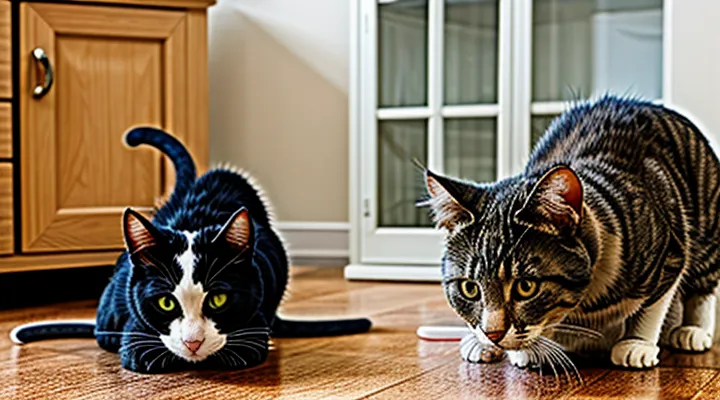
The Ancient Rivalry: Cats, Mice, and Homes
A Historical Perspective on Feline-Rodent Dynamics
Early Interactions and Domestication
Early human settlements attracted rodents because stored grain provided a reliable food source. Wild felines observed the abundance of mice and began frequenting these sites, initially as opportunistic hunters. The repeated presence of cats near grain stores reduced rodent damage, creating a mutually beneficial scenario: humans gained pest control while cats accessed a steady supply of prey.
Domestication emerged from this pragmatic association. Over generations, humans selected individuals that tolerated close contact, displayed reduced aggression, and showed consistent hunting success. Genetic studies indicate a shift toward tameness markers in early domestic cats, accompanied by behavioral adaptations such as increased social tolerance and altered vocalizations that facilitated communication with humans.
The resulting relationship reshaped household dynamics. Key outcomes include:
- Persistent reduction of mouse populations without chemical interventions.
- Establishment of cats as semi‑domestic companions, blurring the line between wild predator and pet.
- Development of co‑evolutionary traits, such as mice evolving heightened wariness and cats refining stealth hunting techniques.
These early interactions set the foundation for the enduring predator‑prey balance observed in modern homes, where cats continue to serve as biological controllers of rodent activity while occupying a familiar domestic role.
The Role of Cats in Pest Control Throughout History
Cats have been employed as biological control agents for millennia. Ancient Egyptian tomb paintings depict felines hunting rodents in granaries, indicating early recognition of their utility in protecting food stores. Greek literature records the presence of domesticated cats on ships to curb vermin, a practice that spread throughout the Mediterranean.
During the Middle Ages, European monasteries and castles maintained cat colonies to safeguard warehouses and grain silos. Records from the 13th‑14th centuries show municipal ordinances requiring owners to keep cats for pest suppression, reflecting institutional reliance on feline predation.
The Age of Exploration intensified demand for rodent control on vessels. Ship captains routinely carried cats to prevent infestations that could damage provisions and spread disease. Logs from the 17th‑18th centuries list cats among essential cargo for transoceanic voyages.
In the 19th century, agrarian economies adopted systematic cat deployment in barns and farms. Agricultural manuals prescribed specific ratios of cats to livestock units, emphasizing measurable impact on rodent populations and subsequent reduction in crop loss.
Contemporary pest‑management programs integrate cats into integrated pest management (IPM) strategies. Urban municipalities report lower mouse activity in districts with active feral‑cat colonies, supported by data from municipal health departments. Veterinary guidelines now include recommendations for responsible cat ownership to enhance pest‑control effectiveness while mitigating ecological concerns.
Key historical milestones:
- 3000 BCE: Egyptian depictions of cats guarding grain.
- 5th century CE: Greek ship logs mention cats for rodent control.
- 13th century: European monastic ordinances mandating cats.
- 1600s: Standard practice of boarding cats on exploration ships.
- 1800s: Agricultural manuals prescribe cat-to‑livestock ratios.
- 2000s: Integration of cats into modern IPM frameworks.
Feline Hunting Instincts and Their Effectiveness
Understanding the Predator: Cat Behavior
The Hunt: Stalking, Chasing, and Catching
Domestic felines rely on a precise sequence of actions when confronting a mouse in the home environment. The process begins with stalking, a phase marked by low, deliberate movement, tail upright, ears forward, and whiskers focused on the prey’s position. Cats minimize noise and visual disturbance, often using furniture or shadows as cover while maintaining a direct line of sight.
The transition to chasing occurs the moment the mouse detects the predator or makes a sudden escape. Cats accelerate rapidly, employing flexible spine articulation and powerful hind‑leg thrusts to close distance. Their reflexive swat is timed to intercept the rodent’s predictable zig‑zag pattern, exploiting the mouse’s limited sprint endurance.
Catching culminates in a swift, coordinated strike. The cat’s forepaws clamp around the mouse, claws extended to secure grip, while the jaw delivers a precise bite to the neck. This final action immobilizes the prey, preventing injury to the cat and ensuring rapid termination.
Typical hunting sequence:
- Observe and assess the mouse’s location.
- Lower body, align posture, and advance silently (stalk).
- Initiate rapid sprint once the mouse moves (chase).
- Execute a timed pounce, extend claws, and bite (catch).
Each stage reflects innate predatory instincts adapted to the confined spaces of a household, allowing cats to efficiently neutralize rodent intruders.
Factors Influencing Hunting Success
Cats’ hunting efficiency depends on several measurable variables. Sensory acuity directly affects detection; superior night vision and acute hearing increase the likelihood of locating rodents. Mobility factors, such as muscular strength and agility, determine the ability to pursue and capture swift prey. Experience, reflected in prior successful hunts, improves technique and reduces hesitation. Age influences stamina and reflex speed, with younger adults typically exhibiting peak performance. Health status, including dental integrity and musculoskeletal condition, limits or enhances capture capability.
Environmental conditions shape outcomes as well. Lighting levels modify visual detection thresholds; low‑light environments favor feline vision while bright settings may expose the cat’s silhouette. Cluttered spaces provide rodents with escape routes, reducing capture rates, whereas open areas simplify pursuit. Temperature and humidity affect both predator and prey activity patterns, often shifting hunting windows to cooler periods.
Prey characteristics also contribute. Rodent vigilance, speed, and evasive behavior lower success probability. Population density influences encounter frequency; higher mouse numbers increase opportunities but may also lead to predator satiation. Genetic variability among mice, such as coat coloration, can affect concealment effectiveness.
Human factors intervene through diet and enrichment. Regular feeding reduces hunger‑driven motivation, decreasing hunting drive. Provision of toys and interactive play can sustain predatory instincts in the absence of live prey. Conversely, deliberate exposure to live rodents for training purposes can sharpen skills and maintain hunting proficiency.
The Prey: Mouse Behavior and Vulnerabilities
Reproductive Cycles and Population Growth
Domestic cats experience a seasonal estrous cycle, with queens entering heat multiple times a year when exposed to daylight lengths of 12 hours or more. Ovulation occurs induced by mating, and gestation lasts approximately 63 days, producing litters of two to six kittens. Spaying eliminates this cycle, directly halting feline reproduction and reducing the influx of new predators within the home.
House mice follow a continuous estrous cycle; females become receptive every four to five days under favorable temperature and food conditions. Gestation is 19–21 days, and a single female can generate up to ten litters annually, each containing three to twelve pups. This rapid turnover allows mouse populations to expand exponentially when resources are abundant.
The interaction between these two species hinges on the disparity between feline reproductive output and mouse fecundity:
- Cats, even when unneutered, produce far fewer offspring per year than a single mouse.
- Predation pressure from cats can suppress mouse numbers, but only if cat numbers remain stable and hunting efficiency is high.
- Uncontrolled mouse reproduction can quickly offset losses from predation, leading to persistent infestations.
- Neutering cats and implementing integrated pest management (e.g., sealing entry points, sanitation) are the most effective strategies to manage both populations.
Understanding the biological timing of each species’ reproductive phases enables homeowners to anticipate population peaks and apply timely interventions, ensuring that predator–prey dynamics do not destabilize the household ecosystem.
Hiding Strategies and Escape Routes
Mice rely on three core principles to avoid feline predators within domestic environments: concealment, rapid egress, and environmental manipulation.
Concealment focuses on exploiting structural gaps and clutter. Small openings behind appliances, under floorboards, and within wall cavities provide permanent refuge. Loose fabrics, shredded paper, and accumulated dust create visual noise that disrupts a cat’s motion detection. By positioning bodies against solid objects, mice reduce their silhouette and limit scent exposure.
Rapid egress depends on pre‑mapped routes. Mice establish a network of tunnels that connect food sources to safe zones. Key elements include:
- Direct lines to multiple exit points (e.g., vent shafts, pet doors) to prevent bottlenecks.
- Vertical pathways such as pipe interiors or chimney flues, allowing escape upward when ground routes are blocked.
- Redundant loops that enable quick reversal of direction if a cat intercepts the primary path.
Environmental manipulation enhances both concealment and egress. Mice rearrange debris to block sightlines, deposit pheromone trails that signal safe passages to conspecifics, and create temporary barriers using shredded material. These actions maintain a dynamic maze that adapts to a cat’s movements.
Effective mouse survival hinges on integrating hidden shelters, diversified escape routes, and constant alteration of the interior landscape, ensuring that feline hunters encounter fragmented, unpredictable targets rather than a single, exposed prey.
The Impact of Cats on Mouse Populations
Ecological Balance in Domestic Environments
Reducing Infestations: Fact vs. Fiction
Effective control of rodent presence in homes relies on evidence‑based practices, not folklore.
Rodent‑deterrent myths that lack scientific support:
- Placing peppermint oil or citrus peels eliminates mice. Studies show scent alone does not repel established populations.
- Leaving cat litter outside a home prevents mouse entry. Litter does not create a barrier and may attract insects.
- Using ultrasonic devices guarantees a mouse‑free environment. Field trials demonstrate negligible impact on rodent behavior.
Validated strategies for reducing infestations:
- Seal entry points larger than ¼ inch with steel wool, copper mesh, or silicone caulk. Structural exclusion prevents new incursions.
- Maintain a clean environment: store food in airtight containers, promptly clean crumbs, and manage waste in sealed bins. Reduced food availability limits reproductive cycles.
- Deploy snap traps or live‑capture devices along established runways, typically 1‑2 feet from walls. Proper placement maximizes capture rates.
- Employ professional pest‑management services for large or recurring problems. Certified technicians apply integrated pest‑management (IPM) protocols, combining exclusion, sanitation, and targeted baiting.
The interaction between domestic cats and mice adds a biological factor. Cats may capture occasional rodents, yet their presence does not replace systematic exclusion measures. Relying solely on feline predation leaves gaps in prevention and often results in continued infestation.
Combining exclusion, sanitation, and targeted trapping yields measurable reductions in mouse activity, whereas reliance on unproven home remedies typically fails to achieve lasting control.
The Concept of ««Pest Control»» vs. ««Eradication»»
Pest control refers to measures that reduce mouse populations to levels that no longer threaten food safety, property, or health. Techniques include preventive barriers, traps, repellents, and the strategic use of domestic cats to deter rodent activity. The objective is containment rather than total elimination; mouse presence may persist at low, manageable densities.
Eradication aims for complete removal of mice from a dwelling. Methods involve intensive trapping campaigns, chemical rodenticides, and, in extreme cases, the removal of all potential shelter. Success demands thorough inspection, repeated action, and often professional intervention. The result is a mouse‑free environment, but the approach carries higher cost, increased risk of chemical exposure, and potential disruption of the household ecosystem.
Key distinctions:
- Goal: Control seeks acceptable population levels; eradication seeks absolute absence.
- Tools: Control favors non‑lethal deterrents and limited trapping; eradication relies on lethal methods and comprehensive coverage.
- Impact on cats: In a control scenario, cats serve as living deterrents, enhancing natural predation without necessitating mass killing. Eradication may render feline involvement redundant or conflict with chemical use.
- Safety: Control methods typically pose lower toxicity risks; eradication often involves hazardous substances requiring strict handling protocols.
- Sustainability: Ongoing control integrates preventive practices, reducing recurrence. Eradication may require repeated cycles to prevent re‑infestation after initial success.
Choosing between the two depends on homeowner priorities: tolerance for low‑level rodent activity, willingness to maintain preventive measures, and assessment of health, safety, and ethical considerations.
Potential Drawbacks and Considerations
Toxoplasmosis: A Shared Risk
Toxoplasmosis links the domestic feline‑rodent conflict, creating a common health hazard for both pets and residents. The parasite Toxoplasma gondii completes its sexual cycle only in cats, which shed oocysts in feces. Mice ingest these oocysts, develop tissue cysts, and become a source of infection when preyed upon by cats, perpetuating the cycle within a household.
Transmission to humans occurs through three primary pathways:
- Ingestion of oocysts from contaminated litter, soil, or surfaces.
- Consumption of undercooked meat containing tissue cysts from infected rodents or other intermediate hosts.
- Accidental exposure during handling of cat litter or gardening without protective measures.
Preventive actions focus on interrupting each route. Regular removal and disinfection of cat litter, wearing gloves while gardening, and washing hands after contact with pets reduce environmental contamination. Cooking meat to an internal temperature of at least 66 °C eliminates tissue cysts. Controlling rodent populations limits the reservoir of infection and diminishes the likelihood of cats acquiring the parasite.
Implementing these practices lowers the shared risk of toxoplasmosis, safeguarding both feline and human occupants in the household ecosystem.
The Emotional Toll on Pet Cats
Pet cats experience measurable stress when confronted with the routine presence of mice in the home environment. Elevated cortisol levels have been documented in felines that repeatedly encounter prey, indicating chronic activation of the hypothalamic‑pituitary‑adrenal axis. This physiological response can impair immune function and accelerate age‑related health decline.
Behavioral changes accompany hormonal shifts. Common signs include:
- Reduced appetite or erratic feeding patterns
- Excessive grooming leading to hair loss
- Withdrawal from social interaction with owners
- Increased vocalization, especially during nighttime
These manifestations often precede more serious conditions such as urinary tract disorders or gastrointestinal upset. Early detection allows for timely veterinary intervention and environmental modification.
Mitigation strategies focus on reducing prey exposure and providing alternative enrichment. Options include sealing entry points, using humane mouse deterrents, and offering interactive toys that simulate hunting without live prey. Consistent play sessions satisfy predatory instincts while limiting stressors associated with actual rodent encounters.
Long‑term welfare of domestic cats depends on balancing natural drive with a stable, low‑stress household. Monitoring physiological and behavioral indicators ensures that the cat’s emotional health remains intact despite the inherent predator‑prey dynamic present in many homes.
Alternatives and Complementary Strategies
Integrated Pest Management Approaches
Non-Lethal Deterrents for Mice
Non‑lethal deterrents provide a humane means to protect household resources while allowing cats to remain active predators. Effective measures focus on preventing mouse access, disrupting rodent behavior, and maintaining an environment unsuitable for nesting.
- Physical barriers: seal cracks larger than ¼ in, install door sweeps, and use metal mesh on vents.
- Sensory repellents: place ultrasonic emitters at 2‑meter intervals, apply peppermint oil or ammonia on cotton balls near entry points, and install motion‑activated lights.
- Environmental modifications: keep food storage airtight, remove clutter that offers hiding places, and maintain low humidity to deter nesting.
Implementation requires regular inspection of sealing points, replacement of repellent agents every 2–3 weeks, and verification that ultrasonic devices operate within the specified frequency range. Monitoring mouse activity with snap‑free traps helps evaluate deterrent effectiveness without harming the animals.
Consistent application of these strategies reduces mouse incursions, supports feline predation instincts, and preserves household hygiene without lethal intervention.
Maintaining a Mouse-Unfriendly Environment
A household that favors cats while discouraging rodents requires systematic prevention measures. Every potential entry point—doors, windows, utility openings, and wall gaps—must be sealed with steel wool, caulk, or metal mesh. Food storage should employ airtight containers; crumbs and pet food leftovers must be removed nightly. Regular cleaning of countertops, floors, and pantry shelves eliminates attractants that sustain mouse populations.
- Install door sweeps and weather stripping to block ground-level access.
- Repair damaged screens and install fine-mesh vent covers.
- Store dry goods in PET or glass jars with screw‑top lids.
- Dispose of waste in sealed bins; empty them frequently.
- Use electronic or ultrasonic repellents only where cats are not exposed to harmful frequencies.
- Keep clutter minimal; store boxes, papers, and fabric piles in closed containers.
Monitoring complements these actions. Conduct weekly inspections for droppings, gnaw marks, or nesting material. Record any sightings and adjust sealing or cleaning routines accordingly. Promptly replace compromised barriers and maintain cat health to ensure the predator remains active. Consistent application of these protocols sustains an environment where mice find no refuge, while cats retain their natural advantage.
The Human Element: Coexistence and Responsibility
Ethical Considerations in Pest Control
Cats and mice share a long‑standing domestic predator‑prey relationship that raises specific moral questions for homeowners who intervene. The presence of a cat does not automatically resolve a mouse problem; deliberate actions to eliminate rodents must be evaluated against humane standards and legal obligations.
Key ethical considerations include:
- Animal welfare – methods should minimize pain, suffering, and distress for both target and non‑target species.
- Ecological impact – indiscriminate traps or poisons can harm beneficial insects, birds, or other pets.
- Responsibility of ownership – cat owners are accountable for preventing their pets from causing unnecessary harm to wildlife.
- Legal compliance – many jurisdictions restrict the use of certain lethal devices or chemicals; adherence prevents liability.
Effective pest management integrates humane practices, such as exclusion techniques, live‑capture devices, and professional assessment, while respecting the intrinsic value of all animals involved.
Protecting Both Pets and Property
Cats and mice often coexist in the same household, creating a dynamic that can threaten both animal welfare and home integrity. Effective management requires simultaneous protection of the feline companion, humane treatment of the rodent, and preservation of furnishings, wiring, and food supplies.
Preventing unwanted encounters begins with securing potential entry points. Seal gaps around doors, windows, and utility openings; install fine‑mesh screens; and use weather stripping to eliminate hideouts. Store food in airtight containers, clean crumbs promptly, and dispose of waste in sealed bins to reduce attractants.
When a mouse presence is confirmed, choose control methods that avoid injury to the cat. Options include:
- Live‑catch traps placed along walls, checked frequently, and released outdoors away from the home.
- Ultrasonic deterrents that emit frequencies uncomfortable for rodents but inaudible to cats.
- Exclusion techniques such as door sweeps and chimney caps that block re‑entry after removal.
Cats benefit from environmental enrichment that satisfies predatory instincts without encouraging lethal encounters. Provide climbing structures, interactive toys, and scheduled play sessions to channel energy. Regular veterinary check‑ups ensure health, reduce stress, and minimize the likelihood of aggressive behavior toward small animals.
Maintain the property by inspecting wiring, insulation, and upholstery for signs of gnawing. Repair damaged sections promptly to prevent fire hazards and structural degradation. Use pet‑safe sealants and deterrent sprays formulated for rodents, avoiding chemicals toxic to cats.
A coordinated approach—sealing access, employing humane rodent control, enriching the cat’s environment, and conducting routine property inspections—safeguards both pets and household assets while preserving a balanced domestic ecosystem.
Beyond the Hunt: The Cat-Human Bond
Companionship and Unconditional Love
The Psychological Benefits of Cat Ownership
Cat ownership delivers measurable mental‑health improvements that extend beyond simple companionship. Regular interaction with a feline reduces cortisol levels, which lowers physiological stress responses. The predictability of feeding and grooming routines provides structure that supports emotional stability and mitigates symptoms of anxiety and depression.
- Enhanced mood: Physical contact with a cat triggers the release of oxytocin and serotonin, chemicals linked to feelings of well‑being.
- Social facilitation: Presence of a cat encourages conversation with visitors and online communities, expanding social networks and reducing loneliness.
- Attention training: Observing a cat’s behavior sharpens focus and promotes mindfulness, as owners learn to notice subtle cues and respond appropriately.
- Emotional regulation: Caring for a cat creates a sense of purpose, reinforcing self‑esteem and resilience during challenging periods.
In households where cats and rodents coexist, the predator–prey dynamic can reinforce a sense of safety. Knowing that a cat is present often diminishes fear of pest intrusion, contributing to a calmer home environment. This indirect reassurance complements the direct psychological benefits described above, forming a comprehensive impact on owners’ mental health.
Addressing Behavioral Issues in House Cats
Domestic cats often perceive rodents as prey, a drive that can manifest as excessive hunting behavior, heightened aggression, or stress‑related actions within the home environment. Recognizing these patterns is essential for maintaining a harmonious household where both feline and human occupants feel secure.
Common behavioral issues include:
- Uncontrolled pouncing on household items that mimic mouse movement.
- Persistent vocalization when a mouse is sighted or imagined.
- Destructive scratching directed at furniture in pursuit of imagined prey.
- Anxiety manifested as hiding, over‑grooming, or inappropriate elimination.
Effective mitigation relies on three core interventions: environmental enrichment, structured play, and consistent routine.
- Environmental enrichment – Provide climbing structures, interactive toys, and puzzle feeders that channel predatory instincts into controlled activity.
- Structured play – Schedule multiple short sessions daily using feather wands or laser pointers to simulate chase sequences, reducing the urge to act on spontaneous sightings.
- Consistent routine – Maintain regular feeding times, litter box cleaning, and designated rest areas to lower stress levels that amplify hunting‑driven reactions.
Continuous observation determines the adequacy of each measure. Adjust enrichment complexity, modify play intensity, or consult a veterinary behaviorist if undesirable behaviors persist despite applied strategies.
Ensuring a Safe and Healthy Home for All
Veterinary Care and Preventative Measures
Veterinary care safeguards the health of both felines and rodents that share a household, reducing injury risk and limiting disease transmission. Regular health assessments identify wounds, parasites, and early signs of illness, allowing prompt treatment that preserves animal welfare and minimizes cross‑species contamination.
Cats commonly acquire parasites such as fleas, ticks, and intestinal worms from hunting or contact with mice. Rodents may carry pathogens like hantavirus, leptospira, and salmonella, which can infect cats and, indirectly, human occupants. Proper veterinary protocols address these vectors through targeted medications and diagnostic testing.
Preventative actions include:
- Routine deworming for cats according to veterinary schedule.
- Flea and tick control products applied consistently.
- Vaccinations covering common feline infectious diseases.
- Environmental sanitation: sealing entry points, removing rodent nests, and maintaining clean litter areas.
- Regular physical examinations at six‑month intervals, with additional visits after any hunting incident.
Veterinarians recommend a coordinated health plan that integrates parasite control, vaccination, and monitoring of behavior changes. Early intervention curtails the spread of zoonotic agents and supports a stable coexistence between predator and prey within the home environment.
Responsible Pet Ownership Practices
Cats instinctively hunt mice, creating a persistent predator‑prey dynamic within residential settings. Responsible pet ownership requires actions that protect the cat’s welfare, safeguard human health, and manage rodent populations ethically.
- Provide balanced nutrition; commercial feline diets meet energy and nutrient needs without encouraging excessive hunting behavior.
- Ensure regular veterinary care, including vaccinations, parasite prevention, and dental checks, to maintain immunity against diseases transmissible from rodents.
- Offer environmental enrichment—climbing structures, interactive toys, and scheduled play sessions—to satisfy predatory instincts while reducing reliance on live prey.
- Secure food storage and waste disposal to prevent attracting mice, thereby limiting exposure to pathogens and reducing the cat’s need to hunt.
- Implement humane rodent control methods such as traps with live capture and release, or professional pest‑management services, to avoid unnecessary suffering and potential injury to the cat.
- Supervise outdoor access; use enclosed catios or leash walks to allow safe exploration without uncontrolled hunting.
Documenting health records, feeding schedules, and enrichment routines supports consistent care and facilitates prompt response to behavioral or medical issues. By integrating these practices, owners preserve the natural interaction between feline predators and rodent prey while promoting a safe, healthy household environment.