
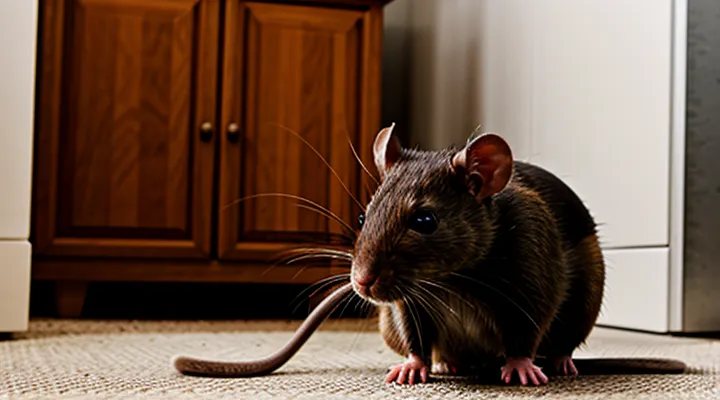
Understanding the Rat Problem
Signs of Rat Infestation
Droppings and Urine
Droppings and urine represent the most direct indicators of a rodent presence in a dwelling. Their detection signals the need for immediate intervention to protect occupants’ health.
Health risks stem from pathogens carried in feces and urine, including hantavirus, leptospirosis, and salmonella. Inhalation of dried particles or contact with contaminated surfaces can trigger respiratory irritation and allergic reactions.
Identification relies on visual and olfactory clues. Fresh droppings appear as dark, cylindrical pellets about 0.5 cm long, often found near food sources, along walls, or in concealed areas. A strong, ammonia‑like odor typically indicates accumulated urine, especially in corners, behind appliances, and within insulation.
Safe handling and cleaning require protective equipment and proper disinfectants. Recommended procedure:
- Wear disposable gloves, a mask rated N95 or higher, and eye protection.
- Ventilate the area by opening windows and using fans.
- Moisten droppings with a disinfectant solution (e.g., 10 % bleach) to prevent aerosolization.
- Scrape and collect waste into a sealed plastic bag.
- Apply the disinfectant to the contaminated surface, allowing a contact time of at least 10 minutes.
- Rinse with clean water and dry thoroughly.
- Dispose of the sealed bag in a closed trash container; wash hands and any reusable gear after removal.
Preventive measures focus on eliminating conditions that attract rodents. Maintain food storage in airtight containers, promptly clean spills, and repair structural gaps larger than ¼ inch. Regular inspection of potential harborages reduces the likelihood of future droppings and urine accumulation, thereby supporting a safer living environment.
Gnaw Marks
Gnaw marks provide reliable evidence of rodent activity in residential units. They appear as shallow, crescent‑shaped incisions on wood, plastic, or insulation, typically 2‑6 mm wide and 1‑2 cm long. The pattern reflects the animal’s continuously growing incisors, which require regular chewing to maintain length. Identifying gnaw marks helps differentiate rat presence from other pests, because rat teeth leave parallel, clean cuts, while squirrel or mouse damage often shows irregular edges.
Key considerations when evaluating gnaw marks:
- Location: marks near walls, baseboards, or behind appliances indicate potential pathways.
- Depth: deeper cuts suggest larger individuals or prolonged activity.
- Material: damage to electrical wiring insulation poses fire risk and should trigger immediate inspection.
- Frequency: multiple marks in a single area increase the probability of an established infestation.
When gnaw marks are discovered, follow a systematic response. First, document the findings with photographs, using French quotation marks for any labels («Gnaw Mark Sample»). Second, seal entry points by installing steel wool or metal flashing, because rats can enlarge openings as small as a quarter inch. Third, place bait stations or traps at least 1 m away from the recorded marks, ensuring they are positioned along the presumed travel route. Finally, monitor the area daily; persistent gnaw marks after intervention indicate incomplete control and may require professional pest management.
Scratching Noises
Scratching noises in residential units often signal rodent movement within walls, ceilings, or floor cavities. The sound typically presents as intermittent, sharp rasping that intensifies during nighttime when rats are most active. Identifying the precise location of the noise enables targeted intervention and reduces the risk of accidental exposure to droppings or disease agents.
Key indicators associated with scratching noises include:
- Concentration of sound near concealed openings such as pipe penetrations, vent ducts, or gaps around baseboards.
- Variation in intensity when doors are closed, suggesting confined pathways.
- Presence of additional signs like gnaw marks, urine stains, or droppings near the audible source.
Safe response measures consist of the following steps:
- Seal all potential entry points using steel wool, caulk, or metal mesh to prevent further ingress.
- Deploy humane traps or snap traps positioned directly adjacent to the identified pathway, ensuring placement away from children and pets.
- Monitor traps daily, disposing of captured rodents in accordance with local health regulations.
- After removal, disinfect the area with a solution containing at least 1 % bleach to eliminate pathogens.
- Conduct a follow‑up inspection within two weeks to confirm the absence of recurring scratching noises.
Professional pest‑control services should be consulted when infestations exceed a few individuals or when structural damage is suspected. Prompt attention to «scratching noises» minimizes health hazards and preserves the integrity of the living environment.
Why Rats are a Problem
Health Risks
Rats in residential units carry a range of pathogens that can affect occupants’ health. Direct contact with urine, feces, or saliva introduces bacteria such as Salmonella and Leptospira, which cause gastrointestinal illness and severe kidney infection. Inhalation of aerosolized particles from dried droppings may lead to hantavirus pulmonary syndrome, a potentially fatal respiratory condition. Allergic reactions to rodent dander and shed hair can trigger asthma attacks and chronic sinus inflammation. Bite wounds risk secondary infection and transmit parasites, including Echinococcus tapeworms, which affect the liver and lungs.
Effective mitigation requires awareness of these hazards. Preventive measures include:
- Sealing entry points to eliminate access to living spaces.
- Using traps that minimize direct handling of rodents, thereby reducing exposure to bodily fluids.
- Wearing disposable gloves, N95 respirators, and protective clothing when setting or checking devices.
- Disinfecting surfaces with bleach solutions (1 part bleach to 9 parts water) after removal of carcasses or droppings.
- Disposing of captured animals in sealed containers, following local regulations for biohazard waste.
Failure to address health risks can result in increased medical expenses, prolonged absenteeism, and reduced quality of life for residents. Implementing safe removal techniques and rigorous sanitation protocols directly lowers the probability of disease transmission and associated complications.
Property Damage
Rats infiltrate residential units, compromising structural integrity, electrical systems, and stored goods. Their gnawing behavior creates holes in walls, floors, and insulation, leading to increased energy loss and elevated repair costs.
- Damage to building fabric: holes in drywall, timber, and plaster.
- Compromise of wiring: chewed cables trigger short circuits, fire hazards, and costly replacements.
- Contamination of food and supplies: droppings and urine spoil pantry items, requiring disposal and restocking.
- Degradation of plumbing: gnawed seals and pipes cause leaks, water damage, and mold growth.
Implementing humane trapping, sealing entry points, and maintaining sanitation interrupts rat activity before extensive damage occurs. Safe removal techniques avoid toxic chemicals, reducing risk to occupants while preserving the condition of furnishings and finishes.
Property owners should conduct regular inspections, identify signs of gnawing, and engage professional pest‑control services that employ containment‑focused methods. Prompt action limits repair expenses and preserves the value of the dwelling.
Prevention: The First Line of Defense
Sealing Entry Points
Inspecting Your Apartment
A thorough inspection of the living space is the first step in a safe rodent‑control program. Identify entry points, locate signs of activity, and assess conditions that attract rats.
Visual inspection should cover every room, including closets, cabinets, and storage areas. Look for gnaw marks on wood, plastic, or wiring; droppings that appear as dark, pellet‑shaped fragments; and greasy smears along walls or near food sources. Check under appliances, behind refrigerators, and inside pantry shelves where crumbs may accumulate.
Seal potential access routes before implementing traps or bait. Use steel wool, copper mesh, or silicone caulk to block gaps larger than a quarter‑inch. Repair cracks in foundation, windows, and doors. Install door sweeps to eliminate gaps at the threshold.
Maintain a clean environment to reduce attractants. Store food in sealed containers, promptly clean spills, and dispose of garbage in tightly fitting lids. Remove clutter that provides shelter, such as cardboard boxes, fabric piles, or unused furniture.
A systematic checklist can streamline the process:
- Examine exterior walls for holes or damaged siding.
- Inspect utility penetrations (pipes, vents) for gaps.
- Survey interior corners, especially behind appliances.
- Document all evidence of rodent presence.
- Apply appropriate sealing materials to each identified opening.
Completing these steps creates a hostile environment for rats, increasing the effectiveness of subsequent safe removal methods.
Materials for Sealing Gaps
Effective rodent control in an apartment relies on eliminating access routes. Sealing gaps prevents entry, reduces infestation risk, and supports safe removal strategies.
- Steel wool « steel wool » – compressible, resistant to gnawing; insert into cracks, then cover with caulk.
- Expanding polyurethane foam « expanding foam » – fills irregular openings; apply sparingly to avoid excess pressure on structures.
- Acrylic or silicone caulk « caulk » – seals narrow gaps around pipes, windows, and baseboards; smooth with a putty knife for airtight finish.
- Metal flashing « metal flashing » – reinforces larger openings in vents or utility penetrations; secure with screws and sealant.
- Weatherstripping « weatherstripping » – installs on door frames and movable panels; choose compressible strips to maintain closure.
- Concrete patching compound « concrete patch » – repairs foundation cracks and floor openings; cure according to manufacturer guidelines.
Application steps:
- Identify all potential entry points using a flashlight and a thin rod or wire.
- Clean surfaces to remove debris and grease; moisture impedes adhesion.
- Insert steel wool into the deepest part of each gap, then apply a thin layer of caulk to lock it in place.
- For larger voids, position metal flashing or weatherstripping, then seal edges with caulk or expanding foam.
- Allow sealants to cure fully before re‑occupying the area; curing time typically ranges from 24 to 48 hours.
Proper material selection and meticulous installation create a barrier that deters rodents, supporting a safe and effective pest‑management program.
Eliminating Food Sources
Proper Food Storage
Proper food storage reduces attractants that draw rodents into living spaces. Seal containers with tight‑fitting lids, store dry goods in opaque, airtight bins, and keep fresh produce in refrigerated compartments. Eliminate spills promptly; wipe surfaces after each meal to remove crumbs and residue.
Key practices include:
- Transfer bulk purchases to smaller, sealable containers within two weeks of opening.
- Place pet food in sealed containers and remove uneaten portions after each feeding.
- Keep garbage in containers with secure lids, emptying them regularly and storing them away from entry points.
- Inspect pantry shelves for signs of damage; replace compromised packaging immediately.
Consistent application of these measures limits food availability for rats, supporting overall rodent‑prevention strategies in residential apartments.
Regular Cleaning
Regular cleaning directly reduces food availability and shelter for rodents, thereby lowering the likelihood of infestation in residential units.
Key cleaning actions include:
- Removing food crumbs from countertops, floors and appliances after each meal.
- Storing pantry items in sealed containers made of glass or heavy‑wall plastic.
- Disposing of garbage daily in bins equipped with tight‑fitting lids.
- Vacuuming corners, under furniture and behind appliances to eliminate droppings and nesting material.
Cleaning should occur at least once daily in kitchens and dining areas, with a thorough sweep of the entire apartment weekly. Wet mopping after vacuuming eliminates residues that attract pests.
Sanitation practices complement non‑chemical control methods, creating an environment where traps can operate without competition from abundant food sources. «Clean surfaces deny rats access to food», reinforcing the preventive effect of consistent housekeeping.
Reducing Hiding Spots
Reducing hiding spots eliminates the environments where rats can nest and travel unnoticed. Sealing entry points removes access routes; use steel wool or copper mesh for gaps around pipes, vents, and utility openings. Apply caulk or expanding foam to cracks in walls, floors, and baseboards. Install tight-fitting door sweeps to block gaps beneath entry doors.
Decluttering removes potential shelters. Store cardboard boxes in sealed containers; discard unused paper piles, fabric scraps, and stacked magazines. Keep storage areas organized, leaving floor space clear for cleaning and inspection.
Food sources attract rodents and create additional concealment. Place all food in airtight containers made of glass or heavy-duty plastic. Remove pet food after each feeding, and clean spillages immediately. Keep trash bins covered with lids that seal tightly; empty them regularly.
Moisture draws rats to hidden areas. Repair leaking faucets, pipes, and roof leaks promptly. Use a dehumidifier in damp basements or bathrooms to lower humidity levels that encourage nesting.
Regular inspection maintains a rat‑free environment. Conduct weekly visual checks of walls, ceilings, and behind appliances for signs of gnawing or droppings. Document discovered gaps and address them without delay.
By implementing these measures, the number of concealed spaces diminishes, making detection easier and improving the effectiveness of safe rodent‑control strategies.
Safe and Humane Trapping Methods
Live Traps
Setting Up Live Traps
Live traps provide a humane solution for managing rodents in residential units. The device captures the animal without injury, allowing relocation away from the dwelling.
Key criteria for selecting a trap include:
- Length of at least 12 inches to accommodate adult rats.
- Durable wire mesh that resists chewing.
- Sensitive trigger mechanism that releases the door with minimal force.
Placement determines capture success. Position traps along walls, behind appliances, and in concealed corners where rats travel. Align the entrance toward the nearest wall to match natural running patterns. Avoid high‑traffic human areas to reduce accidental disturbance.
Effective bait consists of strong scents and high caloric value. Recommended options are:
- Peanut butter
- Dried fruit
- Small pieces of cooked meat
Apply a pea‑sized amount to the trigger plate. Replace bait if it becomes dry or contaminated.
Check traps at least once every 24 hours. When a rat is captured, wear disposable gloves, cover the trap with a cloth, and transport the animal at least two miles from the building before releasing it in a wooded or agricultural area. Seal the trap before disposal of the cloth to prevent escape.
After a capture, clean the trap with a mild detergent and disinfectant. Inspect the surrounding area for droppings, gnaw marks, and potential entry points. Seal gaps larger than ¼ inch with steel wool or caulk to discourage re‑infestation.
Following these steps maximizes the effectiveness of live‑capture methods while maintaining safety for occupants and the captured animal.
Releasing Trapped Rats
When a live‑catch trap secures a rat, immediate release requires careful handling to prevent injury and disease transmission. First, equip disposable nitrile gloves and a sturdy container with ventilation holes. Transfer the animal into the container without excessive force; a gentle tilt of the trap often suffices.
Next, select a release site at least 200 meters from the building to reduce the likelihood of re‑entry. Ideal locations include wooded areas, fields, or municipal green spaces where natural predators exist. Verify local regulations; some jurisdictions prohibit the release of captured rodents on public land.
After release, follow a sanitation protocol: disinfect the trap and surrounding area with a solution containing at least 1 % bleach, then rinse with clean water. Dispose of gloves in a sealed bag and wash hands thoroughly with soap.
Key considerations for successful release:
- Maintain the rat’s stress level low; avoid shaking or prolonged confinement.
- Ensure the release point offers shelter and food sources, improving the animal’s survival prospects.
- Record the date, time, and GPS coordinates of each release for future reference and compliance verification.
Adhering to these steps safeguards both the resident’s health and the welfare of the released animal, supporting effective rodent management in residential settings.
Snap Traps (Proper Placement and Safety)
Baiting Snap Traps
Bait selection determines the effectiveness of snap traps. High‑protein foods such as cooked meat, fish, or canned pet food attract rats more reliably than grain‑based options. Fatty substances, for example peanut butter mixed with a small piece of cheese, create a strong scent that encourages quick approach. Bait should be applied in a thin layer to the trigger mechanism, ensuring that the rat must bite to release the trap.
Placement considerations include positioning traps along walls, behind appliances, and near known droppings. Rats travel close to vertical surfaces; aligning traps perpendicular to the wall maximizes contact. Each trap must be secured to prevent accidental displacement, and spacing of 2–3 feet between traps reduces competition and increases capture rates.
Safety measures require handling traps with gloves to avoid direct contact with the spring mechanism. Traps should be inspected before deployment to confirm proper tension. After capture, the trap must be covered with a sturdy container before disposal, minimizing exposure to disease vectors. Dead rodents should be placed in sealed bags and discarded according to local waste regulations.
Routine monitoring involves checking traps at intervals of 12–24 hours. Prompt removal of caught rats prevents decomposition odors that could attract additional pests. Resetting traps with fresh bait after each capture maintains consistent effectiveness throughout the control program.
Positioning for Efficacy
Effective rat control in a residential unit depends on strategic placement of devices and attractants. Positioning must align with typical rodent pathways, concealment opportunities, and safety zones.
- Install snap or electronic traps along walls, where rats travel close to surfaces. Position devices perpendicular to the wall, with the trigger side facing the expected approach.
- Place bait stations near concealed entry points, such as gaps behind baseboards, beneath kitchen cabinets, and inside utility closets. Secure stations to prevent accidental displacement.
- Locate traps at a height of 10–15 cm above the floor, matching the average rat’s running line. Avoid placement on open countertops or high-traffic areas frequented by occupants.
- Use sealed live‑capture cages in rooms without children or pets, positioning them in secluded corners with direct access to the bait.
- Ensure all devices are mounted on stable surfaces to maintain functionality during cleaning or routine movement of furniture.
Correct positioning reduces the time required for capture, limits exposure of non‑target residents, and enhances overall efficacy of the control program. Regular inspection of placed devices confirms continued alignment with rodent activity and allows timely relocation if patterns shift.
Glue Traps (Considerations)
Glue traps consist of a flat surface coated with a strong adhesive that immobilizes rodents instantly upon contact. Their compact design allows placement in concealed areas such as behind appliances, within wall voids, or beneath furniture, where rats frequently travel.
Considerations for using glue traps in residential settings include:
- Placement in locations inaccessible to children, pets, or non‑target wildlife.
- Selection of traps with a clear, non‑toxic adhesive to reduce health hazards.
- Regular inspection, typically every 12‑24 hours, to prevent prolonged suffering of captured animals.
- Proper disposal in sealed, puncture‑proof containers to contain potential disease agents.
- Awareness of local regulations that may restrict or forbid adhesive devices for pest control.
- Evaluation of trap effectiveness; glue traps capture only a single rat per unit and may require multiple devices for larger infestations.
Safe implementation demands securing traps behind barriers, labeling them clearly, and maintaining a strict monitoring schedule. If rapid population reduction is required, combine glue traps with bait stations or professional exclusion methods to achieve comprehensive control while minimizing risk to occupants.
Chemical-Free Deterrents
Natural Repellents
Peppermint Oil
Peppermint oil serves as a natural repellent for rats in residential environments. Its strong menthol scent interferes with rodents’ olfactory receptors, causing avoidance of treated areas.
Application guidelines:
- Dilute 10 ml of pure peppermint essential oil in 500 ml of water.
- Soak cotton balls in the solution and place them in corners, behind appliances, and along walls where activity is observed.
- Replace cotton balls every 3–4 days to maintain potency.
- Combine with sealed entry-point repairs for comprehensive control.
Safety considerations:
- Ensure ventilation; inhalation of concentrated oil may irritate human respiratory passages.
- Keep treated materials out of reach of children and pets, as ingestion can cause gastrointestinal upset.
- Test a small surface area for material compatibility before widespread use.
Effectiveness assessment:
- Studies indicate a reduction in rat sightings by 30–50 % within two weeks of consistent application.
- Results vary with infestation level; severe cases may require supplemental mechanical traps or professional intervention.
Limitations:
- Peppermint oil does not eradicate established colonies; it deters movement and entry.
- Prolonged exposure may lead to habituation, diminishing repellent impact over time.
Integrating peppermint oil with structural exclusion measures enhances overall safety and aligns with non‑lethal rodent management practices.
Ammonia
Ammonia, when employed correctly, can serve as a deterrent for rodents in residential settings. The compound’s strong, pungent odor is unpleasant to rats, prompting avoidance of treated areas. Application must follow strict safety protocols to protect occupants and pets.
Effective use involves the following steps:
- Dilute concentrated liquid to a 5 % solution with water; higher concentrations increase the risk of respiratory irritation.
- Soak cotton balls or small cloth pieces in the diluted mixture.
- Place soaked material in sealed, perforated containers such as plastic jars with a few drilled holes, positioning them near known rat pathways, entry points, and nesting sites.
- Replace the material every 48 hours, or sooner if the odor diminishes.
Precautions are essential:
- Ensure adequate ventilation; open windows and use exhaust fans during and after deployment.
- Store the concentrate in a locked cabinet, out of reach of children and animals.
- Wear protective gloves and a mask to prevent skin contact and inhalation of vapors.
- Avoid using ammonia near food preparation surfaces, open flames, or electrical equipment, as vapors are flammable under certain conditions.
Ammonia does not kill rats; it merely creates an environment they find hostile. For comprehensive rodent management, combine this method with exclusion techniques, sanitation improvements, and, when necessary, professional trapping or baiting programs.
Ultrasonic Devices (Effectiveness)
Ultrasonic repellents emit high‑frequency sound waves beyond the range of human hearing, intended to create an uncomfortable environment for rodents. The principle relies on the animal’s sensitivity to frequencies between 20 kHz and 80 kHz, which can cause stress and avoidance behavior.
Effectiveness varies with several factors:
- Frequency range: Devices covering a broader spectrum increase the likelihood of affecting different rat species.
- Power output: Higher acoustic pressure extends the effective radius, typically 10–20 ft in open space.
- Placement: Units positioned near entry points, walls, and concealed areas maximize exposure; obstacles such as furniture and insulation diminish propagation.
- Ambient noise: Background sounds above 30 dB can mask ultrasonic emissions, reducing impact.
Empirical studies report mixed results. Controlled laboratory tests show a reduction in activity levels of up to 60 % when rats are continuously exposed in a confined chamber. Field trials in residential settings reveal lower success rates, often below 30 %, due to structural interference and habituation. Rats may initially avoid treated zones but can adapt after several days, diminishing long‑term efficacy.
Safety considerations include:
- No direct risk to humans or pets with hearing thresholds above 20 kHz; however, some small mammals and birds may experience discomfort.
- Continuous operation consumes modest electricity (approximately 2–5 W); devices typically include automatic timers to conserve energy.
Recommendations for practical use:
- Select a model with adjustable frequency and a certified power rating.
- Install multiple units to ensure overlapping coverage, especially in wall cavities and under appliances.
- Combine ultrasonic repellents with physical barriers, sanitation, and trapping for a comprehensive control strategy.
- Monitor rodent activity for at least two weeks; replace or reposition devices if no decline is observed.
Overall, ultrasonic devices can contribute to a multi‑modal approach, offering a non‑chemical, low‑maintenance option, but reliance on them as a sole solution is unsupported by consistent field evidence.
Post-Extermination Cleaning and Sanitation
Disposing of Carcasses
Proper disposal of dead rodents prevents disease spread and eliminates odors that attract additional pests. After a rat is killed, wear disposable gloves, place the carcass in a sturdy plastic bag, seal the bag tightly, and label it if required by local waste guidelines.
Potential disposal methods include:
- Municipal trash – seal the bag and place it in a sealed trash container for collection on the next scheduled pickup, provided local regulations permit biological waste in regular refuse.
- Professional pest‑control service – request a licensed handler to retrieve and dispose of the carcass according to health‑department standards.
- Burial – dig a hole at least 30 cm deep, place the sealed bag underground, and cover with soil; ensure the burial site is outside the building’s foundation and away from water sources.
- Incineration – use a small, approved incinerator or a high‑temperature outdoor fire, ensuring complete combustion and compliance with fire‑safety rules.
Legal and health considerations require adherence to municipal codes that may classify rodent remains as hazardous waste. Failure to follow these rules can result in fines and increased risk of pathogen exposure. «Dispose of carcasses promptly to reduce health risks» reinforces the necessity of swift, regulated action.
Disinfecting Affected Areas
Effective disinfection of areas contaminated by rodents is essential for preventing disease transmission and eliminating lingering odors.
Rodent activity introduces bacteria, viruses, and parasites that can survive on surfaces for weeks. Direct contact with contaminated debris or inhalation of aerosolized particles poses health risks to occupants, especially children and immunocompromised individuals.
Before applying any disinfectant, remove all visible droppings, urine stains, and nesting material. Wear disposable gloves, a mask rated N‑95 or higher, and eye protection. Seal the work zone with plastic sheeting to contain dust and aerosols.
Recommended disinfectants include:
- 1 % sodium hypochlorite solution (bleach) – broad‑spectrum efficacy against viruses and bacteria.
- 70 % ethanol – rapid action on surface pathogens, unsuitable for porous materials.
- Quaternary ammonium compounds – effective on hard, non‑porous surfaces, compatible with most cleaning agents.
Application procedure:
- Pre‑wet the contaminated surface with water to reduce dust formation.
- Apply the chosen disinfectant, ensuring full coverage for the contact time specified by the manufacturer (typically 5–10 minutes).
- Rinse with clean water if the disinfectant leaves a residue that could damage flooring or furniture.
- Dispose of cleaning cloths and PPE in sealed bags; treat them as contaminated waste.
After disinfection, ventilate the area for at least 30 minutes to disperse residual fumes. Conduct a visual inspection to confirm the absence of stains or odors. Regular monitoring of rodent‑prone zones and prompt cleaning of new contamination will maintain a safe living environment.
«Disinfection reduces pathogen transmission and limits re‑infestation risk».
Preventing Re-Infestation
Effective prevention of rat re‑infestation begins with a thorough assessment of entry points. Seal all gaps larger than a quarter‑inch in walls, floors, and around utility penetrations using steel wool, caulk, or metal flashing. Install door sweeps on exterior doors and repair damaged screens. Regularly inspect vent covers and chimney flues, installing mesh where necessary.
Maintain a strict sanitation regime. Store food in airtight containers, promptly clean crumbs and spills, and avoid leaving pet food exposed overnight. Dispose of garbage in sealed bins and remove compost piles from the immediate vicinity of the dwelling. Eliminate standing water sources by fixing leaks and drying damp areas within 24 hours.
Implement environmental monitoring to detect early signs of activity. Place non‑lethal tracking stations near suspected pathways; review evidence weekly. If droppings, gnaw marks, or urine stains appear, address the location immediately with targeted sealing or removal measures.
Adopt a scheduled inspection cycle. Conduct a comprehensive check of the building envelope, waste management practices, and interior cleanliness every month. Document findings, corrective actions, and any recurring problem areas. Consistent documentation supports timely intervention and reduces the likelihood of a new infestation.
When to Call a Professional
Large-Scale Infestations
Large‑scale rat infestations in residential units present a heightened health risk and structural damage potential. Multiple colonies can occupy concealed spaces, creating extensive contamination with droppings, urine, and gnaw marks.
Typical indicators include frequent sightings of rodents, persistent odor, visible droppings exceeding 10 cm², gnaw holes in wiring or insulation, and unexplained food loss. Early recognition enables prompt containment.
Containment measures begin with sealing entry points larger than 6 mm, removing clutter that offers shelter, and restricting food access by storing perishables in airtight containers. Ventilation should be maintained to reduce humidity, a condition that favors rodent proliferation.
Safe removal strategies suitable for extensive infestations comprise:
- Mechanical traps positioned along established runways, checked and reset daily.
- Enclosed bait stations employing anticoagulant or non‑anticoagulant rodenticides, placed out of reach of children and pets.
- Professional extermination services that apply certified fumigation or CO₂‑based methods, ensuring compliance with local health regulations.
- Integrated pest management (IPM) programs that combine trapping, baiting, and environmental modification to achieve long‑term control.
Post‑removal actions focus on thorough sanitation: disinfect surfaces with an EPA‑approved solution, dispose of contaminated materials in sealed bags, and conduct a final inspection to confirm the absence of activity. Regular maintenance, including periodic monitoring traps and routine building inspections, prevents recurrence of large‑scale rodent problems.
Persistent Rat Problems
Persistent rat problems in residential units arise when infestations remain despite routine cleaning and occasional trap placement. The underlying factors include unrestricted access to food, water, and shelter, combined with structural gaps that allow rodents to enter from adjoining spaces.
Typical indicators of ongoing infestation comprise fresh droppings, gnaw marks on cabinetry or wiring, audible scurrying in walls, and visible urine stains. These signs confirm active nesting sites and breeding activity, which can double the population within a month.
The durability of the issue stems from rapid reproductive cycles, adaptive behavior that avoids naïve traps, and the ability to establish concealed burrows behind insulation or within ceiling voids. Simple removal attempts often fail because they do not address the source of attraction or the entry pathways.
Effective, non‑toxic control strategies focus on three pillars: exclusion, sanitation, and targeted trapping.
- Seal cracks, gaps around pipes, and vent openings with steel‑wool or caulking.
- Store food in airtight containers, eliminate standing water, and dispose of waste in sealed bins.
- Deploy snap or live traps near identified runways, using approved bait such as peanut butter or dried fruit; position traps perpendicular to walls for optimal contact.
Professional‑grade bait stations, containing anticoagulant rodenticides, may be employed where legal and under expert supervision, ensuring minimal risk to occupants and pets.
Continuous monitoring after initial intervention is essential. Inspect trap catch, re‑evaluate entry points, and repeat sanitation measures weekly until no further activity is detected. Maintaining the three‑step protocol prevents re‑infestation and ultimately resolves persistent rat problems.
Safety Concerns
Safety when managing rodent infestations in a residence requires attention to health, chemical, and structural risks.
Key hazards include:
- Transmission of pathogens such as «hantavirus», «leptospirosis», and «salmonellosis».
- Exposure to toxic substances from rodenticides, which can affect occupants and pets.
- Physical injury from snap traps, glue boards, or live‑capture devices.
- Damage to wiring, insulation, or ventilation systems caused by gnawing activity.
- Increased fire risk if traps or baits are placed near heat sources.
Mitigation strategies consist of:
- Selecting sealed, humane traps that prevent accidental contact.
- Wearing disposable gloves, masks, and eye protection during setup and removal.
- Locating devices away from food preparation areas, children’s play zones, and pet pathways.
- Ensuring adequate ventilation when using chemical controls and following manufacturer dosage instructions.
- Disposing of captured rodents and contaminated materials in sealed bags, then placing them in external waste containers.
- Consulting licensed pest‑control professionals for extensive infestations or when using potent poisons.
Adhering to these precautions minimizes health threats, reduces accidental exposure, and preserves the integrity of the living environment.